
As the UK rapidly embraces cleaner energy, understanding gas and central heating is more important than ever for homeowners and landlords. The landscape is evolving, with new system types, regulations, and eco-friendly alternatives shaping decisions in 2026.
This essential guide will clarify the latest developments, offering practical advice on choosing, maintaining, and upgrading your heating. You will find clear explanations of current systems, recent regulatory changes, and tips to boost efficiency.
Rising energy costs and stricter environmental targets mean making informed choices is vital. Ready to future-proof your comfort and save money? Let’s get started.
The State of Gas and Central Heating in the UK (2026)
In 2026, the landscape of gas and central heating in the UK is transforming rapidly, yet the system remains at the heart of most homes. Despite the push for greener energy, gas and central heating still serve as the backbone for 86% of British households, according to recent data. This prevalence highlights both the deep-rooted infrastructure and the challenges of shifting towards more sustainable solutions.
The government’s commitment to net-zero carbon emissions by 2050 has set ambitious targets for decarbonising home heating. Over the past two years, there has been an increased focus on reducing reliance on fossil fuels. New regulations have tightened efficiency standards and incentivised low-carbon alternatives. However, the pace of change is gradual, with many households still relying on gas and central heating due to cost, convenience, and availability.
Recent statistics reveal a gradual decline in new gas boiler installations, countered by a rise in heat pump and district heating adoption. However, replacements of older gas and central heating systems remain common, particularly in properties where renewable options are less viable. The UK’s energy mix is slowly diversifying, but gas continues to play a critical role during this transition period.
Regulatory updates since 2024 have driven improvements in system efficiency and emissions. All new boiler installations must meet strict condensing standards, and there are growing incentives for upgrading older, less efficient units. Proposals have also been made to support hydrogen-ready boilers, ensuring gas and central heating remain adaptable as the energy landscape evolves.
Gas’s dominance varies regionally. Urban areas like London are expanding district heating networks, connecting thousands of homes to more sustainable heat sources. In contrast, the North East and other rural regions remain heavily dependent on gas and central heating, often due to limited access to district or renewable infrastructure. These differences reflect varying rates of adoption and access to grid upgrades across the country.
Consumer attitudes in 2026 show a cautious optimism. Many homeowners are open to eco-friendly heating, but concerns about upfront costs, disruption, and reliability persist. Market trends indicate increased demand for hybrid systems and smart controls, allowing users to optimise gas and central heating while preparing for future upgrades. For a deeper dive into housing energy trends and system efficiency, the Energy efficiency of housing in England and Wales provides valuable insights.
The table below summarises the current adoption of heating systems across key UK regions:
| Region | Primary Heating Type | Adoption Rate (%) | Notable Trends |
|---|---|---|---|
| London | District, Gas | 65 (District), 25 (Gas) | Rapid district expansion |
| North East | Gas and Central Heating | 90 | Slow uptake of renewables |
| South West | Gas, Electric, Biomass | 70 (Gas) | Growing heat pump adoption |
| Scotland | Gas, District, Electric | 75 (Gas) | District schemes in cities |
As we look ahead, gas and central heating will remain a central feature of UK homes in 2026, but their role is evolving. Upgrades, policy changes, and shifting consumer priorities are shaping a sector in transition, with efficiency and sustainability at the forefront of every decision.
Types of Central Heating Systems Explained
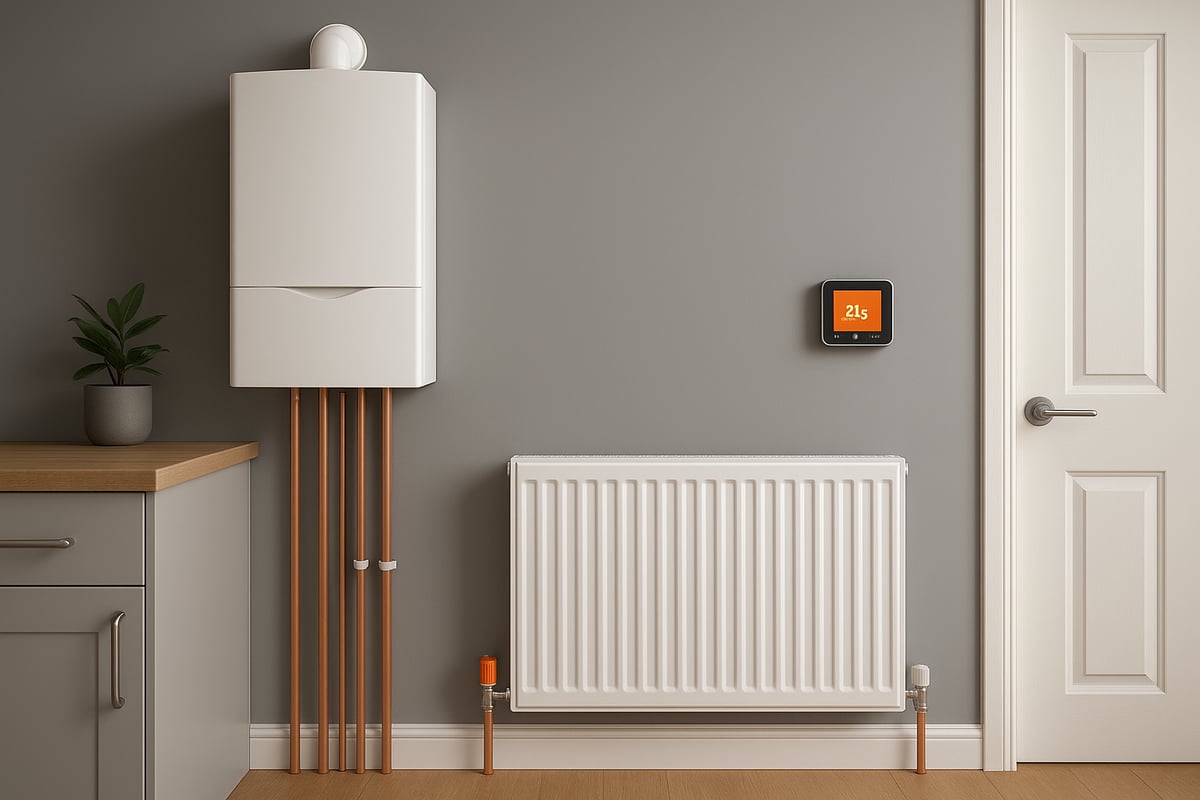
Understanding the available types of gas and central heating systems is crucial for UK homeowners and landlords in 2026. With evolving technology and regulations, choosing the right system can save money and help meet eco targets. Each system has specific benefits, challenges, and ideal use cases. To explore further, you may want to review this Types of UK Heating Systems resource for a comprehensive overview.
Wet Central Heating Systems
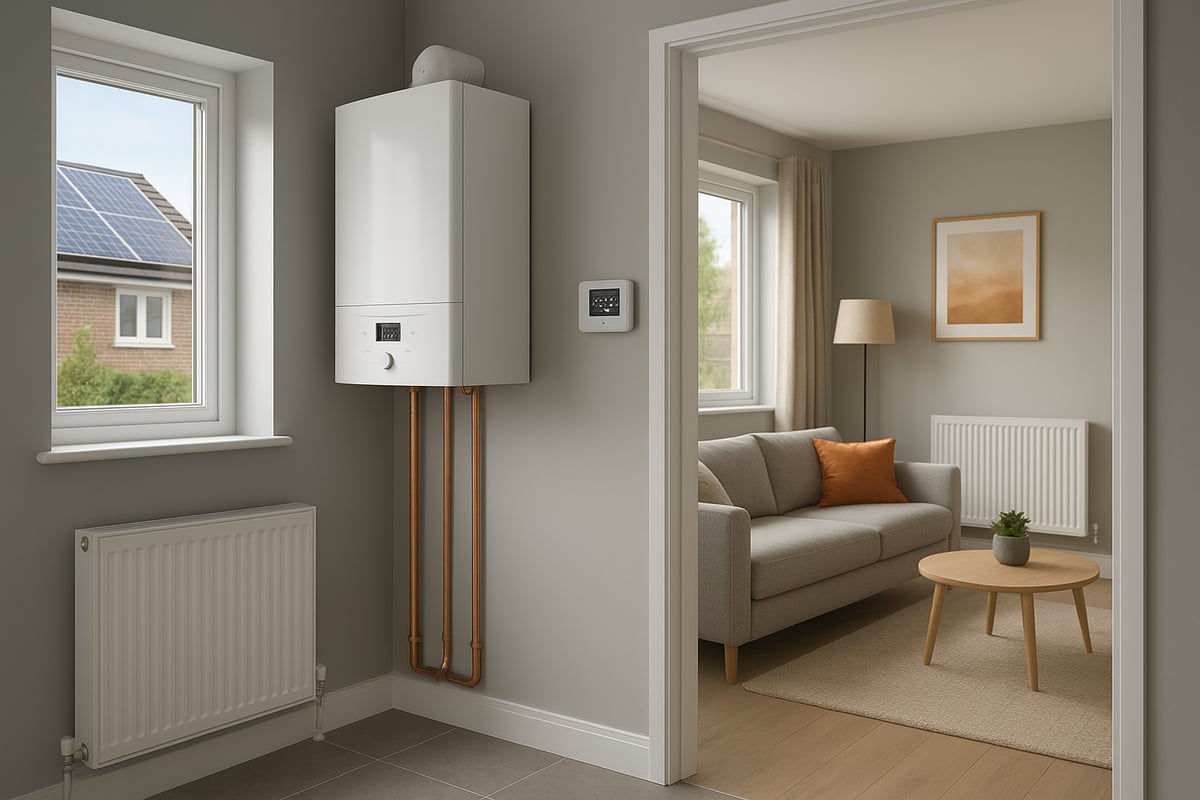
Wet central heating systems remain the most common choice in UK homes, with gas boilers leading the way. These systems use water heated by a boiler, which is then pumped through pipes to radiators or underfloor heating circuits around the property. Typical fuels include gas, oil, and LPG, making wet systems flexible for various locations.
A standard setup in a three-bed semi-detached house features a gas boiler, a network of radiators, and a programmable thermostat for control. Wet systems offer strong efficiency and responsive heating, especially with modern condensing boilers. However, they require regular maintenance and are susceptible to issues like sludge buildup or airlocks in radiators.
The main benefits are consistent warmth and reliable hot water, but drawbacks include the need for annual servicing and potential for leaks. Wet gas and central heating systems are especially suited for family homes with moderate to high hot water demand.
Electric Central Heating Systems
Electric central heating systems have grown in popularity, especially in areas where mains gas is unavailable. Common options include storage heaters, electric radiators, infrared panels, and electric boilers. These systems are well-suited to flats, small houses, and off-grid properties due to their straightforward installation and lack of flue requirements.
For example, a studio flat may rely on an electric boiler to supply both heating and hot water, offering a compact and space-saving solution. Electric systems typically have lower upfront installation costs but can be more expensive to run compared to traditional gas and central heating, depending on electricity tariffs.
While electric heating is easy to control and maintain, it may not provide sufficient output for larger homes. The absence of combustion makes these systems safer, but their carbon footprint depends on the electricity supply mix.
Alternative and Renewable Systems
Alternative and renewable heating systems are becoming more accessible as the UK advances towards net-zero targets. Warm air systems, once popular, are now mainly found in older properties and are rarely installed in new builds. District heating, connecting multiple homes to a central energy source, now serves over 210,000 UK properties, with significant potential for further growth.
Solid fuel and biomass systems use wood, coal, or plant-based fuels, offering an option for rural areas or properties off the gas grid. Renewable solutions like air source and ground source heat pumps, as well as solar thermal panels, are increasingly being adopted. A notable example is London's project to harness Underground waste heat for district heating, providing a sustainable solution for urban housing.
These alternatives can reduce reliance on gas and central heating, helping homeowners cut emissions and future-proof their properties.
System Comparison and Suitability
Choosing the right gas and central heating system depends on several factors, such as property size, location, and hot water demand. Installation cost, running expenses, and environmental impact also play essential roles in decision-making.
| System Type | Best For | Pros | Cons |
|---|---|---|---|
| Wet (Gas/Oil/LPG) | Family homes | Efficient, reliable | Maintenance, emissions |
| Electric | Flats, small homes | Easy install, safe | Running cost, limited output |
| District Heating | Urban blocks, new builds | Sustainable, scalable | Limited access, disruption |
| Renewable (Heat Pumps, Solar) | Eco-conscious, rural | Low carbon, future-proof | Upfront cost, suitability |
For example, a family in a detached house may benefit from a high-efficiency gas and central heating system with zoned controls, while a city flat might be better served by electric radiators or a compact electric boiler. Assessing your home's needs will help ensure comfort, cost-effectiveness, and compliance with future regulations.
How Gas Central Heating Works: Boilers, Controls, and Components
Understanding how gas and central heating operates in modern UK homes is crucial for efficient, safe, and cost-effective warmth. This section breaks down the boiler types, the heating cycle, efficiency considerations, and essential maintenance, giving you a complete picture of today’s systems.
Types of Gas Boilers in 2026
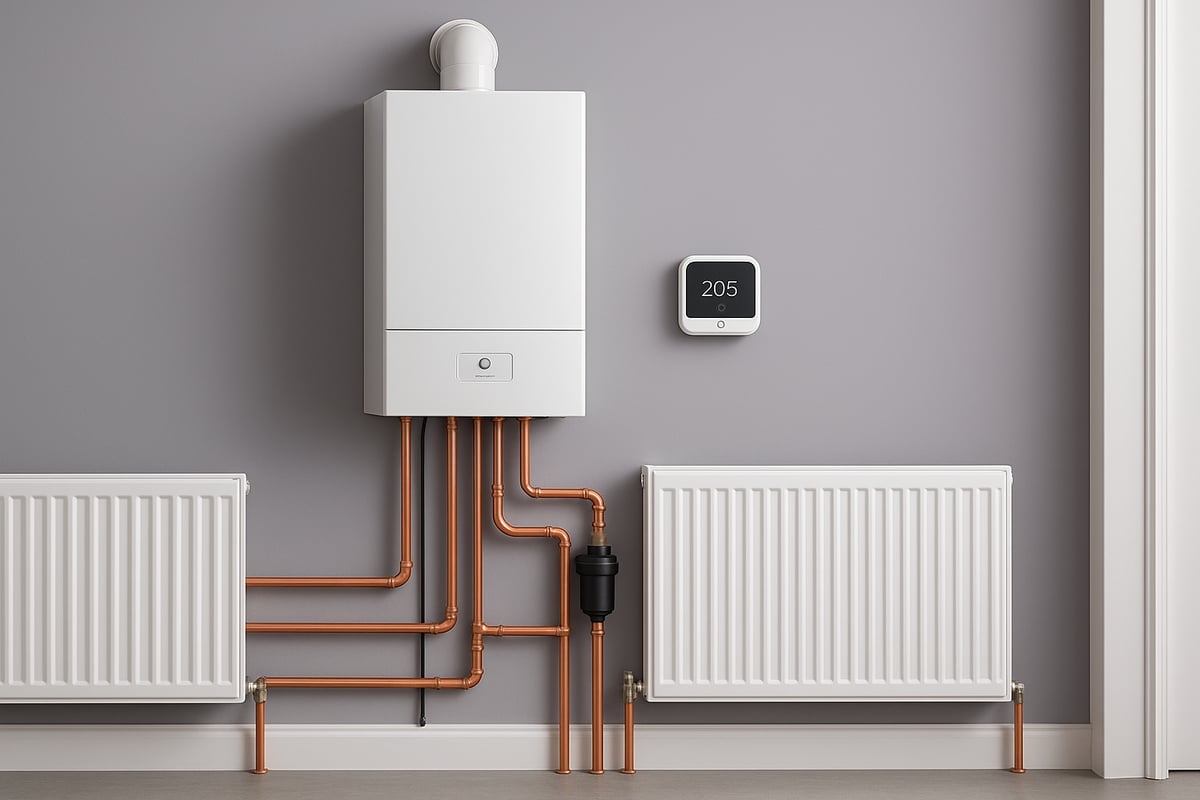
Gas and central heating systems in 2026 are built around several main boiler types, each suited to different home requirements. The most popular is the combi boiler, which provides heating and hot water directly from the unit, eliminating the need for separate tanks or cylinders. System boilers incorporate a built-in pump and expansion vessel, making them ideal for larger homes with higher hot water demand.
Regular, or conventional, boilers are typically found in older properties. These require both a hot water cylinder and a cold water storage tank, making them more complex but still reliable in homes with traditional setups. All new installations now use condensing technology, which recycles heat from the exhaust gases, achieving much higher efficiency than older non-condensing models.
When assessing your gas and central heating system, look for labels or model numbers on your boiler. For example, a three-bedroom semi-detached house may use a combi boiler, providing both space heating and instant hot water. Each type has distinct installation and maintenance needs, so knowing your system is essential for future upgrades.
Boiler Operation and Heating Cycle
At the heart of every gas and central heating system is the process of burning gas to heat water. The boiler ignites gas, transferring heat to water via a heat exchanger. This hot water circulates through pipes to radiators or underfloor heating, warming each room efficiently.
Modern controls play a significant role in optimising gas and central heating. Thermostats, timers, and smart controls enable precise management of temperature and scheduling. Advanced systems offer zoning, allowing different parts of the house to be heated independently. Smart thermostats can be controlled remotely via smartphone apps, learning your routines and maximising comfort while reducing waste.
A typical UK home might set the heating to come on before waking up and again before returning in the evening. The system cycles hot water through radiators, then switches off to maintain the set temperature. With the right controls, gas and central heating becomes both convenient and energy-efficient.
Efficiency and Emissions
Efficiency is a key concern for gas and central heating in 2026. Condensing boilers achieve over 90% efficiency by capturing and reusing heat that would otherwise be lost. In contrast, non-condensing models may waste significant energy, leading to higher bills and CO2 emissions.
Regular servicing is vital for maintaining peak efficiency. A well-maintained system uses less gas, produces fewer emissions, and costs less to run. Emissions from gas and central heating are still higher than those from renewable systems, but new government incentives encourage homeowners to upgrade to the latest models and improve insulation.
For example, upgrading from a 15-year-old non-condensing boiler to a modern condensing type could cut energy use by up to 30%. This not only lowers bills, but also supports the UK’s move towards cleaner heating. When reviewing your options, consider the long-term benefits of investing in efficient gas and central heating technology.
| Boiler Type | Efficiency (%) | Typical CO2 Output | Suitability |
|---|---|---|---|
| Non-condensing | 60–75 | High | Older properties |
| Condensing | 90+ | Lower | All modern homes |
| Renewable (Heat Pump) | 300+ (COP) | Minimal | Well-insulated homes |
Maintenance, Safety, and Common Issues
Ongoing maintenance is essential for safe and reliable gas and central heating. Annual servicing by a Gas Safe registered engineer ensures your boiler operates efficiently and reduces the risk of dangerous faults. Common problems include leaks, low pressure, and thermostat malfunctions, all of which can disrupt heating or hot water.
Safety should always be a priority. Fit a carbon monoxide alarm near your boiler and ensure good ventilation to prevent harmful gas build-up. If you notice strange noises, water leaks, or error codes, follow basic troubleshooting steps such as checking boiler pressure or resetting the thermostat. For persistent or serious issues, always call a qualified professional.
For more detailed advice on upkeep and troubleshooting, refer to this helpful Boiler and Heating System Maintenance guide. Regular checks and servicing not only prevent costly breakdowns but also extend the life of your gas and central heating system, keeping your home warm and safe year-round.
Upgrading and Replacing Your Heating System in 2026
Upgrading your gas and central heating system is one of the most impactful decisions a homeowner or landlord can make in 2026. With new regulations, evolving technologies, and rising energy costs, knowing when and how to replace your system is crucial. Whether your goal is improving efficiency, reducing bills, or future-proofing your property, understanding your options is key.
When to Upgrade or Replace
Deciding when to upgrade your gas and central heating system depends on several factors. Age is often the first indicator. If your boiler is over 15 years old, it likely lacks the efficiency and safety features of modern models. Frequent breakdowns, rising repair costs, and uneven heating are clear signs that replacement should be considered.
Legal changes in 2026 have made condensing boilers the standard for new installations, so any non-condensing gas and central heating systems must be upgraded when replaced. The cost-benefit analysis is straightforward: new systems are more efficient, safer, and can cut energy bills by up to 30 percent. For example, swapping a 20-year-old regular boiler for a new condensing model can pay for itself in a few years through savings and government incentives.
Choosing the Right System for Your Home
Selecting the best gas and central heating system for your property starts with an assessment of your home’s size, insulation, and hot water demand. Larger homes with multiple bathrooms often benefit from a system boiler, which can supply hot water to several outlets at once. In contrast, smaller homes or flats may find a combi boiler more suitable due to its compact size and on-demand hot water.
Future-proofing is also vital. Consider eco-friendly options such as hydrogen-ready boilers or hybrid systems that combine gas and renewables. If your property is well-insulated, you might also explore heat pump compatibility. A family upgrading from a regular boiler in a large home to a modern system boiler will notice improved comfort, efficiency, and control, all while meeting the latest regulations for gas and central heating.
Installation Process and What to Expect
The installation of a new gas and central heating system follows a step-by-step process. It begins with an assessment by a qualified engineer, followed by a detailed quotation. Next is the removal of the old system, preparation of pipework, and installation of the new boiler and controls.
Disruption is minimal, with most standard replacements completed in one to two days. Using Gas Safe registered engineers ensures safety and compliance. For a detailed overview of what to expect, see the Central Heating Installation Guide, which outlines each stage and offers practical tips for a smooth upgrade.
Costs, Financing, and Incentives
The cost of upgrading gas and central heating systems in 2026 varies by property size and system type. On average, a new boiler installation ranges from £2,500 to £4,500, with full system replacements costing more. Government grants, such as the Boiler Upgrade Scheme, can offset part of this expense for qualifying households.
Flexible financing options are widely available, including 0 percent interest payment plans. This makes it possible to spread the cost over manageable monthly payments. Always compare available incentives and financing packages to maximise your investment in a new gas and central heating system.
Maximising Efficiency and Reducing Heating Bills
Improving the efficiency of your gas and central heating system can significantly reduce your energy bills and environmental impact. With energy prices still volatile in 2026, adopting a strategic approach to heating management is more important than ever. Below, discover proven methods to extract the most value from your system, enhance comfort, and future-proof your home.
Optimising Your Current System
To get the most from your gas and central heating, start by fine-tuning your control settings. Setting your thermostat between 18°C and 21°C balances comfort and cost. Use programmable timers to match heating to your daily routine, and consider zoning to heat only occupied rooms.
Smart thermostats offer remote control and learning features, automatically adjusting temperatures for maximum efficiency. Regularly bleeding radiators and balancing the system ensures even heat distribution.
A recent government consultation on improving boiler standards and efficiency highlights the importance of modern controls and regular upgrades. These steps can deliver annual savings of up to 15% on heating bills.
If your gas and central heating system lacks smart controls or zoning, upgrading could pay for itself within a few years. Always monitor system performance and keep an eye on energy use to spot inefficiencies early.
Insulation and Home Improvements
Insulation is a cornerstone of efficient gas and central heating. Loft insulation, cavity wall insulation, and floor insulation all play a crucial role in retaining warmth. Draught-proofing windows and doors further limits heat loss.
Consider this table for estimated annual savings:
| Upgrade | Potential Annual Saving (£) |
|---|---|
| Loft Insulation | 250 |
| Cavity Wall Insulation | 180 |
| Draught Proofing | 60 |
Proper insulation reduces demand on your gas and central heating, making the system work less and last longer. Even small improvements can add up to significant cost reductions over time.
Maintenance and Servicing Best Practices
Routine maintenance is essential for keeping gas and central heating systems safe and efficient. Schedule annual servicing with a Gas Safe registered engineer to check for leaks, test pressure, and ensure all components are working correctly.
DIY checks include monitoring boiler pressure, inspecting for leaks, and making sure radiators heat evenly. Service plans often cover call-outs and repairs, providing peace of mind.
For more in-depth guidance, Plumbing and Central Heating Insights offers practical tips on system care. Regular attention prevents unexpected breakdowns and maximises your investment.
Switching Energy Tariffs and Suppliers
Review your energy tariff regularly to ensure you are not overpaying for gas and central heating. Use comparison tools to find competitive rates or consider switching to a green tariff for a lower carbon footprint.
Switching supplier is straightforward in 2026. Notify your new provider, share a meter reading, and the transition will be managed for you. Many households report annual savings of up to £300 simply by switching to a better deal.
A well-chosen tariff, combined with an efficient gas and central heating system, ensures you are not wasting money or energy.
Nu-Heat North East: Local Heating Experts
Since 1983, Nu-Heat North East has provided expert plumbing and heating services across the North East. Their team installs and repairs boilers, bathrooms, and full heating systems.

Flexible finance options, including 0% interest, make upgrades accessible. All work is carried out by Gas Safe registered experts, ensuring safety and efficiency. Contact Nu-Heat North East for tailored advice and a free, no-obligation quote.
The Future of Home Heating: Trends and Innovations
As the UK continues its journey toward a greener future, the landscape of gas and central heating is evolving rapidly. Understanding the emerging trends, innovations, and regulatory changes is crucial for homeowners and landlords planning for 2026 and beyond.
Decarbonisation and the Phase-Out of Gas
The UK's commitment to net-zero by 2050 has placed gas and central heating at the centre of decarbonisation efforts. Initially, the government planned to ban the sale of new gas boilers by 2035, but recent developments have introduced uncertainty. In January 2025, the government announced it would scrap the plan to ban sale of gas boilers by 2035, meaning gas and central heating systems remain available, though under increasing scrutiny.
Homeowners are encouraged to consider transition strategies, such as hybrid systems that combine gas boilers with heat pumps. Hydrogen-ready boilers are also gaining attention, offering compatibility with future low-carbon fuels. Early adopters in pilot zones are already using hydrogen-mixed gas, preparing for a wider rollout. For many, gas and central heating still offer reliability and affordability, but the focus is shifting towards cleaner alternatives.
Growth of Renewable Heating Solutions
The rise of renewable solutions is reshaping the gas and central heating market. Air source and ground source heat pumps are being adopted in new builds and retrofits, providing efficient alternatives to traditional boilers. Solar thermal panels are increasingly used for hot water, particularly in well-insulated homes.
District heating schemes are expanding in urban areas, connecting entire neighbourhoods to centralised low-carbon heat sources. For example, new developments in London now benefit from large-scale district heating, reducing reliance on individual gas and central heating systems. According to Decarbonising heat and transport, these solutions are key to meeting the UK's climate targets. The integration of renewables is expected to accelerate, especially as incentives and support schemes make them more accessible.
Smart Home Integration and Controls
Smart technology is transforming how households manage gas and central heating. Modern smart thermostats and heating apps allow for precise temperature control, learning routines, and remote adjustments from smartphones or tablets.
Integration with broader home automation systems enables zoning, occupancy detection, and energy monitoring. These features not only enhance comfort but also drive down energy bills by reducing unnecessary heating. For instance, a smart thermostat can automatically lower temperatures when rooms are unoccupied, ensuring gas and central heating systems operate efficiently.
Innovations in Boiler and Heating Technology
Technological advancements are making gas and central heating systems more efficient and user-friendly. Ultra-efficient condensing boilers continue to set new standards, while hydrogen-ready models prepare homes for future fuel changes.
Self-diagnosing and remote-monitoring boilers alert homeowners and engineers to potential issues before they become major problems. Radiator and underfloor heating designs are also improving, with better heat distribution and lower running costs. Self-adjusting systems ensure optimal comfort and maximise energy savings, keeping gas and central heating relevant in a changing market.
Consumer Guidance and Preparing for Change
Staying informed about regulations, incentives, and emerging technologies is essential for anyone with gas and central heating. Homeowners should regularly assess their systems, plan upgrades, and take advantage of government resources for impartial advice.
Planning ahead ensures compliance with future requirements and minimises disruption. Tools and guides from industry bodies help identify the most suitable heating options for each property. Whether upgrading to a hydrogen-ready boiler or switching to renewables, being proactive with gas and central heating decisions will pay dividends in comfort and cost savings.
Frequently Asked Questions (FAQs)
How can I identify my heating system type?
Check for a boiler, radiators, or underfloor heating. Combi boilers typically lack tanks, while regular systems use both cylinders and tanks.
What is the best central heating system for different home sizes?
Larger homes often benefit from system or regular boilers, while flats may suit electric or compact gas and central heating solutions.
Are gas boilers still being installed in 2026?
Yes, although regulations are evolving, gas and central heating installations continue, especially with hydrogen-ready options.
How can I make my heating system more energy-efficient?
Upgrade insulation, use smart controls, and service your boiler annually to ensure gas and central heating systems run optimally.
Where can I get reliable installation and maintenance support?
Seek Gas Safe registered engineers for gas and central heating systems, and consult government resources for impartial advice.