

Choosing the right heating systems uk is more important than ever for homeowners looking to create warm, efficient, and future-ready homes in 2025. With energy costs and environmental concerns rising, selecting the best option can be overwhelming. This article will guide you through the top seven heating systems uk options, helping you balance efficiency, sustainability, and cost. You will discover a clear overview of available technologies, in-depth reviews of each system, and practical advice to help you make the best choice for your home. Ready to upgrade your comfort and savings? Let’s get started.
What to Consider When Choosing a Heating System in the UK
Selecting the right heating systems uk is a crucial decision for every homeowner. With energy prices rising and environmental targets tightening, the choice you make today will impact comfort, costs, and sustainability for years to come.
UK Climate and Heating Needs
The unpredictable UK climate, with its long, damp winters and cool springs, drives a significant demand for reliable heating systems uk. Homes in the north may require more robust systems than those in the south due to colder temperatures and higher rainfall.
Local weather patterns also affect how quickly a property loses heat. For example, older homes with poor insulation may need a powerful boiler or heat pump, while new builds with modern insulation can benefit from low-temperature systems. Understanding your region’s climate helps narrow down the most suitable heating systems uk for your property.
Energy Efficiency and Running Costs
Energy efficiency ratings are essential when comparing heating systems uk. Choosing an A-rated boiler or an efficient heat pump can dramatically reduce your energy bills over time. According to the Energy efficiency of housing in England and Wales, over 60% of UK homes now achieve an EPC rating of C or above, reflecting recent improvements in insulation and heating upgrades.
Running costs vary by technology and fuel type. Electric systems may have higher unit costs but lower maintenance, while gas and oil systems can fluctuate with market prices. Always assess both the annual cost and the expected lifespan of your chosen heating systems uk.
| System Type | Typical Annual Cost (£) | Energy Efficiency (EPC/COP) |
|---|---|---|
| Gas Boiler | 800 – 1,200 | A (90%+) |
| Air Source Heat Pump | 500 – 900 | COP 3-4 |
| Electric Radiators | 900 – 1,500 | 100% at point of use |
Environmental Impact and Incentives
Environmental concerns are reshaping the market for heating systems uk. The government now offers incentives for low-carbon technologies, such as heat pumps and biomass boilers, to encourage a shift away from fossil fuels.
Many homeowners are attracted to systems that not only reduce emissions but also future-proof their properties. Schemes like the Boiler Upgrade Scheme and Renewable Heat Incentive can offset initial costs, making sustainable heating systems uk more accessible. As the UK moves towards net-zero targets, selecting a greener system will become increasingly important.
Installation, Compatibility, and Maintenance
Upfront installation costs for heating systems uk can vary widely. While modern gas boilers are generally less expensive to install, heat pumps or biomass systems may require significant investment, especially if upgrades to radiators or underfloor heating are needed.
Compatibility with your current infrastructure is critical. Some systems pair best with underfloor heating, while others suit existing radiators. Regular maintenance is another key factor. For example, oil and biomass boilers need routine servicing and fuel management, whereas electric systems require minimal upkeep. Choosing heating systems uk that match your property’s needs ensures comfort and efficiency for years to come.
7 Top Heating Systems UK Options for 2025 Homes
Choosing the right heating systems uk is essential for comfort, efficiency, and sustainability in 2025. With the shift towards greener technologies, homeowners now have more choices than ever. Below, we break down the top seven options, including how they work, their pros and cons, and which homes benefit most. Use this guide to compare features, costs, and suitability for your property.
1. Air Source Heat Pumps
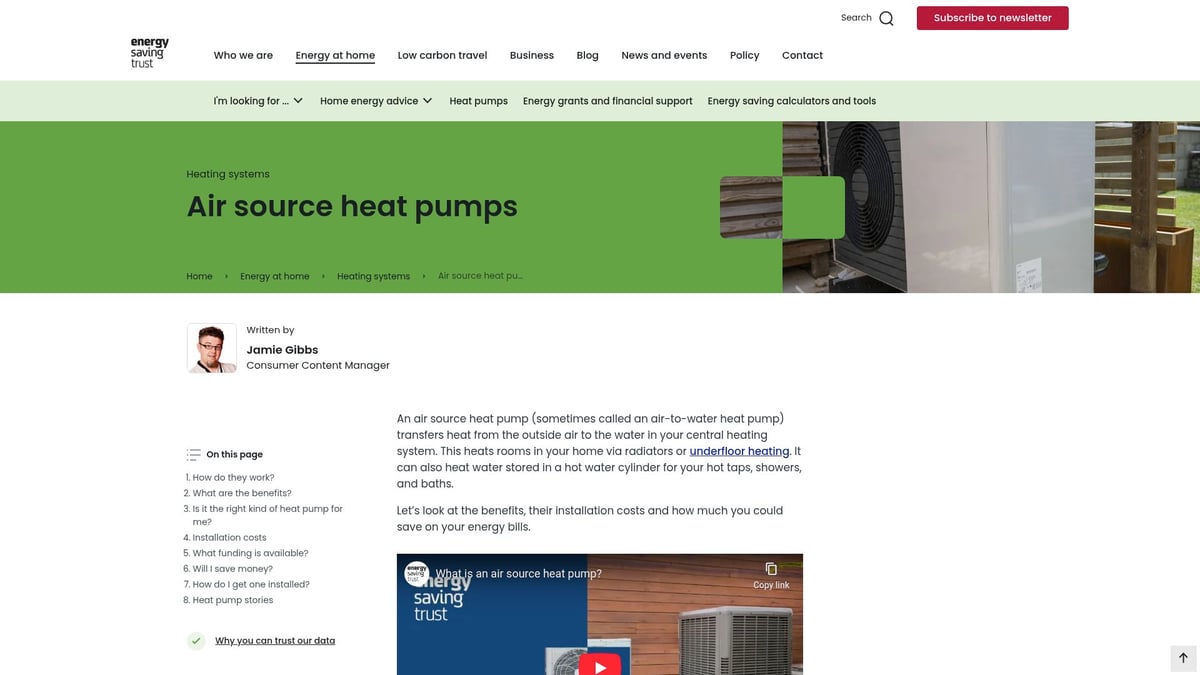
Air source heat pumps are quickly becoming a leading choice among heating systems uk. They extract warmth from the outside air, even during cold UK winters, and use it to heat your home. This process is highly efficient, often achieving a coefficient of performance (COP) of 3 to 4, meaning you get three to four units of heat for every unit of electricity consumed.
Key features include:
- High efficiency, suitable for radiators and underfloor heating.
- Significantly lower carbon emissions compared to traditional systems.
- Compatibility with smart controls and modern thermostats.
Benefits of air source heat pumps:
- Lower energy bills due to efficient operation.
- Eligibility for government grants and incentives.
- Reduced carbon footprint, supporting the UK’s net-zero goals.
Ideal for: New builds, well-insulated retrofits, and eco-conscious homeowners looking for future-proof heating systems uk. These systems are also perfect for those wanting to move away from gas.
Pros:
- Renewable energy source.
- Low running costs.
- Long-term savings and future compliance with energy regulations.
Cons:
- High upfront installation cost.
- May require larger radiators or upgrades to existing infrastructure.
For a deeper dive into eco-friendly options like this, see the Renewable energy heating systems guide. The Energy Saving Trust recognises air source heat pumps as a top solution for sustainable UK homes.
2. Modern Gas Combi Boilers
Modern gas combi boilers remain a staple in heating systems uk, providing both central heating and instant hot water from a single compact unit. These A-rated models are engineered for high energy efficiency and can be fitted into small spaces without the need for a separate hot water cylinder.
Core features:
- Space-saving design.
- Easy installation and familiar operation.
- Quick, on-demand hot water.
Benefits:
- Lower upfront costs compared to heat pumps.
- Widely available and supported by most UK installers.
- Reliable and familiar technology for homeowners.
Ideal for: Small to medium-sized homes or properties with limited space, where simplicity and cost are key.
Pros:
- Fast hot water delivery.
- Trusted performance record.
- Affordable installation.
Cons:
- Relies on fossil fuels and subject to gas price fluctuations.
- Less future-proof as the UK moves towards greener heating systems uk.
Which? research confirms that gas combi boilers are still the most common choice for UK homes due to their balance of cost and convenience.
3. Electric Radiators & Panel Heaters
Electric radiators and panel heaters offer flexible, room-by-room comfort and are a growing part of heating systems uk. These units convert electricity directly into heat, reaching 100% efficiency at the point of use. Modern models often include programmable thermostats and Wi-Fi or smart controls, making them easy to manage from your phone.
Core features:
- No need for pipework, boiler, or central system.
- Simple installation, especially in homes without existing central heating.
- Zone control for targeted heating.
Benefits:
- Low maintenance and instant heat.
- Perfect for off-grid properties or spaces like flats, extensions, and conservatories.
- Easy to retrofit and expand as needed.
Ideal for: Flats, single rooms, extensions, or homes without central heating infrastructure.
Pros:
- Flexible and precise control.
- Minimal disruption during installation.
- No annual servicing required.
Cons:
- Higher running costs if electricity prices are high.
- Less suitable for large homes with high heating demands.
Best Electric Radiators notes their popularity for targeted, efficient room heating within the wider landscape of heating systems uk.
4. Biomass Boilers
Biomass boilers are a renewable alternative within heating systems uk, burning organic materials like wood pellets, chips, or logs to generate heat. These systems can serve both central heating and hot water needs, functioning much like a traditional boiler but with a focus on sustainability.
Core features:
- Uses renewable, often locally sourced fuel.
- Can replace oil or gas boilers in homes with suitable space.
- Supports the circular economy through sustainable forestry.
Benefits:
- Reduced carbon emissions and potential for carbon-neutral heating.
- Eligibility for Renewable Heat Incentive (RHI) payments.
- Long-term cost savings on fuel compared to fossil fuels.
Ideal for: Rural properties, larger homes, or anyone with space for a fuel store and a desire for sustainable heating systems uk.
Pros:
- Renewable and eco-friendly.
- Supports local fuel suppliers.
- Can provide both heating and hot water.
Cons:
- Requires regular fuel deliveries and storage.
- Higher installation and maintenance costs.
- More hands-on upkeep compared to gas or electric systems.
Viessmann reports a growing demand for biomass boilers as more homeowners seek eco-friendly heating systems uk that align with the UK’s sustainability targets.
5. Oil-Fired Boilers
Oil-fired boilers remain a practical choice for many off-grid homes within heating systems uk. They use heating oil to deliver powerful central heating and hot water, making them especially popular in rural areas not connected to the gas grid.
Core features:
- High-efficiency models available.
- Reliable performance in challenging conditions.
- Can be paired with modern smart controls.
Benefits:
- Independence from mains gas.
- Suitable for larger properties with higher heating demands.
- Wide availability of replacement parts and service engineers.
Ideal for: Rural homes, farmhouses, or properties not served by mains gas but still requiring robust heating systems uk.
Pros:
- Powerful and efficient heating.
- Flexible installation options.
- Can be upgraded for better efficiency.
Cons:
- Oil price volatility affects running costs.
- Requires an on-site storage tank.
- Higher carbon emissions than renewable alternatives.
OFTEC highlights oil boilers as a vital solution for over a million UK homes, ensuring continuity for those outside the gas network.
6. Ground Source Heat Pumps
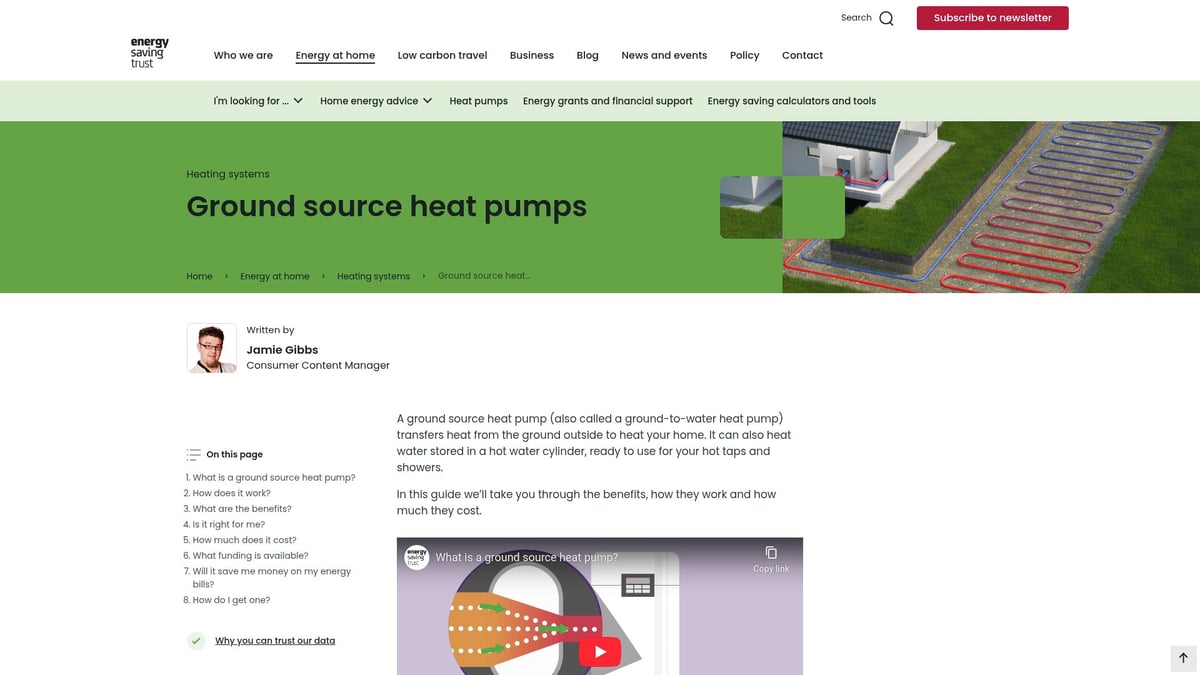
Ground source heat pumps are among the most efficient heating systems uk, extracting heat from the ground via buried pipework. This approach delivers stable, year-round warmth, often with a COP of up to 4.5, meaning highly efficient energy use.
Core features:
- Long system lifespan.
- Minimal maintenance requirements.
- Consistent heat output regardless of outside temperature.
Benefits:
- Low running costs and eligibility for government grants.
- Greatly reduced carbon footprint.
- Future-proof technology as the UK moves away from fossil fuels.
Ideal for: Homes with sufficient outdoor space for ground loops, new builds, and eco-renovations prioritising long-term sustainability.
Pros:
- Reliable and quiet operation.
- Grants and incentives available.
- Minimal regular servicing.
Cons:
- High upfront installation cost.
- Requires significant outdoor land area for ground loops.
The Energy Saving Trust recognises ground source heat pumps as a smart, long-term choice for efficient heating systems uk in 2025 and beyond.
7. Storage Heaters
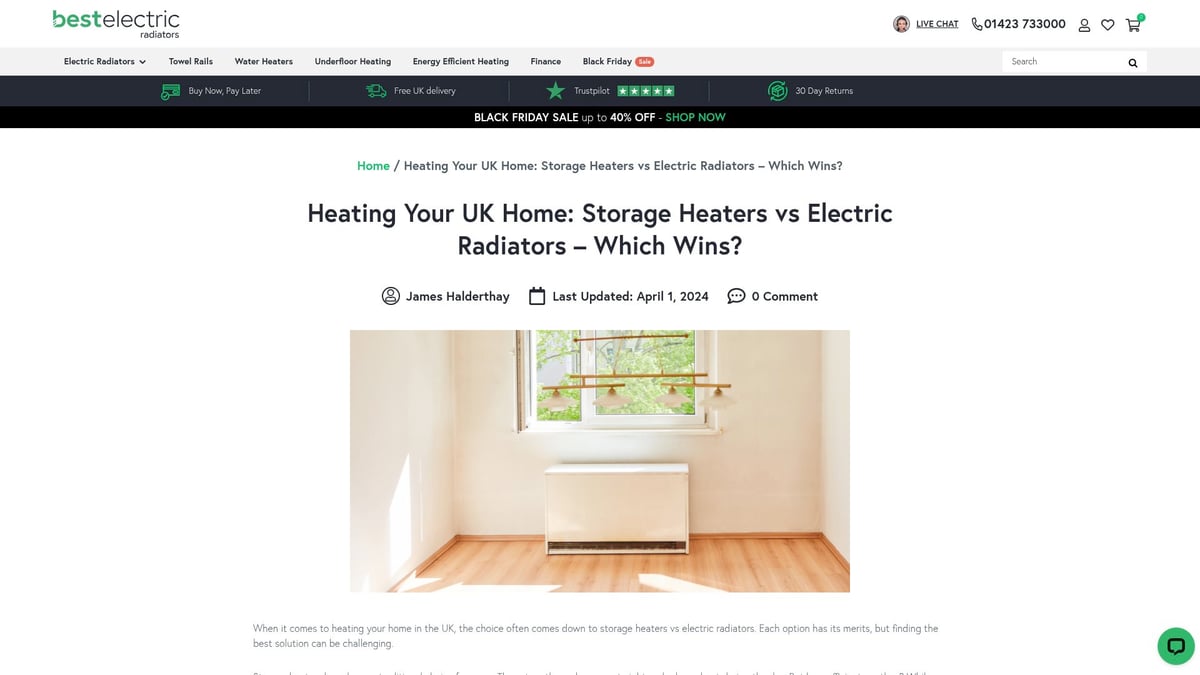
Storage heaters offer a unique approach within heating systems uk, using cheaper off-peak electricity to store heat overnight and release it during the day. They are especially useful for homes on Economy 7 or Economy 10 tariffs.
Core features:
- No need for central boiler or pipework.
- Simple controls for heat release.
- Works best when used strategically with off-peak rates.
Benefits:
- Lower running costs on suitable tariffs.
- Easy and quick to install.
- Low ongoing maintenance.
Ideal for: Flats, homes with intermittent occupancy, or properties already equipped for off-peak electricity tariffs.
Pros:
- Cost-effective when used correctly.
- Simple, robust technology.
- No annual servicing required.
Cons:
- Limited control over heat output timing.
- Can be bulky and take up wall space.
- Less efficient than modern heat pumps.
Best Electric Radiators highlights their practicality for specific use cases, ensuring they remain part of the conversation about heating systems uk.
Comparing Heating System Costs and Efficiencies
Choosing between heating systems uk options is a significant decision for homeowners. The right choice can impact both comfort and long-term finances. As we look ahead to 2025, understanding how installation costs, running expenses, and efficiency ratings compare is crucial to making a sound investment.
Heating Systems UK Cost and Efficiency Comparison
To make an informed decision, compare the main heating systems uk options side by side. Below is a summary of typical costs, efficiency ratings, and maintenance needs for 2025:
| System | Typical Installation Cost | Annual Running Cost | Efficiency (COP/A-rating) | Maintenance Needs |
|---|---|---|---|---|
| Air Source Heat Pump | £7,000 – £14,000 | £500 – £1,000 | COP 3.0 – 4.0 | Low, annual check |
| Ground Source Heat Pump | £15,000 – £25,000 | £400 – £900 | COP 4.0 – 4.5 | Very low, annual check |
| Gas Combi Boiler | £2,000 – £4,000 | £700 – £1,200 | A-rated (90%+) | Annual service |
| Oil-Fired Boiler | £3,000 – £5,500 | £900 – £1,800 | A-rated (90%+) | Annual service, tank check |
| Biomass Boiler | £8,000 – £18,000 | £600 – £1,300 | 88% – 91% | Regular cleaning, annual |
| Electric Radiators | £200 – £1,000 per room | £900 – £2,000 | 100% (at use) | Minimal |
| Storage Heaters | £1,500 – £3,000 | £800 – £1,500 | 100% (at use) | Minimal |
Data: Energy Saving Trust, OFTEC, 2024
These figures show that while some heating systems uk options have higher upfront costs, their efficiency and lower running costs can offer better value over time.
Energy Efficiency Ratings and Incentives
Efficiency is a key factor when assessing heating systems uk. Heat pumps outperform traditional boilers, with COP values indicating that each unit of electricity generates three to four units of heat. Modern gas and oil boilers have improved, with most now A-rated for efficiency.
The government continues to incentivise upgrades. Grants like the Boiler Upgrade Scheme can reduce the cost of installing heat pumps or biomass boilers. The UK’s £1.8 billion investment in home energy upgrades underlines strong support for homeowners to improve efficiency and reduce emissions.
For those seeking practical installation guidance, the Central heating installation guide offers expert advice on system selection and fitting.
Payback, Maintenance, and Homeowner Experiences
While renewable heating systems uk options may require higher upfront investment, payback periods can be attractive due to lower running costs and government support. For example, an air source heat pump can pay for itself in seven to ten years, especially in well-insulated homes.
Maintenance is another factor to consider. Heat pumps and electric systems generally require less servicing than oil or gas boilers, reducing long-term hassle and cost. Homeowners who have upgraded to heat pumps or biomass boilers report quieter operation, more consistent warmth, and greater control over energy bills.
Ultimately, comparing heating systems uk means balancing installation cost, ongoing efficiency, available incentives, and ease of maintenance. With careful planning, the right choice can future-proof your home and deliver real savings.
Future Trends in UK Home Heating for 2025 and Beyond
The landscape of heating systems uk is changing rapidly as the government and industry align on a path to net zero carbon. Homeowners are facing a pivotal moment, with new regulations, incentives, and technologies shaping the way we heat our homes. Understanding these trends is essential for anyone considering an upgrade or new installation.
The Net Zero Roadmap: Policy Shaping the Future
The UK government has committed to ambitious net zero targets, placing heating systems uk at the centre of its decarbonisation strategy. The phase-out of gas boilers in new builds from 2025 is already in motion, signalling a nationwide shift to electric and low-carbon alternatives. According to the Heat pump investment roadmap: Leading the way to net zero, the goal is to install 600,000 heat pumps annually by 2028, backed by grants and industry support.
This policy direction has led manufacturers and installers to prioritise systems that deliver high efficiency, low emissions, and compatibility with future energy networks. The heating systems uk market is evolving to meet these demands, with a focus on technologies that can adapt to changing regulations.
Electrification and Renewable Adoption in Heating Systems UK
A clear trend is the rapid adoption of electric and renewable heating systems uk. The latest figures show a surge in heat pump installations, especially in new builds and retrofitted properties with strong insulation. Electric radiators and storage heaters are also gaining traction in flats and smaller homes, particularly where gas is unavailable or being phased out.
Consumer attitudes are shifting towards sustainability and comfort. Surveys reveal that more homeowners prioritise energy efficiency and future-proofing when selecting heating systems uk. Government incentives and rising awareness of climate change are fuelling this transition.
Smart Tech and Emerging Innovations
Technological progress is transforming heating systems uk. Smart controls, app-based thermostats, and zone management are now standard features, offering homeowners greater control and efficiency. Integration with solar PV systems allows for further reductions in running costs and carbon emissions.
Hybrid systems, combining heat pumps with traditional boilers, are bridging the gap for properties not yet fully adapted to all-electric solutions. Hydrogen-ready boilers are also under development, presenting a future option for homes where electrification is challenging.
Preparing Your Home for the Next Generation
To stay ahead, homeowners should assess their current heating systems uk for compatibility with emerging technologies. Upgrading insulation, considering renewable options, and exploring smart controls can make a home both comfortable and compliant with future standards.
The future of heating systems uk is bright, with innovation, policy, and consumer demand driving rapid change. By understanding these trends, you can make informed decisions that will benefit both your household and the environment.