
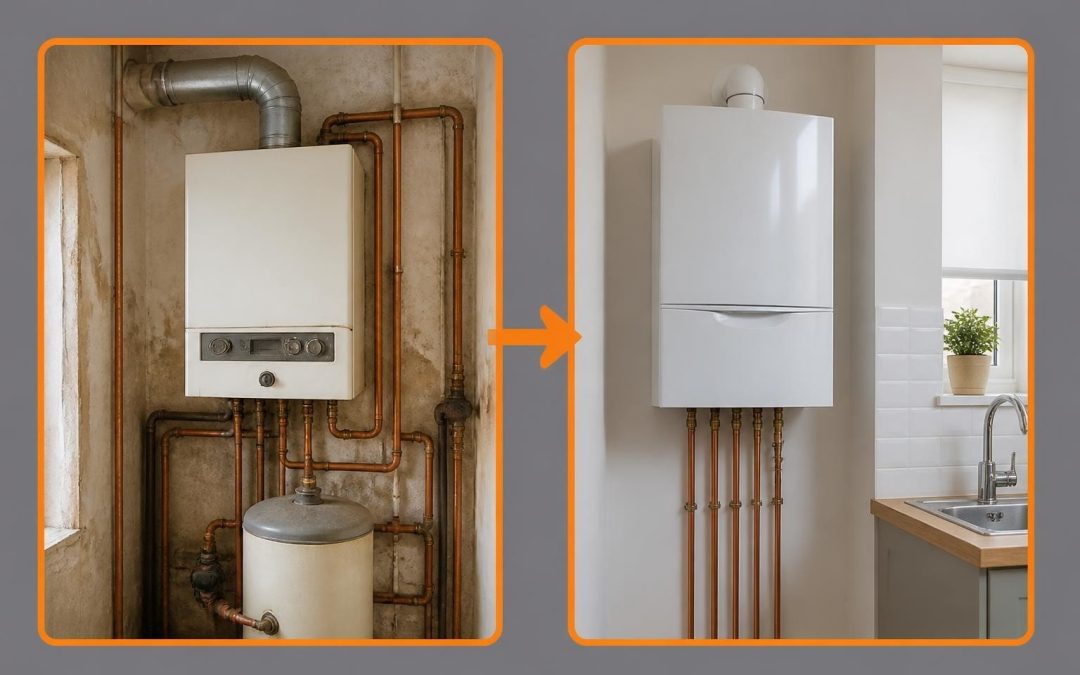
Replacing your ageing boiler with a modern combi system represents one of the most significant upgrades you can make to your home's heating infrastructure. A new combi boiler installation not only improves energy efficiency but also delivers instant hot water on demand whilst freeing up valuable space previously occupied by bulky hot water cylinders and cold water tanks. Whether you're upgrading from a conventional boiler system or replacing an older combi unit, understanding the installation process, regulatory requirements, and associated costs ensures you make informed decisions that benefit your household for years to come.
Understanding Combi Boiler Systems and Their Advantages
Combi boilers, short for combination boilers, integrate both central heating and hot water provision into a single compact unit. Unlike traditional systems that require separate hot water cylinders and cold water storage tanks, these space-efficient appliances heat water directly from the mains supply.
The primary benefits of modern combi systems include:
- Instantaneous hot water without waiting for a cylinder to heat up
- Space savings by eliminating the need for loft tanks and airing cupboard cylinders
- Energy efficiency through on-demand heating that reduces standby heat loss
- Cost-effective operation with reduced water wastage and lower energy bills
- Straightforward installation compared to conventional heating systems
For properties in the North East with limited space or modern heating demands, combi boilers offer practical solutions that align with contemporary living requirements. The technology has evolved significantly since the 1980s, with today's models incorporating sophisticated controls and energy-saving features that weren't available in earlier generations.
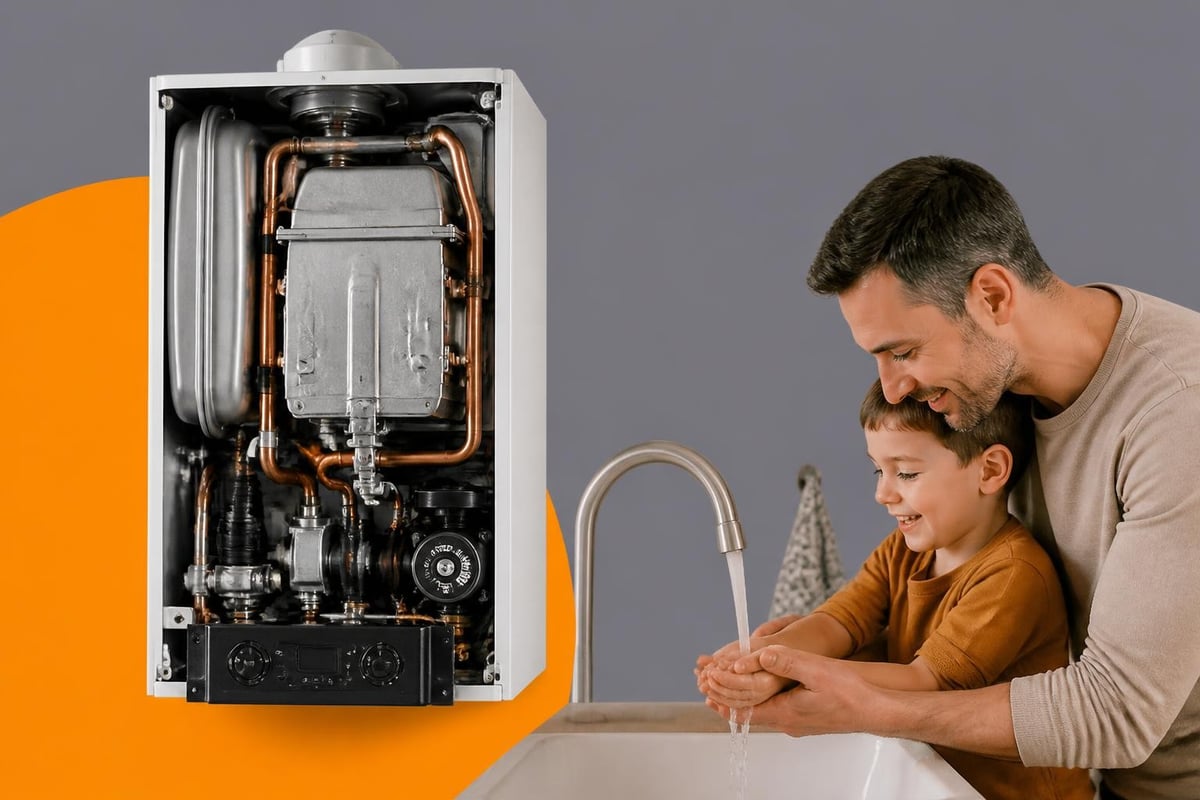
Pre-Installation Assessment and Planning
Before commencing a new combi boiler installation, professional heating engineers conduct thorough assessments to determine the most suitable system for your property. This evaluation considers multiple factors that influence boiler selection and installation complexity.
Property Size and Heating Requirements
Your home's square footage, number of radiators, and bathroom count directly impact the boiler output required. Engineers calculate heat loss through walls, windows, and roofs to specify appropriate kilowatt ratings. Properties with three or more bathrooms may require higher-output models or alternative system configurations.
Water Pressure and Flow Rate
Combi boilers rely on adequate mains water pressure to function effectively. Engineers test static pressure and flow rates to ensure your supply can support simultaneous heating and hot water demands. Low pressure situations may require pressure-boosting solutions or alternative boiler types.
| Assessment Factor | Minimum Requirement | Ideal Specification |
|---|---|---|
| Mains Pressure | 1.0 bar | 1.5+ bar |
| Flow Rate | 10 litres/minute | 15+ litres/minute |
| Property Size | Varies by model | Match kW to heat loss |
| Radiator Count | Consider total output | Calculate total kW needed |
Existing System Compatibility
Qualified technicians evaluate your current pipework, radiators, and controls to identify components requiring replacement or modification. Older systems with microbore pipes or inadequate sizing may need upgrades to accommodate modern boiler specifications.
Regulatory Compliance and Building Regulations
New combi boiler installations in the UK must comply with stringent building regulations governing boiler installation compliance, ensuring safety standards and energy efficiency targets are met. These legal requirements protect homeowners and maintain industry standards across all installations.
Gas Safe Registration Requirements
All gas boiler installations must be performed by Gas Safe registered engineers. This mandatory certification scheme replaced CORGI in 2009 and ensures technicians possess current qualifications and insurance coverage. Upon completion, engineers issue Building Regulations Compliance Certificates confirming legal installation standards.
Boiler Plus Legislation
Since April 2018, Boiler Plus regulations mandate minimum efficiency ratings and additional energy-saving controls for new installations. Replacement combi boilers must achieve at least 92% ErP (Energy-related Products) efficiency and incorporate time and temperature controls.
Required Boiler Plus Components:
- Weather compensation controls or load compensation
- Flue gas heat recovery systems
- Smart controls with automation and optimisation functions
Professional installers like those working across the North East region ensure full compliance with these evolving standards, protecting your investment and avoiding potential fines or insurance complications.
The Installation Process Step by Step
A professional new combi boiler installation typically spans one to three days depending on system complexity and necessary modifications. Understanding each phase helps homeowners prepare appropriately and set realistic expectations.
Initial Removal and System Preparation
Engineers begin by safely disconnecting and removing your existing boiler, hot water cylinder, and associated tanks. This phase includes draining the heating system and potentially removing redundant pipework from loft spaces and airing cupboards. The detailed installation process for combi boilers involves careful attention to existing infrastructure.
Positioning and Mounting
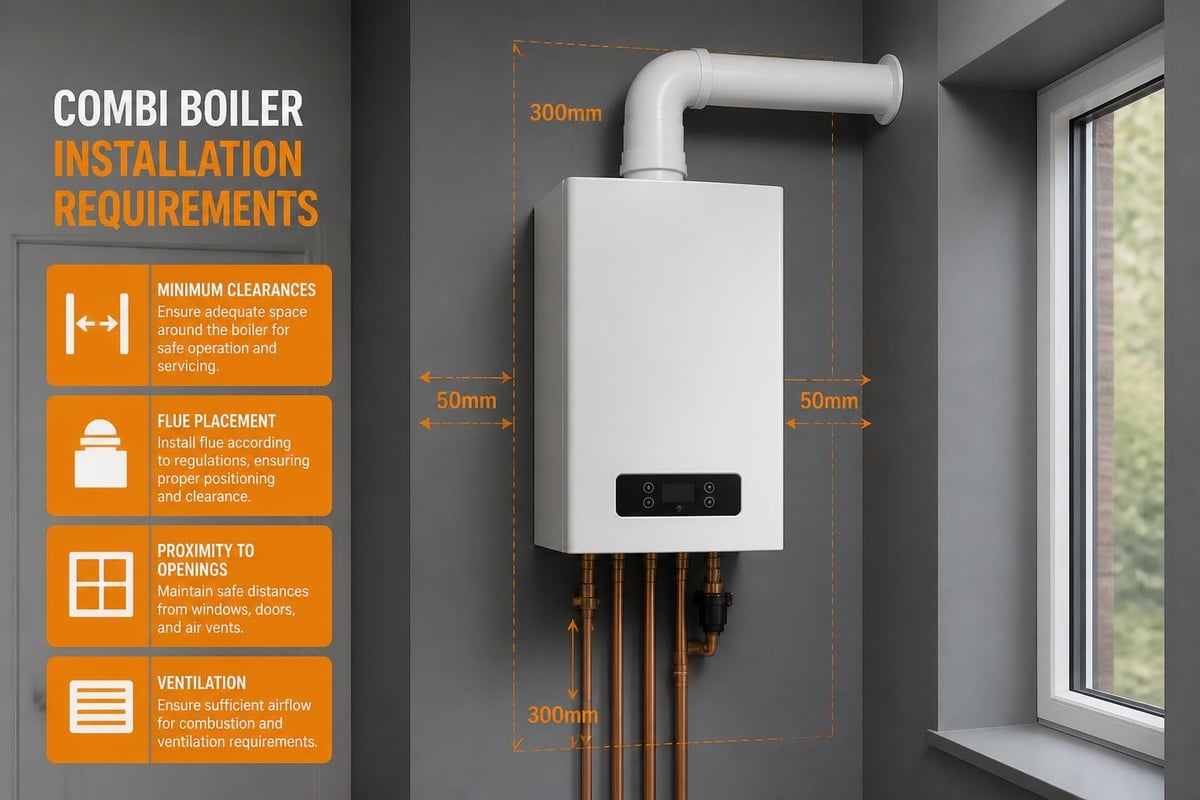
Modern combi boilers mount securely to external or internal walls with adequate ventilation and access for servicing. Engineers ensure proper clearances around the unit as specified in manufacturer guidelines. The location must accommodate gas supply, electrical connections, water inlet, and flue outlet whilst remaining accessible for annual boiler servicing requirements.
Connection and Commissioning
Technicians connect gas supply lines, water inlet pipes, central heating flow and return pipework, and electrical supplies. Each connection undergoes pressure testing to verify integrity before the system powers on. Engineers then commission the boiler by:
- Testing gas pressure and adjusting burner settings
- Bleeding radiators and balancing the heating system
- Programming controls and thermostats
- Verifying safety devices and pressure relief valves
- Conducting flue gas analysis to confirm combustion efficiency
Power Flushing Considerations
Many installations benefit from power flushing the existing radiator circuit before connecting the new boiler. This process removes sludge, rust, and debris that could compromise efficiency or damage the new heat exchanger. Chemical inhibitors added post-flush protect against future corrosion.
Cost Factors and Investment Considerations
The financial investment for a new combi boiler installation varies considerably based on multiple variables. Homeowners in the North East should budget appropriately whilst recognising the long-term value of quality installations.
Equipment Costs
Combi boiler prices range from £800 for basic models to £2,500+ for premium brands with extended warranties and advanced features. Well-regarded manufacturers include Worcester Bosch, Vaillant, Ideal, and Baxi, each offering various output ratings and efficiency grades.
| Boiler Category | Price Range | Typical Warranty | Efficiency Rating |
|---|---|---|---|
| Budget Models | £800-£1,200 | 2-5 years | 90-92% ErP |
| Mid-Range Units | £1,200-£1,800 | 5-7 years | 92-94% ErP |
| Premium Systems | £1,800-£2,500+ | 7-12 years | 94%+ ErP |
Installation and Labour Charges
Professional installation fees typically range from £500 to £1,500 depending on complexity. Straightforward like-for-like replacements occupy the lower end, whilst installations requiring extensive pipework modifications, system upgrades, or challenging access cost more.
Additional expenses may include:
- Magnetic filters (£100-£200) to protect the heat exchanger
- Smart thermostats (£150-£300) for enhanced control
- Power flushing services (£300-£500) for system cleanliness
- Radiator upgrades if existing units are undersized
- Pipework modifications for relocated or first-time installations
Financing Options
Many households spread the cost through financing arrangements. With 0% interest options now available through established heating companies, the investment becomes more manageable through affordable monthly repayments rather than single upfront payments.
Choosing the Right Boiler Specification
Selecting appropriate specifications ensures optimal performance, efficiency, and longevity from your new combi boiler installation. Several technical considerations influence this decision beyond basic output requirements.
Output Rating and Heat Demand
Combi boilers typically range from 24kW to 42kW output. Smaller properties with eight to ten radiators suit 24-28kW models, whilst larger homes with fifteen radiators benefit from 35kW+ specifications. Oversizing wastes energy through frequent cycling, whilst undersizing fails to meet heating demands.
Flow Rate for Hot Water
The domestic hot water flow rate determines how effectively the boiler serves multiple taps simultaneously. Standard 24-28kW models deliver approximately 9-11 litres per minute, suitable for properties with one bathroom. Homes with multiple bathrooms requiring simultaneous hot water need higher-output units achieving 13-16 litres per minute.
Brand Reliability and Support
Established manufacturers provide superior warranty coverage, readily available spare parts, and extensive engineer networks. When selecting equipment for heating services across the North East, consider long-term support availability rather than solely focusing on initial purchase price.
System Enhancement and Smart Controls
Modern installations incorporate sophisticated controls that maximise efficiency and user convenience. These additions, whilst increasing initial investment, deliver ongoing savings and improved comfort.
Smart thermostats from manufacturers like Nest, Hive, and Tado enable remote temperature control via smartphone applications. These devices learn household patterns and optimise heating schedules automatically, reducing energy consumption by up to 30% compared to traditional programmer systems.
Popular Smart Control Features:
- Geolocation-based heating activation as you approach home
- Room-by-room temperature zoning with thermostatic radiator valves
- Energy usage reporting and efficiency recommendations
- Voice control integration with Amazon Alexa or Google Assistant
- Holiday mode and frost protection settings
Weather compensation systems adjust boiler flow temperature based on outdoor conditions, reducing gas consumption during milder weather whilst maintaining consistent indoor comfort. These advanced controls align with Boiler Plus requirements and represent best practice in contemporary heating design.

Maintenance Requirements and Longevity
Protecting your investment through regular maintenance extends boiler lifespan and maintains efficiency throughout its operational life. Well-maintained combi boilers typically function reliably for 10-15 years before requiring replacement.
Annual Servicing Obligations
Manufacturers require annual servicing by qualified engineers to maintain warranty validity. These inspections identify developing issues before failures occur, clean critical components, and verify safe operation. Established service providers maintain detailed records supporting warranty claims and tracking system performance over time.
Ongoing System Care
Between professional services, homeowners should monitor pressure gauges, respond promptly to error codes, and ensure adequate ventilation around the appliance. Bleeding radiators when air accumulates and checking for leaks maintains system efficiency.
Finding reliable local plumbers with heating expertise ensures prompt response when issues arise, minimising disruption and preventing minor problems from escalating into costly repairs.
Common Installation Challenges and Solutions
Even straightforward installations occasionally encounter complications requiring experienced problem-solving. Understanding potential challenges helps homeowners appreciate the value of professional expertise.
Pipework and Routing Issues
Older properties may have pipework configurations incompatible with modern combi requirements. Engineers reroute supplies, upgrade pipe diameters, or install additional valves to ensure proper system function. These modifications, whilst adding time and cost, prove essential for reliable long-term operation.
Flue Placement Restrictions
Regulations govern flue terminal positioning relative to windows, doors, boundaries, and ventilation openings. Properties with limited suitable locations may require alternative flue configurations or extended horizontal runs, impacting installation complexity and cost.
Electrical Supply Upgrades
Modern boilers require dedicated electrical supplies with appropriate circuit protection. Properties with outdated consumer units may need electrical work alongside the heating installation, adding to project scope and coordination requirements.
Post-Installation Optimisation
Following installation completion, the system requires fine-tuning to deliver optimal performance across all operating conditions. This optimisation process ensures maximum efficiency and user satisfaction.
Engineers balance radiator circuits by adjusting lockshield valves, ensuring even heat distribution throughout the property. This process eliminates cold spots, reduces unnecessary boiler cycling, and minimises energy waste. Proper balancing can improve system efficiency by 10-15% compared to unbalanced installations.
Programming controls to match occupancy patterns prevents unnecessary heating during absent periods whilst maintaining comfort when residents are home. Modern controls offer multiple time zones throughout the day and week, accommodating varied schedules and maximising energy savings.
Homeowners should familiarise themselves with all system controls, understanding how to adjust temperatures, override schedules, and respond to common indicators. Comprehensive handover sessions with installation engineers ensure confident system operation from day one.
Environmental Benefits and Sustainability
Beyond personal comfort and cost savings, new combi boiler installations contribute to broader environmental objectives through reduced carbon emissions and improved resource efficiency.
Modern condensing combi boilers achieve efficiency ratings exceeding 90%, extracting substantially more heat from fuel compared to older models operating at 60-70% efficiency. This improvement translates directly into reduced gas consumption and lower carbon dioxide emissions for equivalent heating output.
The elimination of hot water storage reduces heat loss from cylinders and associated pipework, cutting energy waste that occurs continuously in traditional systems. On-demand water heating means you only heat what you use, rather than maintaining a tank at temperature regardless of actual demand.
For environmentally conscious homeowners, hybrid systems combining combi boilers with renewable technologies like solar thermal panels or heat pumps offer further sustainability improvements. These integrated approaches reduce reliance on fossil fuels whilst maintaining system reliability and performance.
Understanding the complete scope of a new combi boiler installation empowers homeowners to make informed decisions that deliver lasting value, efficiency, and comfort. From initial assessment through post-installation optimisation, professional expertise ensures safe, compliant installations that meet your household's specific requirements. The team at NU Heat North East Ltd brings over four decades of heating installation experience to properties across the North East, combining technical knowledge with customer-focused service. With 0% interest financing available, you can spread the cost of your new combi boiler installation into manageable monthly payments whilst enjoying immediate benefits from improved efficiency and reliability.