
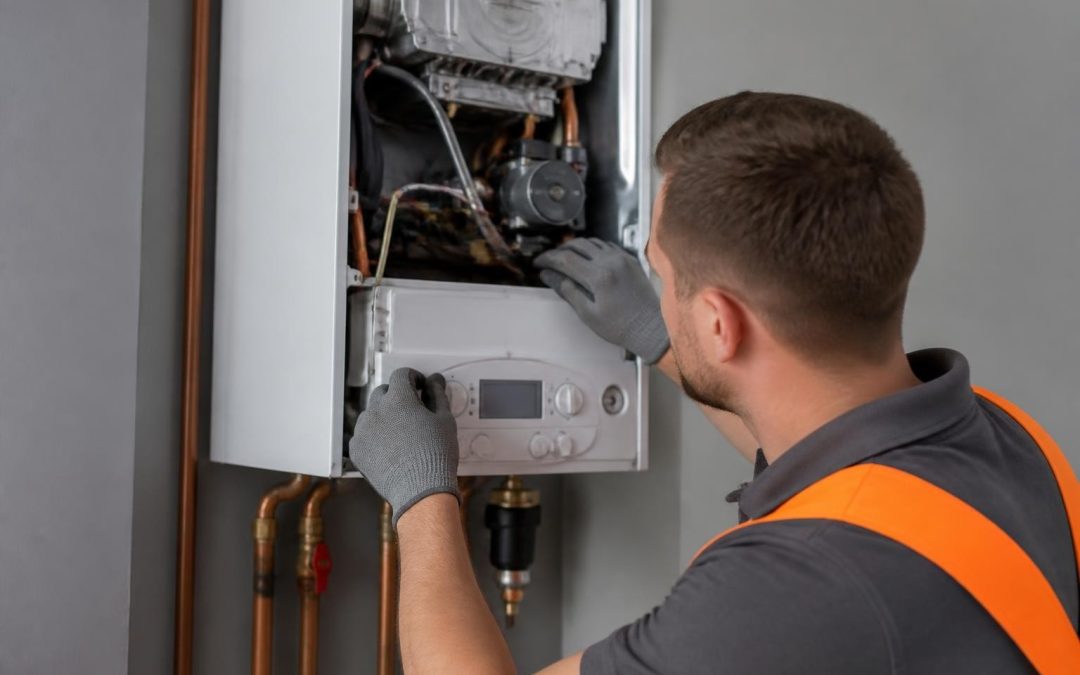
When your boiler starts making unusual noises or fails to heat your home efficiently, searching for "service boiler near me" becomes a top priority. Finding a qualified, trustworthy technician in your local area isn't just about convenience-it's about ensuring your heating system receives expert care from professionals who understand regional requirements and can respond quickly when issues arise. Regular boiler servicing protects your investment, maintains efficiency, and most importantly, keeps your family safe from potential carbon monoxide risks and other heating-related hazards.
Understanding Why Regular Boiler Servicing Matters
Annual boiler servicing is far more than a recommended maintenance task-it's an essential requirement for homeowner safety and system longevity. During a comprehensive service, qualified technicians inspect critical components, identify potential failures before they occur, and ensure your heating system operates at peak efficiency.
Most boiler manufacturers require annual servicing to maintain warranty coverage. Missing this crucial appointment could void your warranty entirely, leaving you financially responsible for expensive repairs or replacement costs. Beyond warranty requirements, regular boiler maintenance significantly reduces the risk of unexpected breakdowns during the coldest months when you need heating most.
Safety Considerations Cannot Be Ignored
Carbon monoxide poisoning represents one of the most serious risks associated with poorly maintained boilers. This colourless, odourless gas can be fatal, making professional servicing absolutely critical for every household.
Key safety checks during professional servicing include:
- Carbon monoxide emissions testing
- Flue and ventilation inspection
- Gas pressure verification
- Burner and heat exchanger examination
- Safety device functionality testing
A qualified technician will also inspect for gas leaks, ensure proper combustion, and verify that all safety controls respond correctly. These checks provide peace of mind that your heating system poses no threat to your household.
What to Expect During a Professional Boiler Service
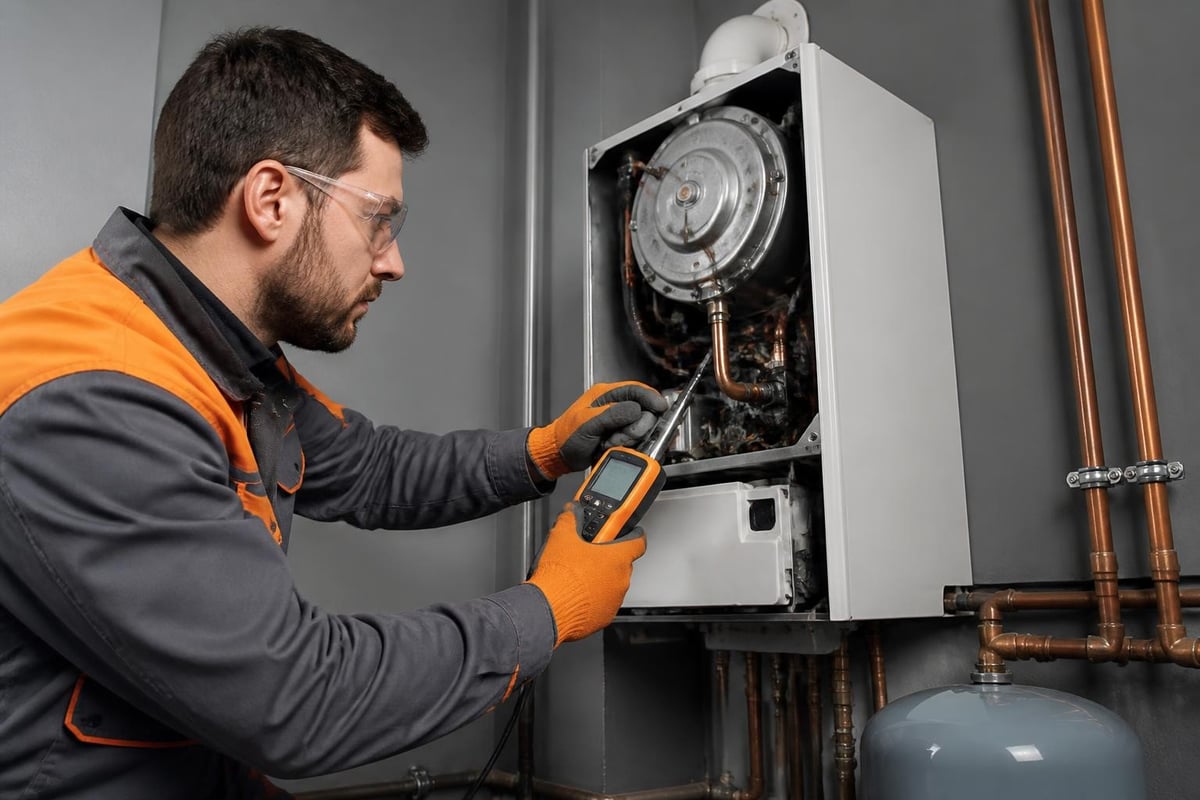
When you book a local technician to service your boiler, the appointment typically lasts between 30 to 90 minutes, depending on your system's complexity and condition. Understanding the process helps you appreciate the thoroughness required for proper maintenance.
The technician begins with a visual inspection, examining the boiler exterior, pipework, and surrounding area for obvious issues. They'll check for leaks, corrosion, or damage that might indicate underlying problems. This initial assessment provides valuable context for the more detailed examination to follow.
Detailed Internal Component Inspection
After the visual check, the technician opens the boiler casing to access internal components. This stage involves meticulous examination of parts that directly affect performance and safety.
| Component | Inspection Focus | Common Issues |
|---|---|---|
| Heat Exchanger | Cracks, corrosion, debris buildup | Reduced efficiency, potential leaks |
| Burner | Flame pattern, cleanliness, ignition | Poor combustion, higher bills |
| Fan | Operation speed, blade condition | Inadequate ventilation, noise |
| Pump | Flow rate, seal integrity, bearings | Circulation problems, leaks |
| Electrodes | Wear, positioning, spark quality | Ignition failure, lockouts |
The technician cleans essential components as needed, removing soot, debris, or mineral deposits that accumulate during normal operation. Clean components function more efficiently and last considerably longer than neglected parts.
Pressure testing follows the inspection and cleaning phase. The technician verifies that water pressure falls within manufacturer specifications, adjusting as necessary. Proper system pressure ensures optimal circulation and heating performance throughout your property.
Finding Quality Local Boiler Service Providers
Searching for "service boiler near me" returns numerous options, but not all technicians offer the same level of expertise or reliability. Selecting the right professional requires careful consideration of qualifications, experience, and reputation.
Essential qualifications to verify:
- Gas Safe registration (legally required for gas boiler work)
- Manufacturer-specific training for your boiler brand
- Public liability insurance protecting you from potential damage
- Professional accreditations from recognised industry bodies
Local companies with established reputations often provide superior service compared to individual contractors or national chains. They understand regional requirements, source parts more quickly, and build lasting relationships with customers. Finding a local plumber or heating engineer who values their community reputation typically ensures more reliable, responsive service.
Reading Reviews and Checking References
Online reviews provide valuable insights into a company's reliability, professionalism, and quality of work. Look beyond star ratings to read detailed customer experiences, paying particular attention to how companies handle problems or complaints.
Ask potential service providers for references from customers with similar boiler types or heating systems. Speaking directly with previous clients reveals information about punctuality, cleanliness, pricing transparency, and overall satisfaction that reviews might not capture.
Request detailed quotes from multiple providers before committing. Transparent pricing demonstrates professionalism and helps you avoid unexpected charges. Be wary of quotes significantly lower than competitors-extremely cheap service often indicates cut corners or hidden costs.
Maintenance Tasks Between Professional Services
While annual professional servicing remains non-negotiable, homeowners can perform simple maintenance tasks that extend boiler life and maintain efficiency between appointments. Following a comprehensive maintenance checklist helps you stay proactive about your heating system's health.
Monthly visual inspections take just minutes but can identify developing problems early. Check for water leaks around the boiler, pipework, and radiators. Look for signs of corrosion, unusual staining, or dampness that might indicate slow leaks requiring professional attention.
Simple Tasks That Make a Difference
Monitoring your boiler's pressure gauge regularly helps you spot issues before they affect performance. Most boilers operate optimally between 1.0 and 2.0 bar when cold. Pressure consistently dropping below this range might indicate a leak, while excessive pressure could suggest expansion vessel problems.
Monthly homeowner maintenance checklist:
- Check pressure gauge readings
- Listen for unusual noises during operation
- Inspect visible pipework for leaks
- Verify radiators heat evenly
- Test thermostat functionality
- Clear area around boiler of obstructions
Bleeding radiators removes trapped air that prevents proper heating. If you notice cold spots at the top of radiators while the bottom remains hot, air has accumulated in the system. This simple task improves heating efficiency and reduces energy consumption.
Keep the area around your boiler clear of storage items, cleaning products, or flammable materials. Adequate ventilation ensures safe operation and makes professional servicing easier when technicians need access.
Common Boiler Problems and When to Call for Service
Recognising warning signs that require immediate professional attention prevents minor issues from escalating into expensive emergencies. While annual servicing catches most problems early, boilers can develop faults between scheduled appointments.
Strange noises often indicate developing problems. Banging, whistling, or gurgling sounds might suggest air in the system, pump failure, or mineral buildup on the heat exchanger. Troubleshooting common boiler issues helps identify which problems require urgent attention versus those that can wait until your next service.
Warning Signs Requiring Immediate Response
| Symptom | Possible Cause | Urgency Level |
|---|---|---|
| Gas smell | Leak or incomplete combustion | Emergency-evacuate and call Gas Safe engineer |
| No heating or hot water | Multiple potential causes | Urgent-especially in cold weather |
| Leaking water | Seal failure, pressure issues | Urgent-can cause property damage |
| Yellow or orange flame | Incomplete combustion, carbon monoxide risk | Emergency-shut down and call professional |
| Pilot light keeps going out | Thermocouple failure, draught issues | Moderate-book service soon |
Never ignore a gas smell around your boiler. Immediately turn off the gas supply at the meter, open windows and doors, avoid using electrical switches or flames, evacuate the property, and contact the National Gas Emergency Service on 0800 111 999. Only after they've declared the property safe should you contact a Gas Safe registered engineer for repairs.
Frequent pressure loss indicates a leak somewhere in your heating system. While you can temporarily repressurise the boiler, this masks the underlying problem. Highly rated plumbers near me should investigate persistent pressure issues to identify and repair the source of water loss.
Cost Considerations for Boiler Servicing
Understanding typical service costs helps you budget appropriately and recognise fair pricing. Standard annual boiler servicing in the North East typically ranges from £60 to £120, depending on boiler type, location, and service provider.
Combination boilers generally cost less to service than system or conventional boilers due to their simpler design and fewer components. Oil boilers typically command higher service fees than gas models because of additional complexity and specialist knowledge requirements.
Comparing Service Plans and One-Off Appointments
Many heating companies offer annual service plans that include regular maintenance plus additional benefits. These plans often provide better value than booking individual appointments each year.
Typical service plan benefits include:
- Priority emergency callouts
- Discounted repair labour rates
- Parts coverage or discounts
- Annual safety certification
- Reminder notifications for service due dates
Calculate the total annual cost including potential emergency callouts when comparing plans to one-off services. If your boiler is older or has required repairs recently, comprehensive coverage might prove more economical than pay-as-you-go arrangements.
Some providers offer 0% interest payment plans that spread the cost of servicing and repairs into affordable monthly instalments. This option makes professional maintenance accessible even when facing tight budgets, ensuring you never skip essential servicing due to immediate cost concerns.
The Long-Term Benefits of Regular Servicing
Investing in annual professional servicing delivers substantial returns through improved efficiency, extended equipment life, and reduced breakdown risks. Well-maintained boilers consume less fuel to produce the same heat output, directly reducing your energy bills.
Implementing proper boiler maintenance can improve efficiency by 10-15% compared to neglected systems. For the average household spending £1,500 annually on heating, this translates to savings of £150-£225 each year-significantly more than the cost of professional servicing.
Equipment Longevity and Replacement Timing
Modern boilers typically last 10-15 years with proper maintenance, whilst neglected systems often fail after just 5-8 years. Regular servicing identifies wear before component failure occurs, allowing planned repairs rather than emergency replacements at premium prices.
Technicians track your boiler's condition over multiple services, providing valuable insight into when replacement becomes more economical than continued repairs. This foresight allows you to budget for replacement and choose installation timing rather than facing emergency replacement during the coldest weather.
Environmental benefits accompany the financial advantages of regular servicing. Efficient boilers produce fewer carbon emissions and consume less fuel, reducing your household's environmental impact. For homeowners considering biomass or alternative heating systems, professional guidance during servicing helps optimise these technologies for maximum efficiency.
Choosing Between Independent Engineers and Company Technicians
The choice between independent Gas Safe registered engineers and established heating companies involves balancing several factors. Independent engineers often charge lower rates and provide highly personalised service, building direct relationships with customers over many years.
Established companies offer advantages that independents struggle to match. Multiple technicians ensure someone remains available even during busy periods or if your regular engineer is unavailable. Companies typically stock common spare parts, reducing repair delays, and provide structured training that keeps technicians current with evolving technologies.
Considerations when choosing your service provider:
- Availability: Can they respond quickly to emergencies?
- Expertise: Do they have specific experience with your boiler model?
- Continuity: Will the same technician service your boiler each year?
- Resources: Can they source parts quickly and offer comprehensive repairs?
- Accountability: What guarantees or warranties do they provide?
Companies with decades of local experience understand regional requirements, building regulations, and common issues affecting properties in your area. This knowledge proves invaluable when diagnosing complex problems or recommending system improvements.
Preparing Your Property for a Service Appointment
Proper preparation ensures technicians can complete servicing efficiently, maximising the value of your appointment. Clear access to the boiler and related components allows thorough inspection without delays or obstacles.
Remove any items stored near the boiler, creating a clear workspace of at least one metre around the unit. Technicians need space for tools, testing equipment, and safe movement whilst working. Restricted access can prevent complete servicing or increase appointment duration.
Information to Have Ready
Gather your boiler's documentation before the appointment. Service history, warranty information, and previous repair records help technicians understand your system's background and identify recurring issues. If you've noticed specific problems, write them down to ensure you remember to mention everything during the appointment.
Make note of when you last added water to the system, whether you've noticed any leaks, and any changes in heating performance. This information helps technicians diagnose problems more quickly and thoroughly.
Ensure someone aged 18 or over will be present throughout the appointment. Technicians cannot perform work without a responsible adult present, and you'll need to provide access to all areas where heating components are located.
Understanding Service Certificates and Documentation
After completing the service, your technician provides certification confirming the work performed and the boiler's safety status. This documentation proves essential for several reasons beyond simple record-keeping.
Landlords must provide tenants with current gas safety certificates annually, making professional servicing a legal requirement. Following best practices for boiler maintenance ensures compliance with all relevant regulations whilst protecting tenant safety.
What Your Certificate Should Include
A comprehensive service certificate details all checks performed, components inspected, and any issues identified. It should clearly state whether the boiler passed all safety tests or requires remedial work.
Essential certificate components:
- Technician's Gas Safe registration number
- Date of service completion
- Specific tests and checks performed
- Safety device verification results
- Recommendations for repairs or improvements
- Next service due date
Keep service certificates with your property documentation. When selling your home, complete service history demonstrates responsible property maintenance and can increase buyer confidence. Insurance claims related to boiler damage may require proof of regular servicing, making these certificates financially important beyond immediate safety concerns.
Seasonal Timing for Boiler Services
Whilst boilers require servicing annually regardless of season, appointment timing can affect availability, pricing, and convenience. Most heating professionals experience peak demand during autumn and winter when boilers work hardest and failures occur most frequently.
Booking summer services offers several advantages. Technicians have greater availability, allowing flexible appointment scheduling that suits your timetable. Some companies offer discounted rates during quieter months, reducing your maintenance costs whilst ensuring your boiler receives attention before the heating season begins.
Servicing before winter ensures your heating system operates optimally when you need it most. Identifying and repairing issues during summer prevents mid-winter breakdowns that leave you without heating during the coldest weather. Emergency callouts during winter typically cost significantly more than planned summer services.
However, servicing shortly after the heating season ends also makes sense. This timing allows technicians to assess how components performed during heavy use, identifying wear that developed over winter. Components stressed by months of operation reveal problems more readily than those sitting idle through summer.
Regional Considerations in the North East
Properties in the North East face specific challenges that affect boiler performance and servicing requirements. Harder water in some areas accelerates limescale buildup, requiring more frequent system flushing and component cleaning. Coastal properties near Newbiggin-by-the-Sea encounter salt air that can corrode external components faster than inland locations.
Older properties throughout the region often feature heating systems installed decades ago, requiring specialists familiar with legacy equipment alongside modern condensing boilers. Local technicians understand these regional factors and adapt their servicing approach accordingly.
Weather patterns in the North East mean heating systems work harder and longer than in milder southern regions. This extended operational period increases component wear, making annual servicing even more critical for preventing failures. Cold snaps can arrive suddenly, leaving little time to address boiler problems before you desperately need heating.
Regional factors affecting boiler servicing needs:
- Water hardness variations across different postcodes
- Coastal corrosion in properties near the sea
- Older housing stock requiring specialist knowledge
- Extended heating season increasing component wear
- Rural properties using oil or LPG rather than mains gas
Local service providers understand these regional considerations and incorporate them into maintenance routines. Their familiarity with common issues affecting North East properties enables faster diagnosis and more effective preventive maintenance.
Regular professional boiler servicing protects your heating investment, ensures family safety, and maintains optimal efficiency throughout the year. Finding qualified local technicians who understand regional requirements and respond quickly when issues arise makes all the difference to your comfort and peace of mind. Since 1983, NU Heat North East Ltd has been providing comprehensive heating services throughout the North East, combining decades of experience with modern training to deliver exceptional boiler servicing and repairs. Our team of highly trained technicians based in Newbiggin-by-the-Sea responds swiftly to your heating needs, and with 0% interest payment options available, you can spread the cost of servicing and repairs into affordable monthly instalments.