
The demand for energy-efficient and future-proofed central heating installation is rapidly increasing as UK homeowners look ahead to 2025. Evolving regulations, innovative technologies, and the national drive for sustainability are transforming how people select and upgrade their heating systems.
This guide is packed with actionable tips from industry experts to help you save money, remain compliant, and maximise comfort at home. Read on for a step-by-step guide, detailed cost breakdowns, system comparisons, and professional advice to ensure your central heating installation is a smart, cost-effective investment.
You will discover practical guidance on planning, choosing the right system, navigating regulations, budgeting, and much more.
Understanding Central Heating Systems in 2025
Choosing the right central heating installation in 2025 means understanding the evolving landscape of technologies, regulations, and sustainability. Homeowners must weigh system types, efficiency, and future-proofing to ensure comfort and compliance. This section explores the main options, latest advancements, and what to consider for your property.
Types of Central Heating Systems
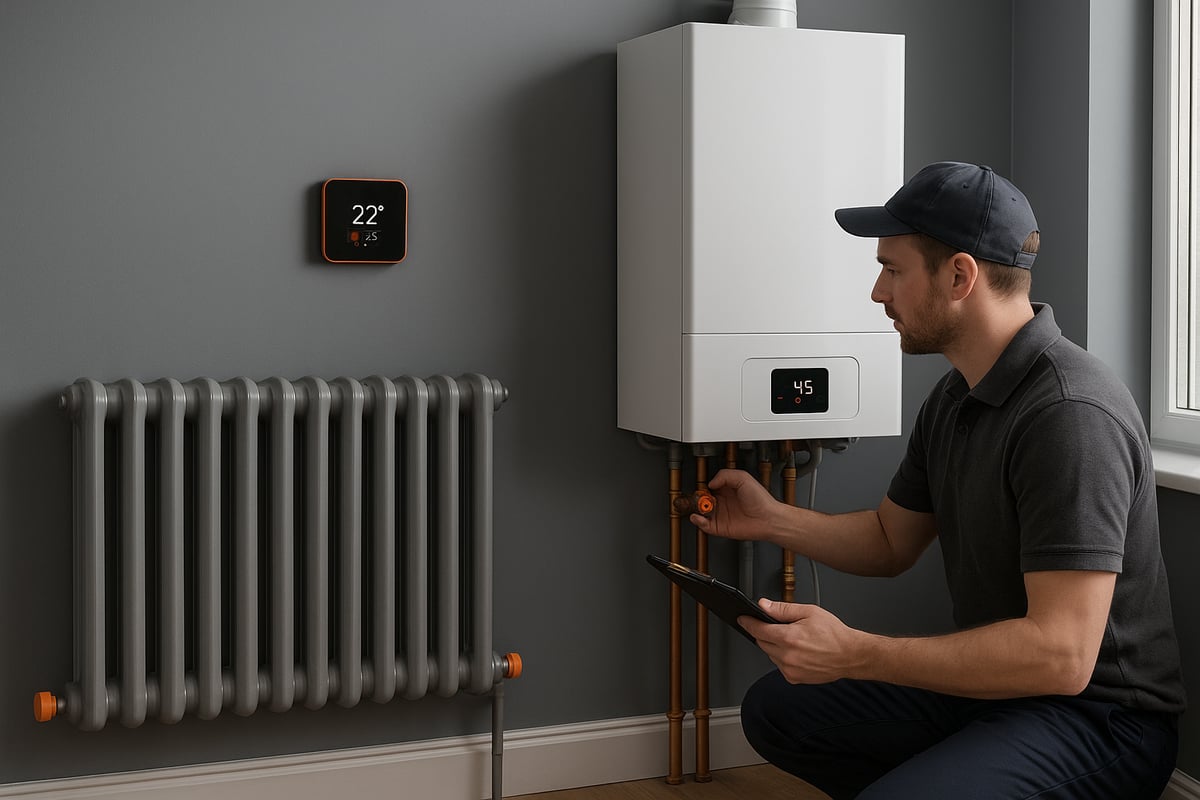
Central heating installation options in 2025 include gas, oil, electric, and renewable systems like heat pumps and biomass boilers. Each system offers distinct benefits and limitations, with suitability often determined by property type and access to fuel sources.
| System Type | Avg. Installation Cost | Efficiency | Best For | Pros | Cons |
|---|---|---|---|---|---|
| Gas | £4,500–£6,000 | High | Urban/semi-urban homes | Fast heat, low running costs | Fossil fuel, phased out in future |
| Oil | £5,000–£7,300 | Moderate | Rural/off-grid homes | Reliable, good for large homes | Bulk fuel storage needed |
| Electric | £3,230–£4,350 | Moderate | Flats, off-grid homes | Simple install, low maintenance | Higher running costs |
| Heat Pumps | £7,000–£13,000 | Very high | Well-insulated properties | Eco-friendly, low carbon | High upfront cost |
| Biomass | £8,000–£15,000 | High | Rural/large homes | Renewable, grants available | Storage/maintenance |
Gas systems remain popular for central heating installation in urban areas due to their cost-effectiveness and widespread infrastructure. Electric systems are often chosen for off-grid or smaller homes, where installation is straightforward. Oil remains a rural option, while renewables are gaining ground as regulations tighten.
Pros:
- Gas: Fast, affordable, familiar.
- Oil: Independence from the grid.
- Electric: Quiet, low maintenance.
- Renewables: Future-proof, eco-friendly.
Cons:
- Gas and oil: Carbon emissions, future restrictions.
- Electric: Running costs.
- Renewables: Upfront investment, space needed.
Selecting the right system for central heating installation depends on your location, property, and long-term goals.
Technological Advancements and Smart Controls
In 2025, central heating installation increasingly includes smart controls and advanced technology. Smart thermostats, programmable timers, and zoning allow homeowners to tailor heating to their daily routines.
Remote access via mobile apps gives users control from anywhere, while integration with home automation systems means heating can respond to occupancy, weather, or energy tariffs. Energy monitoring tools help track usage and optimise performance.
Benefits:
- Improved energy efficiency, with programmable thermostats reducing heating bills by up to 10%.
- Enhanced comfort through zoning, enabling different temperatures in separate rooms.
- Greater convenience from remote and voice control.
A well-designed central heating installation with smart controls not only saves money but also simplifies daily life. These features are becoming standard as homeowners demand more from their systems.
Sustainability and Future-Proofing
Sustainability is at the heart of central heating installation in 2025. Heat pumps and solar thermal systems are key to meeting new regulations, offering low-carbon alternatives to traditional boilers. Government grants and incentives help offset the higher upfront costs of renewables, making eco-friendly upgrades more accessible.
Upgrading to high-efficiency boilers and smart radiators further improves performance and reduces emissions. For detailed steps on how to future-proof your home, the Central heating system upgrade guide provides actionable tips and options.
Future-proofing your central heating installation ensures compliance with evolving standards and protects your investment. Prioritising sustainable choices today means fewer costly upgrades down the line.
Choosing the Right System for Your Home
The ideal central heating installation starts with a professional assessment. Key factors include property size, insulation quality, occupancy patterns, budget, and future plans. A large, well-insulated home may benefit from a heat pump, while a small bungalow could be better served by an electric or compact gas system.
Case study: Upgrading a 4-bed detached house might require a larger, zoned system with smart controls, while a 2-bed bungalow could prioritise simplicity and lower upfront costs.
Consulting a qualified installer is essential to match your needs with the right central heating installation. Tailored advice helps avoid costly mistakes and ensures your system remains efficient, comfortable, and compliant.
Planning Your Central Heating Installation
Careful planning is the foundation of a successful central heating installation. Taking time to assess your property’s requirements, set a realistic budget, and understand regulations can save you money and ensure long-term comfort. In this section, we break down each step to help you make informed decisions and avoid common pitfalls.
Assessing Your Property’s Needs
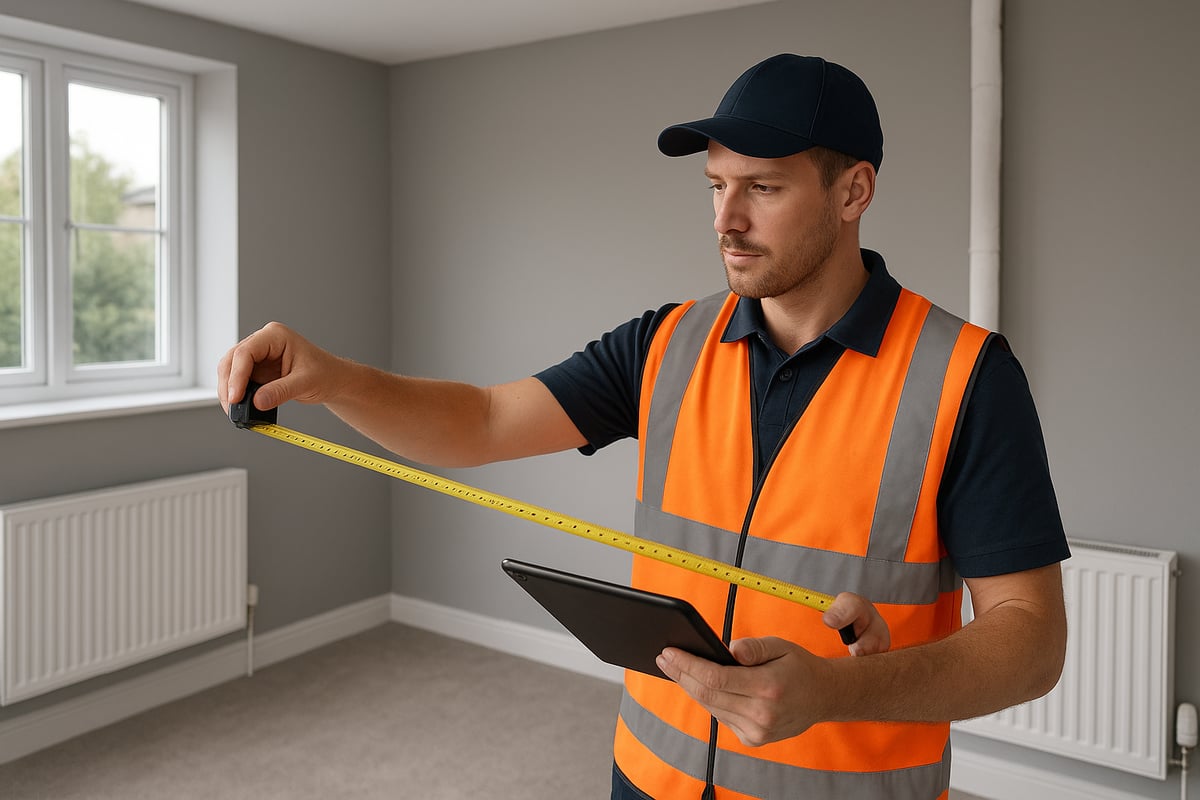
Before any central heating installation, it is vital to evaluate your home’s unique characteristics. Start by measuring each room to determine the number and size of radiators needed. Consider your hot water usage, especially if you have multiple bathrooms or a large household.
Take stock of existing pipework and insulation. Is your current system outdated, or will it support a new setup? The position of your boiler can influence both efficiency and cost. For example, extensive pipework adjustments can cost between £790 and £1,650, depending on property size.
Consulting resources like plumbing and central heating insights can help you understand the integration of plumbing with your heating system, ensuring a tailored solution. A thorough assessment at this stage sets the groundwork for a cost-effective central heating installation.
Setting a Realistic Budget
Budgeting for a central heating installation requires careful consideration of all elements involved. Break down costs into categories such as the boiler, radiators, pipework, and labour. For a two-bedroom home, expect total costs around £5,200, while a larger four-bedroom property may exceed £5,000, depending on system complexity.
Factor in potential extra expenses, such as replacing old pipework or upgrading insulation. It is wise to allocate an additional 10-15 percent of your budget for unforeseen issues that may arise during installation. By planning comprehensively, you can prevent financial surprises and ensure your central heating installation stays on track.
Finding and Vetting Installers
Choosing the right professional is essential for a reliable central heating installation. Always verify that your installer holds Gas Safe (for gas) or OFTEC (for oil) registration, which guarantees compliance with safety standards.
Request at least three detailed quotes to compare prices and services. Look for customer reviews and accreditations, as well as warranty offerings on both parts and labour. A reputable installer will be transparent, provide clear timelines, and answer any questions you may have about the central heating installation process. Taking these steps helps secure quality workmanship and peace of mind.
Navigating Regulations and Compliance in 2025
Understanding regulations is crucial for any central heating installation in 2025. Building Regulations, especially Part L, have been updated to demand higher energy efficiency. Boiler Plus standards now require advanced controls and low-carbon technologies in many cases.
Check if your project needs local authority permissions or specific documentation. Failing to comply can result in fines or future complications when selling your home. Professional installers should handle compliance, but staying informed ensures your central heating installation meets all legal and environmental standards.
Step-by-Step Central Heating Installation Process
A successful central heating installation follows a precise, phased approach. Each stage ensures your new system is efficient, compliant, and tailored to your home. Let us walk you through every step, so you know exactly what to expect from survey to handover.
Step 1: Initial Survey and System Design
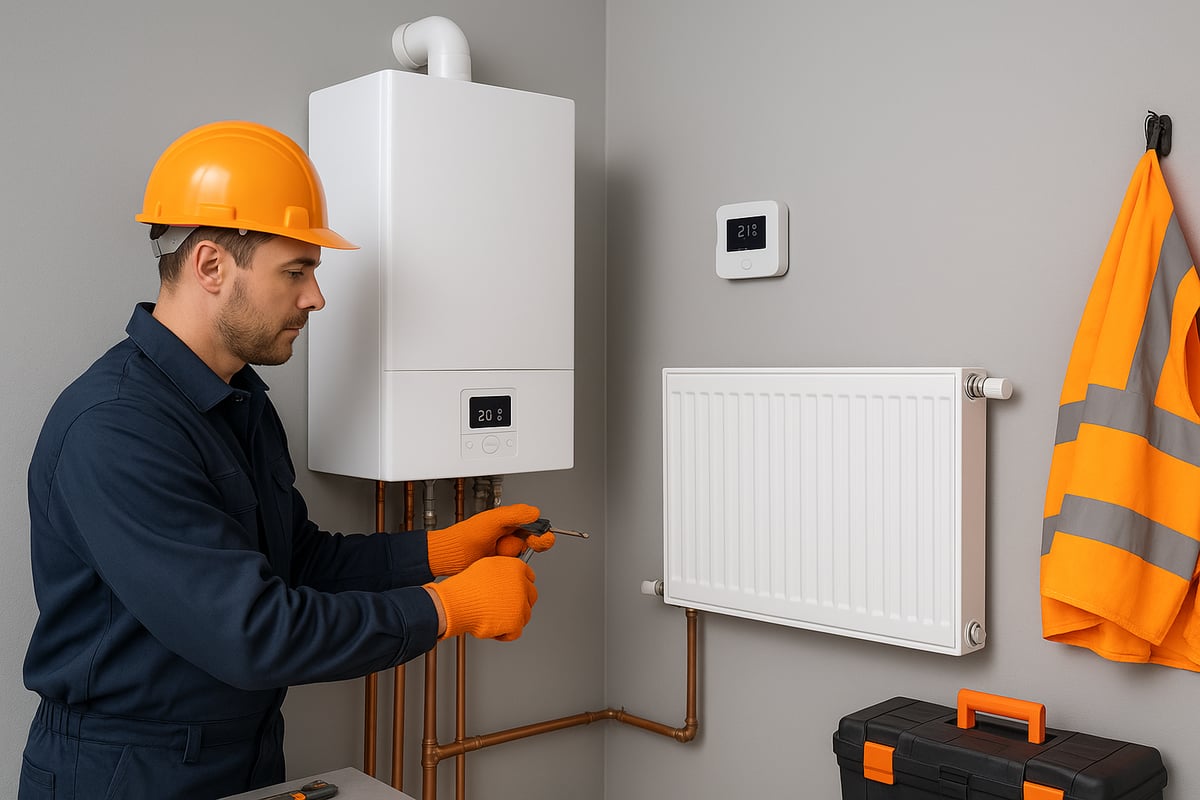
Every central heating installation begins with a thorough survey of your property. A qualified engineer assesses room sizes, insulation levels, existing pipework, and hot water requirements.
The system design process then matches the right boiler size and radiator output to your specific needs. For example, in older homes with solid walls, careful radiator placement ensures even heat distribution and minimises cold spots.
A detailed system design helps avoid oversizing or undersizing, both of which can impact comfort and running costs. This careful planning is crucial for a smooth central heating installation.
Step 2: Selecting and Ordering Components
With your system design finalised, the next step is choosing the right equipment for your central heating installation. Options include condensing boilers (combi, system, or regular), radiators, thermostats, and smart controls.
Below is a summary of common choices:
| Component | Options | Typical Features |
|---|---|---|
| Boiler | Combi, System, Regular | High efficiency, compact |
| Radiators | Panel, Column, Designer | Fast heat-up, styles |
| Controls | Smart, Programmable, Manual | Wi-Fi, zoning, schedules |
Your installer will order all required parts and confirm delivery dates, ensuring a coordinated central heating installation with minimal disruption.
Step 3: Preparing the Property
Proper preparation makes the central heating installation process efficient and safe. Installers will ask you to clear areas around boilers and radiators, move delicate furnishings, and protect flooring.
They may recommend insulation upgrades, such as loft or cavity wall insulation, to maximise your new system's efficiency. Old heating systems are safely isolated and removed to make space for the new installation.
Clear communication at this stage helps avoid delays and ensures your central heating installation proceeds smoothly.
Step 4: Installing Pipework and Radiators
Next, engineers begin fitting new pipework and radiators. High-quality pipework ensures reliable hot water flow, while correct radiator placement maximises heat output in every room.
This stage can involve:
- Laying new copper or plastic pipes
- Mounting radiators at optimal positions
- Connecting valves and thermostatic radiator valves (TRVs)
Pipework costs typically range from £790 to £1,650, depending on your home's size and complexity. Installers carefully test for leaks and balance the system to ensure even heating throughout.
Professional attention to detail at this stage is vital for the long-term performance of your central heating installation.
Step 5: Boiler Installation and Integration
Once the pipework is in place, your new boiler is installed according to the manufacturer's specifications. The engineer will connect the boiler to the new pipework, radiators, and, if needed, hot water cylinders or storage tanks.
Proper flue placement and ventilation are checked to meet safety standards. Only Gas Safe or OFTEC registered professionals should complete this step, as compliance is a legal requirement for any central heating installation.
A compliant installation ensures both safety and system longevity.
Step 6: Wiring and Smart Controls
Wiring is a critical phase of central heating installation. Qualified electricians install thermostats, programmers, and smart controls, connecting them to your boiler and, if applicable, your home's Wi-Fi network.
Modern systems often include zoning and remote control features, giving you precise command over your heating. Smart controls can be integrated with home automation systems, allowing you to monitor and adjust your central heating installation from your phone or tablet.
This step is essential for maximising efficiency and user comfort.
Step 7: System Testing, Balancing, and Commissioning
After installation, the entire system is filled, flushed, and pressurised. Flushing is particularly important, as it removes debris and helps prevent future breakdowns. To understand why this step matters, see the Central heating system flush benefits.
Engineers bleed radiators, balance heat output, and conduct rigorous safety checks. Commissioning documentation is completed, confirming your central heating installation meets all regulations and operates as designed.
This final technical phase ensures long-term reliability and efficiency.
Step 8: Handover and User Training
The last step in your central heating installation is the handover. The installer demonstrates system controls, provides user manuals, and explains warranty terms.
Homeowners receive maintenance tips and guidance on scheduling the first annual service. You are now equipped to enjoy a warm, efficient home, confident in your new central heating installation.
Cost Breakdown and Money-Saving Tips
Understanding the costs involved in a central heating installation is crucial for budgeting and making informed choices. In 2025, system selection, property size, and new energy regulations all influence what you will pay. Let us break down the numbers and share expert tips to keep your project both affordable and future-proofed.
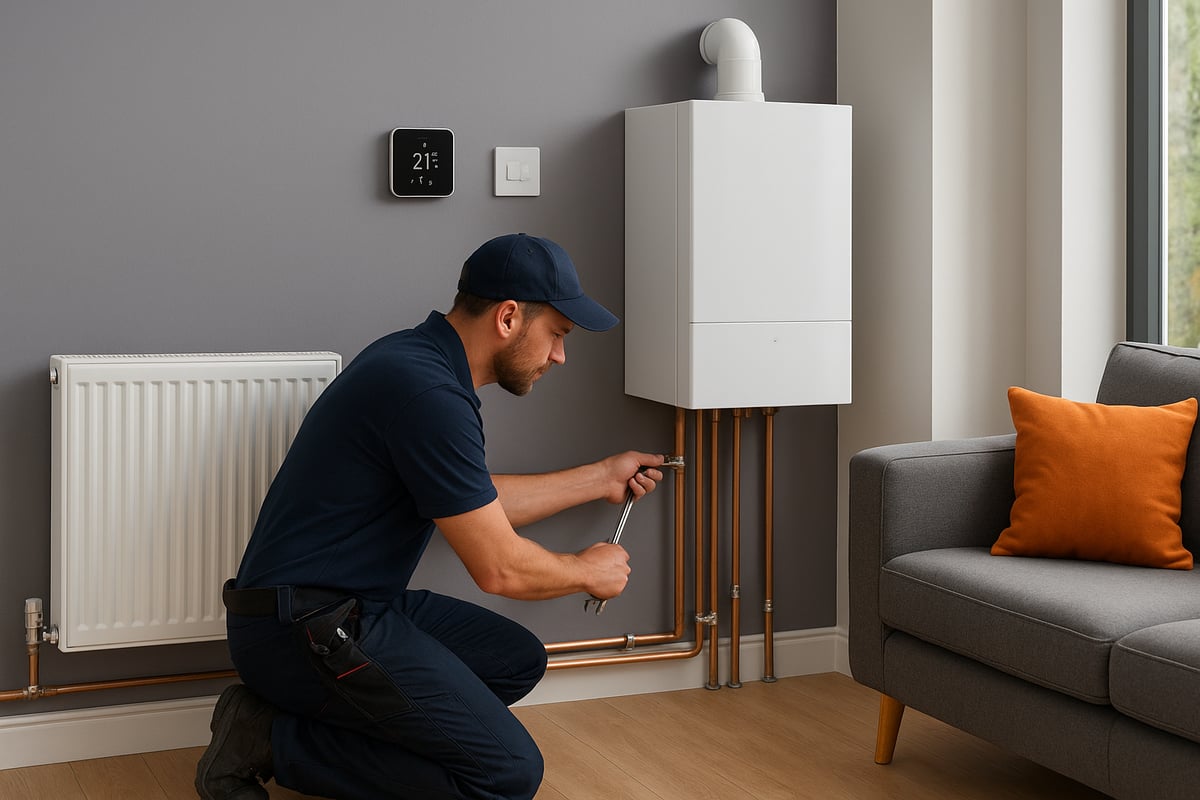
Detailed Cost Breakdown by System Type
When planning a central heating installation, it is important to compare system types and their associated costs. Here is a quick reference table for 2025:
| System Type | Average Installation Cost | Boiler Cost | Radiator Cost | Pipework Cost | Labour |
|---|---|---|---|---|---|
| Gas | £4,500–£6,000 | £1,000–£2,000 | £900–£1,500 | £250–£1,000 | £1,000+ |
| Oil | £5,000–£7,300 | £1,200–£2,200 | £900–£1,500 | £400–£1,200 | £1,200+ |
| Electric | £3,230–£4,350 | £900–£1,800 | £800–£1,200 | £250–£900 | £800+ |
For example, a full central heating installation for a 3-bedroom semi-detached property typically averages around £6,150 if you choose an oil system. These figures help you set realistic expectations and plan for both equipment and labour costs.
Factors Affecting Installation Costs
Several factors can impact the total price of a central heating installation. The size of your property, the number of rooms, and the required number of radiators all play a part. More complex pipework layouts and access challenges, such as working in older homes or tight spaces, can also increase expenses.
The brand and efficiency rating of your chosen boiler will affect both upfront costs and long-term savings. Opting for a high-efficiency model may cost more initially but can reduce your energy bills over time. Always factor in the potential for additional work, such as upgrading insulation or replacing outdated components, when budgeting for your central heating installation.
Money-Saving Strategies
To get the best value from your central heating installation, compare at least three quotes from qualified installers. This ensures you are not overpaying and that you receive a comprehensive service. Consider scheduling your project during off-peak periods, such as late spring or summer, when installers may offer discounts.
Explore government grants and incentives, particularly for renewable systems like heat pumps or biomass boilers. Taking advantage of these schemes can significantly reduce your upfront investment. Negotiating bundled services, such as including annual servicing or smart control upgrades, can also provide long-term savings and peace of mind.
Finance and Payment Options
Affordability is a key concern for many homeowners investing in a central heating installation. Many reputable companies offer 0% finance or flexible monthly payment plans, allowing you to spread the cost without significant upfront outlay. Some providers can give you an initial quote without requiring personal details, making it easier to compare options risk-free.
Look out for discounts on home surveys or when combining multiple services, such as plumbing and heating upgrades. Choosing a professional installation adds value by ensuring compliance, maximising efficiency, and avoiding costly mistakes. For those seeking expert support, the Heating services and installation expertise page outlines a range of services that can help you achieve a reliable, efficient, and cost-effective result.
Common Challenges and Expert Solutions
Upgrading or installing a modern central heating installation in 2025 can present a range of challenges, especially in older UK properties. Homeowners often face issues with existing infrastructure, regulatory requirements, and ongoing maintenance. Below, we explore the most common obstacles and provide expert-backed solutions to ensure a successful, future-proofed central heating installation.
Dealing with Older Properties
Older homes often pose unique challenges for central heating installation due to outdated pipework, limited space for modern boilers, and insufficient insulation. Many Victorian and Edwardian houses have radiators and plumbing that are incompatible with today's high-efficiency systems. Upgrading may require significant pipework replacement and the installation of compact boilers or unvented cylinders to fit tight spaces.
A common scenario is retrofitting a Victorian terrace, where preserving character must be balanced with energy performance. According to Energy efficiency of housing in England and Wales, older properties tend to have lower energy ratings, making professional assessment essential. Consider adding smart controls and insulation to boost efficiency and comfort.
Avoiding Common Installation Mistakes
One of the most frequent issues in central heating installation is incorrect boiler sizing. An oversized or undersized boiler leads to inefficiency, higher bills, and potential system strain. It is crucial to calculate heat requirements based on room size, insulation, and occupancy. Poor radiator placement or lack of system balancing can create cold spots and uneven heating.
Compliance is another key concern. Installers must adhere to current regulations, such as those outlined in the Future Homes Standard and Building Regulations 2025, to avoid costly rework. Always insist on a thorough commissioning process, including safety checks and documentation, to guarantee long-term system reliability.
Ensuring Long-Term Efficiency and Maintenance
After a central heating installation, ongoing maintenance is vital for efficiency and longevity. Annual servicing by qualified engineers helps detect early signs of wear or inefficiency. Regular system flushes remove sludge and prevent blockages, maintaining peak performance.
Using chemical inhibitors protects against corrosion, while magnetic filters safeguard the boiler from metal debris. These simple measures can extend the system's life and reduce breakdown risk. Following manufacturer guidelines and keeping records of all maintenance work ensures warranties remain valid and the system stays compliant.
Troubleshooting Issues Post-Installation
Even with a professional central heating installation, issues like cold spots, noisy pipes, or persistent air in radiators can arise. Bleeding radiators and checking system pressure are simple DIY steps that often resolve minor problems. If heat distribution remains uneven, it may indicate balancing issues or faulty thermostatic valves.
Persistent noises or leaks should prompt a call to a qualified installer, as these can signal deeper issues within the system. Homeowners should avoid complex repairs themselves to prevent voiding warranties or causing further damage. Prompt attention to early warning signs ensures a safe, efficient, and comfortable home environment.
Future Trends and Expert Tips for Central Heating in 2025
The landscape for central heating installation is rapidly evolving as we approach 2025. Homeowners are navigating a world of new technologies, stricter regulations, and a strong push for sustainability. Staying ahead of these trends is key to ensuring your central heating installation is future-proof and cost-effective.
Embracing Renewable and Low-Carbon Technologies
The shift towards renewable energy is now central to any modern central heating installation. Air source and ground source heat pumps are gaining significant traction, thanks to their efficiency and alignment with government carbon targets. According to UK heat pump installation statistics 2025, there has been a noticeable increase in installations nationwide, particularly in regions prioritising sustainability.
Pairing heat pumps with solar panels and battery storage systems further reduces reliance on fossil fuels. These technologies not only lower carbon emissions but can also reduce long-term heating costs. As energy prices fluctuate, renewable solutions are becoming the preferred choice for a future-ready central heating installation.
Maximising Smart Home Integration
Smart controls are transforming how we manage central heating installation. Homeowners are increasingly opting for smart thermostats, smart radiator valves, and zone controls, all of which can be managed remotely from a smartphone or home automation system.
Real-time energy monitoring allows users to track consumption and make immediate adjustments, optimising comfort while saving money. Studies show that integrating smart technology into your central heating installation can save households up to £300 per year. For those looking to enhance efficiency and convenience, investing in smart home integration is a strategic move.
Preparing for Regulatory Changes
Regulations affecting central heating installation are expected to tighten further in 2025. Updates to Building Regulations and the Boiler Plus standard will place greater emphasis on low-carbon solutions and higher efficiency ratings.
These changes not only impact compliance but can influence property values as well. Homeowners should stay informed about anticipated updates and ensure their central heating installation meets or exceeds upcoming requirements. By proactively adapting to new standards, you can safeguard your investment and maintain long-term comfort.
Expert Tips for Homeowners
To achieve the best results from your central heating installation, focus on preparation and quality. Start with insulation upgrades, which maximise system efficiency and reduce heat loss. Always choose an installer with the right accreditations and a strong track record for reliability.
Keep all documentation, including warranties and compliance certificates, in a safe place for future reference. If you are upgrading, consider bundling services for better value and efficiency. Remember, a well-planned central heating installation delivers both immediate comfort and lasting savings.
Frequently Asked Questions
- Which system is cheapest to run in 2025?
- Who should install my central heating installation?
- What renewable options are available for my home?
- How often should I service my heating system to maintain optimal performance?
Staying informed and proactive ensures your central heating installation remains efficient and compliant for years to come. Expert guidance and ongoing maintenance are your best tools for navigating the future of home heating.