
Imagine stepping into a home where hot water flows instantly and every room stays cosy with minimal energy use. Today’s advances make this a reality, transforming how we think about plumbing and central heating.
With rising energy costs and growing eco-awareness, understanding your home’s systems is more important than ever. This guide will help you navigate the latest trends, smart technologies, and practical steps for a more efficient, comfortable, and sustainable home.
Ready to take control of your comfort and savings? Let’s explore the essentials that will define your property’s performance in 2025.
Understanding Plumbing and Central Heating Systems
A well-designed plumbing and central heating system is the backbone of every comfortable, efficient UK home. Understanding how these systems work, their components, and the latest regulations can help you make informed choices that enhance your living space and save you money.
System Fundamentals and Key Components
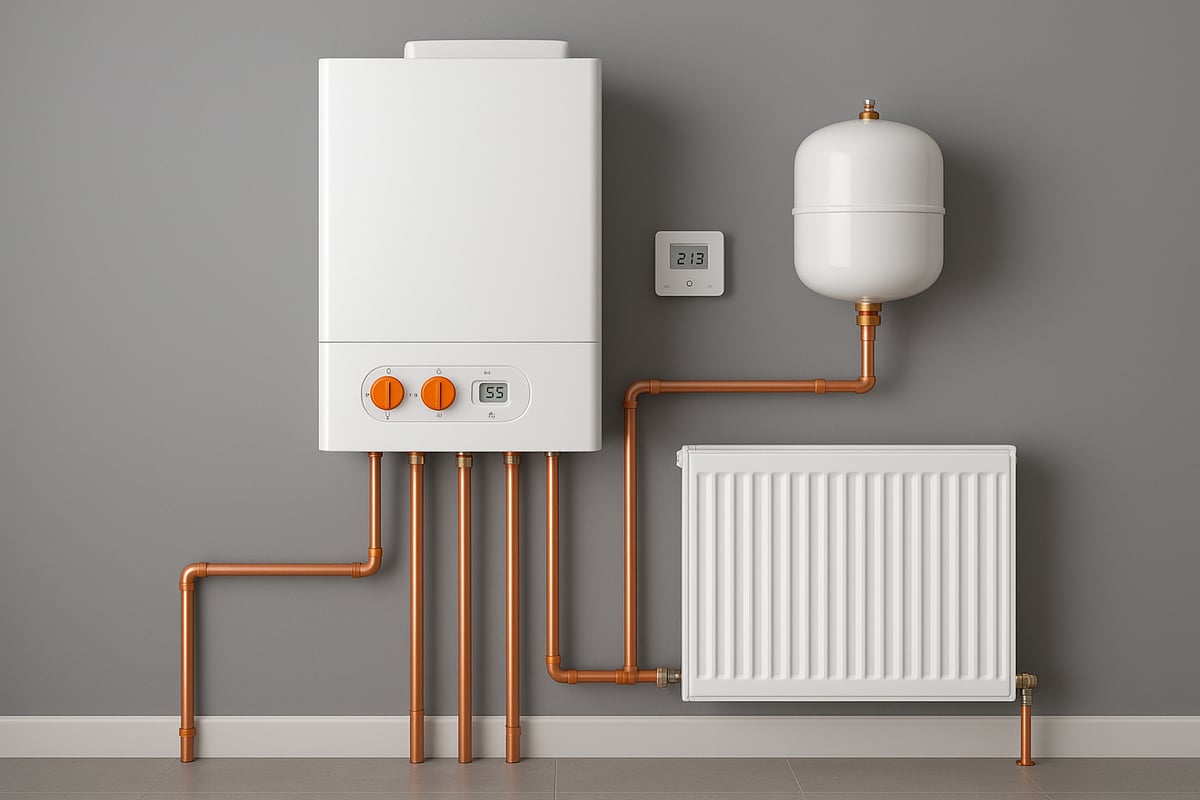
In most UK homes, plumbing and central heating systems are interconnected networks designed to deliver hot water and warmth efficiently. The main components include boilers, radiators, pipes, water tanks, thermostats, and valves. Each plays a specific role in distributing water and heat throughout the property.
There are three primary boiler types:
| Boiler Type | Hot Water Supply | Space Needed | Typical Use |
|---|---|---|---|
| Combi | Instant, on demand | Compact | Flats, small homes |
| System | Stored, via cylinder | Moderate | Medium homes |
| Conventional | Stored, tank in loft | Most space needed | Large homes |
Combi boilers now account for over 50% of UK installations, reflecting their popularity for space-saving and efficiency (Energy Saving Trust). The choice of system—combi, system, or conventional—should suit your property’s size and usage.
Integration is key: central heating often shares components with hot water supply, using either gravity-fed or pressurised systems. Gravity-fed systems rely on tanks and elevation, while pressurised systems use mains pressure for consistent flow.
Selecting the right plumbing and central heating solution greatly influences comfort, efficiency, and long-term costs. For a detailed breakdown of available options and expert advice, visit the Plumbing Services Overview page.
Latest Standards and Regulations in 2025
Regulations for plumbing and central heating continue to evolve, shaping how systems are installed and maintained. In 2025, updates to Building Regulations (Part L) have made energy efficiency a priority for all new and replacement installations.
All new boilers must now meet a minimum 92% ErP efficiency, ensuring lower emissions and reduced running costs. Water efficiency standards require that fixtures like taps and toilets carry eco-labelling, guiding homeowners towards responsible choices.
Installer accreditation is essential. Gas work must be performed by Gas Safe engineers, while renewable and solid fuel systems may require HETAS certification. These accreditations not only ensure safety but also protect your legal rights and grant eligibility.
Following the latest standards in plumbing and central heating is vital. Compliance means safer homes, reduced bills, and access to government-backed incentives for upgrades or replacements.
System Lifespan and When to Upgrade
Understanding the expected lifespan of plumbing and central heating components helps you plan for timely upgrades. Boilers typically last 10 to 15 years, radiators 15 to 20 years, and pipework can last over 50 years with proper care.
Common signs your system is ageing include:
- Leaks or frequent repairs
- Noisy operation
- Uneven heating
- Rising energy bills
For example, upgrading from a G-rated to an A-rated boiler can save over £300 annually (Which?). Proactive upgrades prevent unexpected breakdowns and ensure your home stays efficient.
Regularly assessing the condition of your plumbing and central heating ensures you avoid costly emergencies and maintain optimal performance as standards advance.
Top Trends and Innovations in 2025
The landscape of plumbing and central heating is evolving rapidly in 2025. Homeowners and property managers are seeking smarter, more efficient, and eco-friendly solutions. Understanding the latest innovations is crucial for anyone aiming to future-proof their property, control costs, and ensure long-term comfort.
Smart Home Integration and Controls
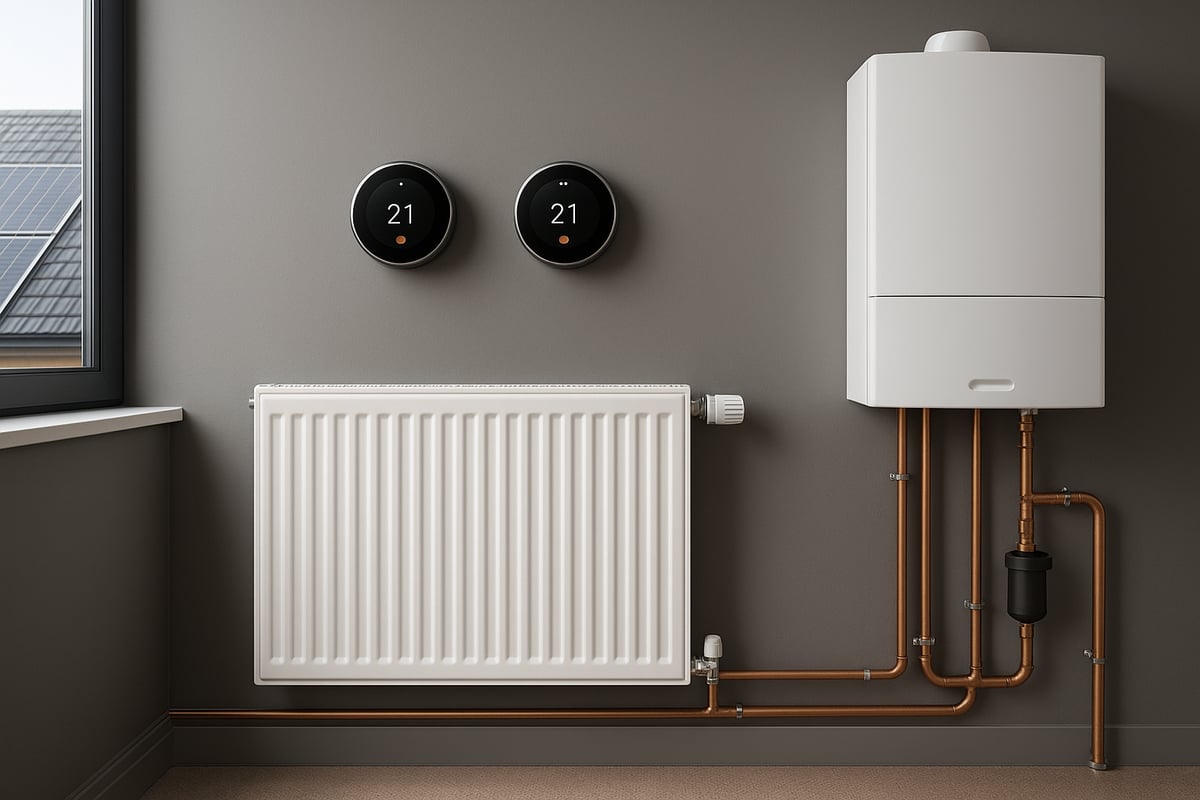
Smart technology is transforming how we manage plumbing and central heating. Households are increasingly adopting smart thermostats, app-based controls, and zoned heating systems. These tools allow users to adjust temperatures, monitor usage, and automate schedules from their phones or via voice commands.
Artificial intelligence is now being used to optimise heating patterns based on occupancy and weather forecasts. By 2025, it is estimated that 40% of UK homes will use some form of smart heating control, enabling precise temperature management and cutting energy waste. According to UK plumbing and heating industry statistics, the adoption of these technologies is a leading trend, with consumers prioritising both convenience and cost savings.
Popular features include:
- Remote access to heating and hot water controls
- Customisable heating zones for different rooms
- Integration with other smart home devices
Smart controls not only boost comfort but also contribute to more efficient plumbing and central heating throughout the year.
Sustainable and Eco-Friendly Solutions
Sustainability is at the heart of modern plumbing and central heating upgrades. Air source and ground source heat pumps are becoming mainstream, offering substantial reductions in carbon emissions compared to traditional gas boilers. Many homes are integrating solar thermal panels to provide hot water directly from renewable energy.
Water conservation is also a focus, with low-flow taps and dual-flush toilets designed to reduce water usage without compromising performance. Upgrading to these fixtures supports the government's Net Zero ambitions and can lower household bills.
Key eco-friendly options include:
- Installing heat pumps for up to 60% fewer emissions
- Adding solar thermal systems for hot water
- Fitting water-saving fixtures in kitchens and bathrooms
Plumbing and central heating systems that embrace these advancements are future-ready and environmentally responsible.
Materials and System Design Advances
Advancements in materials and design are further shaping plumbing and central heating in 2025. Corrosion-resistant pipework, such as PEX and multilayer pipes, is now widely used, offering greater durability and flexibility. These materials can reduce installation time by up to 30% and lower the risk of leaks.
Modern system designs favour compact radiators and concealed pipework, supporting contemporary interior styles. Modular boiler systems are increasingly popular in larger properties, providing scalability and efficient output as household needs change.
A comparison of modern materials:
| Material | Benefit | Typical Use |
|---|---|---|
| PEX | Flexible, corrosion-proof | Pipework replacement |
| Multilayer | Durable, quick to fit | New installations |
| Copper | Traditional, robust | Visible pipe runs |
Selecting the right materials and designs can greatly improve the lifespan and reliability of plumbing and central heating systems.
Financial Incentives and Grants in 2025
Upgrading plumbing and central heating is now more accessible thanks to a range of financial incentives. The Boiler Upgrade Scheme and ECO4 programme offer grants for energy-efficient installations, while many local authorities provide additional support. Homeowners can also benefit from VAT relief and 0% finance deals on qualifying upgrades.
For example, the government is offering up to £7,500 towards heat pump installations, making sustainable technology more affordable. Many suppliers now provide flexible payment options to help spread the cost of major improvements.
Summary of financial support options:
- Boiler Upgrade Scheme for renewable heating
- ECO4 grants for energy efficiency
- 0% finance and VAT relief for approved systems
These incentives are accelerating the adoption of advanced plumbing and central heating solutions across the UK.
Step-by-Step Maintenance Guide for 2025
A well-maintained plumbing and central heating system is the foundation of a comfortable, efficient home. Regular upkeep not only protects your investment but also helps avoid unexpected breakdowns and costly repairs. This guide breaks down the key maintenance steps every homeowner should follow throughout 2025, ensuring your system runs smoothly and remains energy efficient.
Annual System Health Checks
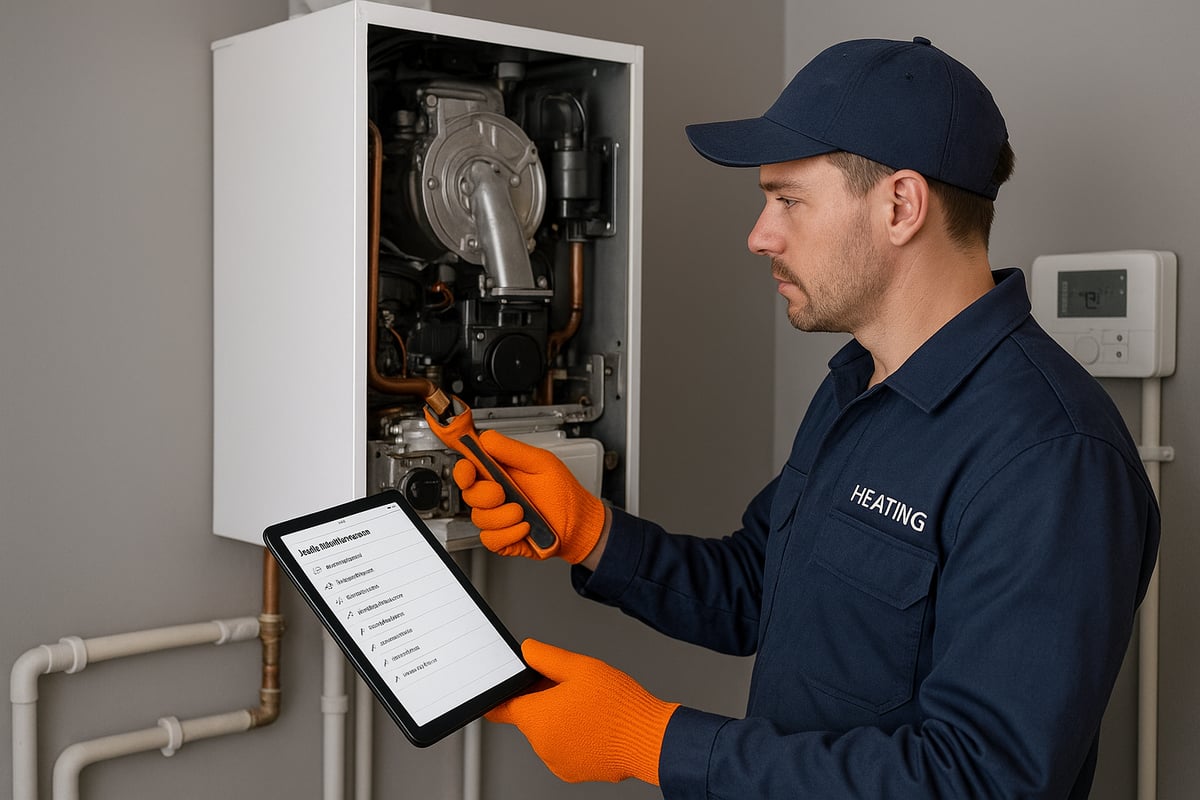
Scheduling annual health checks is essential for the longevity and performance of your plumbing and central heating. A yearly boiler service by a qualified engineer ensures your system operates safely and efficiently. During the check, technicians inspect for leaks, corrosion, and pressure drops, which are early indicators of potential problems.
Key tasks include:
- Inspecting the boiler and pipework for signs of wear or leaks
- Testing pressure levels and safety devices
- Bleeding and balancing radiators for even heat distribution
Radiator bleeding removes trapped air, which can cause cold spots and reduce heating efficiency. Balancing ensures each radiator heats up at the same rate, maximising comfort across your property. Data shows that annual servicing can reduce the risk of boiler breakdowns by up to 60 percent, saving money on emergency repairs.
Routine maintenance of plumbing and central heating also keeps energy bills in check. Preventative care helps identify minor issues before they escalate, ensuring your system remains reliable all year round.
Water Quality and System Flushing
Maintaining water quality in your plumbing and central heating is crucial for optimal system performance. Over time, limescale and sludge can accumulate, leading to inefficiencies and increased wear on vital components. Inhibitor chemicals are added to prevent corrosion and mineral build-up, protecting your boiler and radiators.
Power flushing is a specialised process that clears sludge and debris from pipes and radiators. Signs that your system may need a flush include cold spots on radiators, noisy pipes, or slow heat-up times. According to industry experts, a thorough power flush can boost system efficiency by more than 15 percent.
For a detailed walkthrough of the process and its benefits, you can consult the System Flush for Boilers guide. Clean water is vital for the health of your plumbing and central heating, ensuring each component functions as intended and reducing the risk of breakdowns.
Regular water quality checks and timely flushing help extend the lifespan of your system, keeping your home both comfortable and cost-effective.
Smart Control Calibration and Updates
Modern plumbing and central heating systems increasingly rely on smart controls to maximise efficiency and convenience. Regular calibration and software updates are necessary to ensure these digital tools operate securely and accurately.
Homeowners should:
- Update smart thermostat firmware to access the latest features and security patches
- Review and adjust heating schedules based on occupancy patterns and seasonal changes
- Integrate weather-responsive settings to optimise energy use
Properly configured smart controls can cut heating bills by 10 to 12 percent annually. Take time to check that your smart devices sync correctly with your boiler and radiators, as outdated software or incorrect settings can lead to inconsistent heating.
Staying proactive with smart control maintenance ensures your plumbing and central heating system responds to your lifestyle, providing comfort while minimising waste.
DIY Maintenance vs. Professional Help
Understanding which maintenance tasks you can safely carry out yourself and when to call in the experts is essential for protecting your plumbing and central heating. While some jobs are straightforward, others require professional knowledge and certification.
Safe DIY tasks include:
- Bleeding radiators to release trapped air
- Topping up boiler pressure when indicated by the gauge
- Cleaning or replacing accessible filters
Tasks that require a professional:
- Any gas-related work, including boiler repairs
- Addressing electrical faults or major leaks
- Full system flushing or chemical treatments
| Task | DIY or Professional | Reason |
|---|---|---|
| Bleeding radiators | DIY | Simple and safe |
| Gas repairs | Professional | Legal requirement |
| Power flushing | Professional | Specialist equipment |
| Pressure top-up | DIY | Straightforward task |
| Electrical faults | Professional | Safety critical |
Gas Safe regulations strictly prohibit unqualified individuals from working on gas appliances. Attempting complex repairs without expertise can lead to costly damage or safety risks. Knowing your limits helps you maintain the plumbing and central heating system effectively while avoiding unnecessary hazards.
Preparing for Seasonal Changes
Seasonal preparation is a key part of maintaining plumbing and central heating. Before winter, check your system for leaks, lag exposed pipes to prevent freezing, and test your boiler’s performance. This proactive approach minimises the risk of winter emergencies, such as burst pipes or heating failures.
In summer, when heating demand drops, consider shutting down your system or switching to eco modes. Use this downtime to schedule professional servicing, as engineers are often more available and less in demand.
Practical tips for seasonal readiness:
- Insulate pipes in unheated spaces, such as lofts or garages
- Test the heating system before the first cold snap
- Drain outdoor taps to prevent freezing
Investing £20–£40 in pipe insulation can save hundreds in potential repairs. Consistent seasonal checks ensure your plumbing and central heating remain dependable, no matter the weather.
Troubleshooting Common Plumbing and Heating Problems
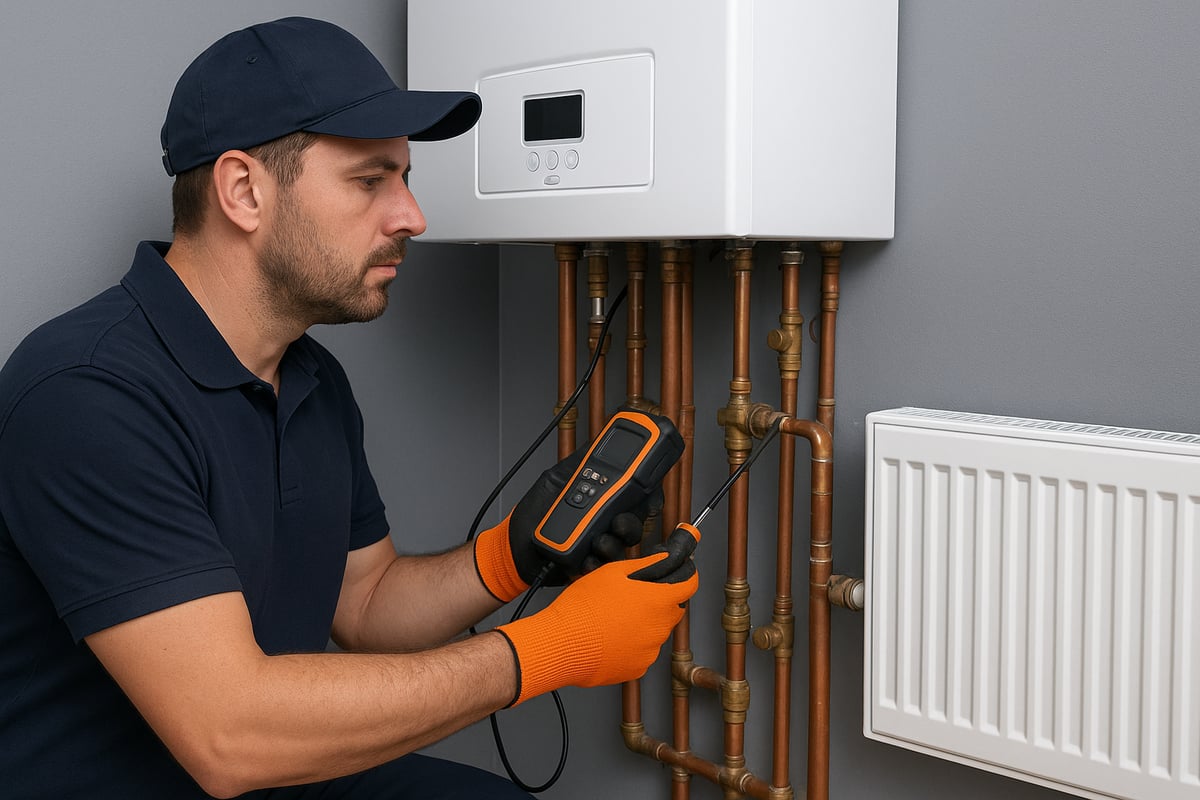
When plumbing and central heating systems develop problems, the impact on comfort and running costs can be immediate. Understanding the warning signs and applying step-by-step troubleshooting helps keep your home warm, water flowing, and energy bills in check. According to recent plumbing and HVAC statistics in the UK, over half of UK households report encountering at least one issue with their plumbing and central heating each year.
Diagnosing Noisy Boilers and Radiators
Unusual noises from boilers or radiators are among the most common plumbing and central heating complaints. These sounds may include banging, gurgling, or whistling. Common causes include:
- Trapped air in radiators or pipework
- Build-up of sludge or debris in the system
- Limescale accumulation in the heat exchanger
- Faulty circulator pumps
To resolve these issues, start by bleeding radiators to release trapped air. If noises persist, a professional power flush may be required to remove sludge. Regular servicing is essential to prevent such problems. For detailed advice and annual check-ups, consider Boiler Servicing and Maintenance by accredited engineers. Early diagnosis and action can prevent minor noises from becoming major breakdowns, keeping your plumbing and central heating running smoothly.
Low Water Pressure and Leaks
Low water pressure or visible leaks often signal deeper issues within your plumbing and central heating system. Causes include:
- Hidden leaks in pipework or radiators
- Faulty pressure relief valves
- Blocked or partially closed valves
- System pressure loss due to air ingress
To check for leaks, visually inspect exposed pipes and joints, and monitor your boiler’s pressure gauge. If pressure drops repeatedly, a pressure test may identify the source. Unaddressed leaks waste water and increase bills, with the average home losing thousands of litres annually. Regular inspections and prompt repairs protect both your property and the efficiency of your plumbing and central heating.
Inconsistent Heating or Hot Water
If some rooms are cold or hot water runs out unexpectedly, your plumbing and central heating may be experiencing:
- Malfunctioning thermostats or timer controls
- Diverter valve failures in combi systems
- Airlocks in pipework
- Faulty zone valves or wiring issues
Begin by checking and resetting thermostats and programmers. Test radiators for even heat and ensure all valves are open. For persistent problems, a qualified engineer should inspect controls and valves. Addressing these faults promptly restores reliable heating and hot water, ensuring your plumbing and central heating delivers comfort when you need it most.
Frozen Pipes and Winter Emergencies
Frozen pipes are a seasonal risk for every plumbing and central heating system in the UK. Prevention steps include:
- Lagging exposed pipes with insulation sleeves
- Keeping heating on low during cold spells
- Allowing taps to drip slowly to maintain flow
- Installing smart leak and freeze sensors
If pipes freeze, turn off the water supply and gently thaw pipes using warm towels. Never use direct heat, as this can cause pipes to burst. Quick action and preparation can prevent costly repairs and insurance claims, ensuring your plumbing and central heating withstand winter’s challenges.
Proper troubleshooting and maintenance are the foundation for a reliable plumbing and central heating system. By staying alert to common issues, taking preventative measures, and knowing when to call in the experts, you protect your home’s comfort and efficiency all year round.
When to Upgrade or Replace Your System
Knowing when to upgrade or replace your plumbing and central heating is essential for maintaining comfort, safety, and efficiency in your home. As systems age or become outdated, they can lead to rising bills, frequent breakdowns, and unreliable performance. By understanding the key signs and weighing your options, you can make informed decisions that benefit both your property and your wallet.
Signs It’s Time for a New Boiler or Heating System
Most plumbing and central heating systems have a finite lifespan. Boilers typically last 10 to 15 years, while radiators can serve you for up to 20 years. If your system is showing its age, you might notice frequent breakdowns, unusual noises, or uneven heating throughout your home.
Another clear indicator is a steady increase in your energy bills, even when your usage remains the same. Older boilers, especially those rated below A, tend to be much less efficient. According to UK boiler market size and trends, the demand for high-efficiency models continues to rise as homeowners seek better performance and lower emissions.
If you struggle to find spare parts or your boiler is over 15 years old, replacement should be seriously considered. Early action helps avoid costly repairs and ensures your plumbing and central heating remain reliable.
Choosing the Right New System
Selecting the best replacement for your plumbing and central heating depends on your property’s size, usage patterns, and hot water requirements. Combi boilers are ideal for smaller homes, providing instant hot water without the need for a separate cylinder. System boilers suit medium to large properties, offering strong water pressure and the ability to supply multiple taps at once. Conventional boilers, while less common, are still useful in homes with existing tanks and large hot water demands.
When comparing options, consider factors like installation space, efficiency ratings, and compatibility with smart controls. Proper sizing is crucial: an undersized system will struggle to keep up, while an oversized one will waste energy. Consulting a qualified professional ensures your new plumbing and central heating solution fits your needs perfectly.
Eco-Friendly Upgrade Options
The shift towards greener homes is transforming the plumbing and central heating landscape. Modern systems now include air and ground source heat pumps, which can reduce annual carbon emissions by up to 1.5 tonnes per household. Solar thermal panels are also gaining popularity, providing renewable hot water and lowering reliance on fossil fuels.
Hybrid systems that combine heat pumps with high-efficiency boilers offer flexibility and further emission reductions. For rural and off-grid homes, biomass boilers present an alternative using sustainable fuels. Upgrading to these eco-friendly options not only supports the environment but also aligns with government incentives and future-proofs your property.
Cost, Finance, and Incentives
Upgrading your plumbing and central heating is an investment, but it can pay off through reduced bills and increased comfort. Upfront costs vary, yet many households qualify for grants such as the ECO4 scheme, which offers free or subsidised upgrades to eligible applicants. The Boiler Upgrade Scheme also provides significant financial support for heat pump installations.
Homeowners can also explore Central Heating System Upgrade services, which often include 0 percent finance and VAT relief for energy-efficient improvements. By calculating both upfront and long-term savings, you can choose an upgrade plan that matches your budget and maximises value from your plumbing and central heating system.
Finding a Qualified Installer
Ensuring your new plumbing and central heating system is installed correctly is vital for safety, efficiency, and warranty protection. Always choose professionals who are Gas Safe, OFTEC, or HETAS accredited, depending on the fuel type. Accreditation is required for compliance with building regulations and eligibility for grants or manufacturer warranties.
Check customer reviews, proof of insurance, and aftercare support before making your selection. A reputable installer will guide you through system choices, handle paperwork, and offer ongoing maintenance for peace of mind. Trusting experts with your plumbing and central heating upgrade guarantees a smooth transition and long-term reliability.