
As 2026 approaches, the landscape of home heating is rapidly evolving. Are you ready for the future of warmth and comfort? Rising energy costs and new regulations are reshaping how UK homeowners approach their boiler and heating system. This essential guide will equip you with the latest insights on choosing, upgrading, and maintaining an efficient boiler and heating system. Discover new technologies, explore system types, learn about installation best practices, and find out how to maximise energy efficiency and savings. Whether you want to cut costs or boost home comfort, use this guide to make informed decisions for your heating needs in 2026.
The Evolving Boiler and Heating System Landscape in 2026
The boiler and heating system landscape in the UK is undergoing rapid transformation as 2026 approaches. Homeowners face an evolving mix of new technologies, regulatory requirements, and rising expectations for comfort and sustainability. Understanding these shifts is crucial for making informed choices about any boiler and heating system upgrade or installation.
Key Trends and Innovations
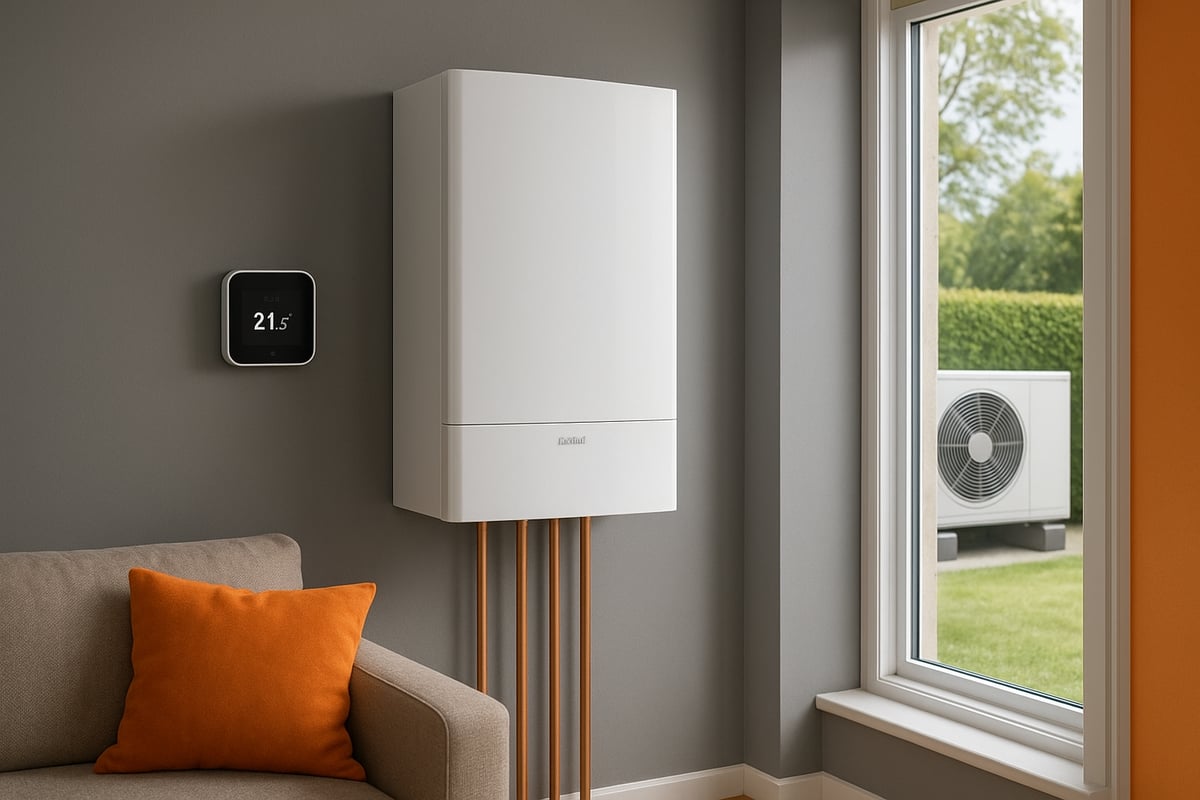
Across the UK, the boiler and heating system market is shifting towards energy efficiency and smart technology. Condensing boilers with advanced heat exchangers now dominate, offering much higher efficiency than older models. Hybrid systems, which combine a traditional boiler and heating system with a heat pump, are increasingly popular in both new builds and retrofits.
Smart heating controls have become a standard feature for many homeowners. Integrated with home automation platforms, these controls allow users to manage their boiler and heating system remotely. This results in improved comfort, reduced energy use, and the ability to tailor heating schedules to daily routines.
Renewable solutions are also gaining ground. Air source and ground source heat pumps, as well as biomass boilers, are becoming more common for those seeking a low carbon boiler and heating system. Many consumers are now more aware of their carbon footprint and actively seek out eco-friendly options.
Reliability and connectivity have improved dramatically. Modern boiler and heating system designs offer advanced diagnostics, remote monitoring, and predictive maintenance features. For instance, hybrid heat pump systems are now widely adopted in new homes, providing both flexibility and resilience against fluctuating energy prices.
Regulatory and Industry Developments
Regulation has played a major role in shaping the boiler and heating system landscape. The UK government has introduced new minimum efficiency standards for boilers, with higher ErP ratings required for all new installations. The phase-out of older, non-condensing boilers and fossil fuel systems is accelerating, prompting many households to consider modern alternatives.
Mandatory installation of smart thermostats is becoming more common in certain property types, supporting further integration of digital controls into every boiler and heating system. Substantial government incentives, such as grants of up to £7,500 for heat pump installations, are making advanced technologies more accessible.
Consumer choices are now guided not only by immediate costs but by future regulatory requirements and potential long-term savings. Regulatory changes, such as those outlined in the UK government consultation on improving boiler standards and efficiency, are expected to drive continued innovation and higher standards across the industry.
As a result, selecting the right boiler and heating system now requires careful consideration of compliance, efficiency, and sustainability. Staying informed about these industry developments is essential for any homeowner planning an upgrade or new installation in 2026.
Types of Boiler and Heating Systems Explained
Homeowners in the UK face a wide range of choices when it comes to selecting a boiler and heating system. Understanding the differences between each system is essential for making an informed decision that matches your property’s needs, budget, and future energy goals.
Combi, System, Heat-Only, and Hybrid Boilers
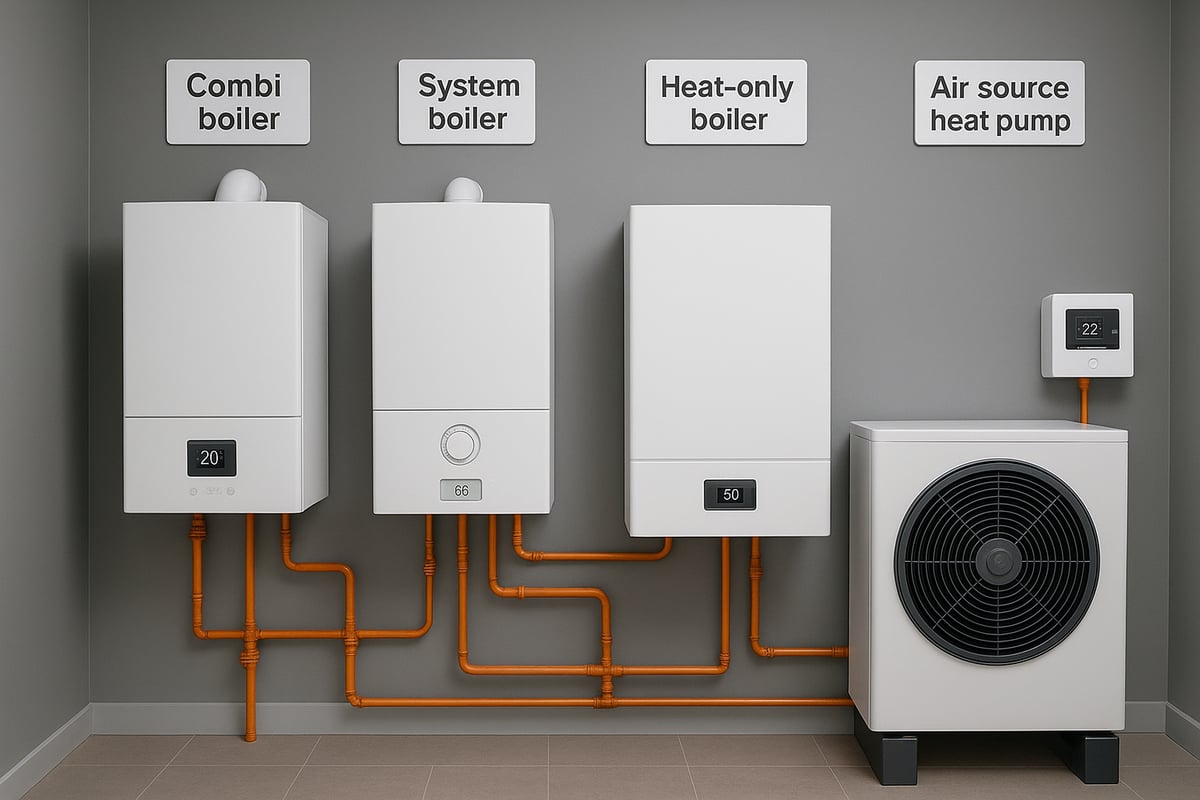
The foundation of any efficient boiler and heating system is the type of boiler installed. Each main type offers distinct features and is suited to particular home sizes and family requirements.
Combi boilers deliver hot water on demand without needing a separate cylinder or tank. These systems are compact, making them ideal for flats or smaller homes where space is at a premium. They are efficient and eliminate the wait for hot water, but may struggle to supply multiple bathrooms at once.
System boilers use a separate hot water cylinder, providing stored hot water at mains pressure. This design allows for simultaneous use of water in several bathrooms, making system boilers a top choice for larger households. For example, a system boiler can comfortably supply two showers at once, ensuring consistent performance.
Heat-only boilers (also known as regular or conventional boilers) require both a hot water cylinder and a cold water tank, typically found in older properties. While less common in new builds, these systems are reliable and can be integrated with traditional pipework, making them suitable for homes with existing gravity-fed systems.
Hybrid systems combine a traditional boiler with a renewable heat source, such as a heat pump. This approach offers flexibility and optimal efficiency, automatically switching between sources to reduce running costs and carbon emissions.
Here’s a quick comparison:
| Boiler Type | Best For | Pros | Cons | Typical Cost* |
|---|---|---|---|---|
| Combi | Small homes/flats | Space-saving, instant hot water | Limited simultaneous hot water | £500–£2,000 |
| System | Large homes/families | Multiple bathrooms, mains pressure | Needs cylinder space | £500–£2,000 |
| Heat-only | Older, large homes | Compatible with existing tanks | Takes up most space, slower hot water | £600–£2,500 |
| Hybrid | Modern, eco-conscious | High efficiency, renewable options | Higher upfront cost, complex install | £2,500+ |
*Prices vary by brand, size, and installer.
Selecting the right boiler and heating system depends on your property size, hot water demands, and long-term goals. Accurate assessment ensures you avoid common pitfalls like insufficient hot water or wasted energy.
Emerging Technologies and Alternatives
The boiler and heating system landscape in 2026 is shaped by rapid innovation and a growing focus on sustainability. Heat pumps, both air source and ground source, are becoming increasingly popular as either primary or supplementary heating options. These systems extract heat from the environment, significantly reducing carbon emissions and energy bills.
Biomass boilers use renewable organic materials, such as wood pellets, providing a low-carbon alternative for rural or off-grid properties. Integrating these with modern controls delivers both comfort and eco-friendly performance.
Smart controls and zoning technologies are revolutionising how homeowners interact with their boiler and heating system. With app-based management, you can set tailored heating schedules, remotely monitor energy use, and optimise comfort room by room. Compatibility with solar panels and battery storage is also rising, enabling homes to use stored renewable energy for heating and hot water.
To explore the possibilities of combining traditional boilers with next-generation renewables, see this guide on renewable energy heating systems.
When choosing a boiler and heating system, consider not only current needs but also future-proofing for evolving regulations and technologies. The right system will balance efficiency, flexibility, and environmental responsibility, ensuring comfort and savings for years to come.
Choosing the Right Boiler and Heating System for Your Home
Selecting the ideal boiler and heating system for your home in 2026 is a decision that impacts comfort, efficiency, and running costs for years to come. With the landscape changing rapidly, it is crucial to make informed choices that suit your property’s unique needs and future requirements.
Assessing Your Household Needs
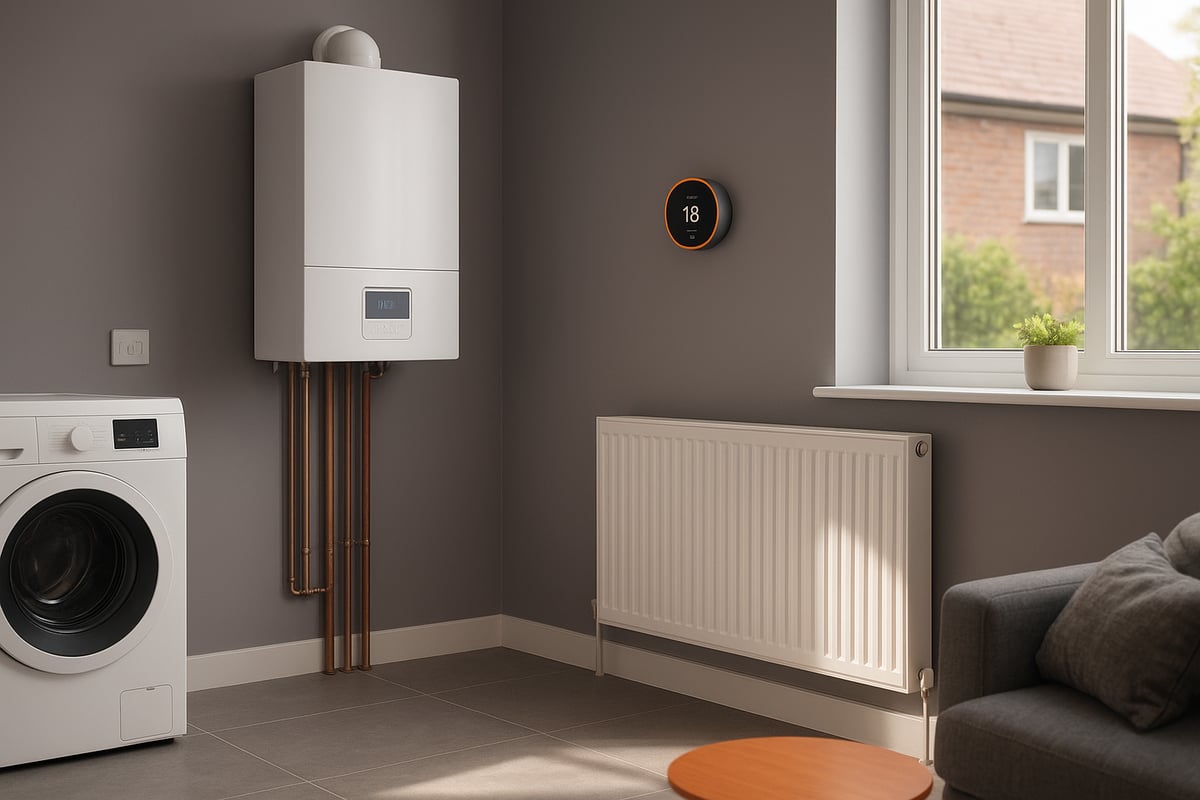
Start by evaluating your household’s specific requirements. The right boiler and heating system depends on property size, insulation levels, the number of bathrooms, and your daily hot water demand.
For smaller homes or flats, a combi boiler often offers space-saving convenience and instant hot water. Larger properties or those with multiple bathrooms may benefit from a system boiler, which stores hot water in a cylinder for simultaneous use. Regular (heat-only) boilers are common in older homes with existing tanks.
Professional surveys play a vital role. Accurate heat loss calculations ensure your boiler and heating system delivers both comfort and efficiency. For example, a two-bedroom flat with one bathroom could thrive with a combi boiler, while a four-bedroom detached house with three bathrooms might need a system boiler to meet higher demand.
Comparing Performance and Efficiency
When comparing different options, focus on output ratings, efficiency percentages, and system pressure requirements. Modern boilers display their efficiency via ErP labels, helping you gauge long-term savings and environmental impact.
Boiler output, measured in kilowatts (kW), must match your property’s needs. Too small, and your system will struggle, too large, and you risk wasted energy. System boilers, which operate at mains pressure, are ideal for delivering strong water flow to multiple outlets at once.
Check the compatibility of your chosen boiler and heating system with your home’s existing pipework and infrastructure. High water pressure is key for larger households, while gravity-fed systems may suit older properties. Always review manufacturer specifications and consult with professionals to avoid mismatches.
Cost Considerations and Financing
Cost is a major factor when selecting a new boiler and heating system. Upfront expenses include the price of the boiler, installation, and any additional components such as cylinders or smart controls. System boilers, for instance, range from £500 to £2,000 depending on size and features.
Long-term savings stem from improved efficiency, lower energy bills, and reduced maintenance needs. Many eco-friendly solutions, like hybrid or heat pump systems, qualify for government grants or incentives. To explore detailed installation options and professional advice, consider Boiler installations and upgrades as a resource for planning your investment.
Financing options, such as 0% interest plans, help spread the cost. Compare warranties and aftercare packages to ensure your boiler and heating system remains protected and efficient for years to come.
Smart Controls and Future-Proofing
The future of home comfort is smart and sustainable. Integrating smart thermostats and zone controls with your boiler and heating system can significantly reduce energy consumption and enhance convenience. These devices allow you to tailor heating schedules, monitor usage remotely, and adapt to changes in occupancy or weather.
Look for systems compatible with mobile apps and voice assistants, as these features streamline daily management. Preparing for upcoming regulations is also wise. Choosing a boiler and heating system that supports renewable integration, like solar thermal panels or heat pumps, will keep your home compliant and efficient in the years ahead.
Investing in advanced controls and eco-friendly technology today ensures your boiler and heating system remains a valuable asset as standards and expectations evolve.
Installation Process and Best Practices in 2026
Upgrading or installing a new boiler and heating system in 2026 demands careful planning and adherence to the latest standards. Whether replacing an outdated system or fitting a new one, following best practices ensures safety, efficiency, and long-term reliability. Here is a detailed look at the modern installation process and essential considerations for UK homeowners.
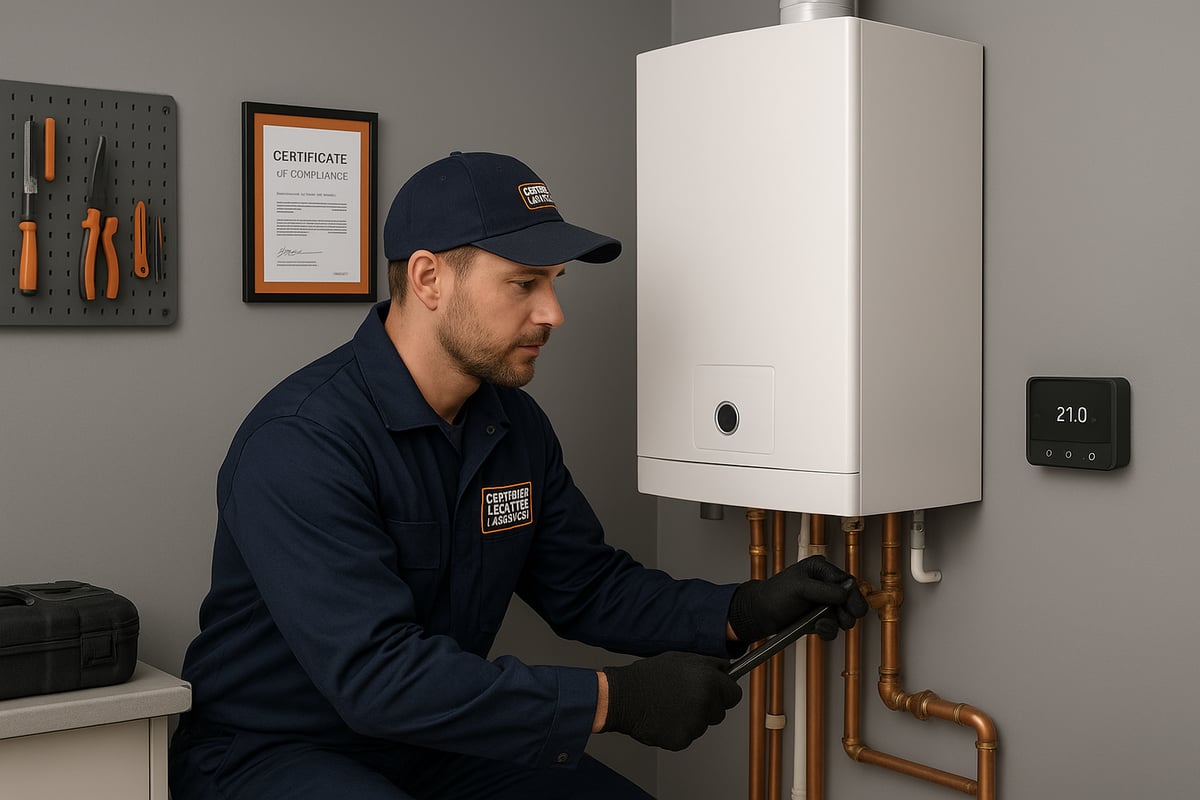
Step-by-Step Installation Guide
Installing a new boiler and heating system begins with a thorough professional home survey. A certified engineer will assess your property’s heat loss, insulation, and specific heating needs. This ensures the right system type and size is chosen for your home.
Next, the installer will recommend a suitable boiler and heating system, considering property size, hot water demands, and available energy sources. The removal of the old system comes next, with safe disposal and checks to ensure compliance with environmental regulations.
The new system is then installed. This may include placing the boiler, fitting hot water cylinders, and integrating smart controls for improved energy management. If upgrading to a hybrid or renewable setup, components like heat pumps or solar connections are also added at this stage.
After installation, the engineer will flush the system to remove debris and check for leaks. Pressure testing and initial commissioning follow, ensuring all parts of the boiler and heating system function properly. The final step is a user demonstration, where you are shown how to operate digital controls and maintain the system.
Ensuring Compliance and Safety
When fitting a boiler and heating system, using a Gas Safe registered installer is essential. This certification guarantees that the engineer is qualified to work safely with gas, oil, or LPG appliances. For biomass or solid fuel systems, HETAS certification is required.
Compliance with Building Regulations and manufacturer guidelines is mandatory. These rules cover everything from proper ventilation and flue positioning to safe electrical connections. Your installer should also register the new boiler and heating system with the manufacturer to activate warranties and guarantees.
Safety features such as built-in expansion vessels, pressure relief valves, and carbon monoxide alarms are now standard in modern systems. The engineer will ensure these components are present and correctly set up. After installation, you should receive all relevant documentation, including safety certificates and warranty details, for your records.
Common Installation Pitfalls and How to Avoid Them
Several pitfalls can compromise the performance and longevity of a boiler and heating system if not addressed during installation. Incorrect sizing is a frequent issue, leading to inefficiency or insufficient hot water supply. Always insist on accurate heat loss calculations before selecting a system.
Poor system flushing can result in the build-up of sludge, reducing efficiency and causing future breakdowns. For guidance on best practices, review this resource on boiler flushing best practices to ensure your installer follows the correct procedure.
Other common mistakes include overlooking compatibility with existing pipework, failing to integrate smart controls, and neglecting to check system pressure. To avoid disruption, plan installations during mild weather and coordinate with your installer for minimal downtime. Proper project management and open communication with your engineer will help ensure your new boiler and heating system delivers comfort and efficiency for years to come.
Maximising Energy Efficiency and Reducing Running Costs
Improving the energy efficiency of your boiler and heating system is essential for managing rising utility bills and reducing your carbon footprint. By making informed adjustments and adopting best practices, you can enjoy a warmer, more comfortable home while keeping costs in check.
Optimising System Settings
Configuring your boiler and heating system to match your household’s routine is a simple yet powerful way to boost efficiency. Set thermostats and timers to only heat your home when needed, and adjust temperatures for different rooms to avoid waste.
Many modern systems offer weather compensation and load compensation features. These automatically adjust the boiler’s output based on external temperatures and your home’s real-time demands. By using these features, you can maintain a comfortable environment without unnecessary energy use.
Consider programming your system to heat water during off-peak hours. For example, scheduling hot water heating overnight can take advantage of lower electricity rates and ensure a ready supply in the morning. Regularly reviewing and updating your settings ensures your boiler and heating system always operates at peak performance.
Maintenance and Ongoing Care
Annual servicing is vital for keeping your boiler and heating system safe, efficient, and reliable. A professional engineer will check for leaks, test safety devices, and clean essential components, helping to prevent breakdowns and prolong the life of your equipment.
Homeowners can also carry out simple checks in between services. Monitor system pressure, bleed radiators to remove trapped air, and watch for error codes or unusual noises. Addressing minor issues early can prevent costly repairs and keep your system running smoothly.
A well-maintained boiler and heating system not only saves money but also preserves manufacturer warranties. Data shows that regular maintenance extends the lifespan of modern boilers and helps maintain high efficiency levels throughout the year.
Leveraging Renewable and Smart Technologies
Enhancing your boiler and heating system with renewable solutions and smart controls can lead to significant energy savings. Pairing your system with solar panels, heat pumps, or battery storage reduces dependence on fossil fuels and lowers running costs.
Smart controls allow for remote management and adaptive schedules, ensuring your heating responds to your lifestyle. Zoning features let you customise temperatures in different areas, maximising comfort and minimising waste.
If you are considering a major upgrade, explore central heating system upgrades to future-proof your home and benefit from the latest advancements. Investing in insulation and energy-saving habits, such as closing curtains at night, further boosts the efficiency of your boiler and heating system.
Troubleshooting, Repairs, and When to Upgrade
Homeowners in 2026 are likely to encounter several common issues with their boiler and heating system. Routine faults include pressure loss, leaks, ignition problems, and error codes displaying on the control panel. Modern boilers often feature built-in diagnostics, making it easier to pinpoint problems via user-friendly displays or connected smart apps. For example, system boilers can be equipped with backup immersion heaters, ensuring households still have access to hot water during unexpected breakdowns. If you notice unusual noises, inconsistent heating, or a drop in system pressure, it is wise to act promptly. Regular visual checks and basic maintenance, such as bleeding radiators and monitoring for leaks, can prevent minor issues from escalating into major repairs.
Repair vs. Replacement Decisions
Deciding whether to repair or replace your boiler and heating system depends on several factors. Age is crucial: if your system is over 10–15 years old, it may be less efficient and more prone to faults. Frequent breakdowns or rising energy bills can signal it is time to consider a new installation. Comparing the cost of repeated repairs against the investment in a modern, efficient solution is essential. Newer systems, particularly those compatible with renewable energy like heat pumps, can reduce long-term running costs and qualify for government incentives. For example, the UK government increases heat pump funding to £295 million by 2026, making upgrades more attractive for many households. Always assess compatibility with existing pipework and controls before committing to a full replacement.
Professional Support and Resources
It is vital to seek help from qualified engineers when dealing with complex boiler and heating system issues. Certified professionals can accurately diagnose faults, carry out repairs, and ensure your system remains safe and compliant with current regulations. Homeowners should keep all documentation, including service records, warranties, and installation certificates, as these are often required for insurance claims or manufacturer support. Many leading installers now offer online guides and instant quotes, making it easier to access guidance tailored to your boiler and heating system. If you are unsure about a fault or need personalised advice, do not hesitate to book a professional inspection. Staying proactive with maintenance and seeking expert support will help maximise reliability and extend the lifespan of your heating solution.
Frequently Asked Questions About Boilers and Heating Systems in 2026
Choosing the right boiler and heating system in 2026 can feel daunting with so many new technologies and regulations. Here, we answer the most common questions UK homeowners have, helping you make informed, confident decisions.
What is the difference between combi, system, and regular boilers?
Combi boilers provide hot water on demand without a tank, ideal for flats and small homes. System boilers use a storage cylinder and suit larger households needing hot water for multiple bathrooms. Regular (heat-only) boilers require both a cylinder and a cold-water tank, commonly found in older properties. The right boiler and heating system depends on your home's size, hot water needs, and existing setup.
| Boiler Type | Best For | Key Feature |
|---|---|---|
| Combi | Flats, small houses | Space-saving, instant hot water |
| System | Large homes, families | Stores hot water, mains pressure |
| Regular | Older homes, high demand | Needs tanks, flexible for upgrades |
How much does a new boiler and heating system cost in 2026?
Costs vary widely. Combi boilers start from around £500, while system boilers can reach £2,000 depending on size and features. Installation, additional cylinders, or smart controls add to the total. Hybrid and heat pump systems are pricier but may qualify for government grants, reducing upfront expenses.
Are heat pumps and hybrid systems worth the investment?
Heat pumps and hybrid systems offer excellent efficiency and lower carbon emissions, especially as electricity becomes greener. With the UK aiming for 600,000 heat pump installations by 2028, these options are becoming more affordable and mainstream. According to recent research, adoption is accelerating, making them a smart long-term investment for many homes.
What government grants or incentives are available for upgrades?
Homeowners can access grants like the Boiler Upgrade Scheme, offering up to £7,500 towards heat pump installation. The UK government is also raising targets for heat pump adoption, which will influence both the availability and cost of new heating systems. For details on recent policy changes, see how the UK government sets higher heat pump targets for boiler manufacturers.
How do I choose the right installer for my boiler and heating system?
Always use a Gas Safe registered engineer for gas boilers, or HETAS for biomass. Check credentials, reviews, and ask for a detailed quote. Compare aftercare, warranties, and experience with your chosen boiler and heating system to ensure reliability.
What maintenance is required to keep my boiler and heating system efficient?
Annual servicing is essential for safety and efficiency. Regularly check system pressure, bleed radiators, and monitor for leaks or error codes. Keeping up with maintenance will extend your boiler and heating system’s lifespan.
How can I make my heating system more eco-friendly?
Opt for an energy-efficient boiler and heating system, consider integrating renewable options like solar panels or heat pumps, and use smart controls to optimise usage. Good insulation and upgrading to low-carbon technologies also help reduce your footprint.
What are the signs my boiler and heating system needs replacing?
Frequent breakdowns, rising bills, or loud noises suggest your boiler and heating system may be failing. If repairs are costly or your system is over 10–15 years old, upgrading could save money and boost comfort.
Where can I get more advice or a personalised quote?
Speak to accredited local installers for tailored advice. Many offer instant online quotes and can recommend the best boiler and heating system based on your property and budget.