
Did you know heating makes up 55% of the average UK home’s energy bill? In 2026, efficient central heating and plumbing are more essential than ever, as energy prices soar and sustainability drives new standards. Homeowners, landlords, and property managers face evolving rules and higher expectations for comfort and cost control.
This guide delivers practical, up-to-date advice on central heating and plumbing. Explore system types, installation tips, essential maintenance, troubleshooting, upgrade options, and future industry trends. Ready to cut costs, boost comfort, and ensure compliance? Dive into each section for expert solutions tailored to modern UK homes.
Understanding Central Heating and Plumbing Systems
Efficient central heating and plumbing are at the heart of every comfortable UK home. As energy costs rise and regulations evolve, understanding your home's systems is essential for making informed decisions. This section breaks down the main types of systems, their core components, and the latest compliance standards to keep your property safe, efficient, and future-ready.
Types of Central Heating Systems in the UK
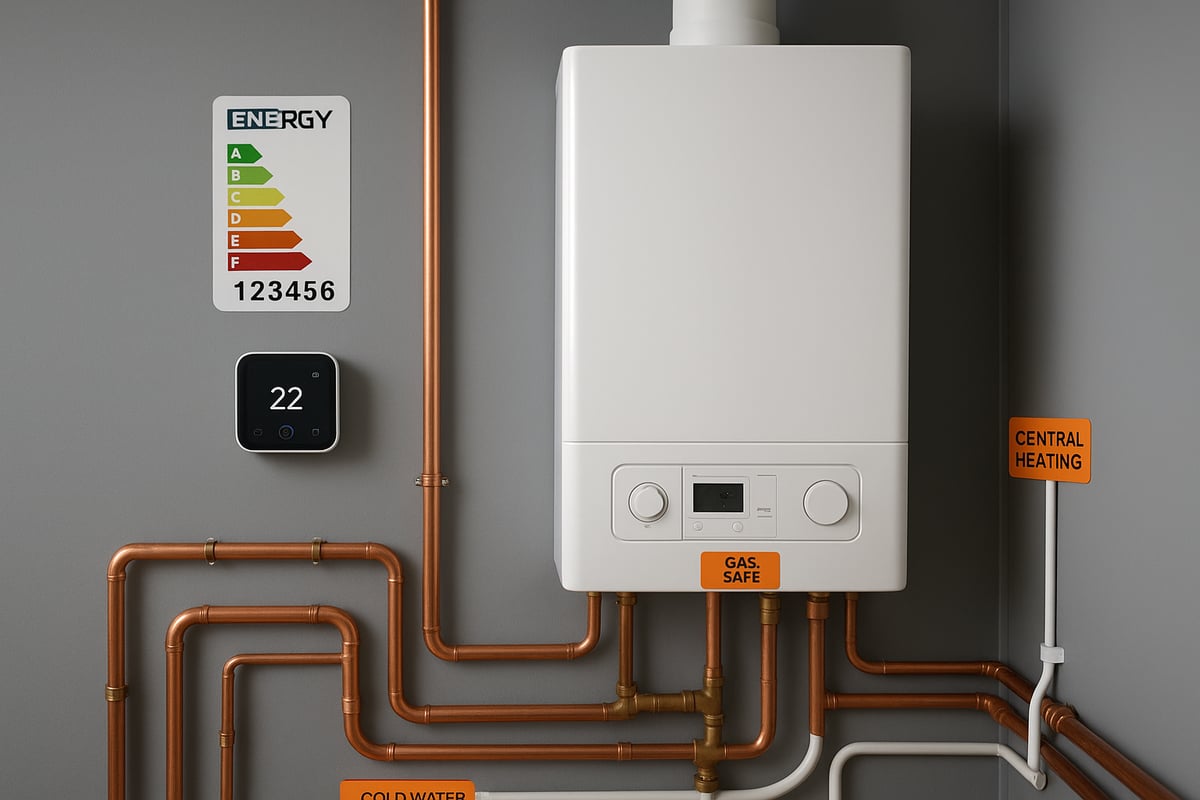
UK homes feature a diverse range of central heating and plumbing solutions. The most common are gas boilers, but oil, LPG, electric, and renewables like heat pumps and biomass are growing in popularity. Each system offers unique benefits and challenges.
Gas remains the dominant fuel, powering around 76% of UK homes in 2025. Gas boilers are favoured for their reliability and cost-effectiveness, but they face increasing scrutiny due to carbon emissions. Oil and LPG systems are still found in rural areas lacking mains gas, though both face higher running costs and environmental concerns. Electric heating, while simple to install, is typically more expensive to run, unless paired with renewable tariffs or solar.
Renewable options, such as air source heat pumps, have surged in recent years. According to the Heating systems in the UK, heat pump installations have doubled since 2023, offering average annual savings of up to £400 compared to older gas boilers. Biomass boilers, though less common, provide a low-carbon alternative for suitable properties.
A brief look back reveals that traditional gravity-fed systems once dominated, but modern combi and unvented systems now lead the market. Choosing the right central heating and plumbing system will impact comfort, bills, and environmental footprint for years to come.
| System Type | % of Homes (2025) | Typical Running Cost | Pros | Cons |
|---|---|---|---|---|
| Gas Boiler | 76% | Low | Reliable, cheap | Fossil fuel, emissions |
| Oil Boiler | 8% | Medium | Rural use | Higher cost, emissions |
| Electric | 6% | High | Easy install | Expensive, carbon |
| Heat Pump | 7% | Low | Low carbon | Upfront cost, install |
| Biomass | 3% | Medium | Renewable | Storage, maintenance |
Core Plumbing System Components
Central heating and plumbing systems rely on several key components working together. Pipes, valves, pumps, radiators, and water cylinders form the backbone of every installation. Each piece plays a vital role in delivering heat and hot water efficiently throughout your property.
Pipes can be copper, plastic, or PEX, with copper offering durability and resistance to bacteria, while PEX and plastic are lighter and quicker to install. Valves control the flow and help isolate sections for maintenance. Pumps circulate hot water, ensuring even heat distribution, and radiators provide the main source of room warmth.
There are three main plumbing layouts in UK homes: gravity-fed systems, unvented systems, and combi boiler setups. Gravity-fed systems use a loft tank to supply water, but can suffer from low pressure. Unvented systems provide mains pressure hot water, ideal for larger homes. Combi boilers, now the most popular, combine heating and hot water in one unit, saving space and improving efficiency.
Imagine a typical combi boiler setup: cold water enters the boiler, is heated on demand, then distributed via pipes to taps and radiators. High water pressure and balanced flow rates are essential for comfort and appliance longevity. When choosing pipe material, consider the balance between longevity, cost, and installation speed for your central heating and plumbing needs.
Regulatory Standards and Compliance
In 2026, strict regulatory standards govern all central heating and plumbing installations. The UK Building Regulations require new and upgraded systems to meet high energy efficiency and safety benchmarks. Installers must comply with Gas Safe and WaterSafe certification, ensuring all work is carried out by qualified professionals.
Certification is more than a formality. It protects homeowners from safety risks and is often a requirement for insurance policies. Non-compliance can result in severe penalties, including fines of up to £5,000 or enforced removal of non-approved installations. For example, a landlord fitting a gas appliance without Gas Safe certification risks prosecution and loss of rental income.
The Future Homes Standard is set to further tighten efficiency rules, driving the adoption of low-carbon systems and smart controls. Property managers and homeowners should always verify installer credentials and keep compliance documentation. Staying up to date with central heating and plumbing regulations ensures your home remains safe, efficient, and legally protected.
Installation and Upgrading: Step-by-Step Guide
Upgrading or installing a modern central heating and plumbing system is a significant investment, but with the right approach, it can transform comfort and efficiency in any home. Careful planning ensures your system meets both current and future needs, while professional installation guarantees safety and compliance.
Planning Your System
Every successful central heating and plumbing project starts with a thorough assessment of your property. Consider the size of your home, insulation levels, and the number of bathrooms, as these factors influence the type and scale of system required.
Begin by calculating the heat output needed for each room. Use the British Thermal Unit (BTU) or kilowatt (kW) rating, factoring in room dimensions and window sizes. Free online calculators help estimate these values accurately, ensuring your system delivers consistent warmth.
A well-planned central heating and plumbing system balances performance and efficiency. Early planning reduces running costs and minimises future disruptions.
Choosing the Right System and Components
Selecting the right components is critical for achieving energy efficiency and reliability. Decide between combi, system, or regular boilers based on your hot water demand and space available. Consider the fuel type—gas, oil, LPG, electric, or renewables—ensuring it aligns with your budget and local supply.
Choose radiators and pipework materials that complement your chosen boiler. For example, copper pipes offer durability, while plastic options can be more cost-effective and flexible. Review case studies, such as a three-bedroom semi-detached home upgrading to a high-efficiency boiler, to understand practical outcomes.
Balancing these elements ensures your central heating and plumbing system is tailored to your home’s unique requirements.
Professional vs. DIY Installation
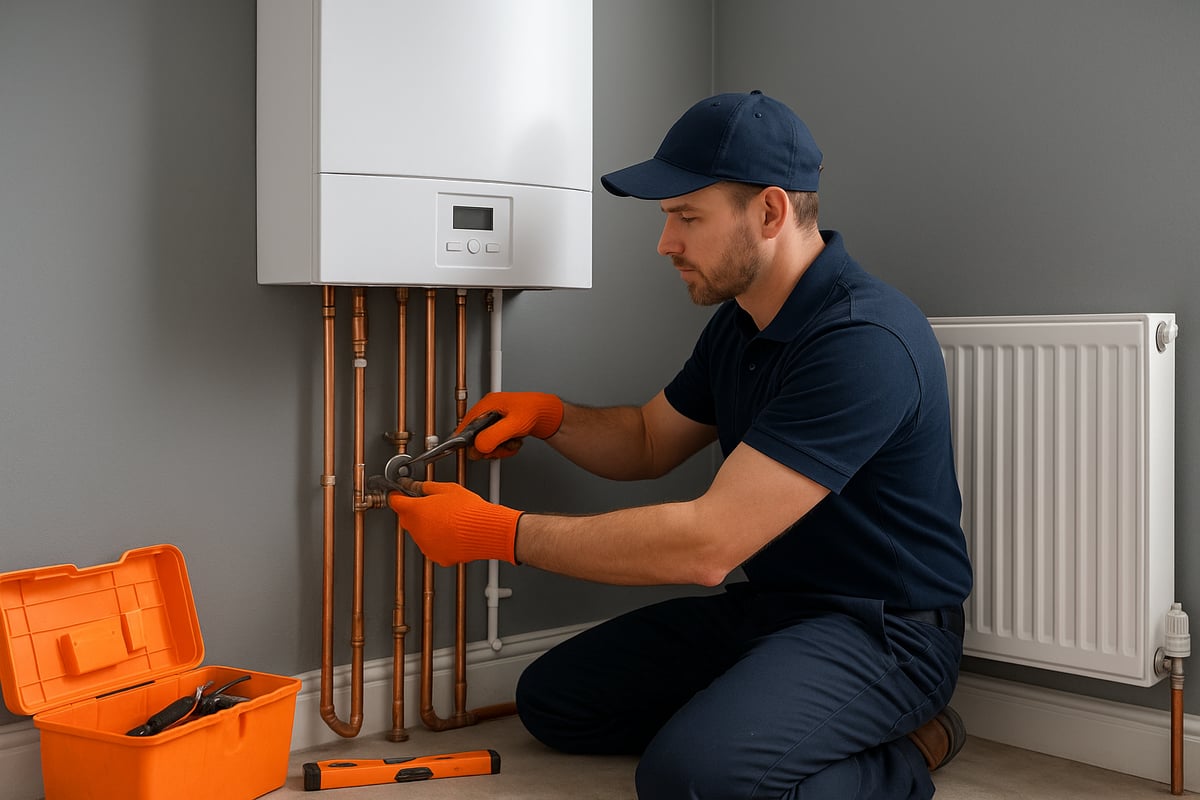
Deciding between professional and DIY installation depends on the complexity of the central heating and plumbing work. Tasks like pipe insulation or radiator replacement may be suitable for competent DIYers, but gas and electrical work must always be carried out by certified professionals.
Legal requirements are strict—only Gas Safe registered engineers can legally work on gas appliances. Attempting unauthorised work risks safety, invalidates insurance, and can result in substantial fines.
| Installation Type | Typical Cost | Pros | Cons |
|---|---|---|---|
| Professional | £3,000–£6,000 | Safe, compliant, warranty | Higher upfront cost |
| DIY (limited) | £500–£2,000 | Lower cost, flexible | Risky, limited scope, no warranty |
Always prioritise safety and compliance when planning central heating and plumbing installations.
Step-by-Step Installation Process
A structured installation process is essential for optimal results. The typical journey involves:
- Initial Survey: Assess property and existing system.
- System Design: Specify boiler, radiators, and layout.
- Old System Removal: Safely strip out outdated components.
- Installation: Fit new boiler, pipework, and controls.
- Testing & Commissioning: Check for leaks, adjust settings, and ensure performance.
Standard timelines range from 2 to 5 days for a full replacement. For an in-depth breakdown of each stage, see this Central heating installation guide.
A methodical approach guarantees your central heating and plumbing system operates efficiently from day one.
Upgrading Existing Systems
If your central heating and plumbing system is showing signs of inefficiency, frequent breakdowns, or outdated controls, an upgrade may be overdue. Modern systems offer smart thermostats, zoning, and advanced diagnostics that improve comfort and lower costs.
For example, replacing a manual thermostat with a smart control can reduce energy bills by up to 12 percent annually. Look for features like remote management and learning algorithms to maximise savings.
Regular reviews and timely upgrades future-proof your central heating and plumbing, ensuring ongoing reliability and efficiency.
Nu-Heat North East: Local Expertise for Heating and Plumbing Upgrades
Nu-Heat North East has served the region since 1983, providing trusted central heating and plumbing solutions. Their services include boiler installations, full system upgrades, bathroom installations, and renewable heating options tailored to homes in North East England.
All technicians are fully certified (Gas Safe, HETAS) and comply with 2026 building standards. Homeowners benefit from flexible 0 percent finance, convenient payment plans, and instant online quotes.
Customer satisfaction ratings reflect their reputation for quality, safety, and bespoke solutions. For a seamless central heating and plumbing upgrade, Nu-Heat North East offers expertise you can rely on.
Maintenance and Troubleshooting Essentials
Proactive care for your central heating and plumbing system is essential to maintain comfort, efficiency, and safety in your home. With proper maintenance, you can prevent unexpected breakdowns, minimise energy waste, and extend the life of your investment. Let us walk through the core maintenance routines, troubleshooting tips, and guidance on when to seek professional help.
Routine Maintenance Tasks
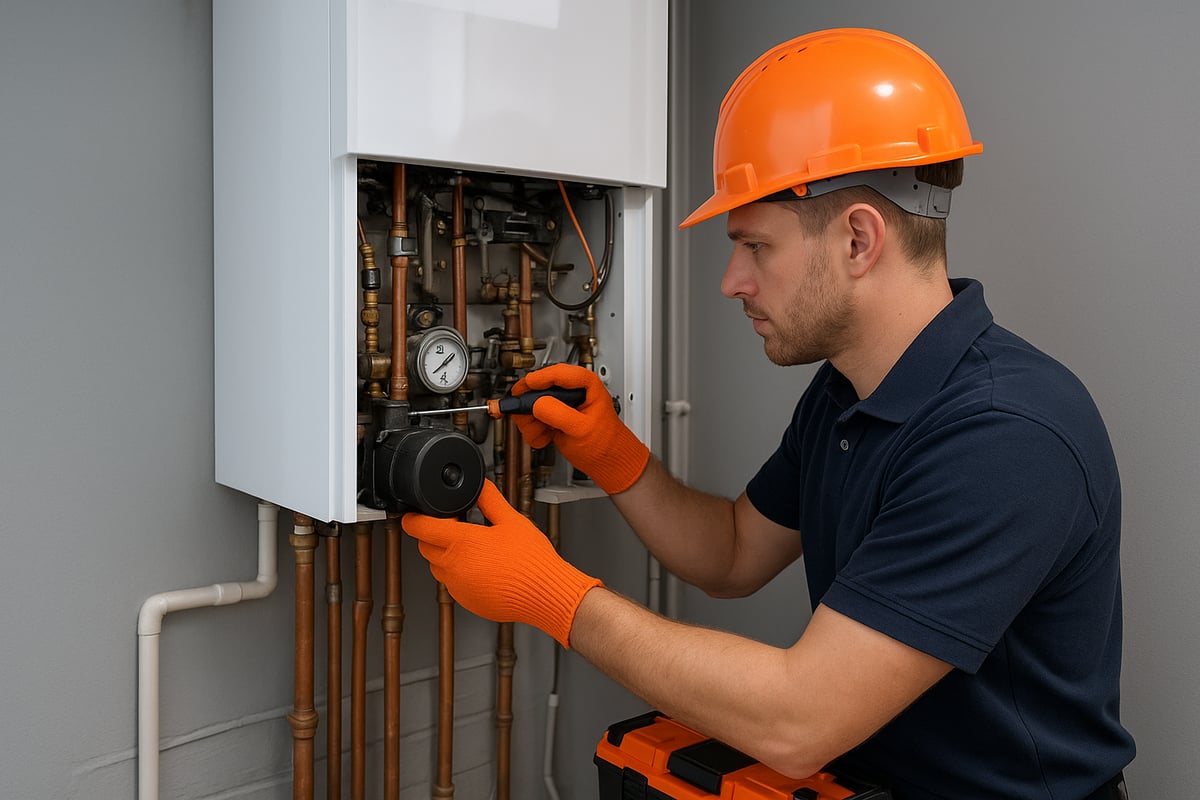
Regular maintenance ensures your central heating and plumbing run smoothly throughout the year. Annual boiler servicing is a must, checking for leaks, pressure, and efficient combustion. This reduces the risk of carbon monoxide and keeps your warranty valid.
Bleeding radiators helps remove trapped air, improving heat distribution. Checking system pressure prevents pump strain and potential leaks. Power flushing is another vital process, clearing out sludge and debris from the system. For a detailed guide on this process, see the system flush for boilers.
Consider the following cost comparison:
| Maintenance Type | Average Annual Cost | Emergency Repair Cost |
|---|---|---|
| Boiler Service | £80-£120 | £200-£500 |
| Power Flushing | £350-£500 | £600+ (system repair) |
Investing in routine care for your central heating and plumbing system saves money and hassle in the long term.
Common Central Heating Problems and Solutions
When your central heating and plumbing system fails to deliver heat or hot water, the culprit could be a faulty thermostat, extinguished pilot light, or low system pressure. Listening for noisy pipes or radiators? This often signals airlocks or built-up sludge. Address these by bleeding radiators or arranging a power flush.
Leaks are another frequent issue. Look for damp patches near joints, valves, or under radiators. Early detection prevents water damage and keeps repair costs down.
If you notice persistent problems, keep a log of symptoms and when they occur. This information helps professionals diagnose issues quickly, reducing labour time and costs.
Plumbing Issues and Quick Fixes
Plumbing faults can disrupt daily life, but some fixes are straightforward. Low water pressure may result from partially closed valves or limescale build-up. Check valves and clean aerators to restore flow.
Blocked pipes and drains are common in kitchens and bathrooms. Prevent blockages by avoiding pouring fats or food scraps down the sink. For minor clogs, use a plunger or a flexible drain snake. To unblock a radiator, turn off the heating, place a tray beneath the valve, and carefully loosen the bleed valve to release trapped air.
Tackle minor issues quickly to avoid escalation and keep your central heating and plumbing system in optimal condition.
When to Call a Professional
Some situations demand the expertise of a certified engineer. Gas leaks, persistent boiler faults, and electrical issues should never be handled by unqualified individuals. Red flags include the smell of gas, repeated loss of system pressure, or water pooling near electrical components.
Using Gas Safe or WaterSafe registered professionals ensures compliance with safety regulations and protects your home insurance. In 2025, the average repair cost for a major boiler fault was £350, compared to £120 for preventive maintenance. Prioritising professional help when needed safeguards your central heating and plumbing system and offers peace of mind.
Energy Efficiency and Cost-Saving Strategies
Improving the energy efficiency of your central heating and plumbing is crucial for reducing both bills and environmental impact. With modern systems and smart management, homeowners can achieve significant savings and comfort. Let's explore practical strategies to optimise efficiency, cut costs, and future-proof your home.
Improving System Efficiency
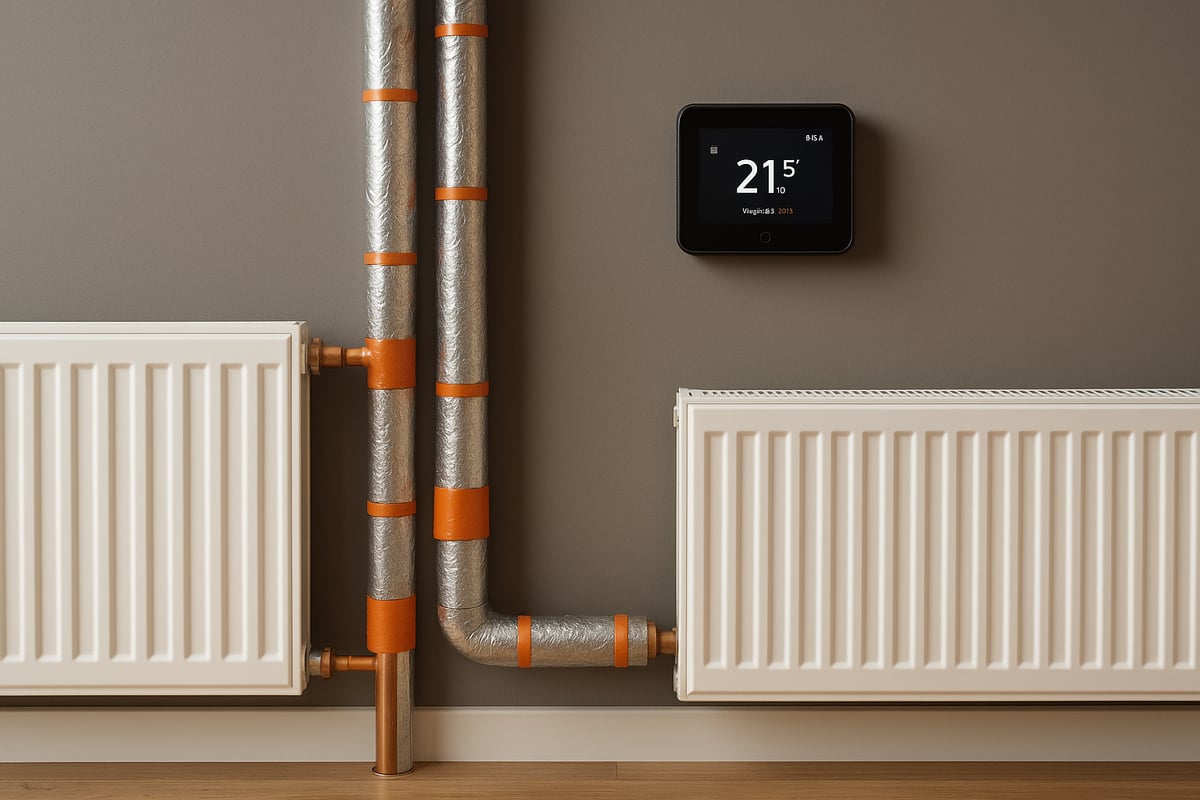
Enhancing system efficiency starts with insulation. Lagging pipes, installing radiator reflectors, and upgrading loft or cavity wall insulation all help prevent heat loss. Smart controls, such as programmable thermostats and zoning, allow precise temperature management.
For example, installing a smart thermostat can deliver a 10 to 12 percent reduction in annual heating costs. According to Energy Efficiency of Housing in England and Wales, homes with modern controls and proper insulation see much lower energy consumption from their central heating and plumbing.
Reducing Water and Energy Consumption
Simple changes can make a big difference in water and energy use. Fitting low-flow taps and showerheads reduces water waste without sacrificing comfort. Balancing radiators ensures even heat, preventing cold spots and unnecessary boiler use.
On average, UK homes equipped with water-saving devices and efficient central heating and plumbing save thousands of litres annually. These improvements are low-cost and can be installed quickly, offering instant results for both water and energy bills.
Renewable and Low-Carbon Heating Options
Transitioning to renewable solutions is now more accessible than ever. Heat pumps, solar thermal panels, and biomass boilers are popular choices for forward-thinking homeowners. Incentives like the Boiler Upgrade Scheme in 2026 help offset initial costs.
A typical family switching from a gas boiler to an air-source heat pump can cut annual heating bills by up to 30 percent. The growth in renewable options for central heating and plumbing is supported by UK Boiler Market Statistics 2025, which highlights rapid adoption and improved efficiency rates.
Cost Comparison and Payback Periods
When considering upgrades, compare upfront investment with long-term savings. Traditional boilers may be cheaper initially, but renewables and smart controls often pay for themselves within a few years due to lower running costs.
| System Type | Upfront Cost | Annual Savings | Typical Payback |
|---|---|---|---|
| Gas Boiler | £2,500 | £200 | 12 years |
| Heat Pump | £7,000 | £600 | 6 years |
| Biomass Boiler | £9,000 | £650 | 5-7 years |
Calculating the payback period for central heating and plumbing upgrades ensures you make informed decisions.
Behavioural Tips for Homeowners
Small behavioural changes can yield big rewards. Lower your thermostat by one degree to save up to 10 percent on heating. Adopt seasonal routines, such as bleeding radiators before winter and checking system pressure in summer.
Regular maintenance and mindful use of your central heating and plumbing will keep your system efficient and extend its lifespan. Adapting these habits ensures ongoing comfort and cost savings.
Future Trends in Central Heating and Plumbing
The future of central heating and plumbing in the UK is being shaped by rapid technological innovation, environmental responsibility, and stricter regulations. Homeowners, landlords, and property managers must stay informed to ensure comfort, efficiency, and compliance. Let us explore the most significant trends that will define the years ahead.
Smart Home Integration
Smart technology is transforming how central heating and plumbing systems operate. In 2026, more homes are adopting intelligent thermostats, app-based controllers, and connected radiator valves. These devices enable remote management, detailed usage monitoring, and automated adjustments for optimal comfort.
Voice-activated systems and integration with smart home ecosystems are becoming standard. For example, homeowners can now use voice commands or smartphone apps to control heating schedules, check for leaks, or receive maintenance alerts. This shift not only boosts convenience but also improves system efficiency.
Key features of smart integration:
- Real-time diagnostics and alerts
- Automated zoning for precise room-by-room control
- Integration with weather forecasts for predictive heating
The central heating and plumbing market is expected to see a surge in demand for these technologies as more consumers seek greater control and energy savings.
Sustainability and Decarbonisation
Sustainability is at the forefront of central heating and plumbing innovation. The UK government’s target to phase out fossil fuel heating and achieve net zero emissions by 2050 is driving widespread adoption of low-carbon solutions.
Hydrogen-ready boilers, hybrid heat pump systems, and biomass boilers are gaining popularity. Pilot projects in cities like Leeds and Manchester are demonstrating the viability of hydrogen-powered heating. According to the UK Heat Pump Market Report 2025, heat pump installations are set to double by 2026, reflecting a major market shift.
Top sustainable trends include:
- Air and ground source heat pumps
- Solar thermal integration
- Biomass and hybrid systems
As these technologies advance, central heating and plumbing professionals are adapting their skills to deliver greener, future-proof solutions.
Evolving Building Regulations
Regulatory standards for central heating and plumbing are changing rapidly. The Future Homes Standard, set to come into force in 2025, will require new homes to meet strict energy efficiency targets and use low-carbon heating systems. This will impact system design, installation practices, and product selection throughout the industry.
Installers and property managers must stay updated on compliance requirements, such as mandatory certification for gas and water safety. Non-compliance can result in hefty fines and invalidate insurance. For a comprehensive overview of regulatory changes, see the Future Homes Standard & Building Regulations 2025.
Key changes to expect:
- Ban on new fossil fuel boilers in new builds
- Mandatory smart controls and insulation standards
- Enhanced safety and efficiency certification
These evolving standards will ensure that central heating and plumbing systems are safer, greener, and more reliable for future generations.
Consumer Preferences and Market Shifts
Modern consumers are prioritising eco-friendly and low-maintenance central heating and plumbing solutions. Recent surveys show that over 70% of UK homeowners now consider energy efficiency and sustainability essential when upgrading their systems. There is also a strong shift towards professional maintenance contracts, as people value reliability and expert support.
Growing trends include:
- Preference for smart thermostats and leak detection sensors
- Increased demand for renewable heating options
- Uptake of extended warranties and servicing plans
For a deeper dive into how these preferences are shaping the future, visit this Plumbing and central heating overview.
Preparing for the Future
To future-proof your central heating and plumbing, focus on adaptable and upgradeable systems. Choose components compatible with smart controls and renewable heat sources. Regular maintenance and timely upgrades will ensure long-term efficiency and compliance.
Homeowners and property managers should:
- Monitor upcoming regulations and incentives
- Invest in scalable, energy-efficient technologies
- Partner with certified professionals for installation and servicing
By staying proactive, you can ensure your property remains comfortable, efficient, and prepared for the evolving landscape of central heating and plumbing.