
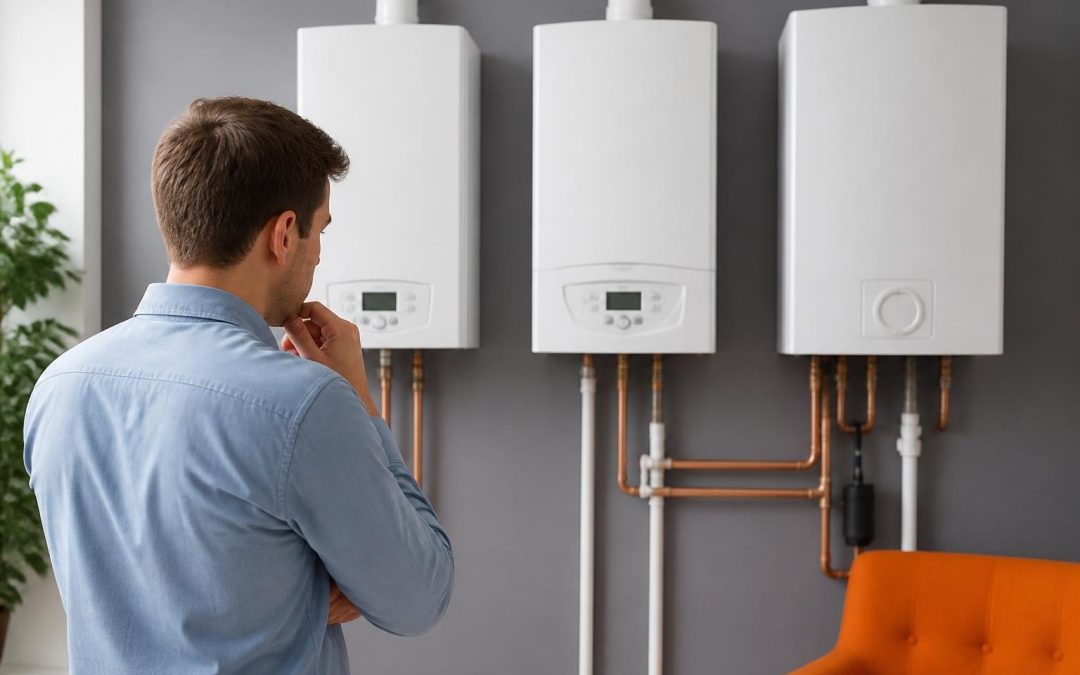
Installing a new central heating boiler represents one of the most significant investments homeowners make in their property's comfort and efficiency. With modern boilers offering energy efficiency ratings of up to 94%, replacing an outdated system can dramatically reduce heating bills whilst improving reliability. The heating industry has evolved considerably over recent years, with manufacturers introducing innovative technologies that maximise performance whilst minimising environmental impact. Understanding the different boiler types, installation processes, and long-term considerations ensures you make an informed decision that suits your household's specific requirements.
Understanding Different Boiler Types
When selecting a new central heating boiler, the first decision involves choosing between three primary system types. Each offers distinct advantages depending on your property size, hot water demand, and existing infrastructure.
Combi Boilers
Combination boilers heat water directly from the mains, eliminating the need for separate hot water cylinders or cold water tanks. These compact units provide heating and hot water on demand, making them ideal for properties with limited space. Modern combi boilers deliver excellent energy efficiency, typically achieving ratings between 90% and 94%.
The main advantages include:
- Instant hot water without storage requirements
- Space-saving design perfect for smaller properties
- Lower installation costs due to fewer components
- Reduced heat loss from stored water
However, combi boilers may struggle to supply multiple outlets simultaneously, which could prove problematic in larger households with high hot water demand.
System Boilers
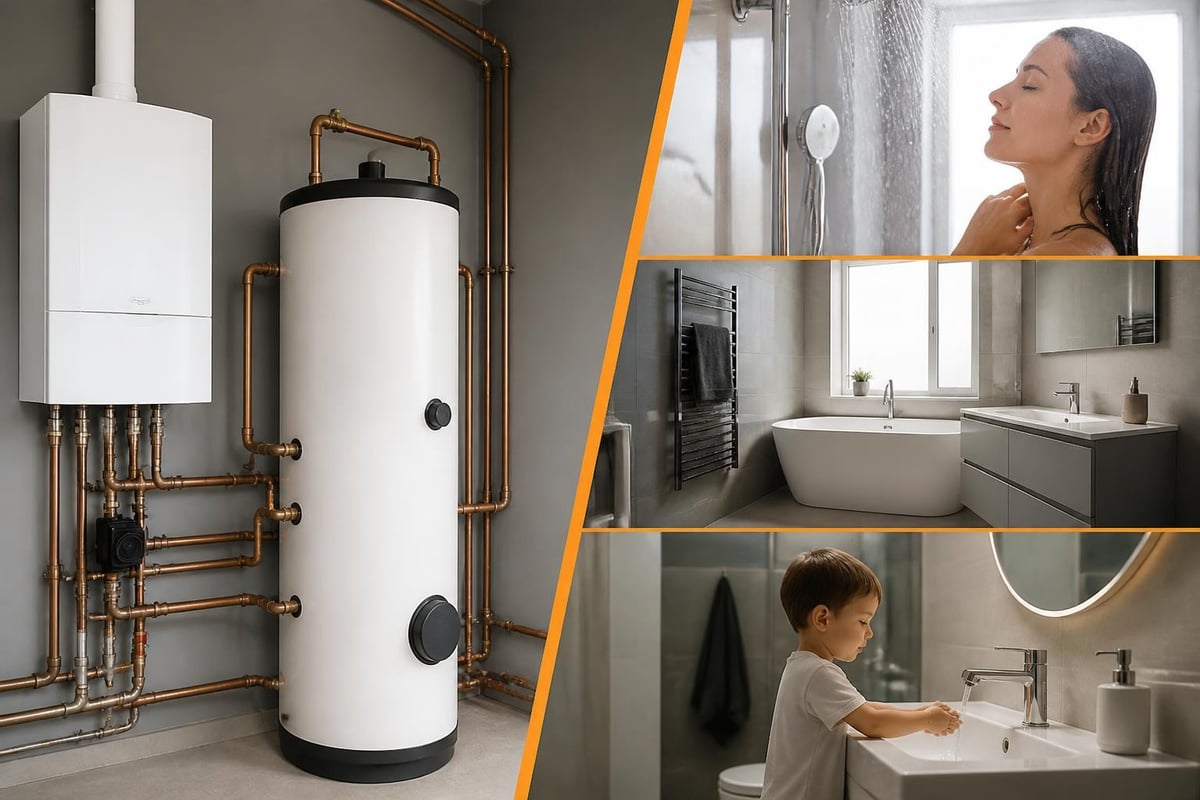
System boilers work alongside a hot water cylinder but don't require a cold water tank in the loft. These systems suit medium to large properties where multiple bathrooms require simultaneous hot water supply. The stored hot water ensures consistent pressure across all outlets, even during peak usage periods.
| Feature | System Boiler | Combi Boiler |
|---|---|---|
| Hot Water Storage | Required | Not required |
| Multiple Outlets | Excellent | Limited |
| Installation Complexity | Moderate | Simple |
| Space Requirements | Higher | Minimal |
| Running Costs | Moderate | Lower |
Conventional Boilers
Also known as regular or heat-only boilers, conventional systems incorporate both a hot water cylinder and a cold water storage tank. These traditional setups work best in properties with existing conventional systems, particularly older homes with multiple bathrooms. Whilst they occupy more space, they excel at providing strong water pressure to several outlets simultaneously.
Assessing Your Property's Requirements
Determining the appropriate size and type of new central heating boiler depends on several critical factors. An undersized unit will struggle to heat your home adequately, whilst an oversized system wastes energy and money.
Calculating Heat Requirements
Professional heating engineers calculate heat loss by examining property dimensions, insulation levels, window types, and orientation. The calculation considers:
- Total floor area and ceiling heights
- Number and size of radiators required
- Window double glazing effectiveness
- Wall, roof, and floor insulation standards
- Local climate conditions
A typical three-bedroom semi-detached property in the North East might require a boiler rated between 24kW and 30kW, though exact specifications vary based on individual circumstances. Working with experienced professionals who understand plumbing installations ensures accurate sizing from the outset.
Hot Water Demand Analysis
Your household's hot water consumption patterns significantly influence boiler selection. Consider the number of bathrooms, shower types, and simultaneous usage patterns. A family of four with two bathrooms typically benefits from either a larger combi boiler (35kW+) or a system boiler with adequate cylinder capacity.
Morning routines often create peak demand periods when multiple family members shower consecutively. Understanding these usage patterns helps determine whether instant hot water provision or stored capacity better serves your needs.
Energy Efficiency and Running Costs
Modern condensing boilers achieve remarkable efficiency levels by capturing heat from exhaust gases that older models simply waste. This technology reduces fuel consumption whilst lowering carbon emissions, delivering both environmental and financial benefits.
Boiler Efficiency Ratings
All new central heating boiler installations must achieve minimum efficiency standards. The ErP (Energy-related Products) rating system categorises boilers from A+++ to G, with most contemporary models achieving A-rated status or higher.
Key efficiency considerations include:
- Seasonal efficiency ratings reflecting year-round performance
- Modulation capabilities adjusting output to match demand
- Smart controls integration for optimised heating schedules
- Weather compensation features responding to external temperatures
A homeowner replacing a 15-year-old G-rated boiler with a modern A-rated system typically saves between £300 and £400 annually on heating bills. Over the boiler's expected 15-year lifespan, these savings substantially offset the initial investment.
Fuel Type Comparisons
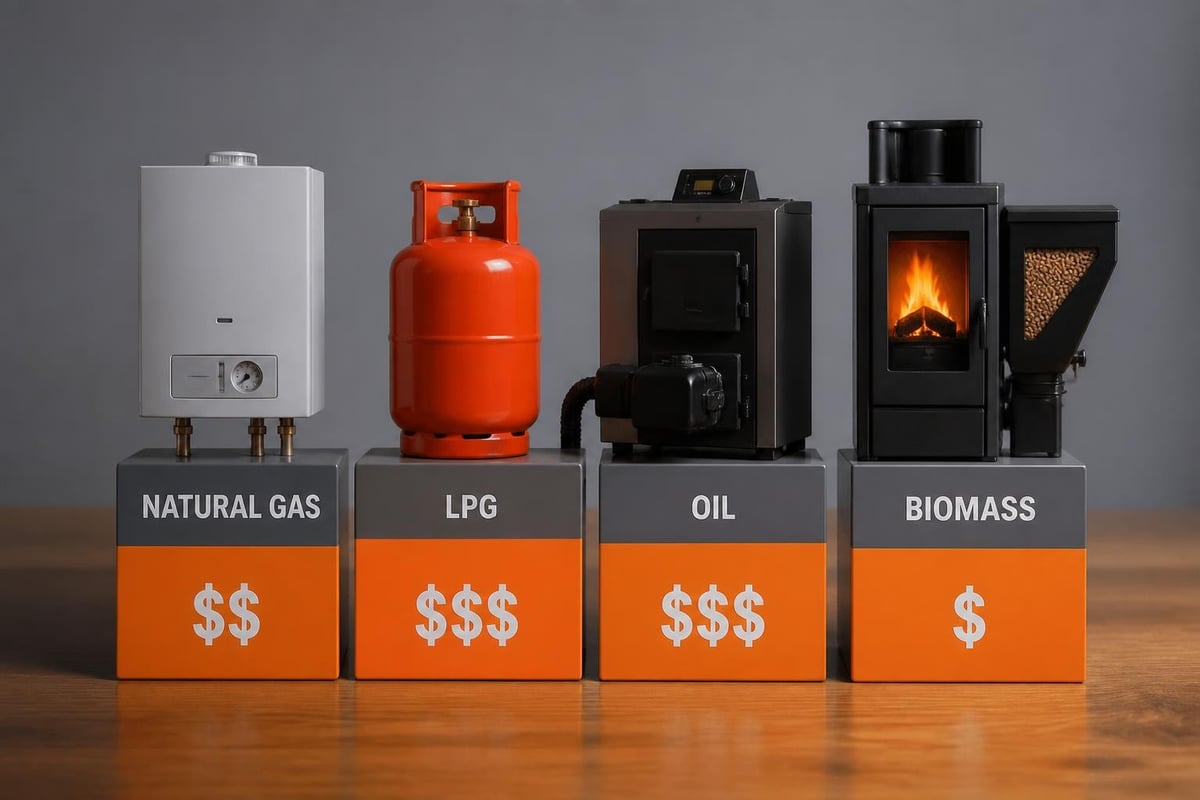
Whilst gas remains the most common fuel choice across the North East, alternative options merit consideration depending on your property's location and infrastructure.
| Fuel Type | Typical Efficiency | Annual Cost (3-bed) | Environmental Impact |
|---|---|---|---|
| Natural Gas | 90-94% | £800-£1,000 | Moderate |
| LPG | 90-93% | £1,200-£1,500 | Moderate |
| Oil | 85-92% | £1,100-£1,400 | Higher |
| Biomass | 85-90% | £900-£1,100 | Lowest |
Installation Process and Timeline
Installing a new central heating boiler requires careful planning and professional expertise. Understanding the process helps homeowners prepare adequately and set realistic expectations.
Pre-Installation Preparation
Before installation commences, qualified engineers conduct thorough site surveys assessing existing pipework, radiators, and system compatibility. This evaluation identifies necessary modifications and ensures regulatory compliance.
The preparation phase typically involves:
- Inspecting current heating system condition
- Checking gas supply capacity and pressure
- Assessing flue positioning options
- Verifying adequate ventilation
- Planning condensate drainage routes
Installation Duration
Most straightforward like-for-like replacements complete within one to two days. However, system changes (converting from conventional to combi, for instance) may require additional time. Engineers from NU Heat North East Ltd typically provide detailed timelines during the quotation process, accounting for property-specific considerations.
Complex installations involving extensive pipework modifications, radiator replacements, or control system upgrades might extend to three or four days. Proper planning minimises disruption to your daily routine whilst ensuring thorough, compliant installation.
Smart Controls and Automation
Modern heating systems integrate sophisticated controls that optimise comfort whilst minimising energy consumption. These technologies transform how homeowners interact with their heating, offering unprecedented control and efficiency.
Programmable Thermostats
Contemporary thermostats enable precise temperature scheduling across different zones and time periods. Seven-day programming accommodates varied weekly routines, ensuring heating operates only when and where needed.
Smart thermostats advance these capabilities further by learning household patterns and adjusting automatically. Remote access via smartphone applications allows temperature modifications from anywhere, preventing energy waste when plans change unexpectedly.
Zone Control Systems
Larger properties benefit significantly from multi-zone heating, which divides the home into separately controlled areas. This approach prevents heating unused spaces whilst maintaining comfort in occupied rooms.
- Living areas maintain higher temperatures during evening hours
- Bedrooms warm before wake-up times but remain cooler during the day
- Unused guest rooms heat only when required
- Hallways and utility spaces operate at minimum comfortable temperatures
Zone control typically reduces heating consumption by 20-30% compared to single-zone systems, accelerating return on investment through reduced fuel bills.
Maintenance and Longevity
A new central heating boiler requires regular maintenance to sustain peak performance and maximise lifespan. Preventative care identifies potential issues before they escalate into costly failures.
Annual Servicing Requirements
Manufacturers typically mandate annual servicing to maintain warranty validity. These comprehensive inspections verify safe operation whilst optimising efficiency. Qualified engineers examine critical components, clean burners, test safety devices, and adjust settings as necessary.
Regular one-off boiler service appointments preserve efficiency levels and extend equipment life. Neglected boilers deteriorate faster, consuming more fuel whilst becoming increasingly unreliable.
Warning Signs Requiring Attention
Between annual services, homeowners should monitor system performance and respond promptly to concerning symptoms:
- Unusual noises such as banging, whistling, or gurgling
- Pressure gauge readings outside normal ranges
- Radiators developing cold spots or failing to heat
- Visible leaks around boiler or pipework
- Yellow or flickering pilot light flames
- Increased fuel consumption without usage changes
Should any issues arise, accessing highly rated plumbers near me ensures prompt professional assessment and resolution.
Financial Considerations and Support
Understanding the complete financial picture helps homeowners budget appropriately for their new central heating boiler installation.
Installation Costs
Total investment varies considerably based on system type, property size, and installation complexity. Current market rates typically fall within these ranges:
- Combi boiler installation: £2,000 – £3,500
- System boiler with cylinder: £2,800 – £4,500
- Conventional boiler replacement: £3,000 – £5,000
These figures encompass equipment, labour, materials, and necessary modifications to existing systems. Complex installations requiring extensive pipework alterations or flue repositioning may exceed these estimates.
Financing Options
Recognising that boiler replacement often arrives unexpectedly, many homeowners benefit from flexible payment arrangements. Interest-free finance options spread costs across manageable monthly instalments, making essential upgrades accessible without financial strain.
Such arrangements typically offer:
- Zero deposit requirements on qualifying installations
- Fixed monthly payments over 12-60 month terms
- No hidden fees or early repayment penalties
- Quick approval processes
These financing solutions enable homeowners to proceed with necessary installations immediately rather than delaying whilst accumulating funds.

Environmental Impact and Sustainability
Contemporary boilers contribute significantly to reducing household carbon footprints whilst preparing properties for future regulatory changes.
Carbon Emission Reductions
Upgrading from an older, inefficient boiler to a modern condensing model dramatically cuts carbon emissions. A typical household might reduce annual CO2 production by 1.5 to 2 tonnes through this single improvement.
The UK government's commitment to achieving net-zero emissions by 2050 emphasises heating system efficiency. Whilst gas boilers face eventual phase-out, current A-rated models represent the cleanest fossil fuel option available today.
Renewable Heating Alternatives
Forward-thinking homeowners increasingly consider renewable heating technologies alongside or instead of traditional gas systems. Heat pumps, biomass boilers, and hybrid systems offer lower-carbon alternatives suited to specific properties.
Biomass boilers burn sustainably sourced wood pellets, achieving carbon-neutral operation when fuel comes from responsibly managed forests. These systems suit rural properties lacking mains gas connections, delivering comparable comfort to conventional heating whilst significantly reducing environmental impact.
Warranty and Guarantees
Comprehensive warranty coverage provides peace of mind throughout your boiler's operational life. Understanding protection levels helps you select systems offering optimal long-term value.
Manufacturer Warranties
Leading boiler manufacturers offer warranties ranging from five to twelve years, depending on model and installation quality. Extended warranties typically require annual professional servicing by qualified engineers.
Premium models often include:
- Parts and labour coverage for the full warranty period
- Breakdown response guarantees ensuring rapid assistance
- Complimentary annual services during initial years
- Transferable warranties adding value for future property sales
Installation Guarantees
Reputable installers provide workmanship guarantees covering installation quality and compliance. These typically span one to two years, protecting against defects arising from incorrect fitting or commissioning.
Combined manufacturer and installer guarantees deliver comprehensive protection, ensuring any issues receive prompt resolution without unexpected costs. Always verify coverage details before committing to installation.
Regulatory Compliance and Certification
All new central heating boiler installations must comply with current building regulations and safety standards. Professional installers navigate these requirements, ensuring legal compliance and safe operation.
Gas Safe Registration
In England, only Gas Safe registered engineers may legally work on gas appliances. This mandatory registration scheme ensures technicians possess current competence and qualifications. Always verify registration before permitting any work on gas systems.
Compliant installers provide Building Regulations compliance certificates upon completion, documenting that work meets all legal requirements. Retain these certificates as they prove regulatory compliance during property sales and insurance claims.
Building Regulations Part L
Part L of Building Regulations governs energy efficiency in dwellings, mandating minimum performance standards for heating systems. Compliance ensures installations achieve acceptable efficiency levels whilst meeting ventilation and safety requirements.
Professional engineers familiar with current regulations handle necessary notifications and documentation, protecting homeowners from potential legal complications and ensuring insurance validity.
Installing a new central heating boiler requires careful consideration of system types, efficiency ratings, and long-term running costs to ensure optimal performance and value. Whether you need expert guidance on selecting the right boiler for your property or professional installation services, NU Heat North East Ltd brings over four decades of experience to every project across the North East. Our team of highly trained technicians delivers swift, effective installations backed by flexible 0% finance options, making essential heating upgrades more accessible than ever.