
Imagine stepping into a steaming shower, only to return to a living room that feels uncomfortably cold. You have hot water, yet your radiators remain stubbornly cold, leaving you puzzled and frustrated.
This scenario is more common than you might think, and our 2026 guide is here to help. If you are experiencing hot water no central heating, you are not alone. The problem can disrupt comfort for both homeowners and landlords, especially during colder months.
In this guide, you will learn how to identify the most frequent causes, follow step-by-step troubleshooting, discover modern solutions, and benefit from expert advice. Regain control over your heating and restore warmth to your home with clear, actionable steps.
Understanding the Problem: Why You Have Hot Water But No Central Heating
It is a scenario many UK homeowners know too well: you have hot water at the taps, yet your radiators stay stone cold. This situation is not only frustrating but often signals a deeper issue within your heating system. Understanding why this occurs is the first step towards a lasting solution.
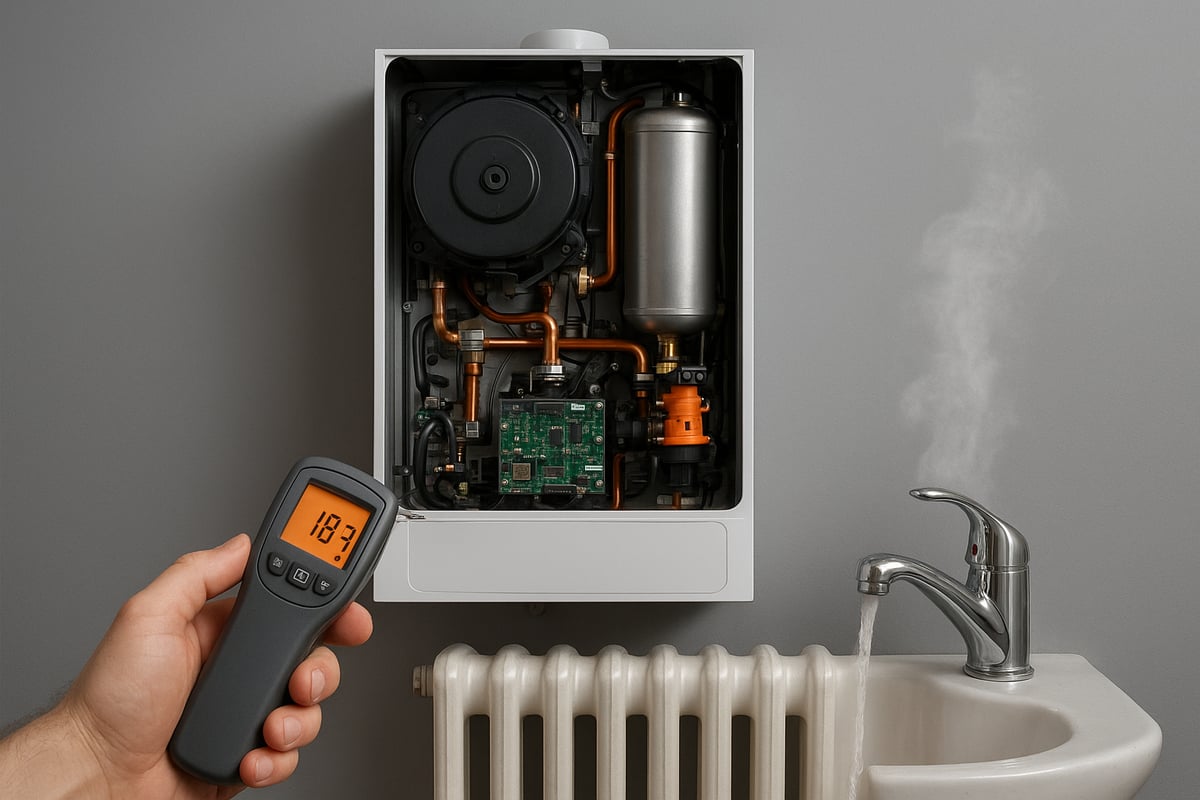
Common Causes and How They Affect Your System
Modern UK heating systems are designed to manage hot water and central heating separately, especially with combi and system boilers. When you experience hot water no central heating, the issue often lies in how these two functions are controlled and directed.
Several common faults can lead to this problem:
- Diverter valve issues: If the diverter valve becomes stuck, your boiler may prioritise hot water and fail to send heat to the radiators.
- Thermostat errors: Faulty room thermostats or programmers can prevent the heating cycle from starting.
- Boiler pressure problems: Low pressure after bleeding radiators or due to leaks can stop central heating from working.
- Pump failures: If the circulation pump fails, hot water stays in the boiler rather than moving through the radiators.
- Airlocks or frozen condensate pipes: These block the flow of water, leaving radiators cold.
According to industry data, over 60% of winter heating callouts in the UK are due to hot water no central heating faults. For example, a combi boiler with a jammed diverter valve will give you hot showers, but your living room remains cold.
System age, lack of maintenance, and recent repairs can all raise the risk of this issue. It is essential to identify the root cause before attempting any fix, as a quick repair may not solve the underlying problem. For a deeper dive into troubleshooting, see these plumbing and central heating tips.
Always remember, working on gas appliances requires Gas Safe certification to ensure safety and compliance.
Symptoms to Look Out For
Recognising the symptoms of hot water no central heating can help you act quickly and avoid further complications. The most obvious sign is cold radiators despite having hot water at your taps and showers.
Other key indicators include:
- The boiler fires up for hot water but does not respond when you turn up the heating.
- Error codes or warning lights appear on the boiler display panel.
- Unusual noises, such as banging or gurgling, come from pipes or the boiler itself, suggesting circulation problems.
- The room thermostat does not trigger the heating cycle, even when set above room temperature.
If you notice any of these symptoms, it is likely that your central heating system is not receiving the right signals or the hot water cannot circulate properly. Addressing hot water no central heating issues promptly is vital to restore both comfort and energy efficiency in your home.
Step-by-Step Troubleshooting: What to Check First
Facing the frustration of hot water no central heating can leave anyone feeling out in the cold. The solution often lies in a careful, step-by-step approach. By systematically checking key areas of your heating system, you can often identify the culprit and restore warmth to your home quickly and safely.
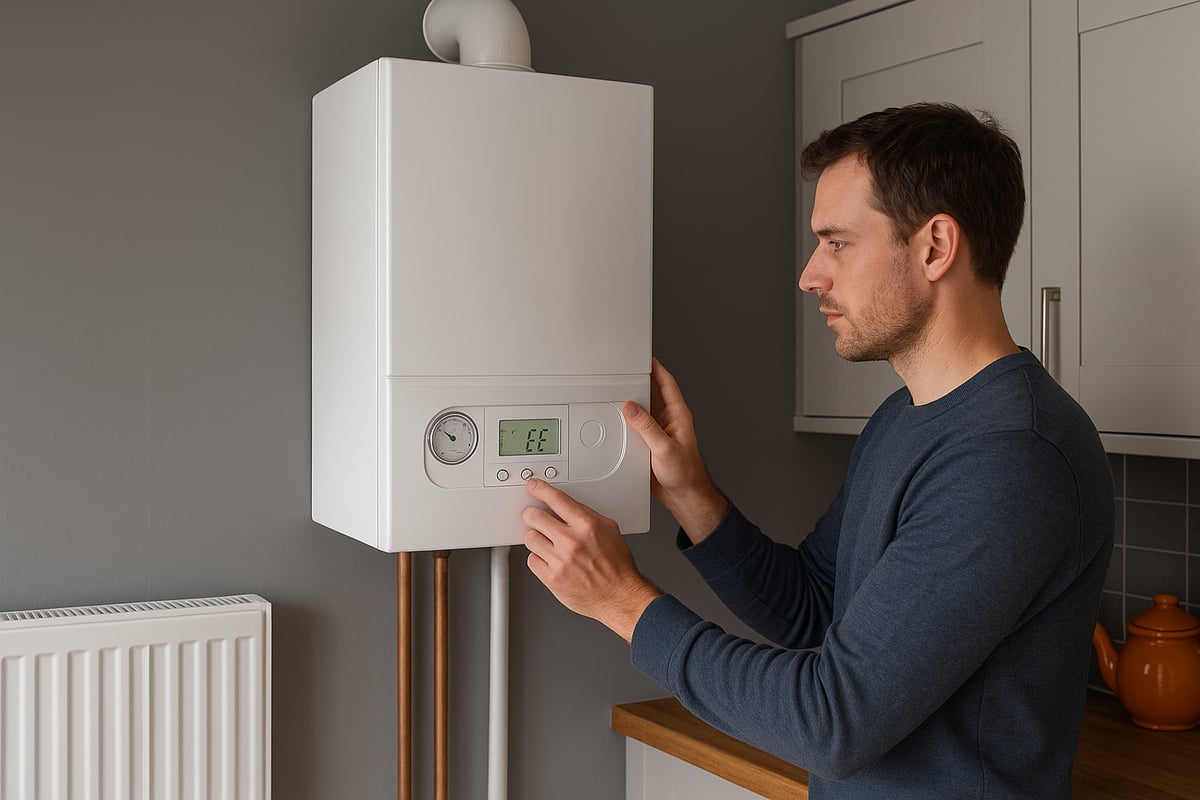
1. Boiler Pressure and Settings
Start your troubleshooting by checking the boiler’s pressure gauge. Most modern UK boilers operate best between 1 and 2 bars. If the pressure is too low, which often happens after bleeding radiators or due to small leaks, the central heating may fail even though hot water still works.
To repressurise safely:
- Locate the filling loop beneath your boiler.
- Open the valves slowly until the pressure reaches the correct range.
- Close the valves and reset the boiler if needed.
If the pressure is too high, release water from a radiator until it drops. HomeServe notes that repressurising resolves over 30% of pressure-related issues. Remember, if the pressure continues to fluctuate or you see warning lights, it’s best to call a professional.
Keeping an eye on boiler pressure is vital when tackling hot water no central heating, as incorrect pressure can halt heating while leaving hot water unaffected.
2. Thermostat and Timer Checks
Next, inspect your thermostat and timer settings. Sometimes, a simple oversight such as incorrect programming or dead batteries can trigger hot water no central heating problems.
Check the following:
- Ensure the thermostat is set above room temperature.
- Replace batteries if the display is blank or unresponsive.
- Confirm the timer or programmer is scheduled correctly for heating periods.
Modern smart thermostats can also fail, requiring a basic reset. If your thermostat doesn’t trigger the heating cycle, or the boiler only fires up for hot water, it could point to a faulty control unit. Misprogrammed timers are responsible for 1 in 10 heating callouts, so double-check these settings before moving on.
3. Radiator Inspection and Bleeding
If you still have hot water no central heating, turn your attention to the radiators. Cold spots or uneven heating are classic signs of trapped air or circulation issues.
To bleed a radiator:
- Turn off the heating system and let radiators cool.
- Use a radiator key to slowly open the bleed valve at the top.
- Release air until water starts to escape, then close the valve.
Persistent cold radiators may indicate deeper problems like sludge or blockages. Power flushing is needed in 15-20% of homes with recurring cold spots. For ongoing radiator issues, consider professional radiator repairs and maintenance to ensure long-term comfort and efficiency.
4. Visual Boiler and Pipe Inspection
Finally, perform a visual check of your boiler and exposed pipework. Look for error codes or warning lights on the boiler display, which can provide clues to the underlying issue.
Inspect pipes for:
- Leaks or damp patches
- Blockages from debris or limescale
- Frozen sections, especially in the condensate pipe during winter
Listen for unusual noises such as banging, gurgling, or whirring, which may signal pump or circulation faults. If you detect anything unusual or feel unsure, always stop and contact a qualified engineer. Attempting complex repairs can put your safety at risk.
By following these steps, you can often narrow down the cause of hot water no central heating and decide whether a simple fix or expert intervention is needed.
Key Components at Fault: Detailed Solutions for 2026
Identifying why you have hot water no central heating is essential for an effective repair. Several key components within your heating system can be the culprit. Understanding each will empower you to communicate clearly with engineers and make informed decisions for your home in 2026.
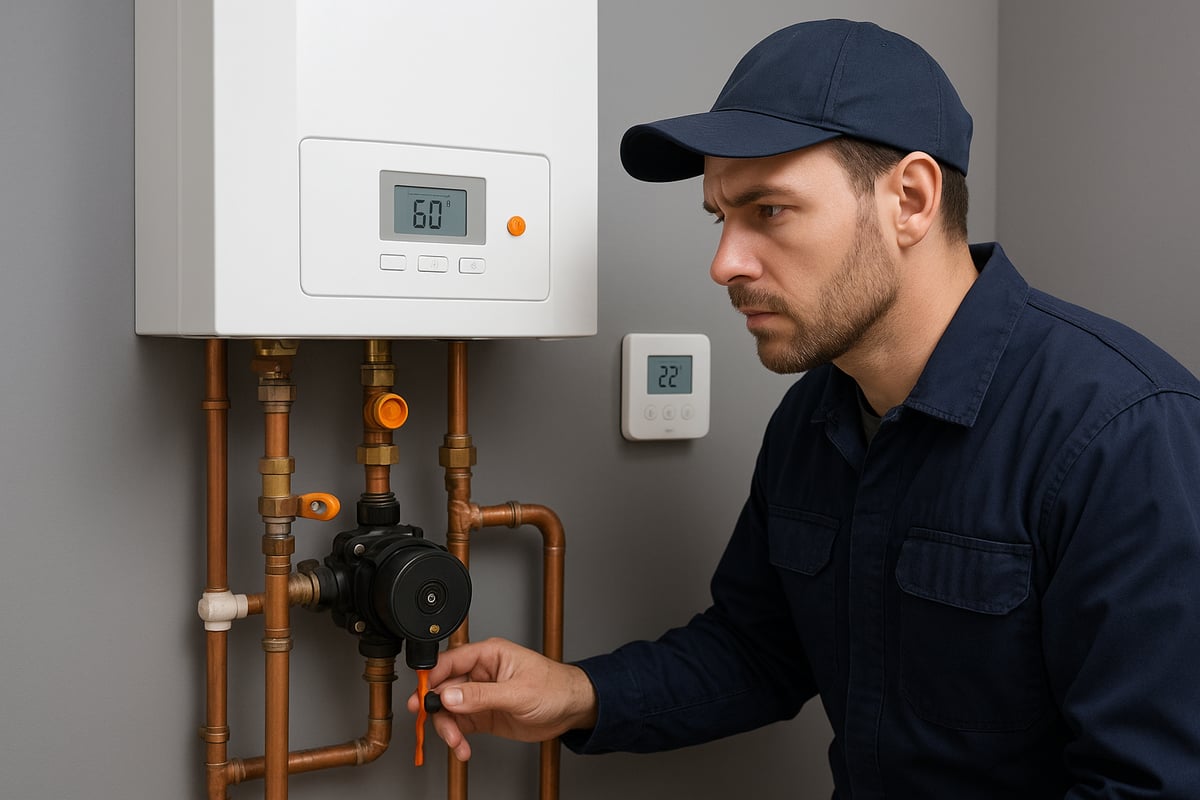
Diverter Valve Issues
The diverter valve is a vital part of combi and system boilers. It directs hot water from the boiler to either your taps or your radiators. When the diverter valve becomes faulty or stuck, the most common symptom is hot water no central heating.
Signs of a diverter valve issue include:
- Radiators remain cold, but hot water flows normally.
- The boiler fires up only when you use taps or showers.
- Noises from the boiler when switching between water and heating modes.
A diverter valve fault is not a DIY fix. Professional repair or replacement is often required, especially as modern valves are integrated with electronic controls. In 2026, costs for professional diverter valve repairs typically range from £180 to £300, depending on the boiler model and labour rates.
If your system is older or has a history of repairs, your risk for hot water no central heating due to diverter valve failure increases. Always use Gas Safe registered engineers for this work.
Boiler Pump Failure
The boiler pump is responsible for circulating hot water throughout your radiators. If it fails, you will likely experience hot water no central heating, as water cannot reach the radiators to provide warmth.
Common signs of pump failure:
- Radiators are cold, but taps deliver hot water.
- The pump is unusually noisy or silent.
- Vibration or humming sounds from the boiler cupboard.
Pump issues should always be addressed by qualified professionals. In 2026, new pumps are more energy-efficient and come with smart diagnostics, making detection and repair easier and faster. Replacing a faulty pump typically costs between £250 and £400.
Neglecting a faulty pump can lead to further system damage and persistent hot water no central heating problems. Regular servicing helps catch early signs of wear.
Frozen Condensate Pipe
A frozen condensate pipe is a frequent winter cause of hot water no central heating in UK homes. The pipe removes acidic waste water from condensing boilers. If it freezes, the boiler can shut down the heating function for safety, though hot water may still be available.
Symptoms of a frozen condensate pipe:
- Boiler displays a fault code or warning light.
- Gurgling or bubbling sounds from the boiler.
- No heating, but hot water still works.
Safe thawing involves applying a hot water bottle or a warm cloth to the pipe. Never use boiling water, as this can damage the pipe. Preventative measures for 2026 include improved pipe insulation and rerouting exposed sections.
Annual maintenance checks and pre-winter inspections help prevent this common cause of hot water no central heating. Engineers now use thermal imaging to identify vulnerable pipework before cold snaps.
Sludge and Blockages
Sludge builds up inside radiators and pipes over time, restricting the flow of water. This can lead to uneven heating or total loss of central heating, even if hot water is unaffected. In many cases, homes with hot water no central heating have circulation problems caused by sludge.
Key indicators:
- Some radiators are cold or have cold spots.
- Radiators require frequent bleeding.
- System is noisy or slow to warm up.
The most effective solution is a professional power flush. This process removes sludge and restores proper water flow. In fact, power flushing is required in up to 20% of homes with recurring heating issues. For a detailed guide on the process and its benefits, see the system flush for boilers.
Chemical inhibitors can be added after flushing to prevent future build-up. Investing in magnetic filters further protects your system from blockages. Addressing sludge not only restores heating but can improve efficiency by up to 25%.
Thermostat and Control Failures
Faulty thermostats, programmers, or smart controls can also lead to hot water no central heating. If the thermostat fails to signal the boiler to heat the radiators, the system will only provide hot water.
Symptoms include:
- The heating never comes on, no matter the thermostat setting.
- The boiler does not respond to control adjustments.
- Intermittent or inconsistent heating cycles.
Upgrading to a modern smart thermostat is a popular solution in 2026, offering better reliability and efficiency. Professional installation is recommended to ensure correct calibration and integration with your system.
Regularly check batteries and settings in traditional thermostats. If problems persist, consult a qualified engineer to avoid ongoing hot water no central heating disruptions.
Modern Heating Solutions and Upgrades for 2026
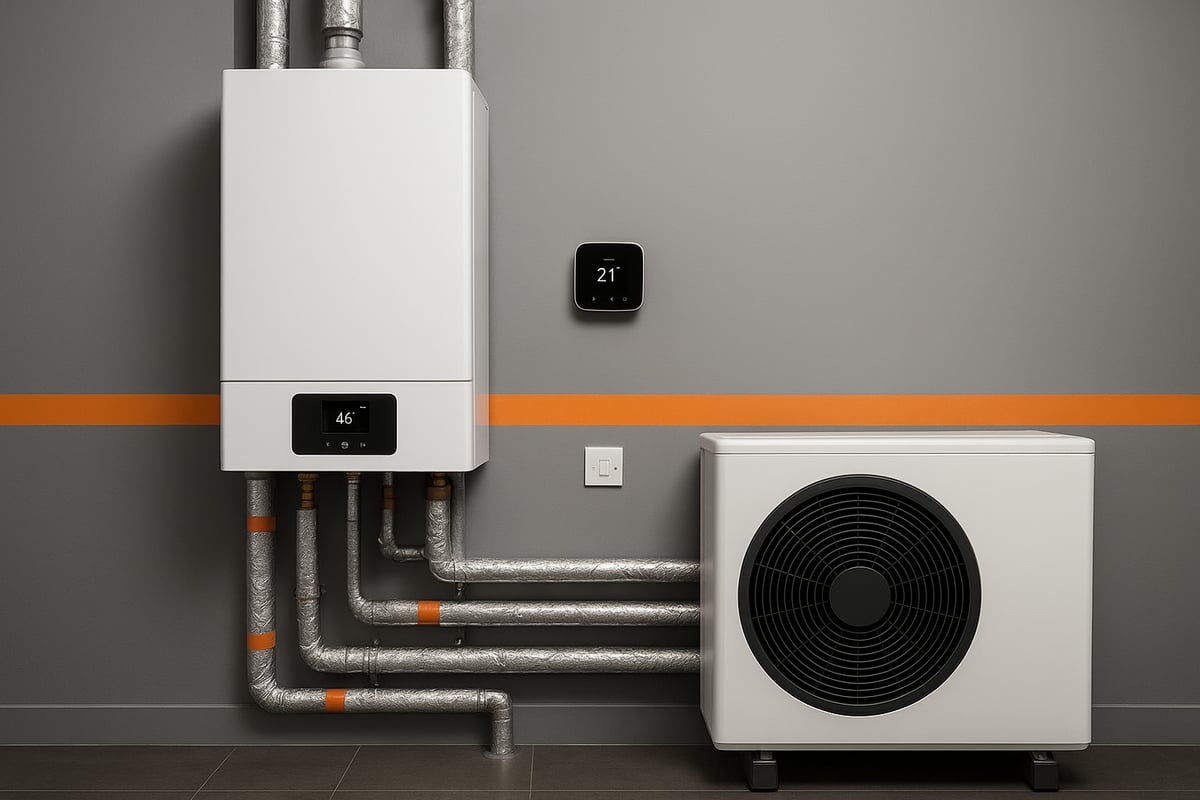
Upgrading your heating system is the most effective way to solve persistent issues like hot water no central heating. Modern solutions offer better comfort, lower bills, and increased peace of mind for homeowners and landlords alike.
Advanced Boiler Systems
If you are still struggling with hot water no central heating, consider whether your existing boiler is holding you back. Modern condensing boilers are far more efficient than older models, converting more fuel into usable heat and reducing energy waste.
In 2026, hydrogen-ready boilers are also becoming more widely available. These systems are designed to seamlessly switch to hydrogen fuel as the UK grid evolves, providing future-proofing against regulatory changes. Key benefits include:
- Lower running costs due to higher efficiency.
- Built-in safety features like automatic shut-off and advanced diagnostics.
- Compatibility with smart controls for easier troubleshooting.
- Reduced carbon emissions, supporting sustainability goals.
Upgrading your boiler not only addresses hot water no central heating problems, but also adds value to your property. Professional installation ensures safety and compliance with current standards.
Smart Home Integration
Smart technology is transforming how we manage home heating, making it easier to prevent problems like hot water no central heating. With a smart thermostat, you can monitor and control your system remotely, even when you are not at home.
Modern heating controls offer features such as:
- Programmable schedules that adapt to your lifestyle.
- Learning algorithms that optimise energy use.
- Fault detection and instant alerts for potential issues.
- Integration with other smart home devices.
For example, if your heating fails to respond, your smart system can notify you immediately, allowing for a quicker resolution. Predictive maintenance alerts, available in many 2026 models, help avoid unexpected breakdowns and keep hot water no central heating headaches at bay.
Alternative Heating Options
As the UK moves towards greener energy, alternative heating solutions are gaining popularity, especially for those experiencing hot water no central heating with traditional boilers. Air source and ground source heat pumps offer highly efficient central heating, drawing warmth from the environment rather than burning fuel.
Electric boilers and hybrid heating systems are ideal for homes off the gas grid, while biomass boilers provide a sustainable, cost-effective option for rural properties. Adoption is rapidly increasing, with UK heat pump sales surge in 2024 reflecting a national shift toward low-carbon solutions.
Here is a quick comparison:
| Option | Efficiency | Running Costs | Best For |
|---|---|---|---|
| Heat Pumps | High | Low | Most UK homes |
| Electric Boiler | Medium | Medium | Off-gas-grid homes |
| Biomass Boiler | High | Low-Medium | Rural properties |
Many of these systems are eligible for government incentives, making upgrades more affordable and addressing hot water no central heating issues long term.
System Health and Efficiency Upgrades
Maintaining system health is essential for preventing hot water no central heating situations. Magnetic filters capture debris and sludge, protecting your boiler and improving circulation. Chemical inhibitors keep your system free from corrosion and build-up.
Regular servicing is vital. Schedule annual checks with a qualified engineer to ensure every component is working at peak performance. Balancing radiators and upgrading insulation further boosts efficiency.
Consider these upgrades for 2026:
- Install magnetic filters and chemical inhibitors.
- Replace old pipework with insulated alternatives.
- Balance and bleed radiators regularly.
- Upgrade to smart controls for proactive maintenance.
By investing in these improvements, you can future-proof your heating and eliminate recurring hot water no central heating frustrations.
When to Call a Professional: Safety, Compliance, and Peace of Mind
Facing a situation where you have hot water no central heating can be both inconvenient and worrying. While some simple fixes are safe for homeowners, many issues require the expertise of a qualified professional. Knowing when to step back and call an expert can protect your home, your investment, and your family's safety.
Recognising When DIY Stops and Expertise is Needed
It is essential to understand the limitations of DIY when dealing with hot water no central heating problems. UK regulations strictly prohibit unqualified individuals from working on gas appliances or making any repairs that involve the gas supply, boiler internals, or electrical components. Attempting such repairs may not only void your warranty but could also expose you to severe dangers, including gas leaks, electrical faults, or carbon monoxide poisoning.
If you notice error codes, persistent cold radiators, or unusual noises coming from your boiler, these are clear signs that professional intervention is necessary. Besides legal requirements, there is a significant risk to both property and personal safety if repairs are attempted without proper training. Gas Safe registered engineers are specifically trained to identify and resolve these risks, ensuring your central heating is restored safely and efficiently.
For issues like a stuck diverter valve, faulty pumps, or complex control failures, always contact a certified professional. Remember, even if you have hot water no central heating, it does not mean your boiler is safe to use. Prioritise safety over convenience and avoid any temptation to tamper with sealed components. Clear boundaries exist for what is safe to check, such as system pressure or thermostat settings, but beyond that, expert help is non-negotiable.
Choosing the Right Engineer or Company
Selecting the right professional is crucial when you are facing hot water no central heating and need a swift, reliable fix. Start by confirming that any engineer you consider is Gas Safe registered. This accreditation is a legal requirement for anyone working on gas appliances in the UK. Additionally, look for companies with transparent pricing, positive customer reviews, and clear communication about their services.
When booking a repair or installation, ask about their experience with your specific boiler make and model. Enquire whether they offer guarantees on their work and if they provide emergency callouts. Reputable companies will be happy to answer these questions and provide evidence of their qualifications. For more detailed guidance on what to expect during a professional visit, the Central heating installation guide offers a thorough overview of the process and what homeowners should look for.
Consider service plans from established providers such as HomeServe or local specialists, which can offer ongoing maintenance and peace of mind. These plans typically include annual servicing, priority callouts, and cover for unexpected breakdowns. By choosing a trusted professional, you safeguard your property and ensure your central heating system remains both safe and efficient, reducing the risk of future hot water no central heating occurrences.
Preventative Maintenance and Future-Proofing Your Heating System
Regular maintenance is the backbone of a reliable heating system. By taking proactive steps, you can avoid the stress of hot water no central heating issues, especially during the coldest months. Let us explore how to keep your system running smoothly, maximise efficiency, and protect your investment for years to come.
Annual Servicing and Professional Checks
Annual servicing is essential for preventing hot water no central heating problems. A professional engineer will check your boiler’s safety features, clean vital components, and verify system pressure. In 2026, services now include smart diagnostics and efficiency analysis.
A typical service covers:
- Inspection of all boiler and heating controls
- Cleaning of heat exchangers and burners
- Checking for leaks, corrosion, and blockages
- Testing carbon monoxide levels
Statistics show that annual servicing reduces boiler breakdowns by up to 40%. Scheduling regular checks ensures your warranty remains valid and your family stays safe. Never skip this step if you want consistent hot water and heating throughout the year.
System Upgrades for Longevity
Investing in system upgrades is a smart way to avoid hot water no central heating issues. Modern magnetic filters capture sludge and debris, protecting your boiler from costly damage. Smart controls let you monitor and adjust your heating remotely, helping you spot problems early.
Upgrading insulation on pipes and radiators boosts efficiency and comfort. Replacing an ageing boiler with a high-efficiency model can cut running costs and future-proof your property. Homeowners may be eligible for government support, such as those detailed in the Boiler Upgrade Scheme details, making upgrades more affordable. For further guidance on optimising your home’s energy use, review the Energy efficiency improvements in UK homes.
DIY Maintenance Tips
Simple DIY steps can minimise the risk of hot water no central heating disruptions. Always check your system’s pressure gauge, aiming for the recommended 1 to 2 bars. Bleed radiators regularly to remove trapped air that causes cold spots.
Keep an eye out for leaks, strange noises, or error codes on your boiler display. Insulate your condensate pipe to prevent freezing during winter. By taking these actions, you help your system run efficiently and spot minor issues before they become serious.
Preparing for Winter
Preparation is key to avoiding hot water no central heating emergencies in winter. Before the cold sets in, test your heating by running it for a short period. Inspect pipe insulation and schedule a professional check if you notice any issues.
If your heating fails during extreme cold, use portable heaters safely and never block vents. Keep emergency contact numbers for Gas Safe engineers handy. Taking these steps reduces the risk of frozen pipes and ensures your home stays comfortable during harsh weather.
Record-Keeping and Warranty Protection
Good record-keeping is vital for resolving hot water no central heating problems efficiently. Maintain a log of annual services, repairs, and any parts replaced. Keep warranty documents and register new installations with manufacturers for extended cover.
Accurate records help with insurance claims and warranty disputes. As a landlord or homeowner, knowing your system’s history ensures you can act quickly if any issues arise, safeguarding both your investment and your peace of mind.