

Rising energy costs and ambitious climate targets mean that every homeowner needs to become a heat expert in 2026. With heating technology evolving rapidly and new regulations on the horizon, making informed choices is more important than ever.
This essential handbook will help you understand, optimise, and maintain your home heating system, ensuring maximum efficiency, sustainability, and compliance. We will guide you through the latest heating technologies, proven energy-saving strategies, smart controls, renewable options, maintenance routines, and the key regulatory changes coming soon.
Follow these expert insights to cut your bills, enhance comfort, and future-proof your property for the years ahead.
The Evolution of Home Heating: 2026 and Beyond
The journey of home heating is a story of progress, innovation, and adaptation. As a heat expert, understanding this evolution is crucial for making informed decisions in 2026. Today’s homeowners face rising energy costs and ambitious climate goals, making it more important than ever to stay ahead of the curve.
Key Milestones in Heating Technology
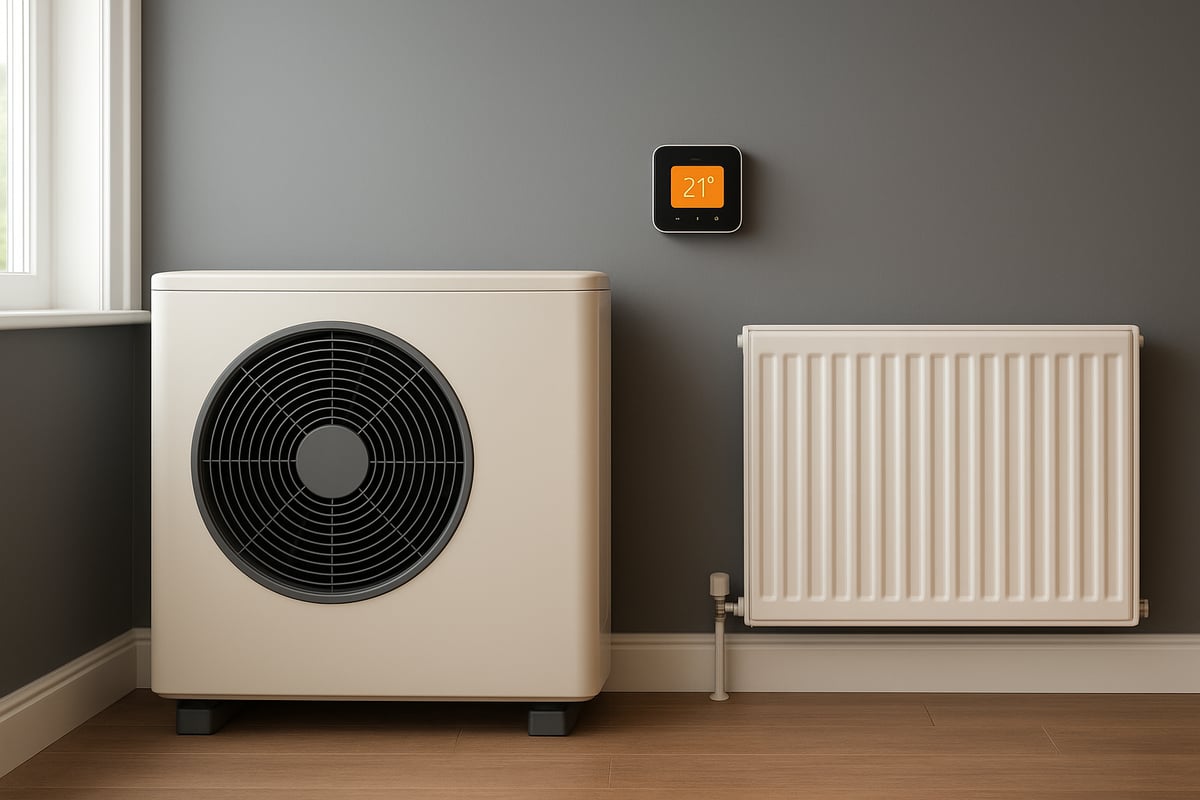
Heating technology has transformed remarkably over the centuries. Open fires once provided basic warmth, but their inefficiency and pollution led to the adoption of coal and eventually gas boilers. The late 20th century brought high-efficiency condensing boilers, significantly reducing energy waste.
Recently, the rise of smart and connected systems has changed how homes are heated. Remote controls, learning thermostats, and zoning have enabled users and the heat expert community to achieve precise comfort and greater efficiency.
Global energy trends, such as the drive for cleaner power and the urgent need to tackle climate change, are pushing innovation further. In 2026, the UK is targeting net zero emissions, and new regulations will phase out fossil fuel boilers in new builds. For a detailed timeline of these regulatory milestones, the Future Homes Standard timeline provides a comprehensive overview. The government’s Future Homes Standard is set to shape heating choices, requiring more sustainable solutions in every new property.
| Era | Technology | Impact |
|---|---|---|
| Pre-20th century | Open fires, coal stoves | Basic comfort, high waste |
| Late 20th century | Gas/oil boilers | Improved efficiency |
| Early 21st century | Condensing boilers | Lower emissions, savings |
| 2020s | Heat pumps, smart tech | Low carbon, connected |
Regulatory Changes and What They Mean for You
From 2026, the regulatory landscape for home heating will shift dramatically. New homes will no longer be allowed to install gas boilers, and stricter efficiency standards will apply to existing systems. For a heat expert, these changes highlight the importance of future-proofing both new and existing properties.
This shift affects homeowners, landlords, and businesses alike. With 85% of UK homes still relying on gas boilers (BEIS, 2023), the transition will be significant. Upgrades may be necessary to comply with minimum standards, and landlords must ensure their properties meet new efficiency benchmarks.
To stay ahead, consider:
- Upgrading to systems compatible with low-carbon technologies.
- Investing in smart controls for better efficiency.
- Exploring renewable options that align with future regulations.
A heat expert recommends proactive planning to avoid costly retrofits and ensure compliance as standards evolve.
The Push Towards Sustainability
Sustainability has become a central concern in home heating. Reducing carbon emissions is not just an environmental goal, but also a regulatory requirement. The government is offering various incentives and grants to encourage the adoption of low-carbon solutions, such as heat pumps and biomass boilers.
The Renewable Heat Incentive (RHI) and its successors have made greener heating more accessible. Consumer interest is also rising, with 64% of homeowners expressing a desire for more sustainable options (Energy Saving Trust, 2023). As a heat expert, it is essential to recognise these trends and guide clients towards choices that reduce their carbon footprint and future-proof their investment.
Popular incentives include:
- Grants for installing heat pumps or biomass systems.
- Tax breaks for energy-efficient upgrades.
- Support schemes for integrating renewables.
By embracing these opportunities, both professionals and homeowners can ensure their heating systems remain efficient, compliant, and aligned with the future.
Choosing the Right Heating System for Your Home
Selecting the ideal heating system for your home is a decision that shapes your comfort, energy bills, and property value for years to come. As a heat expert, you need to weigh up multiple factors to ensure your solution is efficient, future-ready, and tailored to your unique needs.
Assessing Your Home’s Needs
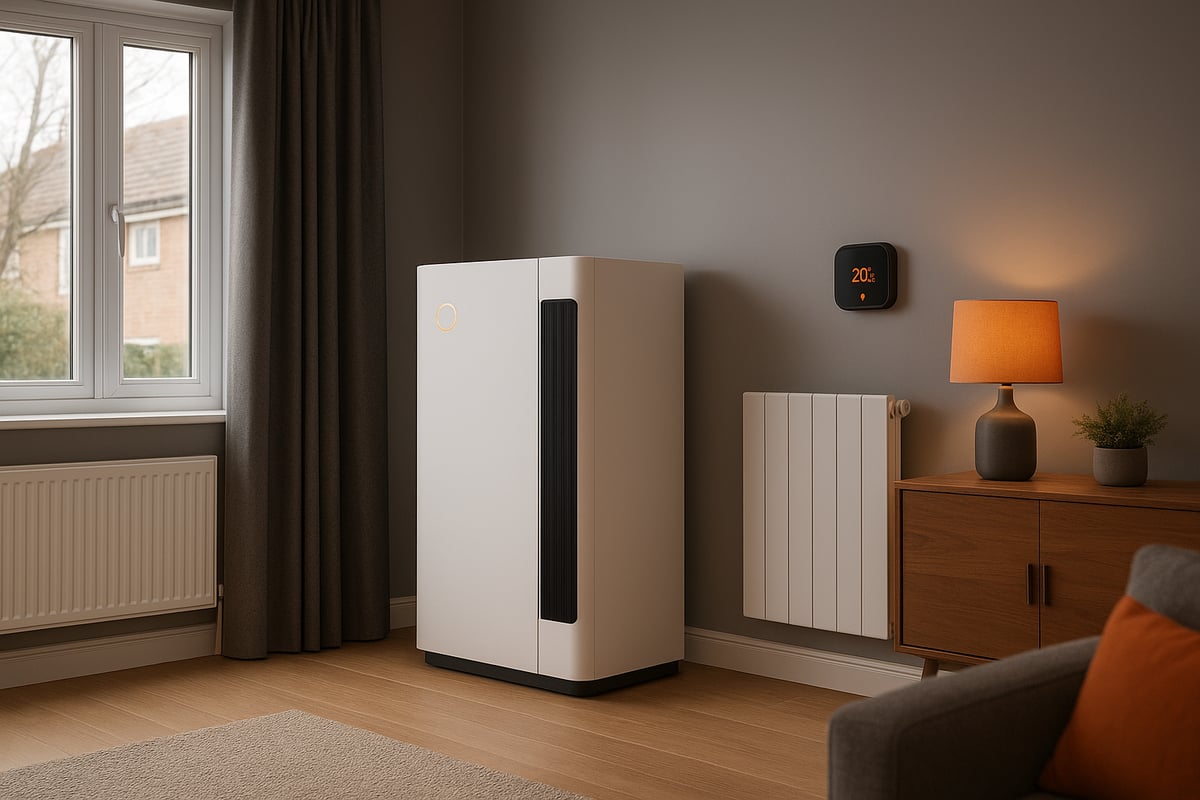
Every property has its own set of requirements. A heat expert begins by evaluating the size of your home, its insulation quality, and the existing heating infrastructure. For example, a large, detached house with poor insulation will have very different needs compared to a compact, well-insulated flat.
Heat loss calculations are vital. They determine the amount of energy needed to keep your space warm, ensuring your chosen system is neither underpowered nor oversized. Consider how many people live in the home and your daily hot water demand.
Let’s compare two scenarios. In a two-bedroom flat, a compact heat pump or high-efficiency electric system may be sufficient. In contrast, a five-bedroom detached home might require a larger heat pump or a hybrid system to cope with higher heat loss and demand. Consulting a heat expert ensures your property assessment is accurate and thorough.
Overview of Heating System Types
Understanding the range of available heating systems is crucial for making an informed choice. As a heat expert, you should be familiar with the main options:
- Gas, oil, and LPG boilers: Traditional favourites, but with phase-out dates looming for new builds. They offer reliable heating, but face efficiency and sustainability concerns.
- Heat pumps (air source, ground source): Highly efficient, suitable for well-insulated homes, with higher upfront costs but lower running expenses.
- Biomass boilers: Use renewable fuels like wood pellets, ideal for rural areas, though they require regular maintenance and fuel storage.
- Electric heating: Simple to install and maintain, but can have higher running costs unless paired with renewable tariffs.
- Hybrid systems: Combine technologies, such as a heat pump with a boiler, for flexibility and resilience.
For a deeper dive into system pros and cons, see this Understanding Home Heating Systems guide, which a heat expert would recommend for detailed comparisons.
Cost Considerations and Return on Investment
Cost is a major factor when choosing your heating system. A heat expert will help you balance upfront installation costs with long-term savings and maintenance.
Below is a comparison of typical costs and potential savings:
| System Type | Install Cost (avg) | Annual Running Cost | Payback Period |
|---|---|---|---|
| Gas Boiler | £2,500–£4,500 | £900–£1,200 | 5–7 years |
| Heat Pump | £7,000–£13,000 | £500–£900 | 7–12 years |
| Biomass Boiler | £10,000–£15,000 | £700–£1,000 | 8–15 years |
| Electric Heating | £2,000–£4,000 | £1,200–£1,800 | 5–8 years |
A heat expert will also consider available grants and incentives, which can significantly reduce your initial investment. Maintenance costs and system lifespan should also be factored in for an accurate picture of your return on investment.
Future-Proofing Your Choice
With regulations and technology evolving rapidly, future-proofing your heating system is essential. A heat expert will advise on options that support upgrades, integration with renewables, and smart controls.
Opt for systems compatible with emerging technologies, such as smart thermostats or solar thermal panels. Homes equipped with efficient, low-carbon heating solutions are increasingly attractive to buyers, with data showing they sell up to 10% faster.
Consider flexibility for future upgrades. For example, hybrid systems or heat pumps that can be integrated with home automation will stand the test of time. Rely on a heat expert to guide your investment, ensuring your system remains compliant, efficient, and valuable in a changing market.
Maximising Efficiency and Reducing Heating Costs
Improving your home's heating efficiency is one of the smartest ways to lower bills and boost comfort. As a heat expert, you know that even small changes can deliver meaningful savings over time. The right strategies not only reduce energy use but also extend the life of your heating system. For a comprehensive overview of proven techniques, see Maximising Heating Efficiency. In this section, we will explore actionable steps every homeowner can take to transform their heating performance for 2026.

Insulation and Building Fabric Upgrades
For any heat expert, insulation is the foundation of an efficient heating system. Without proper insulation, much of the warmth you pay for simply escapes. Loft insulation, cavity wall insulation, and insulated floors can collectively reduce heat loss by over 50 percent. Double or triple glazed windows further improve retention and cut draughts.
Consider this: up to 35 percent of heat can be lost through uninsulated walls, according to the Energy Saving Trust. Investing in these upgrades means your boiler or heat pump works less, saving energy and money. Many homeowners underestimate the impact of insulation, but a heat expert will confirm it is the first upgrade to prioritise. Not only does it improve comfort, but it also prepares your home for advanced heating technology.
Smart Controls and Zoning
A heat expert always recommends leveraging smart controls for maximum efficiency. Programmable thermostats let you tailor heating to your schedule, while smart thermostatic radiator valves (TRVs) enable room-by-room control. Integrating your system with a smart home assistant, such as Alexa or Google Home, allows for remote adjustments and personalised routines.
Zoning is especially valuable for larger or multi-storey homes. It ensures you only heat the spaces in use, minimising waste. According to Ofgem, smart controls can deliver up to a 12 percent reduction in heating bills. These savings are substantial and show why every heat expert encourages adopting intelligent controls.
Routine Maintenance and System Health
Maintaining your heating system is a job for both the homeowner and a heat expert. Annual servicing by a qualified engineer ensures boilers and heat pumps run safely and efficiently. Regular maintenance tasks include checking filters, monitoring system pressure, and cleaning components.
A neglected system is more likely to break down, use excess energy, or pose safety risks. Power flushing and system cleaning remove sludge that can hinder circulation. Early warning signs, such as strange noises or uneven heating, should prompt immediate attention. A heat expert knows that preventive maintenance pays dividends in reliability and cost savings.
Behavioural Changes That Save Money
Simple behavioural adjustments, endorsed by every heat expert, can significantly lower your heating costs. Setting your thermostat just one degree lower can reduce bills by around 4 percent. Heating only occupied rooms, rather than the whole house, cuts unnecessary energy use.
Timed schedules are more efficient than keeping your system on constantly. Encourage household members to wear warmer clothing indoors during colder months. These small shifts, when combined, deliver meaningful savings and help your heating system work more effectively. A heat expert will always advocate for habits that support efficiency.
Upgrading Components for Better Performance
Modernising key components is another area where a heat expert can guide you to greater efficiency. High-efficiency pumps and contemporary radiators distribute heat more evenly. Adding weather compensation or load compensation controls allows your system to adjust output based on real-time conditions, boosting performance.
Condensing boilers, which achieve over 90 percent efficiency, are a substantial upgrade from older models. These improvements not only save energy but also enhance comfort and system longevity. When planning upgrades, consult a heat expert to ensure compatibility and maximise your return on investment.
Embracing Renewable and Low-Carbon Heating Solutions
Transitioning to renewable and low-carbon heating is now at the heart of every heat expert’s advice for future-ready homes. As the UK accelerates towards net zero, homeowners must understand the key options and emerging trends that will define efficient, sustainable heating in 2026.
Heat Pumps: The Future of Home Heating
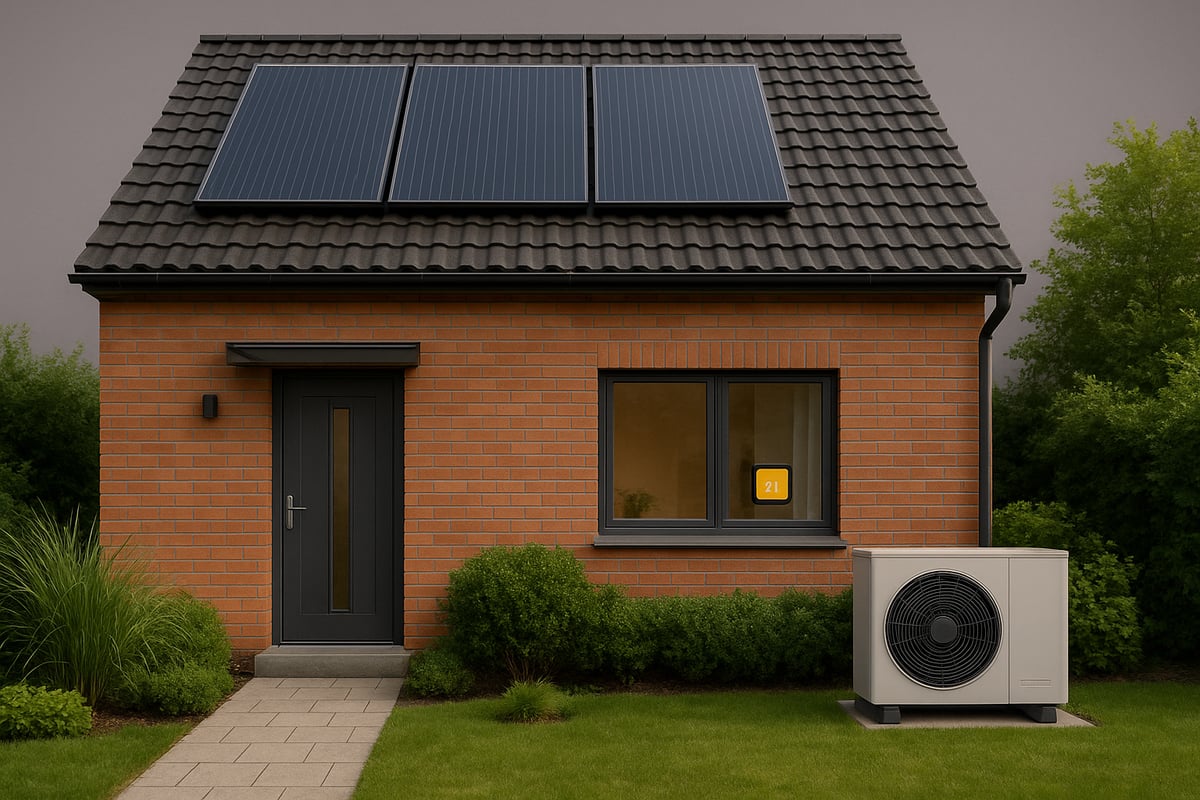
Heat pumps have rapidly become the flagship technology for eco-conscious homeowners. Both air source and ground source heat pumps extract renewable heat from the environment, delivering three to four units of heat for every unit of electricity consumed. This efficiency is measured by their Coefficient of Performance (COP), often ranging from 3.0 to 4.5.
A heat expert will note that grants and incentives, such as those detailed in Renewable Energy Heating Solutions, are making installations more accessible in 2026. Typical annual savings compared to an old gas boiler can reach £300 to £500, with even greater savings in well-insulated homes.
Heat pumps work best in properties with good insulation and underfloor heating or oversized radiators. They are low-maintenance and offer a future-proof solution as fossil fuel systems are phased out.
Biomass and Solar Thermal Systems
Biomass boilers are another route favoured by the modern heat expert, especially in rural areas or properties off the gas grid. These systems burn wood pellets, chips, or logs, providing a carbon-neutral alternative when the fuel is sourced sustainably. However, regular maintenance and secure storage for fuel are essential.
Solar thermal panels can supplement hot water needs, reducing reliance on traditional systems during sunnier months. Integration is straightforward with existing cylinders, offering additional savings and further lowering emissions. Combining solar thermal with heat pumps or biomass creates a robust, resilient heating solution.
Hybrid Systems and Innovative Technologies
Hybrid systems combine the strengths of two or more technologies. For example, a heat pump paired with a gas or biomass boiler can switch between sources for maximum efficiency and flexibility. This approach allows homeowners to benefit from renewables while retaining backup for peak demand or extreme weather.
Innovative solutions are also emerging. Hydrogen-ready boilers and infrared panels are being trialled, with some early adopters seeing reduced emissions and improved comfort. According to a heat expert, adoption rates are climbing as pilot projects demonstrate the reliability and effectiveness of these technologies.
Overcoming Barriers to Adoption
Despite the benefits, several barriers slow the adoption of renewable heating. Upfront costs are a concern for many homeowners, but finance options and government grants help close the gap. A heat expert can advise on eligibility and application processes to make upgrades more affordable.
Installer availability and skills shortages remain challenges. It is vital to choose certified professionals with specialist training. Consumer education is also crucial, as persistent myths about performance or complexity can deter uptake. Clear, expert guidance dispels these misconceptions and empowers homeowners to make informed choices.
Embracing renewable and low-carbon heating is not just a regulatory requirement but an opportunity to enhance comfort, reduce bills, and add value to your home. Consulting a heat expert ensures your property is ready for the demands and expectations of 2026.
Smart Heating: Controls, Connectivity, and Automation
Smart heating is transforming the way UK homes manage comfort, efficiency, and energy bills. As a heat expert, understanding the latest advancements in controls, connectivity, and automation is essential for future-proofing your property.
The Rise of Smart Thermostats and Apps
Smart thermostats are now leading the charge in home heating innovation. Top brands like Nest, Tado, and Hive offer features that learn your routine, adjust automatically, and allow remote access from anywhere.
| Brand | Learning Algorithms | Remote Access | Integration |
|---|---|---|---|
| Nest | Yes | Yes | Google Home |
| Tado | Yes | Yes | Alexa, Apple |
| Hive | Yes | Yes | Alexa |
By 2026, 45% of UK homes are expected to use smart heating controls, making it essential for any heat expert to recommend these solutions. These systems not only enhance comfort, but also collect data to optimise heating patterns.
Zoning, Sensors, and Personalisation
Modern heating systems allow for detailed zoning, so each room can have its own temperature profile. This is managed through smart thermostatic radiator valves (TRVs) and multi-zone controls.
Advanced sensors detect occupancy, window openings, and even weather changes. This ensures the system only heats occupied areas, reducing waste and improving efficiency. A heat expert will stress the importance of personalisation for both comfort and savings.
Integration with Broader Smart Home Ecosystems
Smart heating does not exist in isolation. Leading systems are now compatible with Alexa, Google Home, and Apple HomeKit, allowing seamless voice commands and routines.
Homeowners can set up automated schedules, such as lowering the heating when everyone leaves, or boosting warmth before arrival. For a heat expert, recommending systems that fit into a broader smart home ecosystem is a sure way to add value.
Data Security and Privacy Considerations
With increased connectivity comes the need for robust data security. Connected heating devices can be vulnerable to cyber threats if not properly secured.
Best practices include:
- Using strong, unique passwords
- Keeping software up to date
- Securing your Wi-Fi network
A responsible heat expert will always advise homeowners to prioritise privacy and protect their home networks.
Future Trends in Smart Heating
Looking ahead, AI-driven optimisation and predictive maintenance will become standard features. These technologies will automatically detect inefficiencies and suggest fixes before problems arise, keeping your system running smoothly.
Peer-to-peer energy sharing and community heat networks are also emerging, allowing neighbourhoods to distribute heat efficiently. As a heat expert, staying informed about these trends ensures you can guide clients towards the most advanced, sustainable solutions.
Expert Maintenance and Troubleshooting Tips for 2026
Keeping your heating system in top shape is essential for comfort, efficiency, and compliance. As a heat expert, staying proactive with maintenance and troubleshooting can prevent costly breakdowns and extend system lifespan. Here, you will find a practical approach to maintaining your heating, solving common issues, and knowing when to call in a professional.
Routine Maintenance Checklist
Regular maintenance is the cornerstone of efficient heating. As a heat expert, you should follow a structured checklist every year to ensure system reliability. Start by checking filters, system pressure, and for any visible leaks. Inspect all controls and safety devices for proper function.
Some tasks can be handled by homeowners, such as bleeding radiators and monitoring thermostat batteries. However, a professional service is vital for gas safety checks and deeper system cleaning. For an in-depth review, consult these Boiler Service and Repair Tips to stay ahead of potential issues.
Always keep records of annual checks, as proof of maintenance is often required for warranties and landlord compliance.
Common Heating Problems and Solutions
Even the most advanced systems encounter issues. As a heat expert, you will recognise symptoms such as no heat, strange noises, or uneven warmth. Common causes include trapped air, faulty thermostats, or low water pressure.
Here is a quick reference table for troubleshooting:
| Problem | Likely Cause | Quick Fix |
|---|---|---|
| Cold radiators | Air in system | Bleed radiators |
| No heat | Thermostat issue | Check settings/batteries |
| Low pressure | Leak or system loss | Top up system, check leaks |
If problems persist after basic checks, it is best to consult a certified technician. Early intervention can prevent small faults from becoming expensive repairs.
When to Repair vs. Replace
Deciding whether to repair or replace can be challenging. As a heat expert, assess the system’s age, repair history, and efficiency. If your boiler is over 12 years old and repair costs are rising, replacement may be more cost-effective.
Compare the cost of repairs to the price of a new, efficient system. Modern solutions often deliver lower running costs and better performance. If you notice frequent breakdowns or rising energy bills, upgrading could be the smarter investment.
Remember, new regulations in 2026 may also impact your decision, especially for older, non-compliant models.
Finding and Working with Certified Professionals
Choosing the right professional is crucial for safe and effective maintenance. Always look for Gas Safe, Hetas, or MCS accreditation, depending on your heating technology. A heat expert will provide documentation, clear quotes, and references on request.
When searching for a provider, get at least three quotes for comparison. Ask about experience with your specific system and ensure all work complies with the latest regulations. Professional servicing not only safeguards your system but also protects your property and occupants.
Nu-Heat North East: Your Local Heating Experts
Since 1983, Nu-Heat North East has been a trusted heat expert in the region. Their certified engineers specialise in boiler installations, repairs, and renewable heating systems. Homeowners, landlords, and businesses benefit from tailored solutions, regulatory compliance, and a customer-first approach.
Nu-Heat North East offers flexible finance options, including up to 0 percent interest, making upgrades accessible. With instant online quotes and expert advice, they help future-proof your property efficiently. Choose a proven local provider for peace of mind and sustainable comfort.