
Imagine enjoying a warm, comfortable home while seeing your energy bills drop, all thanks to the latest advances in heating and energy efficiency. In 2026, this level of efficient living is not only possible but within reach for every homeowner.
This guide will empower you with proven strategies, innovative technologies, and practical steps to help you maximise your home's comfort and minimise costs. We will cover modern heating systems, smart energy management solutions, renewable options, government incentives, and upgrades for every budget.
Ready to take control of your heating and energy future? Let our expert advice lead you to a more efficient and affordable home.
Understanding Home Heating and Energy Efficiency
Keeping your home warm without wasting energy is both a science and an art. In the UK, optimising heating and energy use means understanding how heat escapes, which systems work best, and how small changes can make a big difference. Let’s break down the essentials for efficient living.
The Science of Heat Loss and Retention
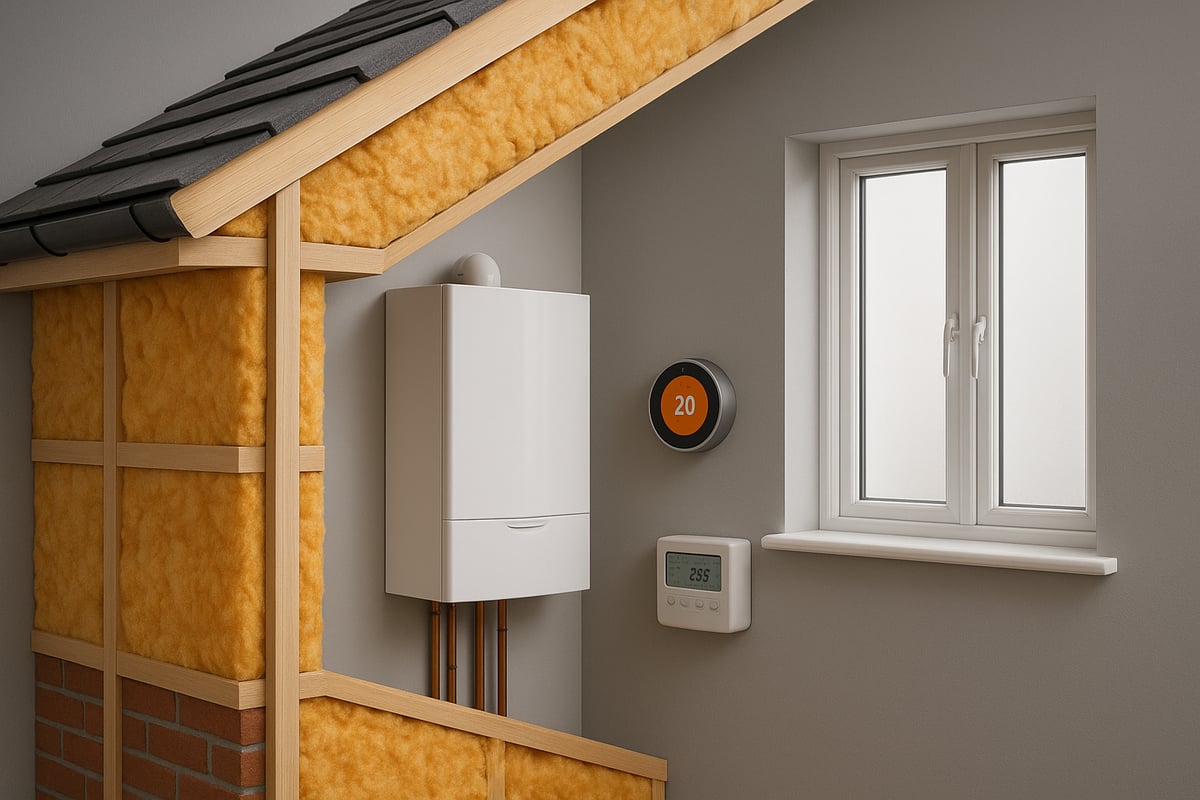
Heat naturally moves from warm areas to cold ones, so it escapes your home through walls, roofs, windows, and floors. Older buildings, with poor insulation, lose heat quickly. Modern homes, however, use materials with lower U-values, meaning less heat escapes and less energy is wasted.
Insulation and airtightness are critical for efficient heating and energy use. For example, up to 25% of heat can be lost through uninsulated roofs, according to the Energy Saving Trust. Choosing the right building materials and improving airtightness can significantly reduce this loss and boost comfort.
Common Heating Systems in UK Homes
UK homes feature a range of heating systems: gas boilers, electric heaters, heat pumps, biomass, and underfloor heating. Each system has its own efficiency rating and running cost profile.
| System | Typical Efficiency | Running Costs | Pros | Cons |
|---|---|---|---|---|
| Gas Boiler | Up to 92% | Moderate | Reliable, widely available | Fossil fuel reliance |
| Electric Heater | ~100% at source | High | Simple, quick to install | Expensive to run |
| Heat Pump | 300%+ (SPF 3+) | Low | Low-carbon, efficient | High upfront cost |
| Biomass Boiler | 80-90% | Low-Moderate | Renewable, grants available | Needs fuel storage |
| Underfloor Heating | 90%+ | Low | Even heat, efficient | Installation disruption |
Modern condensing boilers now reach up to 92% efficiency, making them a popular, cost-effective choice. For more details on the latest options, see Modern Heating Systems in the UK.
Key Metrics for Measuring Energy Efficiency
When measuring heating and energy performance, several key metrics stand out. The Energy Performance Certificate (EPC) rates a home's efficiency from A (most efficient) to G (least efficient). For heat pumps, the Seasonal Performance Factor (SPF) shows real-world efficiency across seasons.
Smart meters provide real-time energy data, helping homeowners track usage and make informed decisions. According to Ofgem, homes with smart meters save an average of £36 per year, proving that good monitoring leads to better heating and energy outcomes.
The Impact of Behavioural Changes
Behavioural adjustments can have a significant impact on heating and energy costs. Setting thermostats just 1°C lower can save around £80 annually, based on Energy Saving Trust data. Using heating schedules, zoning, and timing when to open or close curtains also improves efficiency.
Room-by-room control, as well as mindful placement of furniture (away from radiators), ensures heat circulates effectively. Embracing these habits helps you get the most from your heating and energy system.
Barriers to Efficiency and How to Overcome Them
Several barriers can prevent homeowners from achieving optimal heating and energy efficiency. These include:
- Upfront costs for upgrades
- Lack of knowledge or trusted advice
- Concerns about disruption
- Misconceptions about new technologies
To overcome these, seek out accredited installers, reliable information, and consider government incentives. Access to clear, expert advice means you can make improvements confidently and start saving on heating and energy right away.
Upgrading Your Heating System: Modern Solutions for 2026
Upgrading your home’s heating and energy setup is one of the most effective ways to boost efficiency, reduce bills, and future-proof your property for 2026. Today’s solutions offer advanced technologies and smart controls, making it easier than ever to achieve both comfort and savings. Let’s explore the latest systems and how they can transform your heating and energy performance.
High-Efficiency Boilers and System Upgrades
Modern condensing boilers set the standard for heating and energy efficiency in UK homes. These units capture and reuse heat from exhaust gases, reaching up to 92% efficiency. When combined with system flushing, which clears out sludge and debris, they maintain peak performance and cut running costs. Regular system flushing for efficiency not only extends boiler life but also ensures your heating and energy setup works optimally.
Upgrading to an A-rated boiler can save up to £340 per year, according to the Energy Saving Trust. Integration with solar thermal systems further enhances efficiency by preheating water, reducing boiler workload. Smart controls allow precise temperature scheduling, helping you manage heating and energy use room by room. Choosing a high-efficiency boiler is a straightforward way to modernise your home’s comfort and carbon footprint.
Heat Pumps: Air Source, Ground Source, and Hybrid
Heat pumps have become a cornerstone of sustainable heating and energy solutions. Air source heat pumps extract warmth from outdoor air, while ground source models draw stable temperatures from the earth. Both are well-suited to the UK climate and offer impressive efficiency, often delivering three units of heat for every unit of electricity used.
Hybrid systems combine heat pumps with traditional boilers, providing flexibility for older properties or high-demand periods. Installation costs vary, but running expenses are typically lower than gas or electric heating. By switching to a heat pump, you can cut carbon emissions by up to 65% versus a standard gas boiler, making a significant impact on your heating and energy profile.
Underfloor Heating and Zonal Control
Underfloor heating is gaining popularity as homeowners seek comfort and improved heating and energy efficiency. This system delivers even warmth at lower operating temperatures, reducing heat loss and running costs. Wet systems use warm water pipes beneath the floor, ideal for new builds or renovations, while electric mats are perfect for retrofits and small spaces.
A key advantage is zonal control, allowing you to heat only occupied areas. Smart zoning systems optimise schedules for each room, preventing wasted energy. Underfloor heating can be up to 25% more efficient than traditional radiators, making it a smart investment for any heating and energy-conscious household.
Biomass and Renewable Heating Options
Biomass boilers use renewable sources such as wood pellets, chips, or logs to generate heat, offering a sustainable alternative for heating and energy needs. These systems are especially appealing for rural homes or properties off the gas grid. Biomass is considered carbon-neutral when fuel is sourced responsibly, as new trees absorb the CO2 released during combustion.
Government incentives, like the Boiler Upgrade Scheme, make biomass installations more affordable. Integration with solar or heat pump systems can further boost efficiency. When assessing your heating and energy strategy, biomass provides both environmental and financial benefits with proper maintenance and fuel sourcing.
Smart Thermostats and Connected Controls
Smart thermostats are revolutionising heating and energy management in modern homes. Features such as learning schedules, remote access, and compatibility with voice assistants give you greater control over your environment. Leading brands offer multi-zone capability, allowing for tailored comfort in every room.
Data-driven optimisation ensures your heating and energy use is efficient, automatically adjusting to weather patterns and occupancy. Studies show that smart thermostats can cut heating bills by 10-12%, making them a practical upgrade for cost-conscious homeowners. The convenience and savings of connected controls are hard to ignore.
Professional Installation and Maintenance
Choosing the right installer is crucial for the safety and efficiency of your heating and energy improvements. Accredited engineers, such as those registered with Gas Safe or MCS, guarantee that installations comply with UK regulations. Regular servicing keeps systems running smoothly and maintains warranties.
Professional advice ensures you select the best technologies for your property. Maintenance plans can extend equipment lifespan, protect your investment, and maximise heating and energy savings over time. Always verify credentials and seek recommendations before committing to an installer.
Nu-Heat North East: Expert Installation and Advice
Since 1983, Nu-Heat North East has built a reputation for quality heating and energy solutions. Their team specialises in high-efficiency boilers, modern heat pumps, underfloor heating, and biomass systems, offering tailored advice and installation for every home.
Accredited engineers ensure all work meets the highest safety and compliance standards. Homeowners benefit from 0% finance options, making upgrades accessible and affordable. Residents in the North East can book a free consultation to discuss their heating and energy needs with trusted local experts.
Smart Energy Management and Home Automation
Smart energy management and home automation are transforming how we approach heating and energy in UK homes. With technology advancing rapidly, more households are embracing intelligent solutions to boost comfort, cut costs, and reduce environmental impact. By understanding the tools available, you can take control of your heating and energy use, future-proofing your home for 2026 and beyond.
The Rise of Smart Homes in the UK
The adoption of smart home technology is accelerating, with Statista predicting nearly half of UK households will use connected devices by 2026. Homeowners are increasingly drawn to automation for its convenience and savings. Intelligent systems offer precise control over heating and energy, adjusting to your lifestyle and preferences.
Interest in energy-efficient living is growing, especially as the cost of heating and energy rises. According to recent research, integrating smart controls can drive significant savings and support national efficiency goals. For more comprehensive statistics, see the Energy efficiency of housing in England and Wales.
Smart Meters and Real-Time Usage Tracking
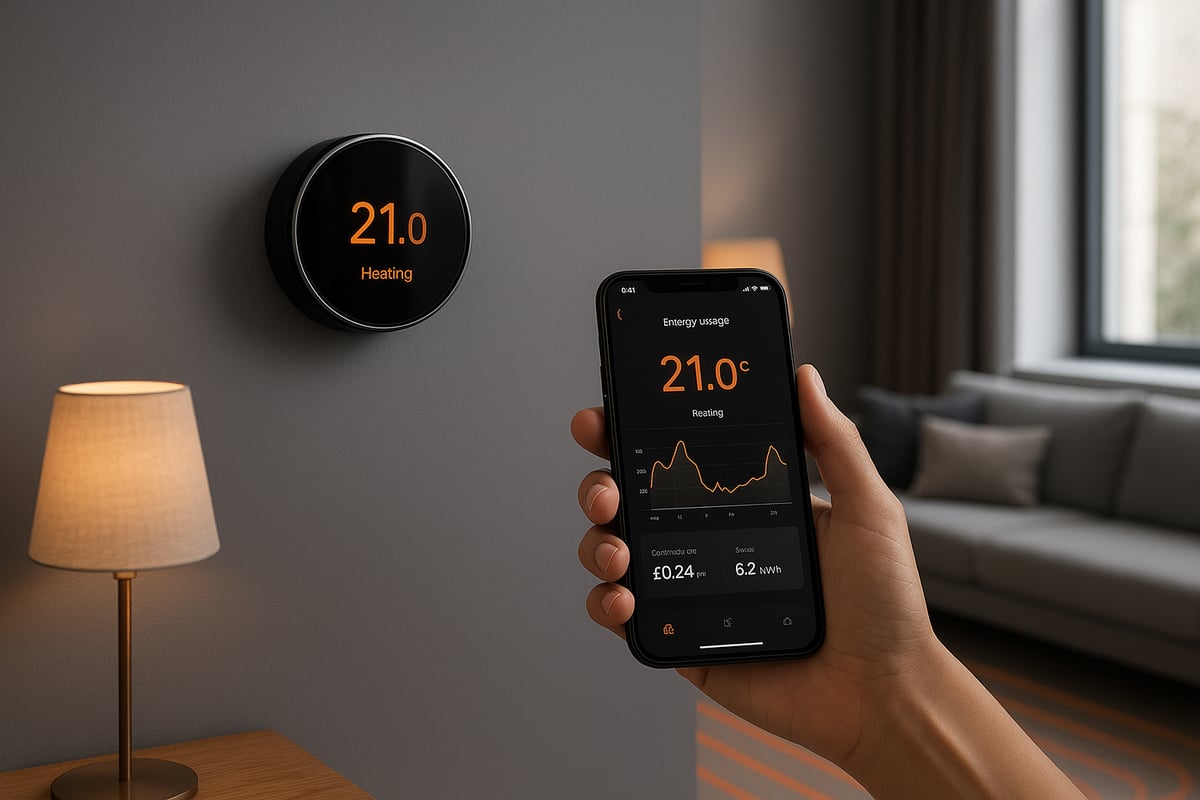
Smart meters are at the heart of modern heating and energy management. By providing real-time data, they empower you to monitor usage and spot inefficiencies instantly. These devices communicate directly with your supplier, ensuring accurate bills and eliminating estimated readings.
When paired with home energy management systems, smart meters reveal patterns in heating and energy consumption. This transparency encourages more mindful habits and helps you identify opportunities to cut waste. Many UK homes already benefit from these insights, leading to measurable savings each year.
Connected Heating Controls and Apps
Connected heating controls are revolutionising how we manage heating and energy. With smart thermostats and multi-zone systems, you can set different temperatures in each room for optimal comfort and efficiency. Mobile apps allow you to adjust heating remotely or automate schedules based on your daily routine.
Some systems even use geofencing or learning algorithms to anticipate when you are home, ensuring your space is warm when needed and conserving energy otherwise. Case studies have shown that homeowners can reduce bills by 15 percent after installing smart controls, making them a practical upgrade for any property.
Automation for Peak Efficiency
Automation is the key to unlocking maximum efficiency in heating and energy use. Advanced systems can schedule heating according to occupancy, outside temperature, or even weather forecasts. Occupancy sensors ensure that rooms are only heated when in use, preventing unnecessary consumption.
Voice assistants and routines streamline control, letting you adjust heating and energy settings with simple commands. Automated systems can cut redundant heating by up to 30 percent, delivering both cost and environmental benefits. Embracing automation places you firmly on the path to efficient living.
Data Security and Privacy Considerations
With more devices connected, data security becomes essential in heating and energy management. Smart home systems collect personal data, such as usage patterns and occupancy details, which must be protected. Choose reputable manufacturers who prioritise transparency and comply with UK data regulations.
Best practices include using strong passwords, enabling two-factor authentication, and keeping software updated. While the benefits of smart heating and energy solutions are clear, it is crucial to balance convenience with robust privacy measures to safeguard your home and information.
Overcoming Challenges in Smart Home Adoption
Adopting smart heating and energy technology can present challenges. Compatibility issues between devices are common, especially in older homes. Upfront costs may concern some, but long-term savings often offset the initial investment.
Education and support are vital for smooth adoption. Seek guidance from qualified professionals, and take advantage of user resources to maximise your system’s potential. As smart homes become mainstream, overcoming these hurdles ensures your heating and energy setup remains efficient, secure, and future-ready.
Embracing Renewable Energy: Solar, Wind, and Beyond
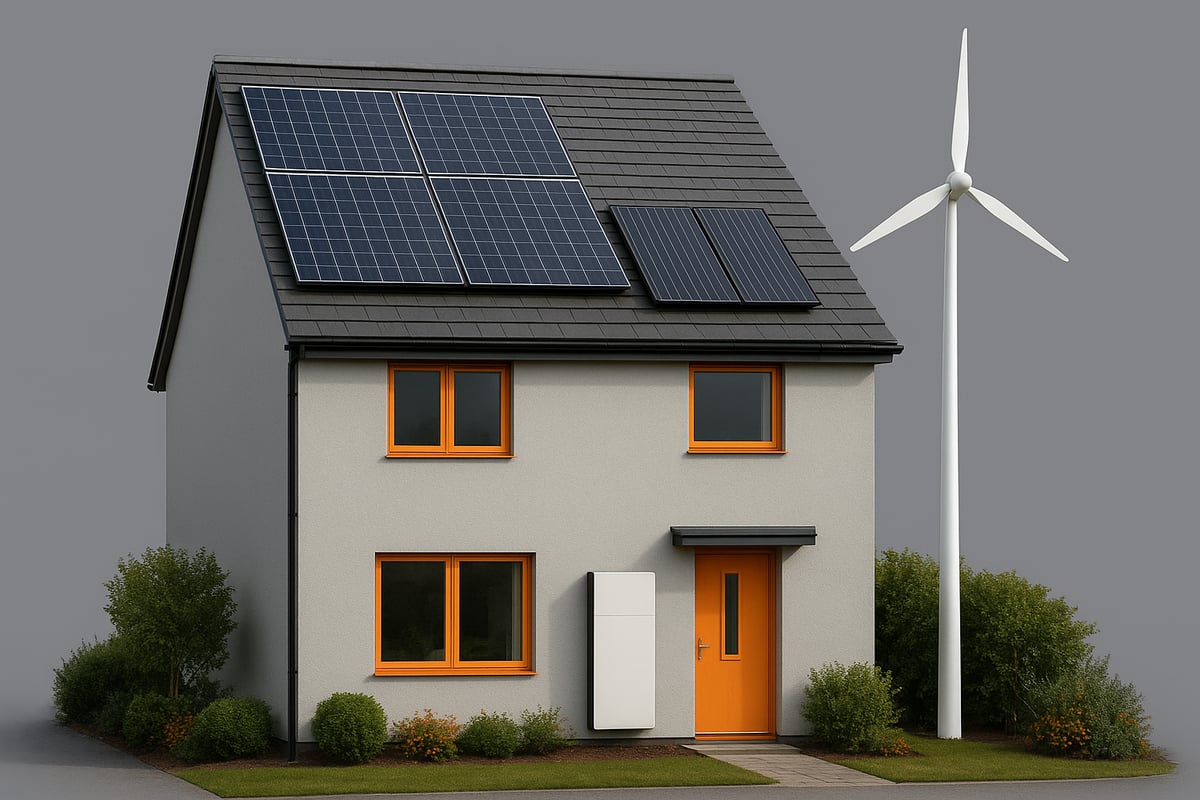
Switching to renewable sources is transforming how UK households approach heating and energy. As 2026 approaches, more homeowners are looking to solar, wind, and innovative solutions to cut bills, shrink carbon footprints, and future-proof their homes. Investing in renewables is no longer just an environmental choice but a practical step towards greater comfort and independence.
Solar Thermal and Solar PV for Heating and Power
Solar energy is a leading solution for sustainable heating and energy. Solar thermal panels capture the sun’s warmth to heat water, supplying up to 60% of a home’s hot water needs, according to the Energy Saving Trust. Photovoltaic (PV) panels convert sunlight into electricity, powering appliances and reducing reliance on the grid.
| Feature | Solar Thermal | Solar PV |
|---|---|---|
| Purpose | Heats water | Generates electricity |
| Savings | Up to 60% hot water needs | Reduces electricity bills |
| Integration | Works with hot water systems | Feeds into home/grid |
Both systems are increasingly affordable and can be combined for maximum heating and energy efficiency. For more insights into renewable heating upgrades, see Renewable Energy Heating Solutions.
Domestic Wind Turbines and Microgeneration
Domestic wind turbines offer an effective way to generate your own electricity, especially in rural or exposed locations. These systems harness wind power to supply part of a home’s heating and energy needs. Planning permission and installation requirements vary, so it is essential to assess local wind speeds and consult experts.
Microgeneration technologies, including small wind and hydro systems, can provide additional energy independence. While urban sites may have limited potential, rural homeowners often see a solid return on investment.
Battery Storage and Energy Independence
Battery storage is a game changer for renewable heating and energy. By storing excess power generated by solar or wind systems, homeowners can use clean energy during peak times or power outages. Modern batteries, such as the Tesla Powerwall, are now joined by UK-specific alternatives.
Key benefits include:
- Greater self-sufficiency
- Reduced reliance on the grid
- Lower peak-time costs
Battery storage helps smooth out supply and demand, making renewable heating and energy more practical year-round.
Government Incentives and Funding
The UK government supports renewable heating and energy adoption through grants and incentives. The Boiler Upgrade Scheme offers up to £5,000 towards heat pump installations. The Smart Export Guarantee allows homeowners to earn for exporting excess electricity to the grid, and reduced VAT rates apply to many green technologies.
Applying for these incentives often requires using accredited installers and meeting eligibility criteria. Government support makes efficient heating and energy systems more accessible for households.
Environmental Impact and Carbon Footprint Reduction
Embracing renewables significantly cuts emissions from home heating and energy use. Solar, wind, and biomass systems produce far less carbon than gas or oil. The UK’s net zero target for 2050 relies on widespread adoption of these technologies.
Switching to renewables can halve a household’s emissions. Improved insulation and efficient systems further boost performance, as detailed in the Energy efficiency of UK homes report.
Community and Shared Energy Initiatives
Community energy schemes are gaining popularity, helping residents pool resources for shared heating and energy infrastructure. Local co-ops and district heating projects allow groups to invest in larger-scale renewables, reducing costs and carbon impact for all members.
Collective purchasing and shared maintenance make these initiatives attractive. They foster a sense of ownership and empower communities to lead the way in sustainable heating and energy solutions.
Practical Steps to an Efficient Home: Your 2026 Action Plan
Creating a more efficient home is within reach if you take a structured approach. Follow these eight practical steps, and you will unlock the full potential of your heating and energy systems, lower your bills, and future-proof your property for years to come.
Step 1: Assess Your Current Energy Performance
Begin by understanding where your home stands today. An energy audit, whether DIY or conducted by a professional, will reveal inefficiencies and highlight both quick wins and major upgrades. Review your EPC rating, check for draughts, and analyse your heating and energy consumption patterns.
A professional assessment uses thermal imaging and advanced tools, but even a simple walkthrough can be revealing. Consult resources like the English Housing Survey 2022 to 2023: energy for benchmarks and common issues in UK homes.
| Quick Wins | Major Upgrades |
|---|---|
| Draught-proofing | New boiler/heat pump |
| LED lighting | Wall insulation |
| Smart thermostats | Solar panels |
Understanding your starting point is essential for effective heating and energy improvements.
Step 2: Insulate and Draught-Proof
Insulation is the foundation of efficient heating and energy use. Prioritise loft, cavity wall, and floor insulation to keep warmth in and bills down. Use draught excluders for windows and doors, and seal gaps around pipework.
Small steps, such as closing curtains at night, make a noticeable difference. Cavity wall insulation alone can save you up to £285 per year. Remember, every layer of insulation you add boosts your home's overall performance and enhances your heating and energy savings.
Step 3: Upgrade Heating and Hot Water Systems
Outdated systems drain money and energy. Replacing old boilers with A-rated condensing models or installing heat pumps can transform your heating and energy profile. Modern systems deliver more heat with less fuel, reducing both costs and emissions.
Pairing upgrades with smart controls multiplies the benefits. When planning, consider the compatibility of your new system with future technologies. Investing in efficient heating and energy solutions is one of the fastest ways to see a return.
Step 4: Embrace Smart Controls and Automation
Take control of your heating and energy use with smart thermostats, zoning systems, and automation. These technologies learn your routines, optimise schedules, and enable room-by-room control for tailored comfort.
Zoning is especially effective with underfloor heating. Learn more about the advantages in this detailed guide on Underfloor Heating Benefits and Design. With smart controls, automating heating and energy routines can cut bills significantly and ensure you never waste heat in unused spaces.
Step 5: Explore Renewable Energy Options
Investigate whether solar, wind, or biomass systems are suitable for your home. Solar thermal panels can meet up to 60% of hot water needs, while solar PV provides electricity and can be combined with battery storage for greater independence.
Apply for available grants and incentives to offset installation costs. By integrating renewables into your heating and energy strategy, you reduce reliance on fossil fuels and future-proof your property against rising prices.
Step 6: Engage Qualified Professionals
Quality installations are critical for safe, efficient heating and energy systems. Always use Gas Safe, MCS, or HETAS accredited installers. Get multiple quotes, check reviews, and ask about warranties and aftercare.
Professional expertise ensures compliance with regulations and maximises the performance of your chosen solutions. Avoid shortcuts, as poor installation can lead to costly repairs and diminished heating and energy efficiency.
Step 7: Monitor Progress and Adjust
Track your usage with smart meters and dedicated apps. Set clear savings goals and review your heating and energy consumption regularly. Making small adjustments, such as tweaking schedules or identifying underperforming equipment, can yield impressive results.
Households that actively monitor and respond to their data save up to 15% more each year. Consistent review keeps your heating and energy strategy on track.
Step 8: Stay Informed on Future Technologies
The heating and energy landscape evolves rapidly. Stay updated on trends like hydrogen-ready boilers, advanced home energy management systems, and community heat networks.
Future-proofing means you will be ready to adopt innovations as they become mainstream. Subscribe to trusted industry newsletters or follow government updates to ensure your home remains at the cutting edge of heating and energy efficiency.