

Ready to future-proof your skills as radiator fitters for 2025? The world of heating is changing rapidly, and the demand for energy-efficient, expertly installed radiators in UK homes and businesses is on the rise.
Upskilling is essential for radiator fitters to meet new standards and exceed customer expectations. This guide gives you clear, step-by-step advice for mastering installation and maintenance in the year ahead.
By following these essential steps, radiator fitters will ensure ongoing professional growth, higher customer satisfaction, and a competitive edge. Inside, you’ll find a comprehensive roadmap: from understanding regulations and market trends to mastering tools, troubleshooting, and growing your business. Let’s get started.
Understanding the 2025 Radiator Fitting Landscape
The radiator fitting industry is changing rapidly as we approach 2025. For radiator fitters, staying up to date with new regulations, evolving technologies, and customer expectations is essential. In this section, we break down the key trends and requirements shaping the profession, setting the stage for your future success.

Evolving Industry Standards and Regulations
From 2025, radiator fitters must comply with stricter energy efficiency and safety regulations across the UK. The Future Homes Standard is driving a pivot towards low-carbon heating, with new rules demanding higher performance from all installed radiators. Fitters must follow updated requirements, such as improved radiator controls and efficiency ratings, and maintain certifications like Gas Safe and Part L. For full details, see the UK energy efficiency regulations 2025. By 2030, 85% of UK homes are expected to upgrade their heating systems, making compliance a top priority.
Market Trends and Customer Expectations
Customers increasingly seek smart, energy-efficient heating solutions. Radiator fitters are seeing a surge in demand for designer, aluminium, and dual fuel radiators, reflecting a 40% rise in smart radiator installations since 2022. Homeowners value sustainability and long-term cost savings, often requesting eco-friendly options. Staying ahead in this market means offering products that blend performance, style, and digital control. Fitters who adapt quickly to these expectations can build strong client relationships and a competitive edge.
Essential Skills for Modern Radiator Fitters
To thrive in 2025, radiator fitters need a blend of technical and digital skills. Mastery of pipework, balancing, and valve installation is still vital. However, the ability to integrate smart thermostats and controls has become equally important. Strong communication and customer service skills are crucial for explaining choices and building trust. Upskilling in renewable systems, such as heat pumps, can open new opportunities. Training is widely available from organisations like CIPHE, ensuring fitters remain at the forefront of industry developments.
Tools and Technology Advancements
Modern radiator fitters rely on advanced tools for efficient, accurate installations. Digital gauges, pipe benders, and remote diagnostic apps are now standard kit. Building Information Modelling (BIM) streamlines project planning, while thermal imaging helps detect leaks and assess system performance. Investing in these new tools, and staying current with technology, enables fitters to offer faster, higher-quality service. Keeping your toolkit up to date is a simple step with lasting benefits.
Career Opportunities and Business Outlook
The outlook for radiator fitters in the UK is strong, with demand rising across residential, commercial, and retrofit markets. The Office for National Statistics predicts a 12% job growth for heating engineers by 2026. Opportunities exist for business expansion and specialisation, particularly for those embracing new technologies. Continuous learning and certification ensure fitters remain competitive. Those who adapt and invest in their skills will be best placed to serve clients and grow their businesses.
Step 1: Pre-Installation Assessment and Planning
Thorough pre-installation assessment is the cornerstone of success for radiator fitters in 2025. Proper planning ensures efficient, compliant installations that meet evolving customer expectations and regulatory standards.

Site Survey and Customer Consultation
Every radiator fitting project begins with a detailed site survey and open dialogue with the client. Radiator fitters assess the property’s layout, insulation, and existing heating system to understand the unique requirements of each space.
A clear checklist should include:
- Measuring room dimensions
- Identifying heat sources and potential cold spots
- Checking wall types and pipe accessibility
Discussing customer preferences, such as radiator style, finish, and budget, sets clear expectations. Transparent communication allows radiator fitters to flag any challenges early, such as complex pipework routing or restricted access. This proactive approach creates trust and paves the way for a smooth installation.
Heat Loss Calculations and Radiator Sizing
Accurate heat loss calculations are crucial for radiator fitters aiming to deliver comfort and efficiency. Each room should be evaluated separately, considering factors like window size, insulation levels, and room orientation.
Digital tools and online calculators simplify this process. Selecting radiators with the correct BTU (British Thermal Unit) rating is vital. Undersized units can result in cold spots and customer dissatisfaction, while oversized radiators may waste energy.
Compliance with building regulations ensures the system meets energy efficiency targets. Radiator fitters who master this step not only enhance system performance but also guarantee regulatory approval for their work.
Selecting the Right Radiator Type and Controls
Choosing suitable radiators and controls is a key decision for radiator fitters. Materials like aluminium, steel, and cast iron each offer distinct benefits. For example:
| Material | Benefits | Drawbacks |
|---|---|---|
| Aluminium | Rapid heat-up, lightweight | Less traditional look |
| Steel | Versatile, cost-effective | Slower to heat |
| Cast Iron | Retains heat well | Heavy, slow to heat |
Designer and smart radiators are increasingly popular, offering both aesthetics and advanced functionality. Integrating thermostatic radiator valves (TRVs) and smart controls ensures precise temperature management. Radiator fitters should always match radiator style to the property’s character for best results.
Preparing Tools, Materials, and Safety Equipment
Efficient preparation saves time and avoids costly delays for radiator fitters. Assemble all essential tools, including pipe benders, digital gauges, and pipe freezing kits, to streamline installation. Ensure every material complies with 2025 standards for safety and performance.
Personal protective equipment (PPE) such as gloves, goggles, and dust masks is mandatory. Conduct a thorough risk assessment before starting work. For a comprehensive guide on best practices and standards, refer to Professional radiator installations.
Pre-installation planning allows radiator fitters to anticipate site-specific hazards and address them proactively, enhancing both safety and efficiency.
Project Planning and Documentation
Detailed planning and accurate documentation set professional radiator fitters apart. Create a step-by-step installation plan with clear timelines. Record all customer requirements and compliance checks to ensure nothing is overlooked.
Coordinate with other trades, such as electricians or builders, to avoid project delays. Digital project management tools can help track tasks and progress efficiently. Example documentation for radiator fitters might include:
Customer Name: [Name]
Room Surveyed: [Date]
Radiator Type: [Aluminium/Steel/Other]
Compliance Checks: [Completed/Noted]
Project Timeline: [Start/End Dates]
Maintaining comprehensive records supports warranty claims, aftercare, and future servicing, ensuring ongoing client satisfaction and regulatory compliance.
Step 2: Radiator Installation Process
Embarking on a successful installation requires radiator fitters to follow a precise process, combining technical skill with up-to-date methods. Each stage, from system preparation to customer handover, directly impacts system performance and client satisfaction. For those looking to refine their approach, reviewing central heating installation guidance can provide extra insights relevant to 2025 standards.
System Drain Down and Preparation
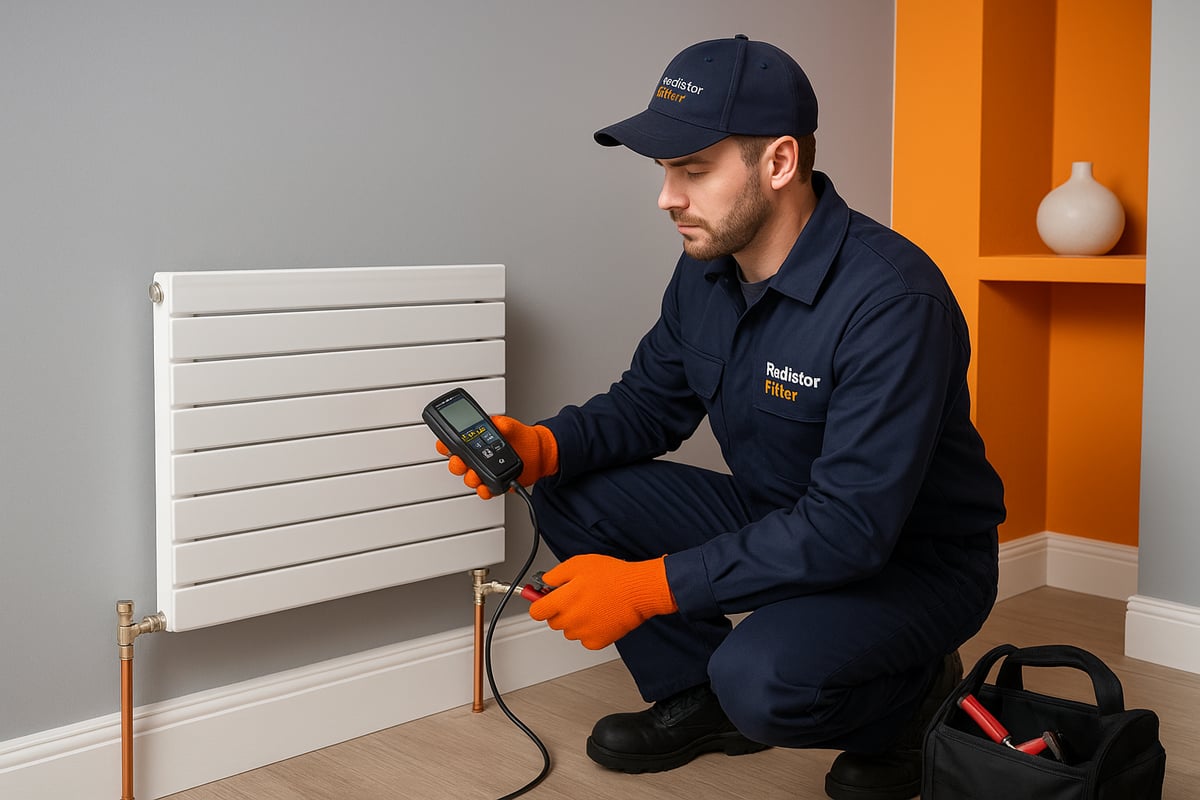
Before starting, radiator fitters must ensure the heating system is safely isolated. This means turning off the boiler and shutting valves to prevent accidental leaks. Next, carefully drain the system, using a hose or drain-off point, and protect floors and furnishings with dust sheets or waterproof covers.
It is essential to flush existing pipework to remove sludge or debris, which can reduce efficiency. Many radiator fitters now use magnetic filters during this step to capture particles and prolong system life. Old radiators should be removed and disposed of responsibly, following environmental guidelines.
Preparation lays the foundation for a smooth installation, so double-check all valves and connections before continuing.
Marking, Mounting, and Pipework Adaptation
Accurate measurement is crucial for radiator fitters at this stage. Use a spirit level and tape measure to mark bracket positions, ensuring the new radiator will be straight and at the correct height. Different wall types require specific fixings: use heavy-duty plugs for solid walls and specialist anchors for stud partitions.
If the radiator is moving location, adapt the pipework with precision. Radiator fitters should always measure twice before cutting or bending pipes. When working with copper or plastic, ensure pipe runs are neat and avoid tight bends that could restrict flow.
Proper mounting and alignment ensure not only a professional look but also optimal heat output.
Connecting Radiators and Fittings
With the radiator mounted, radiator fitters move on to attaching valves, thermostatic radiator valves (TRVs), and bleed valves. Always apply PTFE tape or appropriate jointing compound to threaded connections to avoid leaks.
Choose between compression fittings or modern push-fit systems, ensuring every joint is secure. A common mistake is incorrect valve orientation, which can affect performance. Radiator fitters should double-check manufacturer instructions for each component.
Take time to inspect all fittings before proceeding to the next stage, as early attention prevents future issues.
Filling, Bleeding, and Balancing the System
Once connections are secure, radiator fitters refill the system slowly, monitoring for leaks at every joint. Bleed each radiator using a bleed key, releasing trapped air to ensure even heating.
Balancing the system is next. This means adjusting each radiator’s lockshield valve so all rooms heat up evenly. Digital manometers can assist with accurate pressure checks, while inhibitor dosing helps protect the system from corrosion.
System longevity and comfort depend on thorough bleeding and balancing, so do not rush these steps.
Integrating Smart Controls and Commissioning
Modern radiator fitters must be confident with smart controls. Install smart thermostats and TRVs, following wiring diagrams and connectivity instructions. Link devices to home automation platforms such as Google Home, and test remote access features.
Demonstrate the smart controls to the customer, highlighting benefits like zoned heating and energy savings. Record all commissioning data, including pressure readings and device settings, for compliance.
This step showcases the technical expertise of radiator fitters and sets the standard for future-ready installations.
Post-Installation Checks and Customer Handover
The final stage involves a full system walkthrough. Radiator fitters should check for leaks, confirm correct operation of all controls, and ensure radiators heat up as intended. Provide the customer with user manuals, maintenance tips, and details of compliance certificates.
Complete customer sign-off forms and gather feedback for continuous improvement. Offer aftercare services and set up reminders for future maintenance.
A thorough handover builds trust and ensures radiator fitters maintain a reputation for quality and professionalism.
Step 3: Troubleshooting and Common Installation Challenges
Modern radiator fitters must be ready to tackle a range of installation issues to ensure high standards and customer satisfaction. Effective troubleshooting is a vital skill for every professional, given the increasing complexity of heating systems in 2025.
Identifying and Resolving Leaks
Leaks are a common challenge for radiator fitters, often occurring at pipe joints, valves, or connectors. Spotting leaks early prevents water damage and customer dissatisfaction. Use leak detection spray and pressure testing equipment to identify problem areas quickly.
Once a leak is found, isolate the system and carefully inspect each joint. Tighten connections, replace faulty washers, and apply PTFE tape where necessary. In some cases, a full drain down may be required for a lasting repair. Always communicate findings and solutions to the customer, ensuring transparency throughout the process.
For further advice on specific leak scenarios and repair solutions, consult this Radiator repair and troubleshooting resource for radiator fitters.
Addressing Cold Spots and Poor Circulation
Cold spots or uneven heating signal circulation issues, often caused by airlocks, sludge buildup, or improper balancing. Radiator fitters should start by checking for trapped air and bleeding each radiator systematically.
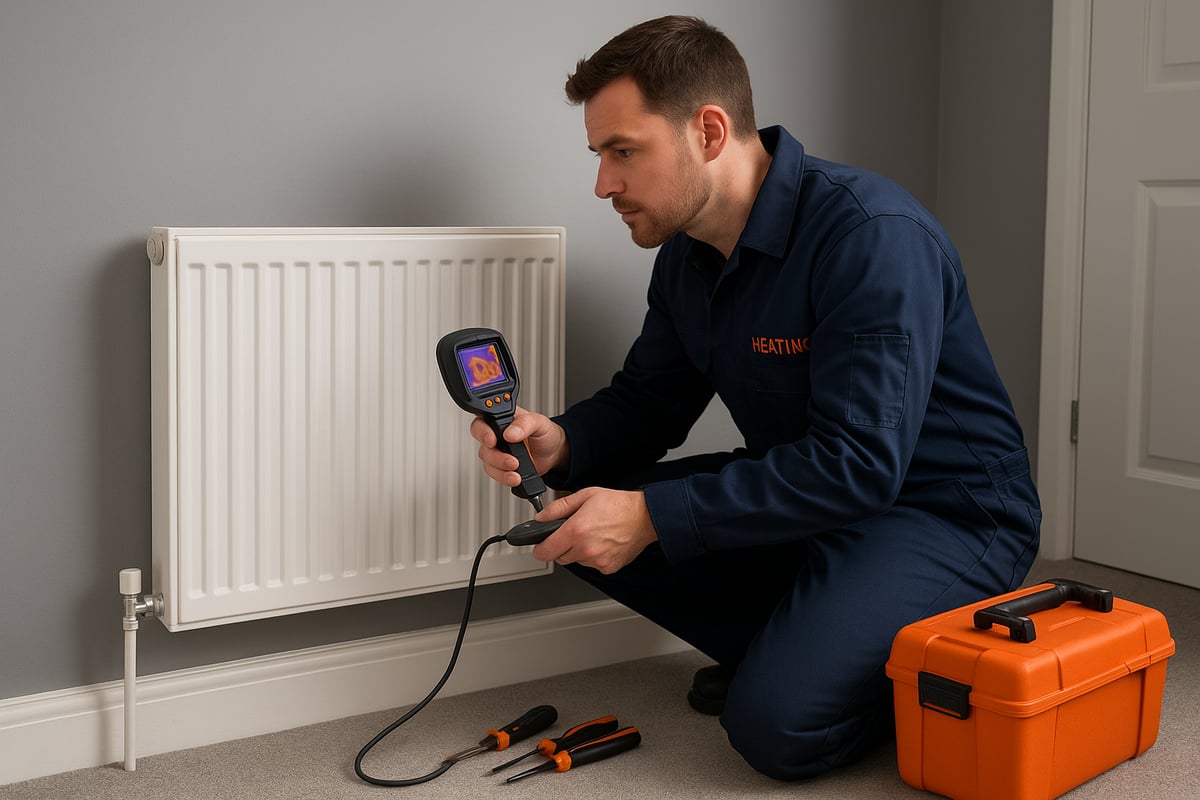
If cold areas persist, consider power flushing the system to remove sludge and debris. Use thermal imaging devices to pinpoint cold radiators and confirm successful repairs. Balancing the system by adjusting lockshield valves ensures even distribution of heat.
Educate clients about routine maintenance, such as annual bleeding and inhibitor dosing, to keep systems performing efficiently.
Dealing with Noisy Radiators and Pipework
Unusual noises like banging, ticking, or gurgling can indicate trapped air, loose brackets, or flow rate issues. Radiator fitters should first bleed the affected radiators to remove air pockets.
Secure all pipework and radiator brackets to reduce vibrations and rattling. If noise continues, adjust the pump speed or check for excessive water velocity. Persistent issues may require a professional inspection of the pump or system layout.
Preventative measures, such as correct mounting and regular maintenance, help minimise noise in future installations.
Smart Control and Connectivity Issues
With the rise of smart thermostats and TRVs, radiator fitters must be adept at troubleshooting digital and wireless controls. Connectivity issues can stem from weak Wi-Fi signals, outdated firmware, or compatibility problems with older boilers.
Start by verifying device setup and network strength. Update firmware on smart devices and check manufacturer compatibility lists. Instruct customers on resetting and pairing procedures to resolve most connectivity problems.
Providing clear user guides and support ensures clients make full use of their smart heating investments.
Managing Unexpected Site Challenges
Every installation site presents unique obstacles, from hidden pipework to restricted access. Radiator fitters must be creative and flexible when faced with these situations.
Use inspection cameras to locate concealed pipes and plan alternative routing if needed. Custom-fabricate pipework on-site to accommodate awkward layouts. Always document any deviations from the original plan for future reference and warranty claims.
Being adaptable and solution-focused helps radiator fitters maintain professionalism and deliver successful outcomes, even in complex scenarios.
Step 4: Compliance, Certification, and Aftercare
Staying compliant is non-negotiable for radiator fitters as we head into 2025. Evolving regulations and higher customer expectations make it essential to keep up with industry standards, documentation, and ongoing development. This section guides radiator fitters through the critical steps for compliance, certification, and aftercare, ensuring every installation is above board and future-ready.
Meeting 2025 Regulatory Requirements
Strict new regulations are shaping the future for radiator fitters. To operate legally in 2025, fitters must hold mandatory certifications such as Gas Safe and demonstrate compliance with Part L of the Building Regulations. Adhering to the Future Homes Standard 2025 is also crucial, as it sets higher efficiency benchmarks for all heating installations.
Radiator fitters must document every project, including Building Regulations notifications and proof of compliance. Penalties for non-compliance can be severe, so it's wise to stay updated with any changes in local or national requirements. Ongoing training and regular reviews of regulatory updates help radiator fitters avoid costly mistakes and maintain a professional reputation.
Issuing Certificates and Customer Documentation
Proper documentation is a cornerstone of professional radiator fitters' workflows. After installation, fitters should provide clear, organised records such as installation certificates, commissioning reports, and warranty documents. Many radiator fitters now use digital handover packs, which streamline record-keeping and make it easier to explain system details to customers.
Digital certificates are increasingly popular, supporting both regulatory needs and customer convenience. Clear documentation is vital for insurance claims, future servicing, and even property resale value. Radiator fitters who prioritise thorough paperwork inspire confidence and reduce the risk of disputes or compliance issues.
Aftercare, Servicing, and Maintenance Contracts
Offering comprehensive aftercare is a mark of quality for radiator fitters. Annual servicing and maintenance contracts help ensure that heating systems run efficiently and reliably long after installation. Routine checks can include pressure testing, inhibitor dosing, and smart control updates.
Many radiator fitters send digital service reminders, which encourage customers to book regular checks. Upselling aftercare packages not only builds customer loyalty but also creates a steady revenue stream. Efficient handling of warranty claims and repairs further enhances the reputation of radiator fitters in a competitive market.
Continuing Professional Development (CPD)
Ongoing learning is essential for radiator fitters to keep pace with changing standards and new technology. CPD opportunities are available through organisations such as CIPHE and NICEIC, as well as manufacturers offering training in smart controls and renewable heating systems.
For 2025, radiator fitters must meet specific CPD requirements to stay compliant and competitive. Networking at trade shows, participating in online courses, and engaging with industry peers all contribute to professional growth. Staying ahead with the latest techniques ensures radiator fitters remain trusted experts in an evolving industry.
Step 5: Growing Your Radiator Fitting Business in 2025
In 2025, radiator fitters face a competitive and rapidly evolving marketplace. Success depends on more than technical know-how. Forward-thinking professionals must build trust, master digital marketing, offer flexible solutions, and keep skills ahead of industry trends. These steps will help radiator fitters secure more work, delight clients, and future-proof their businesses.
Building a Strong Reputation and Customer Base
For radiator fitters, reputation is everything. Positive reviews and word-of-mouth can quickly boost visibility in local communities. Encourage customers to leave feedback on Google Reviews and Trustpilot, as these platforms matter when new clients are choosing a service provider.
Offer referral programmes to reward loyal clients for recommending your business. Consistency in delivering high-quality workmanship ensures every project contributes to a strong reputation. Building trust through transparent communication and reliable aftercare keeps radiator fitters top-of-mind for future work.
Embracing Digital Marketing and Online Presence
A strong online presence is vital for radiator fitters in 2025. Start with a professional website that showcases your skills, accreditations, and completed projects. Use SEO best practices to appear in local searches for radiator fitters and related services.
Share your expertise by blogging about heating topics and case studies. For inspiration, see these plumbing and central heating tips. Active social media profiles and targeted online ads help attract new clients, especially during seasonal promotions. Ensure your website is mobile-friendly to make booking straightforward for all customers.
Offering Flexible Finance and Payment Solutions
Modern customers expect radiator fitters to provide flexible payment options. Offering 0% finance or monthly repayment plans can make large projects more accessible. Partner with reputable finance providers to streamline the process and promote these options in your marketing materials.
Flexible payments increase conversion rates and help radiator fitters secure more work. Clearly explain all finance terms so customers feel confident and informed at every stage. Adapting to customer needs with hassle-free payment choices sets your business apart from competitors.
Diversifying Services and Upskilling
To stay ahead, radiator fitters should look beyond traditional installations. Expanding into smart home integration, underfloor heating, and renewable systems like heat pumps can open new revenue streams. Training in low-carbon technologies supports compliance with initiatives such as the Heat and Buildings Strategy.
Collaborate with other trades for bundled services and keep upskilling through accredited courses. By future-proofing your skills and offering a wider range of solutions, radiator fitters ensure their businesses remain resilient and in demand as the market evolves.