
Properly plumbing a boiler is more crucial than ever as we move into 2025. With growing demands for energy efficiency, safety, and legal compliance, homeowners and professionals must stay ahead of evolving regulations and technology. Meeting these standards not only protects your property but also delivers real benefits, including lower energy bills, fewer breakdowns, and greater peace of mind. This article shares seven essential tips for plumbing a boiler, offering clear, actionable advice to help you achieve a successful installation or upgrade that stands the test of time.
Understanding 2025 Boiler Regulations and Compliance
Navigating the landscape of plumbing a boiler in 2025 requires a clear understanding of the latest UK regulations and how they impact both homeowners and professionals. As rules evolve to support energy efficiency and environmental goals, staying compliant is essential for safe, legal, and future-proof installations.
Navigating New Boiler Standards
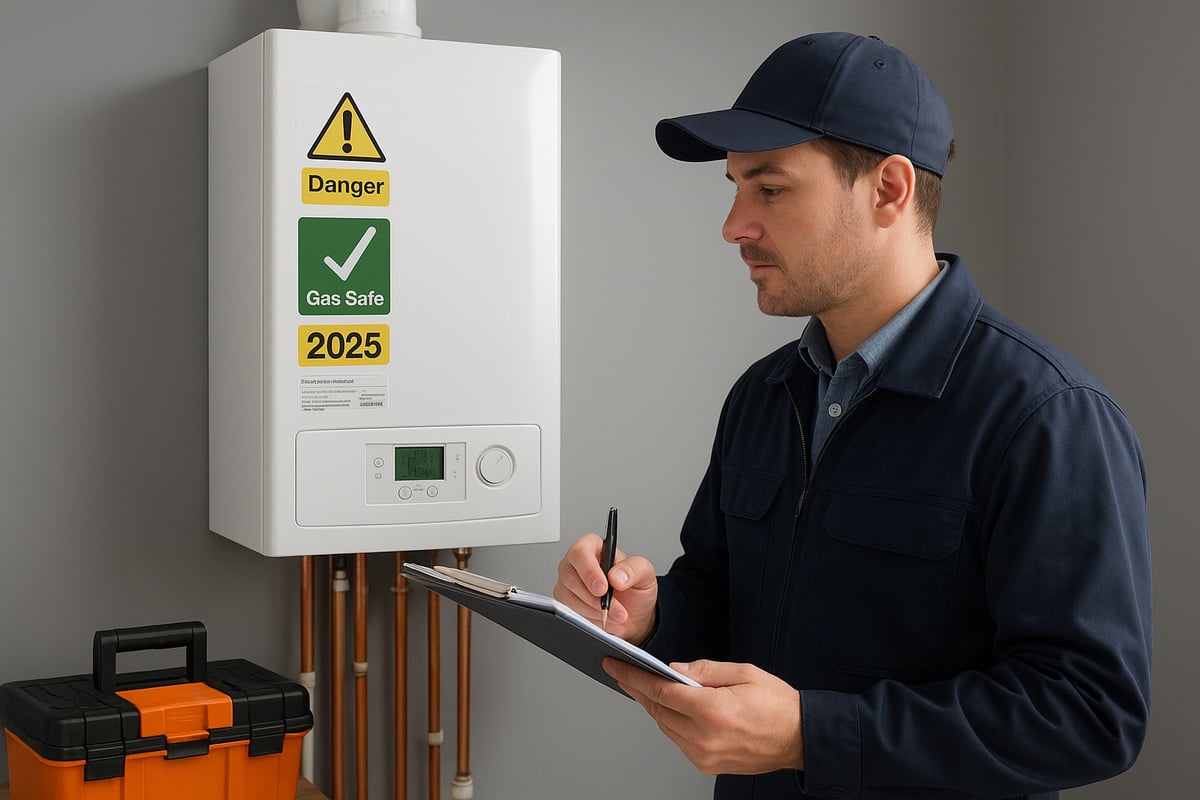
In 2025, UK regulations for plumbing a boiler are set to become more stringent, reflecting the push for sustainable heating. Anticipated changes will include updates to Building Regulations Part L, which focus on improving energy efficiency in both new builds and retrofits. Installers must now ensure all work aligns with these rules, which cover insulation, system design, and emissions.
Certification is vital. Only professionals with Gas Safe (for gas) or OFTEC (for oil) credentials are legally permitted to carry out plumbing a boiler in domestic properties. This ensures installations meet safety and quality standards, reducing risks such as gas leaks or carbon monoxide exposure.
Eco-friendly legislation is shaping the market, with requirements for low-carbon solutions and hydrogen-ready boilers gaining traction. Non-compliance can result in fines, legal action, or even voided insurance. For example, properties with non-compliant work have faced penalties of up to £5,000, whereas compliant homes benefit from lower running costs and improved safety.
Recent data shows that around 15% of UK boilers fail safety checks due to poor installation practices. To avoid these pitfalls, it is essential to keep up with the latest standards. Resources like the Future Homes Standard & Building Regulations & Changes 2025 provide timely updates and practical guidance for navigating new compliance requirements.
Choosing the Right Boiler for Your Property
Selecting the appropriate boiler is a critical part of plumbing a boiler, with several types available to suit different needs. Combi boilers are ideal for smaller homes, offering hot water on demand without a separate tank. System boilers are better for properties with higher hot water demand, while heat-only models suit larger homes with traditional heating setups.
Fuel source is another key consideration. Options include gas, oil, LPG, electric, and emerging hydrogen-ready models. Each has benefits and limitations regarding cost, efficiency, and environmental impact. For instance, hydrogen-ready boilers are future-proof, preparing homeowners for upcoming energy transitions.
When plumbing a boiler, consider factors such as property size, insulation, and daily hot water usage. Efficient boilers can reduce energy bills and carbon footprint significantly. The table below summarises the typical differences in cost and efficiency:
| Boiler Type | Best For | Efficiency | Estimated Annual Savings |
|---|---|---|---|
| Combi | Small homes | High | £200 |
| System | Medium/large | High | £250 |
| Heat-only | Large/traditional | Moderate | £150 |
| Hydrogen-ready | All sizes | High | £250+ |
Upgrading to an energy-efficient model can save the average household up to 20% on heating costs per year. By aligning your choice with property needs, you make plumbing a boiler both compliant and cost-effective.
7 Essential Tips for Plumbing a Boiler in 2025
Thinking about plumbing a boiler in 2025? The process is more advanced and regulated than ever before. With new technologies, changing standards, and rising expectations for energy efficiency, getting it right is crucial. Here are seven essential tips to help you achieve a safe, compliant, and future-proof boiler installation.
1. Plan Your Boiler Location Strategically
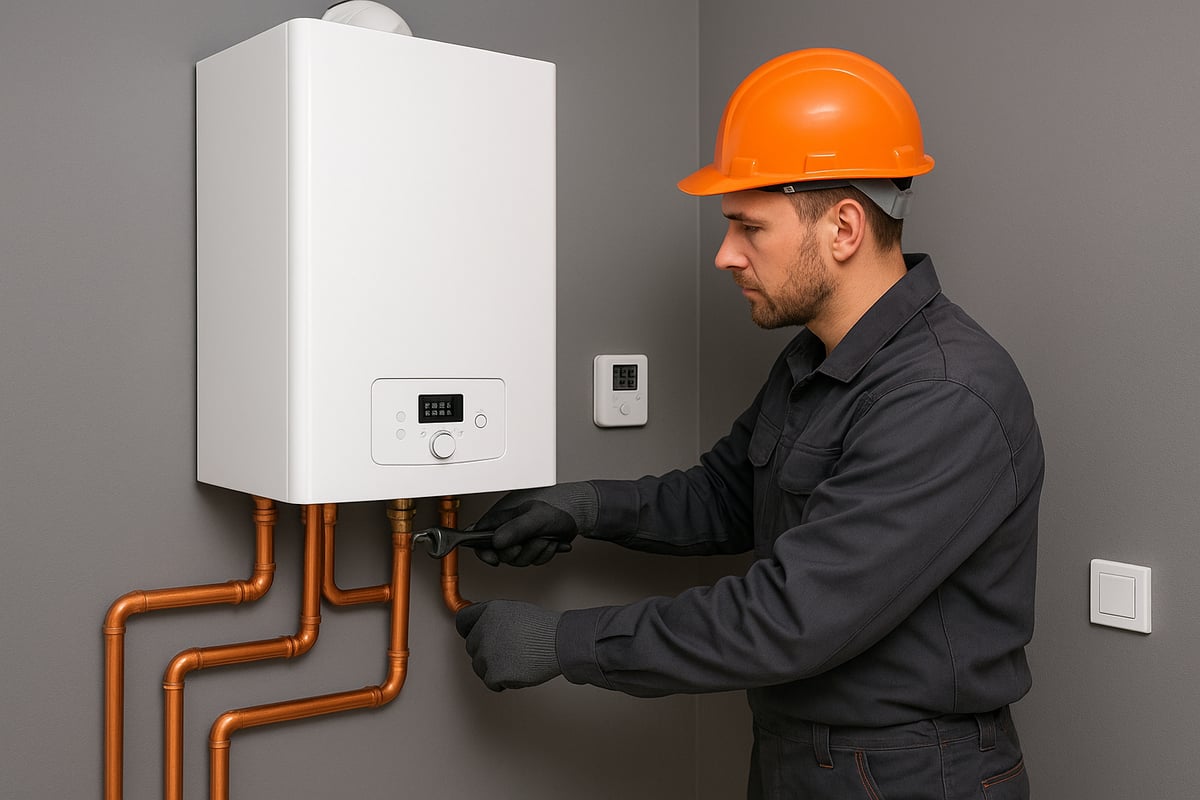
The first step in plumbing a boiler is choosing the optimal location. Regulations in 2025 require that boilers be installed in accessible, well-ventilated spots that ensure safety and ease of maintenance. Think about the proximity to external walls for flue placement, as well as clearances for servicing and repairs.
Common installation sites include kitchen cupboards, lofts, garages, and utility rooms. Each has its benefits, but you must consider ventilation, noise, and accessibility. For example:
- Kitchen cupboards can save space but must allow for adequate airflow.
- Lofts offer discreet placement but may complicate maintenance.
- Garages provide isolation from living areas but may need extra insulation.
Noise, leaks, and difficult servicing are frequent problems when plumbing a boiler in a poorly chosen spot. In fact, a survey of UK homeowners found that satisfaction rates are highest when the boiler is placed in a utility room or kitchen, with over 85% reporting ease of access and reduced noise.
Here’s a quick comparison:
| Location | Satisfaction Rate (%) | Common Issues |
|---|---|---|
| Utility Room | 88 | Minimal |
| Kitchen Cupboard | 82 | Ventilation |
| Loft | 67 | Access, freezing |
| Garage | 72 | Insulation |
By planning your boiler location strategically, you not only comply with regulations but also improve daily comfort and reduce long-term maintenance headaches. Always consult local codes before plumbing a boiler to ensure full compliance.
2. Ensure Proper System Balancing
A balanced central heating system is essential for even heat distribution. When plumbing a boiler, system balancing ensures every radiator receives the right amount of hot water, preventing cold spots and noisy pipes.
Start by bleeding all radiators to remove trapped air. Next, adjust lockshield valves on each radiator, using a differential thermometer to measure temperature drops across the circuit. This step is crucial in plumbing a boiler for consistent warmth and lower energy bills.
Signs of an unbalanced system include:
- Radiators heating unevenly
- Persistent cold spots
- Unusual pipe noises
A well-balanced system can reduce heating costs by up to 15%, according to industry data. If you notice any of the above symptoms after plumbing a boiler, revisit the balancing process to optimise comfort and efficiency.
Professional installers often use advanced tools for balancing, but homeowners can follow simple steps:
- Bleed all radiators.
- Adjust lockshield valves gradually.
- Monitor temperature differences.
- Repeat until heat is evenly distributed.
Effective system balancing is a hallmark of quality when plumbing a boiler. Make it a priority during installation and after any major changes.
3. Use High-Quality Materials and Components
The longevity and safety of your heating system depend on the materials used when plumbing a boiler. Always choose WRAS-approved pipes, fittings, and valves to guarantee compliance and water safety. High-quality materials such as copper, PEX, and stainless steel are recommended for their corrosion resistance and durability.
Consider installing the following components:
- Magnetic filters to capture sludge and debris
- Pressure relief valves for safety
- Expansion vessels to accommodate system pressure changes
Using substandard parts can lead to early failures and costly repairs. For example, poorly manufactured valves may leak or clog, while cheap pipes are prone to corrosion. Industry studies show that premium materials can increase the average boiler system lifespan by 30%, making them a sound investment when plumbing a boiler.
Below is a quick reference:
| Material | Corrosion Resistance | Typical Lifespan (years) |
|---|---|---|
| Copper | High | 25–40 |
| PEX | Moderate | 20–30 |
| Stainless Steel | Very High | 30–50 |
Prioritise quality at every stage of plumbing a boiler to minimise breakdowns and ensure safe, long-term performance.
4. Prioritise Water Pressure and Flow Rate
Water pressure is a critical factor in plumbing a boiler. Most modern boilers require a pressure of 1–1.5 bar for optimal operation. Too low, and your radiators will struggle to heat up. Too high, and you risk leaks or system damage.
To maintain correct pressure:
- Regularly check the pressure gauge on your boiler.
- Top up the system if the pressure drops below 1 bar.
- Investigate leaks or faulty pressure relief valves promptly.
Diagnosing pressure loss is a key skill when plumbing a boiler. Common causes include leaks in pipework, a faulty expansion vessel, or air trapped in the system. If pressure drops steadily, inspect all visible joints and radiators for signs of moisture.
Did you know that over 25% of boiler callouts in the UK are related to pressure issues? Proper management can prevent many breakdowns and maintain heating efficiency.
For optimal results, record pressure readings during and after plumbing a boiler. This proactive approach helps spot problems early and keeps your system running smoothly.
5. Integrate Smart Controls and Future-Proofing
Modern homes demand more than just basic heating. When plumbing a boiler in 2025, integrating smart controls is vital for energy savings and future readiness. Smart thermostats and zoning systems allow precise temperature control, often via smartphone apps or voice assistants.
Ensure any controls you install are compatible with your boiler’s make, model, and Wi-Fi connectivity. This is especially important as hydrogen-ready and low-carbon boilers become more common. Future-proofing your system now can save costly upgrades later.
Benefits of smart controls include:
- Up to 20% reduction in energy bills
- Remote scheduling and monitoring
- Customised heating zones for different rooms
Home automation systems have proven to enhance comfort and efficiency. For example, a family in Manchester reported saving over £200 annually by upgrading to a smart thermostat as part of plumbing a boiler upgrade.
Energy savings from smart controls contribute to sustainability goals and reduced carbon footprints. Always check compatibility and consider future energy sources when plumbing a boiler for the next decade.
6. Schedule Regular Maintenance and Servicing
Regular maintenance is essential for safe, efficient boiler operation and to comply with warranty requirements. Annual servicing by a qualified professional should include system flushing, checking seals, and testing all safety devices.
A common oversight when plumbing a boiler is neglecting the first annual service. This can void warranties and increase breakdown risk. Tasks to include are:
- Flushing the central heating system to remove sludge and debris (see this central heating system flush guide for detailed steps)
- Inspecting seals and joints for leaks
- Checking safety valves and controls for correct operation
Boilers with regular servicing have a 60% lower breakdown rate compared to those without. Always use a Gas Safe or OFTEC registered engineer for servicing after plumbing a boiler.
Keep a log of all maintenance to demonstrate compliance and protect your investment. Preventative care is the best way to avoid costly repairs and ensure safe, reliable heating.
7. Document and Register Your Installation
After plumbing a boiler, it is vital to document every aspect of the installation. Register your boiler with local authorities as required by law in 2025. Keep all installation certificates, warranty documents, and manuals in a safe place.
Provide homeowners with a clear set of service records. Missing documentation can cause significant issues during property sales. In fact, up to 30% of delayed sales in the UK are linked to missing boiler paperwork.
Always check that:
- The installation is registered within the required timeframe
- All manuals and certificates are provided to the property owner
- Service records are kept up to date
Proper documentation is the final, crucial step in plumbing a boiler. It protects both the installer and the homeowner, ensuring legal compliance and peace of mind.
Common Mistakes to Avoid When Plumbing a Boiler
Avoiding common errors is crucial for anyone involved in plumbing a boiler, whether you are a homeowner or a professional installer. Overlooking best practices can result in inefficiency, costly repairs, or even safety hazards. Let us explore the most frequent pitfalls and how to sidestep them.
Frequent Mistakes When Plumbing a Boiler
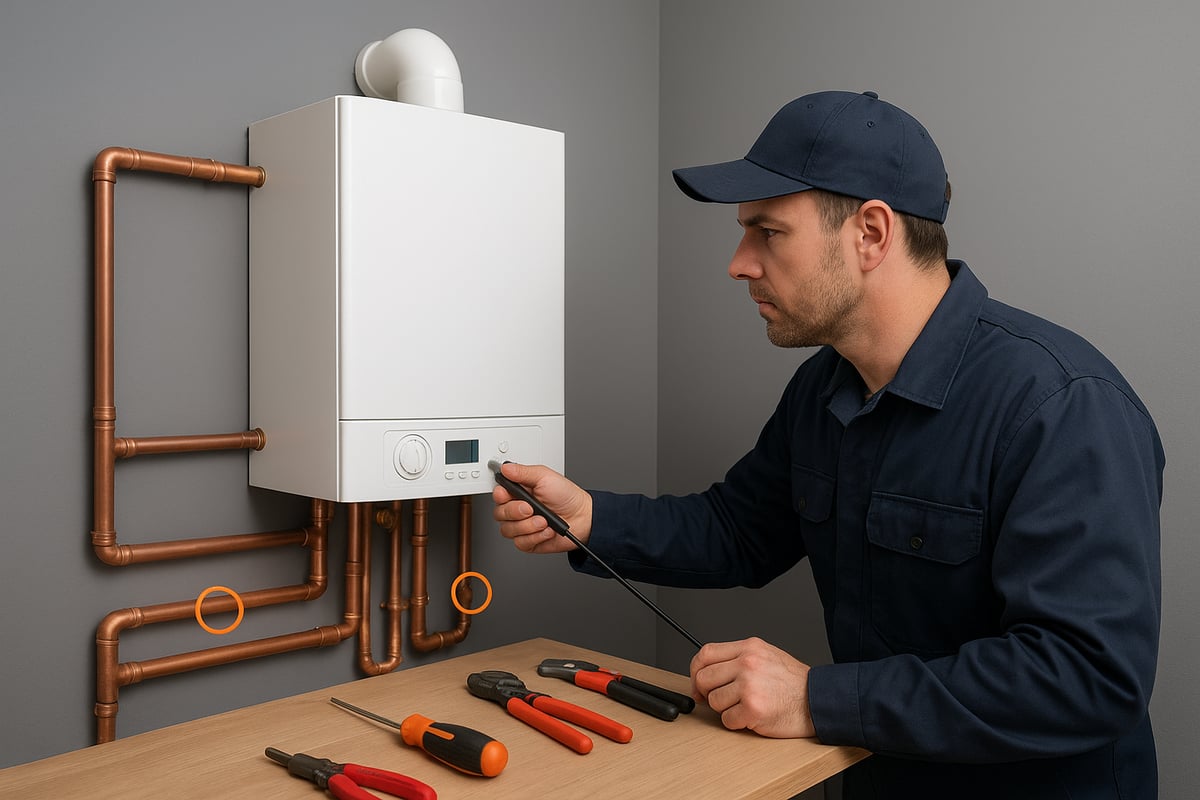
When plumbing a boiler, some errors crop up time and again:
- Using pipes that are too narrow or made from unsuitable materials, which restricts flow and reduces efficiency.
- Skipping the crucial step of flushing the system, allowing sludge and debris to build up.
- Forgetting to insulate pipes, leading to heat loss and condensation issues.
- Failing to ensure the flue is correctly terminated, risking dangerous emissions and non-compliance.
- Not pressure-testing the system for leaks after installation, increasing the risk of water damage.
Each of these mistakes can compromise the performance and longevity of your system. Paying attention to detail at every step is essential for safe, efficient plumbing a boiler.
Real-World Example: Costly Oversight
Consider a recent case where a homeowner experienced repeated breakdowns after plumbing a boiler. The culprit was an unflushed system, causing sludge to clog the heat exchanger. The repair required a full power flush and replacement parts, costing hundreds of pounds. Had the system been properly flushed initially, these expenses and inconvenience could have been avoided.
Most Reported Installation Errors
Heating engineers across the UK report that the most common mistakes in plumbing a boiler involve pipe sizing, inadequate flushing, and poorly fitted flues. According to industry data, over 40% of post-installation callouts are linked to errors made during the original installation.
To prevent these issues, always follow professional guidance and refer to Plumbing and central heating advice for up-to-date best practices. By focusing on quality and compliance from the outset, you can ensure your plumbing a boiler project runs smoothly and safely.
Cost Considerations and Financing Options for Boiler Plumbing in 2025
Understanding the financial side of plumbing a boiler in 2025 is crucial for homeowners and professionals alike. With evolving regulations and advanced technologies, budgeting for a new boiler installation is more important than ever. Careful planning ensures you get the best value and long-term efficiency from your investment in plumbing a boiler.

Typical Costs and What Influences Them
The cost of plumbing a boiler in 2025 will typically range from £2,000 to £4,500, depending on several factors. These include the boiler type (combi, system, heat-only), complexity of the installation, material quality, and property location. Below is a summary:
| Boiler Type | Average Cost (Installed) | Typical Monthly Repayment (0% finance, 36 months) |
|---|---|---|
| Combi | £2,000 – £3,000 | £55 – £83 |
| System | £2,500 – £3,800 | £69 – £106 |
| Heat-only | £2,700 – £4,500 | £75 – £125 |
Other factors, such as the need for pipework upgrades or smart controls, can also impact the final price when plumbing a boiler.
Financing Options for Boiler Plumbing in 2025
To make plumbing a boiler more affordable, a range of financing solutions are available in 2025. Many installers offer interest-free credit or low-interest payment plans, allowing you to spread the cost over up to three years. Government grants and energy company schemes may also provide support, especially for energy-efficient upgrades. Taking advantage of these options can help you manage upfront costs without compromising on quality.
For more guidance on installation choices and maximising your investment, see these central heating installation tips.
Frequently Asked Questions About Boiler Plumbing
Thinking about plumbing a boiler in your home? Here are answers to the questions we hear most from UK homeowners.
How long does a new boiler last?
Most modern boilers last 10 to 15 years with regular servicing. Maintaining water quality is key for longevity. Learn more about water quality in heating systems.
What are the running costs and maintenance needs?
Efficient boilers lower bills and need annual professional checks. Schedule yearly servicing to keep your system safe and efficient.
Can I install my own boiler?
DIY plumbing a boiler is not recommended by law. Always use a Gas Safe or OFTEC registered installer for safety and compliance.
How do I choose a reliable installer?
Ask for credentials, check reviews, and confirm certification. This protects your investment and ensures legal compliance.
Are there any common myths to avoid?
Yes, for example, it is a myth that all boilers work the same way in every home. Your property’s needs and system design matter.