
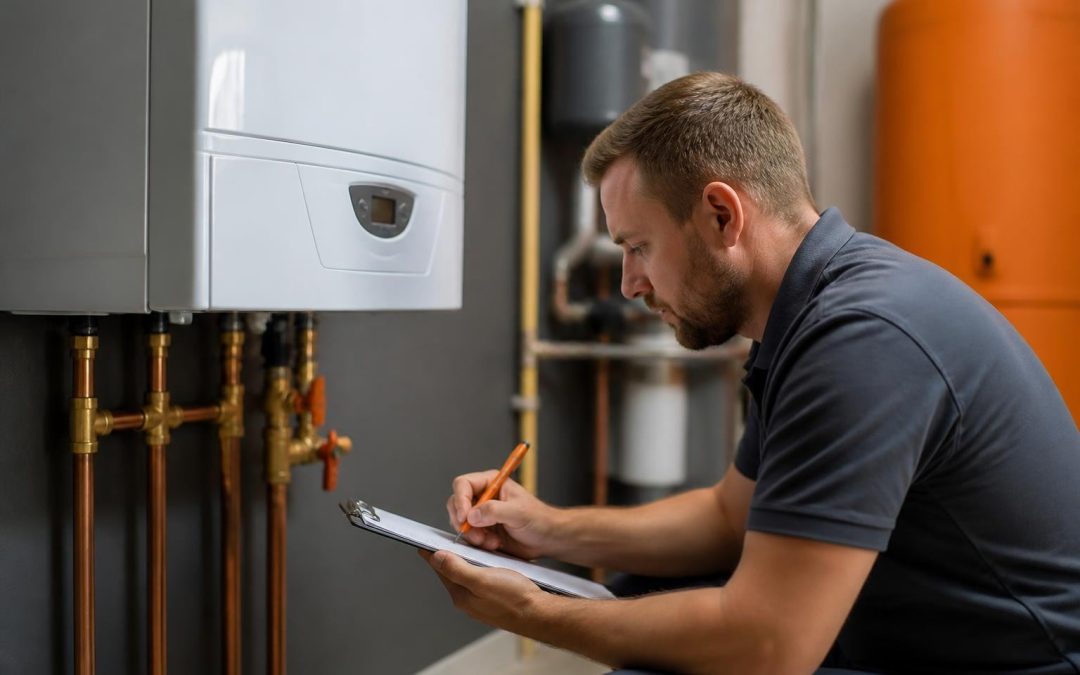
Selecting the right professional to install your heating system is one of the most important decisions you'll make for your home. The best boiler installers bring not only technical expertise but also a commitment to safety, efficiency, and long-term reliability. With energy costs continuing to rise and modern boilers becoming increasingly sophisticated, the quality of installation directly impacts your comfort, running costs, and even your property's value. This comprehensive guide explores what sets exceptional installers apart and how to make an informed choice for your home heating needs.
What Defines the Best Boiler Installers
Quality installers distinguish themselves through a combination of formal qualifications, practical experience, and professional standards. The foundation of competent boiler installation work lies in proper certification and ongoing training.
Essential Qualifications and Certifications
Gas Safe registration stands as the absolute minimum requirement for anyone working with gas boilers in the UK. This legal obligation ensures that installers have demonstrated competence in handling gas appliances safely. However, the best boiler installers go beyond this baseline requirement.
Key credentials to verify include:
- Current Gas Safe registration with specific categories for boiler work
- Manufacturer accreditation for major boiler brands
- OFTEC registration for oil boiler installations
- NVQ Level 3 qualifications in plumbing and heating
- Membership in professional bodies such as CIPHE or APHC
Manufacturer training programmes provide installers with detailed knowledge of specific boiler models. This expertise proves invaluable when diagnosing issues, optimising performance, or claiming warranty coverage. Many leading brands maintain networks of approved installers who have completed rigorous product-specific training.

Experience Across Different Systems
Modern heating technology encompasses far more than traditional gas boilers. The landscape includes condensing boilers, system boilers, combi boilers, heat pumps, and biomass systems. Experienced installers understand the nuances of each technology and can recommend the most suitable option for your property.
| System Type | Best Applications | Installer Expertise Required |
|---|---|---|
| Combi Boilers | Smaller homes, flats | Gas Safe, manufacturer training |
| System Boilers | Medium to large homes | Unvented cylinder certification |
| Heat Pumps | High-efficiency retrofits | MCS certification, heat loss calculations |
| Biomass Systems | Rural properties, eco-focused | OFTEC/HETAS registration, renewable energy knowledge |
The ability to assess your property's specific requirements separates competent installers from exceptional ones. This includes understanding heat loss calculations, water pressure requirements, and how existing infrastructure integrates with new equipment.
Questions to Ask Potential Installers
Due diligence before committing to an installer prevents costly mistakes and ensures peace of mind. A structured approach to questioning reveals the professionalism and capability of any contractor you're considering.
Verifying Credentials and Insurance
Request specific registration numbers and verify them directly with the relevant bodies. Gas Safe provides an online search facility where you can confirm an engineer's registration status and the specific types of work they're qualified to perform.
- Ask for their Gas Safe registration card and photograph it
- Verify the registration online at gasaferegister.co.uk
- Confirm they hold public liability insurance of at least £2 million
- Request evidence of professional indemnity insurance
- Check their registration covers the specific boiler type you need
Insurance coverage protects you in the unlikely event something goes wrong during or after installation. Without adequate cover, you could face significant financial liability for damage to your property or neighbouring homes.
Understanding Their Installation Process
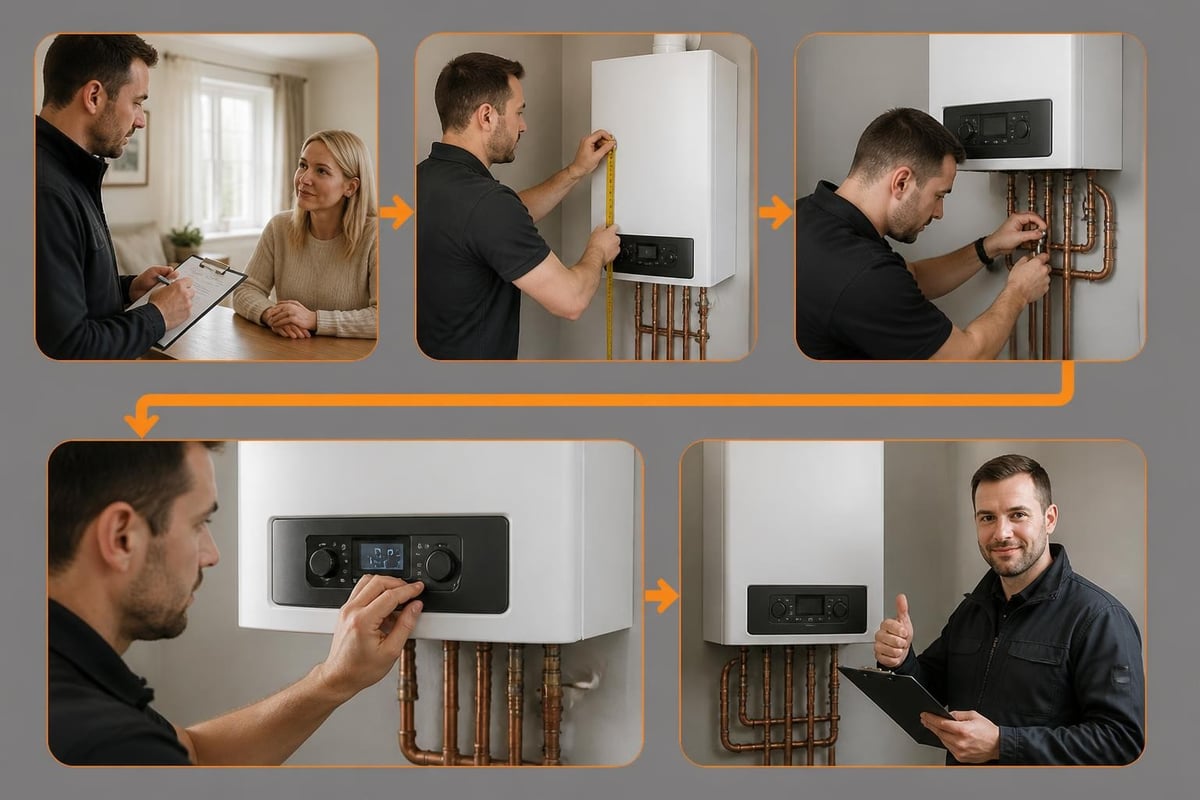
Professional installers follow a methodical approach that begins well before any physical work commences. Understanding the installation process helps you gauge whether an installer meets professional standards.
The best boiler installers conduct a thorough site survey before providing a quote. This visit should involve measuring your property, assessing current heating infrastructure, discussing your hot water needs, and explaining different boiler options. Beware of any contractor who provides a firm price over the telephone without seeing your home.
A comprehensive quote should detail:
- Specific boiler model and manufacturer
- All components required for a complete system
- Breakdown of labour and materials costs
- Timeline for completion
- Warranty terms for both equipment and installation work
- Details of Building Regulations compliance
Assessing Communication and Customer Service
How an installer communicates during the quotation process often reflects the service you'll receive throughout the project. Prompt responses to enquiries, clear explanations of technical matters, and patience with your questions indicate a customer-focused approach.
Request references from recent installations, particularly those involving similar properties or systems to yours. Reputable installers willingly provide contact details for satisfied customers. Online reviews offer additional insight, though consider the overall pattern rather than isolated complaints.
Red Flags When Choosing an Installer
Recognising warning signs early prevents you from engaging with unsuitable contractors. Certain practices signal unprofessionalism or potential problems down the line.
Price-Based Concerns
Unusually low quotes often indicate corners will be cut somewhere. While everyone appreciates value, common mistakes when selecting installers frequently stem from prioritising price over quality.
Installers who pressure you to make immediate decisions or offer substantial discounts for signing today employ sales tactics rather than professional consultation. Quality work requires proper planning, and genuine professionals respect your need to compare options.
Be wary of cash-only requests. Legitimate businesses accept various payment methods and provide proper invoices for tax and warranty purposes. Payment structures should reflect project milestones rather than requiring full payment upfront.
Installation Standards and Compliance
Any reluctance to discuss Building Regulations compliance or provide documentation raises serious concerns. Boiler installations must meet specific standards, and the installer should handle all necessary notifications to local authority building control.
- Refusal to provide written quotes
- Inability to explain system sizing calculations
- No mention of manufacturer warranties
- Reluctance to commit timelines to writing
- Absence of aftercare service details
The best boiler installers proactively discuss compliance requirements and include all certification costs within their quotations. They understand that proper documentation protects both parties and ensures the installation adds value to your property.
The Importance of Proper System Sizing
Incorrect boiler sizing represents one of the most common installation failures, yet it remains invisible until problems emerge. An oversized boiler cycles on and off frequently, wasting energy and causing premature wear. An undersized unit struggles to meet your heating demands, particularly during cold weather.
Heat Loss Calculations
Professional installers perform detailed heat loss calculations for your property. This process considers room volumes, insulation levels, window types, ventilation rates, and typical occupancy patterns. Modern software tools enable precise calculations, but the installer's experience in interpreting results proves equally important.
For properties in the North East of England, calculations must account for regional climate variations and exposure to coastal conditions. Local expertise, such as that provided by professionals familiar with plumbing and boiler systems in the area, ensures accurate sizing for your specific environment.
Hot Water Requirements
Your household's hot water needs significantly influence system selection. A family of five requires far different capacity than a single-person flat. Combi boilers provide hot water on demand but may struggle with simultaneous demands from multiple outlets. System boilers with cylinders offer greater hot water storage but require space and proper cylinder sizing.
| Household Size | Recommended System | Typical Boiler Output |
|---|---|---|
| 1-2 bedrooms | Combi boiler | 24-30 kW |
| 3-4 bedrooms | System or combi | 30-35 kW |
| 5+ bedrooms | System with large cylinder | 35-42 kW |
These figures provide general guidance, but individual circumstances vary considerably. Factors such as shower preferences, bath sizes, and simultaneous usage patterns all influence the optimal specification.
Post-Installation Support and Warranties
The relationship with your installer shouldn't end when the boiler fires up for the first time. Comprehensive aftercare distinguishes the best boiler installers from those who simply complete the installation and move on.
Manufacturer Warranties and Extended Cover
Most boiler manufacturers provide warranties ranging from two to ten years, but these often require professional installation by accredited engineers. The best installers register your warranty on your behalf and provide you with all documentation.
Extended warranties and maintenance packages offer additional peace of mind. Some installers include the first annual service within their quotation, ensuring your system receives professional attention during the critical first year.
Understanding the difference between manufacturer warranties, installer guarantees, and insurance-backed warranties helps you evaluate the true value of different proposals. Expert insights on installation emphasise the importance of comprehensive warranty coverage.
Annual Servicing and Maintenance
Regular servicing maintains efficiency, safety, and reliability whilst preserving warranty coverage. Many manufacturers void warranties if annual servicing lapses. Establishing a relationship with your installer for ongoing maintenance ensures continuity of knowledge about your specific system.
Annual service should include:
- Combustion analysis and efficiency testing
- Safety device checks and gas tightness testing
- Internal component inspection and cleaning
- Controls and thermostat verification
- System pressure and expansion vessel checks
Some installers offer service plans with fixed annual costs, protecting you from unexpected call-out charges. These arrangements often include priority booking and discounted repairs.
Financing Options and Payment Terms
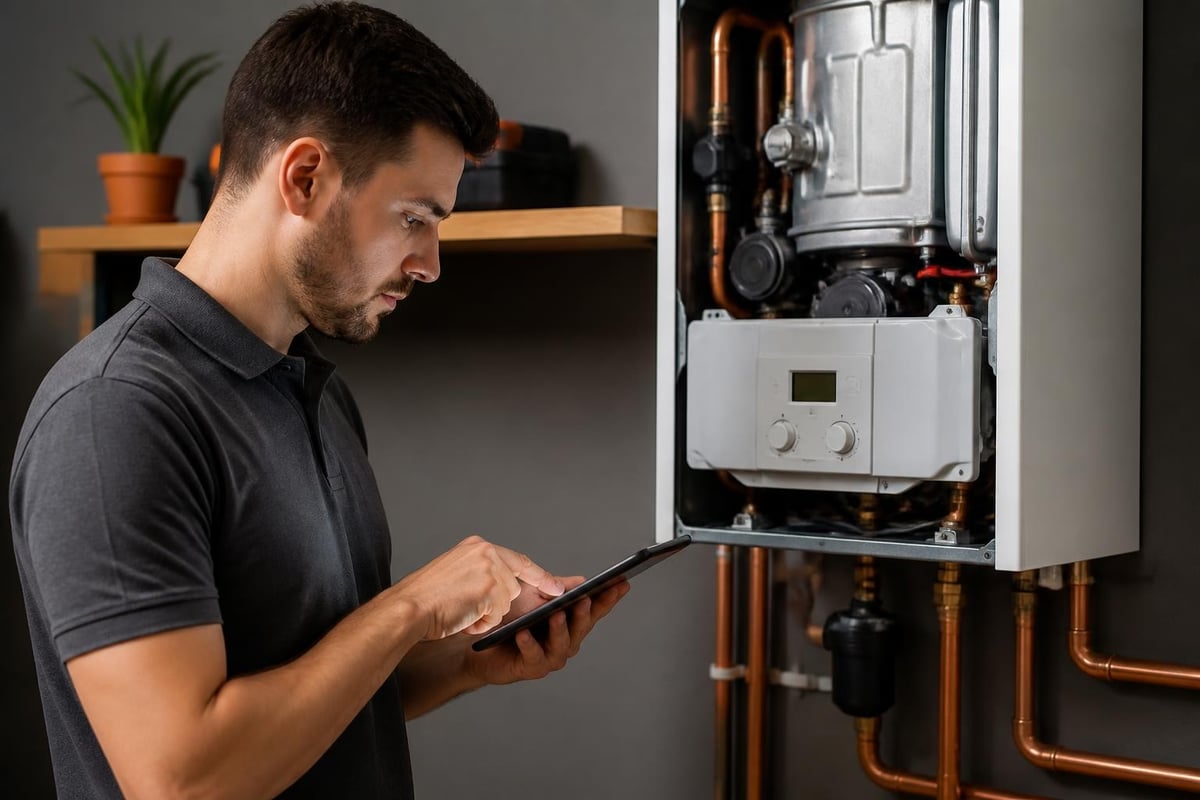
Modern boiler installations represent significant investments, with total costs often ranging from £2,000 to £5,000 or more depending on system complexity. Understanding payment options helps you plan financially whilst ensuring you select the right installer rather than simply the cheapest.
Flexible Payment Structures
Interest-free finance arrangements have become increasingly common in the heating industry. These schemes allow you to spread installation costs over extended periods without accruing interest charges, making quality installations accessible to more homeowners.
Reputable finance options involve:
- Clear terms with no hidden fees
- Affordability assessments to ensure sustainability
- Flexible repayment periods
- No early repayment penalties
- Finance provided by FCA-regulated institutions
When comparing installers, consider the total cost of ownership rather than just installation price. A higher-quality installation that runs efficiently for fifteen years proves more economical than a budget installation requiring replacement after eight years.
Understanding What's Included
Detailed quotations prevent misunderstandings about scope and costs. The best boiler installers provide itemised proposals clearly distinguishing between essential work and optional upgrades.
Standard installations should include removing the old boiler, disposing of it responsibly, installing the new unit with all necessary components, updating controls, flushing the system, and completing all certification. Additional costs may arise for upgrading pipework, relocating the boiler, or addressing deficiencies in existing systems.
Local Expertise and Regional Considerations
Geographic location influences multiple aspects of boiler installation. Local installers understand regional building practices, typical property construction methods, and climate-specific requirements that national companies may overlook.
Benefits of Local Installation Companies
Established local businesses depend on reputation within their community. This creates strong incentives to deliver quality work and maintain high customer service standards. When problems arise, local companies respond more quickly than distant contractors.
Companies with decades of experience in specific regions, such as those operating in Northumberland and Tyne and Wear since the 1980s, understand local property characteristics and common heating challenges. This knowledge proves invaluable when dealing with older properties or unusual installations.
Proximity also matters for ongoing servicing and emergency repairs. Understanding boiler and heating systems becomes easier when you work with a local team familiar with the systems common in your area.
Coastal and Rural Installations
Properties in coastal areas face specific challenges including salt air corrosion and exposure to harsh weather. Installers with coastal experience specify appropriate flue locations and protective measures.
Rural properties may require different approaches entirely. Where mains gas isn't available, oil boilers or biomass systems provide viable alternatives. Installers with expertise across multiple fuel types can recommend the most suitable and cost-effective solution for your circumstances.
Choosing Quality Over Convenience
The temptation to select installers based primarily on availability or lowest price proves strong, particularly when a boiler fails during winter. However, rushing this decision often leads to suboptimal outcomes that create long-term problems and expenses.
Long-Term Value Considerations
Professional installation affects your heating system's performance throughout its entire lifespan. Choosing the right installer impacts not just immediate functionality but long-term reliability, efficiency, and safety.
Consider the installer's track record with warranty claims. Manufacturers work more cooperatively with installers who consistently deliver quality work. This relationship benefits you if warranty issues arise, ensuring swift resolution without disputes over installation quality.
The best boiler installers stand behind their work with comprehensive guarantees. This confidence in their workmanship provides reassurance that they'll address any issues arising from the installation process itself.
Building a Long-Term Relationship
Heating systems require attention over many years. Selecting an installer who offers ongoing support creates continuity and ensures someone familiar with your system remains available when needed.
Companies offering comprehensive services beyond just boiler installation provide added value. When your installer also handles general plumbing work, bathroom installations, and related services, you develop a trusted relationship for all your property maintenance needs.
Selecting the best boiler installers requires careful consideration of qualifications, experience, communication, and long-term support rather than simply accepting the lowest quote. Quality installation ensures your heating system operates safely, efficiently, and reliably for years to come. Since 1983, NU Heat North East Ltd has been delivering professional boiler installations throughout the North East of England, combining technical expertise with comprehensive customer service. With 0% finance options available and a team of highly trained engineers, we ensure your heating investment delivers lasting value and comfort. Contact us today to discuss your boiler installation requirements.