
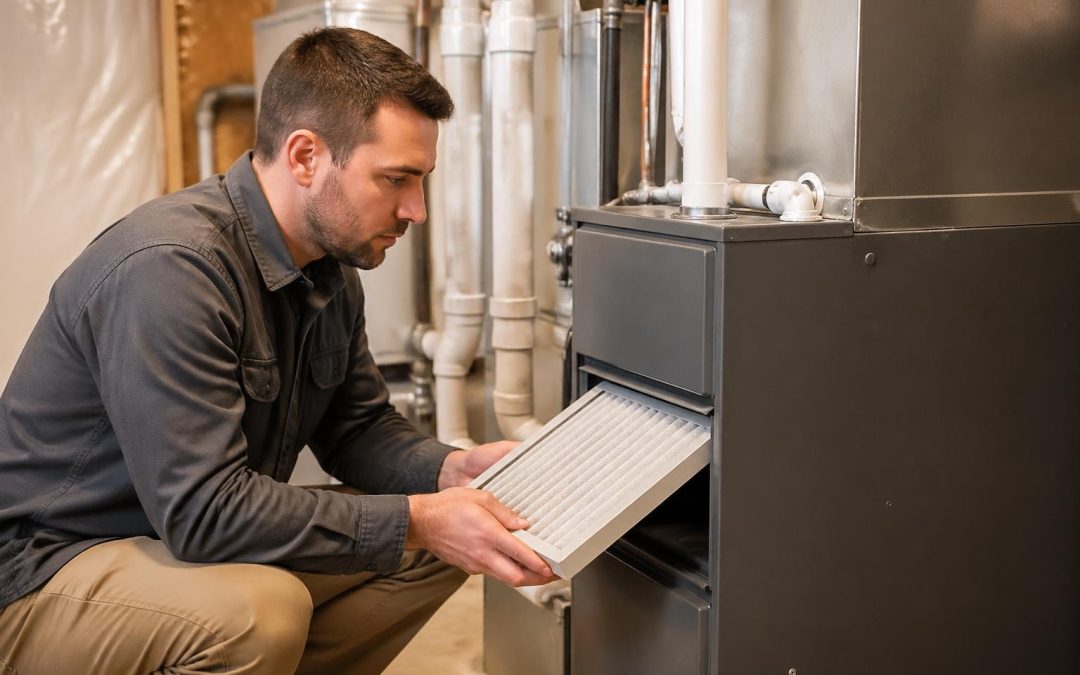
Keeping your heating system in optimal condition throughout the year requires more than simply switching it on when temperatures drop. Regular furnace maintenance ensures your home stays warm during harsh North East winters whilst reducing energy bills and preventing unexpected breakdowns. With over four decades of experience serving homeowners across Newbiggin-by-the-Sea and surrounding areas, we understand the critical importance of maintaining heating systems in our region's demanding climate. This comprehensive guide explores everything you need to know about maintaining your furnace, from simple tasks you can handle yourself to essential professional services that safeguard your home's comfort and safety.
Understanding Your Furnace's Maintenance Needs
Modern heating systems are sophisticated pieces of equipment that demand regular attention to perform efficiently. The typical furnace operates thousands of hours each year, circulating heated air throughout your property whilst filtering dust, allergens, and debris. This constant operation places considerable strain on components, making preventive maintenance absolutely essential for longevity and performance.
Key reasons why regular maintenance matters:
- Extends equipment lifespan by reducing wear on critical components
- Maintains manufacturer warranty validity
- Improves indoor air quality throughout your home
- Reduces the risk of carbon monoxide exposure
- Prevents costly emergency repairs during peak winter months
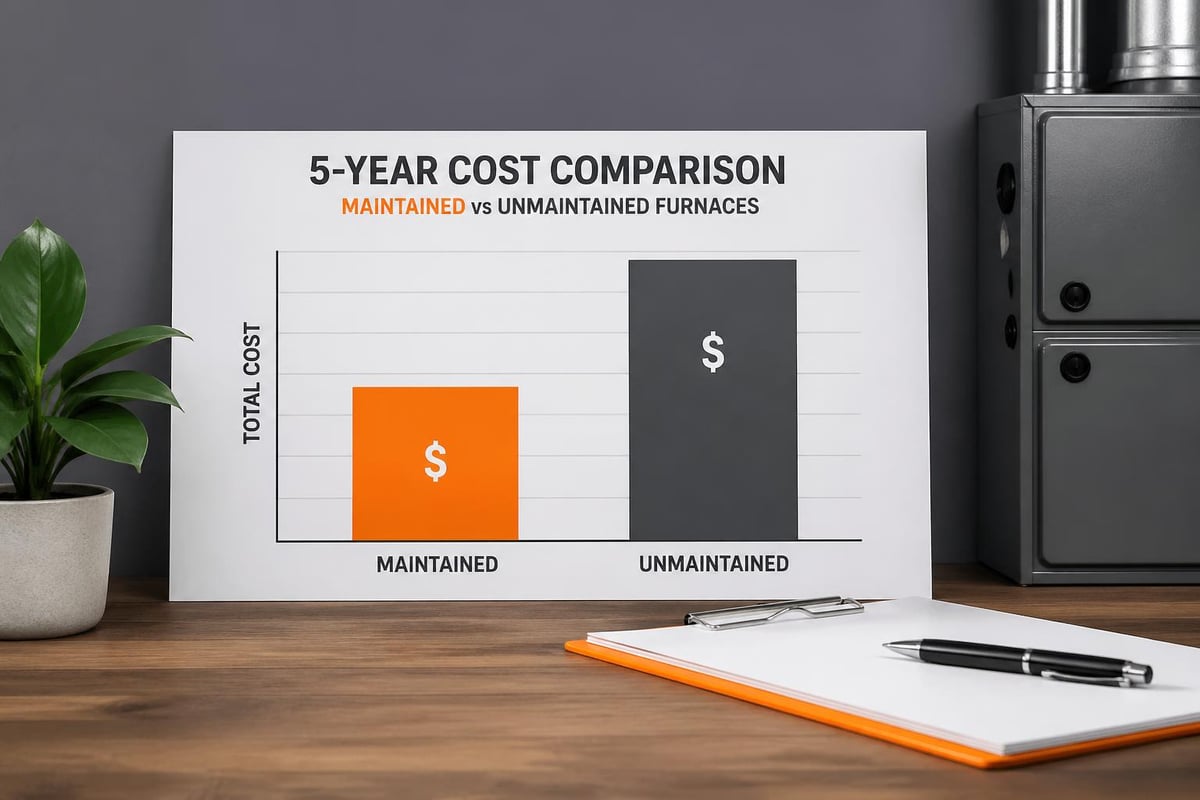
The consequences of neglected maintenance can be severe. Systems that don't receive proper care consume significantly more energy, sometimes increasing heating costs by 20-30% compared to well-maintained units. Additionally, minor issues that could have been addressed during routine service often escalate into major failures requiring expensive replacements.
Seasonal Considerations for North East Properties
Properties in the North East face unique challenges due to our coastal climate and temperature variations. Salt air, moisture, and temperature fluctuations can accelerate component degradation, making consistent furnace maintenance even more critical for homeowners in our region. Starting your heating season with a professionally serviced system prevents the frustration of discovering faults during the first cold snap of autumn.
Essential Monthly Maintenance Tasks
Homeowners can perform several straightforward maintenance tasks that significantly impact system performance and efficiency. These monthly checks take minimal time but deliver substantial benefits in terms of reliability and operating costs.
Filter inspection and replacement represents the single most important task you can perform. Most furnaces require filter changes every 30-90 days depending on usage, household size, and whether you have pets. A comprehensive furnace maintenance checklist can guide you through this process systematically.
Dirty filters restrict airflow, forcing your system to work harder and consume more energy. They also allow dust and debris to accumulate on internal components, reducing efficiency and potentially causing overheating. Check your filter monthly during the heating season, holding it up to a light source. If you cannot see light passing through easily, replacement is necessary.
| Filter Type | Typical Lifespan | Best For | Cost Range |
|---|---|---|---|
| Fibreglass | 30 days | Basic filtration | £1-£3 each |
| Pleated | 90 days | Standard homes | £5-£15 each |
| HEPA | 6-12 months | Allergies, pets | £20-£50 each |
| Washable | 5+ years | Long-term savings | £40-£100 initial |
Thermostat verification ensures your system responds appropriately to temperature demands. Test your thermostat monthly by adjusting the temperature setting several degrees above room temperature. The furnace should activate within moments. If response is delayed or inconsistent, thermostat batteries may need replacing or the unit itself could require recalibration.
Visual Inspections You Can Perform
Walking around your furnace area monthly allows you to spot potential problems before they escalate. Look for signs of corrosion, particularly around pipe connections and the heat exchanger housing. Listen for unusual sounds when the system operates, including rattling, squealing, or grinding noises that indicate mechanical issues.
Check the area around your furnace to ensure nothing blocks air intake or exhaust vents. Furniture, storage boxes, or debris can restrict airflow and create dangerous conditions. Maintaining a clear space of at least one metre around your heating equipment is essential for both safety and performance, as highlighted in HVAC safety guidelines.
Professional Maintenance Requirements
Whilst homeowners can handle basic upkeep, professional furnace maintenance addresses complex components and safety systems that require specialized expertise and equipment. Annual professional servicing protects your investment whilst ensuring your family's safety throughout the heating season.
Qualified heating engineers possess the knowledge and tools to perform comprehensive inspections that identify issues invisible to untrained eyes. They can measure gas pressure, test electrical connections, verify combustion efficiency, and inspect heat exchangers for cracks that could leak carbon monoxide into your home. Professional furnace maintenance services provide peace of mind that your system operates safely and efficiently.
Components requiring professional attention:
- Heat exchanger inspection for cracks or corrosion
- Burner cleaning and adjustment for optimal combustion
- Ignition system testing and calibration
- Blower motor and fan assembly lubrication
- Gas pressure and flow rate verification
- Flue and ventilation system examination
- Safety control testing including limit switches
- Electrical connection inspection and tightening
Timing your professional service matters considerably. Scheduling maintenance in early autumn, before heating demand increases, ensures your system receives attention when engineers have greater availability. This approach also allows time to address any issues discovered before you depend on your furnace for daily comfort.
What to Expect During Professional Service
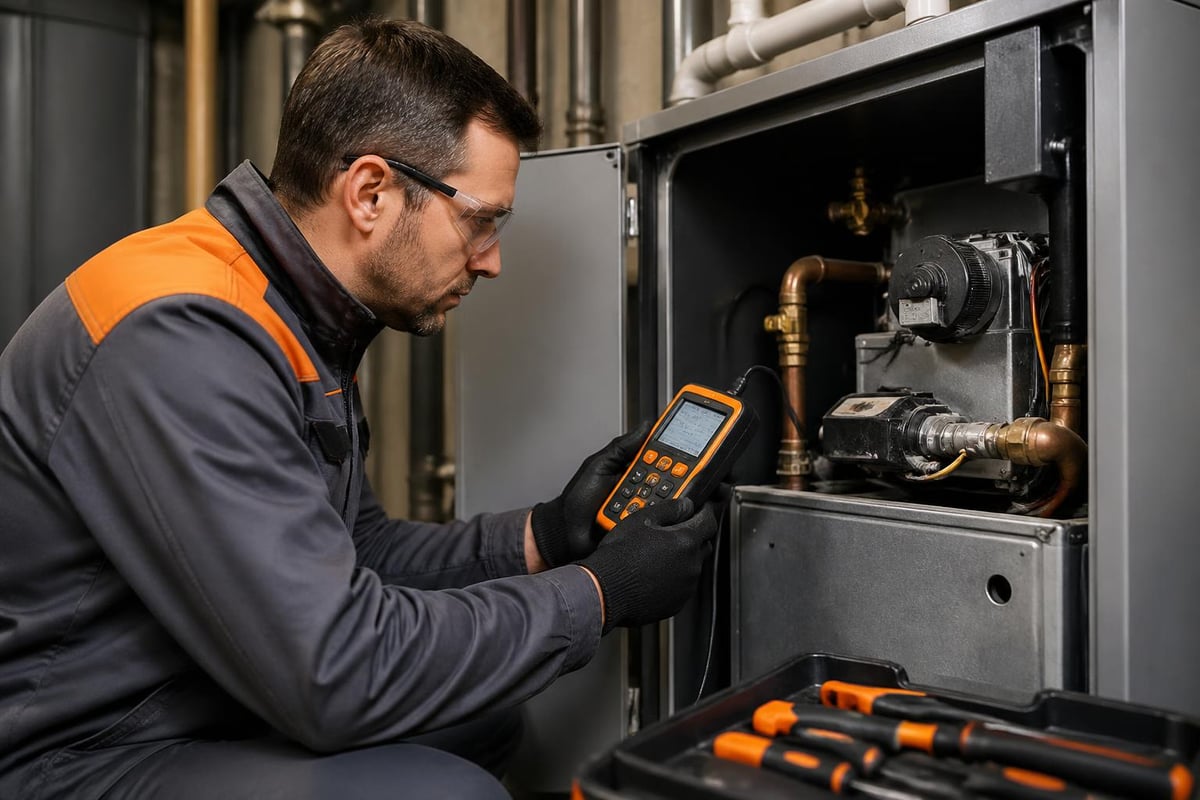
A thorough professional inspection typically requires 60-90 minutes, depending on your system's age and condition. The engineer will assess every major component, clean accessible parts, make necessary adjustments, and provide recommendations for any repairs or upgrades that could improve performance.
Modern diagnostic equipment allows technicians to measure combustion efficiency precisely, identifying opportunities to reduce fuel consumption and lower operating costs. They'll also test safety mechanisms including flame sensors, pressure switches, and limit controls that protect your home from hazards. Understanding the connection between plumbing and central heating systems helps professionals identify issues that might affect multiple aspects of your home's infrastructure.
Safety Checks That Cannot Be Ignored
Carbon monoxide poses a deadly threat in homes with gas furnaces, making safety inspections an absolutely non-negotiable aspect of furnace maintenance. This odourless, colourless gas results from incomplete combustion and can accumulate to lethal concentrations without any warning signs.
Install carbon monoxide detectors on every floor of your home, particularly near sleeping areas. Test these devices monthly and replace batteries annually. Modern detectors typically need complete replacement every 5-7 years, so check manufacture dates and maintain current units.
Professional maintenance includes rigorous carbon monoxide testing using specialized equipment that measures parts per million in exhaust gases and ambient air. Engineers also inspect heat exchangers meticulously, as cracks in these components represent the primary pathway for carbon monoxide to enter living spaces. Essential furnace safety practices should be part of every homeowner's knowledge base.
Beyond carbon monoxide risks, furnaces present other safety concerns requiring regular attention:
- Gas leaks: Natural gas smells like rotten eggs due to added odorants. Any gas smell requires immediate evacuation and professional assistance.
- Electrical hazards: Loose connections can cause arcing, creating fire risks and damaging expensive components.
- Overheating: Blocked airflow or failed limit switches can cause dangerous temperature buildup.
- Ventilation problems: Blocked flues can cause exhaust gases to backdraft into your home.
Improving Efficiency Through Proper Maintenance
Well-maintained furnaces operate significantly more efficiently than neglected systems, translating directly into lower energy bills and reduced environmental impact. Efficiency improvements of 15-30% are common when systems receive proper care compared to those running without regular maintenance.
Several maintenance tasks directly influence efficiency. Clean burners ensure complete combustion, extracting maximum heat from fuel whilst minimizing waste. Properly calibrated thermostats prevent excessive cycling and maintain consistent temperatures. Sealed ductwork eliminates heat loss before warm air reaches living spaces. Even minor improvements in these areas compound over time, delivering substantial savings across heating seasons.
| Maintenance Task | Efficiency Impact | Annual Savings Potential |
|---|---|---|
| Filter replacement | 5-15% improvement | £75-£225 |
| Burner cleaning | 10-20% improvement | £150-£300 |
| Duct sealing | 20-30% improvement | £300-£450 |
| Full professional service | 15-30% improvement | £225-£450 |
Modern high-efficiency furnaces require precise maintenance to achieve their rated performance levels. Variable-speed blowers, modulating gas valves, and electronic ignition systems all demand proper calibration and upkeep. Neglecting these sophisticated components can reduce a high-efficiency furnace to performance levels comparable to basic models, negating the investment in premium equipment.
Long-Term Cost Benefits
The financial advantages of regular furnace maintenance extend far beyond monthly utility savings. Systems that receive consistent professional care typically last 5-10 years longer than those operated without maintenance programmes. Considering replacement costs can exceed £3,000-£8,000 for quality equipment and professional installation, extending system lifespan delivers enormous value.
Additionally, maintaining equipment under warranty protects your investment. Most manufacturers require documented annual maintenance to honour warranty claims. Without service records, you may find yourself responsible for expensive repairs that should have been covered under warranty terms. For homeowners considering alternative heating solutions, exploring biomass systems provides insight into other efficient heating options.
Recognizing When Professional Help Is Needed
Certain symptoms indicate your furnace requires immediate professional attention regardless of your regular maintenance schedule. Addressing these warning signs promptly prevents minor issues from escalating into system failures or safety hazards.
Immediate concern indicators:
- Yellow or flickering burner flames instead of steady blue flames
- Persistent unusual odours, particularly burning or chemical smells
- Excessive cycling with frequent on-off patterns
- Inadequate heating despite correct thermostat settings
- Visible rust or corrosion around the furnace cabinet
- Water pooling near the furnace base
- Unusually high energy bills without explanation
Strange noises often signal mechanical problems requiring professional diagnosis. Squealing typically indicates belt or bearing issues. Rumbling may suggest burner problems or combustion concerns. Banging sounds can result from delayed ignition creating small explosions in the combustion chamber. Any persistent unusual sounds warrant professional evaluation.
Age represents another critical factor in determining maintenance needs. Furnaces older than 15 years require more frequent professional attention as components wear and efficiency declines. Systems approaching 20 years often cost more to maintain than they're worth, making replacement a more economical long-term solution. According to guidance from Homes & Gardens, older systems benefit particularly from early season testing to identify potential failures before winter demands peak performance.
Creating Your Personal Maintenance Schedule
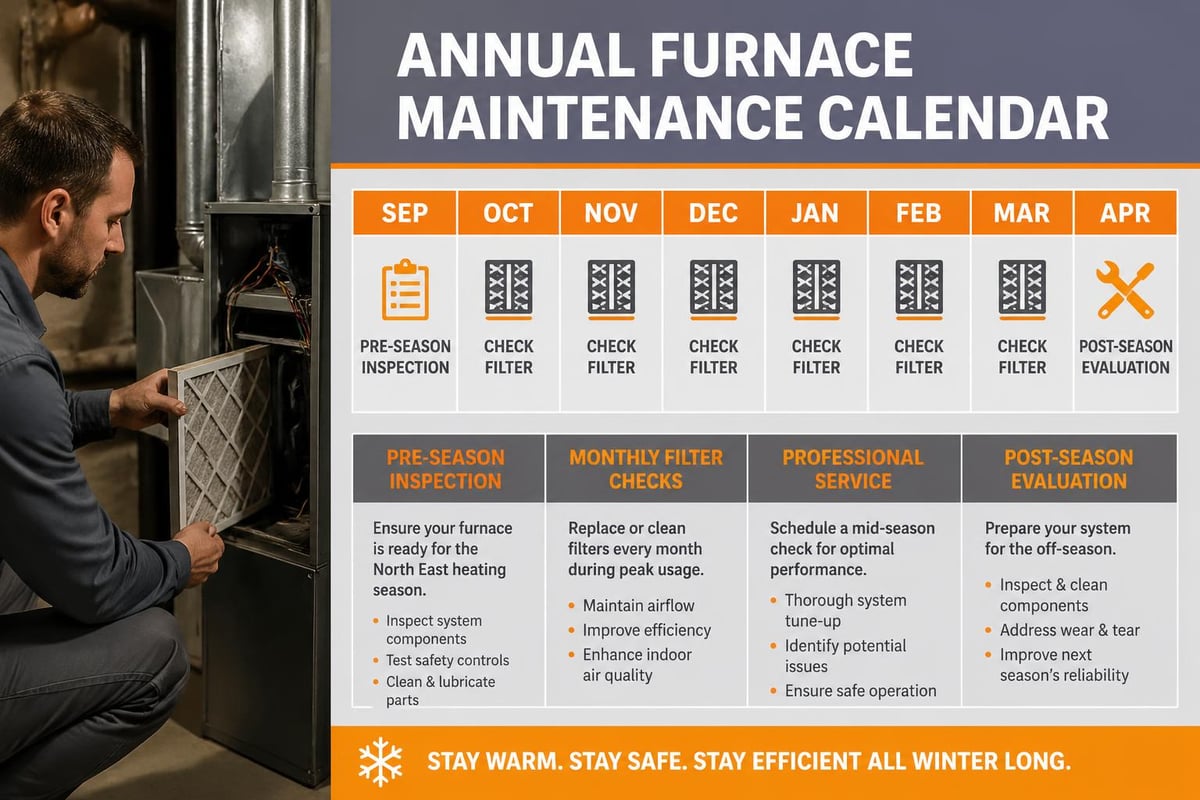
Developing a structured maintenance routine ensures nothing gets overlooked throughout the year. Different tasks require varying frequencies, from monthly checks to annual professional servicing. Creating a calendar or reminder system helps maintain consistency.
Suggested annual maintenance timeline:
- September: Schedule professional pre-season service
- October-March: Monthly filter checks and replacements
- October-March: Monthly visual inspections and safety checks
- January: Mid-season performance evaluation
- April: Post-season assessment and summer preparation
- Year-round: Monitor energy bills for efficiency changes
Document all maintenance activities, including filter changes, professional service dates, and any repairs performed. This record-keeping serves multiple purposes. It helps you track patterns that might indicate developing problems, provides documentation for warranty claims, and creates valuable information for future homeowners if you sell your property.
Professional maintenance contracts offered by qualified heating companies streamline this process considerably. These agreements typically include annual service, priority scheduling for repairs, and sometimes discounted parts and labour. The convenience and peace of mind often justify the modest investment, particularly for homeowners uncomfortable performing any maintenance tasks themselves.
Adapting Your Schedule to Usage Patterns
Homes with higher heating demands require more frequent maintenance attention. Large families, properties with pets, or homes where occupants have respiratory sensitivities should increase filter replacement frequency and consider more frequent professional inspections. Similarly, homes using their furnace as supplementary heat rather than primary heating can often extend service intervals slightly without compromising safety or efficiency.
Systems integrated with underfloor heating or other supplementary heating methods may require specialized maintenance considerations. Understanding how different heating technologies interact helps optimize performance across your entire climate control system. Properties with complex heating configurations benefit particularly from professional expertise in coordinating maintenance across multiple systems.
Choosing the Right Maintenance Provider
Selecting a qualified heating professional ensures your furnace receives proper care from knowledgeable technicians using appropriate tools and procedures. Not all service providers offer equivalent expertise or quality, making careful selection important for protecting your investment and family's safety.
Credentials to verify when selecting a heating engineer:
- Gas Safe registration for any work involving gas appliances
- Professional certifications and ongoing training
- Comprehensive insurance coverage
- Transparent pricing and detailed service agreements
- Positive customer reviews and verifiable references
- Local presence ensuring prompt emergency response
Experience with your specific furnace brand and model type provides additional value. Technicians familiar with your equipment work more efficiently and often identify brand-specific issues that generalist engineers might overlook. They also maintain relationships with parts suppliers, potentially reducing repair timeframes when components need replacement.
Local providers offer distinct advantages over national chains or franchise operations. They understand regional climate challenges, build reputations within the community they serve, and typically provide more personalized service. Companies with decades of local experience demonstrate stability and reliability that newer operations cannot match. Understanding how water affects heating systems showcases the depth of knowledge experienced local professionals bring to complex heating issues.
Regular furnace maintenance protects your home's comfort, your family's safety, and your financial investment in heating equipment. By combining simple monthly tasks with annual professional servicing, you ensure reliable performance throughout the heating season whilst maximizing efficiency and equipment lifespan. For homeowners across the North East seeking expert heating system care backed by over forty years of professional experience, NU Heat North East Ltd delivers comprehensive maintenance and repair services. Our team of Gas Safe registered engineers serves Newbiggin-by-the-Sea and surrounding areas with the expertise and dedication your heating system deserves, and we now offer 0% interest financing to make essential maintenance and upgrades more affordable.