
2026 marks a turning point for heating plumbing services in the UK, with innovative technologies and updated regulations transforming the way we heat and manage our homes. As energy efficiency and sustainability become national priorities, homeowners and property managers face a rapidly evolving landscape.
This comprehensive guide offers trusted, up-to-date insights for selecting, maintaining, and upgrading heating and plumbing systems. You will discover the latest industry trends, understand new compliance requirements, and learn practical steps to enhance comfort and efficiency.
Ready to future-proof your property? Let’s explore how expert advice can help you make smart decisions, save on costs, and embrace the next generation of heating plumbing services.
The 2026 Heating & Plumbing Landscape: Trends and Changes
The heating plumbing services sector in the UK is transforming rapidly as 2026 approaches. Homeowners and property managers are witnessing an industry shaped by new regulations, innovative technologies, and a strong drive for sustainability.
Evolving Consumer Expectations
Consumers are raising the bar for heating plumbing services, demanding both efficiency and sustainability. Energy-conscious homeowners expect systems that reduce carbon footprints and support greener living.
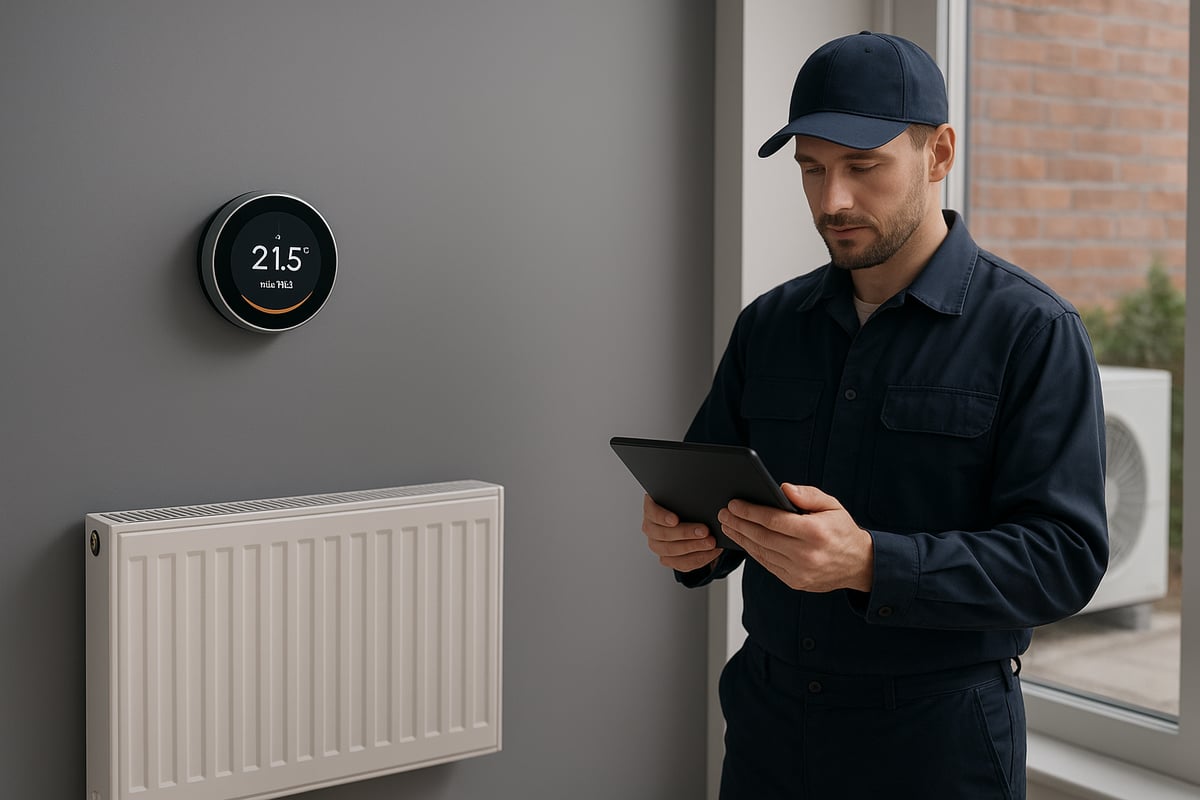
There is a clear shift toward smart, connected home solutions. Many now prefer integrated technologies that allow remote control of heating and water systems. For instance, 65% of UK homeowners plan to upgrade to eco-friendly heating by 2026, reflecting a growing desire for future-ready comfort.
This trend is driving providers to offer tailored solutions that meet these evolving needs, ensuring every home benefits from the latest in heating plumbing services.
Regulatory Shifts and Compliance
The regulatory landscape for heating plumbing services is undergoing significant change. New UK energy and safety regulations, coming into effect in 2026, require all new builds to feature low-carbon heating systems.
The Future Homes Standard is at the forefront, pushing for higher energy performance and sustainability. A major milestone is the UK’s phase-out of fossil fuel boilers, ensuring only environmentally friendly options are installed in new properties from 2025.
Compliance is now a priority for both installers and property owners, making it essential to stay informed and choose certified professionals for all heating plumbing services.
Technological Advancements
2026 marks a surge in smart technology adoption within heating plumbing services. Smart thermostats, leak detectors, and remote diagnostic tools are becoming standard features in modern homes.
Integration with home automation platforms is transforming how systems are managed. Around 40% of new heating installations now include smart controls, allowing users to optimise comfort and efficiency with ease.
These advancements not only streamline daily management but also support better maintenance, making heating plumbing services more reliable and accessible than ever.
Sustainability and Renewable Energy Adoption
Sustainability is central to the future of heating plumbing services. Heat pumps, solar thermal systems, and biomass boilers are now widely available, helping reduce dependence on fossil fuels.
Government incentives, such as the £5,000 Boiler Upgrade Scheme grants, are making renewable heating upgrades more affordable. More homeowners are taking advantage of these schemes to future-proof their properties.
As a result, heating plumbing services providers are investing in training and resources to deliver cutting-edge, eco-friendly solutions that align with national climate goals.
Market Data and Industry Insights
The heating plumbing services market is projected to reach £18bn by 2026, with a 6% year-on-year growth. Despite this expansion, the industry faces notable challenges, including labour shortages and a widening skills gap.
Consumer spending on home upgrades is rising, especially for energy-efficient and smart systems. The table below summarises key market insights:
| Metric | 2026 Projection |
|---|---|
| Market Value | £18bn |
| Annual Growth | 6% |
| Labour Shortage | Significant |
| Skills Gap | Growing |
| Consumer Spend on Upgrades | Increasing |
These trends highlight both the opportunities and challenges ahead for heating plumbing services providers.
Case Study: Successful System Upgrades
Consider a 1930s semi-detached home recently retrofitted with an air source heat pump and modern smart plumbing. The homeowners worked closely with a certified provider to select the right heating plumbing services for their property’s needs.
After installation, their energy bills dropped by 35%, and comfort levels improved dramatically. The new system included smart controls, offering tailored heating schedules and remote monitoring.
This real-life example demonstrates how thoughtful upgrades, guided by expert advice, can deliver tangible benefits and set a benchmark for future heating plumbing services.
Choosing the Right Heating and Plumbing Systems in 2026
Selecting the best heating plumbing services in 2026 requires a strategic approach, balancing comfort, efficiency, and compliance. With evolving regulations and new technologies, homeowners must take a holistic view when upgrading or installing systems. This section guides you through the key steps for making informed decisions.
Assessing Property Needs and Usage Patterns
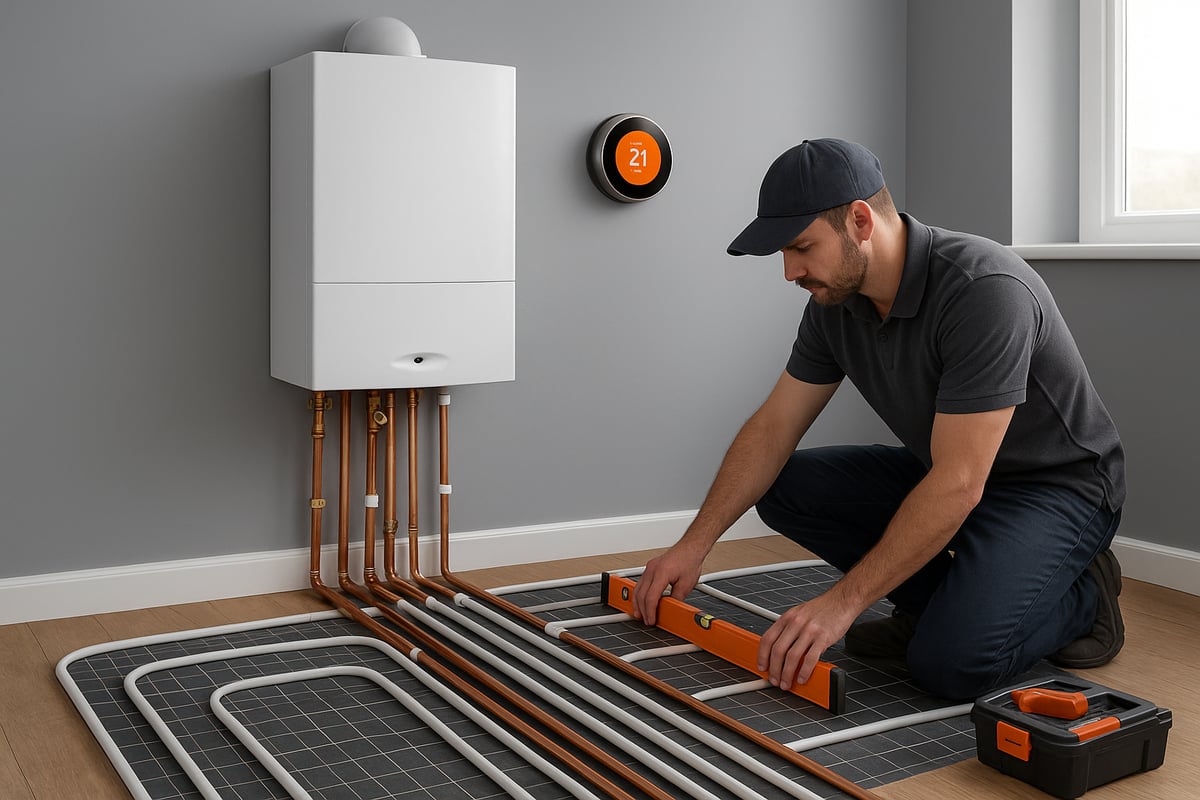
Understanding your property's unique requirements is the foundation of choosing effective heating plumbing services. Factors such as property size, insulation levels, and occupancy patterns all play a role in system selection. For example, open-plan homes may benefit from underfloor heating and zoned controls, while period properties often require bespoke solutions to preserve character while improving efficiency.
Water usage analysis is also crucial. Households with multiple bathrooms or high water demand need robust plumbing systems to maintain consistent pressure and comfort. An assessment by a qualified professional ensures that your heating plumbing services are tailored, delivering both performance and value.
Comparing System Types and Efficiency Ratings
With the variety of options available, comparing system types is vital when selecting heating plumbing services. Homeowners can choose from combi, system, and regular boilers, each with specific benefits and limitations. For instance, combi boilers save space and provide hot water on demand, while system and regular boilers suit larger homes with higher hot water needs.
Emerging solutions like heat pumps, solar thermal, and hybrid systems offer increased efficiency and sustainability. To support your decision, consider ErP ratings and seasonal performance factors. For more detail on system upgrades and installation, see the Heating system installation and upgrades page.
Cost Considerations and Financing Options
Cost is a significant factor in any heating plumbing services project. Homeowners must weigh upfront installation costs against long-term savings from reduced energy bills. For example, heat pump installations typically range from £7,000 to £13,000, with payback periods influenced by property type and energy usage.
Government grants, such as the Boiler Upgrade Scheme, and green finance options help offset initial expenses. Many installers also offer payment plans, making high-efficiency systems more accessible. Comparing quotes and understanding total lifecycle costs ensures you maximise value from your heating plumbing services investment.
Installation and Upgrade Timelines
Timely installation and minimal disruption are key expectations for heating plumbing services in 2026. Typical project durations vary: a straightforward boiler swap may take just one to two days, while a full system retrofit could extend to a week. Planning ahead reduces inconvenience and ensures seamless transitions.
Clear communication with your installer about timelines and contingency plans is essential. Experienced heating plumbing services providers will outline each stage, from system removal to commissioning, and take steps to protect your home during the process. This approach minimises stress and delivers reliable results.
Compliance and Certification Requirements
Legal compliance is non-negotiable in heating plumbing services. Installers must hold certifications such as Gas Safe (for gas systems), OFTEC (for oil), and MCS (for renewables). These accreditations guarantee that work meets UK safety and quality standards, protecting both your home and investment.
Landlords and property managers have extra responsibilities, including the requirement for annual safety certificates. Always verify your installer’s credentials and request documentation on completion. Choosing certified heating plumbing services ensures you meet all legal obligations and enjoy peace of mind.
Future-Proofing Your Home
Future-proofing is central to selecting heating plumbing services that stand the test of time. Opt for systems compatible with upcoming technologies and regulatory changes. Smart-ready boilers, modular underfloor heating, and scalable controls allow for seamless upgrades as your needs evolve.
Look for features such as remote monitoring, integration with home automation, and compatibility with renewable energy sources. Investing in flexible, adaptable heating plumbing services today prepares your property for tomorrow’s innovations and regulatory landscape, safeguarding both comfort and efficiency.
Essential Maintenance and Servicing for Longevity
Regular maintenance is the backbone of reliable heating plumbing services. To ensure your systems provide comfort, safety, and efficiency year after year, a structured approach to care is essential. This section provides actionable advice to help you maximise the lifespan of your systems and protect your investment.
Annual Checks and Preventative Maintenance
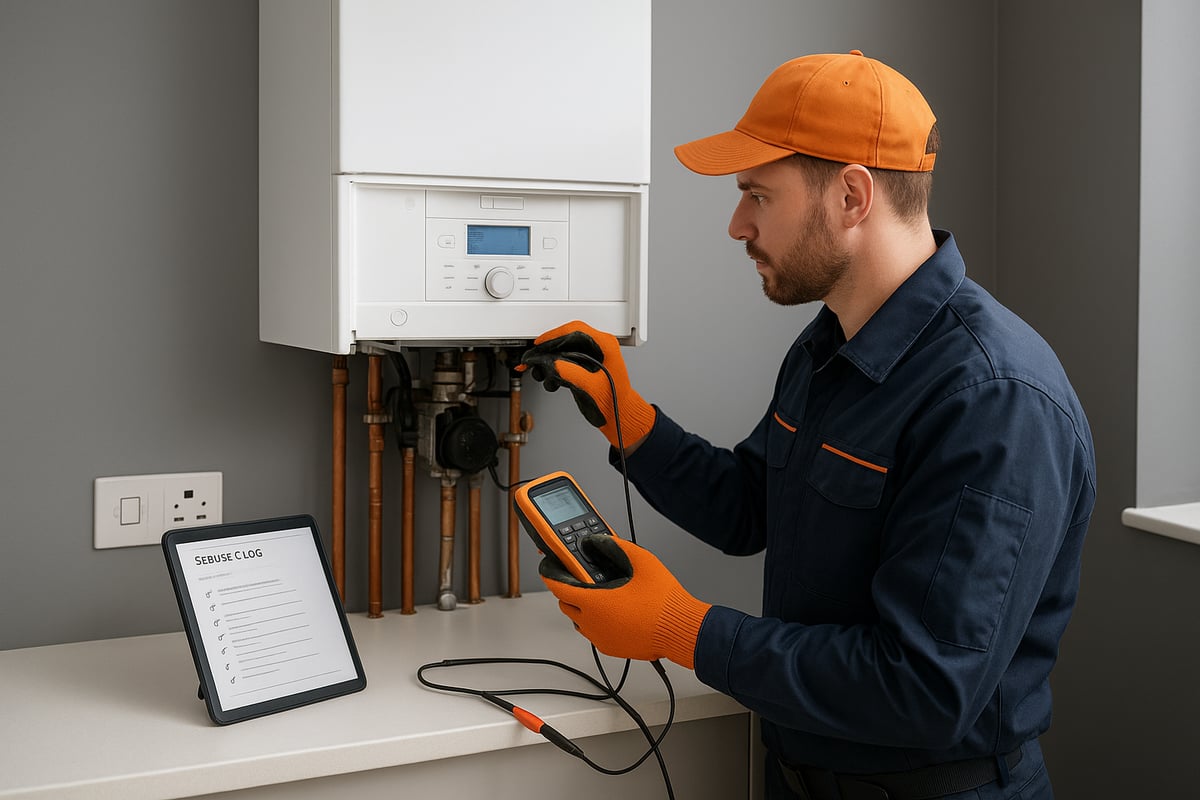
Annual servicing is a critical step in extending the life of your heating plumbing services. Regular checks help identify small issues before they escalate, saving you from costly repairs later.
Key maintenance tasks include:
- Boiler pressure and safety checks
- Inspecting for leaks and corrosion
- Cleaning or replacing filters
- Removing limescale from vital components
A professional annual service can reduce the risk of breakdown by up to 60 percent, according to recent industry statistics. Prioritising these checks ensures your system operates at peak efficiency and lowers energy bills. Remember, preventative care is always less expensive than emergency repairs.
Common Heating and Plumbing Issues in 2026
As technology advances, some new challenges emerge for heating plumbing services. The most frequent faults reported in 2026 include sensor failures, glitches in smart controls, and the ongoing problem of pipe corrosion.
Troubleshooting steps may involve:
- Resetting thermostats and smart devices
- Checking for error codes on digital displays
- Examining pipes for visible rust or leaks
Despite advances, the most common call-outs in 2025–2026 remain related to faulty thermostats, low boiler pressure, and leaking joints. Knowing when to attempt a quick fix and when to call a professional can prevent further damage and keep your household running smoothly.
DIY vs. Professional Maintenance
There are some maintenance tasks homeowners can safely undertake, such as bleeding radiators or checking for visible leaks. However, attempting more complex repairs without proper qualifications can void warranties and even lead to insurance claims being denied.
It is important to leave gas work, major repairs, and system diagnostics to certified professionals. For practical advice on what you can do yourself, and when to seek help, refer to these plumbing and central heating tips. Balancing DIY with expert care ensures your heating plumbing services remain safe, reliable, and compliant with current standards.
Smart Monitoring and Remote Diagnostics
Smart technology is transforming the way we manage heating plumbing services. Connected sensors can monitor for leaks, track system performance, and send real-time alerts to both homeowners and technicians.
Benefits of smart monitoring include:
- Early detection of faults
- Remote diagnostics and support
- Reduced emergency callouts by 24 percent
With these tools, issues can be identified and resolved quickly, often before they disrupt your comfort. Many service providers now offer remote support, making maintenance more proactive and less disruptive than ever before.
Maintenance Costs and Service Plans
Budgeting for regular care is vital for anyone relying on heating plumbing services. Annual servicing typically costs between £80 and £150, depending on system complexity and region.
Comprehensive service plans may include:
- Annual safety checks
- Priority emergency callouts
- Parts and labour cover
Comparing leading UK service contracts helps you identify the best value for your needs. Investing in a service plan not only spreads costs but also provides peace of mind, knowing your system is professionally maintained throughout the year.
Record-Keeping and Warranty Protection
Maintaining accurate records is an often-overlooked aspect of heating plumbing services. Always keep digital receipts, service logs, and certificates from your installer.
Most manufacturers require proof of annual servicing to honour extended warranties. If a claim is needed, organised documentation speeds up the process and ensures you receive the full benefits of your cover. Being diligent with paperwork protects both your investment and your comfort in the long term.
Smart Technology Integration in Heating and Plumbing
The integration of smart technology is transforming heating plumbing services across the UK. As 2026 approaches, homeowners and property managers expect more than just reliable systems—they want intelligent solutions that deliver comfort, efficiency, and peace of mind. Embracing these innovations can help you future-proof your property and maximise the value of your investment.
Smart Thermostats and Zoning Systems
Smart thermostats are revolutionising heating plumbing services by allowing users to control temperature settings from anywhere. These devices learn your daily routine and adjust heat levels automatically for optimal comfort and energy savings.
Multi-zone heating systems enable independent control of different areas within your home. For example, you can keep bedrooms cooler while maintaining a warm living space. According to competitor data, zoning can deliver up to 23 percent energy savings each year.
For a detailed overview of how smart solutions are enhancing traditional and modern systems, visit the Professional plumbing services overview.
Leak Detection and Water Management Solutions
Water leaks are among the most common and costly issues in heating plumbing services. Smart leak detectors and automatic shut-off valves now provide real-time monitoring and instant alerts if a problem is detected.
These systems can prevent extensive water damage and offer reassurance, especially for those who travel frequently or own rental properties. Insurers are beginning to recognise the benefits, with leak detection systems reducing claims by an average of £1,200 per incident.
Smart water management tools also help track usage and promote conservation.
Remote Diagnostics and Predictive Maintenance
Remote diagnostics are reshaping heating plumbing services by enabling professionals to monitor system health from afar. Connected sensors collect performance data, allowing technicians to spot and address potential issues before they escalate.
AI-driven predictive maintenance goes a step further, sending alerts when a component is likely to fail. This proactive approach minimises downtime and reduces emergency callouts by up to 40 percent, saving homeowners both time and money.
Such innovations ensure your systems remain reliable throughout the year.
Integration with Home Automation Platforms
Heating plumbing services are increasingly compatible with leading home automation platforms such as Alexa, Google Home, and Apple HomeKit. This integration allows users to control heating, hot water, and even leak detection with simple voice commands.
Unified control brings convenience and flexibility, letting you adjust settings or receive notifications from any connected device. For instance, you can schedule heating cycles around your daily routine or activate eco modes remotely.
Smart integration also supports enhanced security and energy management.
Data Privacy and Security Considerations
As heating plumbing services become more connected, data privacy and cybersecurity are vital. Smart devices collect sensitive information, including usage patterns and personal preferences, which must be protected.
Always choose systems with robust encryption and ensure installers follow best practices. Reputable manufacturers comply with GDPR and other relevant standards. Secure installation and regular software updates further reduce risk.
Prioritising security safeguards your privacy and maintains the integrity of your home systems.
Future Innovations and Upcoming Tech
The future of heating plumbing services looks promising, with emerging technologies set to redefine the industry. Self-healing pipes, AI-powered water efficiency tools, and hydrogen-ready boilers are beginning to appear in pilot projects.
Early adopters are already trialling hydrogen-ready systems in 2026, aiming to support the UK's net zero ambitions. These innovations promise greater sustainability, flexibility, and cost-effectiveness for both homeowners and businesses.
Staying informed about new developments ensures you remain ahead of the curve.
Expert Advice: Hiring and Working with Professionals
Selecting the right professionals for your heating plumbing services is crucial to ensure safety, efficiency, and compliance in 2026. With evolving regulations and advanced technologies, working with skilled, accredited experts will make all the difference for your property.
How to Choose a Qualified Installer or Engineer
When hiring for heating plumbing services, always check for recognised credentials such as Gas Safe, OFTEC, MCS, and TrustMark. These accreditations confirm your installer meets UK safety and quality standards. Local expertise and positive customer reviews also signal reliability.
With new technologies like heat pumps in high demand, it is vital to choose professionals who stay up to date. According to City Plumbing’s heat pump training report, regional disparities exist in workforce readiness, so prioritise those who invest in ongoing training. Use a checklist to verify qualifications, review insurance, and clarify their experience with modern systems.
What to Expect During a Consultation or Survey
A professional consultation for heating plumbing services should begin with a thorough property assessment. The engineer will inspect existing systems, discuss your needs, and identify energy-saving opportunities. Detailed measurements, insulation checks, and water usage analysis are standard.
Expect clear system recommendations tailored to your home, including a breakdown of installation steps and timelines. Prepare questions about efficiency, maintenance, and potential upgrades. After the survey, you will receive a written report outlining options and estimated costs, making it easier to compare providers.
Understanding Quotes, Contracts, and Guarantees
A transparent quote is essential when arranging heating plumbing services. It should specify system types, labour costs, timelines, and any included warranties or aftercare. Always clarify what is and is not covered to avoid hidden fees.
Review contract terms carefully, especially regarding guarantees and service support. Look for clear language on parts, labour, and emergency callouts. Red flags include vague descriptions or missing warranty details. A reputable installer should offer a written contract and be willing to explain all terms before work begins.
Working with Local Specialists: Nu-Heat North East Ltd
For property owners in the North East, Nu-Heat North East Ltd offers comprehensive heating plumbing services, including boiler installations, underfloor heating, biomass systems, and emergency repairs. Established in 1983, they have decades of expertise and a strong local reputation.
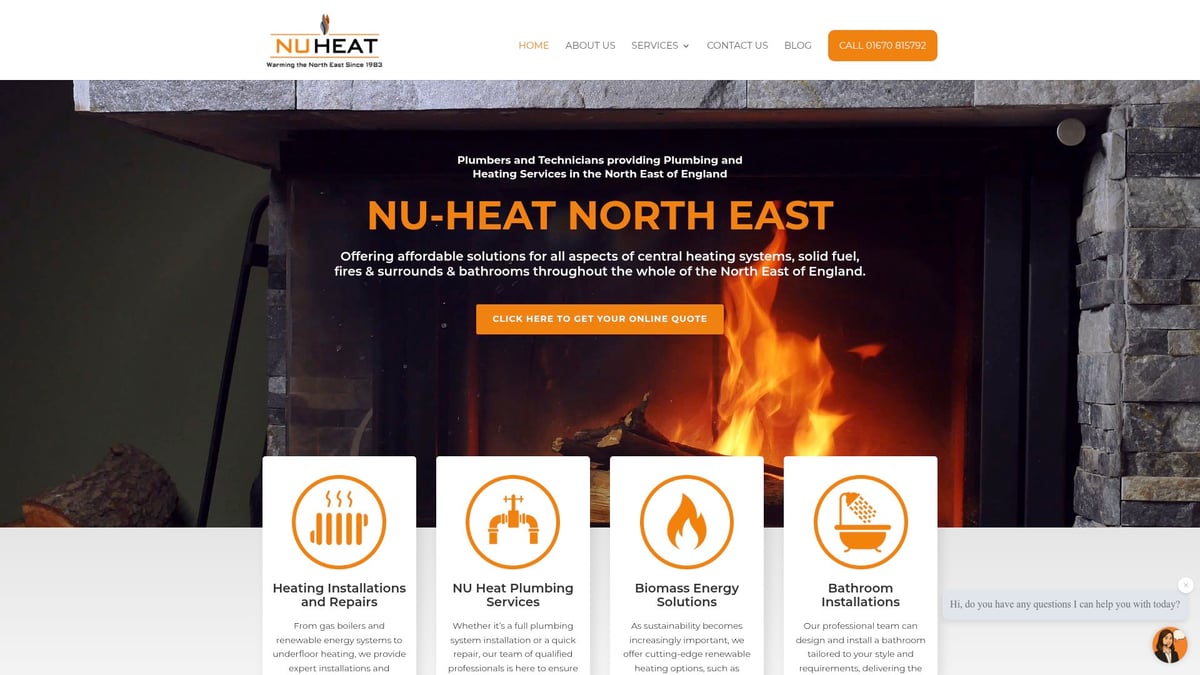
All technicians are certified (Gas Safe, HETAS) and provide instant online quotes. Flexible finance options, such as up to 0% interest, make upgrades accessible for both homes and businesses. Their customer-centric approach, 4.4-star Google rating, and full compliance with 2026 regulations ensure peace of mind for every project.
Navigating Regulations and Safety Standards
Compliance is non-negotiable for heating plumbing services in 2026. The Future Homes Standard and other regulations require accredited professionals for installations and upgrades. Landlords must secure up-to-date safety certificates, and homeowners are responsible for legal compliance.
Penalties for non-compliance can be severe, so always verify your provider's credentials and knowledge of current standards. For more on upcoming changes, see the Future Homes Standard implementation timeline, which details the transition to low-carbon heating and its impact on UK properties.
Aftercare, Support, and Emergency Services
Reliable aftercare is a hallmark of quality heating plumbing services. Post-installation, expect clear instructions, maintenance schedules, and access to emergency support. Leading providers offer 24/7 callout protocols, with average UK response times between two and four hours.
A comprehensive service contract should outline what is included in aftercare, from annual checks to priority repairs. Knowing you have expert support in place not only protects your investment but also ensures ongoing comfort and safety for your property.
The Future of Heating and Plumbing: Sustainability and Innovation
The future of heating plumbing services in the UK is defined by innovation and a deep commitment to sustainability. As the industry moves towards 2026 and beyond, every homeowner and property manager will need to embrace new solutions and adapt to changing expectations. Let us explore the key trends shaping tomorrow’s heating plumbing services.
Decarbonisation and the Path to Net Zero
Heating plumbing services are crucial to achieving the UK’s net zero targets. The government’s strategy is accelerating the transition from gas to low-carbon systems, such as heat pumps and district heating. National targets call for millions of heat pump installations in the next few years, making this technology a centrepiece of future heating plumbing services. Adopting these solutions not only reduces emissions but also positions properties for long-term compliance.
Circular Economy and Eco-Friendly Materials
Sustainability is now at the heart of heating plumbing services. Installers are increasingly using recycled pipes, brass fittings, and water-saving fixtures to reduce environmental impact. Eco-bathrooms and low-flow taps can cut water usage by as much as 30 percent. Choosing environmentally responsible materials and designs ensures heating plumbing services support both efficiency and a healthier planet.
- Recycled copper piping
- Water-saving dual flush toilets
- Low-flow showerheads and taps
Consumer Trends and Behavioural Shifts
Today’s consumers expect heating plumbing services to deliver comfort, savings, and environmental responsibility. Digital convenience and smart controls are now standard in modern homes. According to recent research, 72% of buyers prioritise energy efficiency when upgrading their systems. Heating plumbing services providers must adapt to these evolving demands with tailored, future-ready solutions.
Policy, Incentives, and the Evolving Market
Government policies and incentives are driving the uptake of sustainable heating plumbing services. Schemes such as the Boiler Upgrade Scheme and VAT relief on energy-saving materials make it easier for consumers to invest in eco-friendly upgrades. These incentives, coupled with new regulations, are transforming the market and encouraging both providers and homeowners to prioritise greener choices.
| Policy/Incentive | Benefit for Homeowners |
|---|---|
| Boiler Upgrade Scheme | £5,000 grant for heat pumps |
| VAT Relief | Lower costs on green products |
| Energy Efficiency Grants | Support for low-income homes |
Preparing for 2030 and Beyond
The next decade promises even more change for heating plumbing services. From hydrogen-ready boilers to AI-powered diagnostics and self-healing pipes, innovation is constant. Industry professionals will gather at the World Plumbing Conference 2026 to share insights and shape the future of the sector. Staying ahead means embracing new technology and keeping pace with evolving standards, ensuring homes and businesses remain efficient, safe, and sustainable for years to come.