
Interest in sustainable home heating is rising rapidly as the UK strives to achieve net zero carbon emissions by 2050. Homeowners are seeking efficient ways to cut energy use and reduce their carbon footprint.
One standout solution is the air source heat pump, which offers reliable, low-carbon heating for modern homes. This guide will walk you through the key benefits of air source heat pumps in 2026, equipping you with the facts needed to make smart choices.
Discover how these systems work, their cost-saving advantages, available incentives, installation tips, and future trends. Explore how you can save energy, help the environment, and enjoy affordable comfort by considering an air source heat pump for your home.
How Air Source Heat Pumps Work
Understanding how an air source heat pump operates is crucial for any homeowner considering this innovative technology. These systems are designed to efficiently extract heat from the outside air and transfer it indoors, providing reliable warmth even in colder months.
Basic Principles and Technology
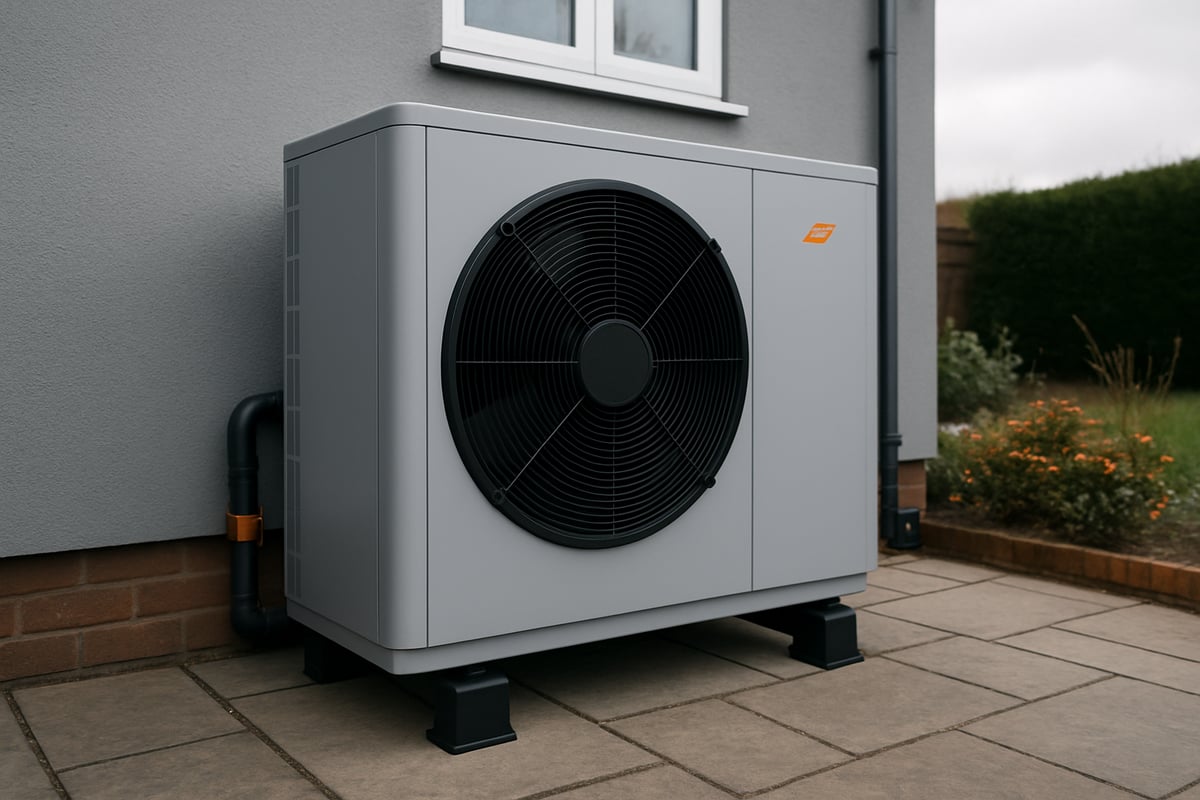
At the heart of every air source heat pump is the refrigeration cycle. This process allows the system to extract heat from the outdoor air—even when temperatures drop below zero. The pump uses a refrigerant fluid that absorbs heat as it passes through the outdoor unit. A compressor then increases the temperature of the refrigerant, which is transferred indoors to heat water or air.
There are two main system types: air-to-water and air-to-air. Air-to-water systems supply heat to radiators or underfloor heating, while air-to-air systems deliver warm air directly into living spaces. The primary components include an outdoor unit, a compressor, an internal heating circuit, and, in some cases, a hot water tank.
Think of an air source heat pump as working like an inside-out fridge. Instead of removing heat from inside a cooled space, it pulls warmth from the air outside and brings it into your home. This method provides consistent and effective heating, making it a popular choice for energy-conscious households.
Types of Air Source Heat Pumps
When selecting an air source heat pump, homeowners can choose between monobloc and split systems. Monobloc units contain all key components in a single outdoor unit, simplifying installation and saving indoor space. Split systems divide the main parts between outdoor and indoor units, often providing improved efficiency and flexibility for larger properties.
In terms of function, air-to-water models are ideal for those needing both heating and hot water, while air-to-air systems focus on air heating and can sometimes offer cooling in summer. Hybrid systems combine an air source heat pump with a traditional boiler, offering added flexibility for older homes or those with high hot water demands.
The table below outlines the main differences:
| System Type | Heating | Hot Water | Installation | Best For |
|---|---|---|---|---|
| Air-to-Water | Yes | Yes | Moderate | Most UK homes |
| Air-to-Air | Yes | No | Simple | Flats, small homes |
| Hybrid | Yes | Yes | Complex | High hot water use |
Efficiency and Performance
A key advantage of the air source heat pump is its impressive efficiency. Modern units can achieve a Seasonal Coefficient of Performance (SCOP) of 3 to 4, meaning they deliver three to four times more energy than they consume. This is a significant improvement over standard gas boilers, which operate at around 90% efficiency.
Even during cold UK winters, today’s systems are engineered to function effectively, maintaining high performance in sub-zero conditions. Data from the Energy Saving Trust shows that switching from an A-rated gas boiler to an air source heat pump can reduce household CO2 emissions by approximately 13.4 percent.
Performance varies based on system design and the property’s insulation. Well-installed units consistently provide reliable heating with lower running costs, especially when paired with compatible distribution systems like underfloor heating and radiators.
Key Considerations for Homeowners
Before installing an air source heat pump, consider your home’s hot water storage needs. Systems that provide hot water require a cylinder or, in some cases, a thermal battery. Assessing available space for both the outdoor unit and any indoor components is essential, as sufficient airflow and clearance are required.
Homeowners should also check the compatibility of their existing heating systems. While many modern radiators and underfloor heating systems work well with an air source heat pump, older or undersized radiators may need upgrading for optimal efficiency.
Proper planning ensures that the air source heat pump delivers the best possible comfort and savings for your home.
Key Benefits of Air Source Heat Pumps
Choosing an air source heat pump offers homeowners a range of advantages for heating and hot water. From impressive energy savings to environmental impact and government support, the benefits extend beyond comfort and efficiency. Let us explore why so many UK households are making the switch.
Energy Efficiency and Cost Savings
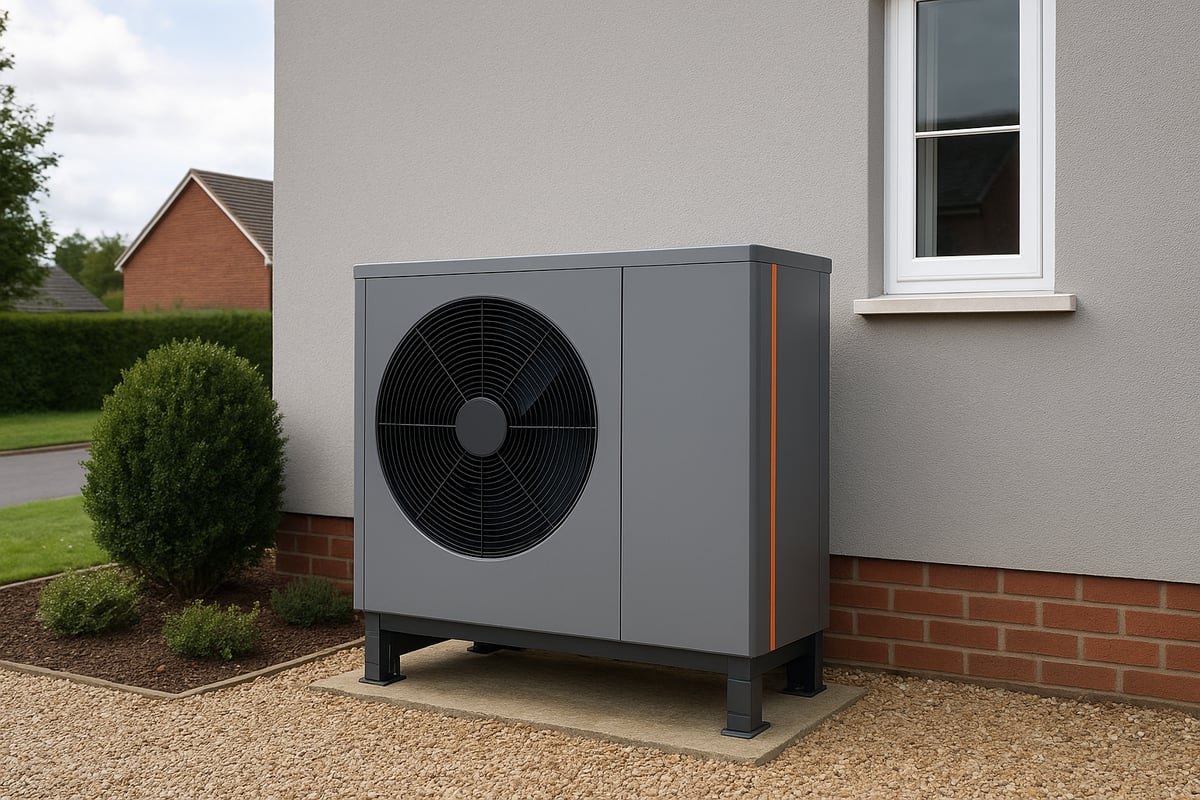
An air source heat pump stands out for its exceptional efficiency. These systems deliver three to four times more heat energy than the electricity they use. This means for every unit of electricity consumed, you receive three or four units of heat, making them far more efficient than traditional boilers.
For many, the switch translates into notable annual savings. If you replace an LPG boiler in an average three-bedroom home, typical running costs with an air source heat pump are around £992 per year, compared with £1,137 for the old system. The table below summarises typical running costs:
| System Type | Annual Cost (3-bed home) |
|---|---|
| Air Source Heat Pump | £992 |
| LPG Boiler | £1,137 |
| Oil Boiler | £1,023 |
| Electric Storage | £2,000+ |
Electricity tariffs and potential radiator upgrades can affect savings, but the long-term reduction in bills makes the air source heat pump a compelling option.
Environmental Impact
Switching to an air source heat pump significantly reduces your household carbon footprint. On average, each installation cuts CO2 emissions by 13.4% compared to a modern gas boiler. As these systems use electricity, especially from renewable sources, they help the UK move closer to its climate goals.
The reduction in fossil fuel reliance is another key benefit. An air source heat pump does not burn gas or oil, so it lowers air pollution and greenhouse gas emissions. To put this in perspective, replacing a gas boiler with a heat pump can save the same amount of CO2 as a return flight from London to Perth. This environmental advantage is a major reason for their growing popularity.
Government Incentives and Support
The UK government provides generous incentives to encourage air source heat pump adoption. The Boiler Upgrade Scheme offers a £7,500 grant for eligible homes in England and Wales, while Scotland and Northern Ireland have their own support packages, including interest-free loans and funding for insulation.
Most grants are available only for air-to-water heat pump systems, so it is important to check eligibility before applying. With these incentives, the starting cost for installation can drop to around £5,144 after the grant is applied. For more information on available support and efficiency benefits, visit the Heat-Pump – Energy Efficient Home page.
Low Maintenance and Longevity
Investing in an air source heat pump means fewer maintenance concerns. With a typical lifespan of 15 to 20 years or more, these systems are built for durability. Annual servicing keeps the pump running efficiently and preserves manufacturer warranties, which can last up to seven years.
Homeowners can support long-term performance with simple tasks:
- Keep the outdoor air intake clear
- Remove leaves or debris regularly
- Monitor system controls for any alerts
These steps help ensure your air source heat pump remains reliable and efficient throughout its service life.
Comfort and Versatility
An air source heat pump delivers consistent, even heating across your home. Unlike older systems that cycle on and off, heat pumps maintain a steady indoor temperature, enhancing comfort during cold months. Noise levels are also low, similar to a standard fridge freezer, making them suitable for urban homes.
Flexibility is another advantage. Air source heat pumps work with radiators and underfloor heating, and some air-to-air models can provide cooling during summer. This versatility means you can enjoy year-round comfort with a single system.
Potential Drawbacks and Solutions
While the advantages are clear, there are a few considerations to address. The upfront cost of an air source heat pump is higher than a replacement boiler, but grants and lower running costs offset this over time. Some homes may need larger radiators or insulation upgrades to maximise efficiency.
Installation typically takes three to eight days, and the full process could span up to twelve weeks if upgrades are needed. Space is also a factor, as you need room for the outdoor unit and possibly a hot water storage cylinder. For smaller homes or flats, compact systems or air-to-air models offer practical solutions.
Overall, with proper planning and support, the benefits of an air source heat pump far outweigh the challenges.
Cost Factors and Financial Considerations
Understanding the key cost factors of installing an air source heat pump is essential for making a confident investment. Homeowners should weigh upfront costs, ongoing savings, available grants, and long-term value to make an informed decision.
Installation Costs Breakdown
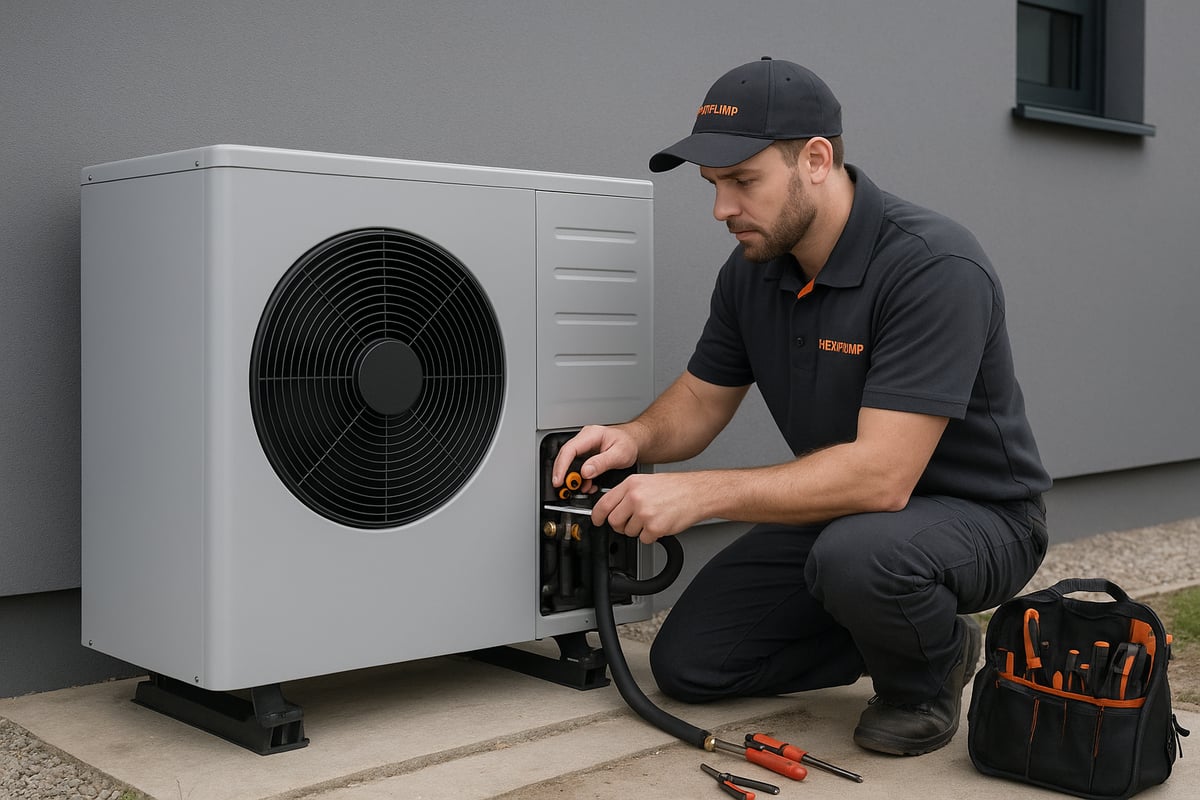
The initial investment for an air source heat pump is higher than a standard boiler, but several factors influence the final cost. Typical installation for a standard home starts at £11,000, with potential to drop to £5,144 after applying the Boiler Upgrade Scheme grant.
Key cost drivers include:
- Property size and insulation level
- Heat pump output required to meet heating and hot water needs
- Whether the property is a new build or a retrofit
- Upgrades to radiators or underfloor heating, if needed
- Additional work like electrical upgrades or hot water cylinder installation
For example, a well-insulated new build may only need minor adjustments, while an older home could require significant upgrades. Always factor in possible extra costs for insulation or system modifications when budgeting for an air source heat pump.
Running Costs and Potential Savings
One of the biggest attractions of an air source heat pump is the potential to reduce running costs over time, especially compared to older heating systems. Average annual running costs for a typical three-bedroom home are around £992, compared to £1,137 for an LPG boiler or £787 for a modern gas boiler.
| System Type | Annual Running Cost (avg) |
|---|---|
| Air source heat pump | £992 |
| Gas boiler (A-rated) | £787 |
| LPG boiler | £1,137 |
| Electric storage heaters | £1,800+ |
While electricity is pricier than gas, the efficiency of an air source heat pump offsets this. Savings are maximised with good insulation and efficient radiators. For a deeper look into energy savings and efficient heating, see the Heating and energy efficiency guide.
Grants, Loans, and Tariffs
Several financial incentives are available to support air source heat pump adoption. The Boiler Upgrade Scheme offers a £7,500 grant for eligible installations in England and Wales, reducing upfront costs. Scotland provides interest-free loans and additional grants, while Northern Ireland supports insulation upgrades.
Special tariffs for heat pumps, such as twice-daily discounted electricity, can further lower running costs. Many installers also offer financing options, including monthly payment plans and zero percent interest deals, making it easier to spread the investment in an air source heat pump.
Long-term Value and Return on Investment
Over its 15–20 year lifespan, an air source heat pump can deliver substantial savings on energy bills. Reduced maintenance costs compared to older boilers and improved reliability add to the value proposition.
Installing an air source heat pump may also increase property value and improve EPC ratings, making homes more attractive to future buyers. Many homeowners report greater comfort and satisfaction, finding the system cost-effective and reliable in the long term.
Installation and Home Suitability Guide
Choosing the right heating system starts with understanding your home’s needs. An air source heat pump can be a transformative addition, but not every property is ready without some planning. This section will help you assess suitability, prepare for installation, and navigate the process with confidence.
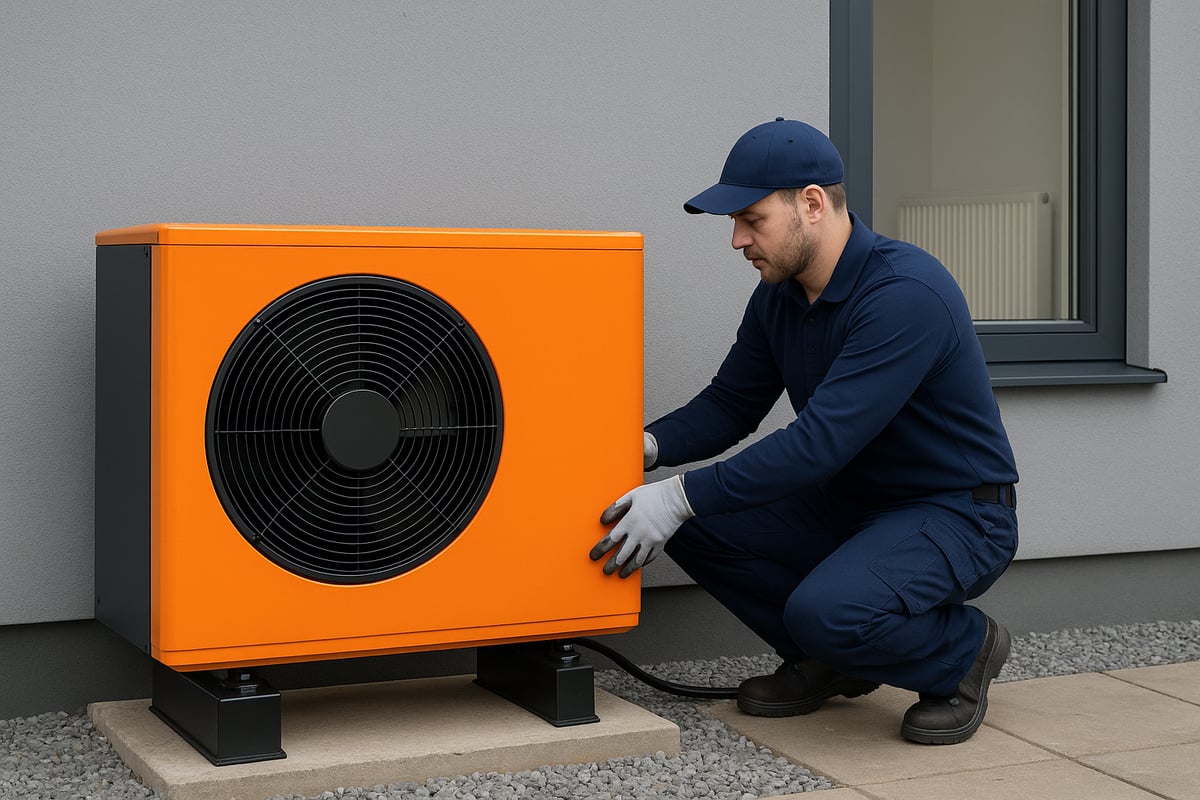
Assessing Your Home’s Suitability
Before investing in an air source heat pump, evaluate your property’s features. Outdoor space is necessary for the external unit, ideally with good airflow and minimal obstructions. Inside, you’ll need room for a water cylinder if you choose an air-to-water system.
Well-insulated homes see the greatest efficiency. If your property is draughty or has single glazing, consider insulation upgrades first. Flats and small homes may opt for compact or air-to-air models, which require less space and can still deliver effective heating.
A professional installer can carry out a home survey, checking factors like radiator sizes and current heating layout. This assessment ensures your air source heat pump will perform optimally in your specific setting.
Preparing for Installation: Step-by-Step
Getting ready for an air source heat pump installation involves several steps. Start with a home energy assessment to identify any insulation gaps or potential efficiency improvements. Next, work with your installer to select the best system type for your needs, whether that’s monobloc, split, hybrid, air-to-water, or air-to-air.
Proper sizing is crucial. The system must match your property’s heating and hot water demands. Plan for hot water storage if needed, and discuss radiator or underfloor heating upgrades to maximise performance. Some homes may require electrical work or permissions, especially in listed buildings or conservation areas.
For more details on preparing for installation, see this helpful central heating installation guide, which covers key considerations relevant to air source heat pump setups.
Installation Process Explained
A professional air source heat pump installation usually takes between three and eight days. The first step is removing the old heating system and preparing the site for the new external and internal units. The outdoor component is securely mounted, ensuring it’s level and has adequate clearance.
Next, the installer connects the pump to your radiators or underfloor heating. For air-to-water systems, a new hot water cylinder is fitted. Electrical connections are made, and the system is filled and checked for leaks. After setup, the installer commissions the air source heat pump, testing all functions to guarantee efficient operation.
You’ll receive a thorough handover, including training on the controls and maintenance tips. This ensures you’re confident in using your new system from day one. With each step, the air source heat pump brings your home closer to sustainable, low-carbon comfort.
Maintenance and Aftercare
Maintaining your air source heat pump is straightforward. Schedule annual servicing to keep the warranty valid and the system running efficiently. This professional check-up covers refrigerant levels, electrical safety, and cleaning filters.
As a homeowner, you can support longevity by keeping the air intake clear of debris and monitoring for unusual noises. In winter, ensure the outdoor unit remains ice-free. Most manufacturers offer warranties up to seven years, providing peace of mind.
Simple routine care can extend your system’s lifespan well beyond 15 years. With the right aftercare, your air source heat pump remains a reliable, low-maintenance solution for years to come.
Common Challenges and Solutions
Space limitations are a common concern. If you lack a large garden, compact outdoor units or air-to-air models can fit smaller spaces. Flats and terraced homes often benefit from these options.
Noise worries are eased by modern designs, which typically run as quietly as a standard fridge. If your existing radiators are undersized, upgrading them or improving insulation optimises efficiency. Installation may take longer if significant upgrades are needed, but clear planning helps avoid delays.
Addressing these challenges ensures your air source heat pump delivers maximum comfort and savings, regardless of your property’s constraints.
Future Trends and Innovations in Air Source Heat Pumps
The landscape for air source heat pump technology is evolving rapidly as the UK accelerates its journey to net zero. In 2026, homeowners can expect a wave of improvements, new policy initiatives, and a greater focus on sustainability. Let us explore the innovations shaping the future of the air source heat pump and its role in transforming home heating across the country.
Technological Advancements
The air source heat pump is benefitting from significant technological progress. New models are now capable of delivering high levels of efficiency, even when outdoor temperatures drop well below zero. Improvements in the Seasonal Coefficient of Performance (SCOP) mean that the latest systems deliver more heat output per unit of electricity used.
Smart controls are becoming standard, allowing homeowners to integrate their air source heat pump with home automation platforms. Quieter operation and compact designs are also making it easier to install these systems in urban and smaller properties. As a result, more households can enjoy the benefits of advanced, reliable heating.
Policy and Market Developments
Government support is a major driver for the adoption of the air source heat pump. The UK has set ambitious targets for heat pump installations, aiming to phase out fossil fuel heating and accelerate the shift to low-carbon solutions. Increased grant funding, streamlined planning rules, and clear standards for installers are all encouraging rapid market growth.
Recent statistics show strong momentum, with the UK government backing more than 180,000 heat pump installations. This demonstrates both policy commitment and growing consumer confidence in the air source heat pump market.
Integration with Renewable Energy
Pairing an air source heat pump with other renewable technologies is increasingly common. Many homeowners are installing solar PV panels and battery storage, enabling them to power their heat pump with clean electricity generated on-site. Smart grid integration and participation in demand response programmes are helping to balance the national grid and reduce costs.
Heat pump-specific electricity tariffs, offering lower rates during off-peak periods, are making it even more cost-effective to run an air source heat pump. This integration strengthens the case for renewables and supports sustainable, future-proof heating.
Consumer Trends and Case Studies
The air source heat pump is becoming more popular as awareness and installer expertise grow. Homeowners are sharing positive experiences, noting improved comfort, lower energy bills, and reduced carbon emissions. Case studies highlight the ease of installation, ongoing reliability, and the value added to properties.
Accreditation schemes and independent reviews, such as Which? Trusted Trader and Trustpilot, are helping consumers find qualified installers. As uptake rises, more people are considering the air source heat pump as a standard feature for modern, sustainable homes.
Environmental Impact and Net Zero Goals
Adopting an air source heat pump is a key step in the UK’s strategy to decarbonise home heating. Each installation helps cut household carbon emissions, moving the nation closer to its net zero targets. The future is bright, with innovations such as hydrogen-ready and hybrid systems offering even greater flexibility.
As technology advances and more homes switch to the air source heat pump, the collective impact on the environment will be significant. This ongoing transition is vital for a cleaner, greener future.
Frequently Asked Questions About Air Source Heat Pumps
Are air source heat pumps effective in cold UK winters?
Modern air source heat pump systems are designed to perform efficiently even when outdoor temperatures drop below freezing. Advances in technology mean that these systems can extract heat from the air down to -20°C, ensuring reliable heating for UK homes throughout the winter.
Do I need to replace all my radiators when installing an air source heat pump?
Not always. While some homes may benefit from larger or upgraded radiators to maximise efficiency, many existing radiators can be used with an air source heat pump. An installer will assess your current setup and provide tailored recommendations for optimal performance.
How noisy are air source heat pumps in operation?
Most air source heat pump units produce noise levels similar to a fridge freezer. Outdoor units are typically quieter than many traditional boilers. Proper installation and placement further reduce any impact, making them suitable for residential areas and even for homes with close neighbours.
What is the difference between air-to-water and air-to-air systems?
An air-to-water system supplies heat to your radiators or underfloor heating and provides hot water, making it the most common choice in the UK. Air-to-air systems, meanwhile, distribute warm or cool air via fans and are suitable for properties without wet central heating systems.
Are air source heat pumps suitable for flats or small homes?
Yes, there are compact air source heat pump models and air-to-air options well suited for flats and smaller properties. These require less space for the outdoor unit and may not need a large hot water cylinder, making them a flexible solution for various home types.
How do government grants and incentives work in 2026?
In 2026, homeowners can benefit from the Boiler Upgrade Scheme, which offers grants of up to £7,500 for eligible air source heat pump installations. The UK government is increasing support and simplifying planning rules to boost uptake, as detailed in Britain announces plan to boost heat pump uptake.
What is the typical payback period for an air source heat pump?
The payback period depends on your current heating system, energy tariffs, and whether you receive grants. Most households see a return on investment within 7 to 12 years through lower running costs and available financial support.
How do I maintain my air source heat pump for maximum lifespan?
Annual servicing by a qualified engineer is recommended to maintain efficiency and warranty coverage. Homeowners should also regularly check for debris around the outdoor unit and ensure air intakes remain clear for optimal operation.
Can I use an air source heat pump with solar panels or other renewables?
Absolutely. Pairing an air source heat pump with solar PV or other renewable energy sources can further reduce running costs and carbon footprint. For more on combining systems, visit Renewable energy heating systems.
Are there any ongoing costs or hidden fees to consider?
Apart from annual servicing and electricity use, ongoing costs are minimal. Some properties may require additional upgrades, such as improved insulation or new radiators, but reputable installers will provide transparent quotes detailing all expenses upfront.
What should I look for in a qualified installer?
Choose a professional accredited by the Microgeneration Certification Scheme (MCS) or a recognised body. Check for positive reviews, relevant experience, and clear communication about the air source heat pump installation process and aftercare.
How do I know if my home is suitable for an air source heat pump?
Your home needs outdoor space for the unit and, for air-to-water systems, room for a hot water cylinder. Well-insulated properties are best, but installers can advise on necessary upgrades to ensure your air source heat pump operates efficiently.