
Plumbing is the backbone of every home and business, ensuring daily comfort, hygiene, and safety. Neglecting regular maintenance can lead to unexpected breakdowns, water damage, and costly repairs.
In 2026, new challenges are emerging. Homeowners and businesses must adapt to eco-friendly upgrades, advanced water-saving technologies, and rising repair costs. Understanding and plumbing services has never been more crucial for saving money, preventing emergencies, and maintaining comfort.
This guide is your essential handbook for navigating the world of and plumbing services in 2026. Discover the latest system innovations, how to select the right provider, cost-saving strategies, and future trends to keep your property running smoothly.
The Modern Plumbing System: Key Components and Innovations
Modern plumbing systems have evolved well beyond basic pipes and taps, forming the backbone of comfort, safety, and hygiene in every property. Understanding the structure and innovations behind these systems is crucial for anyone seeking quality and plumbing services in 2026.
Key Components of Modern Plumbing
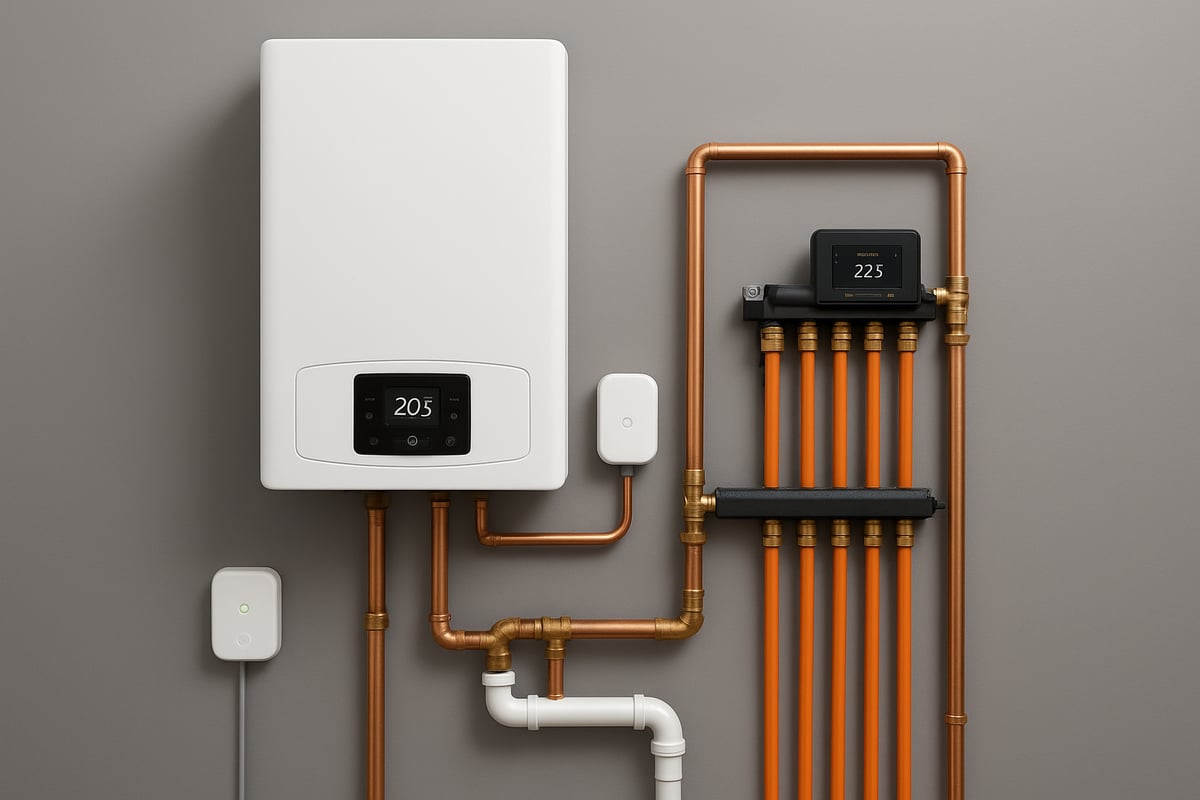
At its core, every plumbing system relies on several essential elements. Pipes carry water to and from various fixtures, while valves regulate flow and pressure. Fixtures such as taps, toilets, and showers are where water is used. Drainage pipes safely remove wastewater, and water heaters supply hot water on demand. Each component must work in harmony, which is why professional and plumbing services are vital for installation and upkeep.
Innovations in Materials and Technology
Recent years have seen significant advances in the materials used for plumbing. Traditional copper remains popular for its durability, but PEX (cross-linked polyethylene) is increasingly favoured due to its flexibility, resistance to scale, and ease of installation. Eco-friendly alternatives, such as recycled PVC and lead-free brass, are also gaining ground.
Technology has revolutionised and plumbing services, with smart systems now commonplace. Leak detection sensors, Wi-Fi enabled water heaters, and automated shut-off valves help prevent costly damage and provide real-time monitoring. For a deeper dive into these innovations, see the Smart Plumbing & Water Management Trends for 2025.
Water Efficiency and Sustainability
Water-saving upgrades are a cornerstone of modern and plumbing services. Low-flow toilets, aerated taps, and greywater recycling systems significantly reduce consumption. According to Waterwise (2024), UK homes can save up to 30% on their water bills by installing contemporary fixtures and adopting efficient habits.
These upgrades not only lower utility costs, they also ease the strain on local water supplies. Greywater recycling, in particular, allows safe reuse of water from sinks and showers for garden irrigation or toilet flushing, making it a popular choice in new builds and renovations.
Maintenance, Longevity, and Common Issues
Regular maintenance is essential for maximising the lifespan and performance of your plumbing system. Scheduled inspections and preventative care from skilled and plumbing services can catch issues before they escalate. Outdated systems commonly suffer from corrosion, persistent leaks, and poor water pressure, all of which can lead to higher repair costs if ignored.
A table summarising common issues in outdated versus modern systems:
| Issue | Outdated Systems | Modern Systems |
|---|---|---|
| Corrosion | Frequent | Rare (PEX, PVC) |
| Leaks | Common | Early detection |
| Water Pressure | Often low | Consistently high |
| Water Efficiency | Poor | Excellent |
Environmental Impact and Future-Readiness
Modern and plumbing services play a significant role in reducing water waste and carbon footprints. Using efficient fixtures and sustainable materials, homes and businesses can dramatically lower their environmental impact. These systems support the UK's commitment to sustainability, while future-proofing properties for upcoming regulations and technological advances.
With the right knowledge and a proactive approach to maintenance, property owners can enjoy reliable, efficient, and eco-friendly plumbing systems that deliver comfort and savings well into the future.
Choosing the Right Plumbing Service Provider in 2026
Selecting the right partner for your and plumbing services is essential for the safety, efficiency, and long-term value of your property. With evolving technologies and rising expectations in 2026, knowing what to look for in a provider can help you avoid costly mistakes and ensure peace of mind.
Credentials and Qualifications
When searching for and plumbing services, always verify that the provider holds up-to-date qualifications. Look for Gas Safe registration, which is legally required for work involving gas appliances. Insurance is another non-negotiable, protecting both you and the technician in case of accidents. Reputable firms will also display trade certifications from recognised industry bodies.
These credentials signal a commitment to high standards and compliance with UK regulations. Never hesitate to ask for proof or check online databases to confirm a provider’s status.
Experience, Specialisation, and Provider Type
Not all and plumbing services are equal. Providers with extensive experience and a proven track record are best equipped to handle complex installations or unique system requirements. Some specialise in eco-friendly upgrades, smart technology, or commercial-scale projects.
Consider whether a local or national provider fits your needs. Local firms often deliver more personalised service and faster response times, while national companies may offer broader resources. For a detailed overview of service options and reliability, see this comprehensive plumbing services overview.
Reviews, Reputation, and Transparency
A provider’s reputation is a strong indicator of service quality. Check independent review platforms, testimonials, and case studies to gauge customer satisfaction. Pay attention to how companies handle complaints and whether they resolve issues promptly.
Transparency in communication is key. Reliable and plumbing services will provide clear information about their processes, timelines, and what you can expect at each stage. Avoid providers who are vague or reluctant to answer your questions.
Pricing, Guarantees, and Finance
Transparent pricing protects you from hidden fees and unexpected costs. Request detailed, written quotes that break down labour, materials, and VAT. In 2026, many providers offer 0% finance options, making large projects or emergency repairs more accessible. In fact, 60% of consumers now prefer companies with flexible finance plans (Which , 2025).
Ask about service guarantees and product warranties before committing. This ensures you are covered if issues arise after the work is completed.
Sustainability and Environmental Focus
Sustainability is now a priority for many seeking and plumbing services. Look for providers who offer eco-friendly solutions, such as low-flow fixtures, energy-efficient boilers, or rainwater harvesting systems. Many companies highlight their commitment to reducing environmental impact through responsible sourcing and innovative technologies.
Choosing a provider with a strong sustainability ethos not only benefits the planet but can also result in long-term savings on water and energy bills.
Step-by-Step Guide: How to Book and Prepare for Plumbing Services
Booking and preparing for and plumbing services in 2026 is easier and more efficient than ever, but a little planning can make all the difference. Whether you are tackling a routine maintenance job, a major installation, or an urgent repair, following a structured approach ensures the process is smooth, cost-effective, and stress-free.
Step 1: Assess Your Plumbing Needs
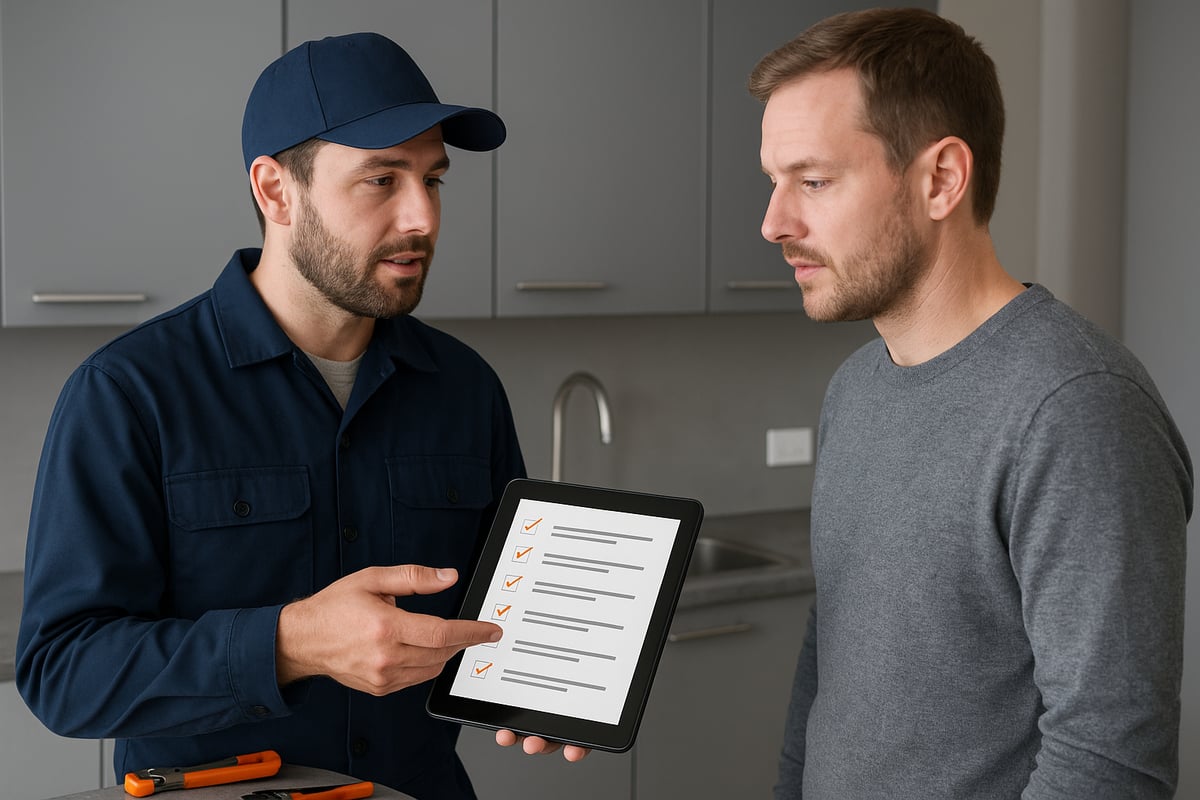
Begin by identifying the specific issues or upgrades you require from and plumbing services. Are you experiencing leaks, low water pressure, or considering eco-friendly upgrades? Make a detailed note of your concerns, including locations and symptoms. This preparation helps you communicate clearly and ensures the provider brings the right tools and parts.
Step 2: Research and Shortlist Reputable Providers
Take the time to research local and plumbing services with strong credentials. Look for providers with Gas Safe registration, relevant trade certifications, and positive customer reviews. Create a shortlist of companies that offer the services you need, whether for repairs, installations, or ongoing maintenance.
Step 3: Request and Compare Detailed Quotes
Contact your shortlisted providers and request detailed, itemised quotes for the required and plumbing services. Compare their pricing, service guarantees, and included warranties. Be sure to check for transparent terms and avoid vague estimates. This step helps you avoid hidden costs and ensures you receive value for money. For more on repairs, see this Guide to plumbing repairs.
Step 4: Schedule a Survey or Consultation
Arrange a home survey or a virtual consultation with your chosen and plumbing services provider. This allows the technician to assess your system, confirm the scope of work, and answer your questions. It is a valuable opportunity to discuss timeframes, access needs, and any preparations required on your part.
Step 5: Prepare Your Property
Before the appointment, clear access to the affected areas and create a list of specific problems for the and plumbing services team. Secure pets and move fragile items out of the workspace. Properties that are well prepared can reduce service time by up to 25 percent, according to Checkatrade (2025).
Step 6: Review and Sign the Service Agreement
Carefully review the contract provided by your and plumbing services provider. Ensure all work details, costs, warranties, and payment terms are clearly stated. Sign only when you fully understand the agreement. Clarify any questions about emergency call-out policies or aftercare support.
Step 7: Follow Up for Maintenance and Feedback
After the job is completed, ask your provider for maintenance tips and advice tailored to your system. Provide feedback on the service to help future customers and the provider’s team. Regularly following up after and plumbing services helps you stay ahead of potential issues and maintain system efficiency.
Tips for Effective Communication:
- Be as specific as possible when describing problems
- Ask questions about timelines, warranties, and emergency support
- Keep all correspondence and documentation for your records
By following these steps, you can maximise the benefits of and plumbing services, reduce unexpected costs, and ensure your property remains comfortable and efficient throughout 2026.
Cost-Saving Tips and Finance Options for Plumbing Work
Saving money on and plumbing services in 2026 is all about being proactive and informed. With rising repair costs and new technologies, making smart choices can protect your budget. Whether you are planning an upgrade or facing an emergency, understanding your options will help you manage expenses without compromising on quality.
Comparing Quotes and Understanding Costs
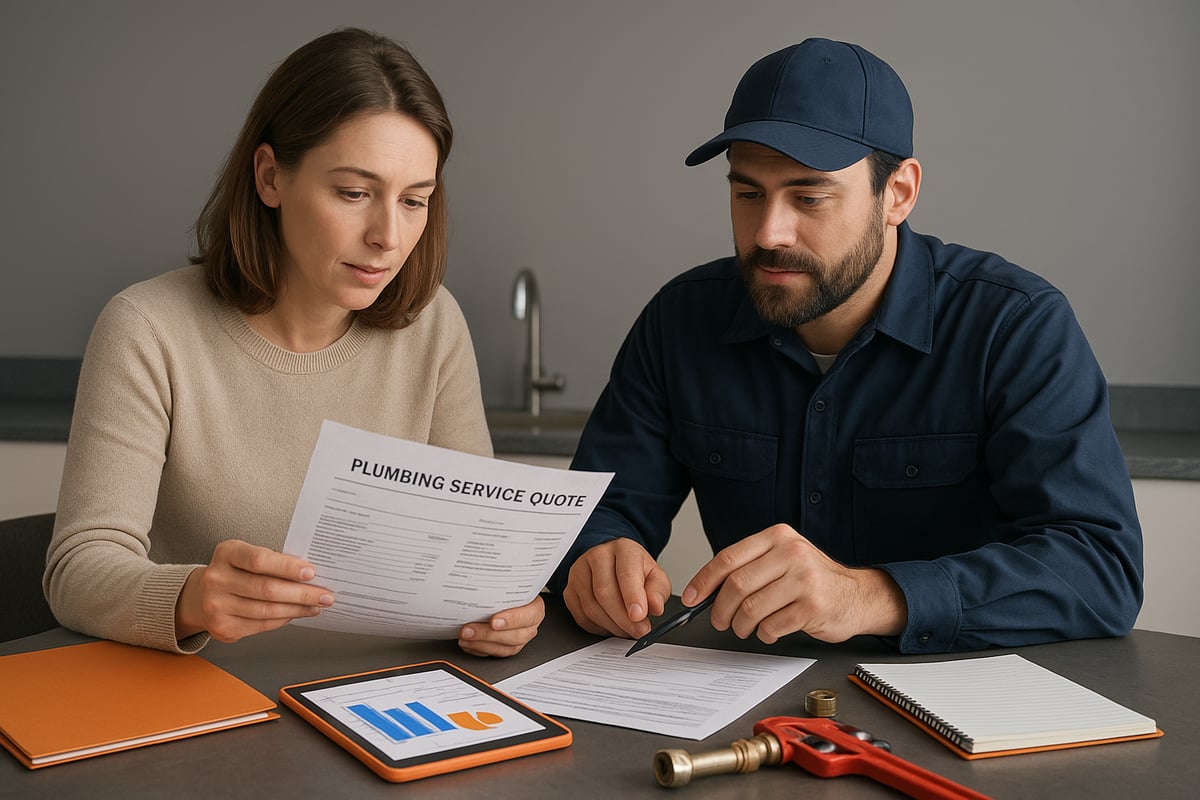
The first step to saving on and plumbing services is to compare multiple quotes. Prices can vary widely between providers, so always request detailed, itemised estimates. Look for transparency in pricing, including labour, parts, and any call-out fees.
| Job Type | Typical 2026 Cost (GBP) |
|---|---|
| Boiler replacement | £2,000 – £3,500 |
| Bathroom refit | £3,000 – £6,000 |
| Leak repair | £100 – £300 |
| Tap installation | £80 – £180 |
Understanding market rates helps you spot overpriced or suspiciously cheap quotes. For more on what affects pricing, see Plumbing installations explained.
Maintenance Contracts and Long-Term Savings
Investing in regular maintenance can cut the cost of and plumbing services over time. Many providers offer annual service contracts covering inspections, preventative repairs, and emergency call-outs. These plans often cost less than unexpected repairs and help extend the life of your plumbing system.
According to MoneySavingExpert, homeowners save an average of £250 per year with maintenance plans. Scheduled upkeep reduces the risk of major faults, protects your property, and ensures compliance with warranties.
Consider the following benefits:
- Priority booking for urgent repairs
- Discounted rates on parts and labour
- Scheduled reminders for inspections
Finance Options and Government Incentives
Many households worry about affording major and plumbing services, especially during economic uncertainty. Fortunately, 0% finance and flexible payment plans are widely available in 2026, helping you spread the cost of larger projects like boiler upgrades or bathroom renovations.
To qualify, you may need a credit check and proof of address, but most reputable firms clearly state their terms upfront. In addition, government grants and incentives support eco-friendly upgrades, such as water-saving fixtures and energy-efficient heating.
For industry insights on financial stability, see Plumbing and Heating Profession Remains Stable Despite UK Economic Uncertainty.
Avoiding Hidden Costs and Upsells
Be vigilant about unnecessary upsells when booking and plumbing services. Always ask for clarification on warranties and what is included in your contract. Avoid paying for extras unless you understand their value.
Practical tips to avoid overspending:
- Never accept vague quotes or unclear terms
- Double-check for hidden fees in the agreement
- Ask about warranty coverage on new installations or repairs
By staying informed and assertive, you can ensure your investment in and plumbing services delivers long-term value and peace of mind.
Future Trends in Plumbing: What to Expect Beyond 2026
The landscape of and plumbing services is evolving rapidly as technology, sustainability, and regulatory demands reshape the industry. Whether you are a homeowner or a business, understanding these future trends can help you make smarter choices, save on costs, and prepare for tomorrow’s challenges.
Smart Home Integration and Digital Plumbing
Smart technology is transforming and plumbing services. By 2026 and beyond, expect to see widespread adoption of voice-activated taps, leak detection sensors, and remote water usage analytics. These features enable homeowners to monitor and control water systems from their smartphones, reducing waste and preventing damage.
Integration with broader home automation also means that plumbing systems can now alert you instantly to issues, minimising the risk of emergencies. According to the NHBC, 40% of new UK builds feature smart plumbing elements, reflecting the shift towards connected living. For further insight on how AI and digital transformation are shaping the industry, see the Opportunity Through Disruption: 2026 Plumbing Industry Outlook.
Eco-Innovation and Sustainability
Sustainability is at the core of the future for and plumbing services. Modern solutions include water recycling systems, solar-powered water heating, and pipes made from biodegradable materials. These innovations are designed to reduce water consumption and lower household carbon footprints.
Expect to see more homes using rainwater harvesting and greywater recycling, making efficient use of every drop. In addition, eco-friendly upgrades often qualify for government incentives, making them a smart investment. For more on integrating eco-friendly plumbing with heating systems, read Plumbing and central heating insights.
Regulatory Changes and Compliance
The UK government is tightening regulations around water efficiency and safety. Future standards will likely require all new systems to include smart leak detection, advanced filtration, and low-flow fixtures. Compliance will be essential for both residential and commercial properties using and plumbing services.
These regulatory shifts aim to protect resources and ensure public health. Staying informed about new requirements is vital for anyone planning major upgrades or installations.
The Future Role of Plumbers
The role of plumbers is expanding. No longer limited to repairs, professionals in and plumbing services now act as technology consultants, advising on smart home integration, renewable energy solutions, and regulatory compliance.
Continuous training will be crucial, as the industry demands new skills in digital diagnostics and eco-technology. The ability to install, maintain, and troubleshoot advanced systems will set future-ready plumbers apart.
Projected Trends in Plumbing
| Trend | Description | Impact |
|---|---|---|
| Smart Integration | Voice, sensors, analytics | Convenience, safety |
| Eco-Innovation | Solar, greywater, biodegradable piping | Lower bills, greener |
| Regulatory Compliance | Stricter standards, smart features | Legal, efficient |
| Expanded Plumber Role | Tech consultancy, ongoing training | Expertise, trust |
Staying ahead of these trends ensures that your and plumbing services will remain efficient, compliant, and future-proof.