
Step into your bathroom each morning and imagine never dreading the chill of cold tiles again. The right heating for bathrooms transforms your space into a haven of warmth and comfort, making early starts and late nights far more inviting.
This essential guide will walk you through the latest innovations in heating for bathrooms for 2026. Discover how to blend efficiency, safety, and contemporary style with state-of-the-art heating solutions.
From advanced technologies and energy-saving strategies to expert installation advice, you will learn how to create a bathroom that is both cosy and future-proof. Say goodbye to shivers and hello to smart, stylish comfort.
The Importance of Effective Bathroom Heating
Stepping into a cold, damp bathroom is never pleasant. Bathrooms face unique environmental challenges, including high moisture levels, frequent condensation, and rapid temperature changes. These conditions make heating for bathrooms not just a matter of comfort but a necessity for maintaining a healthy and welcoming home.
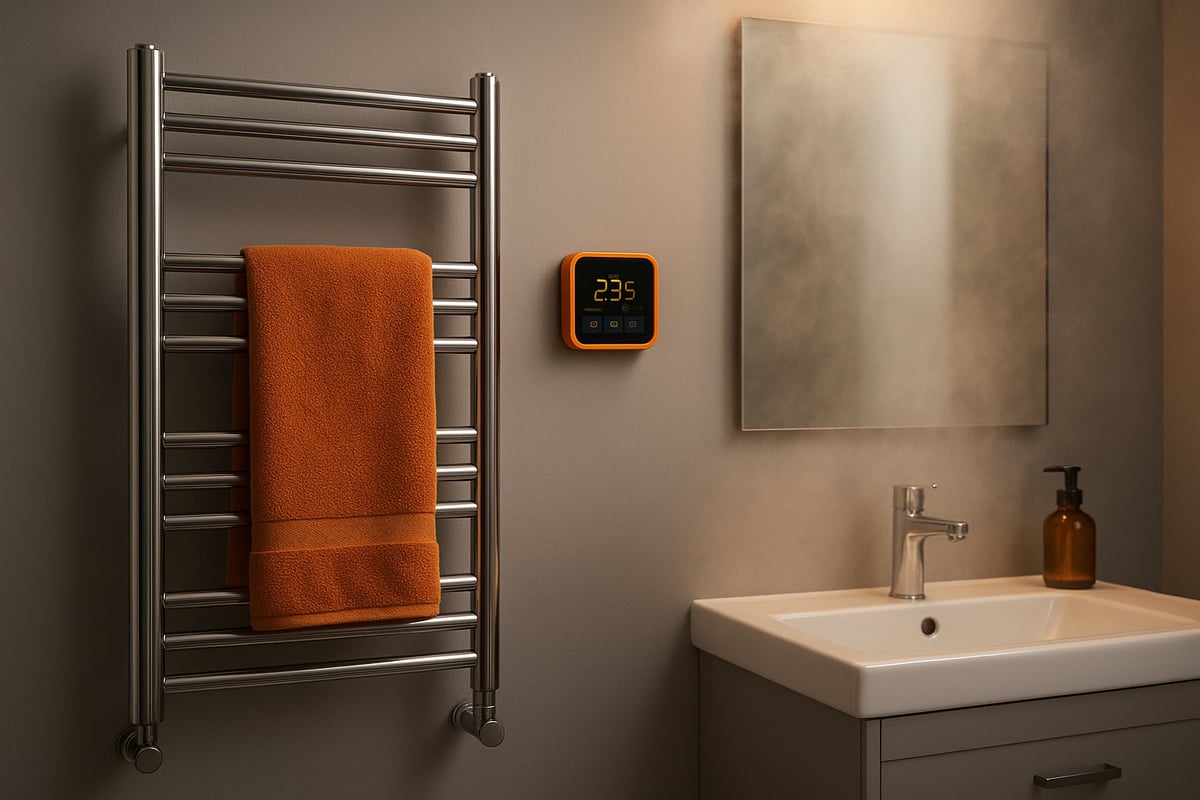
Effective heating for bathrooms helps combat excess humidity, reducing the risk of mould and damp. Mould growth is a leading cause of respiratory problems and can damage fixtures and finishes. By keeping the bathroom warm and dry, you create a healthier environment for your family and protect against costly repairs caused by moisture.
Energy efficiency is another crucial factor when considering heating for bathrooms. Traditional systems can be wasteful, driving up household bills and increasing your carbon footprint. Modern solutions, such as underfloor heating and advanced towel rails, are designed to deliver targeted warmth while minimising energy use. Upgrading your bathroom heating can also add value to your property, as buyers increasingly seek homes with energy-efficient features and stylish, functional spaces.
The difference between a heated and unheated bathroom is striking. Heated bathrooms offer a spa-like experience, with warm floors and towels enhancing daily routines. In the UK, demand for features like heated towel rails and underfloor systems surged in 2023, reflecting a shift towards comfort and luxury. Traditional radiators may struggle to meet these evolving expectations, prompting many homeowners to seek innovative alternatives. For a broader look at the technologies UK households are adopting, see this overview of heating systems in UK homes.
Investing in heating for bathrooms is not just about immediate warmth. It is a strategic decision that safeguards your home's structure, boosts efficiency, and enhances everyday living. As technology advances, the right system will offer both comfort and long-term savings, ensuring your bathroom remains a sanctuary in every season.
Types of Bathroom Heating Systems in 2026
Selecting the right heating for bathrooms in 2026 means balancing comfort, efficiency, and design. Modern systems offer more than just warmth—they transform your daily routine, improve energy use, and enhance your bathroom’s style.
Radiators and Heated Towel Rails
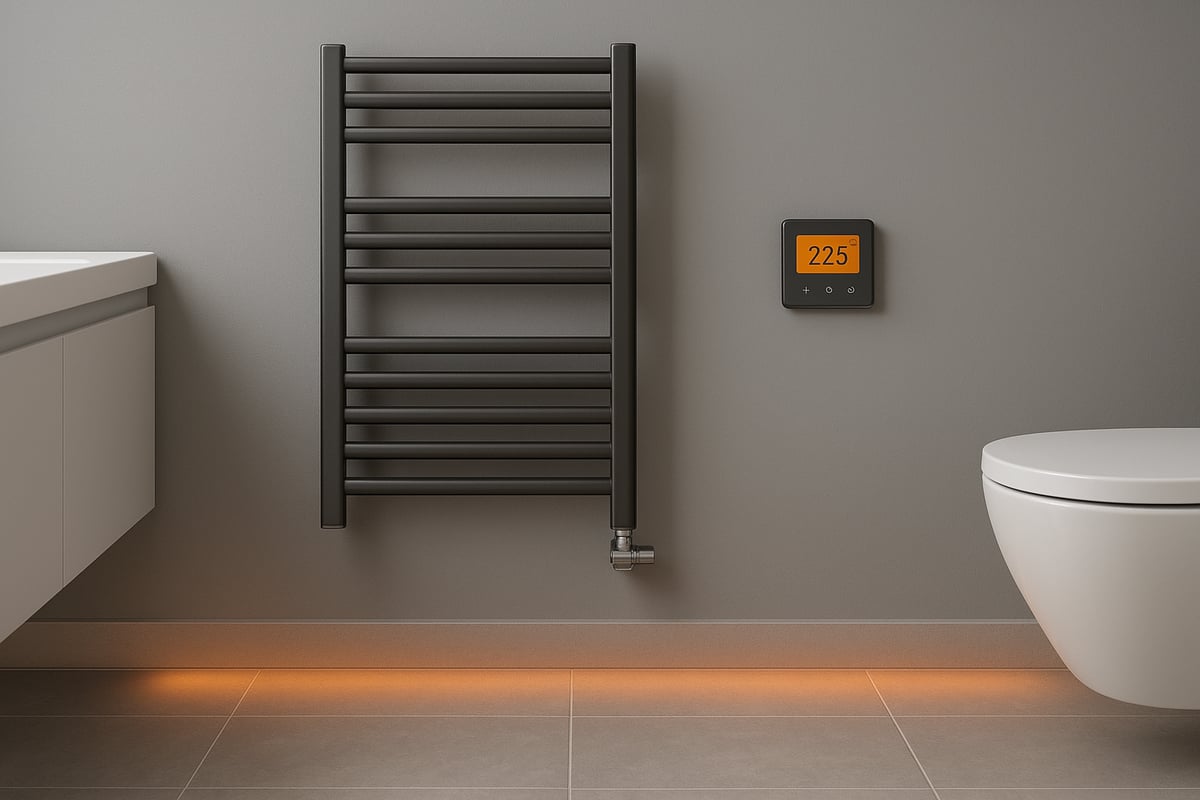
When it comes to heating for bathrooms, radiators and heated towel rails remain popular choices. In 2026, the trend leans towards space-saving, dual-purpose designs that combine efficient heating with towel drying. Anthracite and chrome finishes are especially sought-after, adding a contemporary touch to modern bathrooms.
You can choose between electric and plumbed towel rails. Electric models are easy to install and ideal for retrofitting, while plumbed versions integrate with your central heating for potentially lower running costs. New energy efficiency ratings for 2026 models help you compare options at a glance.
Installation is straightforward, but consider available wall space and existing pipework. Safety features such as overheat protection, timers, and thermostatic controls are now standard. To keep your system running smoothly, wipe down surfaces regularly and bleed radiators annually to remove trapped air.
An increasing number of UK homeowners are opting for slimline radiators with built-in towel storage, reflecting a shift towards multi-functional heating for bathrooms. This blend of style and practicality ensures your bathroom stays cosy and clutter-free.
Underfloor Heating: Electric and Water-Based
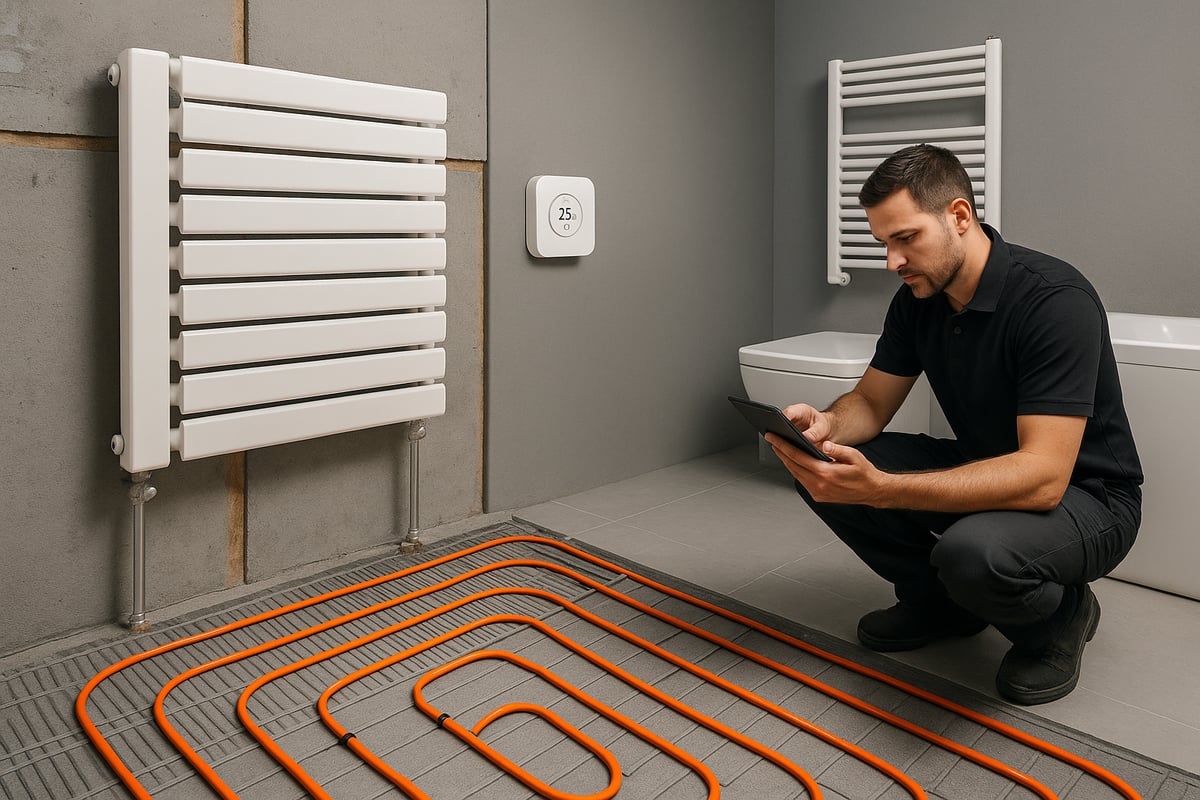
Underfloor heating for bathrooms has surged in popularity due to its comfort and efficiency. This system works by running heating elements or water pipes beneath the floor, distributing heat evenly across the space. Electric mat systems are quick to install and suit smaller bathrooms, while hydronic (water-based) options are ideal for larger spaces and long-term savings.
Proper installation is crucial. Subfloor preparation, insulation, and waterproofing all play a role in system performance. Running costs have dropped in 2026 thanks to improved controls and insulation standards. Smart thermostats allow you to set schedules and zones, reducing wasted energy and enhancing comfort.
A case study from North East England shows a rise in underfloor heating adoption, driven by homeowners seeking both luxury and practicality. For a detailed guide on benefits and installation, see Underfloor heating for bathrooms.
With heating for bathrooms, underfloor solutions offer a discreet, effective way to eliminate cold spots and deliver warmth where it's needed most.
Infrared Panels and Ceiling Heating
Innovative heating for bathrooms now includes infrared panels and ceiling-mounted systems. Infrared technology heats objects and people directly, rather than warming the air. This approach ensures rapid, targeted comfort—ideal for small or awkwardly shaped bathrooms where traditional radiators may not fit.
Ceiling heating is especially useful in compact spaces. Panels can be installed flush with the ceiling, freeing up valuable wall and floor space. In 2026, these systems come in a variety of customisable finishes, allowing seamless integration with your décor.
Energy usage is low and heat-up times are fast, making these solutions both efficient and responsive. Safety is a top priority, with low surface temperatures and moisture-resistant designs reducing risk in wet environments.
Luxury hotels have embraced these systems for their comfort and style. Smart home integration is common, allowing you to control heating for bathrooms via mobile apps or voice commands.
Portable and Supplementary Heaters
Not every bathroom can accommodate a fixed heating system, so portable and supplementary heaters remain in demand. These units provide flexible heating for bathrooms, especially in rentals or older homes awaiting renovation.
Modern portable heaters are designed with safety in mind. Look for models with IP ratings suitable for damp environments. Overheat protection and automatic shut-off features are now standard. Energy consumption is typically higher than built-in systems, so use these heaters as a temporary or backup solution.
Supplementary options are perfect for occasional use or when you need an extra boost of warmth on chilly mornings. Their popularity in the UK continues to grow, reflecting a need for adaptable heating for bathrooms in diverse living situations.
Choosing the Right System for Your Bathroom
Selecting the best heating for bathrooms starts with assessing your space. Measure the room and check insulation quality to determine the required heat output. Consider how often the bathroom is used and by whom—family bathrooms may need a different setup than a small en-suite.
Balance your budget with desired features. Electric systems may have lower upfront costs, while water-based or underfloor options offer long-term savings. Think about aesthetics and space—slimline radiators, hidden underfloor heating, or ceiling panels each create a different look.
Before installation, discuss these points with your installer:
- Room size and insulation
- Preferred heating type
- Running cost estimates
- Safety features and certifications
- Visual impact and space-saving
By carefully weighing these factors, you can ensure your heating for bathrooms delivers comfort, efficiency, and style for years to come.
Energy Efficiency and Sustainability in Bathroom Heating
Modern heating for bathrooms is no longer just about warmth. Today, efficiency and sustainability are just as important as comfort. Homeowners are looking for solutions that reduce bills, lower environmental impact, and keep up with evolving technology.
Latest Energy-Efficient Technologies
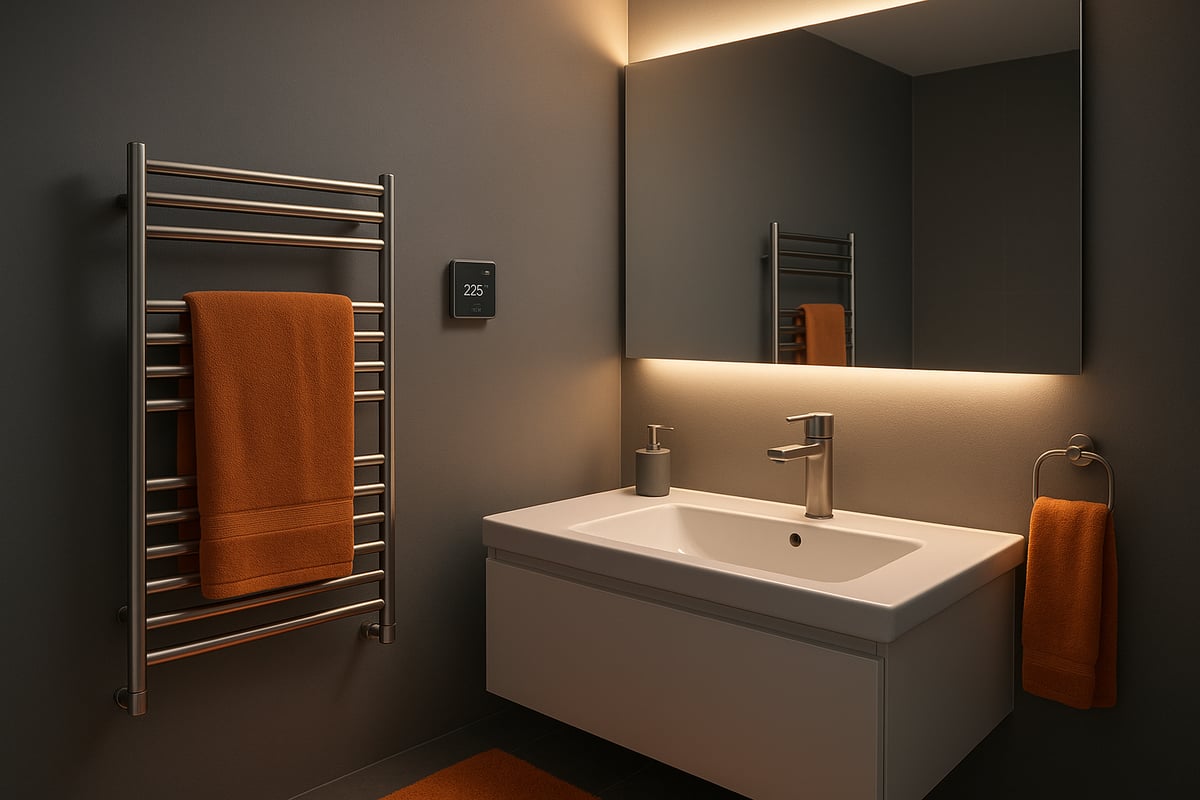
The landscape of heating for bathrooms is rapidly changing, driven by advanced controls and smart automation. In 2026, the latest thermostats allow for precise temperature management, with zoning options to heat only when and where needed. Many systems now integrate seamlessly with renewable energy sources, such as solar panels and heat pumps, providing eco-friendly warmth.
Smart sensors detect occupancy and adjust heating for bathrooms automatically, minimising waste. For example, a 2024 study found that smart heating controls can cut energy bills by up to 20% in UK homes. Eco-friendly materials, like recycled aluminium and low-toxicity coatings, are increasingly used in radiators and towel rails, supporting both performance and sustainability.
For those seeking more data, the Household Energy Efficiency Statistics 2024 offer valuable insights into UK trends, including improved insulation and adoption of efficient heating systems. These advancements are setting new standards for heating for bathrooms in both new builds and renovations.
Reducing Running Costs and Environmental Impact
Running heating for bathrooms efficiently is essential for both the environment and your wallet. Start by using timers and programmable thermostats to avoid unnecessary heating. Insulation upgrades, such as floor and wall insulation, further reduce heat loss and energy use.
Electric underfloor heating is popular for its quick response times, but water-based systems often provide lower running costs over time. Comparing these options is vital for sustainable upgrades. Look out for government incentives and grants in the UK, which support homeowners in adopting energy-efficient solutions and offset initial installation costs.
A recent bathroom renovation case study showed that combining good insulation with modern controls slashed heating bills by a third. By focusing on sustainable choices, you can make heating for bathrooms both cost-effective and environmentally friendly.
Regulations and Standards for 2026
Staying compliant with UK regulations is crucial when upgrading heating for bathrooms. Updated building standards now require higher efficiency from new installations, with minimum performance benchmarks for both radiators and underfloor systems.
Safety standards have also tightened, especially for electrical equipment in wet areas. Look for certification marks such as CE and BEAB, which confirm that your chosen heating for bathrooms system meets current safety and efficiency requirements. Ensuring compliance not only protects your home but also supports long-term sustainability goals.
Future-Proofing Your Bathroom Heating
When planning new heating for bathrooms, consider future compatibility and flexibility. Smart home integration is becoming standard, allowing you to manage heating from your phone or with voice commands. Modular systems make it easy to upgrade components as technology advances, ensuring your investment remains current.
Compatibility with future energy sources, like hydrogen-ready boilers and next-generation heat pumps, is another key consideration. Preparing now means your heating for bathrooms will remain efficient and compliant as UK energy standards evolve. A forward-thinking approach ensures comfort, efficiency, and value for years to come.
Installation: Planning and Professional Advice
A successful heating for bathrooms project begins with careful planning and expert guidance. From measuring your space to maintaining your system, each step plays a crucial role in ensuring comfort, safety, and efficiency. Here is a practical, step-by-step guide to help you navigate the installation process with confidence.
Step 1: Assessing Your Space and Needs
Before you choose any heating for bathrooms solution, start by measuring your bathroom’s dimensions and checking the insulation quality. Identify where heat is lost, such as through windows or poorly insulated walls.
Think about how the space is used. A small en-suite may need less heating than a large family bathroom. Note peak usage times and whether you have hot and cold spots. This assessment helps you select the right system and avoid under or over-heating.
Step 2: Selecting the Right Heating System
When selecting heating for bathrooms, match the system to your room size, insulation, and budget. Consider energy efficiency ratings and safety certifications.
Make a checklist of your priorities:
- How much wall or floor space is available?
- Do you prefer radiators, towel rails, or underfloor heating?
- What are your running cost expectations?
- Are there style or colour preferences?
Discuss these points with your installer to ensure your system fits your needs and complements your bathroom design.
Step 3: Preparing for Installation
Proper preparation is essential for heating for bathrooms. Ensure all electrical and plumbing work is planned according to UK regulations. Waterproofing is vital, especially for underfloor systems, to prevent long-term damage.
Create a timeline with your installer so you know what to expect. Protect surfaces and fixtures before work begins. Confirm that all products used are suitable for wet environments and meet safety standards for water and electricity.
Step 4: Professional vs. DIY Installation
While some homeowners may consider DIY, heating for bathrooms is best left to qualified professionals for safety and compliance. Professionals understand complex wiring, plumbing, and moisture protection.
DIY mistakes, such as poor waterproofing or incorrect wiring, can lead to costly repairs and void warranties. Compare costs: professional installation may seem higher, but it often includes aftercare, guarantees, and peace of mind. Always weigh the risks and benefits before deciding.
Step 5: Maintenance and Troubleshooting
Regular maintenance is key for long-lasting heating for bathrooms. Check for leaks, corrosion, and electrical faults at least annually. Clean and descale heating elements to maintain efficiency.
If you notice uneven heating, strange noises, or error messages on smart controls, consult a professional. Prompt attention to small issues can prevent larger problems and ensure your system remains safe and efficient for years to come.
Expert Installation and Advice from Nu-Heat North East
Since 1983, Nu-Heat North East has delivered expert plumbing and heating services across the region. Their team specialises in installing and repairing bathroom heating systems, full bathroom renovations, and bespoke solutions tailored to your needs.
Clients benefit from highly trained technicians, 0% interest finance options, and a satisfaction guarantee. To ensure your project runs smoothly, explore their complete bathroom installation services for a seamless, professional experience. Book a consultation to get started with your ideal bathroom heating solution.
Safety Considerations for Bathroom Heating
Safety is a top priority when choosing heating for bathrooms. Wet environments create unique risks, making it vital to select products and systems designed specifically for bathroom use. Proper safety measures ensure not only your comfort but also the wellbeing of all household members.
Electrical Safety in Wet Environments
Electrical safety is crucial for heating for bathrooms. Always choose heaters with an appropriate IP (Ingress Protection) rating, which indicates resistance to water and moisture. For example, an IP44 rating or higher is recommended for most bathroom zones, ensuring safe operation near water sources.
Look for products certified with safety marks such as CE and BEAB. Moisture-resistant casings and sealed connections help prevent short circuits and electrical faults. Never install standard household heaters in bathrooms, as they lack necessary protection.
Safe Placement and Usage
Safe placement of heating for bathrooms is essential to avoid accidental water contact. Install fixed heaters away from direct streams of water, such as showers or baths. Wall-mounted units or ceiling panels are popular choices, as they keep electrical components well above splash zones.
Portable heaters should only be used if they are specifically designed for bathroom use and carry the correct IP rating. Always follow manufacturer guidelines regarding minimum distances from water sources.
Protecting Children and Pets
Modern heating for bathrooms often includes features that protect children and pets. Look for systems with cool-to-touch surfaces and built-in overheat protection. Automatic shut-off functions add another layer of security, switching off the unit if unsafe conditions are detected.
Timers and motion sensors can also prevent accidental overheating, reducing the risk of burns or fire. These features are especially important in family homes or properties with vulnerable occupants.
Preventing Common Hazards
Common hazards in heating for bathrooms include electrical faults, leaks, and condensation buildup. According to recent UK statistics, a significant number of bathroom heating incidents are caused by improper installation or lack of moisture protection.
To reduce risks, always use certified installers and insist on thorough waterproofing. Regularly inspect heaters for signs of corrosion, exposed wiring, or water ingress. For those integrating multiple systems, combining radiators and underfloor heating safely requires careful planning and understanding of best practices. For more on this, see Combining radiators and underfloor heating.
Maintenance and Regular Inspections
Routine maintenance is key to safe heating for bathrooms. Check heaters periodically for dust, debris, or signs of wear. Clean filters and descaling elements as recommended by the manufacturer.
Schedule professional safety inspections at least once a year, especially if you notice unusual noises, odours, or reduced efficiency. Staying proactive helps extend the lifespan of your system and ensures ongoing safety.
Prioritising Safety for Peace of Mind
Investing in safe, compliant heating for bathrooms protects your household and property. By choosing the right equipment, following installation guidelines, and maintaining regular checks, you gain comfort and confidence in your bathroom environment.
Emerging Trends and Innovations in Bathroom Heating for 2026
The landscape of heating for bathrooms is rapidly evolving as technology and sustainability take centre stage. In 2026, homeowners can expect a wave of innovation, with new systems offering not only warmth but also intelligence, eco-friendliness, and elegant design. These trends are set to redefine comfort, efficiency, and style for years to come.
Smart Home Integration
Smart home integration is revolutionising heating for bathrooms. Homeowners are now able to control temperature, timing, and energy use with voice commands or mobile apps. Systems learn routines and automatically adjust to suit different times of day, helping to ensure the bathroom is always comfortable. Integration with broader home automation platforms means heating for bathrooms seamlessly fits into a connected lifestyle.
- Voice-controlled thermostats
- App-based scheduling and monitoring
- Compatibility with platforms like Alexa and Google Home
These features provide both convenience and improved energy management.
Eco-Friendly and Low-Carbon Innovations
Environmental concerns are driving significant progress in heating for bathrooms. Manufacturers are embracing recycled materials, energy-efficient components, and low-carbon technologies. The adoption of heat pumps and solar-ready systems is accelerating, with smart sensors reducing waste by heating only when needed.
For new builds, the Future Homes Standard Overview highlights how regulations will soon require low-carbon solutions, making eco-friendly heating for bathrooms not just a preference but a necessity. Green certifications and energy labelling help homeowners make informed choices.
- Heat pumps and renewable integration
- Recycled and sustainable materials
- Smart zoning for reduced consumption
Designer and Modular Solutions
Bathroom heating is no longer just about function. Designer radiators and towel rails now come in custom finishes like brushed gold, matte black, and anthracite, allowing homeowners to match their heating for bathrooms to any interior style. Hidden underfloor systems and ceiling-mounted panels free up wall space and create a sleek, clutter-free look.
Modular systems are also gaining popularity. These allow for easy upgrades as technology advances, ensuring that heating for bathrooms remains future-proof and adaptable to changing needs.
- Customisable panel finishes
- Space-saving underfloor and ceiling options
- Modular components for easy updates
Data-Driven Comfort and User Behaviour
The next wave of innovation in heating for bathrooms is driven by data and user behaviour. Advanced sensors monitor humidity, occupancy, and ambient temperature, then adjust output for optimal comfort and efficiency. Systems can adapt to individual preferences, learning when you are most likely to use the bathroom and pre-heating accordingly.
This level of personalisation not only enhances comfort but also cuts energy use and costs. The growing adoption of smart bathroom technologies, as highlighted in recent UK market reports, points to a future where every shower or bath is perfectly timed and tempered.
Anticipated Regulatory Changes and Market Insights
Regulatory shifts are shaping the future of heating for bathrooms. The UK's commitment to sustainability is influencing the types of systems being installed, especially in new homes. The Future Homes Standard Overview sets out stricter requirements for carbon emissions, making advanced, green heating solutions the norm.
At the same time, changing policies, like the recent decision to alter the gas boiler phase-out, are affecting consumer choices and the pace of innovation. Homeowners are increasingly opting for systems that are both compliant and flexible, ready to adapt to future regulatory requirements.
In summary, the emerging trends in heating for bathrooms are making spaces smarter, greener, and more personalised. Whether you are planning a renovation or building new, these innovations promise lasting comfort and value.