
Imagine stepping into a home where warmth, efficiency, and style blend seamlessly, all guided by expert knowledge from boilers to bathrooms. Whether you are considering a new heating system, a complete bathroom makeover, or both, having the right information is essential.
This comprehensive handbook will be your trusted companion for navigating every detail of home heating and bathroom upgrades in 2025. We will explore the latest boiler innovations, essential plumbing tips, step-by-step renovation guidance, energy-saving strategies, and advice on choosing the best professionals.
Get ready to discover how to transform your living space with confidence and ease.
Understanding Modern Boilers: Types, Efficiency, and Innovations
Modern heating is at the heart of the boilers to bathrooms transformation. Choosing the right boiler system can dramatically improve comfort, energy savings, and reliability in your home. Let’s break down the essential aspects of today’s boilers, from types and efficiency to real innovations shaping 2025.
Overview of Boiler Types
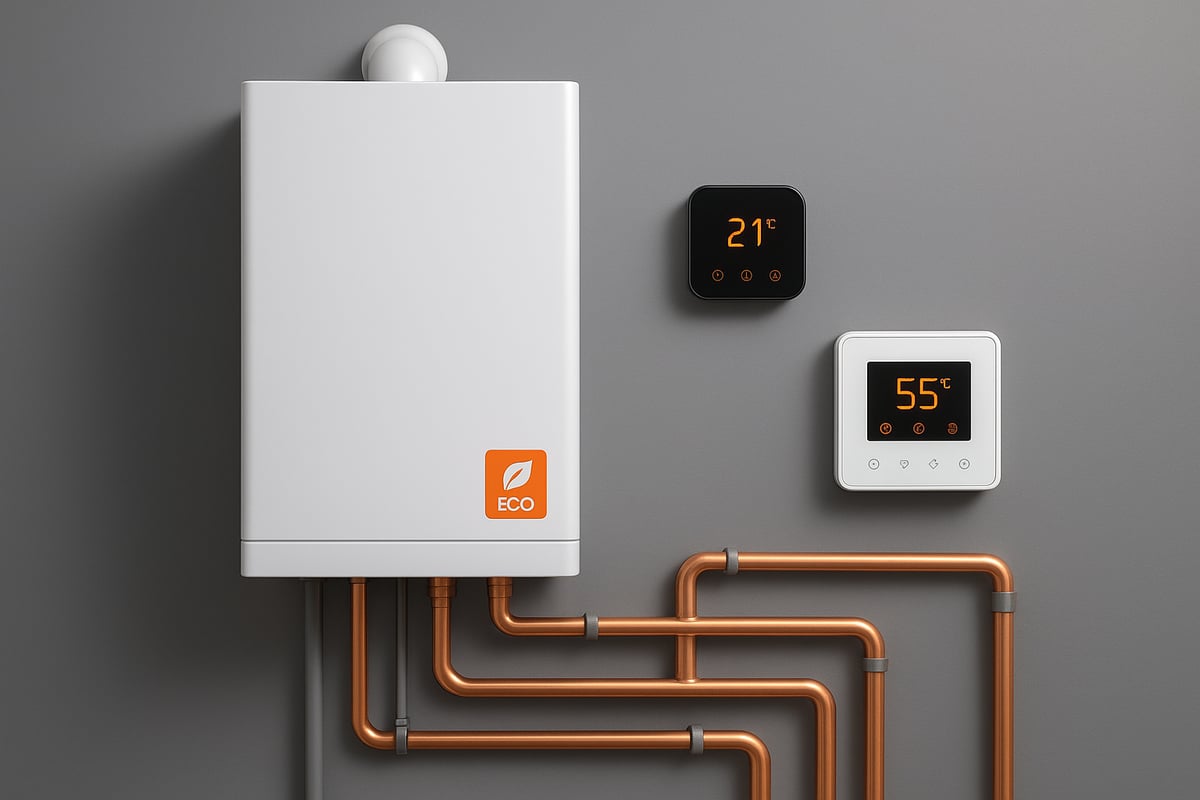
Understanding the three main boiler types is the first step in the boilers to bathrooms journey. Each type suits different households:
- Combi boilers: Compact, heat water on demand, ideal for smaller homes.
- System boilers: Use a separate cylinder for hot water, perfect for homes with high water demand.
- Conventional boilers: Require both a cylinder and a tank, best for properties with traditional layouts.
Table: Boiler Type Comparison
| Boiler Type | Pros | Cons |
|---|---|---|
| Combi | Space-saving, instant hot water | Limited simultaneous use |
| System | Good for multiple bathrooms | Needs cylinder space |
| Conventional | Works with older systems | Bulky, slower hot water |
Selecting the right option ensures your boilers to bathrooms upgrade fits both lifestyle and property size.
Energy Efficiency Ratings Explained
When considering boilers to bathrooms projects, efficiency is key. Modern boilers are rated using the ErP (Energy-related Products) label, which grades performance from A+++ to G. In 2025, only high-efficiency condensing boilers meet installation standards.
Condensing technology recovers heat from exhaust gases, reducing waste and saving money. Look for features such as:
- A-rated efficiency
- Weather compensation controls
- Modulating burners
Upgrading to an efficient boiler can cut fuel bills and carbon emissions, making it a top priority in any boilers to bathrooms plan.
Latest Innovations in Boiler Technology
Recent advances have revolutionised the boilers to bathrooms process. Smart controls now enable remote scheduling and learning algorithms, adapting heating to your routine. Hydrogen-ready boilers are emerging, designed to work with future green fuels.
Integration with renewables is increasingly popular. Homeowners can connect boilers to solar thermal panels or heat pumps for even greater savings. These innovations ensure your system remains future-proof and sustainable, a crucial factor in 2025’s boilers to bathrooms upgrades.
Cost Considerations and Comparisons
Cost is a significant factor when planning for boilers to bathrooms improvements. On average, installing a modern combi boiler costs £2,000–£2,500, while system and conventional options may be higher due to extra components.
Running costs are much lower for new models, thanks to higher efficiency. Compared to older, non-condensing boilers, you could save up to £350 per year in energy bills. Investing in a new boiler not only boosts comfort but also increases your property’s value, making it a smart choice for long-term savings in boilers to bathrooms projects.
Maintenance Essentials and Case Study
Maintaining your boiler is vital for safety and performance. Annual servicing helps prevent breakdowns, extends lifespan, and keeps warranties valid. Common issues include pressure drops, ignition failures, and limescale build-up. For improved efficiency, consider a system flush for boilers to remove sludge and debris.
A recent case study from the North East saw a family reduce their heating bills by 25% after upgrading to a condensing combi boiler and following a strict maintenance routine. With over 80% of UK homes relying on gas boilers, regular upkeep is a key step in the boilers to bathrooms transition.
Essential Plumbing Considerations: Laying the Foundations
A solid plumbing system is the backbone of every successful boilers to bathrooms project. Understanding how water supply, waste removal, and proper venting work together is crucial for comfortable living. Your plumbing not only delivers clean water but also safely removes waste, supporting both heating and bathroom functions.
If you want to dive deeper into the essentials, the Plumbing and central heating guide offers valuable insights to help you make informed decisions at every stage.
Recognising When to Upgrade & Material Choices
Spotting the signs that your plumbing needs attention can save you from costly repairs. Watch out for persistent leaks, low water pressure, or outdated pipework—these are clear signals that your boilers to bathrooms plans may require an upgrade.
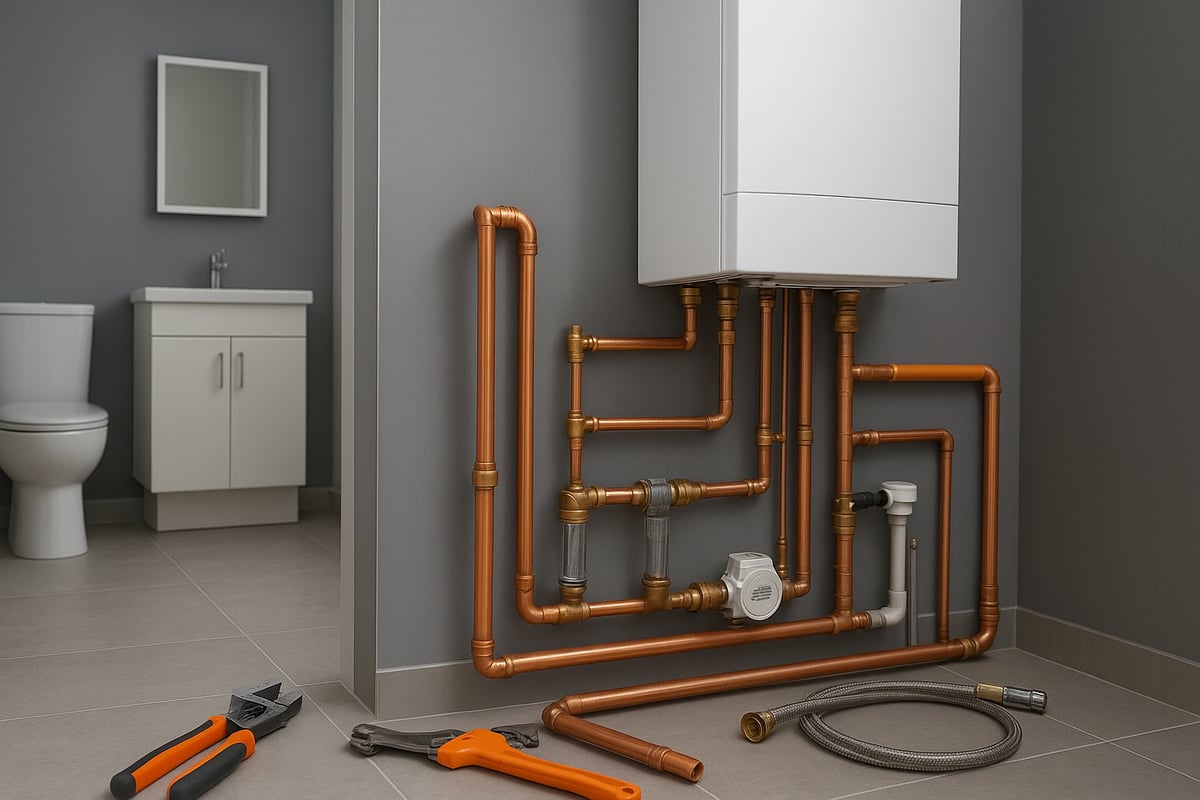
When selecting materials, both copper and plastic piping have their advantages. Copper is durable and naturally resists bacteria, while plastic is lightweight and often easier to install. Consider sustainability and longevity when making your choice.
| Material | Durability | Sustainability | Cost |
|---|---|---|---|
| Copper | High | Recyclable | Higher |
| Plastic | Moderate | Some options | Lower |
Water Pressure, Regulations & Prevention
Consistent water pressure is vital in boilers to bathrooms projects, ensuring efficient heating and a satisfying shower or bath. Poor flow rates can impact both comfort and appliance performance.
Compliance with UK water regulations, including Building Regulations Part G and Part H, is essential for safety and legal standards. Preventing common issues like limescale, corrosion, and freezing is straightforward with good pipe insulation and regular checks.
Key prevention tips:
- Insulate pipes to avoid freezing
- Use water softeners in hard water areas
- Schedule regular maintenance checks
Enhancing Performance: An Integrated Approach
A well-designed plumbing system is the secret ingredient in seamless boilers to bathrooms upgrades. For example, a North East homeowner who invested in a full system review saw fewer leaks, improved heating, and better water pressure in their new bathroom.
By focusing on foundational plumbing considerations, you set the stage for reliable performance, energy efficiency, and long-term peace of mind—ensuring every part of your home works in harmony.
The Bathroom Renovation Journey: Step-by-Step Guide
Embarking on a boilers to bathrooms upgrade is an exciting opportunity to enhance both comfort and value in your home. Whether you want a modern spa-like retreat or simply need better functionality, careful planning and expert advice will ensure a smooth transformation. This step-by-step guide will walk you through every phase of the process, helping you make informed choices for lasting results.
Planning Your Dream Bathroom
Every successful boilers to bathrooms project starts with a clear plan. Begin by assessing your available space, considering dimensions, natural light, and existing plumbing layouts. Think about your lifestyle needs: do you require a family-friendly design, or is a luxury en-suite your goal?
Set a realistic budget, factoring in both essential works and any desired extras. Create a timeline that accounts for design, sourcing materials, and installation. For 2025, popular trends include spa-inspired features like rainfall showers, eco-friendly fixtures, and smart technology for lighting and temperature control.
Prioritise your must-haves and separate them from nice-to-haves to avoid overspending. Consulting with a professional early on can help identify potential challenges and solutions, ensuring your boilers to bathrooms journey gets off to the right start.
Choosing Fixtures and Materials
Selecting the right fixtures and materials is vital in any boilers to bathrooms upgrade. Consider how each choice impacts daily use, maintenance, and sustainability. For example, baths, walk-in showers, and wet rooms all offer different benefits in terms of accessibility and style.
| Fixture/Material | Key Benefits | Sustainability |
|---|---|---|
| Freestanding bath | Luxurious, statement piece | Recyclable materials |
| Wet room | Accessible, modern look | Water-saving drains |
| Recycled tiles | Eco-friendly, durable | Low environmental impact |
| Water-saving taps | Reduce water usage | Lower bills, eco |
| Eco-toilets | Dual-flush, efficient | Save water |
Choose popular brands that combine performance with style. Emphasise sustainable materials, such as recycled tiles or FSC-certified wood, to future-proof your bathroom and support your boilers to bathrooms vision.
Plumbing and Heating Integration
Seamless integration of plumbing and heating is essential for any boilers to bathrooms renovation. Assess whether your current systems can support new fixtures and features, or if upgrades are required for optimal performance.
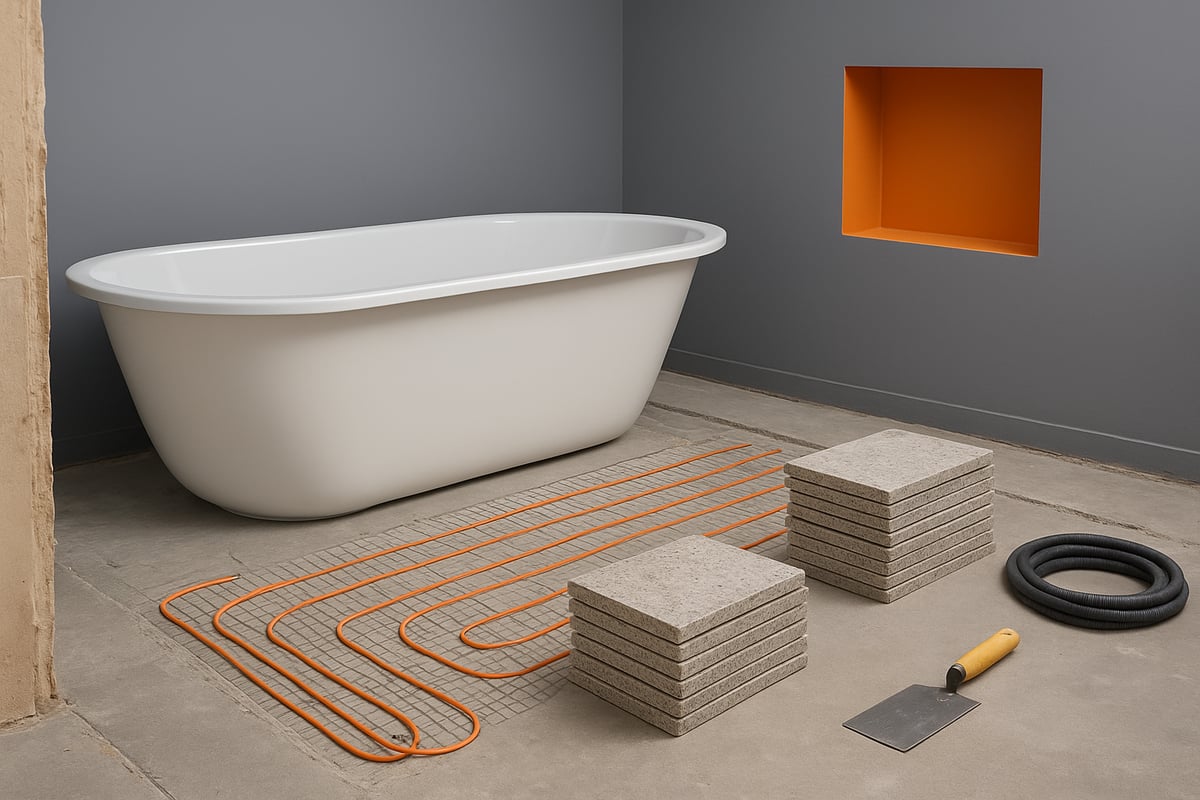
Consider underfloor heating for consistent warmth and comfort, especially in bathrooms. Compare it with traditional radiator options to see which best fits your space and budget. Professional installation is critical to prevent leaks and ensure all components work safely together.
Check for compatibility with your boiler, particularly if you are installing water-intensive features or smart controls. The right integration enhances energy efficiency and long-term reliability in your boilers to bathrooms project.
Installation Process: What to Expect
Understanding the installation process helps you prepare for each stage of your boilers to bathrooms journey. Typically, the process includes:
- Demolition of old fixtures and surfaces
- Plumbing and electrical upgrades
- Installation of new heating systems, tiles, and waterproofing
- Fitting new baths, showers, and other fixtures
- Final finishing touches and quality checks
Most installations take between one and three weeks, depending on complexity. Expect some disruption, but a clear schedule and daily updates from your installer will minimise inconvenience. Quality checks and snagging ensure all work meets high standards. For a detailed overview of each step, see the step-by-step bathroom installations guide.
Cost Breakdown and Financing Options
Budgeting is a key element of any boilers to bathrooms project. In 2025, average bathroom renovation costs range from £4,000 for basic upgrades to £15,000 or more for high-end, bespoke designs. Value-adding features like underfloor heating, premium tiles, and smart controls can boost your home's resale value.
Explore financing options such as 0% interest plans or government grants for eco-friendly or accessible upgrades. Investing in quality materials and professional installation reduces the risk of future repairs and enhances the return on your boilers to bathrooms investment.
Energy Efficiency and Sustainability: Future-Proofing Your Home
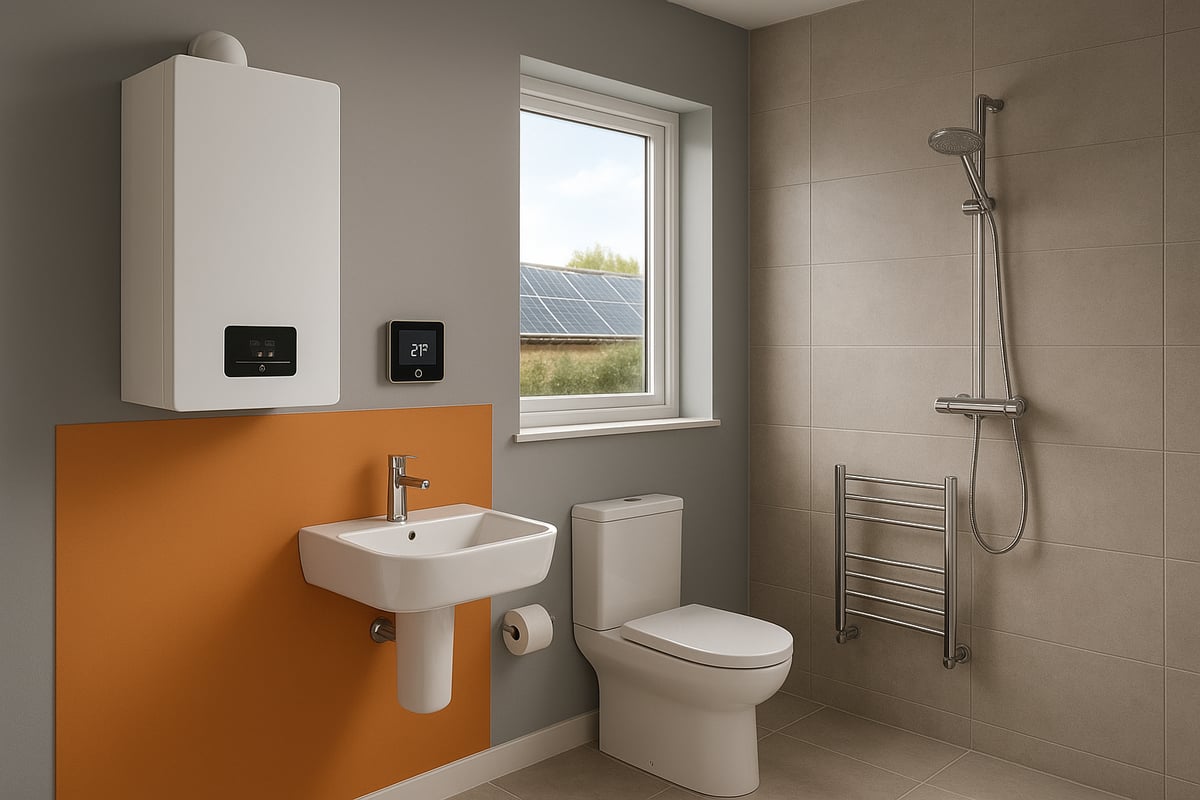
Enhancing energy efficiency is central to any successful boilers to bathrooms upgrade. In 2025, homeowners are increasingly focused on reducing carbon footprints while saving on utility costs. Making smart choices today will ensure your home remains comfortable, cost-effective, and compliant with future standards.
Reducing Energy Consumption
The first step in future-proofing your home is to cut unnecessary energy use. Modern condensing boilers, combined with smart thermostatic controls, allow precise temperature management in every room. Adding a smart meter provides real-time feedback, helping you identify where energy is wasted and adjust habits accordingly.
With the right setup, boilers to bathrooms projects can reduce heating bills significantly. For example, switching to a high-efficiency boiler and installing smart controls often lowers energy use by up to 30 percent compared to older systems.
Water-Saving Solutions
Incorporating water-efficient fixtures is essential for sustainability. Low-flow showers and taps, as well as dual-flush toilets, minimise water consumption without sacrificing comfort. Greywater systems, which recycle water from sinks and showers for toilet flushing or garden use, are becoming more popular in boilers to bathrooms upgrades.
These measures not only conserve water but can also lower monthly bills. Over time, even small changes add up, making a tangible difference to household sustainability.
Renewable Heating and Government Incentives
Embracing renewable heating technologies is a forward-thinking way to future-proof your home. Air source heat pumps, solar thermal panels, and biomass boilers offer alternatives to traditional gas systems. The UK government is actively encouraging adoption through grants and relaxed planning rules, as highlighted in recent announcements about Britain boosting heat pump adoption.
Government schemes like the Boiler Upgrade Scheme and stringent EPC requirements are making these options more accessible. Including renewable systems in boilers to bathrooms renovations can increase property value and reduce reliance on fossil fuels.
| Upgrade Type | Typical Savings (%) | Additional Benefits |
|---|---|---|
| High-efficiency boiler | Up to 30 | Lower bills, less maintenance |
| Smart controls | 10–15 | Greater comfort, remote control |
| Low-flow fixtures | 20–30 (water) | Reduced water/sewer charges |
| Heat pump/solar | 25–40 | Lower carbon footprint |
Real-World Impact and Statistics
A homeowner in the North East who invested in a complete boilers to bathrooms upgrade, including a condensing boiler and smart heating system, reported a 28 percent drop in annual energy costs. National statistics back this up, showing that homes with modern systems regularly see savings of 20 to 30 percent.
By combining efficient boilers, water-wise fixtures, and renewable energy, you can create a sustainable, future-ready home that stands the test of time. The right choices today will keep your comfort high and your bills low for years to come.
Selecting the Right Professionals: What to Look For in 2025
Selecting the right professionals for your boilers to bathrooms project is the cornerstone of a successful home upgrade. The expertise and reliability of your contractor can make the difference between a seamless transformation and costly setbacks. With evolving regulations and new technologies in 2025, hiring qualified tradespeople has never been more important.
Choosing an installer accredited with the right qualifications is essential. Look for Gas Safe registration for gas boilers, HETAS for biomass or solid fuel, and plumbing certifications such as WaterSafe. These accreditations are your assurance that the work on your boilers to bathrooms upgrade will meet the highest safety and quality standards.
| Accreditation | Applies To | Why It Matters |
|---|---|---|
| Gas Safe | Gas boilers | Legal requirement for gas work |
| HETAS | Biomass, solid fuel | Ensures safe, compliant installs |
| WaterSafe | Plumbing systems | Verifies plumbing competence |
Local expertise brings added value. Professionals who know your area’s water pressure, common building types, and regional regulations can anticipate challenges before they arise. Aftercare support is also vital, ensuring your boilers to bathrooms system is maintained for years to come.
When it comes to getting quotes, insist on a site survey. This allows your installer to assess your specific needs and avoids unexpected costs. Transparent pricing, detailed written quotes, and clear timelines are essential for peace of mind. Reviewing portfolios of past projects gives you insight into a contractor’s experience with similar boilers to bathrooms installations.
A well-prepared homeowner uses a checklist to compare potential contractors:
- Confirm all relevant accreditations (Gas Safe, HETAS, WaterSafe)
- Request references and check online reviews
- Evaluate previous work in boilers to bathrooms projects
- Ensure quotes are transparent and itemised
- Clarify guarantees and aftercare arrangements
Avoid common pitfalls such as rogue traders, vague contracts, and hidden fees. Always insist on written agreements that clearly state the scope of work and cost breakdowns. This approach protects you from unpleasant surprises during your boilers to bathrooms journey.
Customer service and communication are just as important as technical skill. The best professionals explain every step, answer your questions, and respond swiftly to any concerns. For complex upgrades, such as integrating underfloor heating in a bathroom, working with experts who can offer tailored advice is invaluable. For more details on bathroom heating solutions, see these Bathroom underfloor heating insights.
By carefully selecting the right professionals, you set your boilers to bathrooms project up for lasting success. Take the time to research, ask questions, and compare options. The right team will transform your home with confidence, efficiency, and peace of mind.
Troubleshooting Common Issues: Quick Fixes and When to Call for Help
Facing issues with your home’s heating or bathroom systems can be daunting, but a little knowledge empowers you to handle many challenges from boilers to bathrooms confidently. Whether you are dealing with a cold radiator, a dripping tap, or a blocked drain, understanding the basics can save both time and stress.
Common Boiler Issues and Quick Fixes
When it comes to boilers to bathrooms, heating problems are among the most frequent homeowner concerns. Here are typical boiler issues and their quick solutions:
| Issue | Possible Cause | DIY Solution |
|---|---|---|
| No heat or hot water | Low pressure | Check and top up pressure |
| Strange noises | Air in system | Bleed radiators |
| Pressure loss | Leaks or valve | Inspect for visible leaks |
If your boiler displays an error code, consult the manufacturer’s manual. Always reset the boiler only as instructed and avoid opening sealed parts. Regular maintenance is crucial for the smooth operation of boilers to bathrooms systems.
Troubleshooting Bathroom Problems
Bathroom issues within boilers to bathrooms systems often include leaks, blockages, or water temperature fluctuations. Look for:
- Dripping taps or pipes
- Slow draining sinks or showers
- Inconsistent water temperature
For minor blockages, use a plunger or a drain snake. If you notice persistent leaks or water pooling, turn off the water supply and contact a professional, as these can cause further damage to bathrooms and connected heating systems.
DIY or Call a Professional?
Knowing the boundary between a safe quick fix and the need for expert help is essential with boilers to bathrooms. DIY is suitable for:
- Bleeding radiators
- Replacing tap washers
- Unclogging minor blockages
Call a professional for:
- Gas or electrical faults
- Persistent leaks
- Boiler breakdowns
Recent changes in UK regulations, such as the UK government scraps gas boiler ban, highlight the importance of keeping up to date with compliance and safety standards.
Emergency Preparedness
Sometimes, issues escalate quickly from boilers to bathrooms. In the event of a major leak or boiler failure:
- Turn off the main water supply
- Switch off the boiler and electricity at the fuse box
- Contain water with towels or buckets
- Call your emergency plumber or heating engineer
Keep emergency contact numbers handy and ensure everyone in your household knows where shut-off valves are located.
Step-by-Step: Bleeding a Radiator or Unblocking a Drain
Proper maintenance of boilers to bathrooms includes tasks like bleeding radiators and clearing drains. Here’s a quick guide:
Bleeding a Radiator
- Switch off the heating.
- Use a radiator key to open the bleed valve.
- Allow air to escape until water drips.
- Close the valve and check boiler pressure.
Unblocking a Drain
- Remove visible debris from the drain.
- Use a plunger to dislodge the blockage.
- Rinse with hot water.
- For stubborn blockages, use a drain snake or call a professional.
Safety Reminders and Useful Resources
Safety should always be the priority with boilers to bathrooms. Never attempt to repair gas appliances or electrical components yourself. Regular servicing not only ensures efficiency but also protects your insurance cover.
For reliable advice, seek official helplines or online troubleshooting guides from trusted UK sources. Keep local emergency contacts visible, and always confirm that any hired professional is Gas Safe registered.
Being proactive with maintenance and knowing when to seek expert help ensures your boilers to bathrooms remain safe, efficient, and comfortable for your household.