
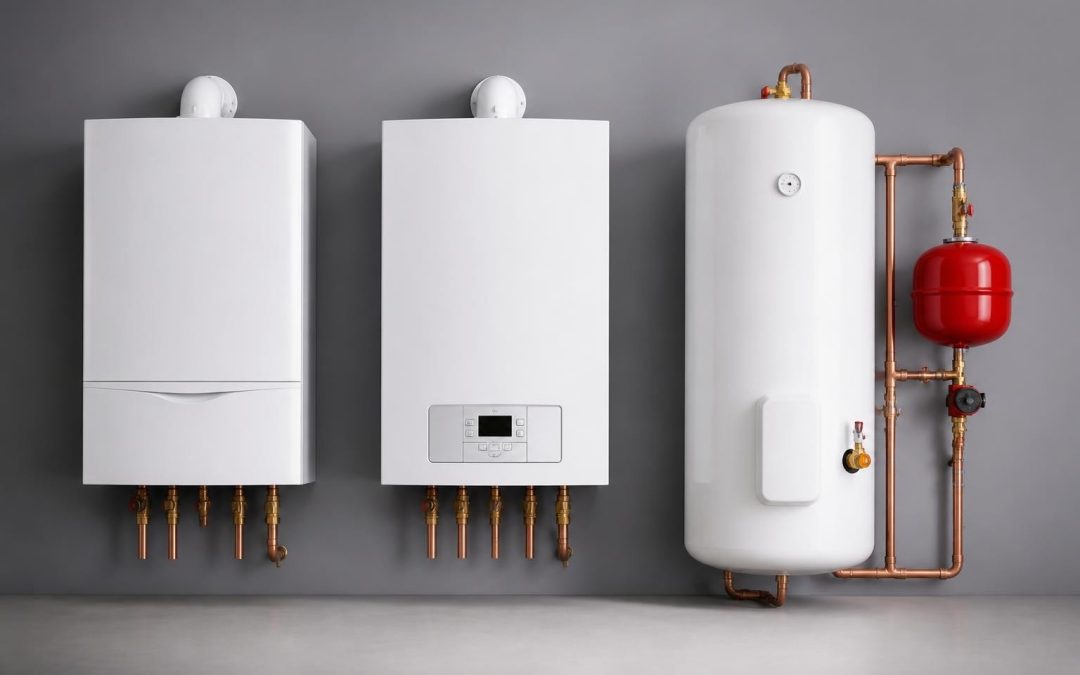
Selecting the best central heating boiler for your property represents one of the most significant investments you'll make in your home's comfort and energy efficiency. With technological advancements continually reshaping the heating industry and energy costs remaining a primary concern for households across the North East, making an informed decision has never been more critical. This comprehensive guide examines the essential factors to consider when choosing a central heating system, from boiler types and efficiency ratings to installation considerations and running costs.
Understanding Central Heating Boiler Types
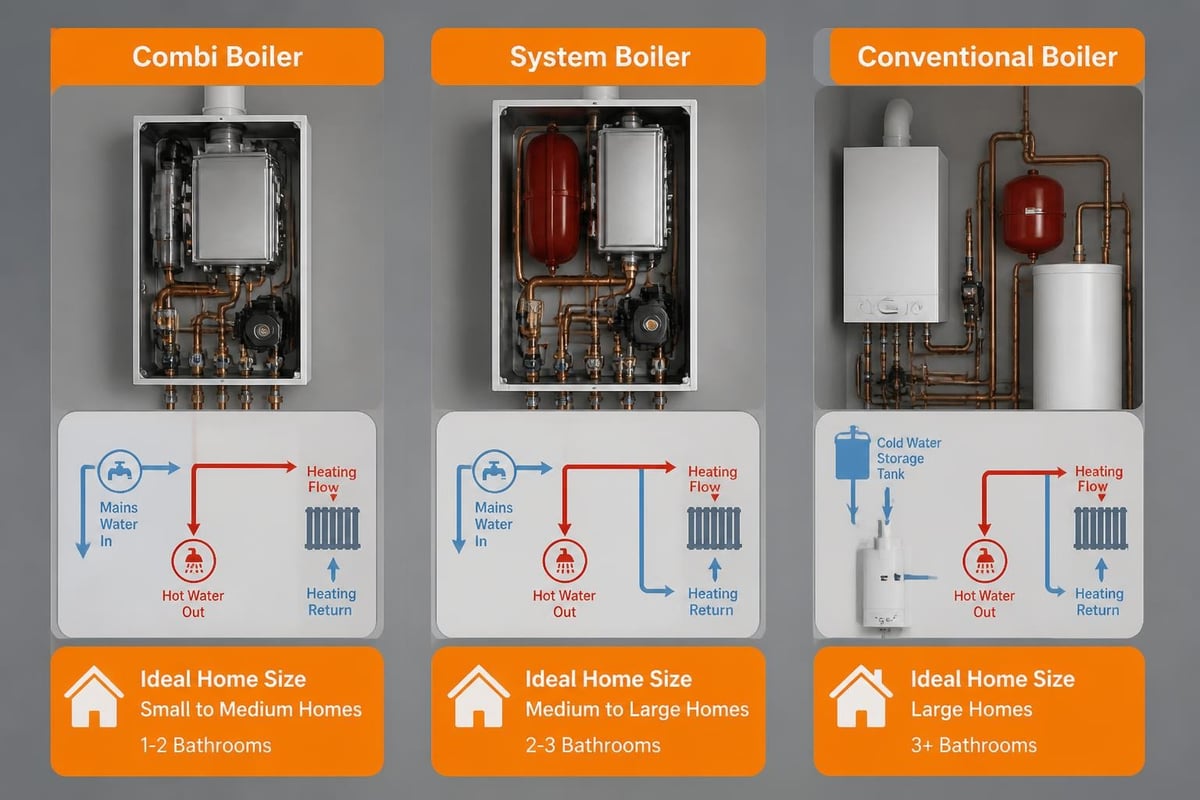
The foundation of choosing the best central heating boiler begins with understanding the three main types available in today's market. Each offers distinct advantages depending on your property size, hot water demands, and existing heating infrastructure.
Combi Boilers
Combination boilers have become increasingly popular in recent years, particularly for smaller properties and flats. These units provide both central heating and hot water on demand without requiring a separate cylinder or cold water tank.
Key benefits include:
- Space-saving design ideal for homes with limited storage
- Instant hot water delivery without waiting for a cylinder to heat
- Lower installation costs due to fewer components
- Improved energy efficiency by heating water only when needed
However, combi boilers may struggle to supply multiple outlets simultaneously, making them less suitable for larger households with high hot water demand.
System Boilers
System boilers work with a sealed heating system and require a hot water cylinder but eliminate the need for a cold water tank in the loft. This configuration suits medium to large properties where multiple bathrooms require simultaneous hot water supply.
The advantages encompass compatibility with solar thermal systems, consistent water pressure to multiple outlets, and a ready supply of stored hot water. These features make system boilers an excellent choice for families with varying hot water usage patterns throughout the day.
Conventional Boilers
Also known as regular or traditional boilers, conventional models require both a cold water tank and a hot water cylinder. Whilst they occupy more space, they remain the best central heating boiler choice for properties with traditional heating systems or poor mains water pressure.
These boilers excel in larger homes with multiple bathrooms, particularly in areas where water pressure fluctuates. They're also compatible with older radiator systems that might not withstand the higher pressures of modern sealed systems.
Efficiency Ratings and Energy Performance
When evaluating the best central heating boiler options, efficiency ratings should sit at the forefront of your decision-making process. Modern boilers are rated using the ErP (Energy-related Products) directive, with classifications ranging from A+++ to G.
| Efficiency Rating | Annual Fuel Utilization | Typical Savings vs Old Boiler |
|---|---|---|
| A-rated | 90%+ | £340 – £500 per year |
| B-rated | 86% – 90% | £280 – £340 per year |
| C-rated | 82% – 86% | £200 – £280 per year |
The energy efficiency standards established by regulatory bodies ensure that new boilers meet minimum performance criteria. In 2026, virtually all new gas boilers must achieve at least 92% efficiency, classifying them as condensing boilers.
Understanding Condensing Technology
Condensing boilers represent the current standard in heating technology, recovering heat from exhaust gases that older models would waste. This recovered energy preheats cold water entering the boiler, significantly improving overall efficiency.
The condensing process creates acidic water that requires proper drainage, but the energy savings substantially outweigh this minor installation consideration. Homeowners replacing old boilers can expect efficiency improvements of 25-35%, translating to meaningful reductions in heating bills.
Leading Boiler Manufacturers and Models
Selecting from reputable manufacturers ensures reliability, availability of spare parts, and comprehensive warranty coverage. The most reliable boiler brands consistently demonstrate superior performance and longevity.
Worcester Bosch Greenstar Range
Worcester Bosch maintains its position as a market leader, with the Greenstar series offering exceptional efficiency and reliability. The Greenstar 4000 combi boiler achieves 94% efficiency whilst providing up to 32kW output, suitable for homes with 15 radiators and two bathrooms.
Standout features:
- Quiet Mark accreditation for minimal operating noise
- 10-year warranty when installed by an accredited installer
- Excellent build quality with stainless steel heat exchangers
- Compatible with smart heating controls
Viessmann Vitodens Series
Viessmann boilers are renowned for German engineering excellence and impressive efficiency ratings. The Vitodens 200-W achieves 98% efficiency through advanced heat exchanger design and modulating burner technology.
These units excel in adaptability, automatically adjusting output to match heating demand precisely. This intelligent modulation reduces fuel consumption whilst extending component lifespan through reduced cycling.
Vaillant ecoTEC Range
Vaillant combines affordability with solid performance, making their ecoTEC range an attractive option for budget-conscious homeowners seeking quality. The ecoTEC plus combi boiler offers 92% efficiency with outputs ranging from 25kW to 40kW.
The brand's extensive service network across the North East ensures readily available maintenance support, whilst competitive pricing makes it accessible without compromising on essential features.
Sizing Your Boiler Correctly
Determining the appropriate output capacity represents a critical factor in identifying the best central heating boiler for your specific requirements. An undersized boiler struggles to heat your home adequately, whilst an oversized unit wastes energy through excessive cycling.
Calculating Heat Loss
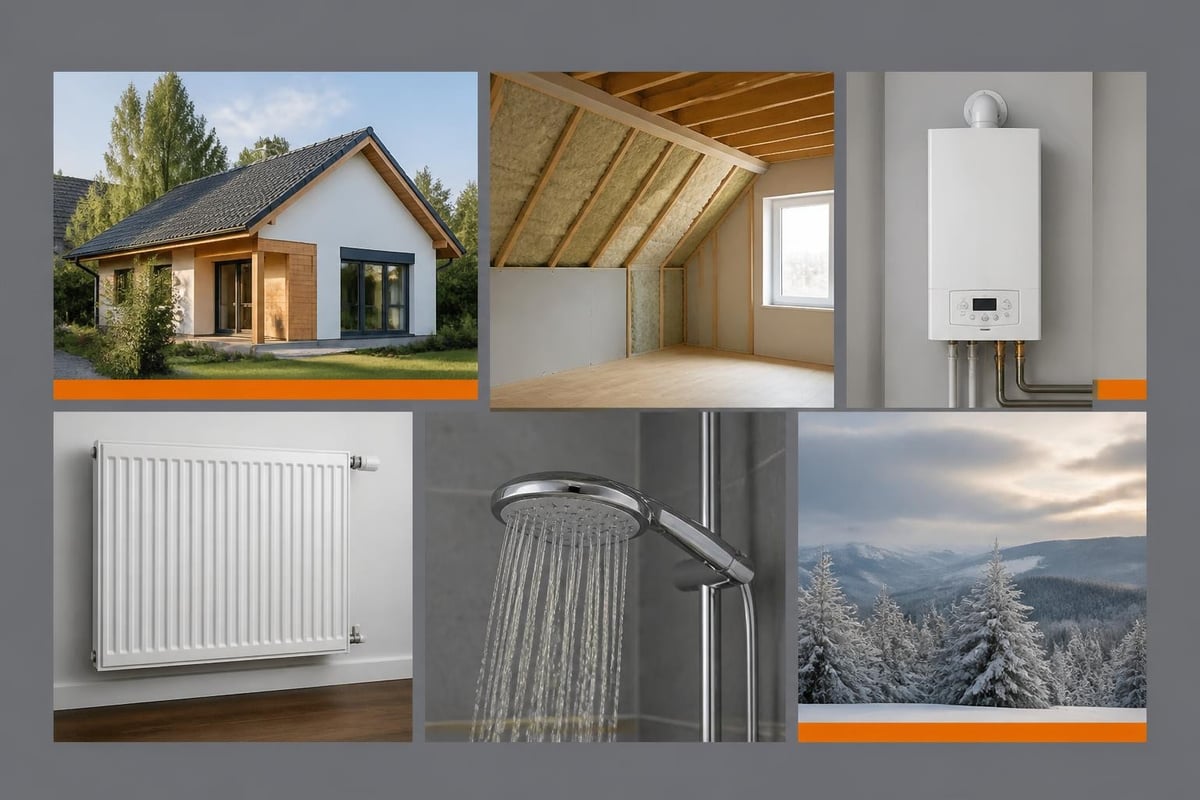
Professional heat loss calculations consider multiple variables including property age, insulation quality, window types, and room volumes. A qualified heating engineer uses specialized software to determine precise requirements, but rough estimates provide initial guidance.
Basic sizing considerations:
- Small flat (1-2 bedrooms, 1 bathroom): 24-27kW combi boiler
- Medium house (3 bedrooms, 1 bathroom): 28-34kW combi boiler
- Large house (4+ bedrooms, 2+ bathrooms): 35-42kW combi or system boiler
- Period properties with poor insulation: Add 20-30% to standard calculations
Properties with underfloor heating, high ceilings, or significant glazing require additional capacity. The team at NU Heat North East’s heating services can conduct thorough assessments to ensure optimal boiler specification.
Hot Water Demand Analysis
For combi boilers, hot water flow rate determines usability. A minimum flow rate of 10 litres per minute suits smaller properties, whilst larger homes benefit from 15+ litres per minute to serve multiple outlets simultaneously.
System and conventional boilers require cylinder sizing based on household occupancy. A 180-litre cylinder typically suits a family of four, whilst larger households or those with high hot water consumption may require 250-300 litre capacity.
Installation Considerations and Costs
The best central heating boiler selection extends beyond the unit itself to encompass installation quality and associated costs. Professional installation ensures safe operation, optimal efficiency, and warranty validity.
| Installation Type | Typical Cost Range | Duration | Complexity |
|---|---|---|---|
| Like-for-like combi replacement | £1,800 – £2,500 | 1 day | Low |
| System to combi conversion | £2,500 – £3,500 | 2 days | Medium |
| New system with radiators | £4,000 – £7,000 | 3-5 days | High |
These figures represent approximate costs for 2026, with variations depending on boiler model, property accessibility, and additional work required. Our boiler installation service offers transparent pricing and 0% finance options to spread costs into manageable monthly payments.
Certification and Compliance
All gas boiler installations must be performed by Gas Safe registered engineers, with electrical work completed to current Building Regulations. Upon completion, you should receive a Building Regulations Compliance Certificate and benchmark commissioning sheet.
The commissioning process optimizes boiler settings for your specific system, ensuring maximum efficiency and longevity. Proper commissioning can improve efficiency by 5-10% compared to default factory settings.
Smart Controls and System Integration
Modern central heating systems benefit enormously from intelligent controls that maximize efficiency and convenience. When choosing the best central heating boiler, consider compatibility with advanced control systems.
Weather Compensation
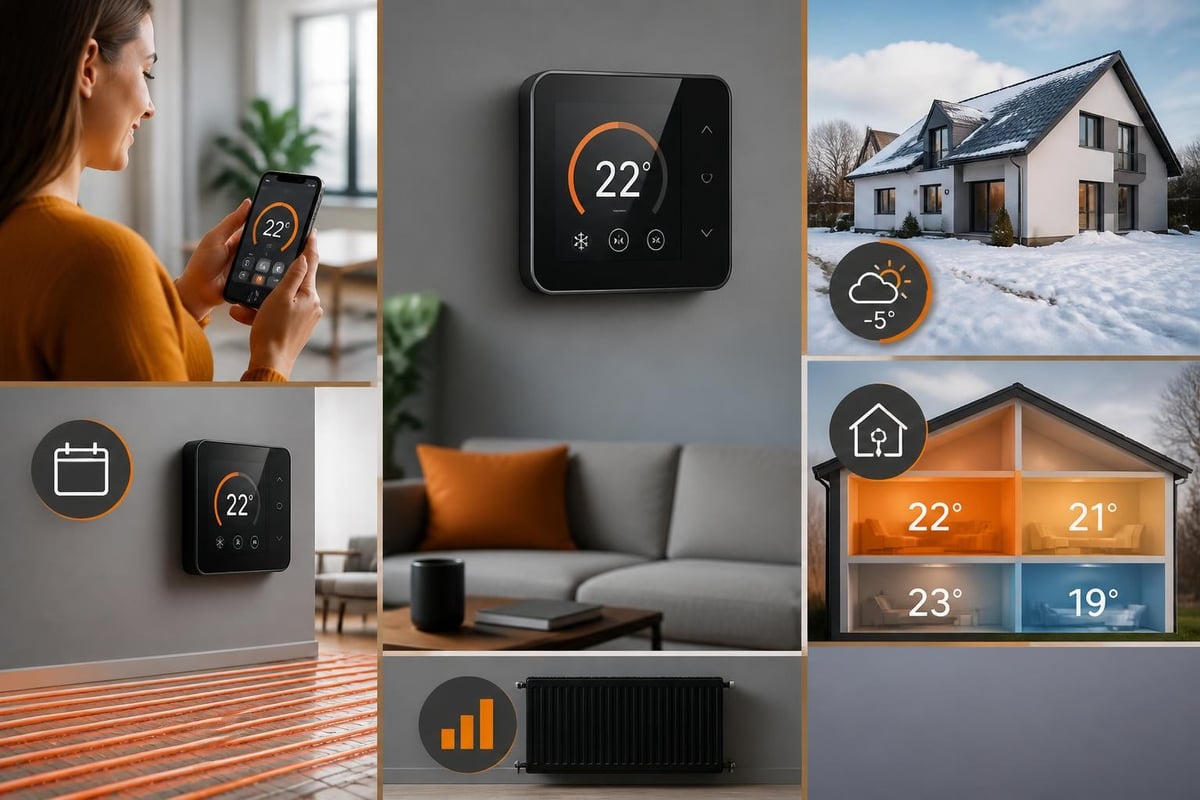
Weather compensation technology adjusts boiler flow temperature based on external conditions, reducing energy consumption during milder weather. This feature can improve efficiency by 8-12% compared to fixed temperature operation.
Implementation benefits include:
- Reduced cycling frequency, extending component lifespan
- Improved comfort through consistent indoor temperatures
- Lower energy bills through optimized operation
- Reduced carbon emissions
Smart Thermostats and Zoning
Integration with systems like Nest, Hive, or Tado enables remote control, learning algorithms, and detailed energy reporting. Multi-zone systems allow independent temperature control for different areas, preventing energy waste in unused rooms.
Zoning proves particularly valuable in larger properties or those with varying occupancy patterns throughout the day. By heating only occupied spaces to desired temperatures, households can reduce energy consumption by 20-30%.
Maintenance and Longevity
Protecting your investment requires regular maintenance to ensure continued efficiency and prevent costly breakdowns. Annual servicing by qualified engineers maintains warranty validity whilst identifying potential issues before they escalate.
Annual Servicing Requirements
Comprehensive servicing includes combustion analysis, safety device testing, heat exchanger cleaning, and pressure checks. These preventive measures extend boiler lifespan from the typical 10-12 years to 15-20 years with proper care.
The boiler servicing programme offered by experienced engineers ensures your system operates at peak efficiency year-round. Regular maintenance also maintains manufacturer warranties, which often require annual servicing as a condition of coverage.
System Protection
Adding inhibitor and scale reducer chemicals to your central heating system prevents corrosion and limescale buildup, particularly important in hard water areas. Magnetic filters capture metallic debris before it damages the boiler's heat exchanger, a component expensive to replace.
Environmental Considerations and Future-Proofing
As the heating industry transitions towards lower carbon solutions, selecting the best central heating boiler involves considering future compatibility with emerging technologies. The UK government's commitment to net-zero emissions by 2050 shapes the evolving heating landscape.
Hydrogen-Ready Boilers
Several manufacturers now produce hydrogen-ready boilers that can operate on natural gas today but convert to burn hydrogen when the gas network transitions. This forward-thinking approach protects your investment against potential obsolescence.
Worceste Bosch, Viessmann, and Baxi all offer hydrogen-ready models within their current ranges. Whilst hydrogen infrastructure remains years away from widespread deployment, selecting a hydrogen-ready unit provides valuable flexibility.
Hybrid Systems
Hybrid heating systems combine a gas boiler with an air source heat pump, automatically selecting the most efficient heat source based on external temperature and energy prices. These systems reduce carbon emissions by 30-40% compared to conventional gas boilers whilst maintaining familiar operation.
The comprehensive information about central heating systems from industry resources helps homeowners understand various configurations and their suitability for different property types.
Warranty Coverage and Manufacturer Support
Warranty terms vary significantly between manufacturers and models, representing an important consideration when identifying the best central heating boiler for long-term peace of mind.
Standard warranties typically range from 2-5 years, with extended coverage available through registered installers or additional payment. Worcester Bosch offers market-leading 10-year warranties when installed by accredited engineers, whilst Viessmann provides 7-year coverage on selected models.
Key warranty considerations include:
- Parts and labour coverage scope
- Call-out charges and response times
- Transferability to new property owners
- Servicing requirements to maintain validity
Manufacturer support networks affect repair speed and parts availability. Established brands with extensive UK presence ensure faster resolution of any issues that arise during the boiler's operational life.
Finance Options and Investment Returns
The upfront cost of purchasing and installing the best central heating boiler can seem substantial, but financing options and long-term savings justify the investment. Modern efficient boilers typically pay for themselves within 5-7 years through reduced energy bills.
Interest-free finance schemes spread costs across 12-60 months, making premium efficient models accessible without requiring significant capital outlay. When calculating return on investment, consider both direct fuel savings and indirect benefits like improved property value and enhanced comfort.
A typical household replacing a G-rated boiler from the 1990s with a modern A-rated condensing boiler saves £400-500 annually on heating bills. Over the boiler's 15-year lifespan, these savings total £6,000-7,500, substantially exceeding the initial investment.
Regional Considerations for North East England
Properties in the North East face specific challenges that influence the best central heating boiler selection. Colder average temperatures, older housing stock, and harder water in certain areas all affect boiler performance and suitability.
The region's older properties often feature solid wall construction with limited insulation, requiring higher output boilers to maintain comfortable temperatures. Coastal areas experience additional challenges from salt-laden air, making robust construction and protective coatings essential for longevity.
Hard water areas benefit from system filters and scale reducers to prevent limescale accumulation in heat exchangers. Regular maintenance becomes even more critical in these locations to maintain efficiency and prevent premature failure.
Selecting the best central heating boiler requires careful consideration of your property's specific requirements, household needs, and long-term efficiency goals. By understanding boiler types, efficiency ratings, and sizing requirements, you can make an informed decision that delivers reliable heating and hot water for years to come. Since 1983, NU Heat North East Ltd has helped homeowners across the North East select, install, and maintain heating systems tailored to their unique circumstances. Our team of qualified engineers provides expert guidance from initial consultation through to ongoing servicing, with 0% finance options available to make your investment more manageable. Contact us today to discuss your heating requirements and discover how we can enhance your home's comfort and efficiency.