
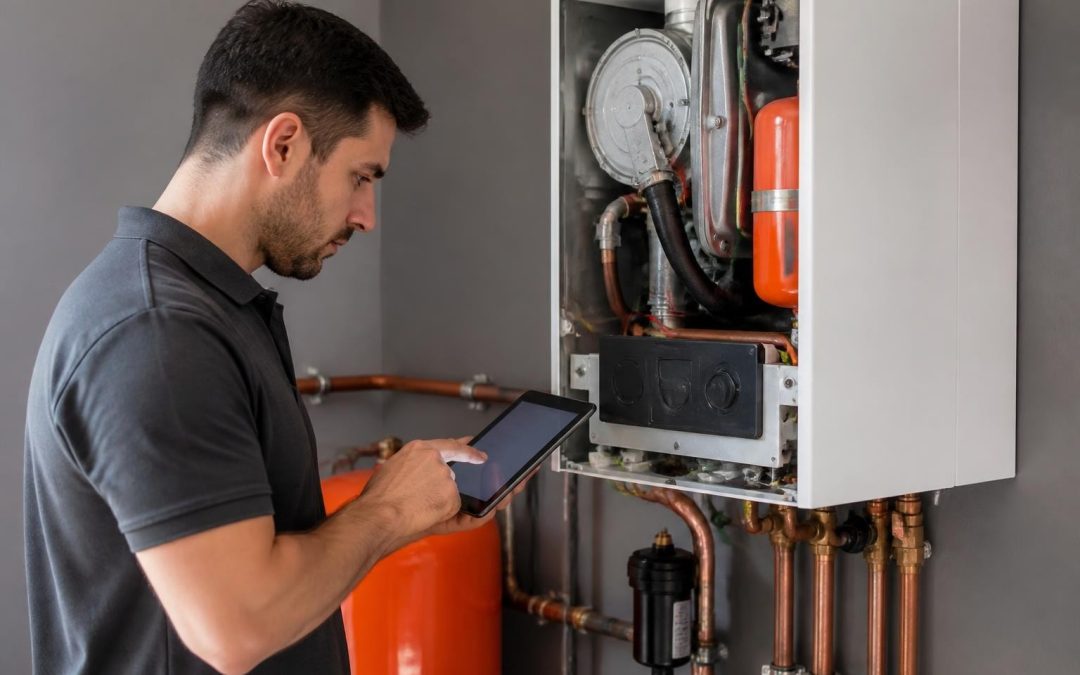
Having a new boiler fitted in your home represents a significant investment in comfort, efficiency, and long-term energy savings. Whether you're replacing an ageing system that's struggling to heat your property or installing central heating for the first time, understanding the process ensures you make informed decisions and achieve the best possible outcome. With advances in boiler technology and stricter energy efficiency standards in 2026, homeowners across the North East have more options than ever before, from traditional gas boilers to innovative biomass systems and heat pumps.
Understanding Your Boiler Options Before Installation
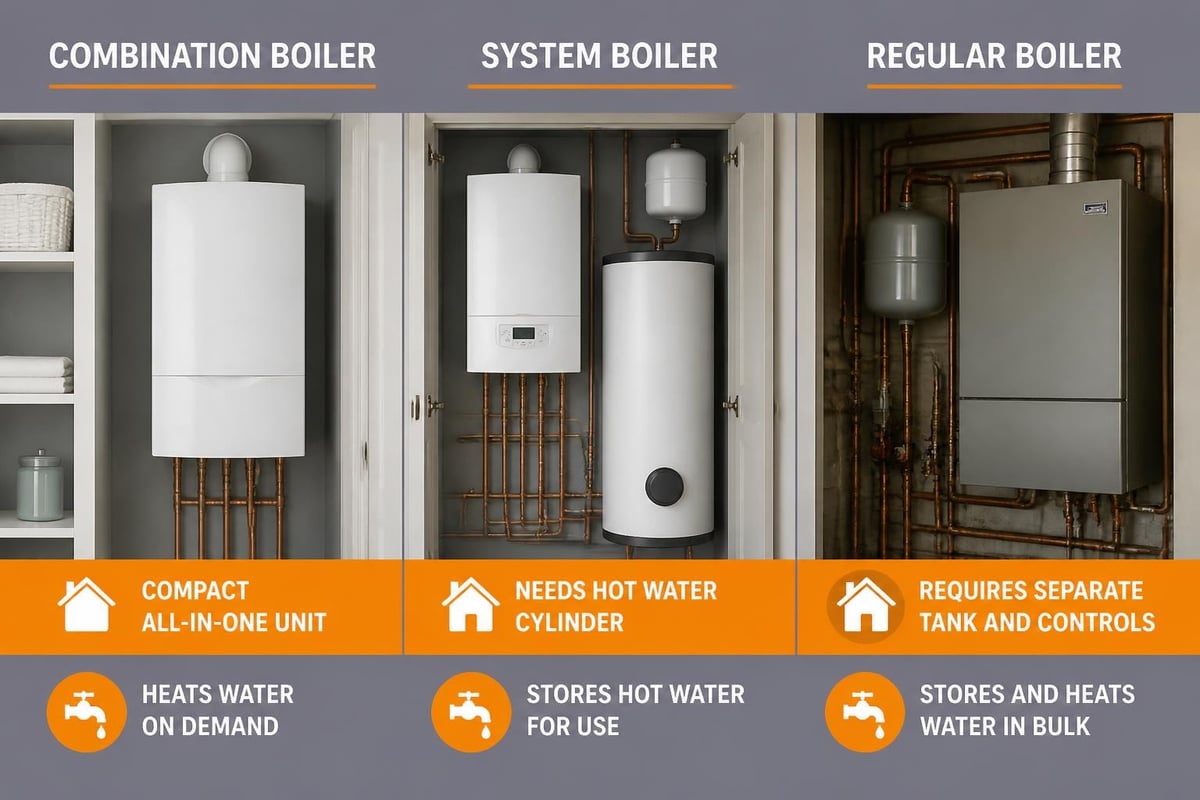
Selecting the appropriate boiler type forms the foundation of a successful installation. The three primary categories available in 2026 each offer distinct advantages depending on your property's characteristics and household requirements.
Combination Boilers for Modern Living
Combination boilers continue to dominate the market due to their space-saving design and on-demand hot water delivery. These units heat water directly from the mains without requiring a separate cylinder or cold water tank, making them ideal for smaller properties or homes with limited storage space. When you have a combi boiler fitted, you'll benefit from instant hot water at multiple outlets, though simultaneous use across several taps may reduce flow rates.
Key advantages include:
- Compact footprint suitable for kitchen cupboards
- No waiting time for hot water to heat up
- Lower installation costs compared to system boilers
- Excellent efficiency ratings, often exceeding 90%
System Boilers for Larger Households
System boilers work with a separate hot water cylinder but incorporate most heating components within the unit itself. This configuration proves particularly effective for properties with multiple bathrooms where simultaneous hot water demand is common. Having a system boiler fitted provides consistent water pressure across all outlets and the capacity to serve several taps concurrently without performance degradation.
Regular Boilers for Traditional Systems
Regular boilers, also known as conventional or heat-only boilers, require both a hot water cylinder and cold water storage tank. These systems suit larger period properties where the existing infrastructure accommodates traditional heating configurations. When replacing an old regular boiler, maintaining this setup often minimizes installation complexity and costs.
The Process of Having a Boiler Fitted
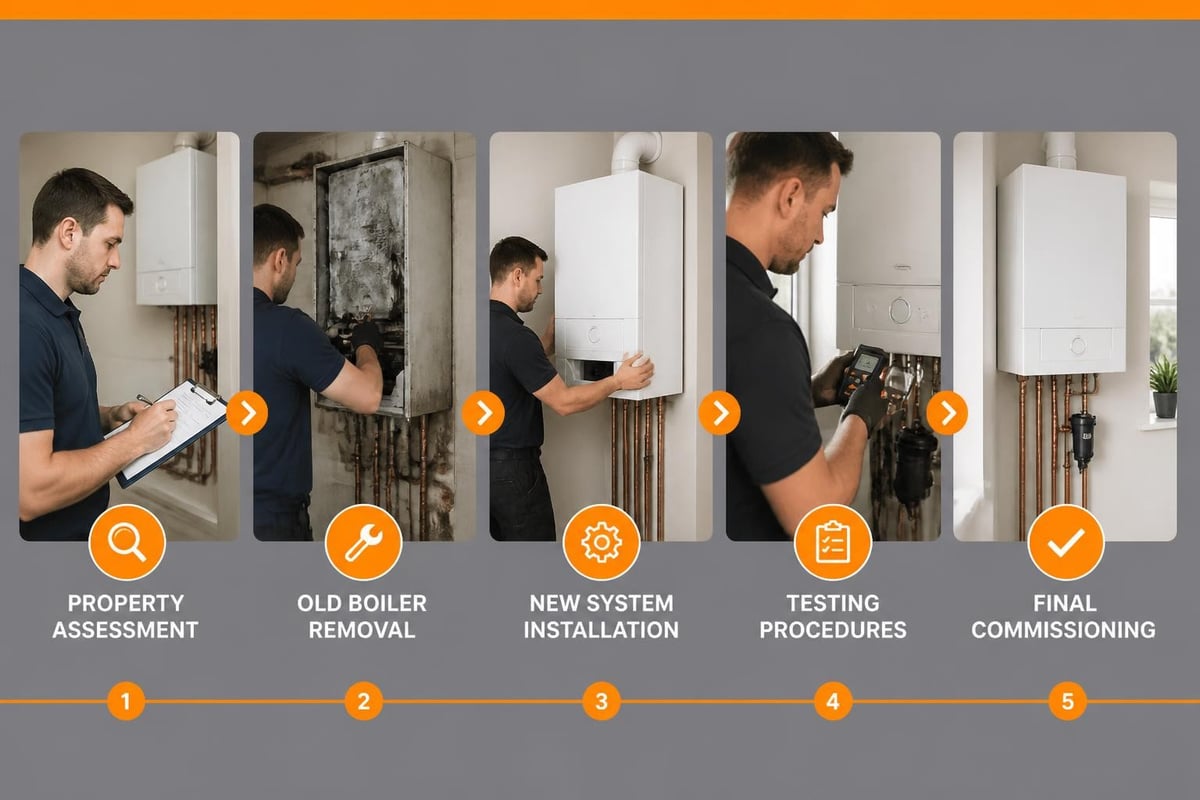
Understanding the installation timeline and stages helps homeowners prepare adequately and set realistic expectations. Professional installations typically span one to three days depending on system complexity and any necessary modifications.
Initial Assessment and Survey
Before any work commences, a qualified heating engineer conducts a thorough property survey. This assessment examines your current heating system, property size, insulation quality, number of radiators, and hot water requirements. The engineer calculates the precise heat load needed to maintain comfortable temperatures throughout your home, ensuring the new boiler fitted matches your actual needs rather than simply replacing like-for-like.
During this stage, the engineer also identifies the optimal location for installation, considering factors such as ventilation requirements, flue positioning, gas supply routes, and condensate drainage. Building regulations for boiler installation mandate specific clearances and safety measures that influence placement decisions.
Selecting the Right Boiler Capacity
Boiler capacity, measured in kilowatts (kW), must align precisely with your property's heating demands. Undersized units struggle to maintain warmth during cold weather, whilst oversized boilers cycle inefficiently, wasting energy and increasing running costs. Most modern homes require boilers between 24kW and 35kW, though larger properties may need higher outputs.
| Property Size | Bathrooms | Recommended Capacity |
|---|---|---|
| 1-2 bedrooms | 1 bathroom | 24-27 kW |
| 3-4 bedrooms | 2 bathrooms | 28-34 kW |
| 5+ bedrooms | 3+ bathrooms | 35-42 kW |
Preparation and Removal
On installation day, engineers begin by isolating the existing heating system and draining down radiators. The old boiler is disconnected from gas, water, and electrical supplies before careful removal. If you're having a boiler fitted in a different location, additional pipework modifications become necessary, potentially extending the installation timeframe.
Preparation work may include:
- Installing new gas supply pipes if existing runs are undersized
- Upgrading electrical circuits to comply with current regulations
- Fitting isolation valves for future maintenance access
- Creating new flue penetrations through external walls
- Installing condensate drainage routes
Installation and System Integration
The new boiler fitted into position requires precise connections to multiple services. Gas Safe registered engineers make secure pipe joints, test for leaks, and verify correct gas pressures. Water connections link to the heating circuit and, where applicable, the hot water cylinder. Electrical wiring connects to the programmer, room thermostat, and power supply.
Professional boiler installation guidance emphasizes the importance of correct flue installation, as improper termination can lead to dangerous carbon monoxide accumulation or insufficient combustion air supply.
Compliance and Certification Requirements
Having a boiler fitted involves strict regulatory compliance to ensure safety, efficiency, and legal operation. Homeowners must understand these requirements to avoid potential hazards and maintain property insurance validity.
Gas Safe Registration
Since 2009, only Gas Safe registered engineers can legally work on gas appliances in the UK. This mandatory registration replaced the previous CORGI scheme and maintains public safety standards across the heating industry. Before hiring any installer, verify their Gas Safe credentials through the official register, checking that their competencies cover boiler installation specifically.
Building Regulations Notification
Part L of the Building Regulations governs energy efficiency in dwellings, whilst Part J covers combustion appliances and fuel storage. When you have a boiler fitted, your installer must either notify Building Control directly or operate under a Competent Person Scheme that allows self-certification. Upon completion, you should receive a Building Regulations Compliance Certificate confirming the installation meets all statutory requirements.
Boiler Benchmark Checklist
Every new boiler installation requires completion of a Boiler Benchmark logbook. This document records essential commissioning data, system specifications, and maintenance recommendations. The installing engineer completes the commissioning section, whilst subsequent service visits add to the maintenance record. Retaining this logbook proves vital for warranty claims and demonstrates proper installation when selling your property.
Cost Considerations and Financing Options
Budget planning for having a boiler fitted extends beyond the unit purchase price to encompass installation labour, materials, and potential system upgrades. In 2026, total costs typically range from £1,800 to £4,500 depending on various factors.
Price Breakdown Components
- Boiler unit: £800 – £2,500
- Installation labour: £500 – £1,200
- Flue components: £100 – £300
- Controls and thermostats: £150 – £400
- System modifications: £200 – £800
- Chemical flush: £100 – £200
Straightforward combination boiler replacements generally fall at the lower end of this spectrum, whilst complete system conversions or installations in difficult locations command premium pricing.
Financing Your Installation
Many homeowners spread the cost of having a boiler fitted through interest-free finance schemes. These arrangements make essential heating upgrades more accessible by dividing payments across 12, 24, or 36 months without additional charges. Always verify the total amount payable matches the quoted price when considering finance options.
Long-term Savings
Modern condensing boilers achieve efficiency ratings exceeding 90%, compared to 60-70% for older non-condensing models. This improvement translates to substantial annual savings on energy bills. A typical household upgrading from a 15-year-old boiler to a new A-rated model saves approximately £300-£400 annually on heating costs, recouping the installation investment within 5-7 years.
| Boiler Age | Efficiency Rating | Annual Running Cost | Potential Savings |
|---|---|---|---|
| 0-5 years | 90-95% | £650 | Baseline |
| 6-10 years | 85-89% | £750 | £100 |
| 11-15 years | 75-84% | £900 | £250 |
| 16+ years | 60-70% | £1,050 | £400 |
Location Considerations for Installation
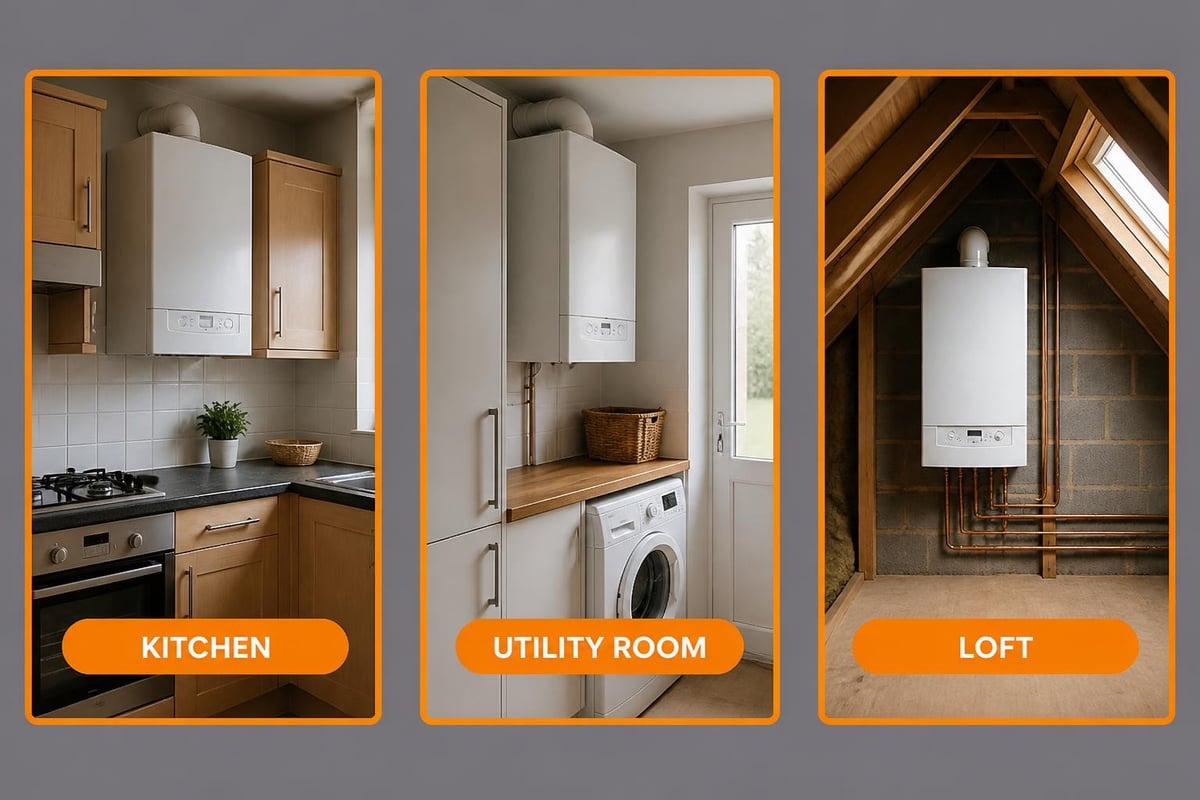
Where you have a boiler fitted significantly impacts installation costs, ongoing maintenance accessibility, and system performance. Each location presents unique advantages and challenges.
Kitchen Installations
Kitchens remain the most popular location for combination boilers due to existing gas and water services, ventilation opportunities, and accessible external walls for flue termination. Mounting the boiler within a cupboard maintains kitchen aesthetics whilst providing weather protection. Ensure adequate ventilation if installing within enclosed spaces, as boilers require combustion air.
Utility Room Placement
Dedicated utility rooms offer ideal boiler locations, separating heating equipment from living spaces whilst maintaining easy access for servicing. These areas typically accommodate larger system boilers with associated cylinders without compromising valuable kitchen cupboard space.
Loft Conversions
Installing boilers in lofts maximizes living space but introduces specific considerations. Positioning a boiler in your loft requires adequate structural support, easy access for maintenance, proper insulation against freezing temperatures, and condensate drainage solutions. Combination boilers generally suit loft installations better than system boilers due to reduced component count.
Preparing Your Property for Installation
Homeowners can facilitate smooth installation by completing several preparatory tasks before engineers arrive. Adequate preparation minimizes delays and ensures the installation proceeds efficiently.
Clear the installation area of personal belongings, furniture, and obstructions that might impede engineer movement or equipment positioning. If having a boiler fitted in a cupboard currently containing items, relocate these to alternative storage beforehand. Ensure clear access routes from the property entrance to the installation location, protecting flooring with dust sheets if necessary.
Pre-installation checklist:
- Remove items from cupboards designated for boiler placement
- Clear access paths through your property
- Arrange alternative hot water provision if required
- Secure pets in separate rooms during installation
- Notify household members of planned disruption
- Ensure someone aged 18+ remains present throughout
Selecting a Qualified Installer
The quality of installation profoundly affects boiler performance, longevity, and safety. Choosing experienced, properly certified installers protects your investment and ensures regulatory compliance.
Verification Steps
Request proof of Gas Safe registration before engaging any installer, verifying the card displays current dates and relevant competency categories. Check online reviews and request references from recent customers to assess workmanship quality and professional conduct. Reputable installers provide detailed written quotations specifying equipment models, labour costs, warranties, and completion timeframes.
Manufacturer Accreditation
Many boiler manufacturers operate installer networks comprising specially trained engineers. These accredited installers often provide extended warranties beyond standard manufacturer guarantees, sometimes covering parts and labour for up to ten years. When comparing quotations, factor these extended protections into overall value assessments.
Local Expertise
Regional heating specialists understand local building characteristics, common installation challenges, and area-specific requirements. Established businesses with longstanding community presence typically prioritize reputation maintenance through quality workmanship and reliable aftercare service.
Post-Installation Commissioning and Handover
Once your new boiler fitted and all connections secured, comprehensive commissioning ensures optimal performance and identifies any installation issues requiring rectification.
System Testing Procedures
Engineers conduct multiple tests verifying safe, efficient operation. Gas pressure checks confirm adequate supply to the burner. Flue gas analysis measures combustion efficiency and ensures emissions remain within acceptable parameters. Water pressure testing identifies leaks in new pipework connections. All safety devices undergo functional testing, including overheat protection and pressure relief valves.
Handover Documentation
Upon completion, installers provide several essential documents. The Building Regulations Compliance Certificate confirms legal compliance. Manufacturer warranty cards require registration within specified timeframes to activate coverage. The Boiler Benchmark logbook contains commissioning data and maintenance schedules. Operating instructions explain daily controls and seasonal adjustments.
User Training
Professional installers explain system operation, including thermostat programming, pressure monitoring, and simple troubleshooting procedures. Understanding basic maintenance tasks like checking pressure gauges and bleeding radiators helps maintain system efficiency between annual services.
Ongoing Maintenance Requirements
Regular servicing extends boiler lifespan, maintains efficiency, and validates warranty coverage. Most manufacturers stipulate annual professional maintenance as a warranty condition.
Annual services typically include cleaning the heat exchanger, inspecting the burner, testing safety devices, checking flue integrity, and verifying correct operating pressures. Engineers identify developing issues before they cause breakdowns, often preventing costly emergency repairs. Well-maintained boilers consistently deliver reliable heating for 10-15 years, whilst neglected systems frequently fail prematurely.
Between professional services, homeowners should monitor system pressure monthly, check for unusual noises or error codes, and ensure radiators heat evenly across their surfaces. Responding promptly to warning signs prevents minor issues escalating into major failures.
Energy Efficiency Optimizations
Maximizing the efficiency of your newly fitted boiler extends beyond the unit itself to encompass whole-system optimization. Installing a modern programmable thermostat allows precise temperature control matched to occupancy patterns, preventing wasteful heating of unoccupied rooms.
Smart thermostats learn household routines and adjust heating schedules automatically, whilst remote control capabilities enable adjustments from smartphones when plans change unexpectedly. Thermostatic radiator valves fitted to individual radiators provide room-by-room temperature management, directing heat where needed whilst reducing output in little-used spaces.
System flushing removes accumulated sludge and debris that impede water circulation and reduce heat transfer efficiency. Chemical inhibitors added during installation protect against future corrosion and limescale formation, maintaining system cleanliness and performance throughout the boiler's operational life.
Common Installation Challenges
Even straightforward boiler replacements occasionally encounter unexpected complications that extend installation timeframes or increase costs. Understanding potential issues helps homeowners prepare contingency plans and budgets.
Pipework Modifications
Older properties may have outdated pipework requiring replacement before connecting modern boilers. Lead pipes, though rare in heating systems, must be replaced immediately. Undersized gas supplies necessitate upgrading to larger diameter pipes for adequate flow rates. Corroded pipework poses leak risks and should be renewed during installation.
Flue Routing Complications
External walls containing structural steelwork, insulated cavities, or neighboring property boundaries can complicate flue installations. Alternative routing through roofs or extended horizontal runs may prove necessary, increasing material costs and labour time. Some properties require balanced flue systems with specific termination heights above ground level.
System Incompatibilities
Mixing different manufacturer components sometimes creates compatibility issues affecting performance or warranty coverage. Existing radiators may prove inadequate for new boiler outputs, requiring upgrades or additions. Water quality in hard water areas accelerates scale formation, necessitating water treatment systems for warranty compliance.
Alternative Heating Technologies
Whilst gas boilers remain commonplace across the North East, emerging technologies offer sustainable alternatives worth considering during heating system upgrades.
Biomass Boilers
Biomass heating systems burn wood pellets, chips, or logs to generate heat and hot water. These renewable energy systems significantly reduce carbon emissions compared to fossil fuel alternatives. When having a biomass boiler fitted, consider fuel storage requirements, delivery logistics, and maintenance commitments. Government incentives sometimes offset higher installation costs through renewable heat payments.
Heat Pumps
Air source and ground source heat pumps extract warmth from external environments and amplify it for home heating. These systems achieve efficiencies exceeding 300%, delivering three kilowatts of heat for every kilowatt of electricity consumed. Heat pump installations require careful property assessment, adequate insulation, and appropriately sized radiators or underfloor heating systems.
| System Type | Efficiency | Installation Cost | Running Cost | Carbon Emissions |
|---|---|---|---|---|
| Gas Combi | 90-95% | £1,800-£3,000 | Medium | High |
| System Boiler | 88-94% | £2,200-£4,000 | Medium | High |
| Biomass | 85-92% | £9,000-£21,000 | Low | Very Low |
| Heat Pump | 300-400% | £7,000-£14,000 | Low-Medium | Low |
Getting a boiler fitted requires careful planning, qualified installation, and ongoing maintenance to deliver reliable, efficient heating for years to come. Understanding your options, compliance requirements, and the installation process empowers you to make informed decisions that match your property's needs and budget. For over four decades, NU Heat North East Ltd has helped homeowners across the region select and install heating systems perfectly suited to their requirements, backed by expert service and flexible finance options including 0% interest. Contact our team today to discuss your heating needs and discover how we can enhance your home's comfort and efficiency.