
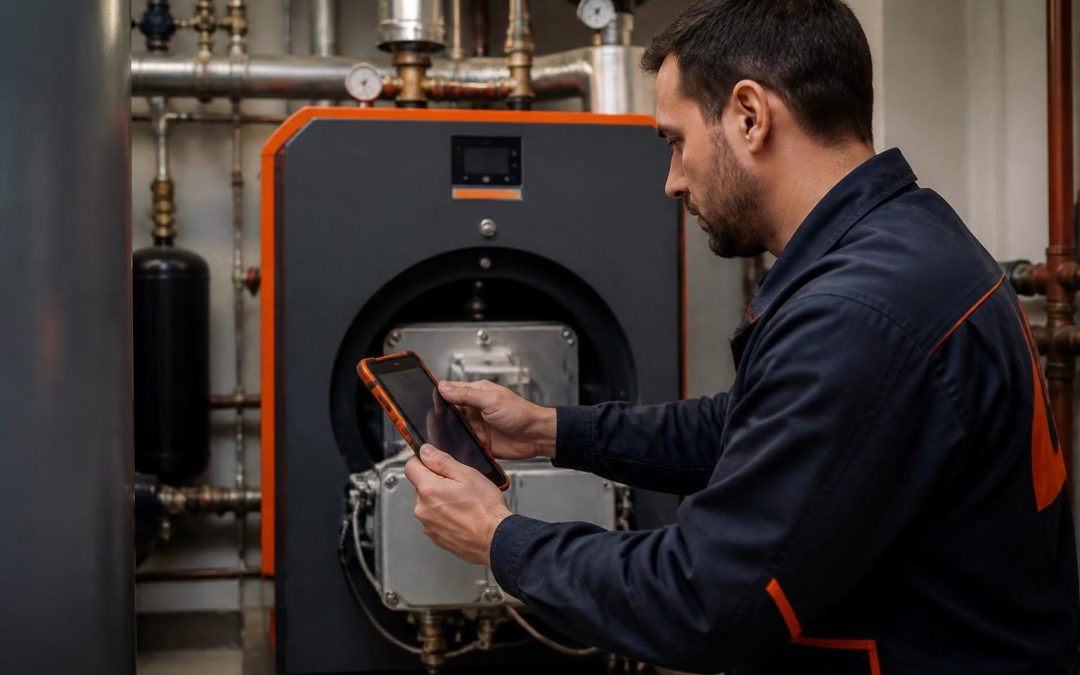
When your boiler broken situation strikes during a freezing winter morning, panic often sets in quickly. A functioning boiler is essential for maintaining warmth and hot water throughout your home, particularly during the colder months in North East England. Understanding why boilers fail, how to respond immediately, and when to call professional help can save you time, money, and considerable stress. This comprehensive guide explores everything you need to know about handling a boiler breakdown, from emergency procedures to long-term solutions that prevent future failures.
Understanding Why Your Boiler Has Broken Down
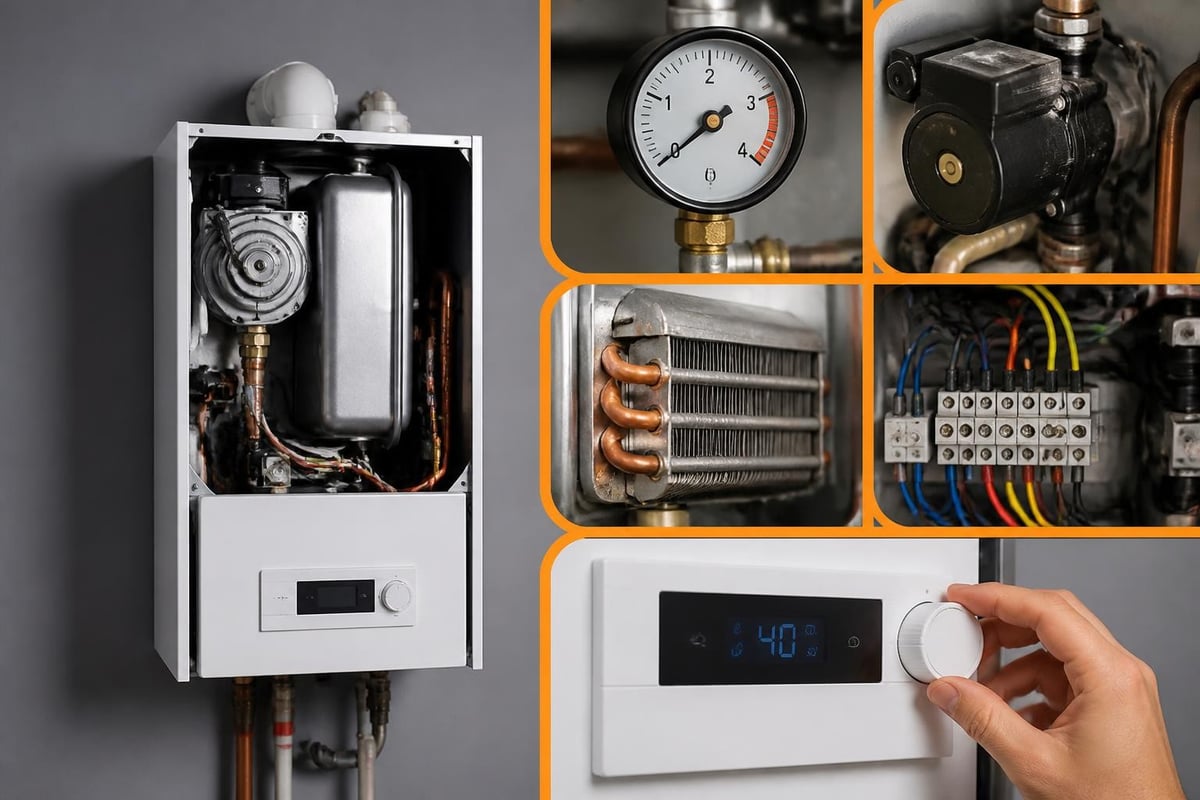
Boilers fail for numerous reasons, ranging from simple fixes to complex mechanical failures. The most common cause involves low water pressure, which prevents the system from circulating heated water effectively throughout your radiators. When pressure drops below one bar, most modern boilers automatically shut down as a safety precaution.
Mechanical Component Failures
Internal components naturally degrade over time. The pump, which circulates water through the system, can seize or develop faults after years of continuous operation. Heat exchangers, particularly in older units, may develop cracks or blockages that compromise efficiency and safety.
Common mechanical issues include:
- Faulty diverter valves preventing hot water delivery
- Broken thermostats providing incorrect temperature readings
- Seized pumps unable to circulate water
- Corroded pipes restricting water flow
- Worn-out expansion vessels affecting pressure regulation
Electrical problems frequently cause boiler breakdowns as well. Circuit board failures, faulty wiring connections, or blown fuses can prevent your boiler from igniting or maintaining proper operation. These issues often require professional diagnostic equipment and expertise to identify and resolve safely.
Frozen Condensate Pipes
During particularly cold spells in the North East, condensate pipes can freeze solid. Modern condensing boilers produce acidic water as a byproduct, which drains externally through these pipes. When temperatures plummet below freezing, this water solidifies, creating a blockage that triggers the boiler's safety shutdown.
Thawing frozen condensate pipes requires careful attention. Pour warm (never boiling) water over the external pipe, or apply hot water bottles wrapped in towels. This gradual approach prevents pipe damage whilst clearing the blockage.
Immediate Steps When Your Boiler Broken Emergency Occurs
The moment you realize your boiler broken situation has developed, taking systematic action helps minimize disruption and potential damage. First, check your boiler's digital display or indicator lights. Modern units provide error codes that pinpoint specific problems, making diagnosis considerably easier.
| Immediate Action | Purpose | Time Required |
|---|---|---|
| Check error code | Identify specific fault | 1-2 minutes |
| Verify pressure gauge | Confirm adequate pressure | 1 minute |
| Test thermostat | Rule out simple issues | 2-3 minutes |
| Inspect condensate pipe | Check for freezing | 5 minutes |
| Reset boiler | Attempt system restart | 2 minutes |
Examine the pressure gauge on your boiler. If it reads below one bar, you'll need to repressurise the system using the filling loop. Consult your boiler's manual for specific instructions, as procedures vary between manufacturers and models.
Safety Considerations
Never attempt repairs involving gas connections or internal boiler components unless you're Gas Safe registered. Gas leaks pose serious health risks and fire hazards. If you smell gas, immediately turn off the gas supply at the meter, open windows, avoid electrical switches, and contact the National Gas Emergency Service on 0800 111 999.
Check whether your boiler has simply switched itself off due to a minor fault. Many modern systems can be reset by holding the reset button for several seconds. However, if the boiler locks out repeatedly after resetting, this indicates an underlying problem requiring professional attention.
Diagnosing Common Boiler Problems
Understanding what different symptoms indicate helps you communicate effectively with heating engineers and make informed decisions about repairs. Strange noises often signal specific issues within the system.
Banging or kettling sounds suggest limescale buildup on the heat exchanger, restricting water flow and causing localized overheating. This problem is particularly common in hard water areas and reduces efficiency significantly.
Whistling or gurgling noises typically indicate air trapped in the system or low water pressure. Bleeding radiators often resolves air-related issues, whilst pressure problems require system represurisation.
Pilot Light and Ignition Issues
When your boiler broken scenario involves the pilot light failing to ignite or stay lit, several factors may be responsible. A faulty thermocouple, which monitors the pilot flame and controls gas supply, commonly causes this problem. Blocked pilot jets from debris or spider webs can also prevent proper ignition.
Intermittent heating or hot water suggests the diverter valve isn't functioning correctly. This component directs hot water either to radiators or taps, and when it fails, you might have heating without hot water, or vice versa.
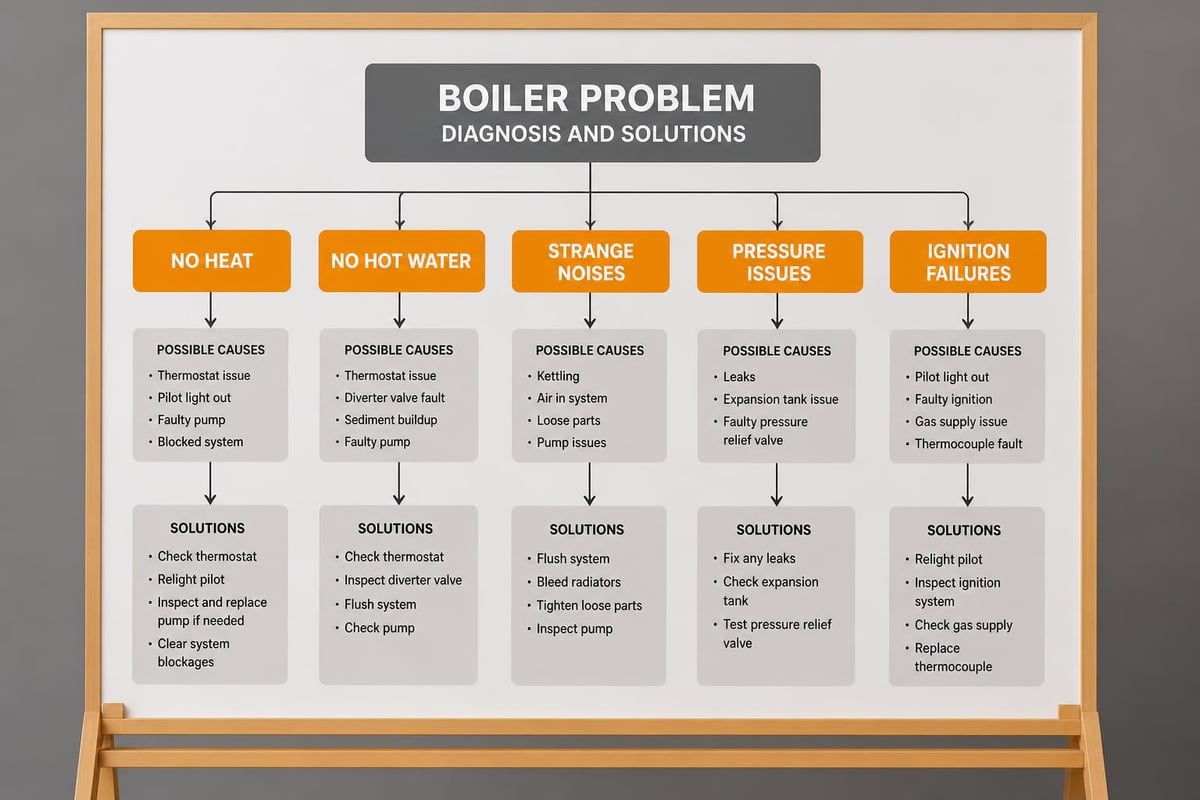
Following comprehensive maintenance checklists helps identify potential issues before they escalate into complete breakdowns. Regular inspections catch developing problems early, when repairs are typically simpler and less expensive.
Repair Versus Replacement Decisions
When faced with a boiler broken situation, deciding between repair and replacement requires careful consideration of multiple factors. Age plays a crucial role in this decision. Boilers typically last 10-15 years with proper maintenance, though modern condensing boilers may exceed this lifespan when well-maintained.
Cost-Benefit Analysis
Calculate the repair cost as a percentage of replacement cost. If repairs exceed 50% of a new boiler's price, replacement usually makes better financial sense, particularly for units approaching 10 years old. Additionally, consider efficiency improvements. Modern condensing boilers achieve 90-95% efficiency compared to 70-80% for older models.
| Factor | Repair | Replace |
|---|---|---|
| Unit age under 5 years | ✓ Recommended | Usually unnecessary |
| Unit age 5-10 years | ✓ If minor repair | Consider if major fault |
| Unit age over 10 years | Only if economical | ✓ Recommended |
| Frequent breakdowns | Not advisable | ✓ Recommended |
| Energy efficiency concerns | Limited benefit | ✓ Significant savings |
| Warranty coverage | ✓ Ideal | Unnecessary |
Frequent breakdowns indicate systemic deterioration. If your boiler requires professional attention more than once annually, replacement becomes increasingly cost-effective. The cumulative expense of repeated callouts, parts, and labour quickly surpasses new installation costs.
Energy Efficiency Considerations
Older boilers waste considerable energy, directly impacting heating bills. Upgrading to a modern condensing boiler reduces fuel consumption by 20-30%, delivering substantial savings over the unit's lifespan. These efficiency gains become particularly significant for larger properties with higher heating demands.
Government schemes and manufacturer rebates occasionally offset replacement costs. Research available incentives before making final decisions, as these programmes can make replacement unexpectedly affordable. Understanding troubleshooting basics helps you make informed choices about repair feasibility.
Preventive Maintenance to Avoid Future Breakdowns
Preventing your boiler broken emergencies requires consistent, proactive maintenance rather than reactive repairs. Annual professional servicing remains the cornerstone of boiler longevity, ideally scheduled before the heating season begins each autumn.
Annual Professional Servicing
Gas Safe registered engineers perform comprehensive inspections during annual services, examining components invisible to homeowners. They test safety devices, clean burners, check seals, analyze combustion efficiency, and identify wear before it causes failures.
Annual service typically includes:
- Combustion analysis and efficiency testing
- Safety device verification and calibration
- Heat exchanger inspection and cleaning
- Flue gas analysis and ventilation checks
- Controls and thermostat testing
- Pressure and expansion vessel examination
Between professional services, homeowners can perform simple maintenance tasks that significantly extend boiler life. Monthly pressure checks ensure the system maintains optimal operating conditions. Most boilers display pressure gauges prominently, with the ideal range marked clearly between 1 and 1.5 bar.
DIY Maintenance Tasks
Bleeding radiators annually removes air pockets that reduce heating efficiency and strain the boiler pump. Start with radiators furthest from the boiler, working systematically toward the unit whilst collecting released water in a container.
Insulating external pipes prevents freezing during winter, particularly for condensate pipes vulnerable to cold weather. Foam pipe insulation costs minimal amounts whilst preventing potentially expensive frozen pipe damage. Following essential maintenance practices ensures your system operates reliably year-round.
Keep the area around your boiler clear of storage and debris. Adequate ventilation prevents overheating and ensures safe combustion. Block air vents or restrict airflow, and your boiler may shut down as a protective measure.
Emergency Heating Alternatives
When your boiler broken crisis occurs during extreme cold and repairs can't happen immediately, temporary heating solutions prevent property damage from frozen pipes whilst maintaining basic comfort levels.
Short-Term Heating Solutions
Electric heaters provide localized warmth, though running costs exceed gas heating significantly. Position them strategically in occupied rooms whilst ensuring they're placed safely away from curtains, furniture, and foot traffic. Never leave portable heaters unattended or operating whilst sleeping.
For properties with working hot water but no central heating, filling hot water bottles and using electric blankets provides personal warmth during cold nights. These solutions won't heat entire rooms but make sleeping conditions tolerable until heating restoration.
Protecting your property includes:
- Draining the central heating system if repairs extend beyond 48 hours in freezing conditions
- Opening cupboards under sinks to allow warm air circulation around pipes
- Leaving heating set to minimum temperature if possible
- Keeping interior doors open to distribute available heat
- Monitoring weather forecasts and preparing accordingly
Consider temporary accommodation with family or friends if temperatures drop dangerously low and repairs face significant delays. Insurance policies sometimes cover hotel costs during emergency heating failures, particularly when properties become uninhabitable.
Understanding Boiler Warranties and Insurance
Most modern boilers include manufacturer warranties covering parts and sometimes labour for specified periods. Understanding your warranty coverage helps determine whether your boiler broken repair costs fall to the manufacturer or require out-of-pocket payment.
Warranty Coverage Details
Standard warranties typically span 2-5 years, though premium models may offer extended 7-10 year coverage. These warranties usually require annual professional servicing by Gas Safe engineers to remain valid. Missed services can void coverage entirely, making previously covered repairs your financial responsibility.
| Coverage Type | Typical Duration | What's Included | Conditions |
|---|---|---|---|
| Parts warranty | 2-5 years | Faulty components | Annual servicing required |
| Labour warranty | 1-2 years | Installation work | Usually manufacturer's installers only |
| Extended warranty | Up to 10 years | Parts and labour | Premium models, service requirements |
| Home emergency cover | Annual policy | Callout and repairs | Excess payments apply |
Home emergency insurance provides boiler breakdown coverage beyond manufacturer warranties. These policies typically cover annual servicing, emergency callouts, and repair costs up to specified limits. Monthly premiums vary considerably, so compare policies carefully, examining excess charges, coverage limits, and exclusions.
Reading warranty terms thoroughly before purchasing prevents disappointment when claims arise. Some warranties exclude certain components, require specific parts, or limit labour coverage to approved engineers. Understanding these details upfront helps you budget appropriately for potential repairs.
Implementing comprehensive maintenance programmes not only prevents breakdowns but also maintains warranty validity, protecting your investment long-term.
Choosing the Right Heating Engineer
When your boiler broken emergency demands professional intervention, selecting qualified, reputable engineers ensures safe, effective repairs. All engineers working on gas appliances must hold current Gas Safe registration, the legal requirement for gas work throughout the UK.
Verification and Credentials
Check Gas Safe registration numbers on the official register before allowing anyone to work on your boiler. Legitimate engineers provide their registration details readily and carry photo identification cards. Never hire unregistered individuals, regardless of promised savings, as illegal gas work poses serious safety risks and invalidates insurance.
Experience with your specific boiler make and model significantly impacts repair quality and efficiency. Engineers familiar with your system diagnose problems faster and carry appropriate parts, reducing repair time and minimizing multiple visits.
Questions to ask potential engineers:
- How long have you worked with this boiler manufacturer?
- Do you carry common parts for emergency repairs?
- What guarantees do you provide on repair work?
- Can you provide recent customer references?
- What are your callout charges and hourly rates?
Response times matter during emergencies, particularly in winter when heating loss creates urgent situations. Local engineers typically respond faster than national companies, though 24-hour emergency services from established firms provide valuable peace of mind.
Compare quotes from multiple engineers when repairs aren't immediately urgent. Price variations often reflect experience, parts quality, and guarantee terms rather than just labour costs. The cheapest quote rarely delivers the best long-term value.
Established businesses with decades of experience, like those offering comprehensive heating services, typically provide more reliable service and stand behind their work with meaningful guarantees.
Financing Boiler Repairs and Replacements
Managing unexpected boiler broken repair costs challenges many households, particularly when replacement becomes necessary. Understanding available financing options helps you make appropriate decisions without compromising on quality or safety.
Payment Plans and Finance Options
Many heating companies now offer interest-free finance for boiler installations and major repairs, spreading costs across manageable monthly payments. Terms typically range from 6 to 60 months, with approval subject to credit checks. These arrangements make necessary replacements affordable without depleting savings.
Zero-percent finance requires careful consideration of terms and conditions. Some schemes include administration fees or require deposits, affecting overall costs. Calculate total repayment amounts before committing, ensuring monthly payments fit comfortably within your budget.
Credit cards provide another financing option, though interest rates typically exceed specialist boiler finance. However, Section 75 protection on credit card purchases over £100 offers additional consumer safeguards if installation problems arise.
Government grants occasionally support boiler replacements for eligible households, particularly those on benefits or with specific circumstances. The Energy Company Obligation (ECO) scheme helps qualifying homeowners upgrade inefficient heating systems, though availability and criteria change periodically.
Insurance Claims
Home insurance sometimes covers boiler breakdown costs, depending on policy specifics. Buildings insurance typically excludes gradual deterioration but may cover sudden, unexpected failures. Contents insurance rarely covers fixed heating systems, though home emergency add-ons specifically address boiler failures.
Review insurance policies before experiencing problems, understanding exactly what coverage applies to heating systems. This knowledge prevents disappointment during claims and helps you arrange appropriate additional coverage if needed.
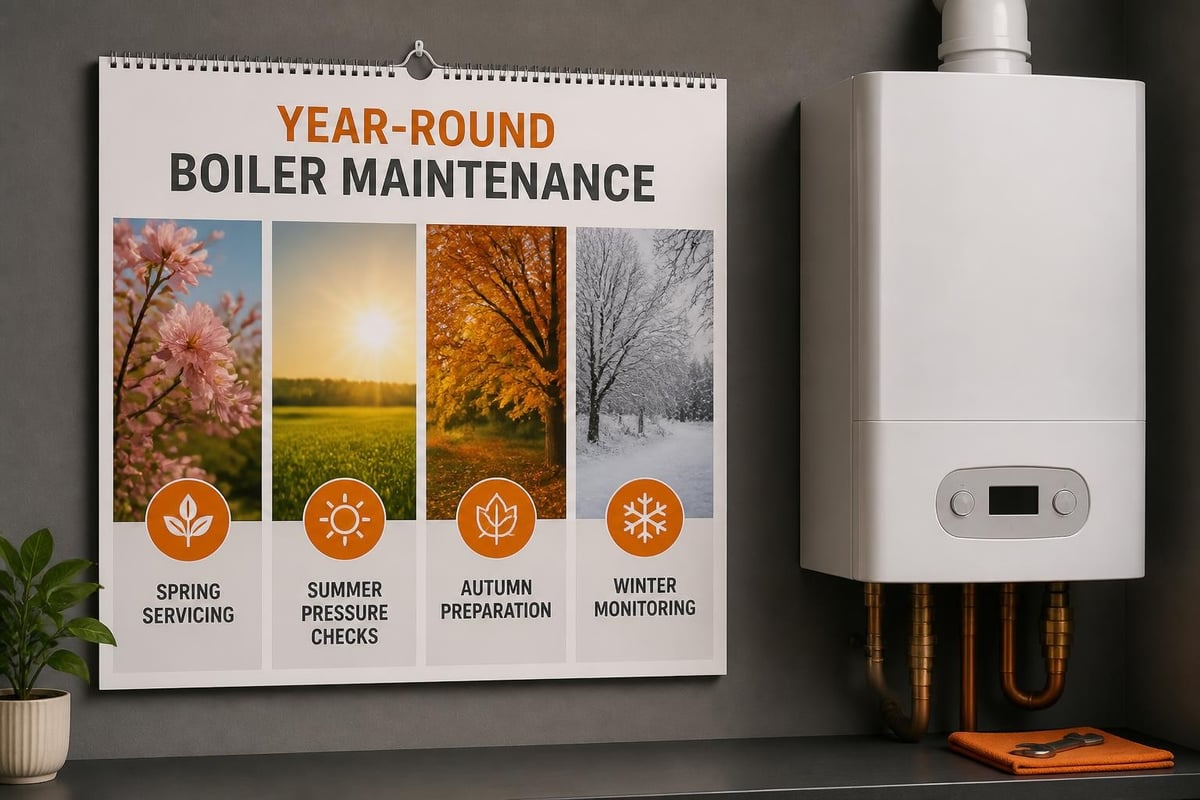
Seasonal Boiler Considerations
Different seasons present unique challenges for boiler operation, with preparation preventing many common breakdowns. Understanding these seasonal factors helps you anticipate and address potential problems proactively.
Winter Preparation
Autumn servicing prepares your boiler for increased winter demand. Heavy usage during cold months stresses components, making pre-season maintenance essential. Engineers identify worn parts before they fail during freezing weather when you need heating most desperately.
Insulating external pipes before temperatures drop prevents the frozen condensate pipe problems that cause numerous winter callouts. This simple, inexpensive task saves considerable stress and potential emergency repair costs.
Winter protection checklist:
- Schedule annual service before October
- Insulate all external pipes thoroughly
- Check pressure weekly during cold weather
- Bleed radiators at season start
- Keep emergency engineer contact details accessible
- Maintain adequate heating fuel supplies
During extended cold periods, running heating for short periods even when you're away prevents complete system freezing. Setting thermostats to maintain minimum 10-12°C protects pipes and prevents your boiler broken situation from developing whilst you're absent.
Summer Maintenance
Boilers idle during summer months but still require attention. Running heating briefly each month prevents pump seizure and maintains system lubrication. Just 15 minutes of operation keeps components functional and ready for autumn restart.
Summer provides ideal timing for non-urgent repairs and upgrades. Engineers face lower demand, often offering better prices and faster appointment availability. Planning installations during warmer months means any unexpected delays won't leave you without heating in freezing conditions.
Checking pressure regularly throughout summer identifies slow leaks before they become problems. Systems that consistently lose pressure have leaks somewhere, requiring professional investigation before heating season begins.
Understanding commercial and residential maintenance cycles helps you plan appropriate servicing schedules regardless of property type.
Modern Boiler Technology and Smart Controls
Recent technological advances make modern boilers significantly more reliable and efficient than older models. When replacement becomes necessary after your boiler broken experience, understanding available technologies helps you select appropriate systems.
Smart Heating Controls
Wireless thermostats and smartphone apps allow precise heating control from anywhere, optimizing comfort whilst minimizing fuel waste. These systems learn your preferences, automatically adjusting schedules for maximum efficiency without sacrificing comfort.
Smart controls identify unusual patterns that may indicate developing faults, alerting you to problems before complete breakdowns occur. Some systems connect directly to manufacturer support services, enabling remote diagnostics and faster repair scheduling.
Modern condensing boilers recover heat from exhaust gases that older systems waste, achieving efficiency ratings above 90%. This recovered energy directly reduces fuel consumption and heating bills, with savings offsetting higher initial costs within several years.
System Compatibility
Combination boilers provide both heating and hot water from a single compact unit, eliminating separate hot water cylinders. These systems suit smaller properties with modest hot water demands, delivering instant hot water without storage requirements.
System boilers work with separate cylinders, providing higher hot water volumes for larger households. Multiple bathrooms and simultaneous hot water usage necessitate these more complex arrangements, though modern designs maintain excellent efficiency.
Heat-only boilers (regular or conventional) suit properties with existing cylinder and tank systems. Whilst less common in new installations, they remain appropriate for specific situations, particularly larger properties with complex heating requirements.
Long-Term Boiler Performance Optimization
Maximizing boiler lifespan requires ongoing attention beyond annual servicing. Small adjustments and consistent monitoring prevent many problems whilst maintaining peak efficiency throughout the system's operational life.
Efficiency Monitoring
Track energy bills seasonally to identify efficiency changes. Unexplained consumption increases often indicate developing problems affecting performance. Addressing these issues early prevents escalation into complete failures requiring expensive emergency repairs.
Modern boilers display efficiency information through digital interfaces. Familiarize yourself with normal readings, making unusual values immediately noticeable. Significant deviations warrant professional investigation, even when heating continues functioning.
Radiator balance affects overall system efficiency significantly. Cooler radiators furthest from the boiler indicate balancing issues, forcing the boiler to work harder whilst failing to heat your home effectively. Professional balancing optimizes heat distribution, reducing fuel waste and component strain.
System Upgrades
Upgrading individual components extends overall system life without complete replacement. New programmable thermostats, thermostatic radiator valves, and improved insulation all enhance performance whilst reducing running costs.
Power flushing removes sludge and debris accumulation from aging systems, restoring circulation efficiency and preventing premature component failure. This service particularly benefits systems over five years old, especially in hard water areas prone to limescale buildup.
Magnetic filters installed on heating systems continuously remove metallic particles that cause pump and valve deterioration. These devices require annual cleaning but significantly extend component life and maintain system cleanliness.
Water treatment chemicals added during servicing prevent corrosion and scale formation, protecting internal components from damage. Professional engineers recommend appropriate treatments based on your specific system and local water conditions.
Following systematic troubleshooting approaches when problems arise helps identify whether simple adjustments or professional intervention provide the best solution.
Facing a boiler broken emergency requires swift action, informed decisions, and access to qualified professionals who understand modern heating systems thoroughly. Regular maintenance, prompt attention to developing issues, and knowing when to repair versus replace keeps your home warm and comfortable whilst managing costs effectively. When boiler problems arise in the North East, NU Heat North East Ltd brings over four decades of experience to every callout, offering expert diagnosis, quality repairs, and professional installations with flexible 0% finance options to suit your budget.