
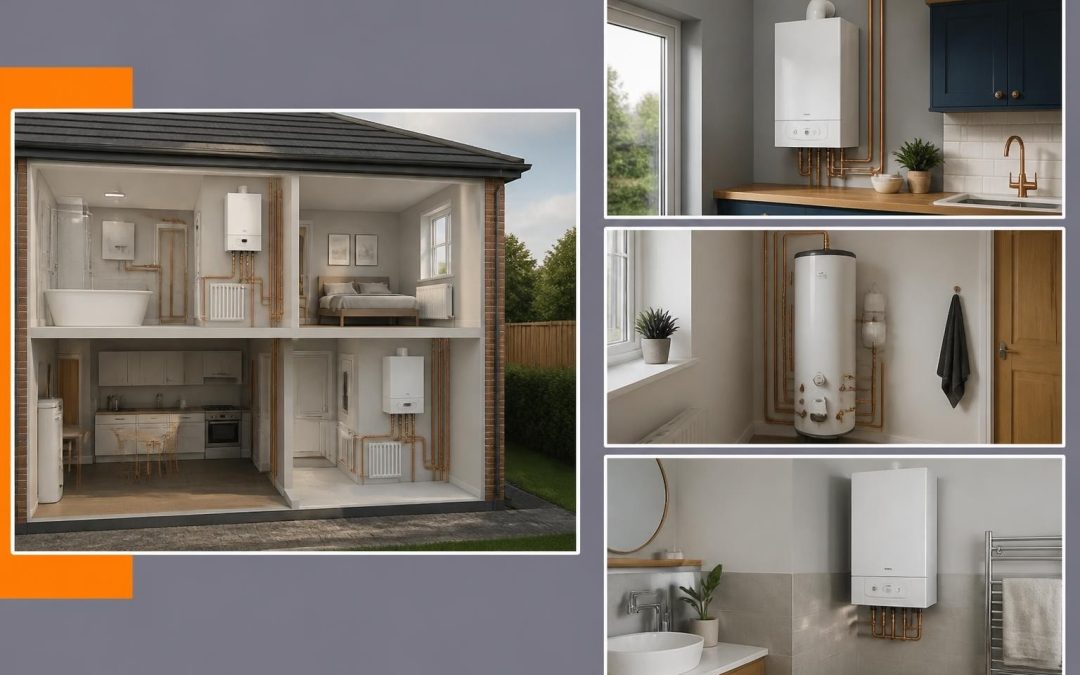
Selecting the right boiler for house heating represents one of the most significant decisions homeowners face when upgrading or replacing their existing heating system. With energy costs continuing to rise and environmental concerns becoming increasingly important, choosing an efficient and reliable boiler can substantially impact both your monthly bills and your carbon footprint. Modern boiler technology has advanced considerably over the past decade, offering homeowners in the North East of England and throughout the UK a wide range of options tailored to different property sizes, heating demands, and budgetary requirements. Understanding the various boiler types, fuel options, and installation considerations ensures you make an informed decision that will serve your household effectively for years to come.
Understanding Different Boiler Types for Your Home
When evaluating a boiler for house installations, three primary categories dominate the UK market: combi boilers, system boilers, and conventional boilers. Each type offers distinct advantages depending on your property characteristics and hot water usage patterns.
Combi Boilers: Space-Saving Efficiency
Combination boilers have become the most popular choice for UK households, particularly in properties with limited space. These compact units heat water directly from the mains supply, eliminating the need for separate hot water cylinders or cold water tanks.
Key advantages of combi boilers include:
- Instant hot water on demand without waiting for tanks to refill
- Reduced installation costs due to fewer components
- Ideal for smaller properties with one bathroom
- No risk of frozen loft tanks during winter months
- Improved energy efficiency through reduced heat loss
However, combi boilers may struggle to supply multiple outlets simultaneously. If several family members frequently use showers or taps at the same time, water pressure can decrease noticeably.
System Boilers: Balanced Performance
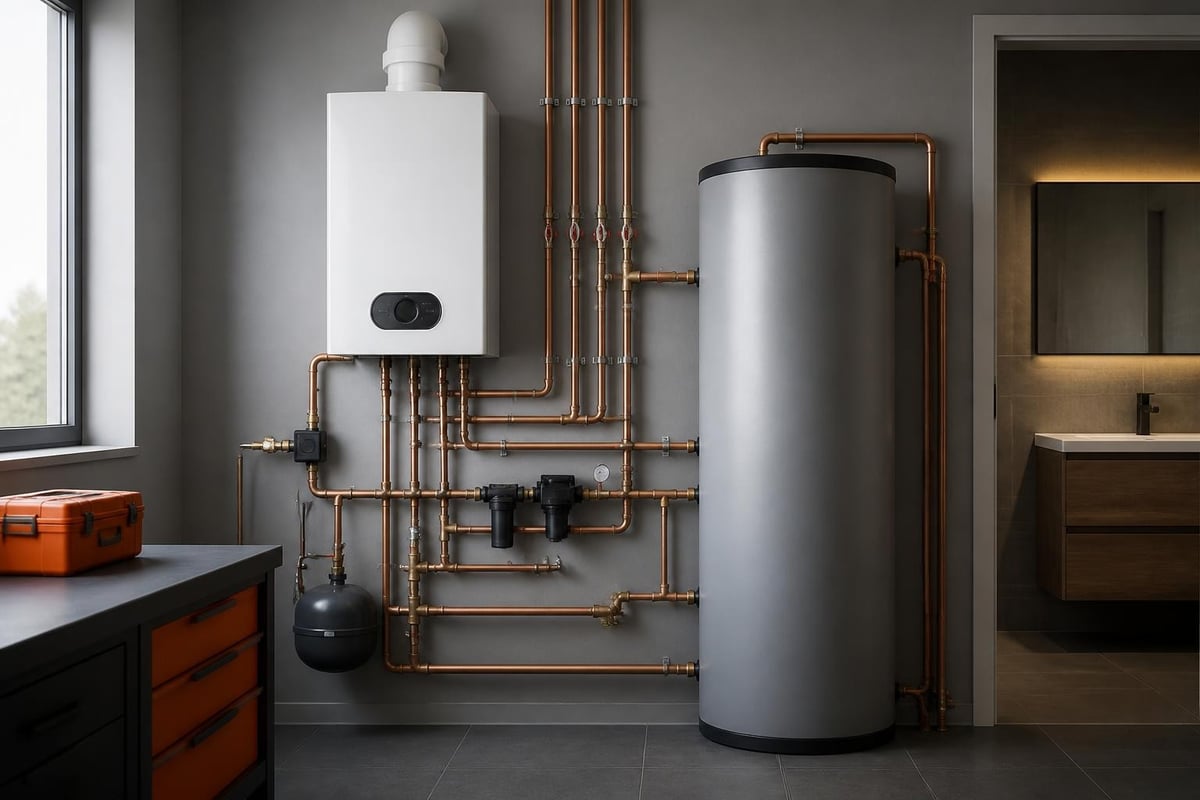
System boilers store hot water in a cylinder but draw water directly from the mains, requiring no cold water tank. This configuration suits medium to large homes with multiple bathrooms where simultaneous hot water demand occurs regularly.
These systems provide strong water pressure to multiple outlets whilst maintaining compact boiler units. The stored hot water means you won't run out during peak usage periods, making them particularly suitable for busy family households. Professional installation of heating services ensures optimal system performance and longevity.
Conventional Boilers: Traditional Reliability
Also known as regular or traditional boilers, these systems require both a hot water cylinder and a cold water storage tank, typically located in the loft. Conventional boilers remain the preferred choice for properties with existing traditional heating systems or those requiring very high hot water volumes.
| Boiler Type | Best For | Space Required | Hot Water Supply |
|---|---|---|---|
| Combi | 1-2 bedroom properties | Minimal | On demand |
| System | 3-4 bedroom homes | Moderate | Stored (cylinder) |
| Conventional | Large properties, multiple bathrooms | Maximum | Stored (cylinder + tank) |
Fuel Options and Efficiency Considerations
The fuel type powering your boiler for house heating significantly impacts running costs, environmental impact, and installation requirements. Natural gas remains the most common choice where mains gas connection exists, offering competitive running costs and well-established infrastructure.
Gas Boilers: The Standard Choice
Condensing gas boilers now represent the legal requirement for new installations in the UK, achieving efficiency ratings of 90% or higher. These units capture heat from waste gases that older boilers simply vented outside, recovering energy that would otherwise be lost.
Modern gas boilers feature advanced controls enabling precise temperature management and reduced energy consumption. Regular boiler servicing maintains peak efficiency and identifies potential issues before they become costly repairs.
Oil Boilers: Rural Solutions
Properties without access to mains gas often rely on oil-fired boilers. Whilst requiring storage tanks and regular fuel deliveries, modern condensing oil boilers achieve impressive efficiency levels comparable to gas alternatives.
Considerations for oil boilers:
- Tank installation requires suitable outdoor space
- Fuel costs fluctuate with global oil prices
- Annual servicing essential for optimal combustion
- Modern models significantly cleaner than older equivalents
Biomass and Alternative Fuels
Biomass boilers burn sustainable wood pellets, chips, or logs, offering an environmentally conscious heating solution. These systems qualify for various government incentives, though they require more space for both the boiler unit and fuel storage. Understanding biomass boiler systems helps homeowners evaluate whether this renewable option suits their circumstances.
Sizing Your Boiler Correctly
Installing an appropriately sized boiler for house heating prevents both inadequate heat provision and unnecessary energy waste. Oversized boilers cycle on and off frequently, reducing efficiency and increasing wear on components. Undersized units struggle to maintain comfortable temperatures, running continuously and consuming excessive fuel.
Professional heating engineers calculate required boiler output based on multiple factors:
- Total property size in square metres
- Number of radiators and their heat output
- Insulation quality throughout the building
- Number of bathrooms and occupants
- Hot water usage patterns
- Room heights and window areas
A typical three-bedroom semi-detached house with moderate insulation requires approximately 24-30 kW output for a combi boiler. System or conventional boilers might operate efficiently at lower outputs since they only heat the central heating circuit directly, with the cylinder handling hot water storage separately.
Installation Considerations and Costs
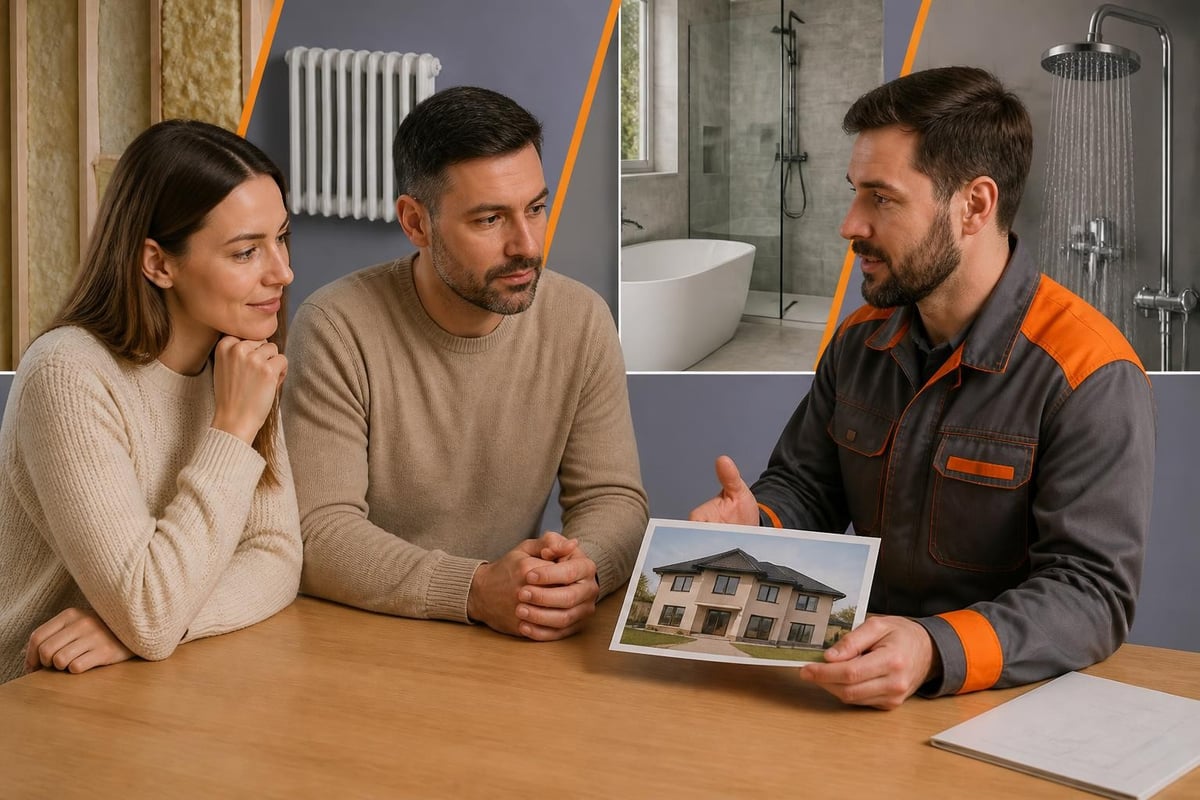
The total investment in a new boiler for house heating extends beyond the unit purchase price. Installation complexity, necessary system modifications, and ancillary components all contribute to final project costs.
Typical Installation Expenses
| Component | Price Range (2026) |
|---|---|
| Combi boiler unit | £800 – £2,500 |
| System boiler unit | £900 – £2,800 |
| Installation labour | £500 – £1,500 |
| System flush | £300 – £500 |
| Thermostat/controls | £150 – £400 |
| Total project cost | £2,000 – £5,000+ |
These figures represent general guidance, with actual costs varying based on property specifics, chosen equipment quality, and regional labour rates. Upgrading from an old conventional system to a modern combi boiler may require additional pipework modifications, whilst replacing like-for-like systems typically costs less.
Understanding common boiler problems helps homeowners recognise when replacement becomes more economical than continued repairs on aging systems. Financing options, including 0% interest payment plans, make upgrading to efficient modern systems more accessible to homeowners throughout the North East.
Location and Ventilation Requirements
Modern boilers can be installed in various locations including kitchens, utility rooms, bathrooms, and even cupboards, provided adequate ventilation exists. Condensing boilers produce acidic condensate that requires proper drainage, whilst all installations need sufficient air supply for safe combustion and appropriate flue positioning to vent waste gases safely.
Maintaining Your Boiler for Longevity
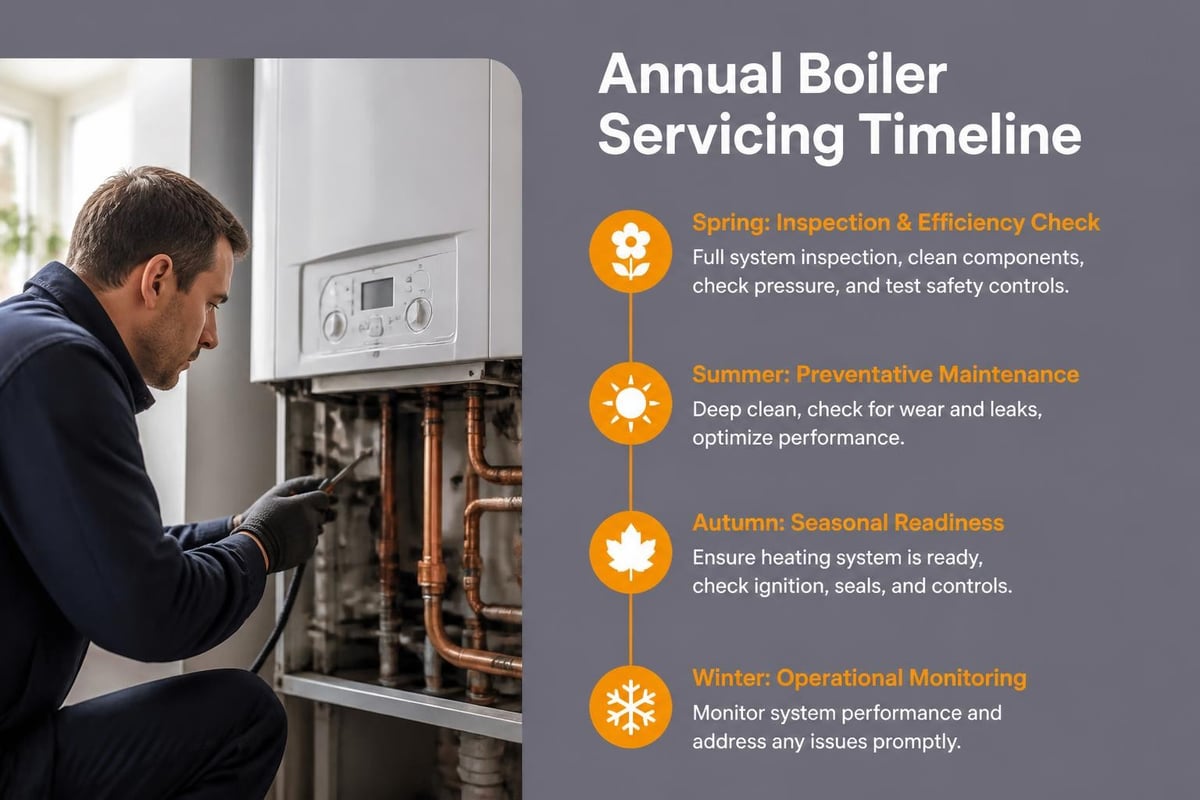
Regular maintenance extends boiler lifespan, maintains efficiency, and ensures safe operation. Annual servicing by qualified Gas Safe registered engineers remains essential for warranty validation and household safety. Following a comprehensive boiler maintenance checklist prevents unexpected breakdowns and costly emergency repairs.
Essential Maintenance Tasks
Homeowner responsibilities include:
- Monitoring boiler pressure and topping up when necessary
- Checking for unusual noises, leaks, or error codes
- Bleeding radiators to remove trapped air
- Ensuring vents and flues remain unobstructed
- Testing heating and hot water regularly during summer
Professional servicing involves more technical inspections. Engineers examine heat exchangers, test safety devices, analyse combustion efficiency, and clean critical components. This preventative approach identifies deteriorating parts before failure occurs.
Proper boiler repair by qualified technicians resolves issues promptly, preventing minor problems from escalating into major system failures. Modern diagnostic tools enable precise fault identification, reducing repair time and costs.
System Flushing and Water Quality
Over time, heating systems accumulate sludge, rust, and limescale deposits that restrict water flow and reduce heat transfer efficiency. A central heating system flush removes these contaminants, restoring optimal performance and protecting your boiler investment.
In hard water areas, scale inhibitors and magnetic filters protect boiler heat exchangers from calcium buildup. These relatively inexpensive additions significantly extend equipment life and maintain efficiency ratings.
Energy Efficiency and Environmental Impact
Choosing an efficient boiler for house heating delivers financial savings whilst reducing environmental impact. Modern condensing boilers achieve seasonal efficiency ratings exceeding 90%, compared to just 60-70% for boilers installed before 2000.
Understanding Efficiency Ratings
The ErP (Energy-related Products) directive requires all new boilers to display efficiency ratings from A+++ to G. Most new boilers achieve A-rated status, with some premium models reaching A+ ratings through advanced controls and modulation capabilities.
Efficiency improvements translate directly to cost savings:
- Upgrading from a G-rated to an A-rated boiler saves approximately 30% on heating bills
- A typical household spends £800-£1,200 annually on heating
- Potential annual savings of £240-£360 make payback periods relatively short
- Environmental benefits include reduced carbon emissions and lower fuel consumption
Smart controls and weather compensation further enhance efficiency by adjusting output based on actual heating demand rather than running at fixed temperatures. These technologies prevent energy waste whilst maintaining comfortable indoor conditions.
Choosing the Right Installer
Selecting qualified, experienced professionals for boiler installation proves as important as choosing the equipment itself. Improper installation compromises efficiency, creates safety hazards, and may invalidate manufacturer warranties. This comprehensive guide to residential boiler systems emphasises the importance of professional installation.
Installer Qualifications and Certifications
Gas Safe registration represents the legal requirement for anyone working on gas appliances in the UK. This mandatory registration ensures engineers possess necessary competencies, maintain insurance coverage, and complete regular training on current regulations and technologies.
Verify your installer credentials:
- Check Gas Safe registration number validity online
- Request references from recent similar projects
- Obtain detailed written quotations specifying all work included
- Confirm warranty coverage and aftercare support
- Ensure Building Regulations compliance certification
Established heating companies bring valuable experience, maintaining relationships with equipment manufacturers and offering comprehensive aftercare services. Local specialists understand regional building characteristics and climate considerations relevant to the North East of England.
Common Boiler Problems and Solutions
Even well-maintained boilers occasionally experience operational issues. Recognising common problems helps homeowners respond appropriately, distinguishing between simple fixes and situations requiring professional intervention. Resources about residential boiler maintenance provide valuable troubleshooting guidance.
Frequent Issues and Remedies
Low pressure represents the most common boiler complaint. Checking the pressure gauge and using the filling loop to restore pressure to 1-1.5 bar when cold resolves this issue in most cases.
Frozen condensate pipes occur during severe cold weather. The external condensate pipe may freeze, preventing drainage and causing the boiler to shut down. Carefully applying warm (not boiling) water to the pipe usually resolves this temporary problem.
Radiator cold spots indicate trapped air or sludge accumulation. Bleeding radiators releases air pockets, whilst persistent problems suggest system flushing may be necessary.
Kettling noises occur when limescale builds up on the heat exchanger, restricting water flow and causing localised boiling. Professional descaling or heat exchanger replacement resolves this efficiency-reducing problem.
Future-Proofing Your Heating System
Planning for future developments in heating technology ensures your investment remains relevant as the UK transitions towards lower-carbon heating solutions. Government policies increasingly encourage renewable heating systems and improved building efficiency.
Hydrogen-Ready Boilers
Manufacturers now offer "hydrogen-blend ready" boilers capable of burning natural gas with up to 20% hydrogen content. Future conversion to 100% hydrogen may become possible with component upgrades, though widespread hydrogen distribution infrastructure remains years away from implementation.
Integration with Renewable Technologies
Modern boilers integrate effectively with solar thermal panels, reducing reliance on fossil fuels for hot water provision during summer months. Hybrid systems combining gas boilers with heat pumps offer another pathway towards reduced carbon emissions whilst maintaining heating capacity during peak demand periods.
Smart home integration enables remote control, usage monitoring, and automated optimisation based on occupancy patterns and weather forecasts. These technologies maximise comfort whilst minimising energy consumption and costs.
Making Your Final Decision
Selecting the optimal boiler for house heating requires balancing multiple considerations: property size, occupancy patterns, existing infrastructure, budget constraints, and future requirements. Taking time to research options, obtain multiple quotations, and consult qualified professionals ensures satisfaction with your investment.
The Consumer Reports buying guide offers additional perspectives on evaluating different boiler options and making informed purchasing decisions. Consider total lifetime costs rather than focusing solely on initial purchase price, factoring in efficiency ratings, anticipated fuel costs, and maintenance requirements.
Don't rush the decision process. A well-chosen, professionally installed boiler operates efficiently for 10-15 years, delivering reliable heating and hot water throughout its service life. Conversely, hasty decisions based purely on price can result in inadequate performance, higher running costs, and premature replacement needs.
Choosing and installing the right boiler for house heating significantly impacts comfort, running costs, and environmental footprint for years to come. Understanding the options available, maintaining systems properly, and working with qualified professionals ensures optimal results from your heating investment. Since 1983, NU Heat North East Ltd has been helping homeowners throughout Newbiggin-by-the-Sea and the wider North East region select and install heating solutions perfectly matched to their properties and requirements. Our qualified technicians provide expert guidance on boiler selection, professional installation services, and comprehensive aftercare support, with flexible 0% finance options making efficient heating systems accessible to all homeowners. Contact our team today to discuss your heating needs and discover how we can deliver a solution you'll be completely satisfied with.