
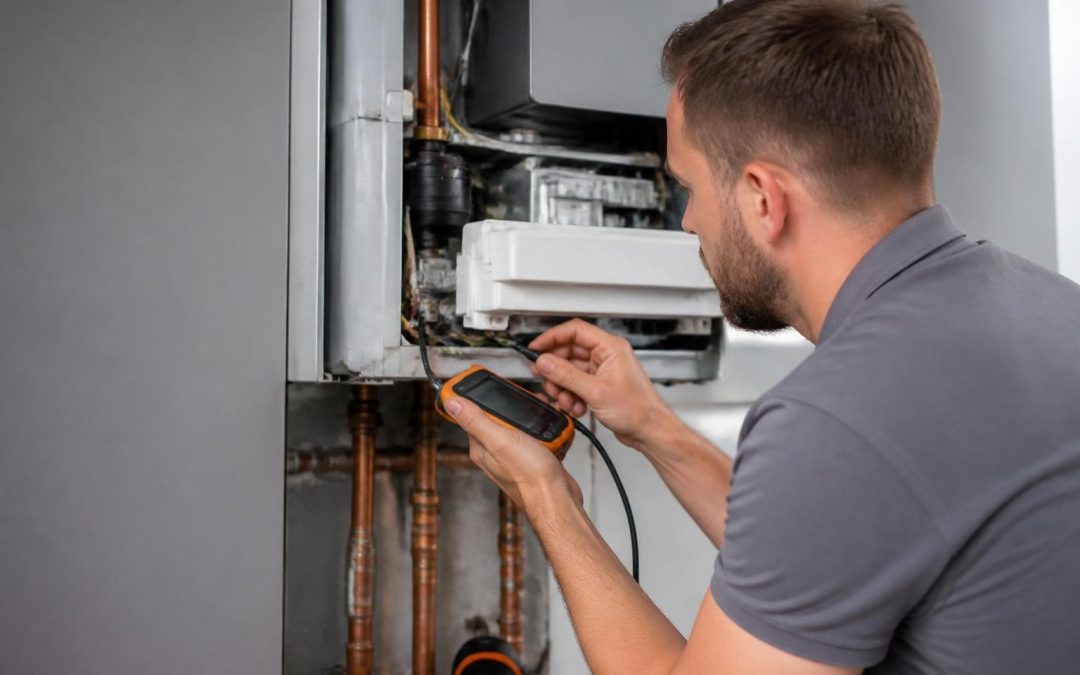
When your home's heating system fails during the coldest months, the urgency to restore warmth becomes paramount. Understanding the fundamentals of central heating repair empowers homeowners to make informed decisions about maintenance, troubleshooting, and when to engage qualified professionals. With over four decades of experience serving the North East of England, recognising the signs of system deterioration and addressing them promptly can prevent costly breakdowns and ensure continuous comfort throughout winter.
Understanding Central Heating System Components
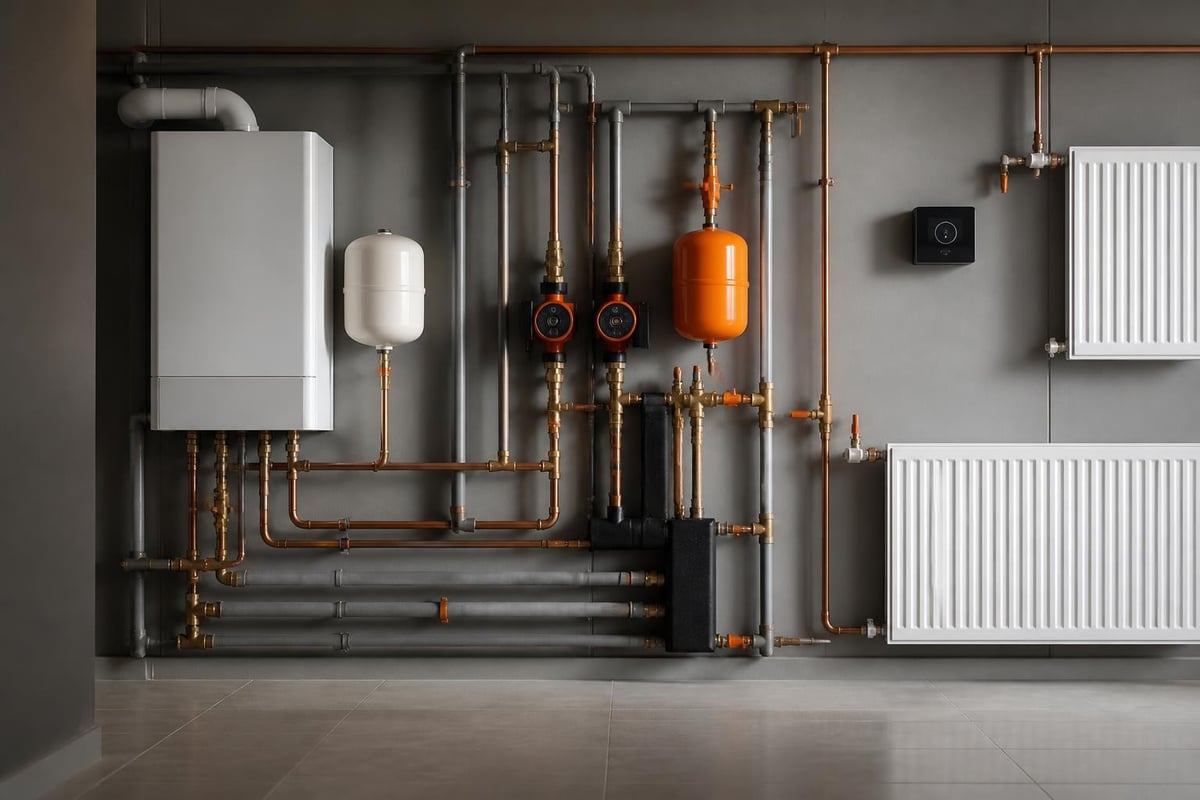
Modern central heating systems consist of interconnected components that work together to distribute warmth throughout your property. The boiler serves as the heart of the system, heating water that circulates through pipework to radiators or underfloor heating networks.
The Core Elements Requiring Regular Attention
Every heating system comprises several critical components that demand periodic inspection and maintenance. The boiler itself, whether gas, oil, or biomass, contains numerous working parts including the heat exchanger, burner, pump, and control systems. Each element faces wear over time, particularly in systems running continuously during colder months.
Radiators and their valves represent another crucial consideration. Thermostatic radiator valves (TRVs) can seize, air locks prevent proper circulation, and sludge accumulation reduces efficiency. The expansion vessel maintains system pressure, whilst the pump ensures water circulates effectively throughout the network.
| Component | Common Issue | Typical Lifespan |
|---|---|---|
| Boiler heat exchanger | Limescale buildup | 10-15 years |
| Circulation pump | Bearing failure | 8-12 years |
| Thermostatic valves | Seized mechanism | 5-10 years |
| Expansion vessel | Diaphragm failure | 5-8 years |
| Zone valves | Actuator malfunction | 8-10 years |
The control systems including thermostats, programmers, and smart heating controllers coordinate when and how your heating operates. Electrical faults, sensor failures, or programming errors can disrupt the entire system despite the boiler functioning correctly.
Diagnosing Common Central Heating Faults
Effective central heating repair begins with accurate diagnosis. Many homeowners in the North East region contact our radiator repairs service when experiencing cold radiators, yet the underlying issue often extends beyond the radiator itself.
No Heat or Hot Water Production
When your system produces neither heating nor hot water, several scenarios warrant investigation. Check the boiler display for error codes, which provide specific diagnostic information about the fault. Low system pressure frequently prevents boiler ignition; the pressure gauge should typically read between 1.0 and 1.5 bar when cold.
The pilot light on older boilers may have extinguished, whilst modern boilers rely on electronic ignition systems that can fail. Thermostat settings deserve verification, ensuring they're calling for heat and batteries remain charged. Power supply issues, including tripped circuit breakers or blown fuses, can prevent the system from operating entirely.
Partial System Heating Issues
Some radiators remaining cold whilst others heat properly indicates circulation problems or air locks. Bleeding radiators releases trapped air, but persistent issues suggest sludge accumulation or pump failure. According to InspectAPedia’s comprehensive heating resources, systematic bleeding should begin with radiators closest to the boiler, working outwards through the system.
- Turn off the heating system completely
- Identify which radiators remain cold or only partially warm
- Check if cold radiators follow a pattern (upstairs, downstairs, distance from boiler)
- Bleed affected radiators using a radiator key
- Check system pressure and top up if necessary
- Restart the system and reassess performance
Uneven heating distribution may indicate balancing issues. Each radiator requires adjustment to ensure proper flow rates throughout the system, preventing some rooms from overheating whilst others remain cool.
Professional Central Heating Repair Procedures
Qualified heating engineers employ systematic approaches to central heating repair, beginning with comprehensive system assessment. Professional diagnostics utilise specialised equipment including multimeters, pressure gauges, and thermal imaging cameras to identify faults accurately.
Boiler Component Repair and Replacement
Modern boilers contain sophisticated electronics and sealed combustion chambers requiring specialist knowledge. Our boiler servicing technicians regularly encounter issues with printed circuit boards, gas valves, and ignition systems. These repairs demand Gas Safe registration and adherence to current regulations.
Heat exchanger problems represent significant concerns. Leaking heat exchangers in older boilers often justify replacement rather than repair, particularly when considering efficiency improvements available in contemporary models. The guidance on central heating installation and repair emphasises evaluating repair costs against replacement benefits.
Pump replacement requires draining portions of the system, electrical disconnection, and careful sizing of the replacement unit. Incorrect pump sizing causes circulation issues, noise, and premature component failure throughout the system.
System Flushing and Chemical Treatment
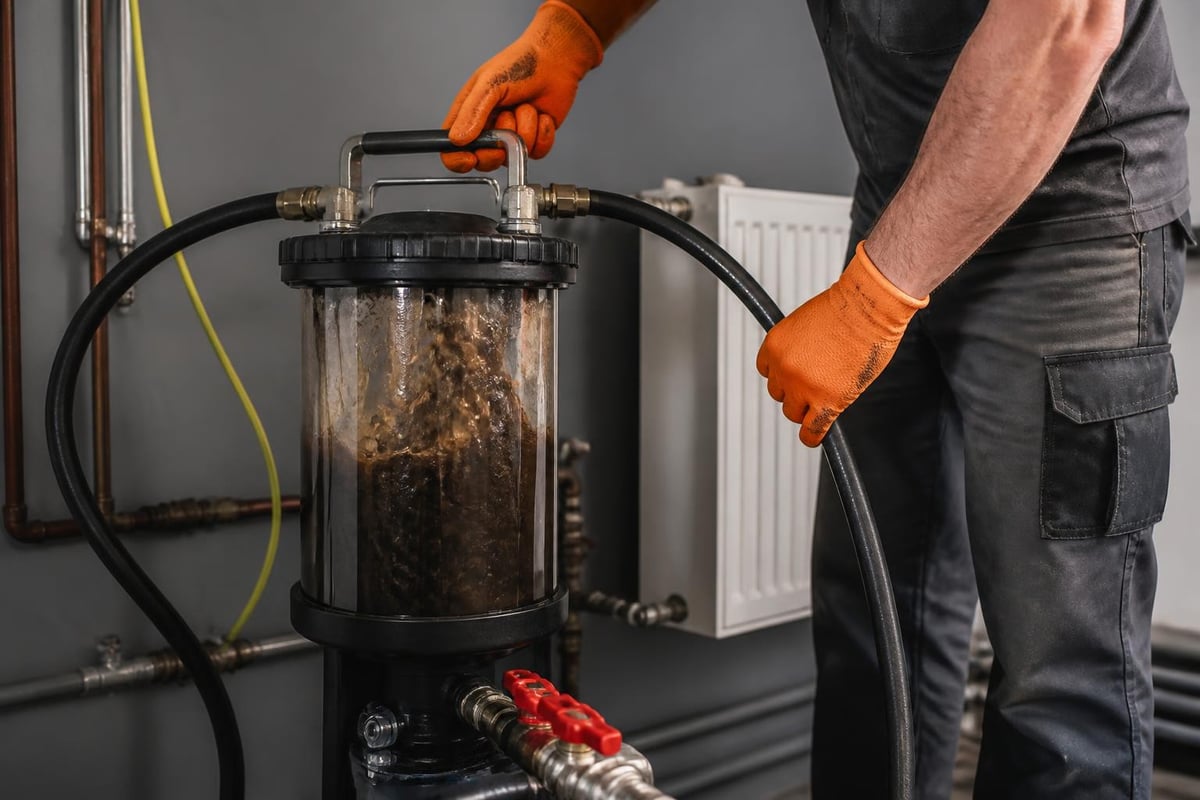
Sludge and debris accumulation within heating systems dramatically reduces efficiency and accelerates component wear. Power flushing involves connecting specialist equipment to the system, circulating cleaning chemicals under pressure to dislodge deposits. This procedure typically takes 6-8 hours for an average-sized property.
Following power flushing, installing a magnetic filter captures circulating iron oxide particles, protecting the boiler and extending system lifespan. Chemical inhibitors added to the system water prevent future corrosion and limescale formation, particularly important in hard water areas throughout the North East.
Preventative Maintenance Strategies
Regular maintenance prevents many common faults requiring central heating repair. Annual boiler servicing by qualified engineers identifies developing issues before they cause system failure, maintaining warranty validity and ensuring safe operation.
Annual Service Requirements
Professional servicing encompasses visual inspection of all accessible components, flue gas analysis to verify combustion efficiency, and cleaning of key boiler parts. Engineers test safety devices including the pressure relief valve and gas valve operation, ensuring the system operates within manufacturer specifications.
Between professional services, homeowners should monitor several indicators:
- System pressure: Check monthly, topping up if below 1.0 bar
- Unusual noises: Banging, whistling, or gurgling sounds indicate developing problems
- Radiator performance: Note any gradual reduction in heat output
- Error codes: Document any displayed codes for reporting to engineers
- Visual leaks: Inspect visible pipework and radiator valves regularly
Seasonal Preparation
Preparing your heating system before winter prevents failures during peak demand periods. Testing the system in early autumn, before temperatures drop significantly, allows time for repairs without emergency call-out costs. Our heating services in Blyth experience increased demand in September as property owners conduct pre-winter checks.
Checking thermostat programming ensures efficiency during colder months. Modern programmable thermostats offer multiple heating periods daily, accommodating varied occupancy patterns whilst minimising energy waste. Smart thermostats provide remote control and usage analytics, identifying potential efficiency improvements.
Emergency Repair Situations
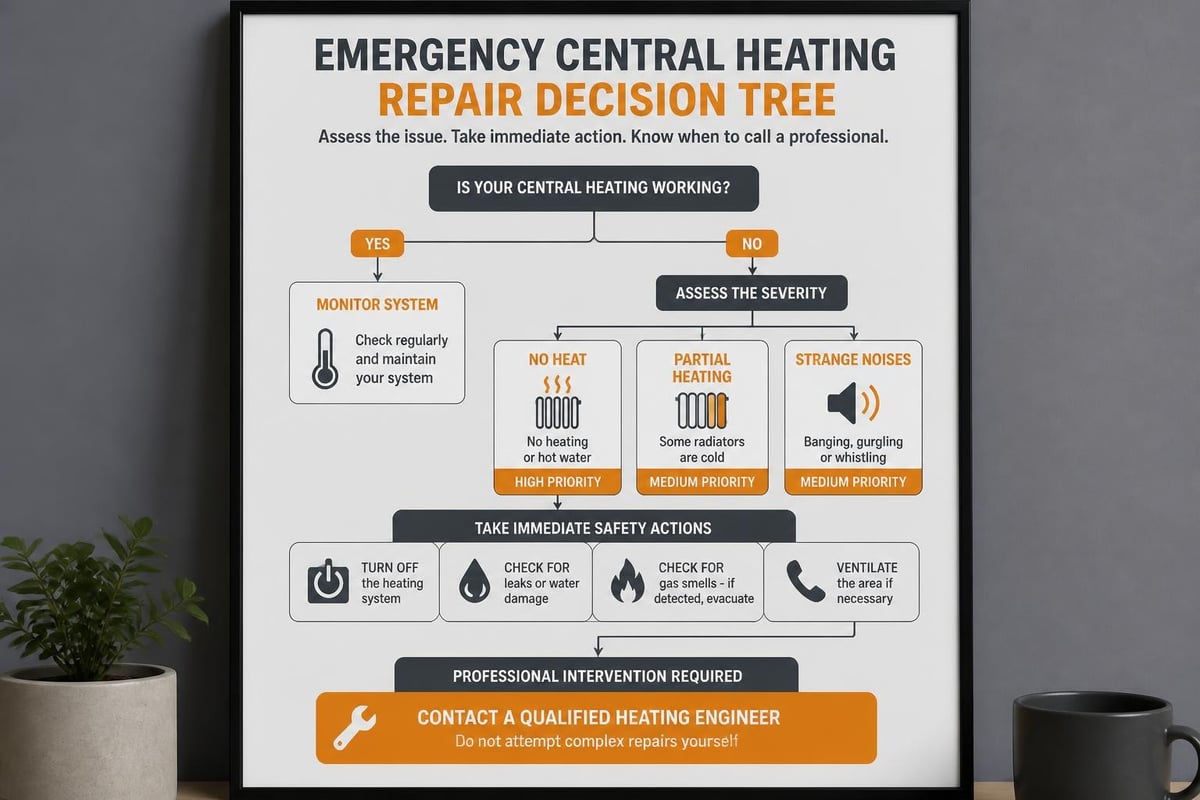
Certain central heating repair scenarios demand immediate professional attention. Gas leaks, indicated by distinctive odours or hissing sounds, require evacuating the property, shutting off the gas supply at the meter, and contacting emergency services before calling heating engineers.
Identifying Critical Failures
Water leaks from the boiler or pipework risk property damage and electrical hazards. Small drips may indicate failing seals or corrosion, whilst significant leaks suggest component failure requiring urgent intervention. Shutting off the water supply and draining the system prevents extensive damage.
Frozen pipes represent particular concerns during severe weather. External condensate pipes from condensing boilers prove especially vulnerable. Pouring warm (not boiling) water over frozen sections can restore flow, but repeated freezing indicates inadequate insulation requiring permanent solutions.
| Emergency Type | Immediate Action | Next Steps |
|---|---|---|
| Gas leak | Evacuate property, call National Grid | Contact Gas Safe engineer |
| Major water leak | Turn off water supply, drain system | Call emergency plumber |
| Complete breakdown (winter) | Switch to backup heating if available | Request priority engineer visit |
| Frozen condensate pipe | Apply warm water to thaw | Insulate pipe permanently |
| Carbon monoxide alarm | Ventilate property, turn off boiler | Emergency gas engineer required |
Carbon monoxide detectors provide essential safety monitoring. Any alarm activation requires immediate boiler shutdown, property ventilation, and emergency engineer attendance. Annual flue testing during servicing verifies safe combustion, but detectors offer continuous protection.
Cost Considerations and Financing Options
Central heating repair costs vary considerably depending on fault complexity and parts required. Simple repairs like replacing thermostats or bleeding radiators cost substantially less than boiler component replacement or system power flushing.
Typical Repair Investment Ranges
Minor repairs including valve replacement, thermostat installation, or radiator bleeding typically cost between £80 and £250. Mid-range repairs such as pump replacement, expansion vessel renewal, or zone valve installation range from £250 to £600 including parts and labour.
Major repairs involving heat exchanger replacement, complete system power flushing, or multiple component renewal can exceed £600, sometimes approaching £1,500 for comprehensive work. When repair costs approach 50% of replacement value, particularly on boilers exceeding 10 years old, replacement often represents better value.
Financing solutions make essential repairs accessible. Interest-free finance options spread costs into manageable monthly payments, ensuring heating system reliability without immediate financial burden. This approach proves particularly valuable for unexpected failures requiring prompt attention.
Repair Versus Replacement Decisions
Several factors influence whether central heating repair remains economically sensible or replacement offers better value:
- Age of existing equipment (boilers typically last 10-15 years)
- Repair frequency over recent years
- Energy efficiency of current system
- Availability of replacement parts
- Potential energy savings from modern equipment
- Boiler warranty status and coverage
Modern condensing boilers achieve efficiency ratings exceeding 90%, compared to 70-80% for older models. The energy savings often justify replacement, particularly when combined with enhanced reliability and reduced maintenance requirements. Boiler installations in Newcastle frequently replace systems that remain functional but prove increasingly expensive to operate.
Selecting Qualified Heating Engineers
Choosing competent professionals for central heating repair ensures safe, effective, and lasting solutions. Gas Safe registration represents the legal requirement for anyone working on gas appliances, with engineers carrying photographic ID cards verifying their registration and competencies.
Credentials and Experience Verification
Beyond basic registration, consider engineers' manufacturer training and accreditation. Many boiler manufacturers offer extended warranties only when installation and servicing occur through their approved installers. These accreditations demonstrate commitment to ongoing professional development and adherence to manufacturer standards.
Experience with specific system types proves valuable. Engineers familiar with biomass systems, for example, possess knowledge distinct from conventional gas boiler expertise. Our biomass services team receives specialist training addressing the unique requirements of these renewable heating systems.
Local reputation matters considerably. Established businesses with decades of service history demonstrate reliability and commitment to customer satisfaction. Online reviews, industry affiliations, and willingness to provide references indicate professional standards.
Service Guarantees and Support
Reputable heating engineers guarantee their workmanship, typically offering 12-month warranties on labour alongside manufacturer guarantees on parts. This protection ensures any issues arising from repair work receive prompt attention without additional costs.
Emergency support availability provides peace of mind, particularly during winter months when heating failures cause significant discomfort. Companies offering rapid response times and 24/7 emergency services demonstrate commitment to customer welfare beyond standard working hours.
Improving System Efficiency Through Repairs
Strategic central heating repair extends beyond restoring functionality, offering opportunities to enhance overall system efficiency. Upgrading controls, installing thermostatic radiator valves, and balancing the system optimise performance whilst reducing energy consumption.
Control System Upgrades
Modern heating controls provide sophisticated management capabilities absent from older systems. Smart thermostats learn occupancy patterns, adjust heating schedules automatically, and provide remote control through smartphone applications. Weather compensation controls adjust heating output based on external temperatures, maintaining comfort whilst minimising energy waste.
Zoning systems divide properties into independently controlled areas, heating occupied spaces whilst reducing temperatures in unused rooms. This approach proves particularly effective in larger properties or those with varying occupancy patterns throughout the day.
The HVAC Repair Authority FAQ section offers detailed guidance on control system options and their efficiency benefits, helping homeowners make informed upgrade decisions during repair projects.
Radiator Optimisation Techniques
Upgrading radiators during repair work can significantly improve heating distribution and system efficiency. Modern radiators offer higher heat output per unit size, allowing smaller radiators to deliver equivalent warmth whilst containing less water and reducing boiler demand.
Reflective panels installed behind radiators on external walls direct heat inward rather than allowing warmth to escape through walls. This simple modification improves efficiency by 5-10% in affected rooms, particularly beneficial in older properties with solid wall construction.
Thermostatic radiator valves enable room-by-room temperature control, preventing overheating and wasted energy. Installing TRVs during repair work adds minimal cost whilst delivering ongoing efficiency benefits and enhanced comfort control.
Emerging Technologies in Heating Repair
The heating industry continues evolving, introducing technologies that affect repair approaches and system maintenance. Hydrogen-ready boilers, hybrid heat pump systems, and advanced diagnostics reshape how professionals approach central heating repair in 2026.
Diagnostic Technology Advances
Modern diagnostic tools enable engineers to identify faults with unprecedented accuracy. Thermal imaging cameras reveal hidden pipe routes, identify blockages, and locate heat loss areas invisible to conventional inspection. Boiler analysers connect directly to system electronics, accessing detailed fault logs and operational parameters.
Smartphone applications now interface with many boiler models, providing homeowners with real-time system information and early warning of developing issues. These connected systems enable remote diagnostics, sometimes allowing engineers to identify problems before attending site visits.
Future-Proofing Repairs
When conducting central heating repair, considering future regulatory changes and technological developments proves prudent. The UK's commitment to net-zero emissions influences heating system evolution, with hydrogen-compatible boilers and heat pump integration becoming increasingly relevant.
Repairs that incorporate modern components whilst maintaining compatibility with existing infrastructure offer flexibility for future upgrades. Installing isolation valves, updating pipework sizing, and ensuring adequate electrical supply capacity facilitate later system enhancements without extensive additional work.
Resources like PlumbAdvisor’s maintenance guides provide practical advice on implementing repairs that accommodate future technological transitions whilst addressing immediate functionality requirements.
Regional Considerations for North East Properties
Properties throughout the North East of England face specific challenges affecting central heating repair requirements. Coastal locations experience accelerated corrosion from salt-laden air, whilst rural properties often rely on oil or LPG rather than mains gas.
Hard Water and Corrosion Issues
Water hardness varies across the region, with some areas experiencing significant limescale formation within heating systems. This accumulation reduces heat exchanger efficiency, blocks narrow passages, and contributes to component failure. Regular system flushing and appropriate inhibitor treatment prove essential in affected areas.
Coastal properties, particularly around Newbiggin-by-the-Sea and surrounding communities, contend with external corrosion affecting boiler flues, pipework, and control equipment. Marine environments accelerate degradation, requiring more frequent inspection and preventative maintenance.
Alternative Fuel System Maintenance
Properties without mains gas access often utilise oil, LPG, or biomass heating systems. These alternatives require specialist knowledge for effective repair and maintenance. Oil boilers demand annual servicing addressing fuel supply systems, burner maintenance, and flue inspection specific to oil combustion.
Plumbing installations in rural areas frequently incorporate oil storage tanks requiring periodic inspection and replacement. Tank integrity directly affects system reliability, with water contamination or sludge accumulation causing boiler failures.
Biomass systems present unique maintenance requirements including ash removal, fuel quality management, and combustion chamber cleaning. These renewable heating solutions offer environmental benefits but demand knowledgeable engineers familiar with their specific operational characteristics.
Maintaining reliable central heating requires understanding common faults, recognising when professional intervention proves necessary, and investing in preventative maintenance. Regular servicing, prompt attention to developing issues, and strategic repairs ensure consistent warmth whilst optimising energy efficiency. For comprehensive heating solutions throughout the North East, NU Heat North East Ltd brings over 40 years of expertise to every repair, installation, and maintenance project. Our qualified technicians respond swiftly to breakdowns, offer 0% interest financing to spread repair costs, and deliver the professional service your home deserves.