
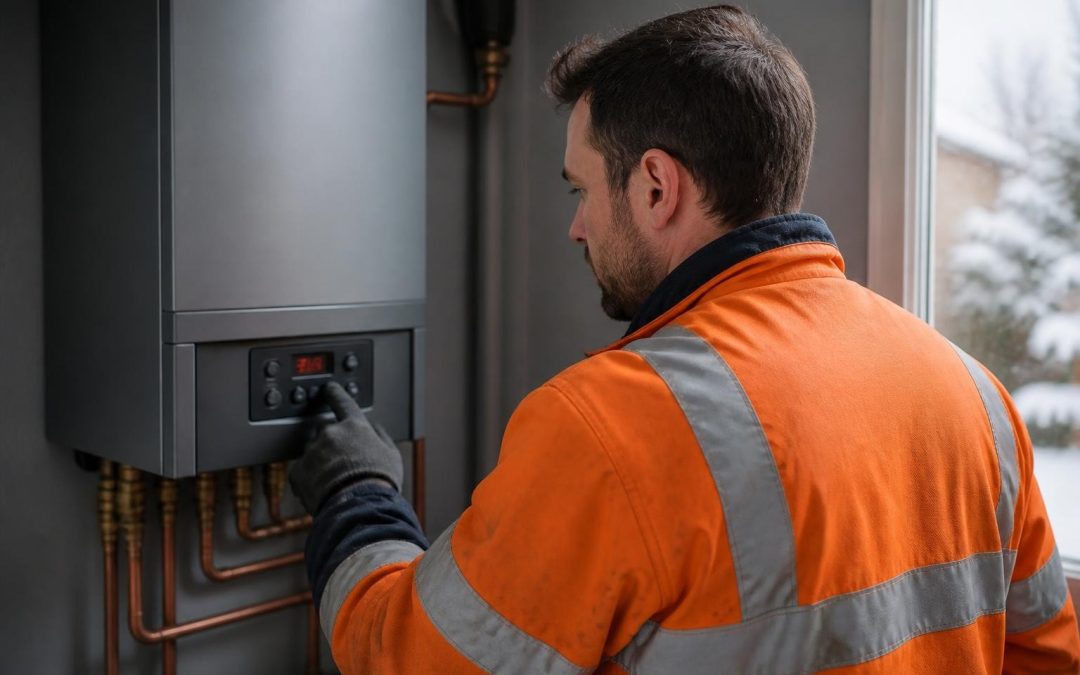
When your boiler breaks down during the coldest months of the year, the situation quickly escalates from inconvenient to potentially dangerous. An emergency boiler engineer provides essential services that protect your home, ensure your family's safety, and restore warmth when you need it most. Understanding when to call for emergency assistance, what qualifications to look for, and how to manage the situation can make all the difference between a minor disruption and a serious problem. With over four decades of experience serving the North East, professional heating specialists recognise the signs of genuine emergencies and respond with the expertise required to resolve them swiftly.
Recognising a True Boiler Emergency
Not every boiler issue requires immediate emergency attention, but certain situations demand urgent professional intervention. Gas leaks represent the most serious category, identifiable by a distinctive sulphurous smell resembling rotten eggs. If you detect this odour, evacuate the property immediately, avoid using electrical switches or naked flames, and contact the Gas Emergency Services on 0800 111 999 before reaching out to an emergency boiler engineer.
Carbon monoxide leaks constitute another critical emergency. This odourless, colourless gas can prove fatal within hours. Warning signs include:
- Yellow or orange flames instead of blue
- Soot or staining around the boiler
- Increased condensation on windows
- Pilot light frequently going out
- Physical symptoms like headaches, dizziness, or nausea in occupants
Complete heating failure during winter months, particularly when vulnerable individuals occupy the property, warrants emergency response. Frozen pipes connected to your heating system can burst, causing extensive water damage that compounds the original problem.
When Standard Servicing Can Wait
Some issues, whilst frustrating, don't require emergency callout fees. Radiators not heating evenly, minor pressure drops that respond to re-pressurisation, or intermittent hot water supply typically allow for scheduled appointments during normal working hours. Understanding this distinction helps you make informed decisions and manage costs effectively.
Qualifications and Certifications to Verify
Every legitimate emergency boiler engineer must hold current Gas Safe registration. This legal requirement replaced CORGI registration in 2009 and remains the only authorised certification for gas work in the United Kingdom. When an engineer arrives at your property, request to see their Gas Safe ID card, which displays:
| Information Displayed | What to Check |
|---|---|
| Photograph | Matches the engineer |
| Licence number | Can be verified online |
| Competency categories | Includes your boiler type |
| Expiry date | Current and valid |
The Gas Safe Register website allows you to verify credentials instantly. Manufacturers' accreditations provide additional assurance, particularly for warranty work. Engineers certified by Worcester Bosch, Vaillant, or Ideal demonstrate specialised training on specific systems.
Professional indemnity insurance protects you if work causes damage or injury. Reputable emergency boiler engineers carry minimum coverage of £2 million, though many maintain higher limits. Don't hesitate to request proof of current insurance before work commences.
Response Times and Availability Expectations
Genuine emergency heating services operate around the clock, every day of the year. Response times vary based on location, weather conditions, and demand. Urban areas in the North East typically receive response within two to four hours, whilst rural locations may experience slightly longer waits.
During peak winter periods, particularly around the Christmas holidays or during severe cold snaps, demand surges dramatically. Booking an annual service through providers like NU Heat North East reduces the likelihood of emergency breakdowns during these critical periods.
Factors affecting response times include:
- Severity of the emergency (gas leaks prioritised)
- Geographic location and accessibility
- Current workload and engineer availability
- Weather conditions affecting travel
- Time of day or night
Communication remains essential throughout the process. Professional services provide realistic timeframes and update you if circumstances change. They ask pertinent questions over the phone to prepare appropriate equipment and parts, potentially resolving issues during the first visit.
Typical Emergency Callout Costs
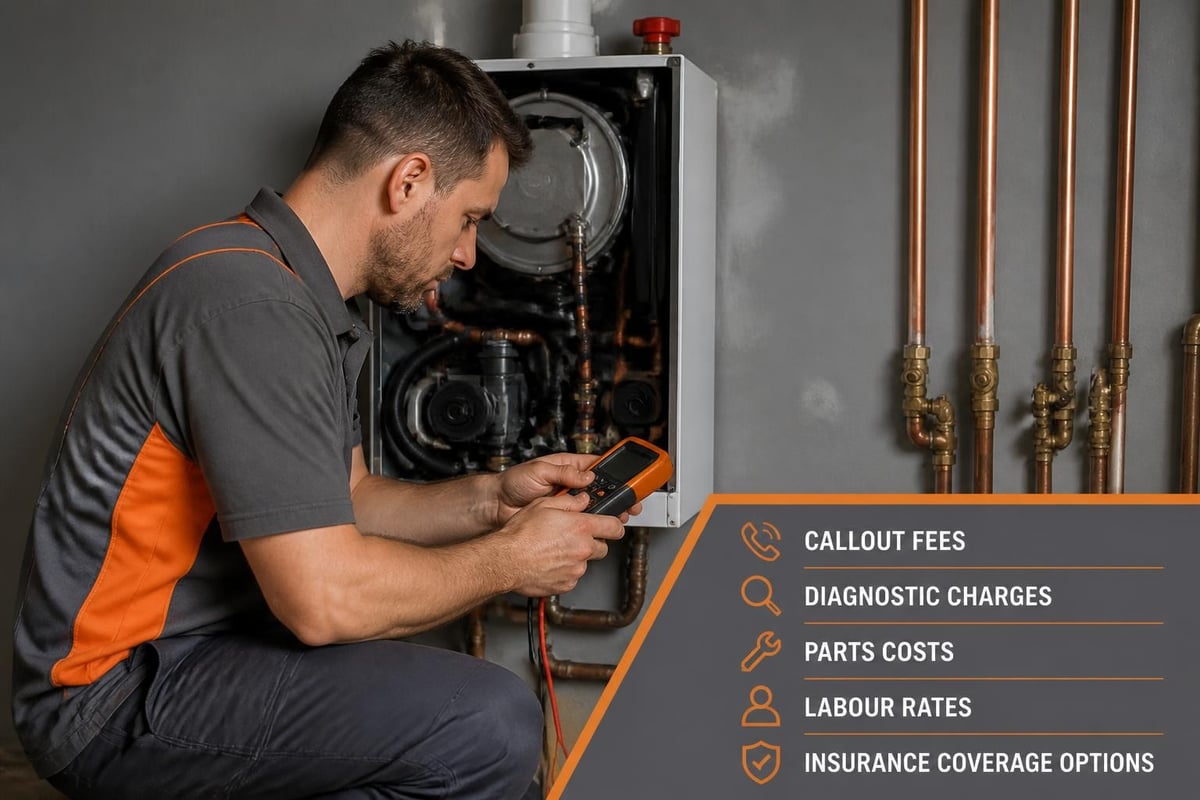
Emergency boiler repair costs comprise several components. The callout fee covers the engineer's attendance, diagnostic assessment, and initial labour. In 2026, expect charges between £80 and £150 for standard emergencies, with premium rates applying during nights, weekends, and bank holidays.
Repair costs depend entirely on the fault identified. Simple fixes like replacing a failed thermostat or resetting the system may incur minimal additional charges. Major component failures require parts and extended labour. Here's a general pricing framework:
| Repair Type | Typical Cost Range |
|---|---|
| Diagnostic callout | £80 – £150 |
| Thermostat replacement | £100 – £200 |
| Pressure valve replacement | £150 – £250 |
| Pump replacement | £200 – £400 |
| Heat exchanger | £400 – £600 |
| Complete system flush | £300 – £500 |
Many households maintain boiler cover policies that absorb these costs. Compare the annual premium against typical repair expenses to determine value. Policies typically include annual servicing, priority response, and unlimited callouts, making them cost-effective for older systems prone to failure.
Common Emergency Boiler Failures
Understanding prevalent failure modes helps you communicate effectively with your emergency boiler engineer and potentially identify issues before they escalate. Pressure problems top the list, manifesting as either excessively low or dangerously high readings on the gauge. Low pressure prevents the system from firing, whilst high pressure risks component damage.
Ignition failures prevent your boiler from lighting. Modern condensing boilers display error codes indicating specific faults. Note these codes before calling, as they guide the engineer's preparation. Frozen condensate pipes affect condensing boilers particularly during harsh winters. The plastic pipe carrying condensate outside freezes, triggering a safety shutdown.
Electrical and Control Issues
PCB (printed circuit board) failures occur without warning, rendering the entire system inoperable. These sophisticated components manage all boiler functions, and their replacement requires specialist knowledge. Thermostat malfunctions create misleading temperature readings, causing the boiler to cycle incorrectly or not fire at all.
Circulation pump failures prevent hot water from reaching radiators and taps. These pumps operate continuously during heating cycles, and wear eventually causes seizure or motor failure. Listen for unusual noises like grinding or humming that indicate impending pump problems.
The hydronic heating complexities involved in modern systems require experienced diagnostics. Attempting DIY repairs on sealed systems risks further damage and potentially voids manufacturer warranties.
Safety Protocols During Emergency Situations
When a heating emergency occurs, your immediate actions significantly impact safety outcomes. For suspected gas leaks, the protocol is absolute and non-negotiable:
- Evacuate all occupants and pets immediately
- Leave doors and windows open if safe to do so
- Do not operate any electrical switches
- Avoid creating sparks or naked flames
- Call Gas Emergency Services from outside the property
- Only return when cleared by authorities
Carbon monoxide emergencies follow similar protocols. If your CO alarm sounds or occupants show poisoning symptoms, evacuate immediately and seek fresh air. Contact emergency services and inform them of suspected carbon monoxide exposure. Medical attention takes priority over property concerns.
For complete heating loss without gas or CO concerns, take steps to prevent frozen pipes. Keep the property as warm as possible using alternative heating sources placed safely away from combustible materials. Open cabinet doors under sinks to allow warm air circulation around pipes.
Preventative Measures and Maintenance
Regular servicing represents the single most effective strategy for avoiding emergency breakdowns. Annual inspections identify developing problems before they cause system failures. Engineers check safety devices, clean components, test efficiency, and replace worn parts during routine maintenance.
Modern boilers feature sophisticated diagnostics that log operational data. Qualified technicians analyse these logs to spot patterns indicating future failures. Addressing these issues during scheduled visits costs considerably less than emergency repairs.
Essential preventative steps include:
- Annual professional servicing
- Monthly visual inspections for leaks or corrosion
- Regular pressure checks and adjustment
- Radiator bleeding when needed
- Keeping the area around your boiler clear
- Testing carbon monoxide alarms monthly
The comprehensive heating services approach ensures your system receives appropriate attention throughout its lifecycle. Investment in preventative maintenance extends equipment life, maintains efficiency, and provides peace of mind.
Choosing the Right Emergency Service Provider
Selecting an emergency boiler engineer before crisis strikes provides significant advantages. Research local providers during calm periods, checking credentials, reading reviews, and comparing service terms. Established companies with decades of experience, like those operating since 1983 in the North East, demonstrate reliability and expertise.
Customer testimonials reveal response times, engineer professionalism, and problem resolution effectiveness. Look for specific details about emergency situations similar to scenarios you might face. Generic praise matters less than concrete examples of complex problems solved efficiently.
Geographic coverage determines response times. Local providers based in communities like Newbiggin-by-the-Sea typically reach nearby properties faster than national chains dispatching engineers from distant locations. This proximity proves crucial during genuine emergencies where every hour without heating matters.
Service Guarantees and Follow-Up Support
Reputable emergency services guarantee their work, returning at no additional cost if the same fault recurs within a specified period. Standard guarantees run between 30 and 90 days for repairs, whilst parts warranties reflect manufacturer terms. Clarify these details before authorising work.
Follow-up support distinguishes exceptional providers from adequate ones. Access to advice after the emergency resolves, clear documentation of work completed, and recommendations for preventing future issues demonstrate commitment to customer care beyond the immediate transaction.
Financial flexibility matters when facing unexpected repair costs. The emergency boiler repair services landscape increasingly includes flexible payment options. Interest-free finance spreading costs across manageable monthly instalments makes necessary repairs accessible without financial strain.
Winter Preparation and Vulnerability Management
Preparing your heating system before winter arrives dramatically reduces emergency risk. September and October represent ideal months for servicing, ensuring systems operate efficiently before peak demand. Engineers have greater availability during these periods, allowing thorough inspections without time pressure.
Vulnerable household members require special consideration. Elderly residents, young children, and individuals with health conditions suffer disproportionately from heating loss. Register with priority services offered by energy suppliers and maintain emergency heating alternatives like electric heaters approved for safe indoor use.
Frozen condensate pipes cause numerous winter emergencies. Insulating external pipes costs minimal amounts but prevents common failures. When temperatures drop below freezing, pouring warm (not boiling) water over frozen pipes can restore flow, though this provides only temporary relief without proper insulation.
Commercial and Industrial Emergency Requirements
Commercial properties face amplified consequences from heating failures. Business operations depend on maintaining appropriate temperatures for staff comfort, regulatory compliance, and product integrity. Restaurants, care homes, and manufacturing facilities cannot afford extended downtime.
Emergency boiler engineers serving commercial clients understand these pressures. They prioritise rapid response and, when immediate repair proves impossible, implement temporary heating solutions maintaining minimum operational standards. Commercial boiler systems typically incorporate redundancy, with multiple units providing resilience against single-point failures.
Industrial applications introduce additional complexity. Large-scale heating plants, process steam generation, and specialised equipment require engineers with specific commercial qualifications. The emergency commercial repair expertise needed exceeds standard domestic training, emphasising the importance of selecting appropriately qualified professionals.
Legal Responsibilities and Landlord Obligations
Landlords bear legal responsibility for maintaining safe, functional heating systems. The Homes (Fitness for Human Habitation) Act 2018 requires rental properties meet minimum safety standards, including effective heating. Failure to provide timely emergency repairs constitutes breach of these obligations, exposing landlords to legal action and financial penalties.
Tenant responsibilities include reporting faults promptly and allowing access for repairs. However, the cost and arrangement of emergency repairs fall squarely on property owners. Maintaining relationships with trusted emergency boiler engineers who prioritise rental property callouts protects both landlord interests and tenant welfare.
Annual gas safety certificates remain mandatory for rental properties. These inspections, conducted by Gas Safe registered engineers, verify safe operation and identify potential problems. Combining this legal requirement with comprehensive servicing through services like professional installation teams ensures compliance whilst maximising system reliability.
Modern Boiler Technology and Emergency Diagnostics
Contemporary condensing boilers feature sophisticated control systems that both improve efficiency and complicate diagnostics. Digital displays present error codes corresponding to specific faults, guiding qualified engineers toward solutions. However, identical symptoms may indicate different underlying problems depending on manufacturer and model.
Smart heating controls connected to internet platforms allow remote diagnostics. Some emergency boiler engineers access system data before arriving, preparing appropriate parts and tools. This technology reduces diagnostic time and increases first-visit fix rates, minimising your inconvenience.
Compatibility issues arise when mixing components from different manufacturers or eras. An emergency boiler engineer familiar with your specific system configuration resolves problems faster than generalists learning as they work. Establishing relationships with specialists familiar with your equipment pays dividends during emergencies.
After-Hours and Holiday Coverage
Heating emergencies show no respect for social schedules, frequently occurring during bank holidays, Christmas periods, and New Year celebrations. The 24/7 emergency repair commitment ensures access to qualified help regardless of timing.
Expect premium rates during unsociable hours. Christmas Day, Boxing Day, and New Year's Day typically incur the highest emergency callout fees, sometimes double or triple standard rates. Despite these costs, delaying essential repairs risks greater damage and extended discomfort.
Staffing genuine around-the-clock operations requires significant infrastructure. Companies maintaining on-call rotas year-round demonstrate commitment to customer service. Ask potential providers about their actual availability versus answering services that merely schedule appointments for later.
Environmental Considerations and Efficiency
Even during emergencies, environmental responsibility matters. Modern emergency repairs incorporate energy efficiency considerations, recommending upgrades that reduce carbon emissions and fuel costs. When replacing failed components, choosing high-efficiency alternatives delivers long-term benefits beyond immediate restoration.
Boiler replacements during emergencies present opportunities for upgrading to more efficient models. A-rated condensing boilers reduce gas consumption by 25-30% compared to older systems. The emergency situations requiring immediate attention sometimes become unexpected opportunities for environmental improvement.
Government schemes periodically offer grants supporting boiler upgrades and renewable heating installations. While emergency situations rarely allow for accessing these programmes immediately, discussing options with your emergency boiler engineer identifies future possibilities once the immediate crisis resolves.
Customer Rights and Dispute Resolution
Understanding your rights when engaging emergency services protects against substandard work or unfair charges. All service providers must supply clear pricing information before commencing work, though emergency situations sometimes require preliminary diagnostics to determine exact costs.
Written quotations for identified repairs allow informed decisions. You're entitled to refuse work and seek alternative opinions, though this extends your period without heating. Balancing immediate needs against due diligence requires judgement, emphasising the value of pre-established provider relationships.
Disputes occasionally arise over charges, work quality, or timeframes. Documentation proves essential for resolution. Photograph damage, retain all correspondence, and document verbal agreements. Trade associations and consumer protection organisations provide mediation services when direct negotiation fails.
System Age and Replacement Decisions
Emergency repairs on elderly boilers sometimes cost more than replacement, particularly when multiple components fail simultaneously. Boilers exceeding 15 years approach the end of design life, with parts availability decreasing and efficiency far below modern standards.
An emergency boiler engineer should provide honest assessment of repair versus replacement economics. Whilst their immediate job involves restoration, ethical professionals recognise when further investment in failing equipment proves unwise. This advice, though potentially reducing their immediate revenue, builds trust and long-term customer relationships.
Replacement decisions during emergencies involve compressed timeframes and limited research opportunities. However, installing new equipment restores heating faster than sourcing obsolete parts for discontinued models. Modern installations include warranties providing years of protected operation, converting emergency crises into planned upgrades.
Regional Considerations for the North East
The North East's climate presents specific challenges for heating systems. Coastal areas experience salt air corrosion affecting external components, whilst inland regions face harsher winter temperatures. Emergency boiler engineers familiar with regional conditions understand these factors and incorporate appropriate solutions.
Local knowledge extends to parts availability and supplier relationships. Engineers operating in the region maintain stocks of common components for prevalent boiler models, improving same-visit repair rates. Their familiarity with housing stock, typical installations, and regional building practices accelerates problem-solving.
Community reputation matters significantly in close-knit North East communities. Established providers depend on recommendations and repeat business, motivating exceptional service standards. Businesses serving the region since 1983 have weathered economic cycles and technological changes, demonstrating adaptability and reliability that newer entrants haven't yet proven.
When heating emergencies strike, having access to qualified, responsive professional support transforms potential disasters into manageable situations. Understanding what constitutes genuine emergencies, knowing what to expect from emergency boiler engineers, and maintaining your system proactively minimises risks and costs. For comprehensive heating services backed by over four decades of North East expertise, NU Heat North East Ltd provides the skilled response and customer care you need, with flexible financing options making essential repairs accessible when you need them most.