
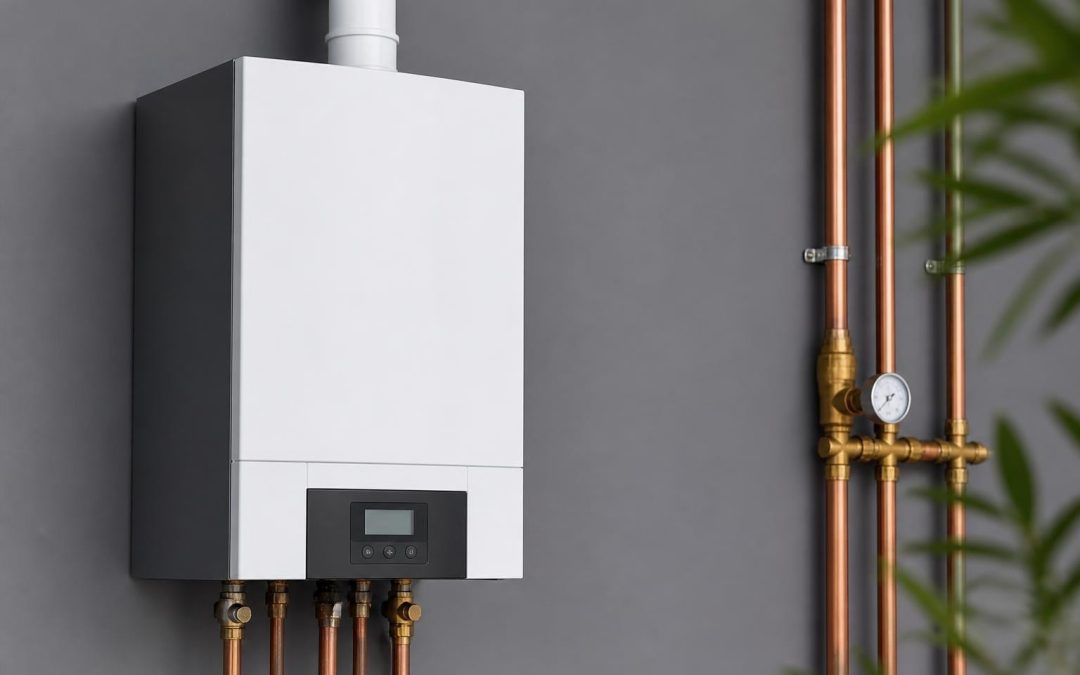
Heating your home accounts for approximately 60% of household energy consumption in the UK, making the choice of boiler one of the most significant decisions for reducing both energy bills and environmental impact. Modern high efficiency boilers have transformed domestic heating, offering substantial improvements over older models whilst contributing to national carbon reduction targets. Understanding the technology, benefits, and practical considerations surrounding these advanced heating systems enables homeowners to make informed decisions that deliver long-term value and comfort.
Understanding High Efficiency Boiler Technology
A high efficiency boiler operates by extracting more heat from the fuel it burns compared to conventional models. Traditional boilers typically achieve efficiency ratings between 60% and 75%, wasting considerable energy through hot exhaust gases that escape via the flue. Modern condensing boilers, which represent the standard for high efficiency systems, capture this waste heat through an additional heat exchanger.
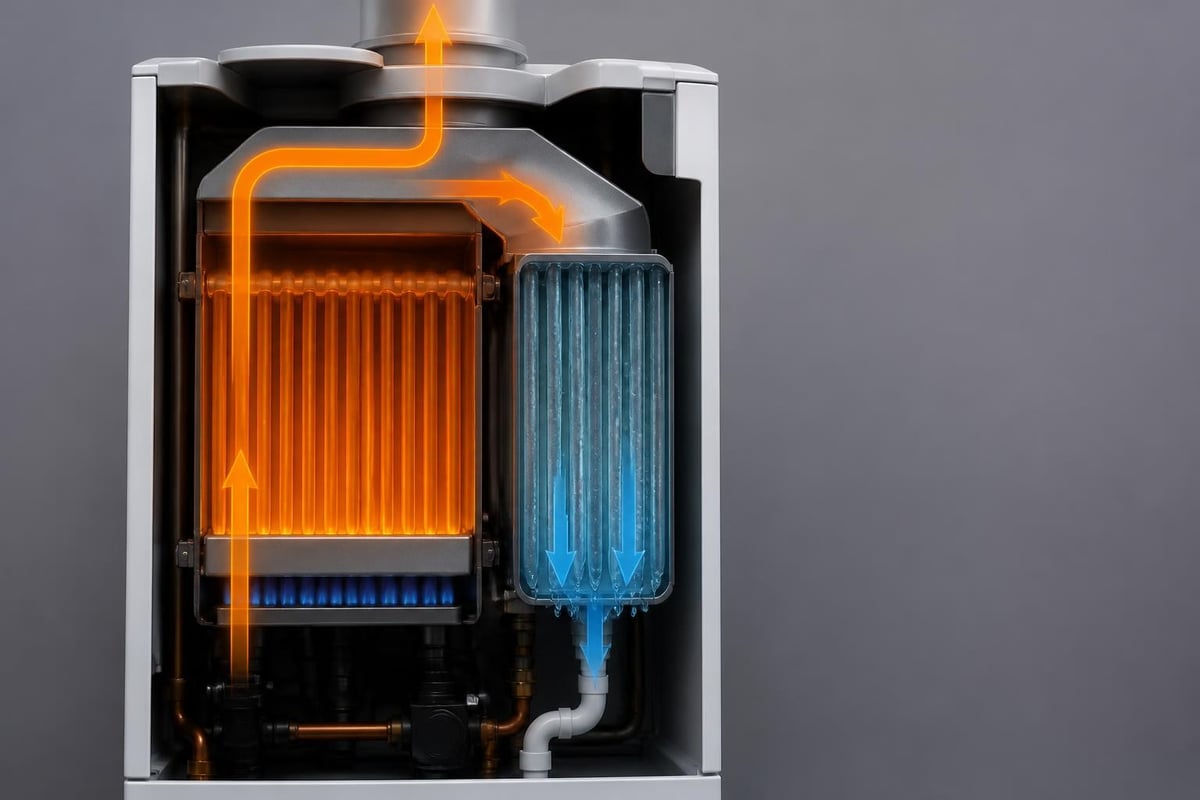
The condensing process works by cooling exhaust gases to the point where water vapour condenses into liquid, releasing latent heat that would otherwise be lost. This recovered energy pre-heats the cold water returning from radiators, reducing the amount of fuel needed to bring it to the required temperature. The result is efficiency ratings consistently above 90%, with many models achieving 94% or higher.
Key Components of Efficient Systems
Several technological features distinguish high efficiency boilers from their predecessors:
- Modulating burners that adjust flame size according to heating demand rather than operating at full capacity
- Advanced controls including weather compensation and smart thermostats for optimised performance
- Stainless steel or aluminium heat exchangers designed for maximum heat transfer and condensation
- Low water content enabling rapid response times and reduced energy waste during warm-up
- Enhanced insulation minimising heat loss from the boiler casing itself
Modern systems also incorporate sophisticated diagnostic capabilities, allowing engineers to identify performance issues quickly and maintain optimal efficiency throughout the boiler's lifespan. When considering boiler installations, understanding these components helps homeowners appreciate the value proposition beyond initial purchase price.
Financial and Environmental Benefits
The financial case for upgrading to a high efficiency boiler becomes compelling when examining long-term operating costs. A typical UK household spending £1,000 annually on heating with an old G-rated boiler could reduce this expenditure by £300 to £400 per year by switching to an A-rated condensing model.
| Boiler Type | Efficiency Rating | Annual Fuel Cost | Potential Savings |
|---|---|---|---|
| Old conventional | 60-65% | £1,000 | Baseline |
| Standard efficiency | 75-80% | £800 | £200 |
| High efficiency condensing | 90-94% | £600-£650 | £350-£400 |
These savings accumulate significantly over the typical 15-year lifespan of a modern boiler, often exceeding £5,000 in total reduced fuel expenditure. The exact figures depend on property size, insulation quality, heating patterns, and fuel type, but the percentage improvements remain consistent across different scenarios.
Carbon Footprint Reduction
Beyond financial considerations, environmental benefits provide another compelling reason to invest in high efficiency technology. Each percentage point improvement in boiler efficiency directly translates to reduced carbon dioxide emissions. A home upgrading from a 70% efficient boiler to a 92% efficient model reduces its heating-related carbon emissions by approximately 1.5 tonnes annually.
According to energy efficiency guidance, these individual improvements contribute meaningfully to national climate targets. The UK's commitment to achieving net-zero emissions by 2050 relies partly on widespread adoption of efficient heating technologies across the residential sector.
Homeowners increasingly recognise that energy efficiency improvements enhance property values whilst reducing running costs. Estate agents report that properties with modern, efficient heating systems command premium prices and attract environmentally conscious buyers more readily than those requiring heating upgrades.
Selecting the Right High Efficiency Boiler
Choosing an appropriate high efficiency boiler requires careful consideration of several factors specific to your property and circumstances. The heating load calculation forms the foundation of this decision, determining the kilowatt output needed to maintain comfortable temperatures throughout your home during the coldest weather conditions.
Sizing Considerations
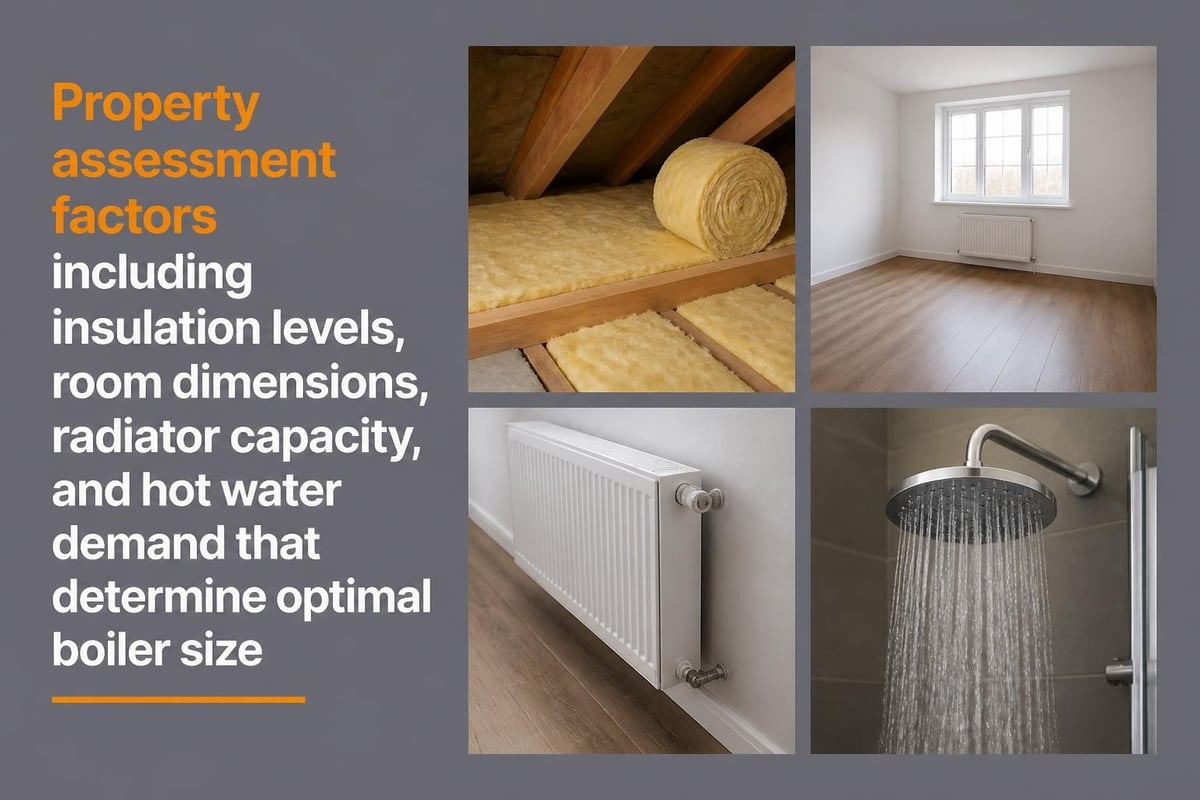
Undersized boilers struggle to meet heating demands, running continuously and failing to achieve desired temperatures. Conversely, oversized units cycle frequently between on and off states, reducing efficiency and increasing wear on components. Professional heating engineers assess multiple variables when sizing boilers:
- Property dimensions including floor area, ceiling heights, and number of rooms
- Insulation quality in walls, loft, floors, and glazing
- Hot water requirements based on household size and usage patterns
- Existing radiator capacity or plans for system upgrades
- Future-proofing for potential property extensions or efficiency improvements
Many homeowners discover that improving insulation before replacing their boiler allows them to install a smaller, more efficient unit than would otherwise be necessary. This approach maximises overall efficiency whilst minimising both capital and operating costs.
Fuel Type and System Configuration
High efficiency boilers operate on various fuel types, each with distinct characteristics:
- Natural gas remains the most common fuel, offering convenience and relatively low costs where mains gas is available
- LPG provides an alternative for properties without gas mains access, though typically at higher fuel costs
- Oil serves rural areas effectively, with modern condensing oil boilers achieving efficiency comparable to gas models
- Biomass offers renewable heating using wood pellets or chips, qualifying for government incentive schemes
The choice between combi, system, and conventional boiler configurations affects both efficiency and suitability for different properties. Combi boilers heat water on demand, eliminating storage losses but requiring adequate mains pressure. System boilers maintain efficiency whilst providing stored hot water for properties with multiple bathrooms. Understanding these options helps match technology to lifestyle requirements.
Installation and Optimisation
Professional installation proves critical to achieving the efficiency levels promised by ENERGY STAR certified boilers. Even the most advanced high efficiency boiler underperforms when incorrectly installed or integrated with unsuitable heating system components.
The installation process encompasses several crucial elements beyond simply connecting the boiler. Qualified heating engineers ensure proper flue positioning to maintain safe operation and optimal condensing conditions. Modern condensing boilers produce acidic condensate that requires appropriate drainage, typically connecting to existing wastewater systems or purpose-built soakaways where regulations permit.
System Integration
Maximising efficiency requires considering the heating system as an integrated whole rather than focusing solely on the boiler. Key integration points include:
| Component | Impact on Efficiency | Optimisation Approach |
|---|---|---|
| Radiators | Heat distribution | Ensure adequate capacity for lower flow temperatures |
| Pipework | Heat loss | Insulate all exposed pipes, particularly in unheated spaces |
| Controls | Timing and zoning | Install programmable thermostats and TRVs throughout |
| Water treatment | System longevity | Add inhibitors to prevent corrosion and scaling |
Lower flow temperatures characteristic of high efficiency condensing operation deliver superior efficiency but require radiators sized appropriately for these conditions. Properties upgrading from conventional boilers sometimes benefit from replacing undersized radiators, particularly when undertaking central heating system upgrades.
Modern heating controls transform system efficiency by matching heat output precisely to actual requirements. Smart thermostats learn household patterns, weather compensation adjusts output based on outdoor temperatures, and zone controls prevent heating unoccupied areas. These technologies complement the inherent efficiency of modern boilers, often adding another 10-15% to overall system efficiency.
Commissioning and Performance Verification
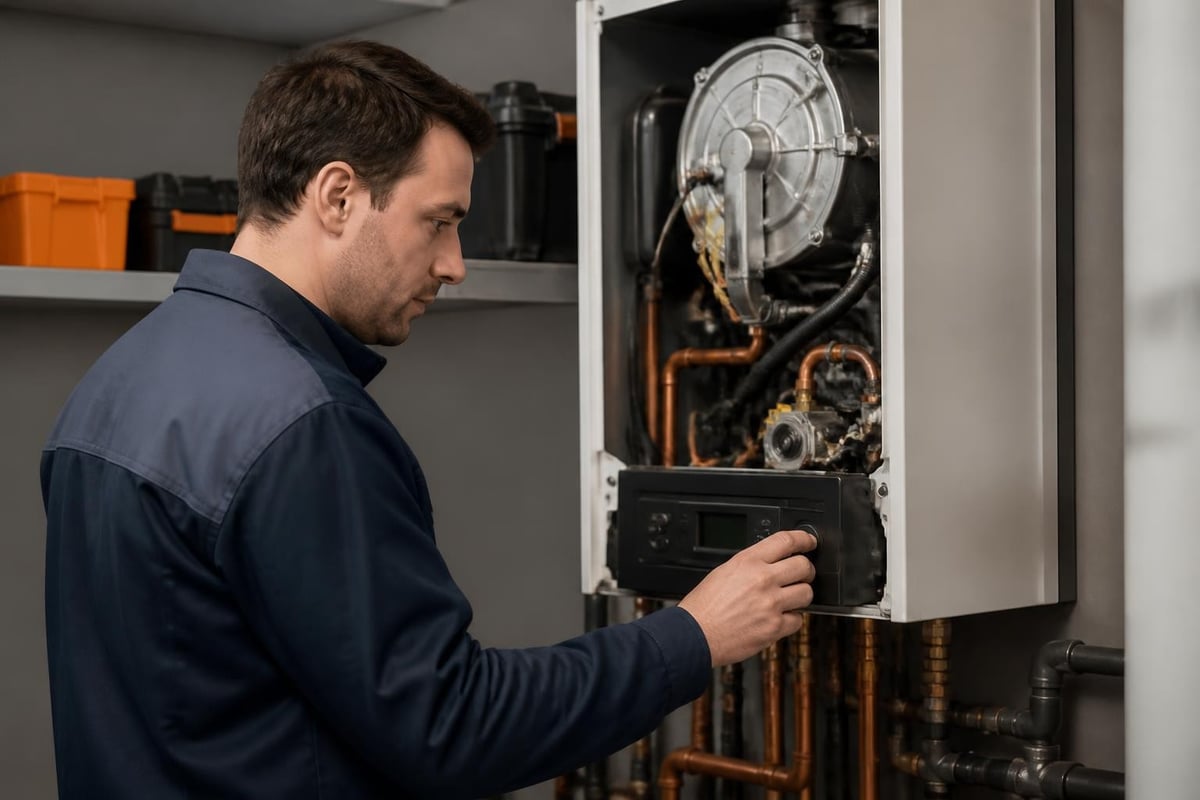
Proper commissioning ensures the installed boiler operates at its designed efficiency level. Gas Safe registered engineers conduct combustion analysis, measuring exhaust gas composition and temperature to verify complete fuel burning and effective heat recovery. These tests confirm that the boiler achieves its rated efficiency under actual operating conditions.
Regular maintenance preserves efficiency throughout the boiler's lifespan. Annual servicing by qualified professionals, such as those providing boiler servicing, identifies developing issues before they significantly impact performance. Clean heat exchangers, properly adjusted burners, and correctly functioning controls maintain peak efficiency year after year.
Regulatory Framework and Standards
The UK's regulatory environment strongly encourages high efficiency boiler adoption through building regulations and minimum efficiency standards. Since 2005, building regulations have required condensing boilers for most new installations and replacements, effectively establishing high efficiency as the baseline standard for domestic heating.
Current regulations mandate minimum seasonal efficiency ratings of 92% for gas boilers and 90% for oil units when installed in England and Wales. These requirements align with ErP (Energy-related Products) Directive standards that classify boilers from A+++ to G based on their seasonal efficiency performance. Understanding these standards helps homeowners navigate specifications and compare different models meaningfully.
Financial Incentives and Support
Various schemes support homeowners investing in efficient heating technologies. The Energy Company Obligation (ECO) provides grants for qualifying households to upgrade heating systems, whilst local authority schemes sometimes offer additional support. Although the domestic Renewable Heat Incentive closed to new applicants in 2022, its successor scheme continues supporting certain renewable heating installations.
Financing options increasingly make high efficiency boilers accessible regardless of immediate capital availability. Many installers, including NU Heat North East Ltd, now offer interest-free payment plans that spread installation costs over manageable monthly periods. These arrangements enable homeowners to benefit from fuel savings immediately whilst gradually paying for the system upgrade.
The financial calculations become particularly attractive when combining boiler replacement with other efficiency improvements. Upgrading insulation, replacing windows, and installing efficient heating controls alongside a high efficiency boiler creates synergistic benefits that exceed the sum of individual measures.
Maintenance and Longevity
High efficiency boilers reward proper maintenance with extended service lives and sustained performance. The condensing process, whilst improving efficiency, creates slightly more demanding operating conditions than conventional boilers experience. The acidic condensate and lower operating temperatures require attention to specific maintenance aspects.
Essential Maintenance Tasks
Homeowners can perform several simple tasks that preserve efficiency between professional services:
- Monitor pressure gauge to ensure system pressure remains within recommended range
- Bleed radiators annually to remove air that reduces heat transfer efficiency
- Check condensate drain periodically to verify unobstructed flow
- Test controls regularly to confirm correct operation of thermostats and timers
- Inspect for leaks around visible pipework and boiler connections
Professional annual servicing addresses more technical aspects including combustion analysis, safety device testing, and internal component inspection. These services typically cost £80-£120 but prevent far more expensive breakdowns whilst maintaining efficiency ratings close to as-installed levels.
Modern boilers include self-diagnostic capabilities that alert users to developing problems through error codes displayed on the unit. Understanding these codes or having ready access to qualified service engineers minimises downtime and prevents minor issues escalating into major failures. Many manufacturers offer extended warranties covering parts and labour for up to ten years when annual servicing is maintained according to their specifications.
Common Issues and Solutions
Despite their reliability, high efficiency boilers occasionally experience specific issues related to their condensing operation. Frozen condensate pipes during severe cold weather represent the most common winter problem, temporarily preventing boiler operation. Simple thawing procedures typically resolve this issue, though insulating external condensate pipes prevents recurrence.
Scale accumulation in heat exchangers reduces efficiency over time, particularly in hard water areas. Installing a scale inhibitor or water softener protects the system, whilst power flushing removes existing deposits during system upgrades. These preventative measures maintain heat transfer efficiency and extend component lifespan significantly.
Future Developments and Alternatives
The heating industry continues evolving rapidly, with hydrogen-ready boilers and hybrid systems representing significant developments for high efficiency heating. Manufacturers now produce "hydrogen-blend ready" boilers capable of burning natural gas mixed with up to 20% hydrogen without modification, with full conversion to 100% hydrogen possible through component replacement when hydrogen networks become available.
Hybrid systems combining high efficiency boilers with heat pumps offer another evolutionary path. These systems use the heat pump for base heating loads when conditions suit its efficient operation, switching to the boiler during extreme cold or peak demand periods. This approach optimises efficiency across varying conditions whilst providing reassurance of adequate heating capacity when needed most.
The ongoing development of heating technologies reflects increasing focus on carbon reduction alongside energy efficiency. The UK government's commitment to phasing out fossil fuel heating in new homes from 2025 signals the direction of travel, though high efficiency boilers will remain relevant for existing properties for decades to come. Understanding emerging alternatives helps homeowners make decisions that align with both current needs and future possibilities.
Biomass boilers represent another high efficiency option for properties with suitable fuel storage and delivery arrangements. Modern biomass systems achieve efficiency ratings comparable to fossil fuel condensing boilers whilst using renewable wood fuel. Government incentives sometimes improve the financial case for biomass, particularly for larger rural properties where other renewable options prove challenging.
Practical Considerations for North East Homeowners
Properties in the North East of England face specific considerations when selecting and operating high efficiency heating systems. The region's climate, with cold winters and moderate summers, places significant demands on heating systems whilst also creating ideal conditions for condensing boiler operation.
Coastal properties near areas like Newbiggin-by-the-Sea require particular attention to condensate drainage and flue positioning. Salt-laden air accelerates corrosion of external components, making proper specification of marine-grade materials important for longevity. Professional installers familiar with local conditions ensure installations account for these environmental factors.
The North East's mix of property types, from traditional stone cottages to modern housing developments, requires flexible approaches to heating system design. Victorian and Edwardian properties often benefit most dramatically from high efficiency boiler upgrades, as their original heating systems typically operate at particularly low efficiency levels. However, these properties sometimes require careful integration work to accommodate modern components within period features.
Rural properties beyond gas main networks commonly rely on oil heating, where modern condensing oil boilers deliver substantial efficiency improvements over older models. These systems require consideration of fuel storage, delivery access, and potentially longer service intervals due to greater distance from suppliers. Understanding the total cost of ownership, including fuel delivery and maintenance, helps rural homeowners make informed comparisons between fuel types.
According to purchasing guidance from energy authorities, proper system design accounts for local climate conditions, property characteristics, and occupancy patterns. The North East's heating season typically extends from October through April, with the coldest conditions occurring in January and February. High efficiency boilers excel in these extended heating seasons, maximising the period over which fuel savings accumulate.
Investing in a high efficiency boiler delivers substantial long-term benefits through reduced energy bills, improved comfort, and lower environmental impact. Whether you're replacing an aging system or upgrading to meet modern standards, professional guidance ensures optimal results tailored to your property's specific requirements. The team at NU Heat North East Ltd brings over four decades of experience to heating installations across the North East, offering expert advice, professional installation, and flexible financing options including 0% interest plans that make efficiency upgrades accessible today whilst spreading costs into manageable monthly payments.