
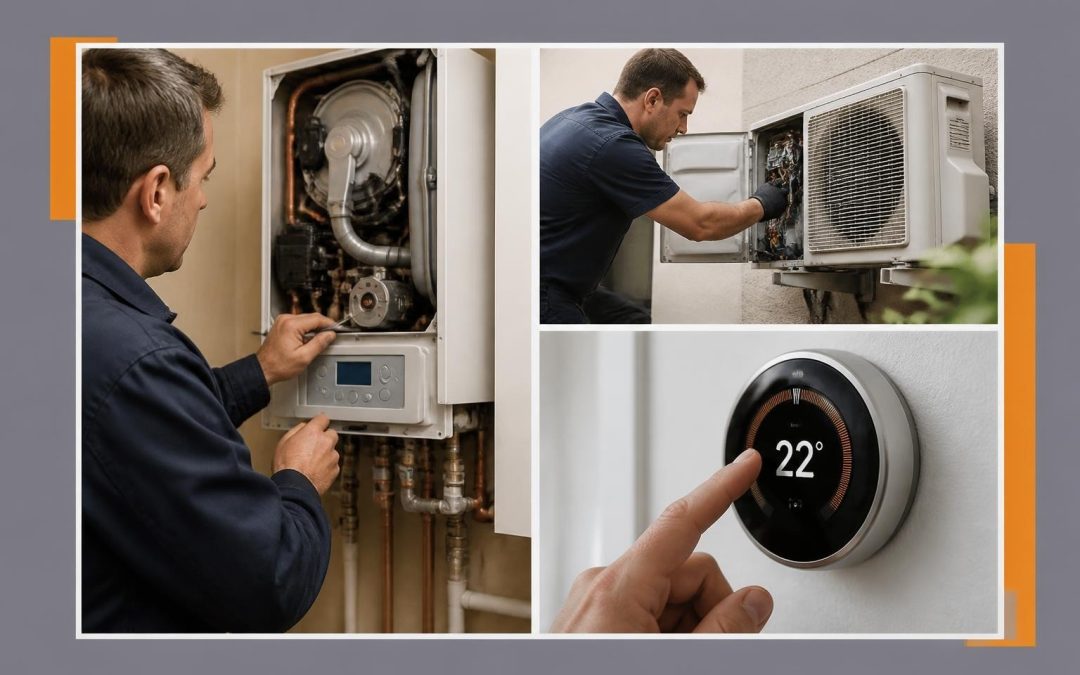
Modern homes depend on reliable heating and cooling systems to maintain comfortable living conditions throughout the year. When these systems malfunction, the need to repair heating and cooling equipment becomes urgent, particularly during extreme weather conditions. Understanding the fundamentals of HVAC maintenance, recognising warning signs of system failure, and knowing when to call professional technicians can save homeowners considerable expense whilst ensuring optimal performance. Since 1983, industry specialists have witnessed dramatic advances in heating and cooling technology, yet the core principles of effective maintenance remain remarkably consistent.
Understanding Your Heating and Cooling System Components
Every effective approach to repair heating and cooling systems begins with understanding how these complex mechanisms operate. Central heating systems typically comprise a boiler or furnace, radiators or underfloor heating elements, thermostats, and an intricate network of pipes or ducts. Cooling systems integrate compressors, condensers, evaporator coils, and refrigerant lines that work harmoniously to regulate indoor temperatures.
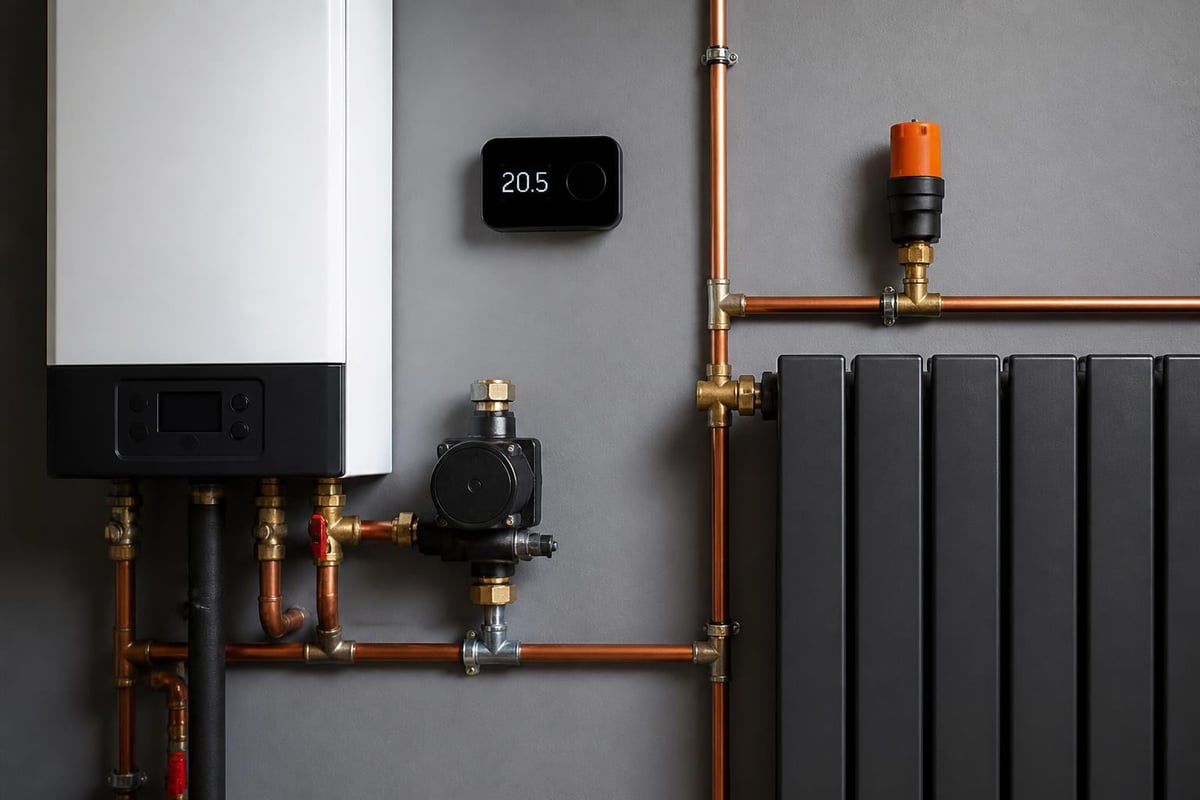
The boiler serves as the heart of most British heating systems, generating hot water that circulates through radiators or underfloor heating systems to warm your property. Modern condensing boilers achieve efficiency ratings exceeding 90%, recovering heat from exhaust gases that older models simply waste. Heat pumps represent an increasingly popular alternative, extracting thermal energy from outside air or ground sources.
Critical Components Requiring Regular Attention
When you repair heating and cooling systems, certain components demand particular scrutiny:
- Thermostats and controls that regulate temperature settings and system operation
- Heat exchangers where thermal energy transfers between mediums
- Circulation pumps that move heated or cooled fluids throughout the system
- Air filters and strainers that prevent debris from damaging sensitive components
- Expansion vessels that accommodate pressure fluctuations in sealed systems
- Safety valves that protect against excessive pressure build-up
Understanding these elements helps homeowners recognise when professional intervention becomes necessary. The comprehensive guide to heating systems provides additional technical details about various configurations.
Recognising Warning Signs That Require Immediate Attention
Identifying problems early dramatically reduces the cost and complexity of repair heating and cooling systems work. Many homeowners overlook subtle indicators until complete system failure occurs, resulting in emergency callouts and significantly higher expenses.
Heating System Warning Indicators
Strange noises emanating from your boiler warrant immediate investigation. Banging, whistling, or gurgling sounds often indicate limescale accumulation, air trapped in the system, or failing pumps. A system flush for your boiler can resolve many circulation issues before they escalate into costly repairs.
Inconsistent heating across different rooms suggests balancing problems or circulation issues. Cold spots on radiators typically indicate sludge accumulation, whilst entire cold radiators point towards valve failures or airlocks. Pressure fluctuations visible on the boiler gauge signal potential leaks or expansion vessel problems requiring professional diagnosis.
Cooling System Red Flags
Air conditioning units display distinct symptoms when requiring attention. Reduced airflow from vents, warm air instead of cool, or excessive moisture around the unit all demand prompt investigation. According to guidance on maintaining your air conditioner, refrigerant leaks present serious efficiency concerns whilst potentially harming the environment.
| Warning Sign | Likely Cause | Urgency Level |
|---|---|---|
| No heating/cooling | Thermostat, power supply, or complete system failure | Critical |
| Unusual noises | Mechanical wear, loose components, or debris | High |
| Increased energy bills | Reduced efficiency, leaks, or component degradation | Medium |
| Uneven temperatures | Balancing issues, ductwork problems, or blocked vents | Medium |
| Visible leaks | Pipe corrosion, seal failure, or pressure problems | High |
Preventative Maintenance for Optimal Performance
Regular maintenance represents the most effective strategy to minimise the need to repair heating and cooling systems. Professional servicing identifies potential problems before they cause system failures, extending equipment lifespan whilst maintaining peak efficiency.
Annual Boiler Servicing Essentials
Qualified heating engineers perform comprehensive checks during annual services. They inspect heat exchangers for cracks or corrosion, test safety devices, analyse combustion efficiency, and clean critical components. These inspections ensure your system operates safely whilst maintaining manufacturer warranty validity.
Modern biomass systems require particularly specialised maintenance due to their unique fuel characteristics. Ash removal, fuel quality assessment, and emissions testing form essential elements of biomass boiler servicing.
The ENERGY STAR maintenance checklist outlines specific tasks homeowners can perform between professional services:
- Replace or clean air filters monthly during peak usage seasons
- Keep outdoor units clear of vegetation, debris, and obstructions
- Ensure vents and radiators remain unblocked by furniture or curtains
- Check thermostat batteries and settings regularly
- Monitor system pressure and top up when necessary
- Bleed radiators annually to remove trapped air
Heat Pump Specific Considerations
Heat pumps demand distinct maintenance approaches compared to traditional heating systems. The guidance on operating and maintaining your heat pump emphasises proper filter maintenance, outdoor unit cleanliness, and professional coil inspection. Ground source heat pumps require additional checks of antifreeze concentration and ground loop integrity.
Common Repair Scenarios and Solutions
Understanding typical problems helps homeowners communicate effectively with technicians and make informed decisions about repair heating and cooling systems interventions. Many issues follow predictable patterns based on system age, usage intensity, and maintenance history.
Boiler Pressure Problems
Low pressure frequently affects sealed heating systems, particularly after bleeding radiators or during periods of minor leaks. Repressurising the system using the filling loop provides a straightforward solution most homeowners can safely perform. However, persistent pressure loss indicates leaks requiring professional leak detection and repair.
Excessive pressure proves equally problematic, potentially triggering safety valve discharge. Faulty expansion vessels or overfilled systems typically cause high pressure readings. These issues necessitate qualified technician intervention to prevent system damage.
Thermostat Malfunctions
Thermostats control when heating and cooling systems activate, making their proper function critical. Incorrect placement near heat sources, draughty windows, or direct sunlight affects their accuracy. Wireless thermostat signal issues, calibration drift, or battery depletion cause operational problems that appear as system failures.
Modern smart thermostats offer enhanced control but introduce additional complexity. Connectivity problems, software glitches, or incompatible system integration may require specialist knowledge beyond traditional heating repair expertise.
Circulation and Flow Issues
When certain radiators remain cold whilst others heat normally, balancing becomes necessary. Lockshield valves control flow to individual radiators, requiring careful adjustment to achieve even heat distribution. Completely cold radiators despite correct balancing suggest valve failure or severe blockages.
Noisy circulation pumps indicate bearing wear or cavitation caused by air in the system. Pump replacement represents a relatively straightforward repair that qualified technicians complete efficiently. The integration of underfloor heating and radiators within single systems adds complexity requiring professional balancing.
Making Repair Versus Replacement Decisions
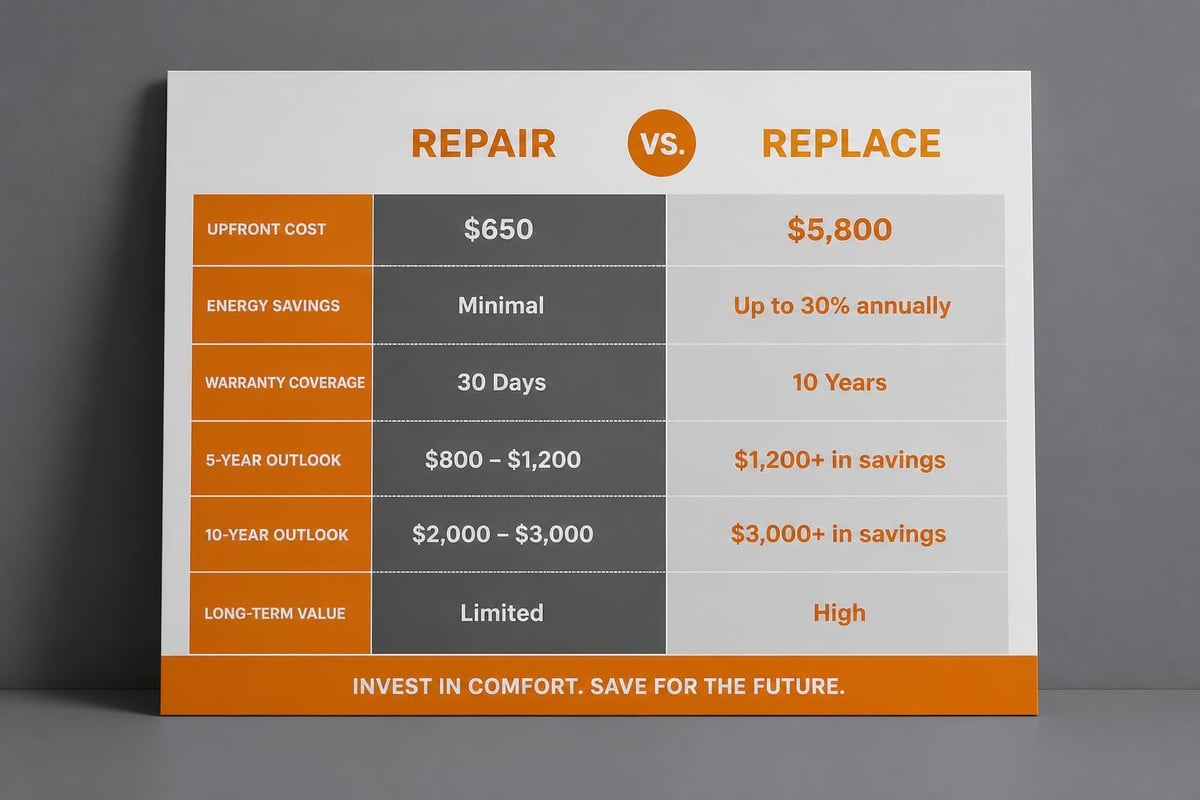
Eventually, every heating and cooling system reaches a point where repair costs exceed replacement benefits. Several factors influence this critical decision, requiring careful evaluation of financial, practical, and environmental considerations.
Age and Efficiency Considerations
Boilers typically last 10-15 years with proper maintenance, though efficiency degrades gradually over time. A 15-year-old boiler operating at 70% efficiency consumes significantly more fuel than a modern 94% efficient condensing model. When facing major repairs on older equipment, replacement often proves more economical over a five-year horizon.
The article discussing repair or replace decisions provides frameworks for evaluating these choices objectively. Calculate the repair cost as a percentage of replacement cost, consider remaining system lifespan, and factor potential energy savings from newer technology.
| System Age | Repair Cost Threshold | Recommendation |
|---|---|---|
| 0-5 years | Up to 50% replacement cost | Usually repair |
| 6-10 years | Up to 35% replacement cost | Consider efficiency gains |
| 11-15 years | Up to 20% replacement cost | Favour replacement |
| 15+ years | Any major repair | Replace unless exceptional circumstances |
Financial Incentives and Financing Options
Government schemes periodically offer grants or incentives for replacing inefficient heating systems with modern alternatives. Heat pump installations, biomass boilers, and renewable heating technologies frequently qualify for support programmes aimed at reducing carbon emissions.
Spreading installation costs through 0% finance arrangements makes replacement more accessible when repair heating and cooling systems proves uneconomical. These options transform substantial upfront investments into manageable monthly payments whilst immediately delivering energy savings.
Seasonal Preparation Strategies
Effective heating and cooling system management requires anticipating seasonal demands. Preparing systems before peak usage periods prevents breakdowns when you need them most and often identifies repair needs at convenient times rather than during emergencies.
Autumn Heating System Preparation
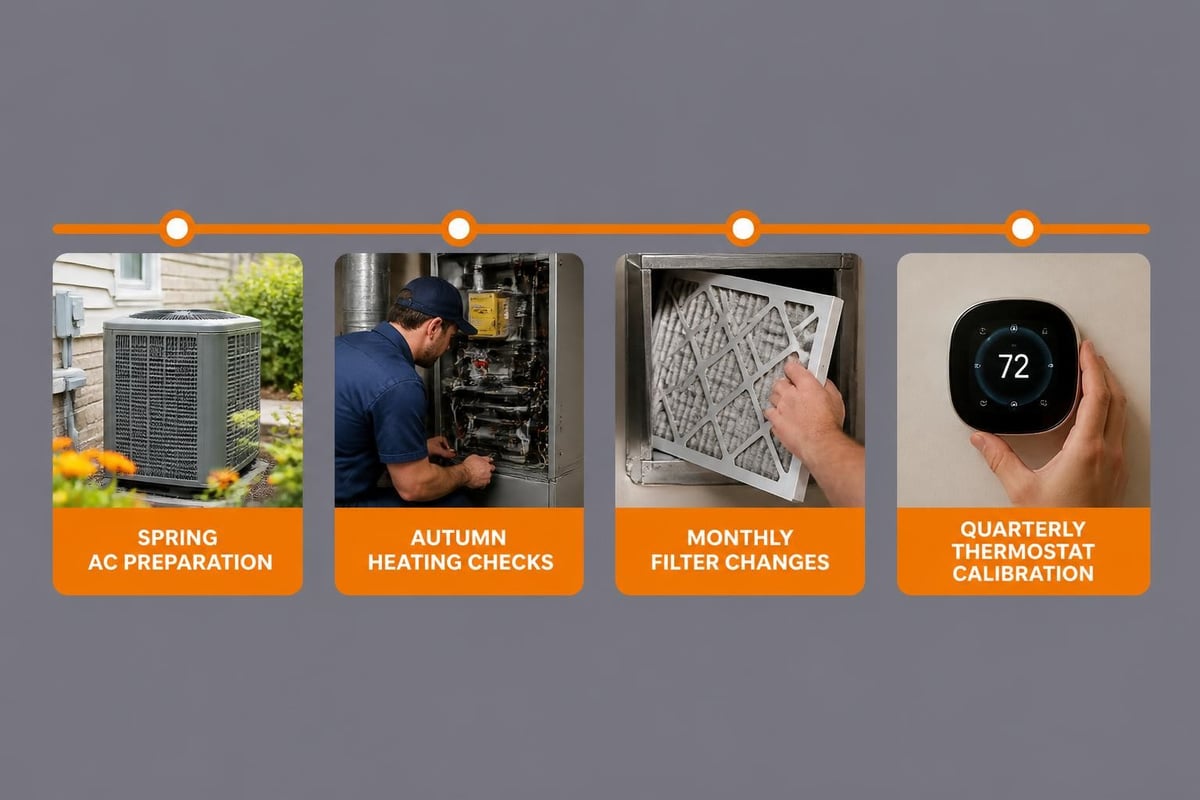
Before winter arrives, arrange professional boiler servicing to identify and resolve potential problems. Test heating systems in September or October, allowing time for repairs before cold weather strikes. This proactive approach avoids the rush period when heating engineers face peak demand and emergency callouts.
Check radiator performance throughout the property, bleeding air and balancing flow as necessary. Inspect visible pipework for corrosion or leaks, particularly in unheated spaces like lofts or garages where freezing poses risks. Consider lagging exposed pipes to prevent freeze damage during severe weather.
The differences between heating versus cooling maintenance highlight specific seasonal priorities. Whilst heating systems require autumn preparation, cooling equipment needs spring servicing before summer temperatures arrive.
Spring Air Conditioning Checks
Air conditioning units benefit from professional servicing before cooling season begins. Technicians clean coils, check refrigerant levels, test electrical connections, and verify proper drainage. These preventative measures ensure efficient operation whilst identifying wear before complete failure occurs.
Homeowners should clear vegetation around outdoor units, ensuring adequate airflow for optimal performance. Replace or clean filters according to manufacturer recommendations, typically monthly during heavy use periods. Trane’s maintenance tips offer comprehensive guidance for seasonal preparation tasks.
Professional Versus DIY Repair Approaches
Understanding which repair heating and cooling tasks suit DIY attempts versus those requiring professional expertise protects both safety and system integrity. Certain maintenance activities present minimal risk when performed correctly, whilst others demand qualified technician intervention.
Safe Homeowner Tasks
- Bleeding radiators to remove trapped air
- Replacing thermostat batteries and basic settings adjustment
- Cleaning or replacing accessible air filters
- Clearing debris from outdoor unit surroundings
- Repressurising sealed systems using filling loops
- Monitoring system performance and identifying unusual behaviour
Tasks Requiring Professional Qualification
Gas appliance work legally requires Gas Safe registered engineers in the UK. Attempting boiler repairs, gas pipe modifications, or combustion adjustments without proper qualifications endangers lives whilst invalidating insurance coverage. Electrical work on heating and cooling systems similarly demands qualified electricians.
Refrigerant handling requires F-Gas certification due to environmental regulations and safety concerns. Diagnosing complex electronic controls, replacing major components, or addressing safety device failures necessitates professional expertise and specialist equipment.
Professional services extend beyond heating to encompass complete home comfort solutions. Qualified technicians possess diagnostic tools, technical training, and manufacturer-specific knowledge that enable accurate problem identification and effective solutions.
Energy Efficiency and Performance Optimisation
Maximising heating and cooling system efficiency reduces operating costs whilst minimising environmental impact. Even when systems require repair, optimising performance delivers immediate benefits that accumulate over years of operation.
Smart Control Integration
Modern thermostats learn occupancy patterns, adjust temperatures automatically, and provide remote control via smartphone applications. These devices optimise when systems operate, reducing wasted energy heating or cooling empty properties. Integration with weather forecasts enables anticipatory adjustments that maintain comfort whilst minimising consumption.
Zoned heating controls allow different property areas to maintain distinct temperatures based on usage patterns. Bedrooms might operate at lower temperatures than living spaces, whilst rarely used rooms receive minimal heating. This targeted approach significantly reduces overall energy consumption compared to whole-house heating.
System Efficiency Upgrades
When undertaking repair heating and cooling system work, consider efficiency enhancements that improve performance. Upgrading circulation pumps to variable speed models reduces electricity consumption whilst improving system responsiveness. Adding thermostatic radiator valves provides room-by-room temperature control, preventing overheating and wasted energy.
Power flushing removes accumulated sludge and debris, restoring circulation efficiency and heat transfer. This procedure often resurrects underperforming systems, delivering performance improvements comparable to component replacement at significantly lower cost. The insights from heating system maintenance checks emphasise these efficiency-focused approaches.
Long-Term System Reliability Planning
Strategic planning minimises disruption from heating and cooling system failures whilst controlling maintenance costs. Establishing relationships with qualified service providers, maintaining service records, and budgeting for eventual replacement creates stability and peace of mind.
Service Contract Benefits
Annual service contracts guarantee priority response times, fixed-price servicing, and often include breakdown coverage. These arrangements prove particularly valuable for older systems approaching replacement, providing security whilst deferring capital expenditure. Contracts typically cost less than ad-hoc callouts when problems arise.
Regular professional contact means technicians become familiar with your specific system, its quirks, and its history. This knowledge enables more accurate diagnosis and targeted solutions when problems develop. Comprehensive service records also enhance property value by demonstrating responsible system maintenance.
Emergency Preparedness
Despite preventative measures, heating and cooling systems occasionally fail unexpectedly. Maintaining emergency contact details for qualified engineers, understanding how to safely shut down systems, and having contingency heating sources provides security during breakdowns.
Keep basic information readily available: boiler make and model, installation date, service history, and any recurring issues. This documentation helps technicians diagnose problems efficiently, particularly during emergency callouts when detailed investigation proves impractical.
Regional Considerations for North East England
Climate conditions in North East England present specific challenges for heating and cooling systems. Coastal properties face salt-laden air that accelerates corrosion, whilst inland areas experience broader temperature fluctuations demanding responsive system performance.
Coastal Environment Impacts
Properties in areas like Newbiggin-by-the-Sea require additional corrosion protection for outdoor equipment and exposed pipework. Regular inspection of external components identifies deterioration before failures occur. Specialist coatings and materials withstand harsh coastal conditions more effectively than standard alternatives.
Wind exposure affects heat loss rates, potentially requiring higher capacity systems than inland properties of comparable size. Adequate insulation becomes particularly important in coastal locations, reducing heating demands and improving comfort levels.
Heating Season Demands
The extended heating season in North East England places greater demands on systems compared to milder regions. Boilers operate for longer periods, accumulating more wear whilst facing higher stress during cold snaps. This intensive use makes preventative maintenance particularly valuable, identifying wear before it causes mid-winter failures.
Understanding these regional factors helps homeowners make informed decisions when they repair heating and cooling systems. Local specialists familiar with area-specific challenges deliver solutions optimised for regional conditions rather than generic approaches.
Maintaining reliable heating and cooling systems requires combining regular professional servicing with attentive monitoring and prompt attention to warning signs. Strategic decisions about repair versus replacement, informed by system age and efficiency considerations, optimise long-term value whilst ensuring consistent comfort. Whether you need emergency repairs, routine maintenance, or complete system replacement, NU Heat North East Ltd brings over four decades of experience serving properties across North East England. Our qualified technicians diagnose problems accurately and deliver effective solutions, with flexible 0% finance options making essential work more affordable.