
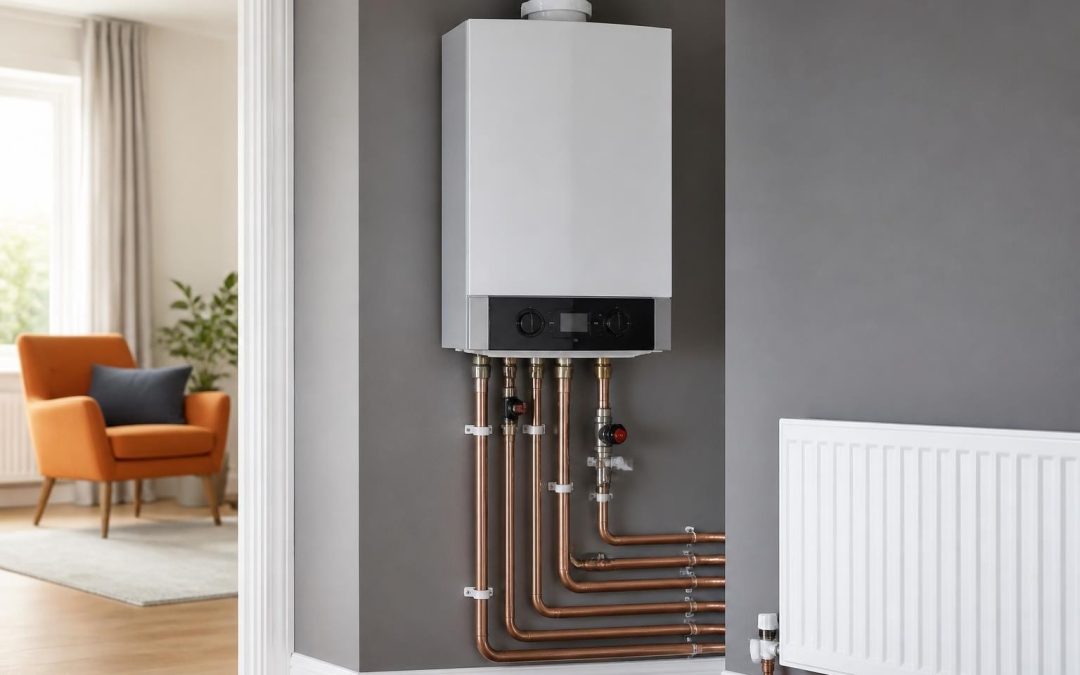
Gas boilers for home heating remain one of the most popular choices for homeowners across the UK, providing reliable warmth and hot water throughout the year. With advancements in technology and increasing emphasis on energy efficiency, modern gas boilers offer superior performance compared to their predecessors. Understanding the various types, features, and considerations can help you make an informed decision when selecting a heating system for your property. From compact combi models to traditional system boilers, the options available in 2026 cater to diverse household needs and budgets.
Understanding Gas Boiler Technology
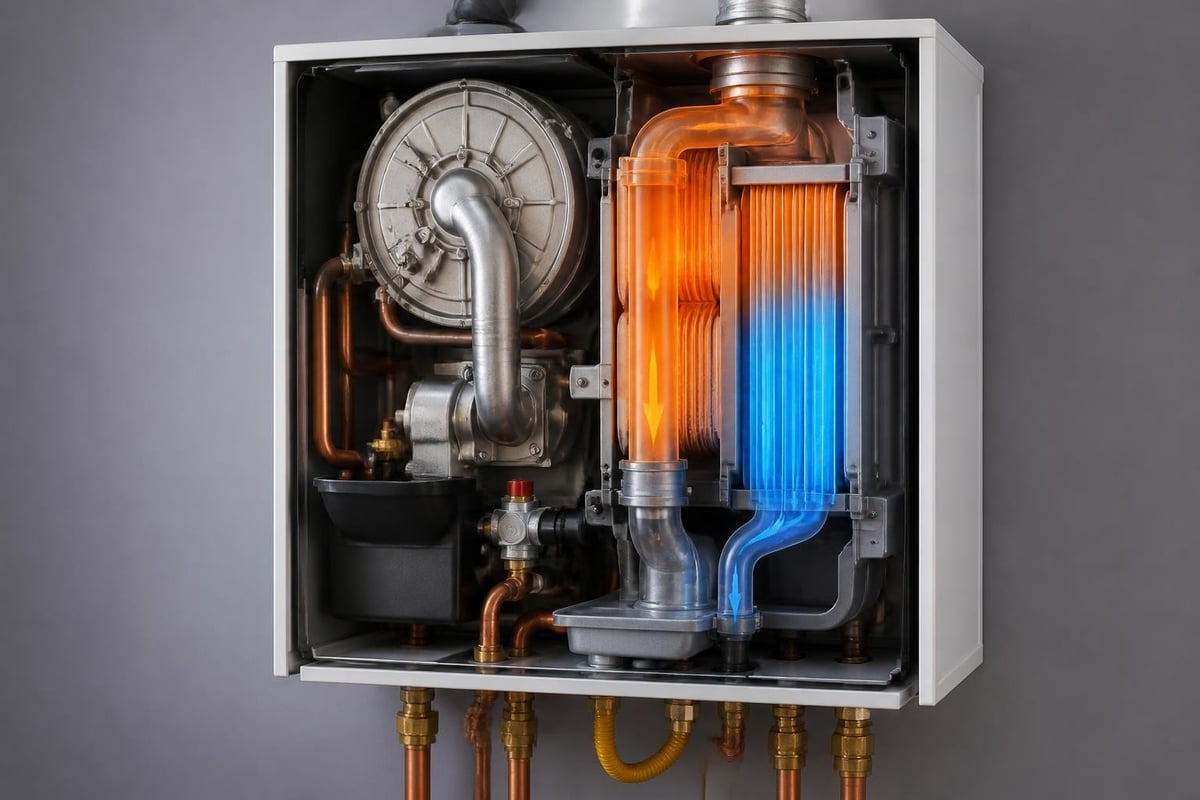
Gas boilers operate by burning natural gas to heat water, which then circulates through radiators or underfloor heating systems to warm your home. The combustion process occurs within a sealed chamber, and modern units incorporate sophisticated controls to optimise fuel consumption. Energy-efficient boilers have become the industry standard, with condensing technology recovering heat from exhaust gases that would otherwise escape through the flue.
How Condensing Boilers Improve Efficiency
Condensing gas boilers for home heating achieve efficiency ratings exceeding 90%, making them significantly more economical than non-condensing alternatives. These units capture latent heat from water vapour in the flue gases, cooling them to the point where condensation occurs. This process extracts additional energy that would normally be wasted, reducing fuel consumption and lowering energy bills.
The condensate produced requires proper drainage, typically connecting to your property's waste system. Modern installations incorporate neutralising kits where necessary to protect drainage systems from acidic condensate. This technology has become mandatory for new installations in the UK, ensuring all replacement boilers meet minimum efficiency standards.
Types of Gas Boilers Available
Selecting the right boiler type depends on your property size, hot water demands, and existing heating infrastructure. Each category offers distinct advantages and limitations worth considering before making a commitment.
Combination (Combi) Boilers
| Feature | Specification | Best For |
|---|---|---|
| Hot water delivery | On-demand, unlimited | 1-2 bathroom properties |
| Storage requirement | None (no tanks) | Limited space |
| Pressure system | Mains pressure | Good water pressure areas |
| Installation complexity | Simple | Most modern homes |
Combi boilers heat water directly from the mains when you turn on a tap, eliminating the need for separate hot water cylinders or cold water tanks. This makes them ideal for smaller properties where space is at a premium. However, performance can diminish when multiple taps run simultaneously.
System Boilers
System boilers work with a separate hot water cylinder but incorporate most heating components within the unit itself. This configuration suits larger properties with multiple bathrooms where simultaneous hot water usage is common. The cylinder stores pre-heated water, ensuring consistent supply even during peak demand periods.
These systems require more space than combis but offer superior flow rates to multiple outlets. Bryant’s boiler guide provides additional insights into how these systems function and their suitability for different household configurations.
Regular (Conventional) Boilers
Also known as heat-only boilers, regular boilers require both a hot water cylinder and a cold water storage tank, typically located in the loft. These traditional systems suit properties with low mains pressure or those already equipped with older heating infrastructure. Replacement installations often convert these systems to more efficient alternatives.
Efficiency Ratings and Running Costs
Modern gas boilers for home heating carry ErP (Energy-related Products) ratings ranging from A+ to G, with most new models achieving A-rated status. These ratings directly impact your fuel bills, with higher-efficiency models consuming less gas to produce the same heat output.
Annual running costs vary based on several factors:
- Property size and insulation quality
- Thermostat settings and usage patterns
- Boiler efficiency rating
- Gas prices (subject to market fluctuations)
- Heating controls sophistication
A typical three-bedroom semi-detached house might spend £800-£1,200 annually on gas heating with an efficient boiler, though this fluctuates with energy prices and personal usage habits. Upgrading from a G-rated boiler to an A-rated model can reduce consumption by 30% or more.
Understanding AFUE Ratings
The Annual Fuel Utilisation Efficiency (AFUE) rating indicates the percentage of fuel converted into usable heat. High-efficiency gas furnaces achieving 95% AFUE or higher represent the pinnacle of current technology. A 95% AFUE rating means 95 pence of every pound spent on gas contributes to heating your home, with only 5 pence lost through the flue.
Sizing Your Boiler Correctly
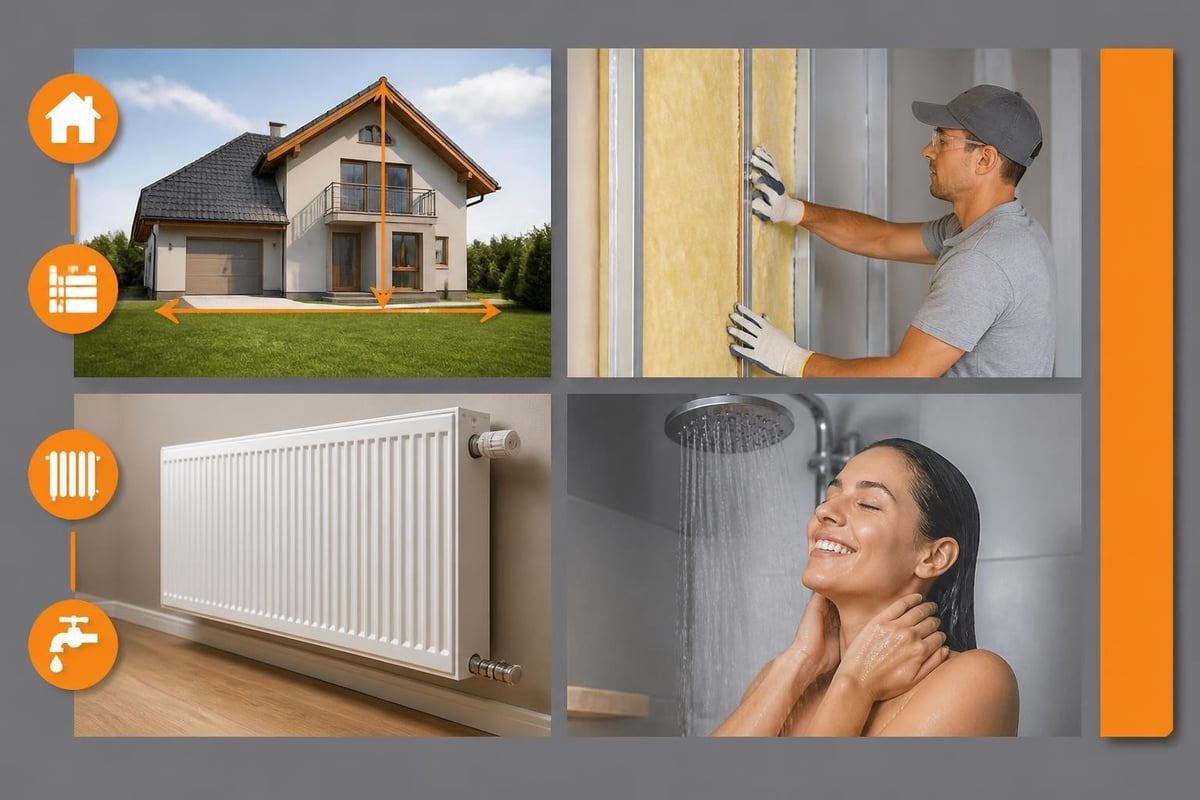
Proper sizing ensures optimal performance and efficiency. An oversized boiler cycles on and off frequently, wasting energy and reducing component lifespan. Undersized units struggle to meet heating demands, running constantly and failing to warm the property adequately.
Professional heating engineers calculate required output (measured in kilowatts) based on:
- Total radiator output requirements
- Property heat loss calculations
- Hot water demand patterns
- Number of bathrooms and occupants
- Insulation levels and window types
Most domestic properties require boilers ranging from 24kW to 35kW, though larger homes may need higher outputs. Consumer Reports’ boiler buying guide offers comprehensive advice on selecting appropriate capacities for different property types.
Installation Considerations
| Aspect | Combi Boiler | System Boiler | Regular Boiler |
|---|---|---|---|
| Installation time | 1-2 days | 2-3 days | 2-4 days |
| Pipework changes | Minimal | Moderate | Extensive |
| Component count | Low | Medium | High |
| Typical cost | £1,800-£3,000 | £2,200-£3,500 | £2,500-£4,000 |
Installation complexity varies significantly between boiler types and property configurations. Converting from a regular boiler to a combi system requires removing tanks and modifying pipework, potentially adding days to the project timeline. Like-for-like replacements proceed more swiftly, often completing within a single day for straightforward installations.
Regulations require Gas Safe registered engineers to carry out all gas boiler installations and servicing. The team at Nu-Heat North East comprises qualified professionals with extensive experience across all boiler types and configurations, ensuring compliant, safe installations throughout the North East region.
Positioning and Flue Requirements
Modern gas boilers for home heating offer flexible installation locations, with wall-hung models freeing up floor space. The flue must terminate externally, with specific clearance requirements from windows, doors, and boundaries. Horizontal flues suit most installations, whilst vertical flues work where external wall access is restricted.
Kitchen installations remain popular, though utility rooms, garages, and even lofts (for specific models) present viable alternatives. Adequate ventilation and accessibility for servicing must factor into location decisions. Property-specific constraints sometimes necessitate creative solutions, particularly in older buildings with limited suitable spaces.
Smart Controls and Programmers
Contemporary heating controls transform gas boiler efficiency and user convenience. Smart thermostats learn household patterns, adjusting temperatures automatically to minimise waste whilst maintaining comfort. These devices connect via WiFi, enabling remote control through smartphone applications.
Key control features include:
- Weather compensation (adjusting output based on external temperatures)
- Zone control (heating different areas independently)
- Scheduling (programming heating around your routine)
- Usage monitoring (tracking energy consumption patterns)
- Geofencing (detecting when occupants leave/return)
Advanced controls can improve efficiency by 10-15% beyond the boiler's inherent rating, delivering meaningful savings over time. Many systems integrate with voice assistants, further enhancing accessibility and ease of use.
Maintenance and Longevity
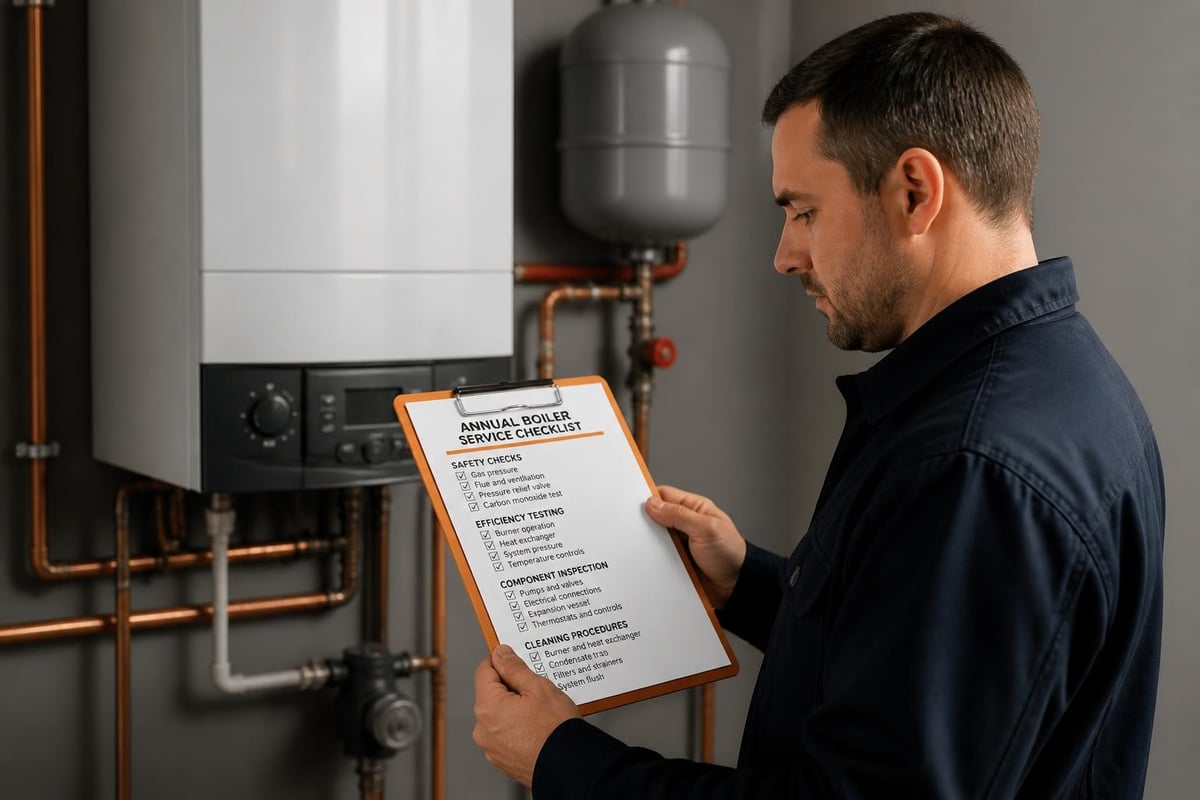
Regular servicing extends boiler lifespan and maintains efficiency. Annual inspections by qualified engineers identify developing issues before they escalate into costly failures. Typical service procedures include:
- Checking gas pressure and flow rates
- Inspecting heat exchangers for corrosion
- Testing safety devices and controls
- Cleaning burners and ignition components
- Verifying flue integrity and terminal condition
Well-maintained gas boilers for home heating typically last 12-15 years, though some units exceed 20 years with diligent care. Manufacturers' warranties usually cover parts for 5-10 years, with extended options available at additional cost.
Water quality significantly impacts boiler longevity, with hard water areas prone to limescale accumulation. Magnetic filters and scale reducers protect heat exchangers and pumps, preventing blockages and maintaining heat transfer efficiency. These relatively inexpensive additions can prevent expensive repairs and premature replacement.
Cost Considerations and Financing
Total boiler replacement costs encompass the unit itself, installation labour, ancillary components, and any necessary upgrades to existing systems. Budget models start around £1,500 installed, whilst premium brands with extended warranties reach £4,000 or more.
Additional expenses might include:
- Power flushing the existing system (£300-£600)
- Magnetic filter installation (£100-£200)
- Upgraded controls and thermostats (£150-£400)
- New radiators or pipework modifications (variable)
- Disposal of old equipment (typically included)
Finance options spread these costs into manageable monthly payments. Nu-Heat North East offers 0% interest financing on installations, making efficient heating systems accessible without substantial upfront investment. This arrangement allows homeowners to benefit from reduced energy bills whilst paying for the installation gradually.
Environmental Impact and Alternatives
Whilst gas boilers for home heating remain popular, environmental considerations increasingly influence homeowner decisions. Natural gas combustion produces carbon dioxide, contributing to climate change. The UK government plans to phase out gas boilers in new builds, encouraging heat pump adoption and other low-carbon alternatives.
Current options include:
- Air source heat pumps (extract heat from outdoor air)
- Ground source heat pumps (utilise underground temperature stability)
- Hybrid systems (combining gas boilers with renewable technology)
- Hydrogen-ready boilers (prepared for future hydrogen gas networks)
- Biomass heating (burning sustainable wood pellets)
For properties unsuited to heat pumps due to insulation limitations or space constraints, modern condensing gas boilers offer a pragmatic interim solution. Biomass systems present another renewable alternative worth exploring for rural properties with suitable fuel storage capacity.
Choosing Reputable Manufacturers
Brand selection impacts reliability, efficiency, and parts availability. Established manufacturers include Worcester Bosch, Vaillant, Ideal, Baxi, and Viessmann, each offering ranges catering to different budgets and requirements. Premium brands typically provide longer warranties, quieter operation, and more sophisticated controls.
Research customer reviews and professional assessments before committing to specific models. Which? reviews home heating systems comprehensively, rating manufacturers on reliability, customer satisfaction, and value for money. Their findings help identify brands worth considering and those best avoided.
Engineer familiarity also matters, as technicians experienced with particular brands provide better service and faster repairs. Local heating specialists often develop expertise with specific manufacturers, potentially influencing their recommendations based on parts availability and training.
Warranty Protection and Guarantees
Manufacturer warranties typically cover 2-10 years, depending on model tier and whether annual servicing requirements are met. Extended warranties require professional installation by accredited engineers and proof of regular maintenance. Missing a single service can invalidate coverage, potentially leaving you liable for expensive repairs.
Read warranty terms carefully, noting exclusions and conditions. Some manufacturers cover parts only, with labour costs falling to the homeowner. Others provide comprehensive coverage including call-outs and replacement components. Installation companies sometimes offer their own workmanship guarantees, providing additional protection beyond manufacturer coverage.
Property Compliance and Safety Standards
Building regulations govern boiler installations, requiring compliance with Document L (Conservation of Fuel and Power). Notifiable work must be registered with local building control or completed by certified installers operating under competent person schemes. Gas Safe registration is mandatory for anyone working with gas appliances, ensuring safety standards are maintained.
For landlords, annual gas safety certificates are legal requirements, with significant penalties for non-compliance. Property compliance specialists like Oxford EC offer comprehensive risk management services covering multiple aspects of building safety, helping property owners maintain regulatory standards across their portfolios.
Carbon monoxide detectors should be fitted in rooms containing gas appliances, providing early warning of dangerous fume leaks. Modern boilers incorporate multiple safety features, but regular testing and maintenance remain essential for occupant safety.
Regional Considerations for North East England
The North East's climate, with cold winters and moderate summers, makes efficient heating essential for comfort and property protection. Coastal areas experience salt-laden air that can accelerate external component corrosion, particularly affecting flues and condensate pipes. Regular inspections help identify developing issues specific to maritime environments.
Water hardness varies across the region, with some areas experiencing higher mineral content than others. Understanding your local water quality helps determine whether additional protection measures benefit your installation. Your heating engineer can advise on appropriate solutions based on postcode-specific conditions.
When to Replace vs Repair
Deciding between repair and replacement involves weighing immediate costs against long-term value. Generally, if repair costs exceed half the replacement price, or the boiler exceeds 12 years old, replacement offers better value. Frequent breakdowns indicate declining reliability, with repair bills accumulating quickly.
Signs suggesting replacement include:
- Efficiency decline (rising bills despite unchanged usage)
- Frequent repairs (multiple call-outs within 12 months)
- Parts availability (obsolete models struggle with replacement components)
- Visible corrosion (leaks or rust indicating structural degradation)
- Inadequate heating (system no longer meets household demands)
Modern gas boilers for home heating deliver substantial efficiency improvements over models exceeding 10 years old. The investment typically recovers through reduced fuel bills within 5-7 years, depending on usage patterns and energy prices.
Professional Installation Benefits
Whilst DIY culture thrives in many home improvement areas, boiler installation demands professional expertise. Gas work requires specific qualifications, with illegal installations posing serious safety risks including carbon monoxide poisoning and gas explosions. Beyond safety, professional installations ensure:
- Manufacturer warranty validity (most require certified installation)
- Building regulation compliance (avoiding legal complications)
- Optimal performance (correct sizing and configuration)
- Long-term reliability (proper commissioning and testing)
- Insurance protection (policies may exclude amateur installations)
Established companies bring experience across diverse property types and challenges. Since 1983, heating specialists have refined installation techniques, adapting to changing technologies and regulations. This accumulated knowledge proves invaluable when addressing unexpected complications or unusual configurations.
Preparing for Installation Day
Homeowner preparation smoothens installation and minimises disruption. Clear access to the boiler location, removing obstacles and protecting valuables in the work area. If installing in occupied spaces like kitchens, plan alternative cooking arrangements as gas supply will be interrupted.
Engineers appreciate easy access to:
- Current boiler and controls (for disconnection and removal)
- Water supply isolation points (stopping and draining systems)
- Electrical consumer unit (connecting new boiler supplies)
- External walls (for flue installation)
- Waste drainage (condensate pipe connections)
Discuss parking arrangements beforehand, particularly in areas with restricted access. Most installations require multiple trips to vehicles for tools and materials, so convenient parking reduces project duration.
Selecting the right gas boiler for home heating involves balancing efficiency, capacity, and budget whilst considering future energy landscape changes. Modern condensing boilers offer excellent performance and reliability when properly specified and installed. Whether you're replacing an aging unit or upgrading to improve efficiency, professional guidance ensures optimal outcomes tailored to your specific property and requirements. NU Heat North East Ltd has been delivering expert heating installations across the North East since 1983, combining technical expertise with customer-focused service to ensure your complete satisfaction. Contact us today to discuss your heating needs and explore our 0% finance options for spreading installation costs.