
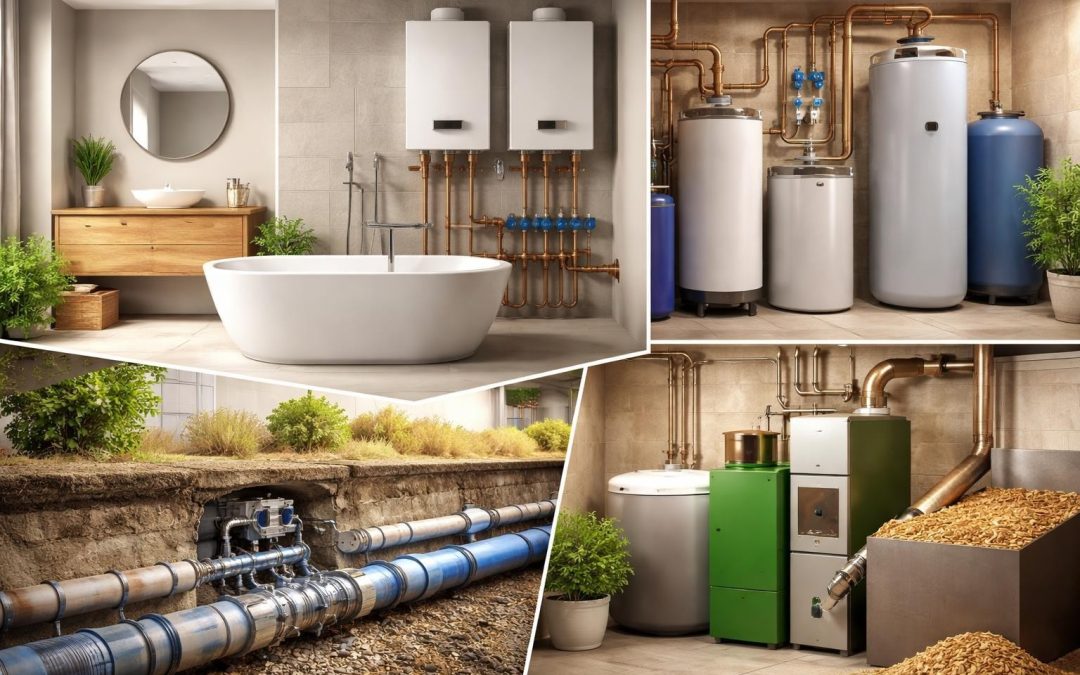
Finding reliable solutions plumbing and heating services has become increasingly important for homeowners and businesses across the United Kingdom. With over four decades of industry evolution, the plumbing and heating sector has transformed from basic pipe fitting to sophisticated system integration that encompasses energy efficiency, sustainable technologies, and comprehensive home comfort solutions. Whether you're facing an emergency repair, planning a complete system upgrade, or designing a dream bathroom, understanding the full spectrum of available services helps you make informed decisions about your property's essential infrastructure.
Understanding Comprehensive Plumbing Solutions
Modern plumbing extends far beyond fixing leaky taps and clearing blocked drains. Today's solutions plumbing and heating professionals provide integrated services that address water supply, waste management, heating distribution, and energy conservation within a single, coherent framework.
Core Plumbing Service Categories
Professional plumbing services typically divide into several distinct categories, each requiring specialized knowledge and equipment:
- Emergency repairs and diagnostics for burst pipes, severe leaks, and system failures
- Preventive maintenance programmes designed to identify potential issues before they escalate
- Complete system installations for new builds and major renovations
- Water quality improvements including filtration and softening systems
- Drainage solutions covering both internal waste systems and external groundworks
The Chartered Institute of Plumbing and Heating Engineering provides comprehensive guidance on industry standards, ensuring that qualified professionals maintain the technical competence required for complex installations.
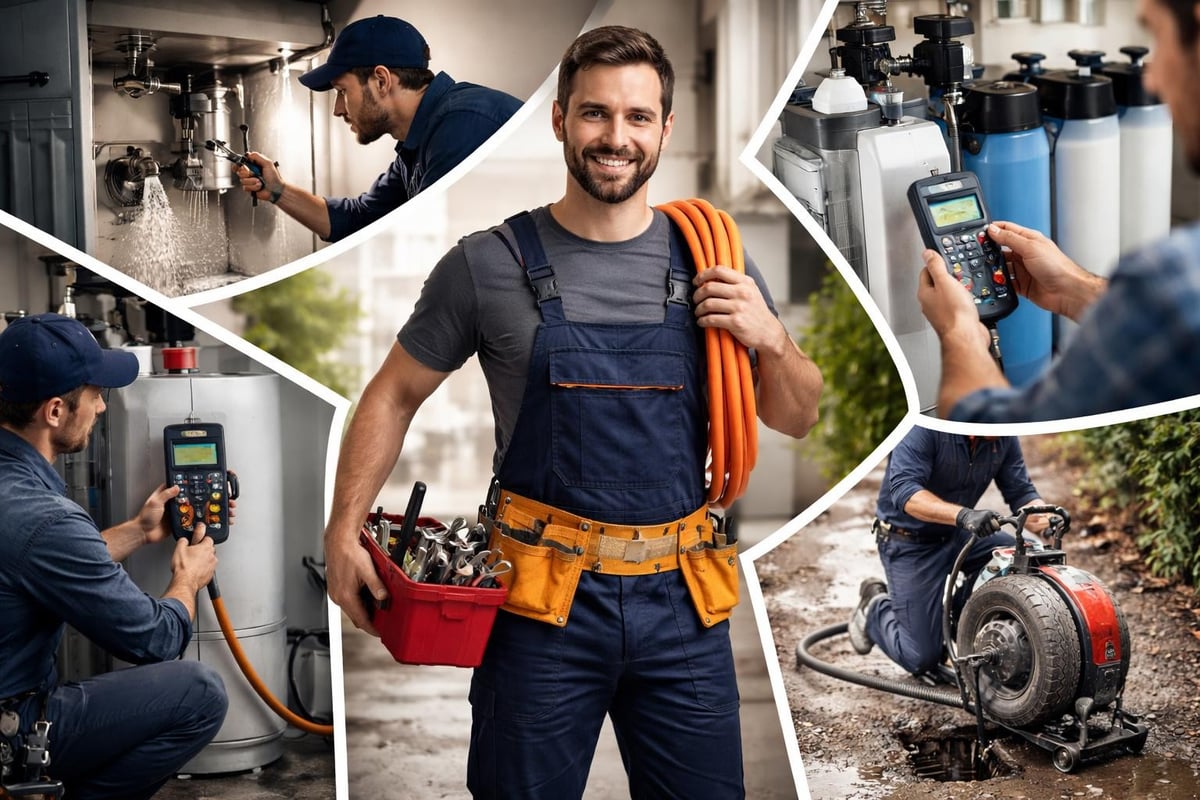
Common Plumbing Challenges in North East England
Regional factors significantly influence plumbing requirements. Properties in coastal areas like Newbiggin-by-the-Sea face unique challenges including salt air corrosion, higher humidity levels, and temperature fluctuations that can accelerate wear on pipes and fixtures.
Hard water remains a persistent issue across many parts of England. Understanding how to address calcium buildup in pipes helps maintain system efficiency and prolongs the lifespan of heating equipment and appliances.
| Plumbing Issue | Typical Cause | Recommended Solution |
|---|---|---|
| Low water pressure | Scale buildup, pipe corrosion | System descaling, pipe replacement |
| Recurring blockages | Inadequate fall, root intrusion | CCTV survey, targeted repairs |
| Noisy pipes | Water hammer, loose fixings | Pressure regulation, secure mounting |
| Discoloured water | Corroded pipes, sediment | Filtration system, pipe renewal |
Heating System Solutions for Modern Properties
Solutions plumbing and heating services have evolved dramatically with technological advancement and environmental legislation. Contemporary heating solutions prioritize efficiency, controllability, and reduced carbon emissions whilst maintaining optimal comfort levels.
Boiler Selection and Installation
Choosing the appropriate boiler type represents one of the most significant decisions for any property owner. Several factors influence this choice:
- Property size and insulation levels determine required output capacity
- Hot water demand patterns influence whether a combination, system, or regular boiler suits best
- Fuel availability dictates whether gas, oil, LPG, or biomass provides the optimal solution
- Budget considerations for both initial investment and ongoing running costs
- Future-proofing against changing regulations and energy price fluctuations
Modern condensing boilers achieve efficiency ratings exceeding 90%, capturing heat from flue gases that older models simply vented to atmosphere. This efficiency translates directly into reduced fuel consumption and lower energy bills.
Radiator Systems and Heat Distribution
Effective heat distribution requires careful planning beyond simply installing radiators. Professional solutions plumbing and heating specialists calculate heat loss for each room, ensuring radiator sizing matches actual requirements rather than guesswork.
Upgrading radiators offers several advantages:
- Improved heat output from modern designs with enhanced convection properties
- Better control through thermostatic radiator valves (TRVs) that regulate individual room temperatures
- Space efficiency with compact designs and various mounting options
- Aesthetic appeal matching contemporary interior design preferences
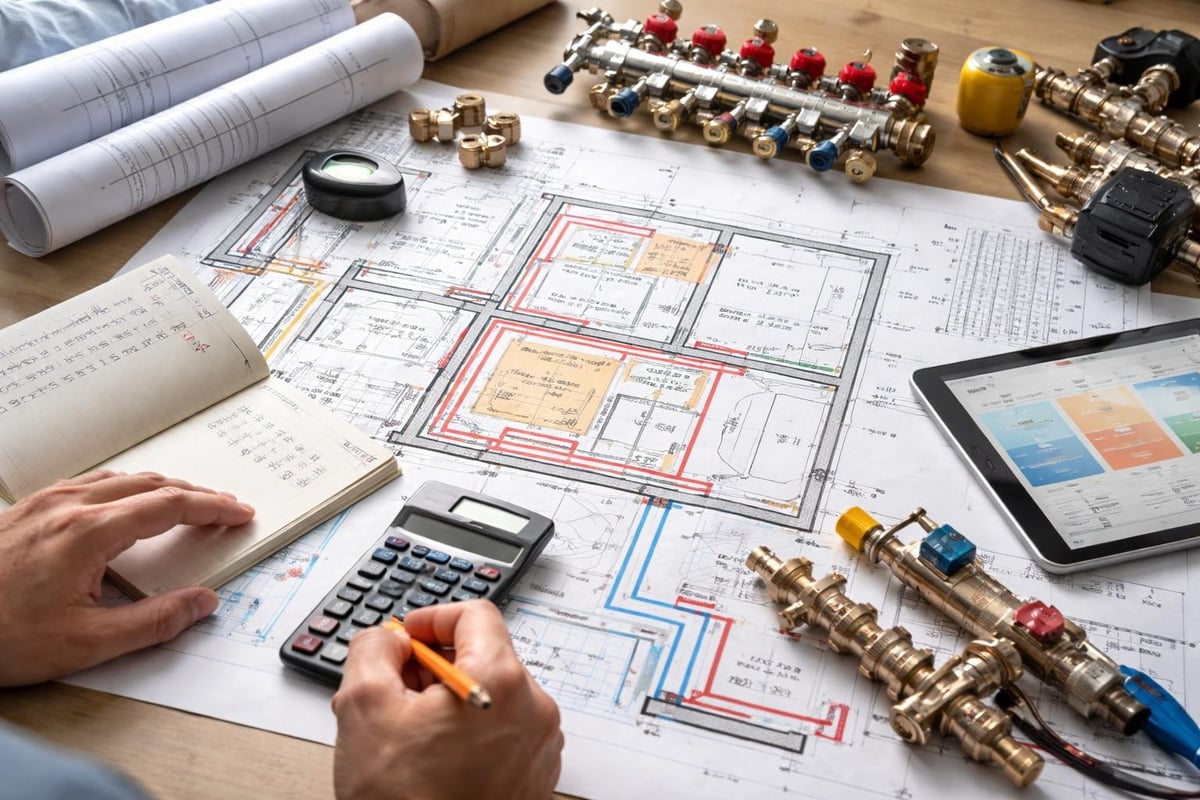
The Association of Plumbing and Heating Contractors provides technical guidance ensuring installations meet current building regulations and manufacturer specifications.
Underfloor Heating Integration
Underfloor heating has transitioned from luxury option to practical alternative for many properties. This heating method distributes warmth evenly across floor surfaces, operating at lower temperatures than traditional radiators whilst providing superior comfort.
Two primary underfloor heating types exist:
Electric systems use resistance cables or mats installed within floor structures, ideal for single rooms or retrofit projects where raising floor levels minimally matters.
Water-based systems circulate warm water through pipes embedded in floor screed, offering better efficiency for whole-house installations and integration with renewable heat sources.
Biomass Heating: Sustainable Solutions
Environmental consciousness and rising fossil fuel costs have accelerated interest in renewable heating technologies. Biomass boilers represent a particularly viable solution plumbing and heating option for properties with suitable space and fuel supply access.
How Biomass Systems Work
Biomass boilers burn organic materials, typically wood pellets, chips, or logs, to generate heat for central heating and hot water. Modern automated systems rival conventional boilers for convenience whilst offering carbon-neutral operation.
Key advantages include:
- Renewable fuel source reducing dependence on fossil fuels
- Potential cost savings where sustainable fuel supplies are readily available
- Reduced carbon footprint with trees absorbing CO₂ during growth offsetting combustion emissions
- Government incentives historically available through schemes encouraging renewable adoption
- Energy independence from volatile gas and oil markets
Professional installation ensures optimal performance, proper flue sizing, adequate fuel storage, and integration with existing heating distribution systems.
| System Component | Function | Maintenance Requirement |
|---|---|---|
| Hopper | Fuel storage and feed | Weekly refilling |
| Combustion chamber | Burns biomass fuel | Monthly ash removal |
| Heat exchanger | Transfers heat to water | Annual cleaning |
| Flue system | Vents combustion gases | Annual sweep |
| Controls | Regulates temperature | Periodic calibration |
Bathroom Installation Excellence
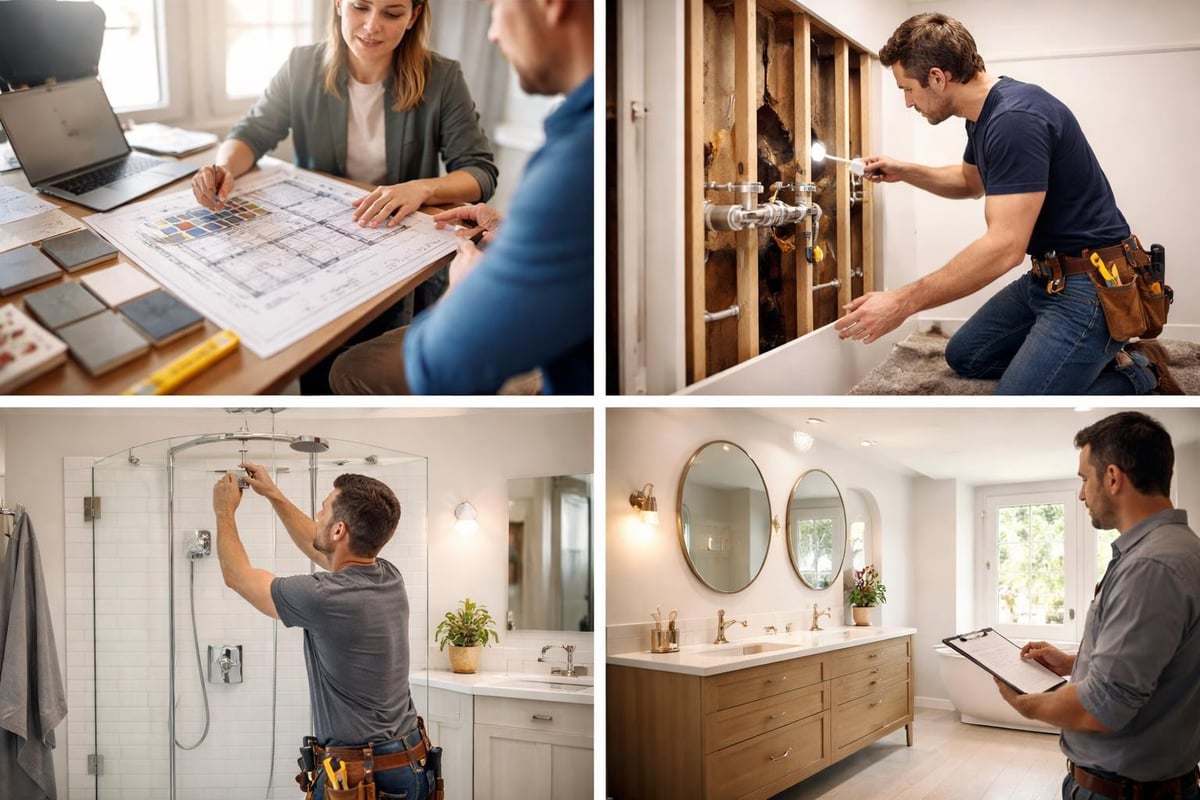
Bathroom renovations combine plumbing expertise with design sensibility, creating functional spaces that enhance daily routines whilst adding property value. Professional solutions plumbing and heating contractors coordinate multiple trades, ensuring seamless project delivery.
Planning Your Bathroom Project
Successful bathroom installations begin with thorough planning addressing both practical requirements and aesthetic preferences:
- Space assessment maximizes available area through intelligent layout
- Budget allocation balances quality fixtures against overall project costs
- Plumbing infrastructure evaluation determines whether existing pipework and drainage accommodate new layouts
- Ventilation requirements ensure adequate moisture control preventing mould growth
- Accessibility considerations accommodate current needs and future-proof for changing mobility
Modern bathroom design emphasizes water efficiency through low-flow fixtures and dual-flush mechanisms. These features reduce consumption without compromising performance, lowering utility bills whilst supporting environmental sustainability.
Contemporary Bathroom Technologies
Innovation continues transforming bathroom experiences through smart technologies and improved materials:
- Digital shower systems offering precise temperature control and programmable preferences
- Sensor-activated taps reducing water waste and improving hygiene
- Heated towel rails providing warmth and moisture control
- LED mirror lighting with demister pads and ambient features
- Water-resistant wall panels offering low-maintenance alternatives to traditional tiling
Professional installation ensures these technologies integrate reliably, with appropriate electrical certification and water-tight sealing protecting property structures.
Preventive Maintenance Programmes
Regular maintenance represents the most cost-effective approach to solutions plumbing and heating management. Scheduled servicing identifies developing issues before they cause system failures, extends equipment lifespan, and maintains efficiency levels.
Annual Boiler Servicing
Gas Safe regulations mandate annual boiler servicing for safety and warranty compliance. These inspections typically include:
- Combustion analysis ensuring complete fuel burning
- Component inspection identifying wear or corrosion
- Seal and gasket examination preventing gas leaks
- Flue testing confirming proper ventilation
- Control verification ensuring safe operation
- Efficiency assessment identifying performance degradation
Documented service history proves essential for warranty claims and property transactions, demonstrating responsible system maintenance.
Plumbing System Checks
Beyond boiler servicing, comprehensive maintenance addresses the complete plumbing infrastructure:
Visual inspections identify visible leaks, corrosion, or damage requiring attention. Pressure testing confirms system integrity without active leaks. Water quality assessment detects scale formation or contamination issues. Drainage performance evaluation ensures waste systems flow freely without restriction.
Professional technicians use specialized equipment including thermal imaging cameras, acoustic leak detectors, and CCTV drainage survey tools for thorough assessment beyond surface observation.
Financing Options for Major Projects
Significant plumbing and heating projects represent substantial investments. Understanding available financing options makes necessary work more accessible without compromising quality or delaying essential upgrades.
Interest-Free Finance Arrangements
Progressive contractors now offer flexible payment terms spreading costs over manageable periods. Interest-free finance eliminates the burden of upfront payment whilst avoiding additional charges that traditional loans impose.
These arrangements benefit customers through:
- Immediate access to necessary repairs or upgrades without depleting savings
- Budget management through predictable monthly payments
- No interest charges when completing payments within agreed terms
- Flexible terms accommodating various financial situations
- Simple application processes with quick approval decisions
Such financing particularly suits homeowners facing unexpected failures requiring immediate attention or planning comprehensive system replacements where accumulated savings fall short of total project costs.
Choosing Qualified Professionals
Selecting appropriate contractors for solutions plumbing and heating work requires careful consideration beyond simply comparing quotes. Professional qualifications, industry certifications, and proven experience separate competent tradespeople from less capable alternatives.
Essential Credentials and Certifications
Legitimate plumbing and heating professionals hold relevant qualifications and maintain current certifications:
Gas Safe registration remains mandatory for anyone working with gas appliances and systems. OFTEC certification covers oil-fired heating equipment installation and servicing. HETAS approval applies to solid fuel and biomass heating systems. NVQ qualifications demonstrate technical competence through assessed practical skills.
Additionally, membership in professional bodies like the Chartered Institute of Plumbing and Heating Engineering indicates commitment to ongoing professional development and adherence to industry best practices.
| Qualification | Covers | Verification Method |
|---|---|---|
| Gas Safe | Gas appliances and pipework | Online register check |
| OFTEC | Oil-fired heating systems | Registration card |
| HETAS | Solid fuel and biomass | Approved installer list |
| City & Guilds | Technical plumbing skills | Certificate verification |
Experience in Regional Conditions
Local experience provides distinct advantages when selecting solutions plumbing and heating contractors. Professionals familiar with regional building styles, common issues, and climatic factors deliver more effective solutions than those lacking area-specific knowledge.
Coastal properties face particular challenges including accelerated corrosion from salt-laden air, higher humidity levels affecting condensation management, and exposure to severe weather requiring robust installation techniques. Contractors with decades of regional experience understand these factors instinctively, applying appropriate materials and methods without trial and error.
Emergency Response and Reliability
Plumbing and heating emergencies occur without warning, often at inconvenient times. Access to reliable emergency services prevents minor issues escalating into major property damage whilst minimizing disruption to daily routines.
Common Emergency Situations
Several scenarios demand immediate professional attention:
- Burst pipes releasing substantial water volumes threatening property structures
- Complete heating failure during winter creating health risks and potential freeze damage
- Major leaks from failed appliances or damaged connections
- Blocked drains causing sewage backup and sanitation concerns
- Gas leaks presenting immediate safety hazards requiring urgent isolation
Established contractors maintain emergency response capabilities, deploying qualified technicians promptly to assess situations, implement temporary solutions, and schedule permanent repairs.
Rapid Response Benefits
Quick professional intervention limits damage extent and associated costs. Water leaks causing ceiling collapse, floor damage, or electrical hazards multiply repair expenses exponentially compared to promptly addressed minor leaks. Similarly, heating failures detected and resolved quickly prevent frozen pipes that subsequently burst when thawing.
Professional emergency services provide:
- 24/7 availability ensuring assistance regardless of timing
- Rapid deployment minimizing damage progression
- Comprehensive diagnostics identifying root causes rather than symptoms
- Temporary solutions restoring essential services whilst arranging permanent repairs
- Insurance liaison supporting claims processes with detailed documentation
Energy Efficiency and Cost Management
Modern solutions plumbing and heating installations prioritize efficiency, reducing environmental impact whilst lowering operational costs. Various technologies and practices contribute to improved performance.
System Efficiency Improvements
Several upgrades enhance existing system efficiency without complete replacement:
Heating controls including programmable thermostats, weather compensation, and zoning capabilities optimize operation matching actual requirements. Radiator reflector panels direct heat inward rather than warming external walls. Pipe insulation prevents heat loss during distribution. Power flushing removes system sludge restoring circulation efficiency.
These improvements often deliver payback within months through reduced fuel consumption, making them financially attractive alongside environmental benefits.
Smart Technology Integration
Contemporary heating systems increasingly incorporate smart technologies enabling remote control, learning occupancy patterns, and optimizing operation automatically. These systems connect via smartphone apps, allowing schedule adjustments, temperature monitoring, and efficiency tracking from anywhere.
Integration with smart home ecosystems enables coordination with other devices. Heating systems can respond to window sensors, reducing output when ventilation occurs, or integrate with presence detection ensuring spaces are only heated when occupied.
Long-Term System Planning
Strategic planning ensures plumbing and heating infrastructure meets current needs whilst accommodating future requirements. Forward-thinking property owners consider equipment lifespan, technological development, and regulatory changes when making investment decisions.
Replacement Timing Strategies
Proactive replacement before complete failure offers several advantages over reactive emergency installations:
- Better selection without time pressure limiting options
- Competitive pricing through comparing multiple quotes
- Scheduled installation minimizing disruption
- Seasonal timing avoiding winter heating loss or summer water system dependence
- Technology assessment incorporating latest efficiency developments
Typical equipment lifespans guide replacement planning. Boilers generally last 10 to 15 years, though efficiency degradation may justify earlier replacement. Radiators endure 20 to 30 years with proper maintenance. Bathroom fixtures vary widely, with quality installations lasting decades whilst budget options may require renewal after 10 to 15 years.
Future-Proofing Considerations
Regulatory landscapes continue evolving toward improved efficiency and reduced carbon emissions. Installing systems meeting current standards risks premature obsolescence as requirements tighten. Selecting solutions plumbing and heating technologies exceeding minimum standards provides buffer against future legislative changes.
Renewable integration capability increasingly influences system selection. Heat pumps, solar thermal, and biomass systems require compatible distribution temperatures and control strategies. Installing infrastructure accommodating these technologies, even if not immediately implemented, preserves future upgrade options without extensive modification.
Comprehensive solutions plumbing and heating services transform properties through improved comfort, efficiency, and reliability whilst protecting long-term value. Whether addressing emergency repairs, planning system upgrades, or creating beautiful bathroom spaces, professional expertise ensures optimal outcomes. Since 1983, NU Heat North East Ltd has delivered exceptional plumbing and heating services throughout the North East, combining technical excellence with customer-focused service. With 0% interest finance options available, upgrading your property's essential systems has never been more accessible.