
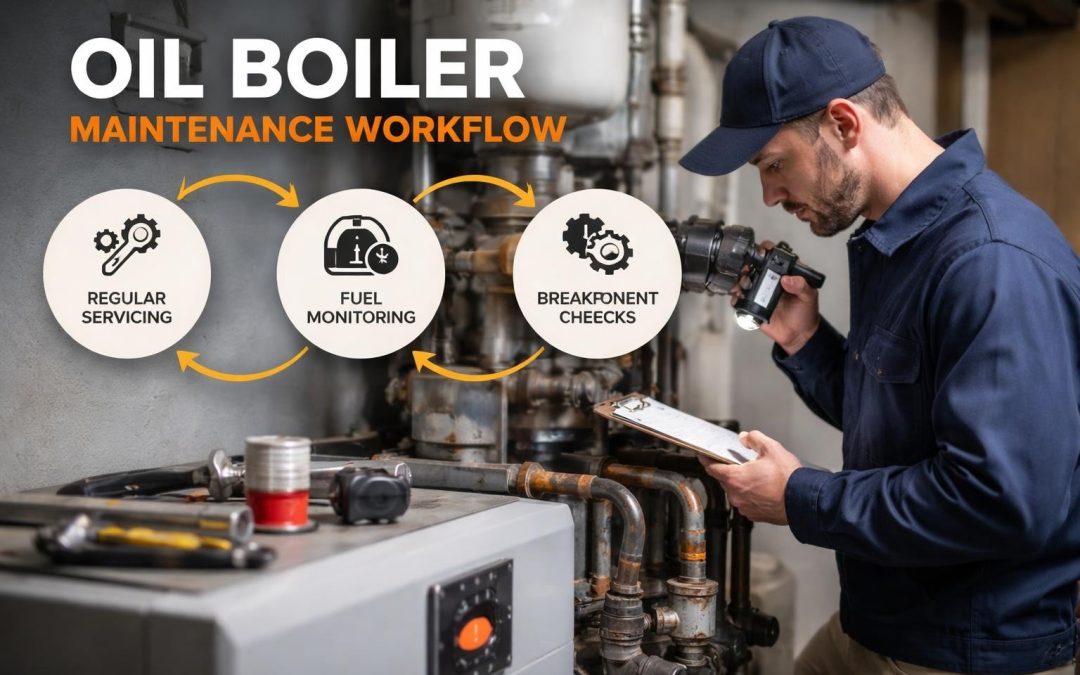
An oil boiler breakdown during the coldest months of the year can be more than just an inconvenience; it's a genuine emergency that disrupts your daily life and leaves your home without essential heating and hot water. Whether you rely on your oil boiler for central heating, domestic hot water, or both, understanding the common causes of failure, recognising the warning signs, and knowing how to respond can make the difference between a minor inconvenience and a costly emergency repair. This comprehensive guide explores the typical reasons behind oil boiler failures, practical troubleshooting techniques, and proven maintenance strategies that help homeowners across the North East maintain reliable heating throughout the year.
Understanding Oil Boiler Systems and Common Failure Points
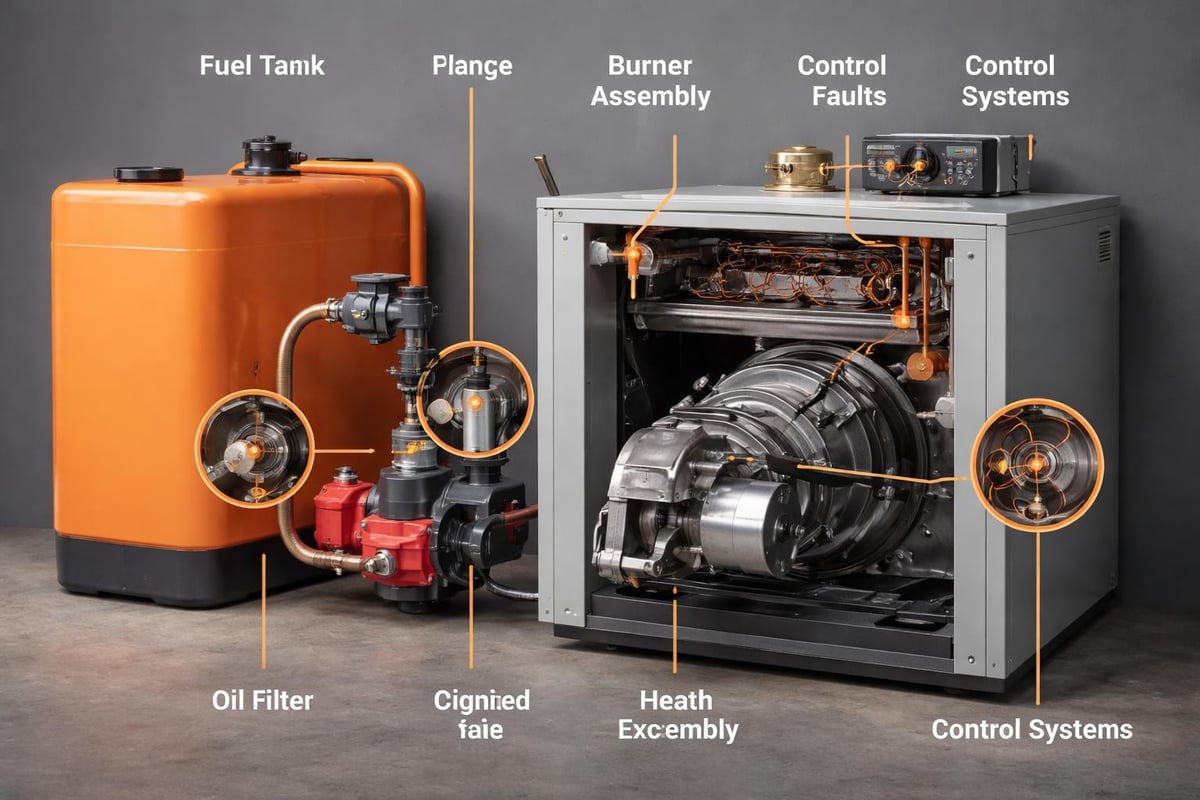
Oil boilers operate through a sophisticated combination of mechanical, electrical, and combustion components that must work in perfect harmony to deliver consistent heating. Unlike gas systems, oil boilers store fuel in an external tank and require a pump to deliver oil to the burner, where it's atomised and ignited to generate heat. This additional complexity introduces several potential failure points that homeowners should understand.
The typical oil heating system comprises several critical elements: the storage tank, fuel line, filter, pump, burner assembly, heat exchanger, flue, and control systems. When an oil boiler breakdown occurs, the problem usually originates from one of these core components failing to perform its designated function.
Key components prone to failure include:
- Oil pump mechanisms that deliver fuel under pressure
- Burner nozzles that atomise oil for efficient combustion
- Ignition electrodes that spark the initial flame
- Photoelectric cells that monitor flame presence
- Control panels and thermostats that regulate operation
- Heat exchangers that transfer warmth to water
Understanding these components helps homeowners identify where problems might originate and communicate effectively with heating engineers when professional assistance becomes necessary.
The Three Most Common Causes of Oil Boiler Failure
According to BoilerJuice’s analysis of common boiler issues, the majority of oil boiler breakdowns stem from three primary causes: depleted fuel supply, incorrect system pressure, and blocked condensate pipes. Each of these issues presents distinct symptoms and requires different remediation approaches.
Running Out of Heating Oil
Perhaps the most straightforward yet surprisingly common cause of oil boiler breakdown involves simply running out of fuel. Many homeowners underestimate their oil consumption during particularly cold periods or forget to monitor their tank levels regularly. Modern tanks often lack accurate gauges, making it difficult to predict when supplies will run low.
When your oil tank empties completely, the system draws air into the fuel line, creating airlocks that prevent proper operation even after refilling. This requires bleeding the fuel line-a process that typically necessitates professional intervention to restore normal function.
Pressure Problems and System Imbalance
Oil boilers require specific pressure levels to circulate water effectively through radiators and heating zones. The ideal pressure typically ranges between 1.0 and 2.0 bar when the system is cold. Pressure drops can result from water leaks, bleeding radiators, or expansion vessel failures.
Conversely, excessive pressure-usually above 2.5 bar-indicates problems with the pressure relief valve or expansion vessel. Both scenarios can trigger safety lockouts that prevent the boiler from firing until the underlying issue is resolved.
| Pressure Issue | Symptoms | Common Causes |
|---|---|---|
| Low Pressure | Boiler won't fire, radiators cold | Water leaks, bleeding radiators, expansion vessel failure |
| High Pressure | Pressure relief valve dripping, boiler lockout | Filling loop left open, expansion vessel failure |
| Fluctuating | Intermittent heating, gurgling sounds | Air in system, faulty pressure sensor |
Frozen Condensate Pipes
Condensing oil boilers discharge acidic condensate through external pipes that can freeze during severe weather. When temperatures plunge below freezing, the water inside these pipes solidifies, creating blockages that trigger safety shutoffs. This problem becomes particularly prevalent during January and February cold snaps across the North East.
Thawing frozen condensate pipes requires careful application of warm (not boiling) water to the external pipe section, typically located near ground level outside the property. Prevention involves insulating exposed pipework or repositioning discharge points to internal drainage where feasible.
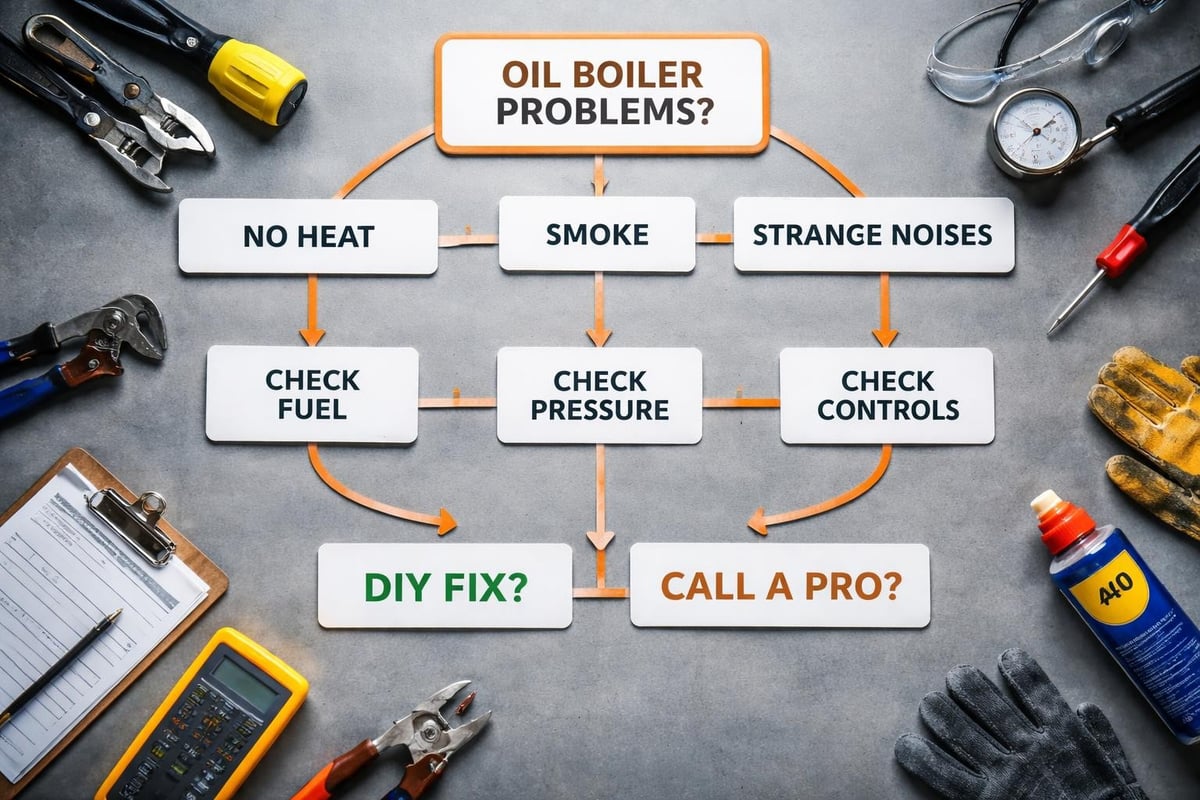
Diagnosing Oil Boiler Problems: Systematic Troubleshooting
When experiencing an oil boiler breakdown, following a methodical diagnostic approach helps identify the problem efficiently and determines whether professional assistance is necessary. Hinckley Plumbing and Heating’s troubleshooting guide provides valuable insights into systematic fault-finding techniques.
Initial diagnostic steps include:
- Check the obvious factors first: Verify the thermostat is set correctly, the programmer shows the correct time and heating schedule, and electrical supply is functioning properly
- Inspect fuel levels: Physically check your oil tank using a dipstick rather than relying solely on gauge readings
- Examine the pressure gauge: Note whether system pressure falls within the normal 1.0-2.0 bar range
- Look for error codes: Modern boilers display fault codes that pinpoint specific problems
- Listen for unusual sounds: Banging, whistling, or gurgling noises indicate distinct issues
Understanding Lockout Conditions
Oil boilers incorporate multiple safety mechanisms that trigger lockouts when potentially dangerous conditions arise. A lockout prevents the boiler from firing until the underlying problem is addressed and the system is manually reset. Common lockout triggers include flame failure, overheating, low water pressure, and electrical faults.
The reset button-typically red and located on the boiler control panel-allows homeowners to attempt restarting the system after addressing obvious problems. However, repeatedly pressing reset without identifying the cause can damage components and should be avoided. If the boiler locks out again after reset, professional diagnosis becomes essential.
Preventative Maintenance: Protecting Your Investment
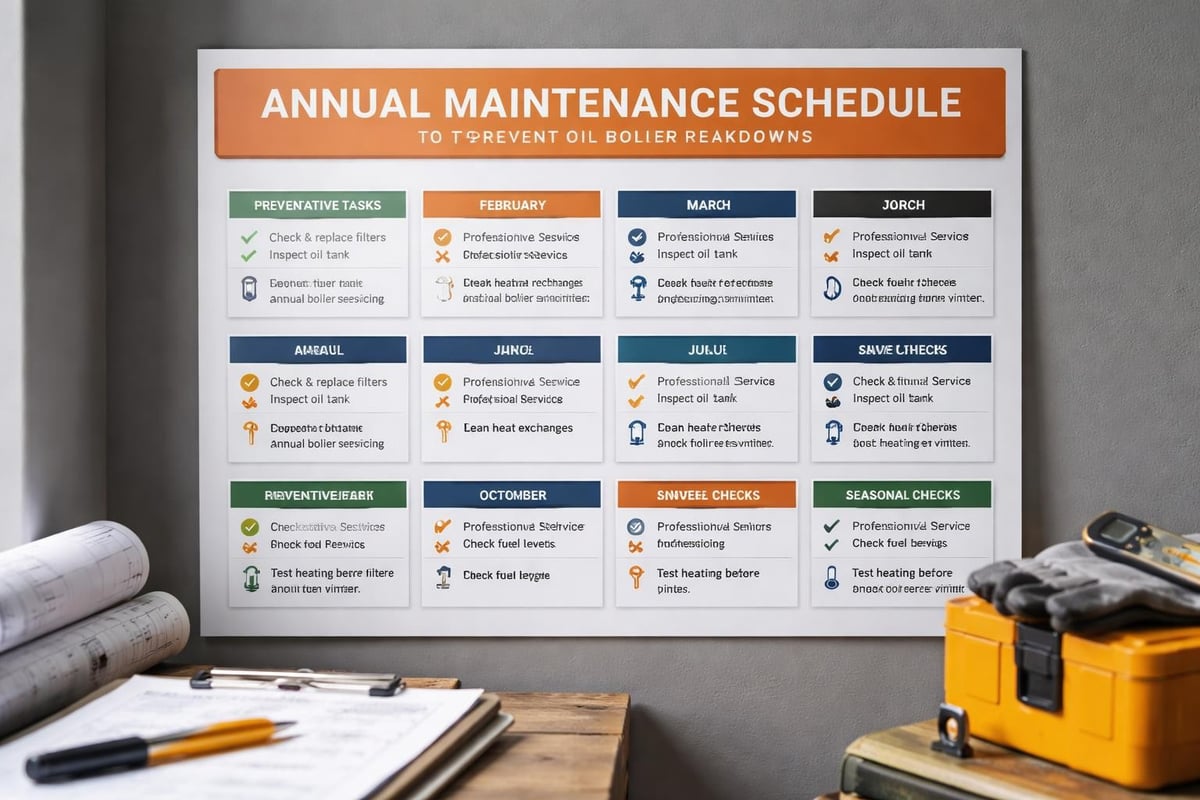
Regular maintenance represents the most effective strategy for preventing oil boiler breakdown and extending equipment lifespan. HVAC.com’s comprehensive maintenance checklist emphasises that proactive servicing costs significantly less than emergency repairs whilst ensuring optimal efficiency and safety.
Annual Professional Servicing
Every oil boiler requires annual servicing by a qualified heating engineer, regardless of apparent performance. This professional inspection involves comprehensive examination, cleaning, and adjustment of all system components. The service typically includes burner cleaning, nozzle replacement, combustion analysis, flue gas testing, and safety device verification.
Scheduling servicing during late spring or early summer-before the heating season commences-ensures your system operates reliably when needed most. This timing also provides ample opportunity to address any identified issues before cold weather arrives.
Professional service typically covers:
- Complete combustion chamber cleaning and inspection
- Burner nozzle replacement and adjustment
- Fuel filter replacement and line inspection
- Flue integrity testing and emissions analysis
- Safety control verification and calibration
- Heat exchanger examination for corrosion or damage
- Pump and motor lubrication where applicable
- Full system pressure and operation testing
Homeowner Maintenance Tasks
Between professional services, homeowners can perform several straightforward maintenance tasks that support reliable operation. Northern Energy’s maintenance recommendations highlight simple checks that help identify developing problems before they escalate into breakdowns.
Monthly monitoring should include checking oil levels, inspecting for visible leaks, listening for unusual operational sounds, and verifying consistent heating performance. These observations help establish baseline normal operation, making deviations easier to recognise.
Maintaining adequate oil supply prevents air entering the fuel system-one of the most common yet easily avoidable causes of breakdown. Many heating specialists recommend ordering refills when your tank reaches the quarter-full mark, ensuring continuous supply even during periods of high consumption or delivery delays.
Seasonal Considerations and Weather-Related Failures
The North East's variable climate presents specific challenges for oil heating systems, with certain types of oil boiler breakdown becoming more prevalent during particular seasons. Understanding these patterns enables homeowners to take preventative action before problems develop.
Winter Vulnerabilities
Cold weather introduces several failure mechanisms unique to winter operation. Frozen condensate pipes, already discussed, represent the most common winter-specific problem. Additionally, water contamination in fuel tanks can freeze in the fuel line, blocking oil flow to the burner.
Tank breathing vents can ice over during persistent freezing conditions, creating negative pressure that impedes fuel delivery. Ensuring vent caps remain clear and functional prevents this relatively uncommon but disruptive issue.
| Season | Common Issues | Prevention Measures |
|---|---|---|
| Winter | Frozen condensate pipes, fuel line freezing, ice in vents | Insulate pipes, use fuel additives, clear vents regularly |
| Spring | Sludge buildup after winter, control system failures | Schedule annual service, clean filters |
| Summer | Bacterial growth in tanks, seal deterioration | Monitor fuel quality, inspect seals |
| Autumn | Startup failures after summer dormancy, blocked nozzles | Test system early, replace filters |
Summer Maintenance Opportunities
Whilst heating demands diminish during warmer months, summer provides the ideal opportunity for maintenance activities. Bacterial and fungal growth can develop in oil tanks during extended warm periods, particularly in tanks with water contamination. This biological activity creates sludge that blocks filters and nozzles.
Inspecting and cleaning your oil tank during summer, combined with treating fuel with appropriate biocides where contamination exists, prevents microbial issues from affecting winter operation. This proactive approach proves far more cost-effective than addressing breakdowns during the heating season.
The Financial Impact of Breakdowns Versus Prevention
Understanding the cost implications of oil boiler breakdown compared with regular maintenance helps homeowners make informed decisions about system care. Emergency callouts during evenings, weekends, or bank holidays typically command premium rates, often doubling or tripling standard service charges.
A typical annual service from a reputable heating company costs approximately £90-150, depending on location and system complexity. This investment covers comprehensive inspection, cleaning, adjustment, and minor component replacement such as nozzles and filters. Conversely, emergency breakdown repairs frequently exceed £200-400 before parts costs, with major component failures potentially reaching £1,000 or more.
Long-Term System Efficiency
Well-maintained oil boilers operate at peak efficiency, consuming less fuel to deliver the same heating output. According to ACHR News analysis of commercial oil boilers, poorly maintained systems can lose 10-15% efficiency annually, translating directly into higher fuel bills.
For an average household consuming 2,000 litres of heating oil annually at current prices, a 10% efficiency reduction wastes approximately £180-200 worth of fuel each year. This single factor alone justifies the annual service cost whilst delivering additional benefits including improved reliability, extended equipment lifespan, and enhanced safety.
Financial benefits of regular maintenance:
- Reduced fuel consumption through optimised combustion
- Lower breakdown frequency minimising emergency repair costs
- Extended component lifespan delaying replacement expenses
- Maintained warranty coverage requiring annual servicing
- Enhanced property value through documented system care
Recognising When Repair Becomes Uneconomical
Despite diligent maintenance, oil boilers eventually reach a point where continued repair becomes financially imprudent compared with replacement. Understanding this threshold helps homeowners make informed decisions about system investment.
Boilers typically last 15-20 years with proper care, though efficiency declines progressively throughout their lifespan. When repair costs exceed 50% of replacement value, or when multiple significant component failures occur within short succession, replacement usually represents better value.
Modern condensing oil boilers achieve efficiency ratings of 90-95%, substantially higher than older non-condensing models operating at 75-85% efficiency. For households with boilers approaching 15 years old, calculating potential fuel savings from upgrading to current technology often reveals surprisingly short payback periods.
Replacement Versus Repair Decision Factors
Several considerations influence whether repairing or replacing your oil boiler makes better financial sense. Age represents the primary factor, with boilers over 15 years old typically warranting replacement rather than major repairs. Parts availability for older models becomes increasingly problematic, potentially extending repair timescales and increasing costs.
The availability of 0% finance options through heating specialists makes replacement more accessible, spreading costs into manageable monthly payments whilst immediately benefiting from improved efficiency and reliability. This financial flexibility removes the barrier of large upfront expenditure that previously delayed necessary upgrades.
Emergency Response: What to Do During a Breakdown
When oil boiler breakdown occurs, particularly during cold weather, knowing the appropriate immediate response protects your property and facilitates faster restoration of heating services. Remaining calm and following a systematic approach ensures the situation doesn't escalate unnecessarily.
Immediate action steps:
- Check for dangerous conditions: If you smell strong oil fumes, immediately turn off the boiler and contact emergency services
- Prevent property damage: If temperatures are forecast to drop below freezing, drain vulnerable pipework or use portable heating to prevent frozen pipes
- Document the problem: Note any error codes, unusual sounds, or symptoms to relay to your heating engineer
- Attempt basic troubleshooting: Check fuel levels, verify electrical supply, inspect pressure gauge, and look for obvious problems like frozen condensate pipes
- Contact professional help: If basic checks don't resolve the issue, call a qualified oil heating technician
Avoiding common mistakes during breakdowns prevents additional damage. Never repeatedly press the reset button-this can flood the combustion chamber with oil, creating dangerous conditions. Avoid attempting repairs beyond basic checks unless you possess appropriate qualifications and experience.
Optimising System Longevity Through Smart Operation
Beyond scheduled maintenance, how you operate your oil boiler significantly influences reliability and lifespan. Implementing intelligent operating practices reduces stress on components whilst maintaining comfortable home temperatures efficiently.
Maintaining consistent thermostat settings rather than dramatic temperature swings reduces demand on the system. Conventional wisdom suggesting turning heating completely off when away actually increases boiler cycling and fuel consumption compared with reducing temperatures moderately. Setting thermostats 2-3°C lower during absence periods achieves energy savings whilst maintaining some background warmth that prevents excessive startup demands.
Bleeding radiators annually ensures balanced heat distribution and prevents pump strain from air-locked systems. This straightforward task takes minutes per radiator but substantially improves system performance. Radiators requiring frequent bleeding indicate underlying problems such as corrosion or micro-leaks that warrant investigation.
Water Quality and System Protection
The water circulating through your heating system affects component longevity considerably. Scale buildup in hard water areas reduces heat exchanger efficiency and accelerates deterioration. Installing a magnetic filter captures metallic debris before it damages pump seals and valve mechanisms.
Central heating inhibitor-a chemical additive preventing corrosion and scale formation-should be present in your system water. Annual servicing includes checking inhibitor levels and topping up where necessary. This simple precaution extends component lifespan significantly whilst maintaining heat transfer efficiency.
Regional Considerations for North East Homeowners
Homeowners across the North East face specific challenges relating to oil heating reliability. Rural properties often rely on oil heating due to absence of mains gas connections, making system reliability particularly crucial. Remote locations can extend engineer response times during emergencies, emphasising the importance of preventative maintenance.
Coastal areas around Newbiggin-by-the-Sea experience harsh weather conditions that accelerate component deterioration. Salt-laden air corrodes external components more rapidly, whilst strong winds can affect flue performance. Regular inspection of external elements including tanks, pipes, and flues becomes especially important in these environments.
The region's temperature variations create demanding operating conditions. Cold snaps can persist for extended periods, requiring boilers to operate continuously at maximum output. This sustained demand reveals marginal component weaknesses that might otherwise remain undetected under lighter duty cycles.
Finding Qualified Oil Heating Professionals
When oil boiler breakdown necessitates professional intervention, selecting appropriately qualified technicians ensures effective diagnosis and safe repair. Oil heating engineers require specific training and certification beyond general plumbing qualifications, recognising the specialised nature of oil combustion systems.
OFTEC (Oil Firing Technical Association) registration represents the gold standard for oil heating engineers. OFTEC technicians undergo comprehensive training in oil boiler installation, servicing, and repair, with regular assessment maintaining competency standards. Verifying your chosen engineer holds current OFTEC registration provides assurance of technical capability and adherence to industry standards.
Established local heating companies with proven track records often provide superior service compared with sole traders lacking adequate resources. Companies with comprehensive stock holding can complete more repairs during initial visits, whilst established businesses maintain accountability that protects customer interests. Checking reviews and requesting recommendations from neighbours helps identify reliable service providers.
Regular maintenance, prompt attention to warning signs, and professional servicing protect your oil heating system from unexpected failures whilst maximising efficiency and lifespan. When oil boiler breakdown does occur, rapid professional intervention minimises disruption and prevents escalating damage. Since 1983, NU Heat North East Ltd has delivered reliable heating solutions throughout the North East, combining technical expertise with responsive service. With 0% finance available on installations and repairs, maintaining your heating comfort has never been more accessible.