
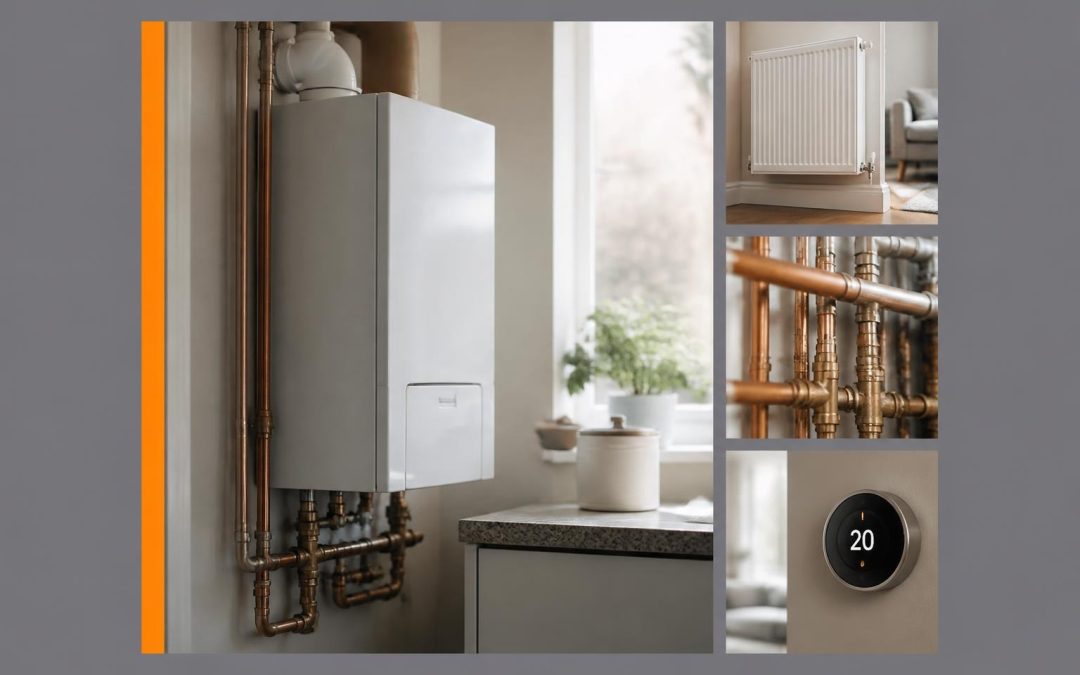
A reliable heating boiler forms the heart of any comfortable home, particularly in the North East of England where cold winters demand dependable warmth. Understanding how these systems work, which type suits your property, and how to maintain them properly can save you thousands of pounds over the lifespan of your heating system. Whether you're considering a new installation, upgrading an existing unit, or simply looking to improve efficiency, making informed decisions about your heating boiler requires knowledge of current technologies, energy standards, and long-term value considerations.
Understanding Heating Boiler Fundamentals
A heating boiler operates by heating water and distributing that warmth throughout your property via radiators, underfloor heating, or both. Unlike furnaces that heat air directly, boilers create a more consistent and comfortable heat distribution, making them the preferred choice for most UK properties.
The basic principle involves burning fuel (gas, oil, or biomass) to heat water, which then circulates through your heating system before returning to be reheated. Modern systems incorporate sophisticated controls that optimise this process for maximum efficiency and minimal waste.
Key Components and Operation
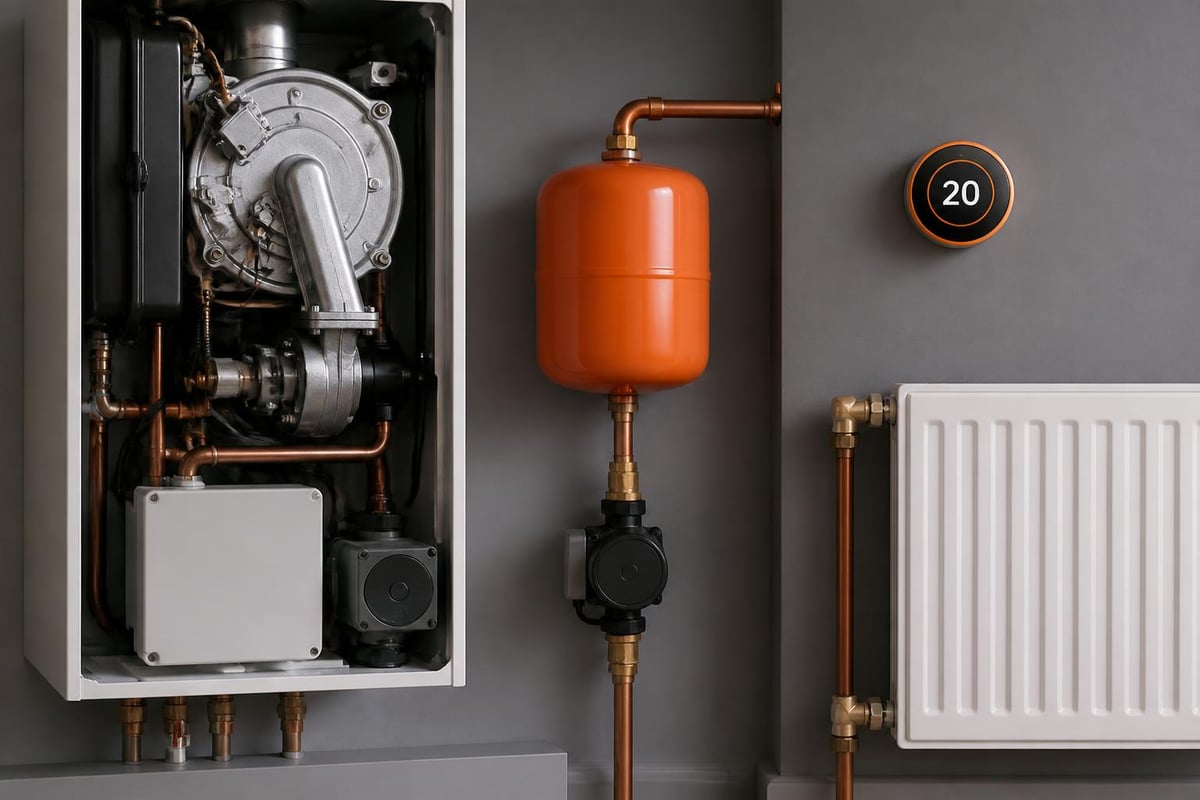
Every heating boiler system comprises several essential elements working in harmony:
- Heat exchanger: Transfers heat from burning fuel to water
- Circulating pump: Moves heated water through the system
- Expansion vessel: Accommodates water volume changes as it heats
- Controls and thermostat: Regulate temperature and timing
- Flue: Safely removes combustion gases
The U.S. Department of Energy outlines residential boiler fundamentals that apply universally to heating systems, emphasising the importance of proper sizing and efficiency ratings when selecting a new unit.
Types of Heating Boilers Available in 2026
Selecting the right heating boiler for your property depends on various factors including available space, existing infrastructure, and hot water demands. Each type offers distinct advantages suited to different household requirements.
Combi Boilers
Combination boilers provide both central heating and instant hot water without requiring a separate storage cylinder. These compact units have become increasingly popular in modern homes due to their space-saving design and on-demand water heating capabilities.
Advantages of combi systems:
- No hot water storage tank required
- Instant hot water at mains pressure
- Ideal for smaller properties
- Lower installation costs
- Quick heat-up times
However, combi boilers may struggle to supply multiple hot water outlets simultaneously, making them less suitable for larger households with high simultaneous water demand.
System Boilers
System boilers work with a separate hot water cylinder but incorporate most heating components within the unit itself. This configuration suits larger properties where multiple bathrooms require hot water simultaneously.
| Feature | Combi Boiler | System Boiler | Conventional Boiler |
|---|---|---|---|
| Hot Water Storage | No | Yes | Yes |
| Space Required | Minimal | Moderate | Substantial |
| Installation Cost | Lower | Moderate | Higher |
| Multiple Outlets | Limited | Excellent | Excellent |
| Best For | 1-2 bed properties | 3-4 bed properties | Large homes |
Conventional Boilers
Also known as regular or heat-only boilers, these systems require both a cold water storage tank (typically in the loft) and a hot water cylinder. Whilst they occupy more space, conventional boilers excel in properties with traditional heating systems or where water pressure is low.
Our boiler installation services cater to all three types, ensuring you receive the most appropriate system for your specific property requirements and usage patterns.
Energy Efficiency and Running Costs
Modern heating boiler technology has advanced considerably, with condensing boilers now achieving efficiency ratings exceeding 90%. Understanding efficiency ratings helps you make cost-effective choices that reduce both environmental impact and monthly bills.
Boiler Efficiency Ratings Explained
The ErP (Energy-related Products) directive requires all new boilers to display an energy efficiency label similar to those on household appliances. These ratings range from A+++ (most efficient) to G (least efficient).
Key efficiency considerations:
- Condensing technology: Recovers heat from waste gases
- Modulating burners: Adjust output to match demand precisely
- Advanced controls: Weather compensation and smart integration
- Insulation quality: Reduces heat loss from the unit itself
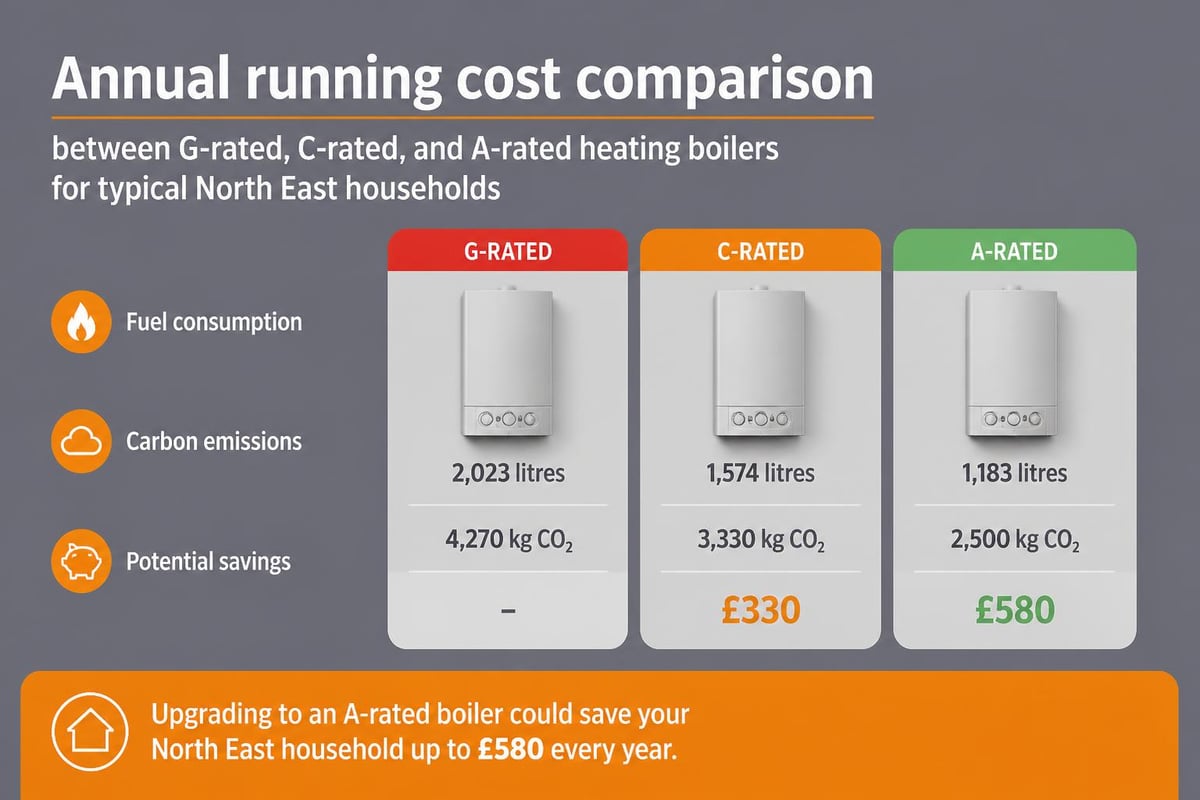
A typical household in the North East can save between £300 and £500 annually by upgrading from a G-rated heating boiler to an A-rated model. The ENERGY STAR programme provides detailed guidance on selecting high-efficiency models that deliver optimal performance.
Smart Controls and Automation
Modern heating boiler systems integrate seamlessly with smart home technology, allowing precise control over heating schedules and temperatures from your smartphone. These systems learn your routines and adjust automatically, maximising comfort whilst minimising waste.
Advanced monitoring capabilities can detect performance issues early, potentially preventing costly breakdowns. Some systems even order service appointments automatically when maintenance becomes due.
Installation Considerations and Requirements
Professional installation remains critical for safety, efficiency, and warranty validity. A poorly installed heating boiler can compromise performance, increase running costs, and potentially create dangerous situations.
Pre-Installation Assessment
Before any installation proceeds, qualified engineers should conduct a thorough assessment covering:
- Heat loss calculations for accurate sizing
- Existing pipework and radiator compatibility
- Flue positioning and ventilation requirements
- Gas supply capacity (for gas boilers)
- Water pressure and flow rates
- Customer hot water usage patterns
Proper sizing prevents common problems:
- Oversized boilers cycle frequently, reducing efficiency
- Undersized units struggle to maintain comfort
- Incorrect water pressure affects performance
- Poor flue design creates safety hazards
The Consumer Reports boiler buying guide emphasises the importance of professional sizing calculations rather than simply replacing like-for-like.
Installation Timeframes and Disruption
Most straightforward heating boiler replacements complete within one day when replacing an existing unit in the same location. However, system changes or first-time installations may require several days.
Our heating services team coordinates installations to minimise disruption, ensuring you're never left without heating during cold weather. We also offer 0% interest payment plans to spread installation costs into manageable monthly instalments.
Maintenance and Longevity
Regular maintenance extends your heating boiler's lifespan and maintains efficiency throughout its operational life. Most manufacturers require annual servicing to maintain warranty coverage, making professional maintenance both prudent and necessary.
Annual Service Requirements
A comprehensive annual service should include:
- Combustion analysis and efficiency testing
- Heat exchanger inspection and cleaning
- Flue integrity verification
- Safety device testing
- Control system calibration
- Pressure and leak checks
- Component wear assessment
Neglecting maintenance can reduce efficiency by 15-20% annually, whilst also increasing breakdown risk during peak heating season when you need reliability most.
Common Issues and Prevention
Typical heating boiler problems include:
- Pressure loss: Often caused by small leaks or bleeding radiators
- No heating or hot water: Usually thermostat, valve, or pump issues
- Strange noises: Kettling indicates limescale buildup
- Pilot light problems: Thermocouple or gas supply issues
- Frozen condensate pipe: Common during severe winter weather
Many issues prove preventable through regular maintenance and prompt attention to minor problems before they escalate. Modern diagnostic tools allow technicians to identify developing faults before they cause complete failures.
| Maintenance Task | Frequency | Professional Required |
|---|---|---|
| Full service | Annually | Yes |
| Pressure check | Monthly | No |
| Visual inspection | Monthly | No |
| Radiator bleeding | As needed | No |
| System flush | Every 5-10 years | Yes |
| Safety device testing | Annually | Yes |
Alternative Fuel Options
Whilst natural gas remains the most common fuel for heating boilers across the UK, alternative options suit properties without mains gas connection or those seeking renewable solutions.
Oil Boilers
Oil-fired heating boilers serve rural properties where gas supply isn't available. Modern condensing oil boilers achieve similar efficiency levels to gas equivalents, though fuel costs typically run higher.
Storage requirements for oil tanks demand adequate outdoor space and regular fuel deliveries. However, bulk purchasing during summer months when prices traditionally dip can reduce annual costs.
Biomass Boilers
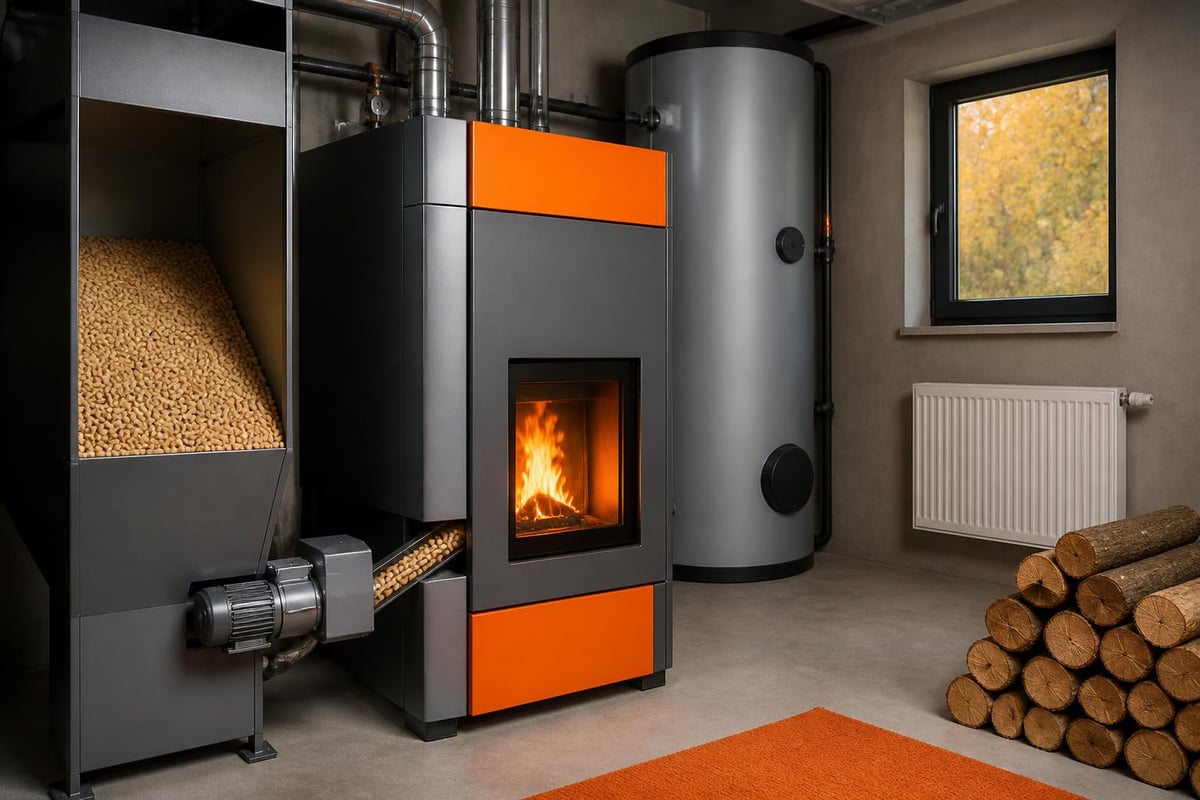
Biomass systems burn wood pellets, chips, or logs to provide heating and hot water. These renewable heating boilers qualify for government incentives and dramatically reduce carbon footprints compared to fossil fuels.
Our biomass services include consultation, installation, and ongoing maintenance for these increasingly popular systems. Whilst initial investment exceeds conventional options, renewable heat incentive payments and lower fuel costs deliver long-term savings.
The EPA’s guidance on hydronic heaters addresses environmental considerations and efficiency standards for biomass heating systems, helping homeowners understand the broader implications of fuel choice.
Hydrogen-Ready Technology
Looking ahead, hydrogen-ready boilers represent an emerging technology preparing for potential future fuel transitions. These units operate on natural gas today but can convert to hydrogen with minimal modifications when infrastructure becomes available.
Financial Considerations and Support
Investment in a new heating boiler represents a significant expense, typically ranging from £2,000 to £5,000 depending on system type and installation complexity. However, various support mechanisms make this investment more accessible.
Government Schemes and Grants
The Boiler Upgrade Scheme provides grants up to £7,500 for eligible low-carbon heating systems, including biomass boilers and heat pumps. These incentives aim to accelerate the transition away from fossil fuels whilst making sustainable heating more affordable.
Financing options include:
- 0% interest payment plans spreading costs over manageable periods
- Energy company obligation funding for qualifying households
- Local authority grants for fuel poverty initiatives
- Manufacturer cashback promotions
When evaluating total cost of ownership, consider not only purchase and installation expenses but also projected running costs over the unit's expected 15-20 year lifespan. A heating boiler with higher upfront costs but superior efficiency often proves more economical long-term.
Return on Investment Calculations
Calculating payback periods helps justify investment in premium efficiency models. A household spending £1,200 annually on heating could save £360 yearly with an A-rated condensing boiler versus an older G-rated model.
This £360 annual saving means a £3,000 installation investment recovers within approximately 8-9 years, with subsequent years delivering pure savings. Factor in potential fuel price increases, and the case for efficient modern systems strengthens further.
Choosing the Right Installer
Professional qualifications and experience separate competent installers from those who may compromise safety or performance. All gas work in the UK legally requires Gas Safe registration, whilst oil installers need OFTEC certification.
Essential Installer Qualifications
Verify your chosen installer holds appropriate certifications:
- Gas Safe Register: Mandatory for all gas work
- OFTEC registration: Required for oil boiler installations
- HETAS approval: Necessary for biomass systems
- Manufacturer accreditation: Often required for extended warranties
- Public liability insurance: Protects against installation damage
Since 1983, our team has maintained all necessary certifications whilst accumulating decades of practical experience across all heating boiler types. This combination ensures installations meet both regulatory requirements and manufacturer specifications.
Questions to Ask Potential Installers
Before committing to any installation, obtain detailed quotations from multiple qualified installers. Ensure quotes include:
- Full system specifications and model numbers
- Installation scope including any necessary upgrades
- Warranty coverage for parts and labour
- Expected completion timeline
- Payment terms and schedules
- Service agreement options
Exceptionally low quotes often indicate corner-cutting or hidden costs that emerge during installation. Conversely, premium pricing should reflect superior service, extended warranties, or additional value rather than merely inflated profit margins.
Radiator Compatibility and System Balance
Your heating boiler's performance depends significantly on the radiators and distribution system it serves. Upgrading to a modern efficient boiler without addressing undersized or inefficient radiators wastes potential savings.
Heat Output Requirements
Each room requires specific heat output to maintain comfortable temperatures. Professional heat loss calculations determine required radiator sizes based on room dimensions, insulation levels, window areas, and desired temperatures.
Modern heating boilers with weather compensation controls adjust output based on outdoor temperatures, maintaining indoor comfort whilst minimising fuel consumption. However, this sophisticated control requires properly sized radiators throughout your property.
Our radiator installation services ensure your entire heating system works cohesively, maximising the efficiency benefits your new heating boiler offers. Mismatched components compromise system performance regardless of boiler quality.
System Flushing and Treatment
Before installing a new heating boiler, flushing the existing system removes accumulated sludge, rust, and debris that would otherwise reduce efficiency and potentially damage the new unit. Power flushing uses specialised equipment to clean pipework and radiators thoroughly.
Following flushing, chemical inhibitors protect against future corrosion and limescale formation. This preventative treatment extends component lifespan and maintains peak efficiency throughout your heating boiler's operational life.
Safety Regulations and Compliance
Heating boiler safety encompasses multiple regulatory frameworks designed to protect occupants from carbon monoxide poisoning, gas leaks, and other hazards. Compliance isn't optional; it's both legally mandated and essential for household safety.
Carbon Monoxide Protection
Carbon monoxide detectors provide crucial early warning of incomplete combustion or flue problems. Building regulations now require CO alarms in rooms containing fuel-burning appliances, with interconnected alarms recommended throughout properties.
Annual servicing includes combustion analysis verifying complete burning and safe flue operation. Any detected issues require immediate rectification before continued operation.
Landlord Responsibilities
Landlords face specific legal obligations regarding heating boiler safety:
- Annual Gas Safe inspections for all gas appliances
- Carbon monoxide alarms in relevant rooms
- Prompt repairs when tenants report faults
- Maintenance records retained for minimum two years
- Tenant provision of current safety certificates
Failure to meet these obligations can result in substantial fines, prosecution, and invalidated insurance coverage. Our commercial services include landlord safety certification programmes ensuring full compliance whilst minimising administrative burden.
The Texas Department of Licensing and Regulation’s boiler safety guidance covers inspection protocols and safety standards that reflect universal principles applicable beyond commercial installations.
Selecting and maintaining the right heating boiler ensures reliable warmth, controlled costs, and peace of mind throughout cold North East winters. Understanding your options, prioritising professional installation, and committing to regular maintenance protects your investment whilst keeping your family comfortable year-round. Whether you're considering a new installation, system upgrade, or simply need expert maintenance, the experienced team at NU Heat North East Ltd has provided trusted heating solutions since 1983, with flexible 0% finance options making quality heating accessible to all homeowners across the region.