
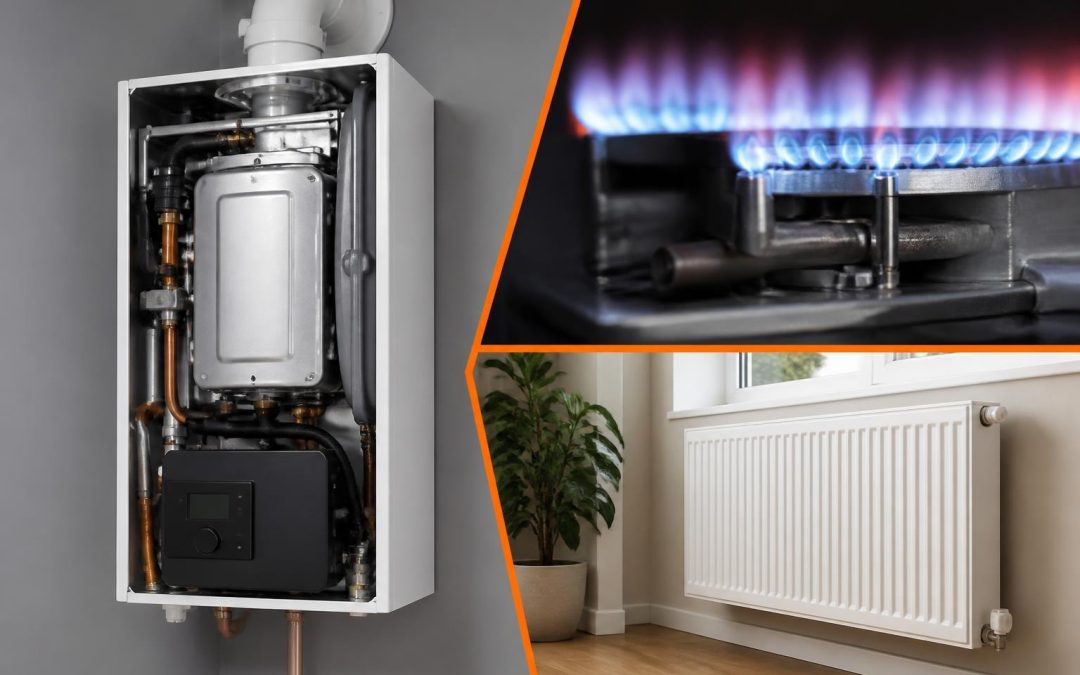
Choosing the right heating system for your home represents one of the most significant investments you'll make as a property owner. A gas boiler remains the most popular choice for heating homes across the United Kingdom, providing reliable warmth and hot water throughout the year. Understanding the different types, efficiency ratings, installation considerations, and maintenance requirements can help you make an informed decision that balances comfort, running costs, and environmental impact. Whether you're replacing an existing system or installing heating in a new property, knowing what to expect from modern gas boiler technology ensures you select the right solution for your household needs.
Understanding Gas Boiler Types and How They Work
Modern gas boiler systems come in several distinct configurations, each designed to meet different household requirements and property layouts. The fundamental principle behind every gas boiler involves burning natural gas to heat water, which then circulates through radiators or underfloor heating systems to warm your home.
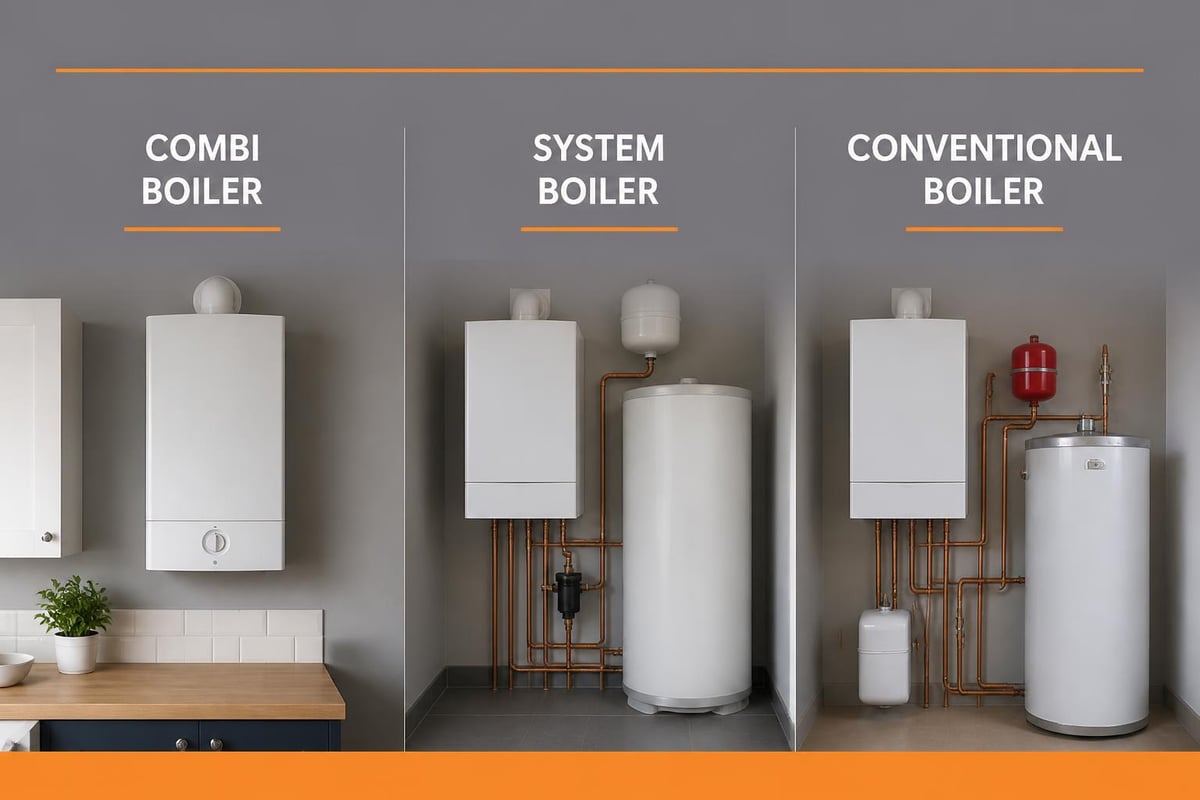
Combi boilers provide both heating and hot water on demand without requiring a separate storage tank. These compact units heat water directly from the mains supply when you turn on a tap or shower, making them ideal for smaller properties with limited storage space. Because they eliminate the need for hot water cylinders and cold water tanks, combi boilers offer significant space savings whilst delivering instant hot water whenever you need it.
System boilers work alongside a sealed hot water cylinder but don't require a cold water tank in the loft. These systems store hot water in a cylinder, meaning multiple taps can run simultaneously without affecting water pressure or temperature. System boilers suit larger households with greater hot water demands and properties where several bathrooms operate concurrently.
Conventional boilers, sometimes called regular or heat-only boilers, require both a cold water storage tank and a hot water cylinder. Whilst these take up more space than other options, they excel in properties with traditional heating systems or where water pressure from the mains is insufficient for other boiler types.
The combustion process in gas boilers converts natural gas into heat energy through controlled burning. Modern condensing technology captures additional heat from exhaust gases that older non-condensing models simply expelled through the flue, significantly improving efficiency ratings.
Efficiency Ratings and Energy Performance
Energy efficiency directly impacts your heating bills and environmental footprint. All new gas boiler installations in the UK must achieve a minimum efficiency rating, with most modern condensing models reaching 90% or higher efficiency levels.
SEDBUK and ErP Ratings Explained
The Seasonal Efficiency of Domestic Boilers in the UK (SEDBUK) rating system measures how efficiently boilers convert fuel into heat throughout an entire year. The Energy-related Products (ErP) directive provides another efficiency measurement, categorising boilers from A+++ (most efficient) to G (least efficient).
| Rating | Efficiency Range | Annual Savings Potential |
|---|---|---|
| A-rated | 90% and above | Up to £340 per year |
| B-rated | 86-90% | Up to £280 per year |
| C-rated | 82-86% | Up to £200 per year |
| D-rated | 78-82% | Minimal savings |
Condensing technology represents the key advancement in modern gas boiler efficiency. These systems cool exhaust gases to the point where water vapour condenses, releasing latent heat that pre-warms incoming cold water. This process recovers energy that older boilers waste, explaining why ENERGY STAR certified boilers achieve such impressive efficiency ratings.
Factors Affecting Real-World Performance
Several variables influence how efficiently your gas boiler operates in practice. Correct sizing ensures the system matches your property's heating requirements without excessive cycling or insufficient output. Oversized boilers waste energy through frequent on-off cycles, whilst undersized units struggle to maintain comfortable temperatures during cold weather.
Proper installation and regular servicing maintain peak efficiency throughout the boiler's lifespan. Even the most advanced condensing gas boiler will underperform if installed incorrectly or poorly maintained. Annual servicing identifies developing issues before they compromise efficiency or lead to costly breakdowns.
Modern controls and programmable thermostats maximise efficiency by heating your home only when necessary. Smart thermostats learn your routines and adjust heating schedules automatically, whilst room thermostats prevent overheating and unnecessary gas consumption.
Installation Considerations and Costs
Installing a new gas boiler involves several important decisions that affect both immediate costs and long-term performance. Understanding these factors helps you budget appropriately and avoid unexpected complications.
Professional Assessment and System Design
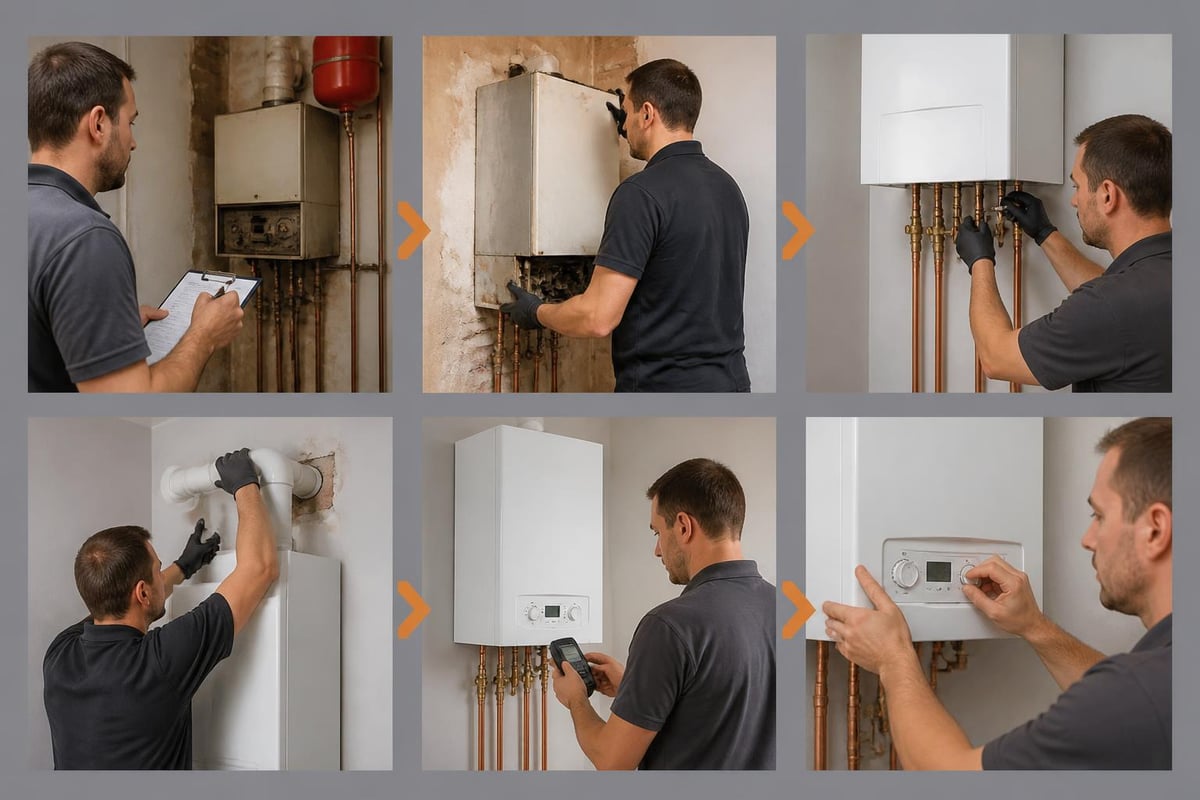
Before installation begins, qualified heating engineers assess your property's specific requirements. This evaluation considers the number of radiators, property size, insulation quality, number of bathrooms, and existing pipework condition. Accurate assessment ensures the selected gas boiler delivers sufficient heating capacity without wasteful oversizing.
Key installation factors include:
- Current heating system type and condition
- Available installation locations and flue routing options
- Water pressure from mains supply
- Gas supply capacity and meter location
- Building regulations compliance requirements
- Condensate drainage solutions
The physical location affects installation complexity and cost. Replacing a gas boiler in the same position as an existing unit typically costs less than relocating to a different room, which requires new gas pipework, flue installation, and potentially upgraded electrical supplies.
Modern condensing boilers produce acidic condensate that requires proper drainage. Installation must include either a connection to existing waste pipes or an external condensate pump and neutralisation kit where gravity drainage isn't feasible.
Budget Planning and Financing Options
Gas boiler installation costs vary considerably based on system type, property characteristics, and installation complexity. Understanding the complete investment helps avoid budget surprises.
| Installation Type | Typical Cost Range | Installation Duration |
|---|---|---|
| Like-for-like combi replacement | £1,800 – £2,500 | 1 day |
| System boiler with cylinder | £2,500 – £4,000 | 1-2 days |
| Complete system conversion | £3,500 – £6,000 | 2-3 days |
| Complex relocations | £5,000+ | 3+ days |
Additional costs may include radiator upgrades, pipework modifications, smart thermostat installation, and chemical system flushing. When replacing an older gas boiler, system flushing removes accumulated sludge and debris that would otherwise compromise the new boiler's efficiency and lifespan.
Many heating companies now offer flexible financing arrangements that spread installation costs into manageable monthly payments. These options make upgrading to an efficient modern gas boiler more accessible without requiring substantial upfront capital.
Maintenance and Servicing Requirements
Regular maintenance extends your gas boiler's operational life, maintains efficiency, and ensures safe operation. Neglecting servicing leads to declining performance, higher energy bills, and potentially dangerous situations.
Annual Servicing Essentials
Professional annual servicing represents the minimum maintenance requirement for any gas boiler installation. Gas Safe registered engineers perform comprehensive inspections covering all critical components and safety systems.
Annual service typically includes:
- Visual inspection of boiler and controls
- Flue gas analysis to verify complete combustion
- Combustion chamber and heat exchanger examination
- Safety device testing and calibration
- Gas pressure verification and leak detection
- Component cleaning and lubrication
- System pressure checks and adjustments
Manufacturers often require annual servicing to maintain warranty coverage. Missing scheduled services may void your warranty, leaving you responsible for expensive repair costs that warranty protection would otherwise cover.
Inspection protocols for gas-fired boilers highlight the importance of systematic examination, ensuring no safety concerns go undetected. Carbon monoxide leaks represent the most serious risk, making professional inspection essential rather than optional.
Recognising Warning Signs
Between annual services, homeowners should remain alert to symptoms indicating potential problems. Early detection prevents minor issues escalating into major failures requiring expensive emergency repairs.
Strange noises like banging, whistling, or gurgling often indicate problems ranging from kettling (limescale buildup) to airlocks or faulty pumps. A gas boiler running continuously without achieving target temperatures suggests efficiency loss through component wear or control failures.
Pressure fluctuations, particularly frequent drops requiring manual top-ups, point to leaks within the sealed system. Whilst small pressure variations are normal, persistent problems warrant professional investigation. Visible water leaks around the gas boiler demand immediate attention to prevent water damage and identify corroding components.
Choosing the Right Gas Boiler for Your Property
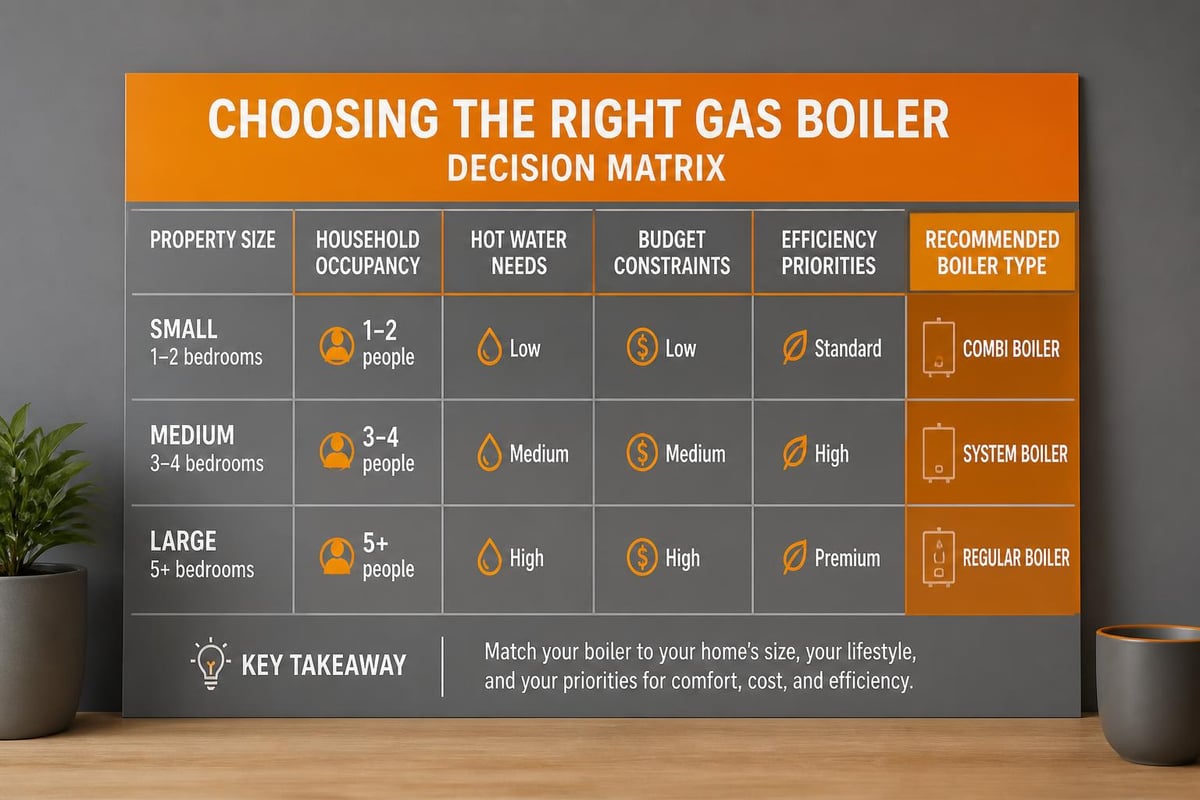
Selecting an appropriate gas boiler involves balancing multiple factors including household size, hot water usage patterns, available space, and budget constraints. Making the right choice ensures comfortable heating without excessive running costs or installation complications.
Matching Capacity to Demand
Boiler output capacity, measured in kilowatts (kW), must align with your property's heating requirements. Undersized units struggle during cold weather, whilst oversized models waste energy through inefficient cycling.
Typical sizing guidelines:
- Small flat or house (1-2 bedrooms): 24-28 kW combi
- Medium property (3-4 bedrooms): 28-35 kW combi or 12-18 kW system boiler
- Large home (4+ bedrooms): 35-42 kW combi or 18-30 kW system boiler
- Multiple bathrooms: System boiler with adequately sized cylinder
Hot water requirements significantly influence system selection. Households with multiple bathrooms benefit from system boilers that store heated water, ensuring simultaneous shower usage without temperature or pressure drops. Single bathroom properties often find combi boilers more economical and space-efficient.
The purchasing guidance for energy-efficient residential gas boilers emphasises considering total lifetime costs rather than just initial purchase price. Higher-efficiency models cost more upfront but deliver substantial savings through reduced fuel consumption over their 10-15 year lifespan.
Brand Reputation and Warranty Coverage
Established manufacturers typically offer superior build quality, comprehensive warranties, and readily available spare parts. Researching brand reliability through professional reviews and customer feedback helps avoid problematic models.
Warranty terms vary significantly between manufacturers and models. Premium gas boiler brands often provide 7-10 year guarantees, whilst budget options may offer only 2-3 years coverage. Extended warranties provide peace of mind but require annual servicing by qualified engineers to remain valid.
Parts availability affects long-term ownership costs and convenience. Popular brands maintain extensive parts networks, enabling quick repairs when components fail. Obscure manufacturers may require extended waits for replacement parts, leaving you without heating during critical winter months.
Smart Controls and System Integration
Modern gas boiler installations increasingly incorporate intelligent controls that optimise comfort whilst minimising energy consumption. These technologies represent worthwhile investments that enhance system performance and reduce running costs.
Smart thermostats learn household routines and adjust heating schedules automatically. Geolocation features detect when occupants leave home, reducing heating output to save energy, then warming the property before residents return. Remote access via smartphone apps enables heating adjustment from anywhere, preventing energy waste when plans change unexpectedly.
Weather compensation adjusts boiler output based on outdoor temperatures. On milder days, the system reduces heating intensity, maintaining comfort whilst consuming less gas. This technology prevents overshooting target temperatures and reduces the cycling frequency that wastes energy.
Zone controls divide properties into separately heated areas, preventing energy waste in unused rooms. Thermostatic radiator valves (TRVs) provide room-by-room temperature control, whilst more sophisticated systems offer timed zoning that heats different areas according to occupancy patterns.
Integration with underfloor heating components requires careful system design to accommodate different operating temperatures. Gas boilers serving underfloor heating typically run at lower flow temperatures than radiator systems, necessitating mixing valves or dedicated low-temperature circuits.
Regulatory Compliance and Safety Standards
Gas boiler installation and maintenance operate under strict regulatory frameworks designed to protect occupant safety and ensure environmental standards. Understanding these requirements helps homeowners make informed decisions and verify proper professional practice.
Building Regulations and Notifications
All gas boiler installations must comply with Building Regulations, specifically Part L (Conservation of Fuel and Power) and Part J (Combustion Appliances and Fuel Storage Systems). These regulations mandate minimum efficiency standards, proper ventilation, appropriate flue installation, and condensate drainage.
Local authority building control notification is required for most boiler installations. Installers registered with competent person schemes can self-certify work, providing homeowners with compliance certificates that satisfy building regulations without separate local authority inspection fees.
Gas Safe registration represents the legal requirement for anyone working on gas appliances. Only Gas Safe registered engineers may legally install, service, or repair gas boiler systems. Homeowners should always verify registration credentials before permitting any gas work.
Environmental Considerations
Modern condensing gas boilers produce significantly lower emissions than older non-condensing models. However, environmental concerns around fossil fuel combustion drive increasing interest in alternative heating technologies.
Carbon monoxide detectors provide essential safety protection in homes with gas appliances. These devices detect dangerous CO accumulation resulting from incomplete combustion or flue blockages, alerting occupants before concentrations reach harmful levels.
Annual flue gas analysis during servicing ensures complete combustion and verifies emissions remain within acceptable limits. The EPA guidance on area source boiler tune-ups demonstrates how proper maintenance reduces harmful emissions whilst improving efficiency.
Future-Proofing Your Heating Investment
The heating industry faces significant transformation as the UK pursues net-zero carbon targets. Understanding likely future changes helps ensure your gas boiler investment remains viable throughout its expected lifespan.
Government policy increasingly favours low-carbon heating alternatives including heat pumps and hydrogen-ready appliances. Whilst natural gas heating remains permitted in existing properties, new build restrictions and potential future phase-outs warrant consideration when planning heating system investments.
Hydrogen-ready boilers can operate on natural gas initially, then convert to hydrogen fuel when hydrogen distribution networks become available. This technology offers a potential transition pathway, though hydrogen heating infrastructure development timescales remain uncertain.
System design that accommodates future low-temperature heating technologies provides adaptation flexibility. Oversized radiators or underfloor heating installations can operate efficiently with lower flow temperatures, facilitating potential future conversion to heat pump technology without complete system replacement.
Considerations for long-term planning:
- Expected property ownership duration
- Local heat network development plans
- Building insulation and heat loss characteristics
- Available space for alternative heating technologies
- Budget for potential future system changes
Maximising insulation and reducing heat loss extends any heating system's viability whilst reducing running costs. Well-insulated properties require less heating capacity, making future transitions to alternative technologies more straightforward and economical.
Professional Installation Standards
Quality installation fundamentally determines gas boiler performance, efficiency, safety, and longevity. Recognising professional installation standards helps homeowners verify they receive appropriate service quality.
Code compliance requirements for gas-fired boilers establish minimum standards covering installation planning, execution, and verification. Professional installers follow systematic procedures ensuring every aspect meets or exceeds regulatory requirements.
Pre-installation surveys identify existing system issues that might compromise new boiler performance. Corroded pipework, inadequate gas supply, inappropriate flue locations, or insufficient electrical capacity require resolution before proceeding with installation.
Proper commissioning involves comprehensive testing of all safety devices, controls, and operating parameters. Engineers verify correct gas pressure, combustion efficiency, system pressure, and safety shutdown functions. Homeowners should receive detailed commissioning documentation confirming the installation meets manufacturer specifications.
Post-installation guidance ensures homeowners understand system operation, controls programming, pressure monitoring, and troubleshooting procedures. Quality installers provide clear instructions covering routine tasks like pressure adjustment and frost protection settings.
Understanding gas boiler types, efficiency standards, installation requirements, and maintenance needs empowers you to make informed heating decisions that balance comfort, cost, and environmental responsibility. Whether you need expert installation, regular servicing, or emergency repairs, NU Heat North East Ltd brings over forty years of heating expertise to homeowners across the North East of England. Our qualified engineers deliver professional service from initial consultation through installation and ongoing maintenance, with flexible 0% interest financing options making efficient heating systems accessible to every household.