
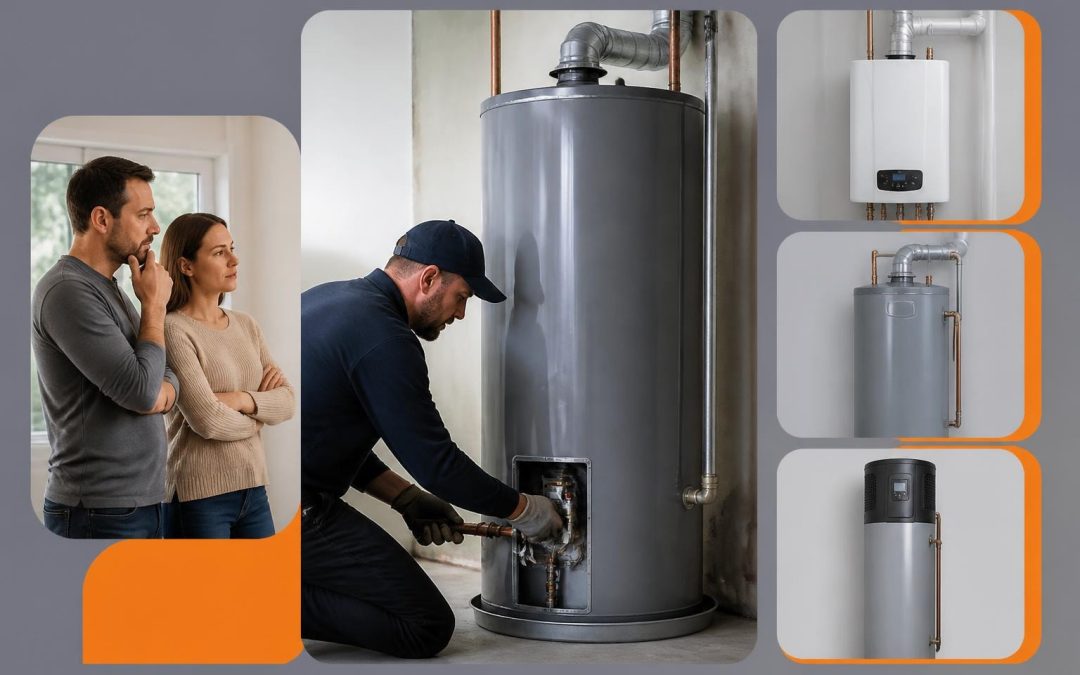
When your hot water supply becomes unreliable or your energy bills steadily climb, it's likely time to consider a hot water heater replacement. This essential household system impacts your daily comfort, from morning showers to washing dishes, and choosing the right replacement requires careful consideration of costs, efficiency ratings, and your household's specific needs. Understanding the replacement process helps you make informed decisions that balance upfront investment with long-term savings.
Understanding When Hot Water Heater Replacement Becomes Necessary
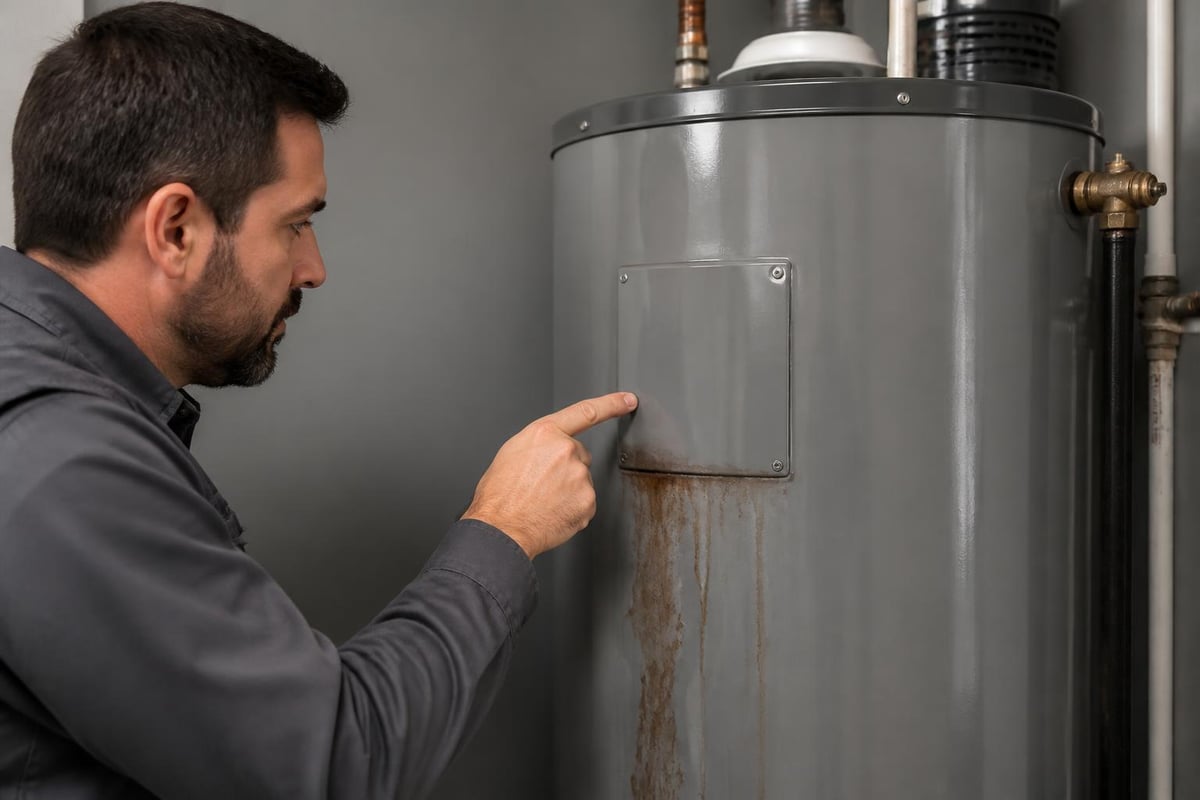
Recognising the warning signs of a failing water heater can prevent emergency breakdowns and water damage to your property. Most conventional tank systems last between 8 to 12 years, whilst tankless models can operate efficiently for up to 20 years with proper maintenance.
Common indicators that suggest replacement is needed include:
- Rusty or discoloured water flowing from hot taps
- Strange noises such as rumbling, popping, or banging from the tank
- Visible leaks or moisture accumulation around the base
- Inconsistent water temperature or insufficient hot water supply
- Age exceeding the manufacturer's recommended lifespan
The decision between repair and replacement often depends on the age of your existing unit. If your system is approaching or has exceeded its expected lifespan and requires significant repairs, investing in a new, energy-efficient model typically proves more economical. Understanding water heater costs helps you evaluate whether replacement makes financial sense compared to ongoing repairs.
The Financial Impact of Delayed Replacement
Postponing necessary hot water heater replacement can lead to substantial costs beyond the eventual replacement itself. An inefficient or failing unit consumes significantly more energy, adding unnecessary expenses to your monthly bills. Water damage from a catastrophic tank failure can cost thousands of pounds to remediate, affecting flooring, walls, and personal belongings.
Energy efficiency standards have improved dramatically over recent decades. Older units waste considerable energy maintaining water temperature, whilst modern systems incorporate advanced insulation and smart controls. The efficiency gains alone can offset replacement costs within several years through reduced utility bills.
Types of Water Heaters Available for Replacement
Selecting the appropriate water heater type significantly influences your comfort, energy consumption, and long-term costs. Each system offers distinct advantages suited to different household configurations and usage patterns.
Conventional Tank Water Heaters
Traditional storage tank systems remain the most common choice for hot water heater replacement in UK homes. These units maintain a reservoir of heated water, typically ranging from 120 to 300 litres, ready for immediate use throughout the day.
| Advantages | Disadvantages |
|---|---|
| Lower initial purchase cost | Higher operational costs |
| Straightforward installation process | Continuous energy consumption |
| Familiar technology for most technicians | Limited hot water capacity |
| Suitable for simultaneous usage | Requires significant space |
Tank water heaters work well for households with predictable usage patterns and adequate installation space. Modern tanks incorporate improved insulation and electronic controls that enhance efficiency compared to older models, though they cannot match the performance of tankless alternatives.
Tankless Water Heaters
Also known as on-demand systems, tankless units heat water only when needed, eliminating standby energy losses associated with storage tanks. These compact systems provide continuous hot water by rapidly heating water as it flows through the unit.
The comparison between tank and tankless water heater replacement costs reveals higher upfront investment for tankless systems, offset by substantial energy savings over time. Tankless units occupy minimal space, making them ideal for properties with limited installation areas.
Key benefits of tankless systems include:
- Unlimited hot water supply for extended usage
- Energy consumption only during active use
- Compact design suitable for wall mounting
- Extended lifespan of 15 to 20 years
- Reduced risk of catastrophic water damage
Heat Pump and Solar Water Heaters
Advanced technologies offer exceptional efficiency for environmentally conscious homeowners. Heat pump water heaters extract warmth from ambient air, using electricity to transfer rather than generate heat. Solar systems harness renewable energy, though they typically require backup heating for cloudy periods.
These alternatives command premium pricing but qualify for various incentive programmes that reduce net costs. The detailed breakdown of water heater replacement costs includes these high-efficiency options, demonstrating their long-term value proposition despite higher initial investment.
Hot Water Heater Replacement Costs in 2026
Financial planning for hot water heater replacement requires understanding both equipment and installation expenses. Prices vary considerably based on system type, capacity, fuel source, and installation complexity.
Equipment Costs by System Type
The unit itself represents a significant portion of total replacement costs, with prices influenced by technology, capacity, and brand reputation. Current water heater replacement cost averages provide helpful benchmarks for budgeting purposes.
| Water Heater Type | Equipment Cost Range | Installation Complexity |
|---|---|---|
| Electric tank (40-50 gallons) | £300 – £800 | Standard |
| Gas tank (40-50 gallons) | £400 – £1,200 | Moderate |
| Electric tankless | £500 – £1,500 | Moderate to complex |
| Gas tankless | £800 – £2,500 | Complex |
| Heat pump | £1,200 – £3,500 | Complex |
Capacity requirements scale with household size. A typical family of four requires approximately 50-gallon tank capacity or a tankless unit rated for simultaneous usage at multiple fixtures. Oversizing wastes energy and money, whilst undersizing leads to inadequate hot water supply.
Installation and Labour Expenses
Professional installation ensures safe operation and validates warranty coverage. Labour costs reflect the complexity of connecting water lines, fuel sources, venting systems, and electrical supplies whilst complying with building regulations.
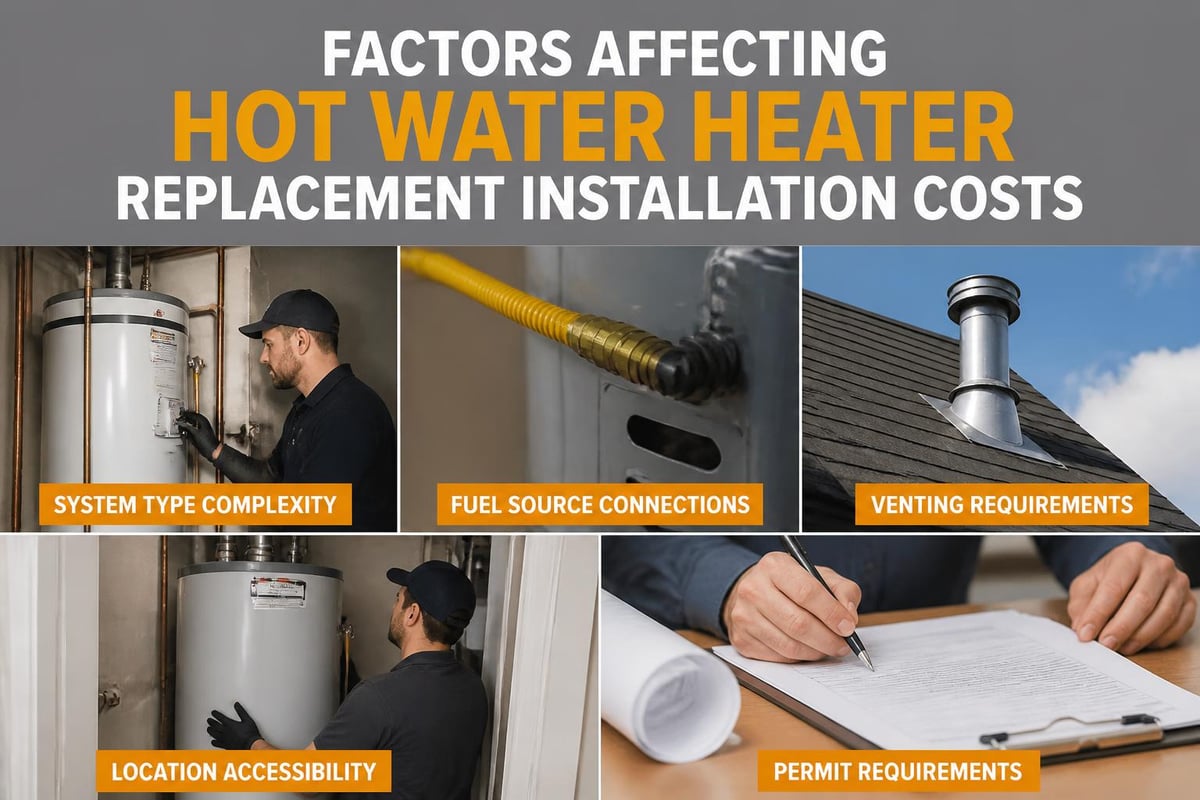
Standard hot water heater replacement with similar equipment and connections typically costs £300 to £600 for labour. Upgrading to a different system type, relocating the unit, or addressing code violations increases labour expenses substantially. Tankless installations often require electrical service upgrades and gas line modifications, potentially adding £500 to £1,500 to project costs.
Installation factors affecting total cost:
- Accessibility of installation location
- Necessary modifications to existing connections
- Venting requirements for combustion appliances
- Electrical upgrades for high-demand units
- Permit fees and inspection requirements
- Removal and disposal of old equipment
Many qualified heating professionals, such as those offering comprehensive plumbing and heating services, provide detailed quotes that itemise all costs, helping you understand exactly what you're paying for.
Selecting the Right Capacity and Fuel Type
Matching system capacity to household demand prevents the frustration of running out of hot water whilst avoiding unnecessary energy waste from oversized units. Fuel type selection balances availability, operating costs, and environmental considerations.
Determining Appropriate Capacity
Tank water heaters require capacity calculations based on peak simultaneous usage. The first-hour rating (FHR) indicates how many gallons the unit can deliver during peak demand, a more relevant metric than simple tank volume.
Calculate your household's peak hour demand by considering simultaneous activities. Morning routines often represent maximum usage, with multiple showers, dishwasher operation, and other hot water needs occurring concurrently. Add the gallon requirements for each simultaneous use to determine your FHR requirement.
Tankless systems are sized based on flow rate and temperature rise. Calculate the gallons per minute needed by identifying fixtures used simultaneously, then ensure the unit can achieve the desired temperature increase at that flow rate. Cold groundwater temperature significantly influences sizing, as greater temperature rise requires more heating capacity.
Fuel Source Considerations
Natural gas, electricity, and alternative fuels each offer distinct operational characteristics. Gas water heaters typically cost less to operate due to lower fuel costs, though equipment prices run higher. Electric units suit properties without gas service and offer simpler installation.
| Fuel Type | Operating Cost | Environmental Impact | Installation Requirements |
|---|---|---|---|
| Natural gas | Lower | Moderate emissions | Gas line, venting system |
| Electricity | Higher | Varies by source | Electrical service upgrade |
| Heat pump (electric) | Lowest | Minimal emissions | Adequate ambient temperature |
| Solar | Minimal | Zero emissions | Roof space, backup system |
The comprehensive analysis of replacement costs by fuel type helps compare long-term operational expenses alongside initial investment. Consider future fuel price trends and potential carbon pricing when making your decision.
Energy Efficiency and Environmental Considerations
Modern hot water heater replacement offers opportunities to significantly reduce energy consumption and environmental impact. Efficiency improvements benefit both your budget and broader sustainability goals.
Understanding Efficiency Ratings
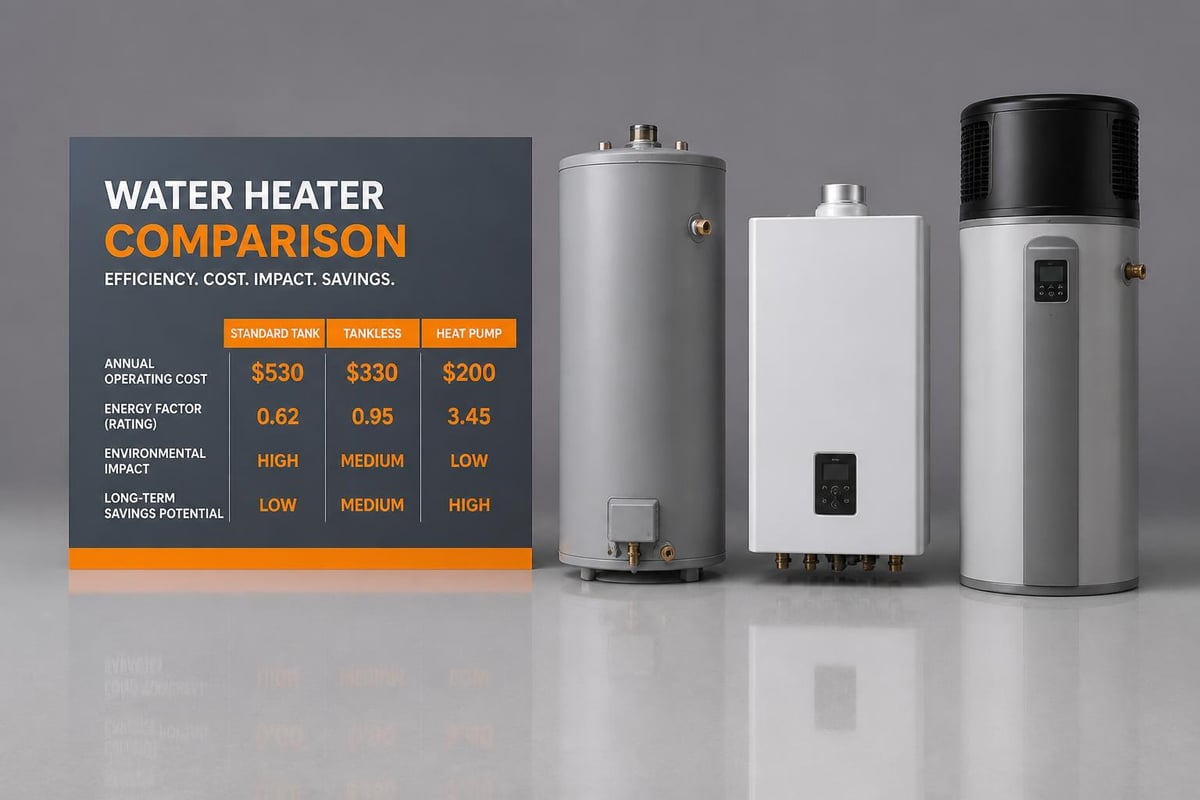
Water heater efficiency is measured through the Energy Factor (EF) rating, which represents the ratio of useful hot water output to total energy input. Higher EF ratings indicate more efficient operation and lower running costs.
Efficiency standards by system type:
- Conventional gas tanks: EF 0.58 to 0.68
- High-efficiency gas tanks: EF 0.67 to 0.80
- Electric tanks: EF 0.90 to 0.95
- Gas tankless: EF 0.82 to 0.98
- Electric tankless: EF 0.96 to 0.99
- Heat pump: EF 2.0 to 3.5
The difference between a 0.60 EF and 0.80 EF unit translates to substantial annual savings. A family using 250 litres of hot water daily could save £150 to £300 annually with the more efficient model. Over the system's lifespan, these savings far exceed any premium paid for higher efficiency.
Optimising Energy Consumption
Advanced water heaters incorporate intelligent features that minimise waste. Programmable timers reduce heating during low-demand periods, whilst vacation modes prevent unnecessary heating when properties are unoccupied. Research into energy-efficient control methods demonstrates how optimising heating schedules reduces consumption without sacrificing comfort.
Proper insulation of hot water pipes prevents heat loss during distribution. Adding pipe insulation costs relatively little but meaningfully reduces the energy required to deliver hot water to fixtures throughout your home. Tank water heaters benefit from insulating blankets, though modern units often incorporate sufficient insulation that additional wrapping provides minimal benefit.
The Hot Water Heater Replacement Process
Understanding what to expect during replacement helps you prepare your property and minimise disruption. Professional installation typically completes within a single day, though complex upgrades may require additional time.
Pre-Installation Preparation
Before technicians arrive, clear the area around your existing water heater to provide adequate workspace. Remove stored items, ensuring installers can safely manoeuvre equipment and tools. Identify and communicate any concerns about your existing system's performance to help technicians understand your specific requirements.
Verify that necessary permits have been obtained. Building regulations require approval for water heater installations, ensuring work meets safety standards. Reputable contractors handle permitting as part of their service, but confirm this during the quotation process.
Installation Day Procedures
Technicians begin by shutting off water and fuel supplies to the existing unit. They drain the old tank completely before disconnecting water lines, fuel connections, and venting systems. Removal of the old unit creates space for the new system whilst allowing assessment of connections and any needed modifications.
Standard installation sequence includes:
- Positioning the new water heater with proper clearances
- Connecting cold water supply and hot water distribution lines
- Establishing fuel connections (gas lines or electrical service)
- Installing or modifying venting systems for combustion units
- Filling the tank and checking all connections for leaks
- Testing operation and adjusting temperature settings
- Demonstrating controls and maintenance requirements
Quality installers verify proper operation before leaving, testing water temperature, checking for leaks, and ensuring safety features function correctly. They should explain basic maintenance procedures and answer questions about your new system's operation.
Post-Installation Considerations
Modern water heaters require minimal maintenance but benefit from periodic attention. Annual inspection of safety valves, checking for leaks, and flushing sediment from tank units extends lifespan and maintains efficiency. Many homeowners schedule water heater maintenance alongside their annual boiler servicing for comprehensive heating system care.
Register your new water heater with the manufacturer to activate warranty coverage. Retain all documentation, including installation records, permits, and warranty information. These materials prove valuable for future service needs and demonstrate proper installation should warranty claims become necessary.
Financing Your Hot Water Heater Replacement
The upfront cost of hot water heater replacement can strain household budgets, but various financing options make necessary upgrades accessible. Planning your financing approach ensures you can proceed with replacement without delay.
Payment Options and Programmes
Many heating contractors offer financing programmes that spread costs across manageable monthly payments. Interest-free financing periods allow you to benefit from a new, efficient system immediately whilst paying over time. Some homeowners qualify for 0% interest options, eliminating financing charges entirely when payments are completed within the promotional period.
Home improvement loans through banks or building societies provide another financing avenue. Personal loans offer fixed rates and terms, helping you budget predictable monthly payments. The energy savings from an efficient water heater can offset loan payments, making the upgrade cashflow neutral or even positive.
Available Incentives and Rebates
Government incentive programmes and utility rebates can significantly reduce the net cost of high-efficiency water heater installations. Heat pump and solar water heaters may qualify for renewable energy incentives that offset their premium pricing.
Research available programmes before finalising your hot water heater replacement decision. Detailed water heater replacement cost guides often include information about current incentive programmes. Claiming available rebates requires following specific procedures, often including pre-approval and using qualified equipment.
Choosing a Qualified Installation Professional
The quality of installation directly impacts your water heater's performance, safety, and longevity. Selecting experienced, properly certified technicians protects your investment and ensures compliance with regulations.
Essential Qualifications and Certifications
Water heater installation requires specialised knowledge of plumbing, heating systems, fuel connections, and building codes. Qualified technicians hold relevant certifications demonstrating their competence and ongoing professional development.
Look for professionals with:
- Gas Safe registration for gas appliance work
- Appropriate trade qualifications in plumbing and heating
- Liability insurance protecting against installation errors
- Established business history serving your area
- Positive customer reviews and references
Established businesses with decades of experience, such as those providing biomass services and comprehensive heating solutions, demonstrate proven capabilities across various system types. Their longevity indicates consistent quality and customer satisfaction.
Evaluating Quotes and Service Offerings
Request detailed, written quotations from multiple contractors before committing to hot water heater replacement. Compare not only total costs but also what each quote includes. Some contractors provide comprehensive packages covering permits, disposal, and extended warranties, whilst others price these separately.
Beware unusually low quotes that may indicate corners being cut or hidden costs emerging later. The accurate water heater replacement cost analysis based on actual contractor quotes helps you recognise fair pricing for your area and project scope.
Ask potential contractors about their experience with your chosen water heater type. Tankless installations require different expertise than conventional tanks, and you want technicians familiar with the specific system you're installing. Enquire about their typical installation timeline, warranty coverage they provide, and their availability for future service needs.
Maintaining Your New Water Heater
Proper maintenance extends your water heater's lifespan, maintains efficiency, and prevents premature failure. Simple procedures performed regularly keep your system operating optimally for years.
Routine Maintenance Tasks
Tank water heaters accumulate sediment over time as minerals in water settle at the bottom. This sediment reduces efficiency and can damage the tank. Flushing the tank annually removes accumulated deposits, maintaining heating efficiency and preventing premature tank failure.
Testing the temperature and pressure relief valve ensures this critical safety device functions properly. This valve prevents dangerous pressure buildup, and confirming it operates correctly protects both your property and household members. Simply lift the valve's test lever briefly to verify water flows freely, then ensure it reseats completely.
Recommended maintenance schedule:
- Monthly: Check for visible leaks or unusual noises
- Quarterly: Test temperature and pressure relief valve
- Annually: Flush tank to remove sediment buildup
- Annually: Inspect anode rod and replace if depleted
- Annually: Verify proper venting and combustion (gas units)
Professional Service and Inspections
While homeowners can perform basic maintenance, annual professional inspection identifies potential issues before they cause failures. Technicians possess specialised knowledge and tools to assess components not easily accessed by homeowners.
Professional servicing includes checking electrical connections, testing safety controls, measuring combustion efficiency on gas units, and evaluating overall system condition. These comprehensive inspections extend equipment life and maintain manufacturer warranty validity, many of which require documented regular maintenance.
Upgrading Alongside Other Home Improvements
Hot water heater replacement often coincides with broader home improvement projects. Coordinating upgrades maximises efficiency gains and can reduce overall project costs through combined labour.
Integrating with Heating System Upgrades
Homeowners replacing ageing boilers frequently address water heating simultaneously. Modern combination boilers provide both space heating and hot water, potentially eliminating the need for a separate water heater entirely. Alternatively, upgrading to high-efficiency separate systems for heating and water ensures optimal performance for each function.
Biomass heating systems can integrate with water heating, using renewable fuel sources to reduce both environmental impact and long-term energy costs. Exploring these options during hot water heater replacement planning reveals possibilities you might not have considered independently.
Bathroom and Plumbing Renovations
Bathroom renovations provide ideal timing for hot water heater replacement. Updated fixtures often have different flow characteristics and usage patterns than older equipment, and sizing your new water heater to match modernised bathrooms prevents capacity mismatches.
New high-flow shower systems and large soaking tubs increase hot water demand substantially. Ensuring your water heater can support these features prevents disappointment when your luxurious new bathroom lacks adequate hot water. Coordinating these projects also allows contractors to efficiently route new plumbing and make necessary adjustments during construction.
Hot water heater replacement represents a significant investment in your home's comfort and efficiency, with careful planning ensuring you select the system that best meets your needs whilst controlling costs. Since 1983, NU Heat North East Ltd has provided expert plumbing and heating services throughout the North East of England, installing and maintaining water heating systems with the professionalism and skill that comes from decades of experience. With 0% interest financing available on all work, you can spread the cost of your hot water heater replacement into affordable monthly payments, making it easier to upgrade to an efficient, reliable system today.