When your heating system starts making unusual noises or fails to warm your home efficiently, searching for "furnace servicing near me" becomes an immediate priority. Regular furnace maintenance isn't just about preventing breakdowns during the coldest months; it's about ensuring your family's safety, optimising energy efficiency, and extending the lifespan of your heating investment. Whether you're a homeowner in the North East of England or elsewhere in the UK, understanding what professional furnace servicing involves and how to choose the right provider can save you considerable money and stress in the long term.
Understanding Furnace Servicing Requirements
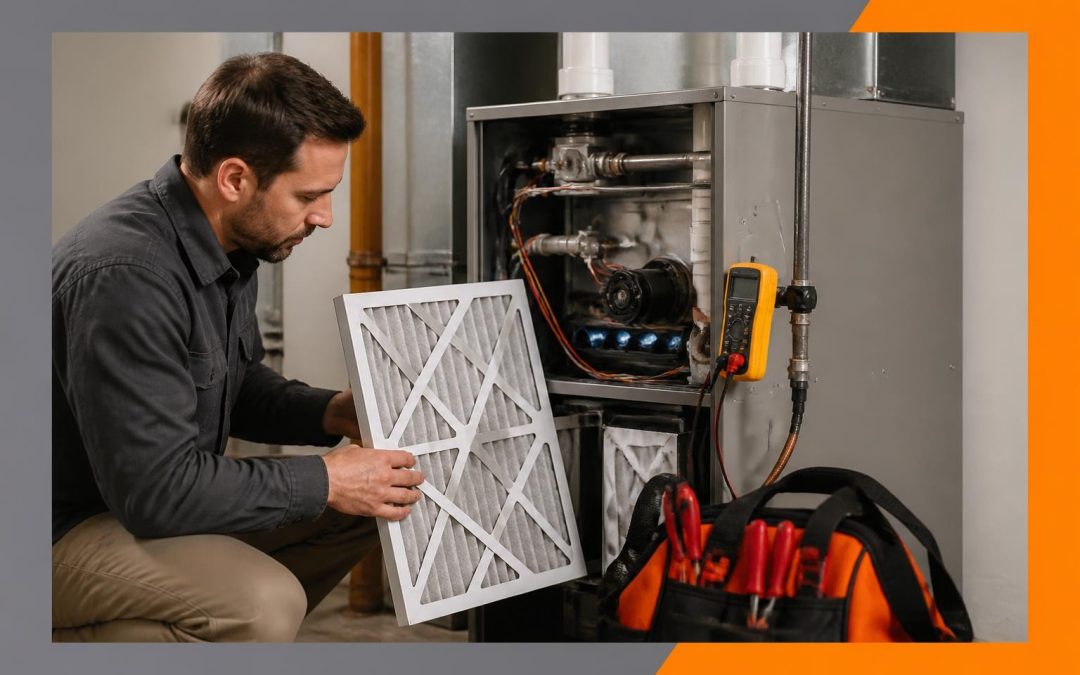
Furnace servicing encompasses a comprehensive range of diagnostic and maintenance procedures designed to keep your heating system operating at peak performance. Professional technicians inspect critical components, clean essential parts, test safety mechanisms, and identify potential issues before they escalate into costly repairs.
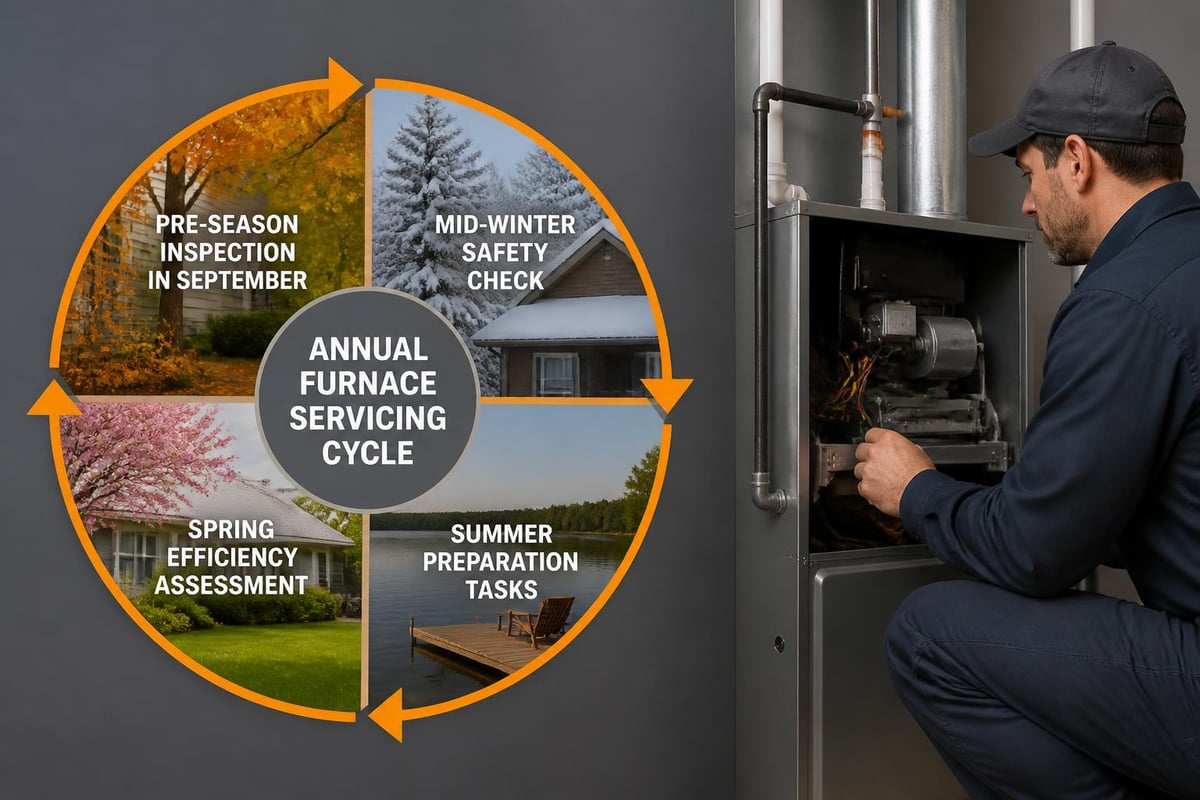
Most heating engineers recommend annual servicing, ideally scheduled before the heating season begins in autumn. This timing ensures your system is ready when temperatures drop and allows you to address any problems without the urgency of a mid-winter breakdown. Annual furnace maintenance not only improves reliability but can reduce energy consumption by up to 15%, according to industry research.
What Professional Furnace Servicing Includes
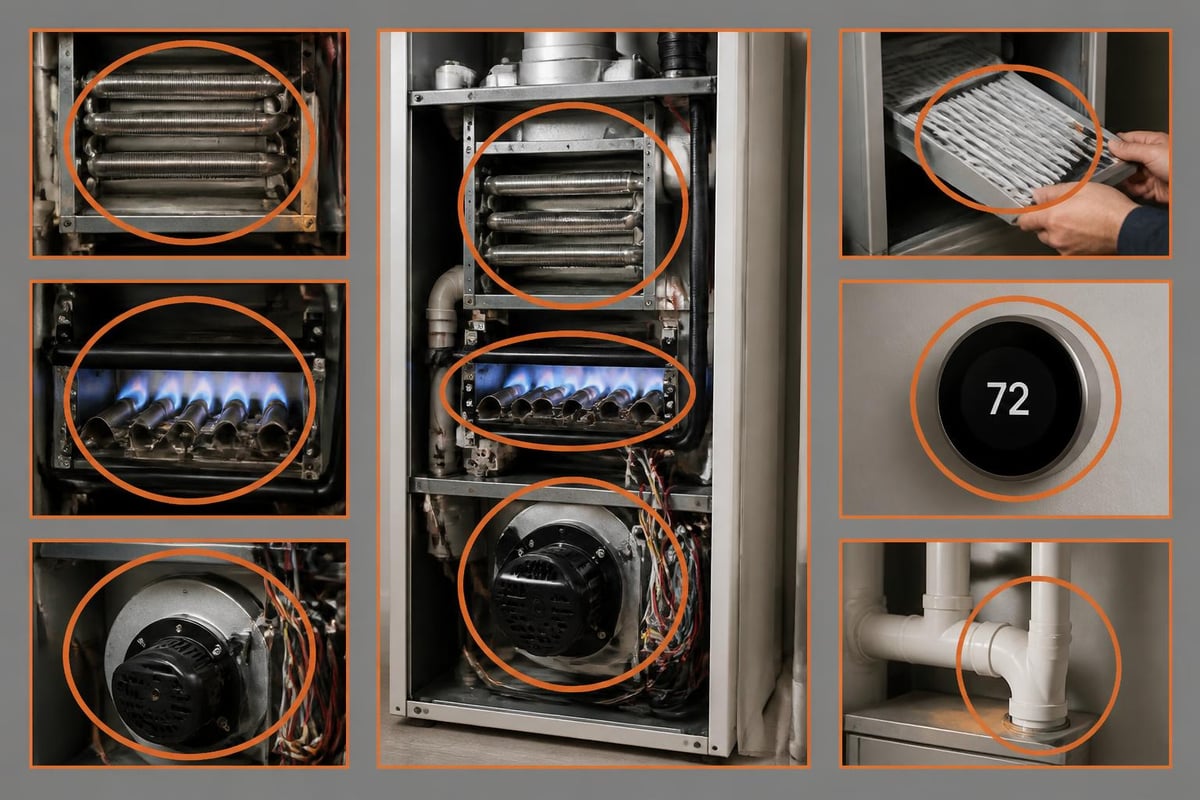
A thorough furnace service goes far beyond a simple inspection. Qualified heating technicians perform systematic checks across multiple systems:
- Filter replacement or cleaning to maintain proper airflow and indoor air quality
- Burner inspection and cleaning to ensure efficient combustion
- Heat exchanger examination to detect cracks or corrosion that could pose safety risks
- Blower motor lubrication to reduce wear and noise
- Thermostat calibration for accurate temperature control
- Gas pressure testing to verify safe and efficient operation
- Electrical connection tightening to prevent failures and hazards
- Condensate drain clearing to prevent water damage
When you search for furnace servicing near me, you should expect these comprehensive checks as standard. The furnace maintenance checklist provides homeowners with a detailed understanding of what professionals should examine during each visit.
Signs Your Furnace Needs Immediate Servicing
Recognising early warning signs prevents minor issues from becoming major emergencies. Your furnace communicates problems through various symptoms that shouldn't be ignored.
Strange noises represent one of the most common indicators. Banging, rattling, or squealing sounds often signal loose components, worn bearings, or airflow obstructions. Similarly, if your heating bills have increased substantially without changes to your usage patterns, your furnace is likely working inefficiently and requires professional attention.
| Warning Sign | Possible Cause | Urgency Level |
|---|---|---|
| Yellow pilot light | Carbon monoxide risk | Immediate |
| Frequent cycling | Thermostat or airflow issues | High |
| Uneven heating | Ductwork or circulation problems | Medium |
| Excessive dust | Filter saturation or duct leaks | Medium |
| Age over 15 years | General wear and efficiency loss | Plan replacement |
Poor air quality throughout your home often stems from furnace problems. Excessive dust, dry air, or stale odours indicate your system isn't filtering or circulating air properly. More seriously, if you detect gas odours or notice your pilot light burning yellow instead of blue, shut down your system immediately and contact emergency services, as these signs suggest dangerous carbon monoxide production.
The Cost of Delayed Maintenance
Postponing furnace servicing near me searches until problems become obvious typically costs homeowners significantly more than preventative maintenance. A neglected furnace operates less efficiently, increasing monthly energy bills by 20% or more. Component failures that could have been prevented with routine service often cascade, leading to complete system breakdowns requiring expensive emergency repairs.
Beyond financial considerations, safety risks escalate with delayed maintenance. Carbon monoxide leaks, fire hazards from cracked heat exchangers, and electrical failures pose genuine threats to your household. Regular furnace maintenance significantly reduces these risks whilst protecting your home insurance coverage, as many policies require proof of annual servicing.
Choosing the Right Furnace Service Provider
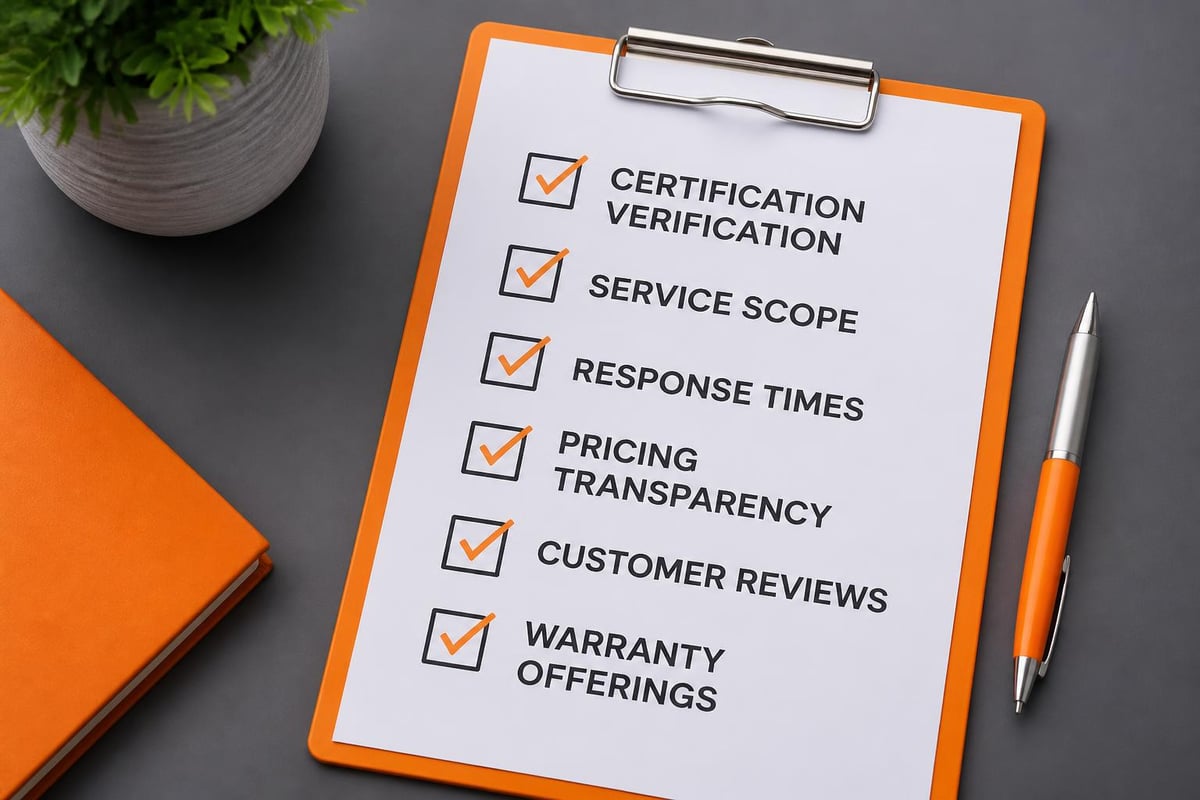
Selecting a qualified heating engineer requires more than picking the first result when searching furnace servicing near me. Several critical factors separate reputable professionals from underqualified operators.
Certifications and qualifications should top your checklist. In the UK, Gas Safe registration is mandatory for anyone working with gas furnaces. Additionally, look for technicians with manufacturer-specific training, particularly if your system is still under warranty, as unauthorised servicing can void coverage.
Questions to Ask Potential Service Providers
- How long has your company been serving the local area?
- Are your technicians Gas Safe registered and manufacturer-certified?
- What does your standard service package include?
- Do you offer emergency call-out services?
- What warranties or guarantees cover your work?
- Can you provide references from local customers?
Experience matters considerably in heating services. Companies established for decades, such as those operating since the 1980s, bring invaluable knowledge about various furnace types, common regional issues, and evolving technology. Local providers understand climate-specific challenges and can often respond more quickly than national chains.
Transparent pricing protects you from unexpected costs. Reputable providers offer clear estimates before commencing work and explain all charges thoroughly. Some companies now provide flexible payment options, including interest-free financing that allows homeowners to spread costs across affordable monthly instalments, making essential maintenance and repairs more accessible.
Furnace Maintenance Between Professional Services
Whilst annual professional servicing remains essential, homeowners can perform simple tasks that extend furnace life and maintain efficiency between scheduled appointments. These straightforward procedures require minimal tools and technical knowledge but deliver significant benefits.
Monthly filter checks represent the single most impactful homeowner maintenance task. Depending on your system type, usage patterns, and whether you have pets, filters may require replacement every one to three months. Proper filter maintenance ensures adequate airflow, reduces strain on the blower motor, and maintains indoor air quality.
- Turn off your furnace before accessing the filter
- Locate the filter compartment (typically near the return air duct)
- Remove and inspect the filter against a light source
- Replace if you cannot see light through the material
- Note the filter size and MERV rating for future purchases
- Ensure the new filter faces the correct direction (arrows indicate airflow)
Keep the area around your furnace clear of storage boxes, cleaning supplies, and other items. Your heating system requires adequate ventilation and clearance for safe operation and easy access during emergencies or servicing. Most manufacturers specify minimum clearances in installation manuals.
Seasonal Preparation Tasks
Beyond monthly filter changes, seasonal preparation helps your furnace transition smoothly between dormant and active periods. Before the heating season begins, test your system by running it for 15-20 minutes to verify operation. Check for unusual noises, odours, or performance issues that warrant professional attention.
Inspect visible ductwork for gaps, disconnections, or damage that could waste heated air. Listen near registers for whistling sounds that indicate air leaks. Simple repairs with metal tape (not standard duct tape, which deteriorates) can improve efficiency substantially.
Regional Considerations for Furnace Servicing
Location significantly influences furnace maintenance requirements and service availability. Coastal areas, for instance, contend with salt air that accelerates corrosion, whilst rural properties may face longer response times from service providers.
The North East of England presents particular challenges, including variable weather patterns that test heating systems rigorously. Winter temperatures occasionally plunge unexpectedly, placing sudden demands on furnaces that have been coasting through mild periods. This variability makes reliable local servicing relationships particularly valuable.
| Region Factor | Impact on Furnace | Service Implication |
|---|---|---|
| Coastal proximity | Increased corrosion | More frequent inspections |
| Rural location | Limited provider options | Establish relationships early |
| Urban density | Higher soot accumulation | Enhanced air filtration needed |
| Hard water areas | Scale build-up in humidifiers | Regular descaling required |
When searching for furnace servicing near me in regions like Newbiggin-by-the-Sea and surrounding areas, prioritise providers with deep local knowledge. These technicians understand regional building types, common installation configurations, and specific challenges your neighbours likely share. Their familiarity with local suppliers also expedites parts procurement when repairs become necessary.
Building Age and System Compatibility
Older properties often house furnace systems installed decades ago, potentially requiring specialists familiar with legacy equipment. Conversely, newer builds may incorporate modern high-efficiency systems with complex electronic controls demanding different expertise. Ensure your chosen service provider has relevant experience with your specific furnace type and building vintage.
Listed buildings and properties in conservation areas may face additional restrictions on system modifications or replacements. Professional heating engineers familiar with these regulations can guide you through compliant options whilst maximising heating efficiency within permitted parameters.
Understanding Service Frequencies and Schedules
The question of how often furnace servicing should occur depends on multiple factors, though annual inspections represent the industry-standard recommendation. However, certain circumstances warrant more frequent attention.
High-usage systems in commercial properties or homes with large families may benefit from bi-annual servicing. Similarly, furnaces supporting vulnerable occupants, such as elderly residents or young children, justify additional inspections for safety assurance. Properties used as holiday lets or seasonal residences require pre-occupancy checks to ensure guest safety and comfort.
Furnace age dramatically influences service frequency recommendations:
- 0-5 years: Annual servicing typically sufficient
- 6-10 years: Annual servicing with close monitoring for efficiency changes
- 11-15 years: Consider bi-annual inspections and budget for replacement
- 15+ years: Plan replacement whilst maintaining frequent servicing for safety
Warranty requirements often mandate specific service intervals. Review your manufacturer's warranty documentation carefully, as missing scheduled maintenance can void coverage precisely when you need it most. Keep detailed records of all servicing, including invoices and technician reports, to substantiate warranty claims if necessary.
Common Furnace Problems and Solutions
Understanding typical furnace failures helps homeowners communicate effectively with service providers and make informed decisions about repairs versus replacement. Some issues require immediate professional intervention, whilst others represent minor inconveniences.
Pilot light problems rank among the most common issues. Modern furnaces typically use electronic ignition, but older systems with standing pilots can experience outages from drafts, thermocouple failures, or gas supply interruptions. Whilst homeowners can sometimes relight pilots following manufacturer instructions, repeated outages signal underlying problems requiring professional diagnosis.
Thermostat malfunctions often masquerade as furnace failures. Before calling for service, verify your thermostat has fresh batteries, check that settings haven't changed inadvertently, and ensure the device isn't affected by drafts or direct sunlight that could cause false readings. If plumbing repairs have recently occurred in your home, ensure no wiring was accidentally disturbed.
Addressing Airflow and Distribution Issues
Uneven heating throughout your property typically stems from airflow problems rather than furnace malfunctions. Blocked vents, closed registers, or furniture placement restricting air circulation often prove responsible. Walk through your home to verify all registers are open and unobstructed.
Ductwork problems present more complex challenges. Disconnected sections, crushed flexible ducts in crawl spaces, or inadequate insulation in unconditioned areas waste substantial energy whilst leaving rooms uncomfortable. Professional ductwork inspection should accompany furnace servicing when distribution problems persist despite clear vents.
Balance dampers within ductwork allow technicians to adjust airflow to different zones, compensating for distance from the furnace or room size variations. If you've added extensions or converted spaces, rebalancing becomes essential for maintaining comfort throughout your modified home.
Investment Protection Through Regular Maintenance
Furnaces represent significant household investments, with replacement costs ranging from £2,000 to £6,000 or more depending on system type, capacity, and installation complexity. Protecting this investment through consistent maintenance makes sound financial sense.
Regular servicing extends furnace lifespan by years. Well-maintained systems routinely operate efficiently for 15-20 years, whilst neglected furnaces often fail within 10-12 years. The difference represents thousands of pounds in avoided replacement costs, far exceeding the cumulative expense of annual maintenance over the system's lifetime.
Energy efficiency deteriorates gradually in unmaintained furnaces, often imperceptibly from year to year. However, routine maintenance tasks preserve optimal efficiency, preventing the 3-5% annual efficiency decline typical in neglected systems. Over a decade, this degradation can increase heating costs by 30-50%, dwarfing maintenance expenses.
Documentation and Home Value
Comprehensive service records enhance property value during sales. Prospective buyers and their surveyors view well-documented maintenance histories favourably, seeing evidence of responsible homeownership and reduced near-term repair risks. Conversely, absent maintenance records raise concerns about potential hidden problems.
Maintain a dedicated file with all furnace-related documentation, including installation certificates, annual service reports, repair invoices, and warranty information. Digital backups protect against loss whilst facilitating easy sharing with service providers or during property transactions. Some homeowners photograph their furnace data plates and filter specifications, storing images on mobile devices for quick reference when purchasing replacements.
Emergency Furnace Situations
Despite diligent maintenance, furnace emergencies occasionally occur, requiring immediate professional response. Recognising genuine emergencies versus situations that can wait until normal business hours helps you respond appropriately whilst avoiding unnecessary premium call-out charges.
Immediate emergencies requiring urgent action include:
- Gas odours anywhere in your property
- Carbon monoxide detector activation
- Flames or smoke coming from the furnace
- Complete heating failure when temperatures are near or below freezing
- Unusual electrical burning smells
- Water leaking extensively from the furnace
For gas odours or carbon monoxide alarms, evacuate your property immediately and contact emergency services before calling heating engineers. Your safety and that of your household takes absolute precedence over property concerns.
Non-emergency situations, whilst inconvenient, can typically wait for standard service appointments. These include intermittent operation where the furnace eventually starts, minor efficiency reductions, slight noise increases, or thermostat quirks that don't prevent heating. When in doubt, describe your situation to your service provider's telephone adviser, who can help assess urgency appropriately.
Preparing for Emergency Service Calls
When emergency furnace servicing becomes necessary, preparation expedites repairs. Before calling, note your furnace make and model from the data plate, typically located inside the access panel. Describe symptoms specifically: when did problems begin, what exactly is occurring, and have you noticed any patterns or triggers?
Clear access to your furnace before technicians arrive. Move storage items, ensure adequate lighting in the area, and if you have pets, secure them away from the workspace. These courtesies allow engineers to begin work immediately rather than spending billable time preparing the area.
For properties served by plumbing installations integrated with heating systems, inform technicians about any recent work that might relate to current problems. Modifications to water supply, drainage, or related systems occasionally affect furnace operation, particularly in combination heating and hot water setups.
Modern Furnace Technology and Servicing Implications
Heating technology has evolved dramatically over recent decades, with modern high-efficiency furnaces incorporating sophisticated controls, modulating burners, and advanced diagnostics. These features deliver superior comfort and efficiency but require technicians with specific training and diagnostic equipment.
Variable-speed blowers adjust airflow precisely to match heating demands, improving comfort whilst reducing energy consumption. However, their electronic controls and specialised motors require different maintenance approaches compared to traditional single-speed systems. When searching for furnace servicing near me, verify that providers have experience with your specific technology level.
Smart thermostats and connected home systems now communicate with furnaces, learning occupancy patterns and adjusting operation accordingly. These integrations can complicate troubleshooting when problems arise, as issues may originate in communication protocols rather than mechanical failures. Technicians familiar with both heating systems and modern home automation provide more comprehensive diagnostics.
Condensing furnaces achieve exceptional efficiency by extracting additional heat from combustion gases, but they produce acidic condensate requiring proper drainage and neutralisation. Professional maintenance should include condensate system inspection, trap cleaning, and drainage verification to prevent corrosion damage or water intrusion.
The Financial Benefits of Preventative Maintenance
Beyond avoiding emergency repair costs, regular furnace servicing delivers quantifiable financial returns through multiple mechanisms. Understanding these benefits helps homeowners appreciate maintenance value rather than viewing it as discretionary spending.
Energy efficiency directly impacts operating costs. A well-maintained furnace consumes 10-15% less fuel than a neglected system, translating to substantial savings over heating seasons. For an average UK household spending £1,200 annually on heating, maintenance-driven efficiency improvements save £120-£180 yearly, effectively paying for annual servicing whilst providing additional benefits.
Component longevity extends when systems operate under optimal conditions. Blower motors, heat exchangers, and control boards last longer when furnaces aren't straining against clogged filters or operating with improper combustion. Avoiding even one major component replacement often covers a decade of routine maintenance costs.
| Maintenance Benefit | Typical Annual Value | Cumulative 10-Year Value |
|---|---|---|
| Energy efficiency savings | £120-£180 | £1,200-£1,800 |
| Extended component life | £100-£200 | £1,000-£2,000 |
| Avoided emergency repairs | £150-£300 | £1,500-£3,000 |
| Maintained warranty coverage | £50-£100 | £500-£1,000 |
| Total value | £420-£780 | £4,200-£7,800 |
Insurance considerations add another financial dimension. Some home insurance policies require proof of annual furnace servicing, particularly for claims related to heating system failures or consequent damage. Maintaining service records protects your coverage whilst potentially qualifying for premium discounts from insurers recognising reduced risk.
Financing options now make comprehensive servicing and necessary repairs accessible without straining household budgets. Interest-free payment plans allow costs to be spread across manageable monthly instalments, removing financial barriers to essential maintenance whilst preserving emergency savings for genuine unexpected expenses.
Regular furnace maintenance protects your comfort, safety, and financial investment whilst ensuring reliable heating throughout winter months. Professional servicing identifies potential problems early, maintains peak efficiency, and extends system lifespan far beyond what neglected furnaces achieve. Since 1983, NU Heat North East Ltd has been delivering comprehensive heating services throughout the North East, combining deep local expertise with manufacturer-certified technicians who understand both traditional and modern systems. With flexible 0% interest financing available on all work, maintaining your furnace has never been more accessible. Contact the team today to schedule your annual service and experience the peace of mind that comes from working with established professionals dedicated to your complete satisfaction.