
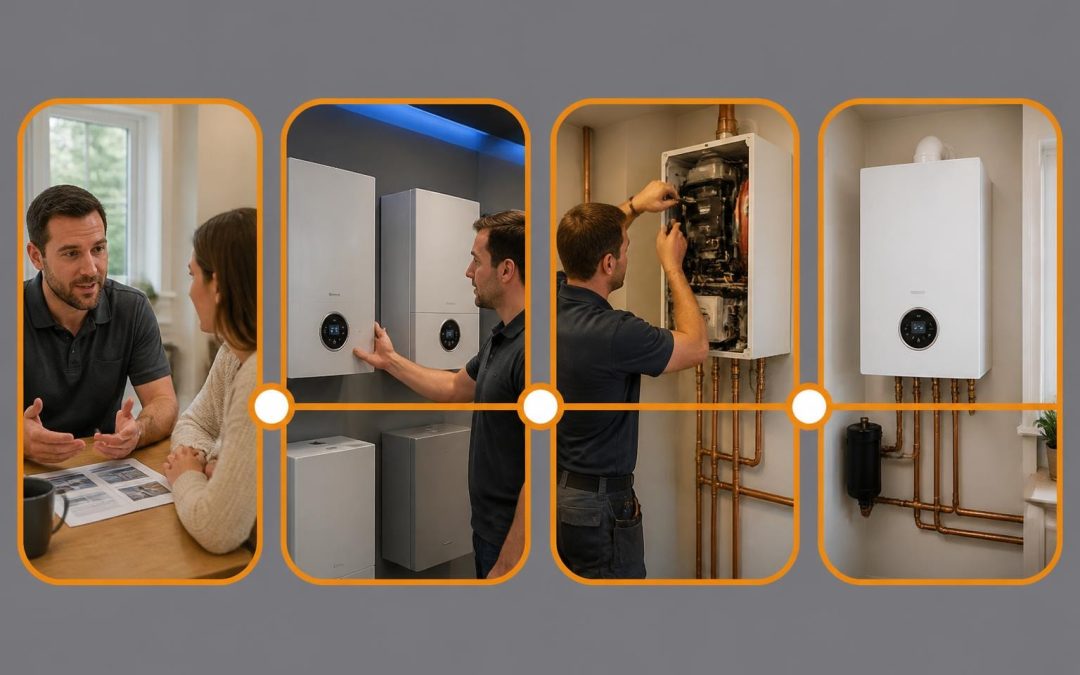
Selecting and installing a new heating system represents one of the most significant investments homeowners make in their properties. The complexity of modern boiler and installation projects requires careful planning, professional expertise, and thorough understanding of both current regulations and emerging technologies. Whether you're replacing an outdated system or installing heating in a new build, the decisions you make today will impact your home's comfort, energy efficiency, and running costs for the next 15 to 20 years. This comprehensive guide explores everything you need to know about boiler and installation processes, helping you navigate the technical requirements whilst ensuring your investment delivers optimal performance.
Understanding Modern Boiler Systems and Options
Today's heating market offers an extensive range of boiler types, each designed to meet specific requirements and property configurations. The three primary categories include combination boilers, system boilers, and conventional boilers.
Combination boilers have become increasingly popular in UK homes due to their compact design and ability to provide hot water on demand without requiring a separate cylinder. These units heat water directly from the mains, making them ideal for smaller properties with limited storage space.
System boilers work with a sealed heating system and require a cylinder for storing hot water, but eliminate the need for a cold water tank in the loft. This configuration suits medium to large homes with multiple bathrooms where simultaneous hot water demand is common.
Conventional boilers, also known as regular or heat-only boilers, require both a cold water storage tank and a hot water cylinder. Whilst they occupy more space, they excel in properties with traditional heating systems or where water pressure from the mains is insufficient.
Selecting the Right Boiler for Your Property
The professional approach to boiler installation begins with accurate system sizing and selection. Choosing an appropriately sized unit is crucial for both efficiency and longevity.
Consider these essential factors:
- Property size and number of radiators
- Number of bathrooms and hot water outlets
- Existing heating system configuration
- Available installation space
- Budget for both equipment and installation
- Future expansion plans
An undersized boiler will struggle to meet heating demands, running continuously and wearing components prematurely. Conversely, an oversized unit cycles on and off too frequently, reducing efficiency and potentially shortening its operational lifespan.
Pre-Installation Planning and Assessment
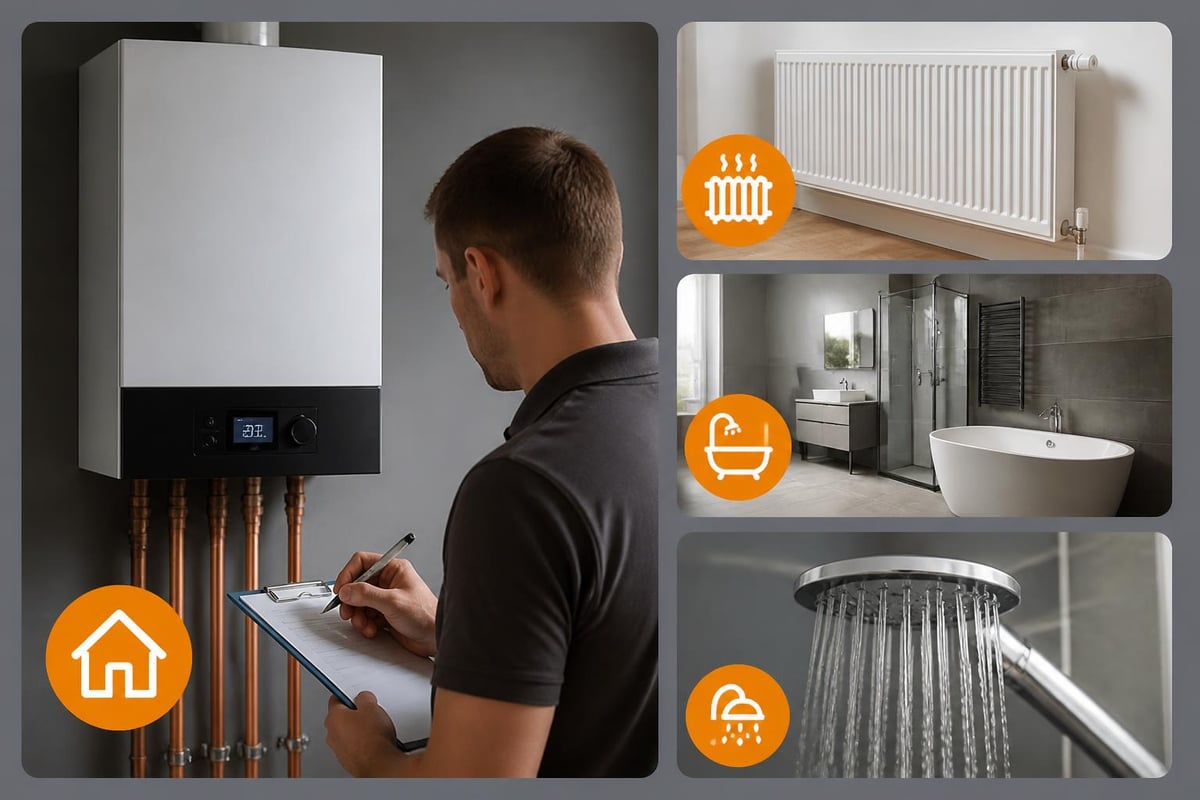
Before any boiler and installation work commences, thorough planning ensures the project proceeds smoothly and meets all regulatory requirements. Professional installers conduct comprehensive site surveys to identify potential challenges and determine the optimal installation location.
Site Survey Essentials
A detailed site assessment evaluates multiple critical factors that influence installation success. The surveyor examines existing pipework conditions, electrical supply adequacy, and potential flue routing options.
| Assessment Area | Key Considerations | Impact on Installation |
|---|---|---|
| Current System | Age, condition, compatibility | Determines upgrade scope |
| Flue Options | Wall position, regulations, neighbours | Affects boiler placement |
| Gas Supply | Pipe diameter, pressure | May require upgrading |
| Electrical Supply | Circuit capacity, safety | Additional work needed |
| Water Pressure | Mains pressure, flow rate | Influences boiler selection |
According to expert installation guidance, preparing a comprehensive checklist covering these elements prevents costly delays and ensures compliance with building regulations.
The survey also identifies whether modifications to building structure are necessary, particularly for flue installation. Modern condensing boilers require specific flue arrangements that must comply with stringent regulations regarding proximity to windows, doors, and neighbouring properties.
Preparing Your Home for Installation
Homeowners can facilitate smoother installation by completing several preparatory tasks. Clear the area around the existing boiler and proposed installation location, removing any stored items or obstacles. Ensure installers have unobstructed access to necessary areas, including loft spaces if cylinder work is required.
Inform neighbours if external work will affect shared walls or boundaries, particularly regarding flue positioning. This courtesy prevents disputes and demonstrates consideration for those around you.
The Professional Installation Process
Professional boiler and installation work follows a structured sequence ensuring safety, efficiency, and regulatory compliance. Gas Safe registered engineers must complete all work involving gas appliances, as this is a legal requirement in the UK.
Initial System Removal and Preparation
The installation begins with safely isolating and draining the existing heating system. Competent engineers follow best practices for boiler installation to prevent water damage and ensure clean working conditions.
Old radiators may be flushed or replaced depending on their condition and compatibility with the new system. Power flushing removes sludge and debris that accumulate over years, preventing contamination of the new boiler. This step is particularly important for maintaining warranty validity.
Mounting and Connection Procedures
Once preparation is complete, the new boiler is securely mounted according to manufacturer specifications. Wall-mounted units require robust fixings capable of supporting the unit's weight when filled with water.
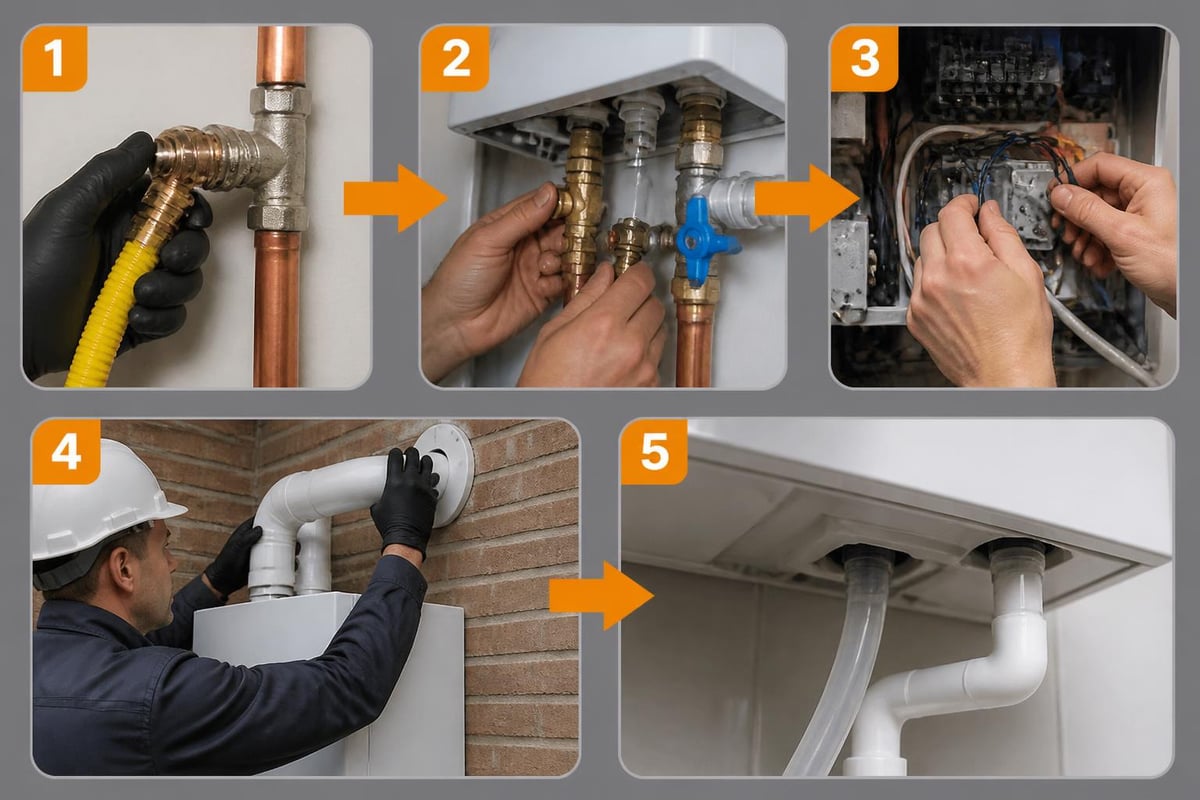
The connection phase involves multiple specialist tasks:
- Gas supply connection with appropriate isolation valves and testing for leaks
- Water pipework connection ensuring correct flow and return routes
- Electrical wiring for controls, thermostats, and safety devices
- Flue installation meeting all clearance and termination requirements
- Condensate drainage properly routed to appropriate waste points
Each connection must meet specific standards. Gas connections undergo rigorous pressure testing, whilst electrical work complies with current wiring regulations. The flue system receives particular attention, as incorrect installation can result in dangerous carbon monoxide issues.
System Commissioning and Testing
Following physical installation, comprehensive commissioning ensures the system operates correctly and safely. Engineers test all safety devices, adjust combustion parameters for optimal efficiency, and verify control functions.
The commissioning process includes:
- Gas pressure verification at working and standing positions
- Combustion analysis to confirm complete burning and minimal emissions
- Safety device testing including overheat protection and pressure relief
- Control sequence verification ensuring heating and hot water function correctly
- Radiator balancing for even heat distribution throughout the property
This thorough approach, recommended by heating professionals, ensures homeowners receive a fully functional system operating at peak efficiency from day one.
Critical Installation Considerations
Several factors significantly influence boiler and installation outcomes. Addressing these considerations during planning prevents common problems and ensures long-term satisfaction.
Location and Space Requirements
Boiler placement affects both installation costs and ongoing convenience. Modern combination boilers can be installed in various locations including kitchens, utility rooms, and garages. However, some homeowners consider installing boilers in loft spaces to free up valuable floor area.
Loft installations offer advantages such as freeing kitchen space and keeping noise away from living areas. However, they present challenges including access for maintenance, potential freezing risks, and additional structural requirements to support the unit's weight.
Kitchen installations remain popular for easy access and convenient servicing, though they occupy valuable cupboard space. Utility room locations provide excellent compromise, keeping equipment away from living spaces whilst maintaining accessibility.
Pipework and System Design
Proper pipework design ensures efficient heat distribution and reliable hot water delivery. The routing must minimise heat loss, avoid frost risk, and facilitate future maintenance.
Modern installations increasingly incorporate manifold systems for underfloor heating integration. These sophisticated arrangements require careful planning to balance flow rates across multiple zones. Properties combining radiators with underfloor heating need particularly thoughtful design to accommodate different operating temperatures.
Ventilation and Flue Positioning
Condensing boilers produce acidic condensate that must be safely disposed of through appropriate drainage. The condensate pipe requires frost protection in external sections, typically through larger diameter pipes or insulation.
Flue positioning follows strict regulations specifying minimum distances from windows, doors, airbricks, and boundaries. Horizontal flues must maintain specific clearances, whilst vertical flues need proper terminals preventing rain ingress. These requirements occasionally necessitate creative solutions or alternative boiler placement.
Regulatory Compliance and Certification
All boiler and installation work in the UK must comply with Building Regulations, particularly Part L covering conservation of fuel and power. Gas installations require completion by Gas Safe registered engineers who issue certification upon satisfactory completion.
Essential Documentation
Upon completion, you should receive several important documents:
- Gas Safe Installation Certificate confirming compliant gas work
- Building Regulations Compliance Certificate showing adherence to construction standards
- Manufacturer's warranty documentation outlining coverage terms
- Boiler user manual providing operating instructions
- Benchmark logbook recording commissioning data and service history
Retain these documents carefully, as they prove regulatory compliance and maintain warranty validity. Future buyers will request them during property sales.
Annual Servicing Requirements
Regular professional servicing maintains efficiency, safety, and warranty coverage. Annual inspections identify developing issues before they cause breakdowns, particularly important during winter months. Many manufacturers void warranties if service schedules aren't maintained with documented evidence.
Similar to how properties benefit from coordinated maintenance across building systems, much like professional roofing contractors maintain exterior protection, regular boiler servicing protects your heating investment and ensures consistent performance.
Cost Factors and Financial Considerations
Understanding the complete cost picture helps homeowners budget appropriately for boiler and installation projects. Total investment includes equipment, labour, materials, and potential system modifications.
Breakdown of Typical Costs
| Cost Component | Price Range | Notes |
|---|---|---|
| Combination Boiler Unit | £800 – £2,500 | Depends on output and features |
| System Boiler Unit | £900 – £3,000 | Includes more complex controls |
| Installation Labour | £500 – £1,500 | Varies with complexity |
| Additional Materials | £150 – £500 | Pipes, fittings, chemicals |
| System Modifications | £200 – £1,000+ | If pipework upgrades needed |
| Total Project Cost | £2,000 – £5,000+ | Complete turnkey installation |
These figures represent typical ranges in 2026 for standard installations in the North East. Complex projects involving significant system modifications, multiple zones, or premium equipment naturally command higher investment.
Financing and Payment Options
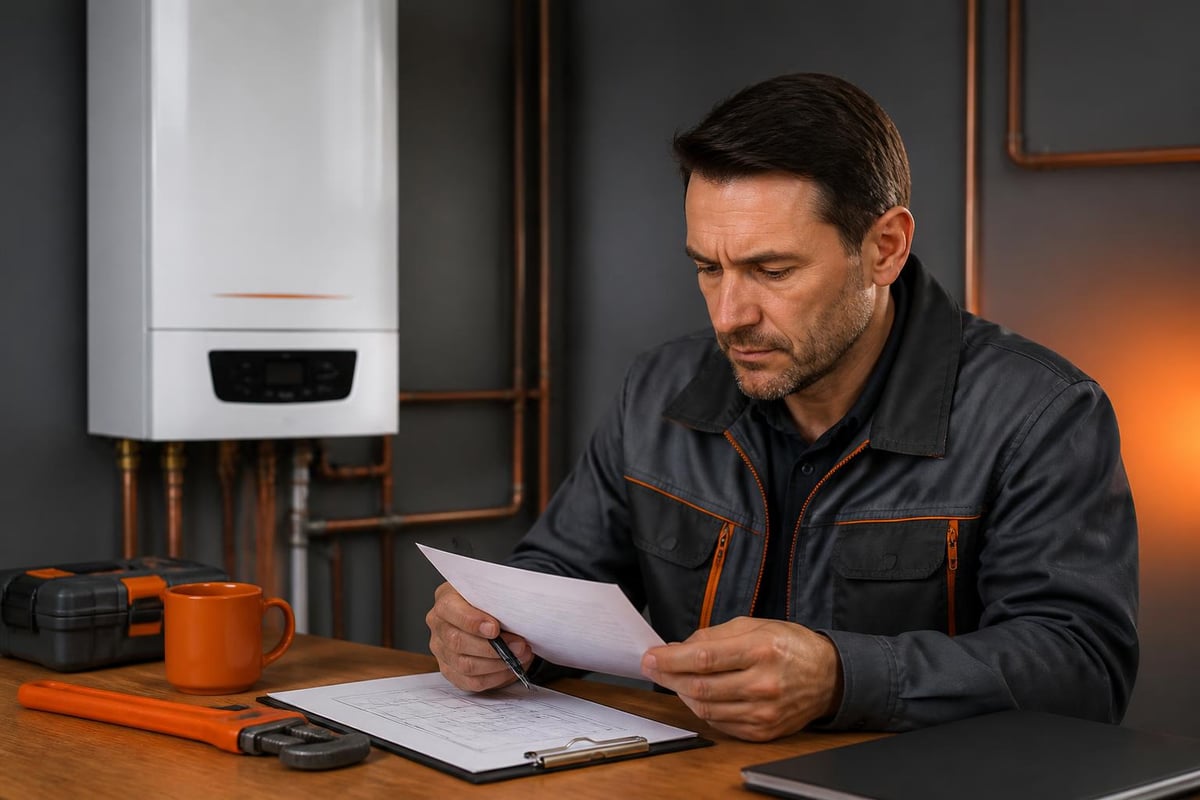
Significant heating system investments can strain household budgets, particularly when unexpected replacements become necessary. Financing options make modern, efficient systems accessible without requiring full upfront payment.
Interest-free payment plans spread costs across manageable monthly instalments, easing financial pressure whilst immediately benefiting from improved efficiency and reliability. These arrangements particularly suit homeowners facing emergency replacements or those upgrading to renewable energy heating systems with higher initial costs but substantial long-term savings.
Common Installation Mistakes to Avoid
Even experienced homeowners sometimes make decisions that compromise installation quality or future performance. Awareness of common boiler installation mistakes helps you ask informed questions and verify proper installation practices.
Inadequate System Sizing
Perhaps the most consequential error involves selecting incorrectly sized equipment. Basing decisions solely on existing boiler output without conducting heat loss calculations frequently results in suboptimal performance.
Professional installers perform room-by-room heat loss assessments considering insulation levels, window specifications, room volumes, and design temperatures. This scientific approach ensures accurate sizing rather than guesswork.
Compromised Flue Installation
Flue systems must meet precise specifications for safe operation. Inadequate fall on horizontal flues causes condensate pooling, whilst incorrect termination positions create safety hazards or nuisance to neighbours.
Experienced installers understand these requirements and configure flue systems appropriately during initial planning. They also recognise when building modifications are necessary to achieve compliant installations.
Poor Control Integration
Modern heating controls offer sophisticated capabilities including weather compensation, zone control, and smart home integration. However, these benefits only materialise when controls are properly configured during commissioning.
Rushing through control setup or accepting default settings often leaves significant efficiency gains unrealised. Detailed commissioning includes programming schedules, adjusting compensation curves, and educating homeowners on optimal control usage.
Neglecting System Cleanliness
Installing a pristine new boiler onto contaminated existing pipework invites premature failures. Sludge and debris circulate through the heat exchanger, reducing efficiency and potentially causing blockages.
Power flushing or chemical cleaning before installation protects your investment. Installing magnetic filters and scale reducers provides ongoing protection, capturing particles and preventing lime scale accumulation in hard water areas.
Optimising Long-Term Performance
Successful boiler and installation projects extend beyond completion day. Establishing good practices from the outset ensures your system delivers reliable, efficient heating for its entire operational life.
Establishing Service Schedules
Book your first annual service before the heating season begins, typically in September or October. This timing ensures any issues identified are resolved before cold weather arrives, preventing inconvenient winter breakdowns.
Regular servicing maintains efficiency at peak levels, with clean heat exchangers and properly adjusted combustion delivering maximum output for minimum fuel consumption. These efficiency gains accumulate substantially over the system's lifespan.
Understanding Your System
Familiarise yourself with basic operations and controls. Understanding how to adjust heating schedules, set temperatures, and operate hot water controls ensures comfortable, efficient heating suited to your lifestyle.
Learn to recognise abnormal operation including unusual noises, pressure fluctuations, or changes in radiator performance. Early identification of developing issues enables prompt professional attention before minor problems escalate into major failures.
Monitoring Energy Consumption
Track energy usage to verify expected efficiency gains materialise. Modern condensing boilers typically achieve 90%+ efficiency compared to 60-70% for older models, translating into noticeable fuel bill reductions.
Unexpectedly high consumption may indicate developing problems or control configuration issues requiring professional review. These heating system efficiencies substantially impact running costs over time.
Integration with Broader Home Systems
Contemporary properties increasingly feature integrated building systems working together for optimal comfort and efficiency. Your heating system connects with ventilation, hot water production, and renewable energy technologies.
Smart Home Compatibility
Modern boilers often include connectivity enabling remote control via smartphone applications. These features allow heating adjustment from anywhere, schedule optimisation, and performance monitoring providing insights into consumption patterns.
Integration with broader smart home systems enables sophisticated automation. Heating can respond to occupancy detection, weather forecasts, or energy tariff variations, maximising comfort whilst minimising costs.
Renewable Energy Integration
Forward-thinking homeowners increasingly combine conventional boilers with renewable technologies. Solar thermal panels pre-heat water before boiler heating, whilst heat pumps provide base load heating with gas boilers covering peak demands.
These hybrid approaches deliver substantial carbon reductions and running cost savings. They represent natural evolution paths as properties progress toward net-zero energy consumption targets becoming standard by 2030.
Regional Considerations for North East Installations
Climate, property types, and infrastructure in the North East of England create specific considerations for boiler and installation projects. Understanding these regional factors ensures installations suit local conditions.
Climate and Heating Demands
The North East experiences relatively cold winters compared to southern UK regions, with coastal areas particularly affected by wind chill. These conditions demand robust heating systems capable of maintaining comfort during extended cold periods.
Sizing calculations must account for design temperatures reflecting regional climate rather than national averages. Properties in exposed locations require additional heating capacity to compensate for increased heat loss.
Property Characteristics
The region features diverse property stock from Victorian terraces to modern new builds. Older properties often lack cavity wall insulation and feature single-glazed windows, substantially increasing heating demands.
Installation planning must consider these characteristics. Period properties may require sensitive approaches preserving architectural features whilst accommodating modern heating technology. Understanding these unique heating challenges ensures appropriate system selection.
Local Infrastructure
Gas network coverage varies across the region, with some rural areas relying on oil, LPG, or electricity for heating. Installation approaches differ significantly between fuel types, affecting equipment selection and installation requirements.
Properties beyond gas network reach increasingly explore heat pump technology or biomass systems as alternatives to oil or LPG. These renewable options align with carbon reduction objectives whilst providing reliable heating.
Selecting Professional Installation Services
The quality of installation work fundamentally determines system performance, longevity, and safety. Choosing experienced, qualified professionals represents one of the most important decisions in the entire project.
Essential Qualifications and Accreditations
All gas boiler installers must hold current Gas Safe registration, the legal requirement for gas work in the UK. Verify registration by checking the Gas Safe website or requesting sight of the engineer's ID card.
Additional accreditations demonstrate commitment to professional standards. Membership of trade associations, manufacturer training certifications, and insurance coverage provide further confidence in service quality.
Experience and Reputation
Established businesses with decades of experience bring invaluable expertise to complex installations. They've encountered virtually every scenario and developed solutions for challenging situations that might confound less experienced installers.
Customer testimonials and reviews provide insights into service quality, reliability, and aftercare standards. Reputable companies proudly share this feedback, demonstrating consistent customer satisfaction.
Comprehensive Service Offering
Full-service providers handling everything from initial consultation through installation, commissioning, and ongoing maintenance offer significant advantages. This continuity ensures accountability and eliminates coordination headaches from managing multiple contractors.
Companies offering diverse services including plumbing, heating, and bathroom work bring broader expertise to projects. They recognise how different building systems interact and can coordinate comprehensive property improvements efficiently.
Successful boiler and installation projects combine careful planning, professional expertise, quality equipment, and thorough commissioning to deliver heating systems that perform reliably for decades. Understanding the process, regulatory requirements, and critical decision points empowers homeowners to make informed choices that balance immediate costs with long-term value. Since 1983, NU Heat North East Ltd has been installing and maintaining heating systems throughout the North East, bringing unmatched experience to every project. With 0% interest financing options making premium installations more accessible, there's never been a better time to upgrade your heating system with confidence.