
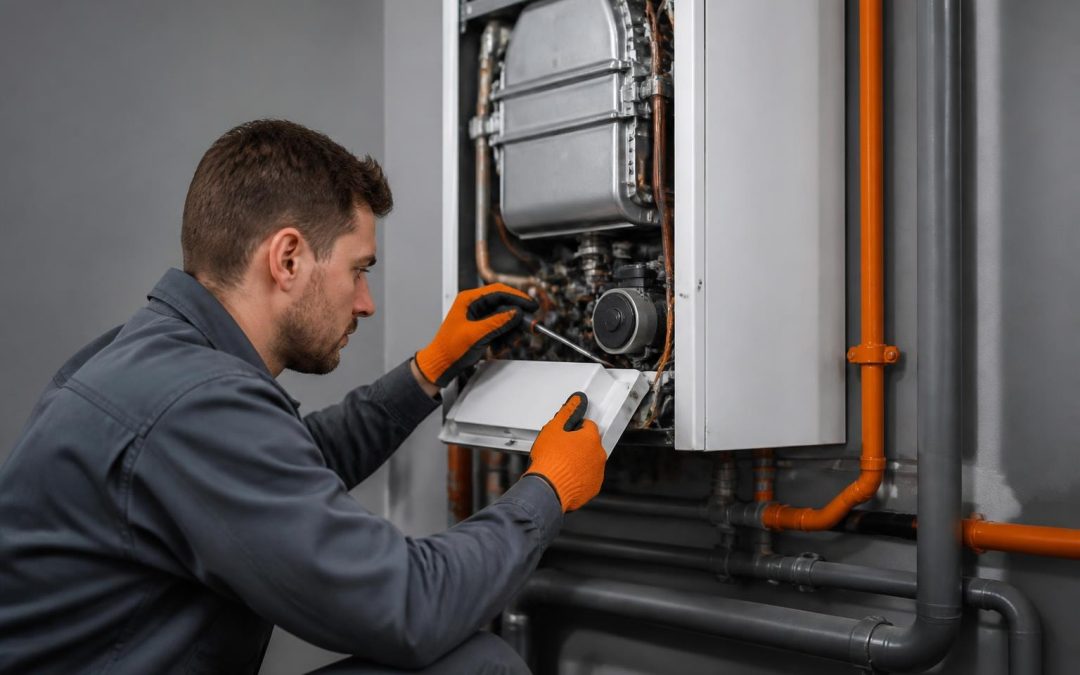
Regular heating system maintenance is not merely a recommendation but an essential requirement for homeowners across the North East of England. Your boiler works tirelessly throughout the colder months, providing warmth and hot water to your household. Without proper attention, even the most reliable systems can develop faults that compromise safety, increase energy consumption, and lead to unexpected breakdowns during the harshest winter conditions. Understanding the importance of professional servicing and knowing what to expect from qualified technicians can save you significant costs whilst protecting your family's comfort and wellbeing.
Why Annual Boiler Service Matters
The significance of routine maintenance extends far beyond simple convenience. A properly serviced heating system operates more efficiently, consuming less fuel and reducing your energy bills by up to 15% annually. Safety represents the primary concern, as faulty boilers can leak carbon monoxide, an odourless and potentially fatal gas.
Professional technicians perform comprehensive checks during each visit, examining critical components for wear, corrosion, and potential failure points. These inspections identify minor issues before they escalate into expensive repairs or complete system replacements.
Financial Benefits of Regular Maintenance
Investing in annual servicing protects your heating system warranty, as most manufacturers require documented maintenance records to honour their guarantees. The upfront cost of a service visit pales in comparison to emergency callout fees or replacement boiler expenses.
Key financial advantages include:
- Extended equipment lifespan, often adding 5-10 years to your boiler's operational life
- Reduced fuel consumption through optimised combustion efficiency
- Prevention of costly emergency repairs during winter months
- Maintained warranty coverage and manufacturer support
- Potential insurance policy compliance for landlords and property owners
Energy efficiency improvements delivered through regular servicing contribute directly to lower carbon emissions. Modern condensing boilers achieve 90% efficiency when properly maintained, but this performance degrades without professional attention.
What Happens During a Professional Boiler Service
A comprehensive service appointment typically requires 45-60 minutes, depending on your system's complexity and condition. Qualified technicians follow established maintenance protocols to ensure thorough examination of every critical component.
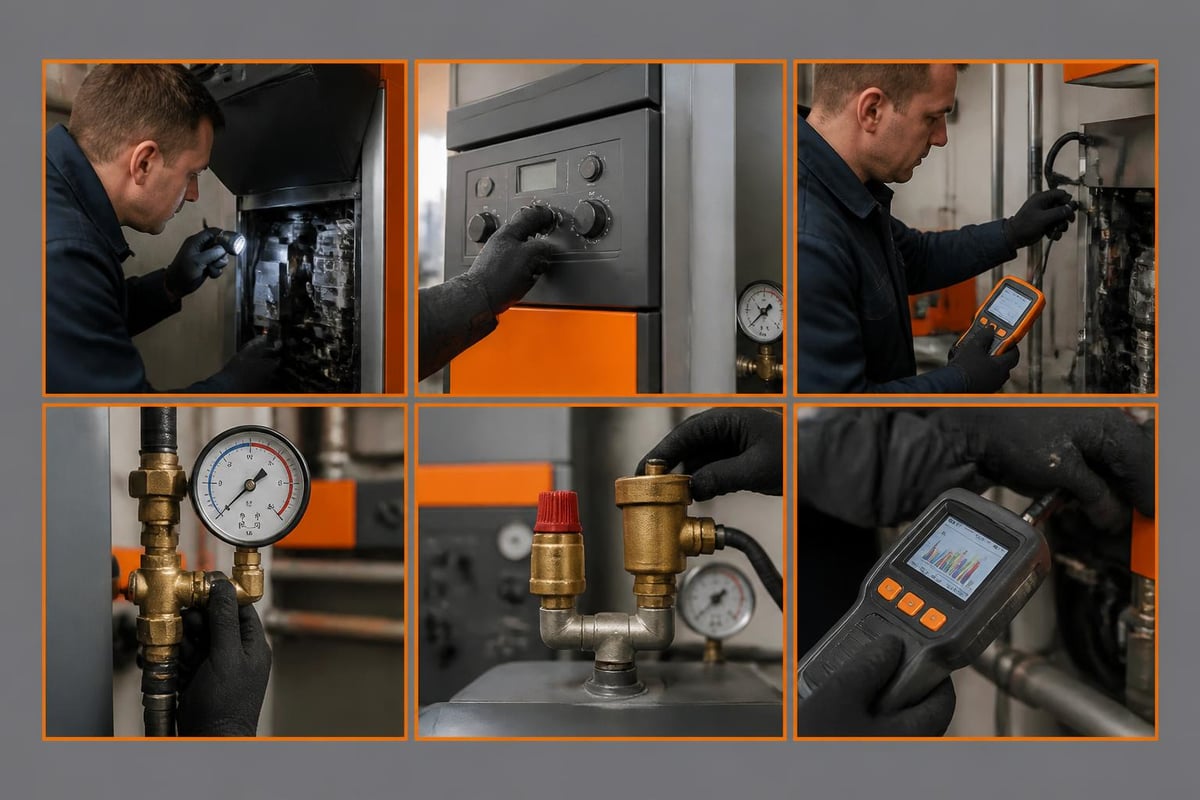
The technician begins with visual inspection, checking for obvious signs of damage, corrosion, or leaks around the boiler casing and pipework. They examine the flue system to ensure proper ventilation and safe gas dispersal.
Core Service Components
| Service Element | Purpose | Frequency |
|---|---|---|
| Gas pressure check | Ensures correct fuel supply | Annual |
| Burner cleaning | Maintains combustion efficiency | Annual |
| Heat exchanger inspection | Prevents blockages and corrosion | Annual |
| Safety controls testing | Verifies protective systems function | Annual |
| Flue gas analysis | Confirms safe operation | Annual |
| Condensate trap cleaning | Prevents blockages | Annual |
Internal components receive detailed attention during servicing. The technician removes and cleans the burner, inspecting for carbon buildup that reduces efficiency. Heat exchangers undergo examination for scale deposits, particularly in hard water areas common throughout the North East.
Control systems require verification to ensure thermostats, programmers, and safety devices respond correctly. The pressure relief valve receives testing to confirm it operates when needed, preventing dangerous pressure buildup within the system.
Signs Your Boiler Needs Immediate Attention
Between annual service appointments, your heating system may exhibit warning signs requiring prompt professional intervention. Recognising these indicators prevents minor issues from developing into serious problems.
Unusual noises signal internal problems:
- Banging or kettling sounds indicate scale buildup on heat exchangers
- Whistling suggests trapped air or faulty pump bearings
- Gurgling points to circulation problems or low water pressure
- Clicking may indicate failing ignition components
Yellow or orange flames instead of crisp blue indicate incomplete combustion, potentially producing carbon monoxide. This situation demands immediate professional attention and system shutdown until repairs are completed.
Pressure gauge readings provide valuable information about system health. Residential boilers typically operate between 1.0 and 2.0 bar when cold. Frequent pressure drops suggest leaks within the system or expansion vessel failure.
Performance Issues Requiring Service
Radiators failing to heat evenly often indicate circulation pump problems or system sludge accumulation. Cold spots on radiators suggest trapped air or internal corrosion affecting water flow through the heating circuits.
Increased energy consumption without corresponding usage changes points to declining efficiency. Professional servicing restores optimal performance through cleaning, adjustment, and component replacement as needed.
Pilot light problems in older conventional boilers merit immediate attention. Frequent extinguishing or difficulty maintaining ignition suggests thermocouple failure or gas supply issues requiring qualified technician diagnosis.
Seasonal Maintenance Tasks for Homeowners
Whilst comprehensive servicing requires professional expertise, homeowners can perform simple checks throughout the year to maintain optimal performance and identify potential problems early.
Monthly visual inspections take just minutes but provide valuable early warning of developing issues. Check around the boiler for water stains, unusual odours, or visible damage to casing and pipework.
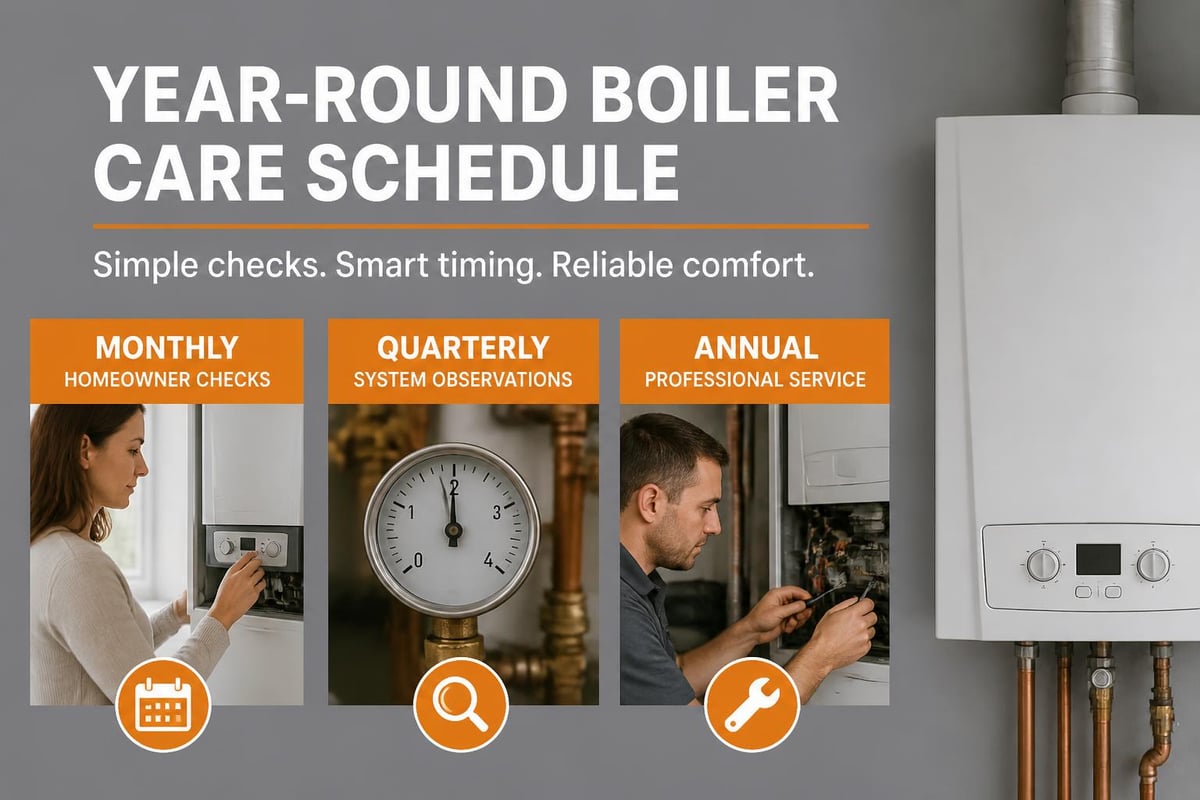
Monthly Homeowner Checks
Pressure gauge monitoring should become routine habit. Note the reading when the system is cold and observe whether pressure remains stable over several weeks. Significant fluctuations indicate underlying problems requiring professional investigation.
Bleeding radiators removes trapped air that accumulates naturally over time. This simple task improves heating efficiency and ensures even warmth distribution throughout your property.
Quarterly maintenance activities include:
- Testing the pressure relief valve to ensure proper operation
- Checking thermostat accuracy with a separate thermometer
- Inspecting visible pipework for signs of corrosion or leaks
- Ensuring vents and air intakes remain clear of obstructions
- Documenting any unusual noises or performance changes
Summer represents the ideal period for professional servicing. Scheduling maintenance during warmer months ensures your heating system receives attention before winter demand increases, and technicians typically offer better availability without emergency pressure.
Biomass and Alternative Heating Systems
Biomass boilers require specialised maintenance approaches due to their unique operational characteristics. These sustainable heating solutions burn wood pellets, chips, or logs, producing ash and requiring more frequent cleaning than conventional gas systems.
The specific maintenance needs of biomass systems differ significantly from traditional boilers, demanding technicians with appropriate training and experience. Ash removal frequency depends on fuel type and consumption rates, typically requiring weekly attention during heavy use periods.
Heat exchangers in biomass systems accumulate deposits more rapidly than gas boilers. Professional cleaning every three to six months maintains efficiency and prevents premature component failure.
Specialist System Requirements
| System Type | Service Frequency | Specific Considerations |
|---|---|---|
| Biomass boilers | Every 3-6 months | Ash removal, heat exchanger cleaning |
| Oil boilers | Annual | Tank inspection, nozzle replacement |
| System boilers | Annual | Expansion vessel checks, pump maintenance |
| Combi boilers | Annual | Plate heat exchanger descaling |
Regular professional servicing becomes even more critical for biomass installations. The combustion process produces more residue than gas, and proper maintenance ensures optimal efficiency whilst protecting your substantial equipment investment.
Homeowners considering alternative heating solutions should factor ongoing maintenance requirements into their decision process. Whilst biomass offers environmental benefits and potential fuel cost savings, these systems demand more hands-on attention than conventional alternatives.
Legal Requirements and Safety Obligations
Gas Safe registered engineers must perform all work on gas boilers, as mandated by law throughout the United Kingdom. Employing unqualified individuals not only risks safety but invalidates insurance coverage and potentially leads to prosecution.
Annual servicing represents a legal requirement for landlords, who must provide tenants with valid gas safety certificates documenting all checks and maintenance performed. Failure to comply carries significant penalties and liability in the event of accidents.
Documentation and Compliance
Homeowners should maintain comprehensive service records, including dates, engineer details, and work performed. These documents prove invaluable when selling property, claiming warranty coverage, or demonstrating due diligence to insurance providers.
Carbon monoxide detectors provide essential safety backup but never replace professional servicing. Install audible alarms in rooms containing boilers and near sleeping areas, testing monthly and replacing batteries annually.
The importance of preventive maintenance extends beyond legal compliance to fundamental safety and financial responsibility. Professional technicians possess diagnostic equipment detecting problems invisible to untrained observers.
Choosing the Right Service Provider
Selecting qualified heating engineers ensures your boiler receives appropriate care from knowledgeable professionals. Gas Safe registration represents the minimum acceptable qualification, but experience with your specific boiler make and model adds significant value.
Essential criteria for service provider selection:
- Current Gas Safe registration with appropriate categories
- Public liability insurance covering potential damage
- Established local reputation and customer references
- Transparent pricing without hidden charges
- Emergency callout availability for urgent problems
- Membership in professional trade associations
Experienced heating specialists understand regional considerations affecting North East properties, including hard water impacts on heating systems and common issues affecting local housing stock. This knowledge enables more effective diagnosis and targeted maintenance strategies.
Building ongoing relationships with trusted service providers delivers continuity benefits. Engineers familiar with your system's history identify developing patterns and anticipate future maintenance needs more effectively than technicians encountering your boiler for the first time.
Service Plans and Packages
Many heating companies offer annual service contracts providing scheduled maintenance plus additional benefits. These packages typically include priority emergency response, discounted repairs, and guaranteed annual service appointments.
Comparing service package features and pricing helps identify the best value for your circumstances. Consider total costs over several years rather than focusing solely on initial service fees.
| Package Feature | Standard Service | Premium Plan |
|---|---|---|
| Annual boiler service | ✓ | ✓ |
| Priority emergency callout | ✗ | ✓ |
| Parts and labour discount | ✗ | 10-15% |
| No callout charges | ✗ | ✓ |
| Annual plumbing check | ✗ | ✓ |
Contract terms deserve careful review before committing to multi-year agreements. Understand cancellation policies, price increase provisions, and exactly which services receive coverage under the plan.
Modern Boiler Technology and Service Implications
Contemporary condensing boilers incorporate sophisticated electronics and control systems requiring specialised diagnostic equipment. Modern maintenance practices employ digital tools to analyse performance parameters and identify subtle efficiency degradation.
Smart heating controls communicate operational data to technicians, potentially enabling remote diagnostics before on-site visits. These technologies streamline maintenance whilst providing homeowners with detailed usage information and efficiency tracking.
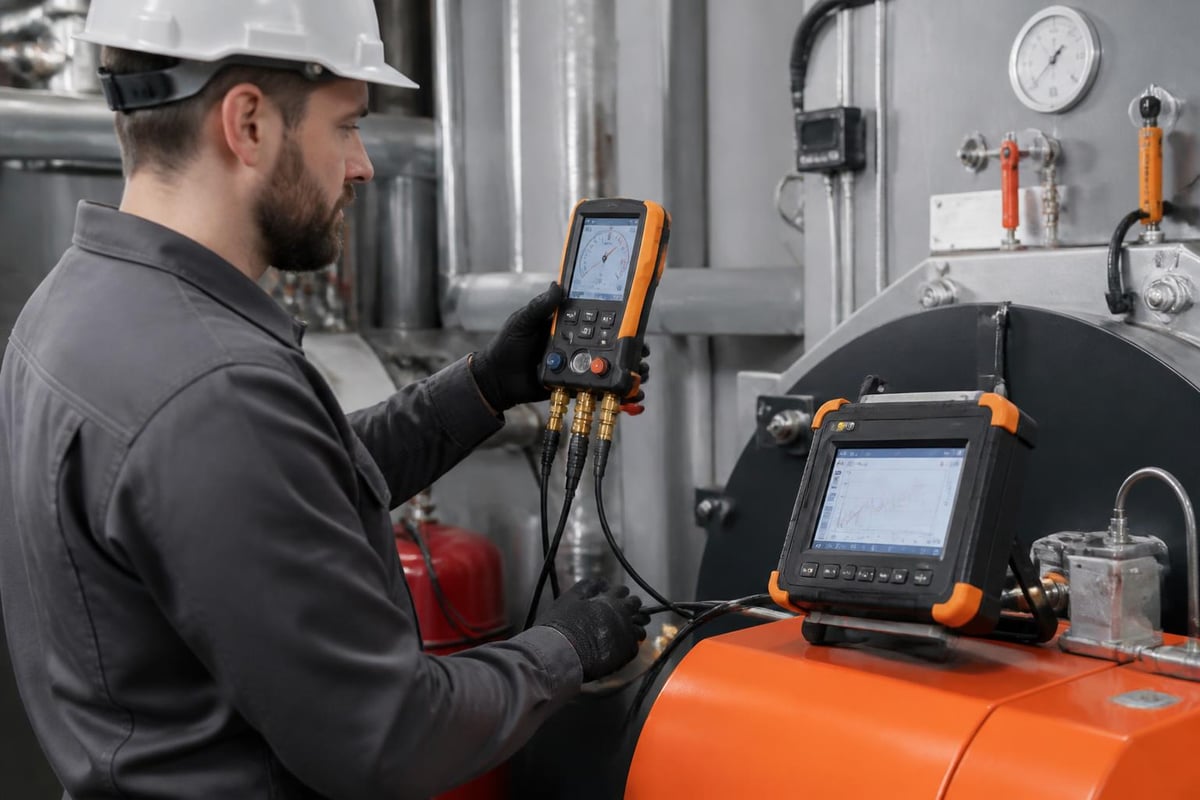
However, increased complexity means DIY repairs become progressively less feasible. Modern boilers contain sealed components requiring factory tools and specialist knowledge for proper servicing and repair.
Efficiency Standards and Performance
Recent boiler models achieve remarkable efficiency ratings, but maintaining peak performance demands meticulous care. Component tolerances tighten in high-efficiency systems, making them more sensitive to dirt, scale, and wear.
Annual servicing verifies that efficiency remains within manufacturer specifications. Combustion analysis measures oxygen levels, carbon dioxide concentration, and excess air, providing objective performance data.
System controls receive firmware updates during service visits, much like software updates for computers. These updates improve operation, resolve known issues, and sometimes add functionality to existing equipment.
Water quality significantly impacts modern boiler longevity. Hard water areas benefit from inhibitor chemicals preventing scale formation within heat exchangers and circulation components. Professional technicians test inhibitor concentration during service visits, topping up as necessary.
Long-Term System Care Strategies
Maximising heating system lifespan requires consistent attention throughout its operational life. Well-maintained boilers regularly exceed 15 years of reliable service, whilst neglected systems may fail within 8-10 years despite identical initial specifications.
Establishing maintenance rhythms integrates system care into household routines. Schedule professional servicing at the same time annually, creating predictable maintenance patterns that prevent oversight.
Proactive care elements include:
- Annual professional servicing before heating season begins
- Monthly homeowner visual inspections and pressure checks
- Immediate professional attention for performance changes
- Water treatment in hard water areas
- Proper thermostat programming reducing unnecessary cycling
Documentation provides valuable historical context for technicians diagnosing problems or recommending upgrades. Photograph your boiler installation, recording model numbers, installation date, and subsequent service history.
System upgrades deserve consideration as boilers age. Replacing 12-15 year old equipment before failure prevents emergency situations whilst allowing careful selection and competitive pricing. Comprehensive maintenance records help determine optimal replacement timing based on repair frequency and efficiency degradation.
Regular boiler service represents essential investment in your home's heating infrastructure, delivering safety, efficiency, and reliable performance throughout the demanding winter months. The team at NU Heat North East Ltd brings over four decades of experience serving properties across Newbiggin-by-the-Sea and the wider North East region, providing comprehensive maintenance and expert installation services backed by 0% interest financing options. Whether you need routine servicing, emergency repairs, or are considering system upgrades, our qualified technicians deliver professional solutions ensuring your complete satisfaction.