
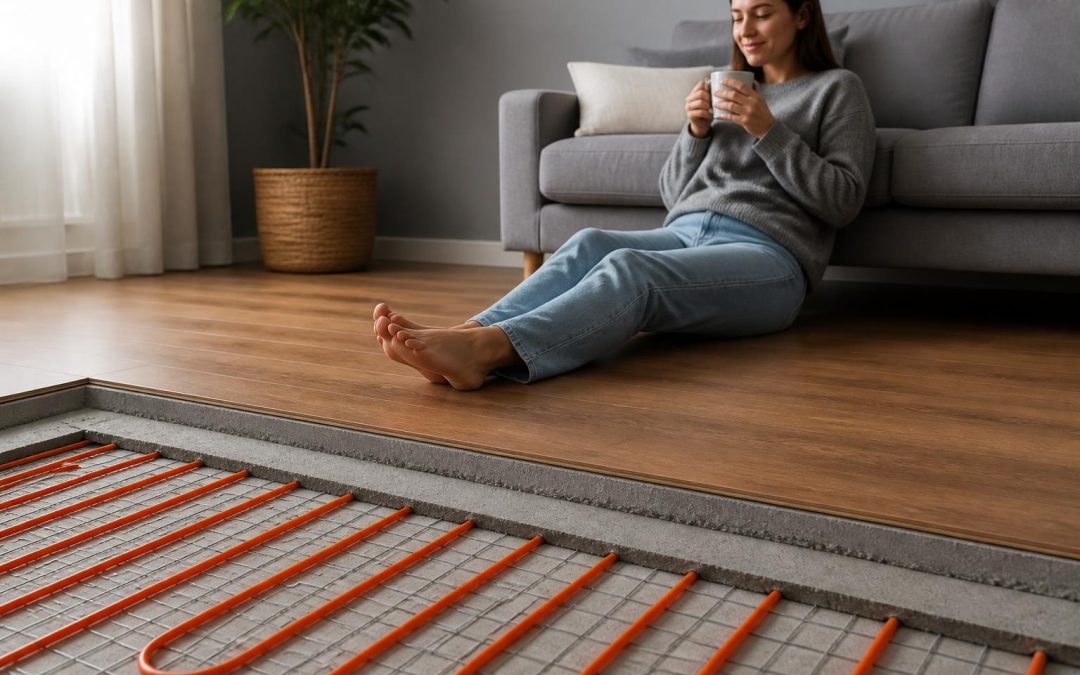
Underfloor warming has transformed from a luxury feature into a practical heating solution for homes across the North East and throughout the United Kingdom. This innovative approach to heating provides consistent warmth, improved energy efficiency, and eliminates the need for bulky radiators that occupy valuable wall space. As homeowners increasingly seek sustainable and comfortable heating alternatives, understanding the fundamentals, installation processes, and long-term benefits of underfloor warming systems becomes essential for making informed decisions about your property's heating infrastructure.
Understanding Underfloor Warming Systems
Underfloor warming operates on a simple yet effective principle: distributing heat evenly across floor surfaces to warm rooms from the ground up. This method creates a comfortable environment where heat rises naturally, maintaining consistent temperatures throughout your living spaces.
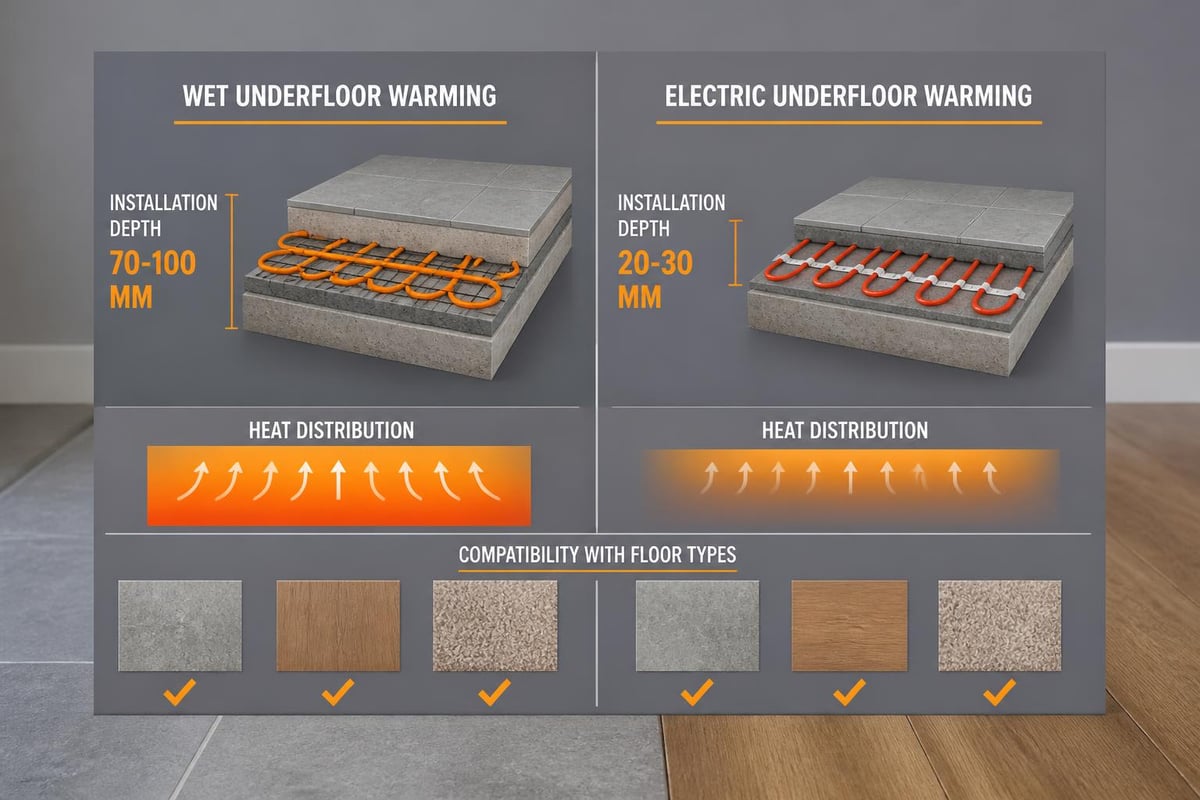
Two primary types of underfloor warming systems dominate the market, each with distinct characteristics and applications. Wet systems circulate warm water through pipes installed beneath your flooring, whilst electric systems use heating cables or mats connected to your electrical supply. The choice between wet and electric systems depends on various factors including property type, existing heating infrastructure, and budget considerations.
Wet Underfloor Warming Systems
Wet systems represent the most efficient option for comprehensive heating solutions, particularly in new builds or extensive renovations. These systems connect to your existing boiler or alternative heat sources such as biomass systems, circulating heated water through a network of pipes embedded in the floor structure.
Key advantages of wet systems include:
- Superior energy efficiency compared to traditional radiators
- Lower running costs over the system's lifespan
- Compatibility with renewable heat sources including heat pumps
- Ideal for large areas and whole-house installations
- Increased property value and marketability
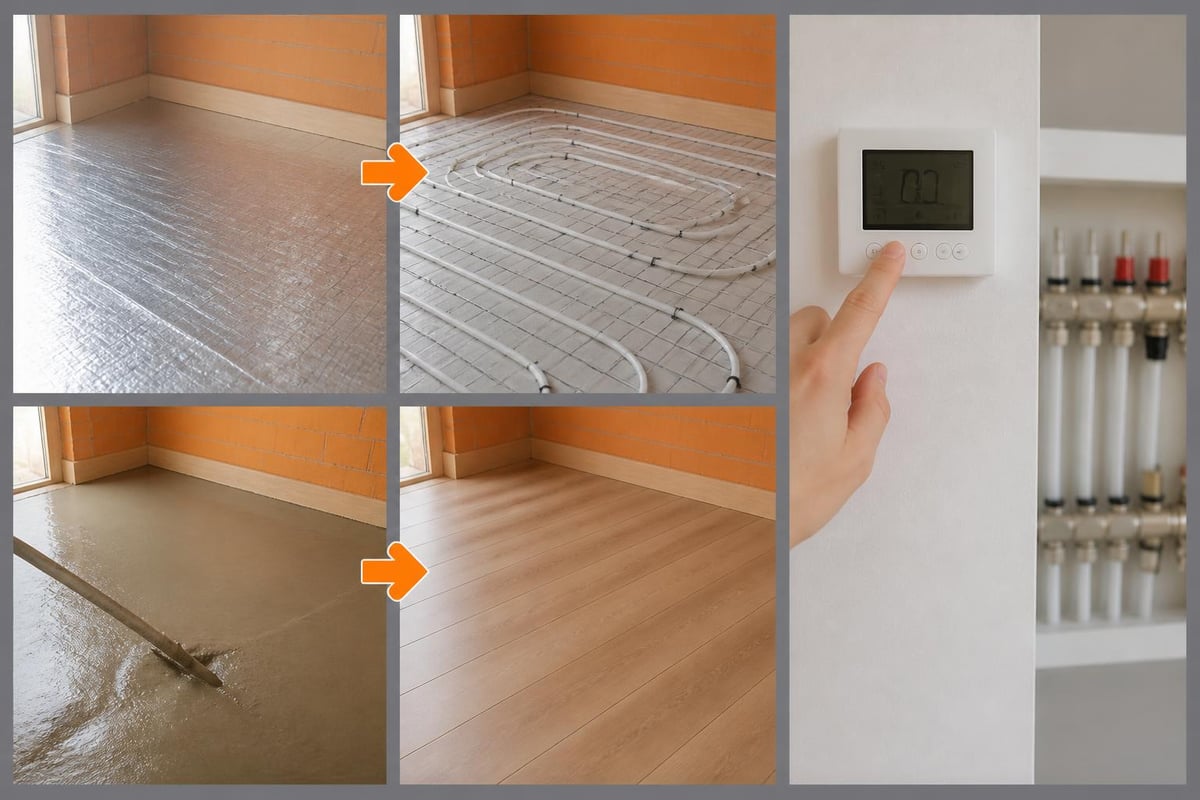
The installation process requires careful planning and professional expertise. Pipes typically lay in a screed layer or within specially designed floor panels, ensuring optimal heat distribution and structural integrity. Professional installation guarantees correct pipe spacing, proper insulation, and seamless integration with your existing heating system.
Electric Underfloor Warming Solutions
Electric systems offer versatility and ease of installation, making them particularly suitable for single rooms, bathrooms, or retrofit projects where wet systems prove impractical. These systems warm quickly and provide precise temperature control through individual thermostats.
| Feature | Wet Systems | Electric Systems |
|---|---|---|
| Installation Cost | Higher initial investment | Lower upfront costs |
| Running Costs | More economical long-term | Higher operational expenses |
| Installation Complexity | Requires professional fitting | Suitable for competent DIYers |
| Floor Height Impact | 150-200mm typically | 15-30mm minimal build-up |
| Best Applications | New builds, whole properties | Single rooms, renovations |
| Heat-Up Time | Slower response | Rapid temperature increase |
Electric systems excel in specific scenarios where their quick response times and minimal floor build-up provide distinct advantages. Bathrooms, conservatories, and kitchen extensions frequently benefit from electric underfloor warming, delivering comfort precisely where needed without extensive structural modifications.
Installation Considerations and Planning
Successful underfloor warming installation demands meticulous planning and adherence to professional standards. The foundation of any effective system lies in proper preparation, ensuring your property's structure can accommodate the additional requirements.
Floor insulation plays a critical role in system performance. Without adequate insulation beneath the heating elements, warmth dissipates downwards rather than radiating into living spaces, wasting energy and increasing operational costs. Professional installers prioritise insulation, creating a thermal barrier that directs heat upwards efficiently.
Essential planning steps include:
- Structural assessment to verify floor loading capacity
- Heat loss calculations determining system output requirements
- Pipe or cable layout design optimising heat distribution
- Control system specification for temperature management
- Floor finish compatibility ensuring suitable materials
The comprehensive installation process varies between system types but follows established procedures ensuring reliability and performance. Professional installers bring expertise that prevents common pitfalls, delivering systems that operate efficiently for decades.
Common Installation Mistakes to Avoid
Even experienced professionals recognise potential errors that compromise system performance. Understanding these common underfloor heating mistakes helps homeowners ensure their installation meets the highest standards.
Frequent errors include:
- Insufficient insulation beneath heating elements
- Incorrect pipe spacing affecting heat distribution
- Incompatible floor finishes restricting heat transfer
- Inadequate control systems limiting efficiency
- Poor integration with existing heating infrastructure
Installing underfloor warming beneath large appliances or fitted furniture wastes energy and potentially damages items. Strategic planning identifies areas requiring coverage and those better left unheated, maximising efficiency whilst protecting your investments.
Choosing Compatible Flooring Materials
Floor covering selection significantly impacts underfloor warming performance. Certain materials facilitate excellent heat transfer whilst others restrict thermal conductivity, reducing system efficiency and comfort levels.
Stone, ceramic tiles, and engineered wood deliver outstanding performance with underfloor warming systems. These materials conduct heat effectively, responding quickly to temperature adjustments whilst distributing warmth evenly across surfaces. Natural stone particularly excels, retaining heat long after systems deactivate.
Flooring Performance Comparison
| Flooring Type | Heat Conductivity | Response Time | Suitability Rating |
|---|---|---|---|
| Ceramic/Porcelain Tiles | Excellent | Fast | Outstanding |
| Natural Stone | Excellent | Medium | Outstanding |
| Engineered Wood | Good | Medium | Very Good |
| Laminate | Fair | Medium | Good |
| Vinyl/LVT | Good | Fast | Very Good |
| Carpet | Poor | Slow | Acceptable (thin only) |
Carpet presents challenges for underfloor warming applications. Thick carpets and underlay act as insulation, preventing heat reaching living spaces efficiently. If carpet remains your preference, select products with low tog ratings specifically designed for underfloor warming compatibility.
Solid wood flooring requires careful consideration. Moisture content fluctuations and temperature variations cause expansion and contraction, potentially creating gaps or warping. Engineered wood offers superior stability, making it the preferred timber option for underfloor warming installations.
Energy Efficiency and Running Costs
Underfloor warming systems deliver remarkable energy efficiency when properly designed and installed. Operating at lower temperatures than traditional radiators, these systems achieve comfortable conditions whilst consuming less energy, translating directly into reduced heating bills.
The efficiency advantage stems from even heat distribution and lower operating temperatures. Whilst radiators require water temperatures around 70-80°C, underfloor warming achieves equivalent comfort at 35-45°C. This significant temperature reduction means your boiler or heat source operates more efficiently, particularly when paired with modern heat pumps.
Energy-saving benefits include:
- 15-30% reduction in heating costs compared to radiators
- Lower thermostat settings maintaining equivalent comfort
- Reduced heat loss through improved distribution
- Enhanced efficiency when combined with renewable technologies
- Zoned heating capabilities preventing energy waste
Running costs vary depending on system type, property insulation, and usage patterns. Electric systems typically incur higher operational expenses due to electricity prices, whilst wet systems benefit from more economical fuel sources. Homeowners in well-insulated properties with efficient heat sources achieve the greatest savings.
Investment in underfloor warming extends beyond immediate installation costs. The long-term financial benefits, combined with increased property value and enhanced comfort, deliver substantial returns over the system's operational lifetime, typically spanning 25-50 years with minimal maintenance.
System Controls and Smart Technology
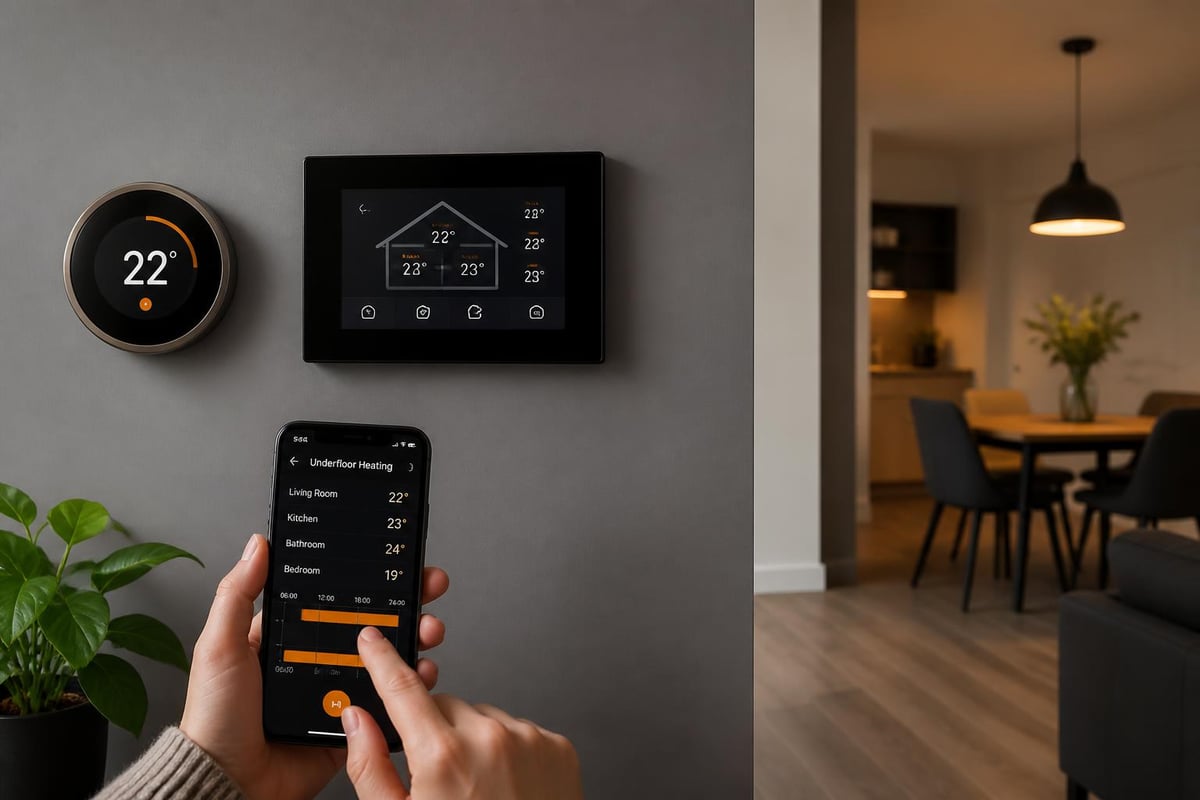
Modern underfloor warming systems incorporate sophisticated controls enabling precise temperature management and optimal efficiency. Smart thermostats and zoning capabilities allow homeowners to tailor heating patterns to their specific requirements, maximising comfort whilst minimising energy consumption.
Zoned heating represents one of underfloor warming's most valuable features. Different areas receive independent temperature control, preventing energy waste in unoccupied rooms whilst maintaining comfort where needed. Bathrooms might operate at higher temperatures during morning routines, whilst living areas adjust according to occupancy patterns.
Advanced Control Features
Contemporary control systems offer features that seemed futuristic just years ago. Smartphone connectivity allows remote temperature adjustments, ensuring your home reaches optimal comfort before arrival. Learning algorithms adapt to usage patterns, automatically optimising schedules for maximum efficiency.
Modern control capabilities include:
- Programmable schedules matching daily routines
- Remote access through smartphone applications
- Weather compensation adjusting output automatically
- Integration with smart home ecosystems
- Energy monitoring tracking consumption patterns
- Adaptive learning optimising performance over time
Professional installation of control systems ensures all components communicate effectively, delivering the intended efficiency benefits. Proper programming and user training maximise these technologies' potential, empowering homeowners to manage their heating with unprecedented precision.
Maintenance and Longevity
Underfloor warming systems require minimal maintenance compared to traditional heating methods, contributing to their long-term appeal. Wet systems, once properly installed and commissioned, operate reliably for decades with routine servicing ensuring continued performance.
Annual inspections verify system pressure, check for leaks, and confirm all components function correctly. Professional servicing identifies potential issues before they develop into costly repairs, protecting your investment and maintaining efficiency. Many homeowners incorporate underfloor warming checks into their broader plumbing and heating maintenance schedules.
Electric systems demand even less attention, typically operating maintenance-free throughout their lifespan. Quality installations using reputable components rarely experience failures, providing decades of trouble-free warmth. Should issues arise, diagnostic tools quickly identify affected areas, enabling targeted repairs without disturbing entire systems.
Maintenance recommendations include:
- Annual system pressure checks for wet installations
- Periodic thermostat calibration ensuring accuracy
- Regular inspection of control systems and sensors
- Professional servicing every 2-3 years
- Immediate attention to any performance anomalies
System longevity depends largely on installation quality and component selection. Professional installers using premium materials deliver systems routinely exceeding 30-year operational lifespans. This durability, combined with minimal maintenance requirements, reinforces underfloor warming's position as a sound long-term investment.
Cost Considerations and Financial Planning
Understanding the complete financial picture helps homeowners make informed decisions about underfloor warming installation. Whilst initial costs exceed traditional radiator systems, long-term savings and added property value offset these investments substantially.
Wet system installation typically costs £75-£100 per square metre for materials and professional fitting, varying with property specifics and system complexity. Electric systems range from £50-£75 per square metre, offering lower upfront costs but higher running expenses over time.
| Cost Factor | Wet Systems | Electric Systems |
|---|---|---|
| Materials (per m²) | £40-£60 | £30-£50 |
| Installation Labour | £35-£40 | £20-£25 |
| Floor Preparation | £15-£25 | £10-£15 |
| Controls & Manifolds | £300-£600 | £150-£300 |
| Total Per Room (15m²) | £1,350-£1,875 | £900-£1,350 |
Financing options make underfloor warming accessible to more homeowners. Interest-free payment plans spread costs over manageable periods, eliminating the barrier of substantial upfront investment. These arrangements enable families to enjoy immediate comfort whilst budgeting systematically for their improved heating infrastructure.
Property value increases represent another financial consideration. Homes featuring underfloor warming command premium prices, attracting buyers seeking modern, efficient heating solutions. Estate agents consistently report faster sales and higher offers for properties with this desirable feature.
Integration with Renewable Technologies
Underfloor warming's low operating temperatures make it ideally suited for renewable heat sources, positioning these systems at the forefront of sustainable home heating. Heat pumps, solar thermal panels, and biomass boilers all pair exceptionally well with underfloor warming, maximising efficiency whilst reducing carbon footprints.
Heat pumps achieve optimal efficiency when heating water to lower temperatures, making underfloor warming the perfect distribution method. This combination delivers remarkable performance, with seasonal efficiency ratings often exceeding 400%, meaning every unit of electricity consumed produces four units of heat.
Renewable integration benefits include:
- Enhanced heat pump efficiency through lower flow temperatures
- Eligibility for government renewable heating incentives
- Reduced carbon emissions and environmental impact
- Lower long-term energy costs
- Future-proofed heating infrastructure
- Increased energy independence
Biomass boiler systems provide another excellent partnership with underfloor warming. These renewable systems burn sustainable wood pellets or chips, delivering carbon-neutral heating when combined with efficient distribution methods. The combination proves particularly popular in rural areas where biomass fuel availability and storage space make this technology practical.
Solar thermal integration supplements heating requirements during warmer months, reducing boiler operation and fuel consumption. Whilst insufficient as standalone heating sources in British climates, solar panels contribute meaningfully when combined with underfloor warming's efficient distribution capabilities.
Retrofit Installation Considerations
Installing underfloor warming in existing properties presents unique challenges requiring careful planning and specialised solutions. Whilst new builds accommodate these systems easily, retrofit installations demand consideration of floor heights, existing structures, and disruption minimisation.
Low-profile systems specifically designed for retrofit applications minimise floor build-up, preserving ceiling heights and doorway clearances. These solutions, whether wet or electric, typically add just 15-50mm to floor levels, making them viable in most properties without extensive structural modifications.
Retrofit planning considerations include:
- Door heights and thresholds requiring adjustment
- Staircase transitions maintaining safe proportions
- Kitchen unit heights and appliance positioning
- Existing floor removal and disposal
- Access to heating system connections
- Temporary heating arrangements during installation
Professional assessment determines the most suitable approach for your property. Experienced installers evaluate structural constraints, identify optimal system configurations, and plan installations minimising disruption to your daily routine. Their expertise ensures successful outcomes even in challenging retrofit scenarios.
Electric systems often prove more practical for retrofit projects, particularly in single rooms or upper floors where wet system installation presents significant challenges. The minimal floor build-up and simpler installation process make electric underfloor warming an attractive solution for bathroom renovations, kitchen extensions, or conservatory heating upgrades.
Room-Specific Applications
Different rooms benefit from underfloor warming in unique ways, with system design tailored to specific requirements and usage patterns. Understanding these applications helps optimise comfort and efficiency throughout your property.
Bathrooms represent the most popular single-room application. Warm floors eliminate cold tiles, creating spa-like comfort whilst preventing condensation and mould growth. Quick-response electric systems suit bathrooms perfectly, heating rapidly when needed without maintaining unnecessary warmth throughout the day.
Kitchens benefit from even heat distribution that doesn't interfere with cabinet layouts or workspace planning. Traditional radiators occupy valuable wall space often needed for units and appliances, whilst underfloor warming provides invisible heating that avoids placement beneath fitted furniture and large appliances.
Optimal applications by room type:
- Living Rooms: Wet systems providing primary heating efficiently
- Bathrooms: Electric systems delivering rapid warmth on demand
- Kitchens: Either system type avoiding appliance areas
- Conservatories: Electric systems managing variable heat requirements
- Bedrooms: Wet systems maintaining consistent overnight comfort
- Hallways: Either system creating welcoming entrance areas
Open-plan living spaces showcase underfloor warming's advantages brilliantly. Without radiators dictating furniture placement, these areas achieve maximum flexibility whilst maintaining comfortable temperatures throughout. The even heat distribution prevents cold spots common in large rooms with conventional heating.
Professional Installation versus DIY
Whilst competent DIY enthusiasts might consider electric system installation, wet underfloor warming demands professional expertise ensuring reliable, efficient operation. The complexity of design calculations, manifold connections, and system commissioning requires specialised knowledge and experience.
Professional installers bring qualifications, insurance, and guarantees protecting your investment. They calculate precise heat requirements, design optimal pipe layouts, and integrate systems seamlessly with existing heating infrastructure. Their work meets building regulations and manufacturer specifications, ensuring warranty validity and system performance.
Professional installation advantages include:
- Accurate heat loss calculations and system sizing
- Optimal pipe or cable layout maximising efficiency
- Proper insulation installation and floor preparation
- Integration with existing heating and controls
- System commissioning and performance verification
- Comprehensive warranties and ongoing support
DIY electric installations remain viable for straightforward applications such as small bathrooms or single rooms. However, electrical connections require qualified electricians, and even seemingly simple installations benefit from professional design input ensuring adequate coverage and efficient operation.
The investment in professional installation pays dividends through superior performance, reduced running costs, and system longevity. Experienced installers complete work efficiently, minimising disruption whilst delivering results that DIY approaches struggle to match. Their expertise prevents costly mistakes that compromise comfort and waste energy for years to come.
Underfloor warming delivers unmatched comfort, efficiency, and flexibility for modern homes, transforming how properties maintain comfortable temperatures throughout the year. Whether you're planning a new build, extensive renovation, or single-room upgrade, professional installation ensures optimal performance and long-term satisfaction. The team at NU Heat North East Ltd brings over four decades of experience to underfloor warming installations across the North East, combining expert knowledge with meticulous workmanship to deliver heating solutions perfectly suited to your property. With 0% interest financing available, spreading the cost of your underfloor warming installation into affordable monthly payments makes this investment more accessible than ever.