
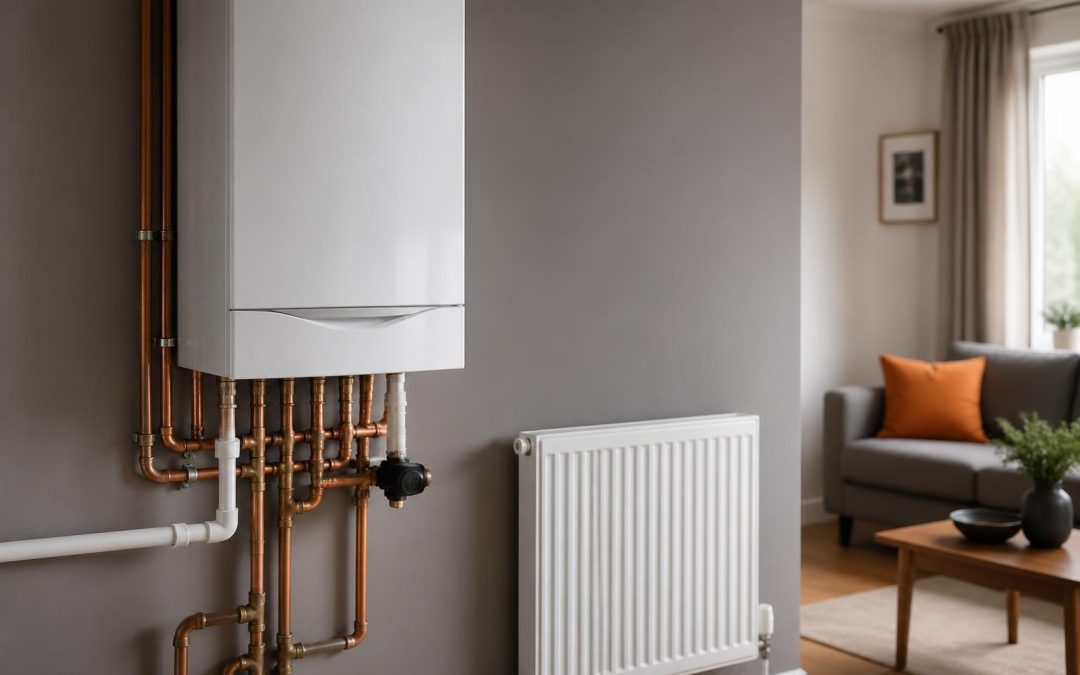
Selecting the right water boiler for your property represents one of the most significant investments in home comfort and efficiency you'll make. With advancements in heating technology and growing emphasis on energy conservation, understanding the features, benefits, and maintenance requirements of modern water boilers has never been more important. Whether you're replacing an ageing system or installing a new heating solution, making an informed decision ensures optimal performance, reduced energy bills, and reliable warmth throughout the year. This comprehensive guide explores everything homeowners in the North East need to know about water boilers, from selecting the appropriate type to maintaining peak efficiency.
Understanding Water Boiler Fundamentals
A water boiler serves as the heart of your home's heating system, responsible for warming water that circulates through radiators or underfloor heating networks. The basic operation of a water boiler involves heating water to a predetermined temperature before distributing it throughout your property via pipes and radiators.
Modern water boilers differ significantly from their predecessors. Today's models incorporate sophisticated controls, improved heat exchangers, and enhanced safety mechanisms that deliver superior performance whilst reducing environmental impact. The efficiency of contemporary systems can reach 94% or higher, representing substantial savings compared to older installations that often operate below 70% efficiency.
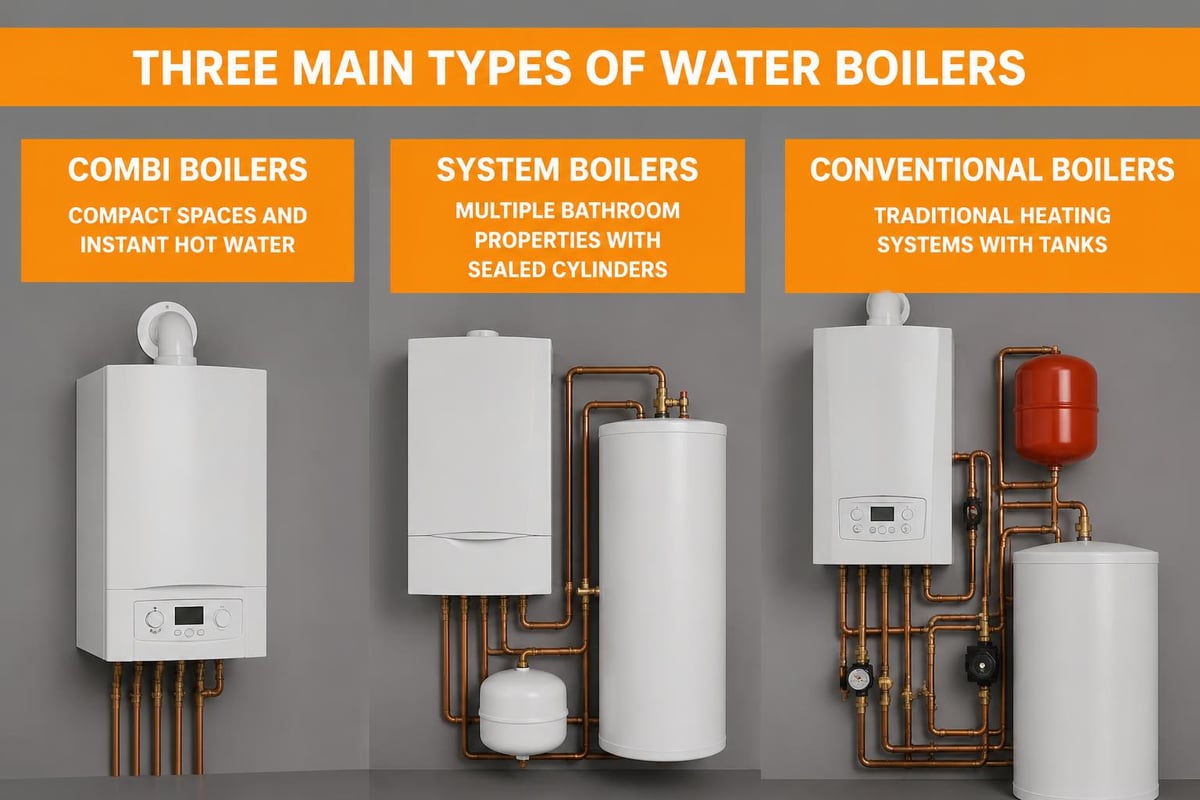
Types of Water Boilers Available
The market offers several distinct categories of water boilers, each designed to meet specific household requirements:
Combi Boilers
- Provide instant hot water without requiring a separate cylinder
- Compact design suitable for properties with limited space
- Heat water directly from the mains when needed
- Eliminate the need for cold water tanks in the loft
- Ideal for smaller homes with one or two bathrooms
System Boilers
- Work alongside a sealed hot water cylinder
- Suitable for homes with multiple bathrooms
- Deliver hot water to several taps simultaneously
- Require more space than combi units
- Maintain water pressure more effectively in larger properties
Conventional Boilers
- Traditional design requiring both cylinder and cold water tank
- Best suited for properties with existing conventional systems
- Compatible with older radiator networks
- Provide excellent performance for homes with high hot water demand
- Require significant installation space
Key Selection Criteria for Water Boilers
Choosing the appropriate water boiler demands careful consideration of multiple factors that influence both immediate performance and long-term satisfaction.
Capacity and Output Requirements
The heating capacity of a water boiler, measured in kilowatts (kW), must align with your property's specific demands. Undersized units struggle to maintain comfortable temperatures, whilst oversized systems waste energy and increase running costs unnecessarily.
| Property Size | Radiators | Bathrooms | Recommended Output |
|---|---|---|---|
| 1-2 Bedrooms | 5-10 | 1 | 24-28 kW |
| 3-4 Bedrooms | 10-15 | 2 | 28-35 kW |
| 5+ Bedrooms | 15-20 | 3+ | 35-42 kW |
Professional heating services providers calculate precise requirements based on room dimensions, insulation quality, window specifications, and usage patterns.
Energy Efficiency Considerations
Energy efficiency directly impacts operational costs and environmental footprint. The most efficient water boilers available in 2026 achieve A-rated performance, converting nearly all fuel into usable heat.
When evaluating efficiency, examine:
- Annual Fuel Utilisation Efficiency (AFUE) ratings
- ErP (Energy-related Products) classifications
- Seasonal efficiency figures accounting for real-world usage
- Potential savings compared to existing systems
Modern condensing water boilers recover heat from exhaust gases that older models waste, achieving efficiency levels previously impossible. This technology represents the current industry standard for new installations.
Smart Controls and Integration
Contemporary water boilers incorporate intelligent control systems that optimise performance whilst reducing energy consumption. These features include:
- Weather compensation adjusts output based on external temperatures
- Zone control heats different areas independently
- Smartphone connectivity enables remote management
- Learning algorithms adapt to household patterns
- Integration with smart home systems coordinates with other devices
The importance of user-friendly interfaces and building automation integration cannot be overstated, as these features significantly enhance day-to-day convenience and efficiency.
Installation Considerations and Requirements
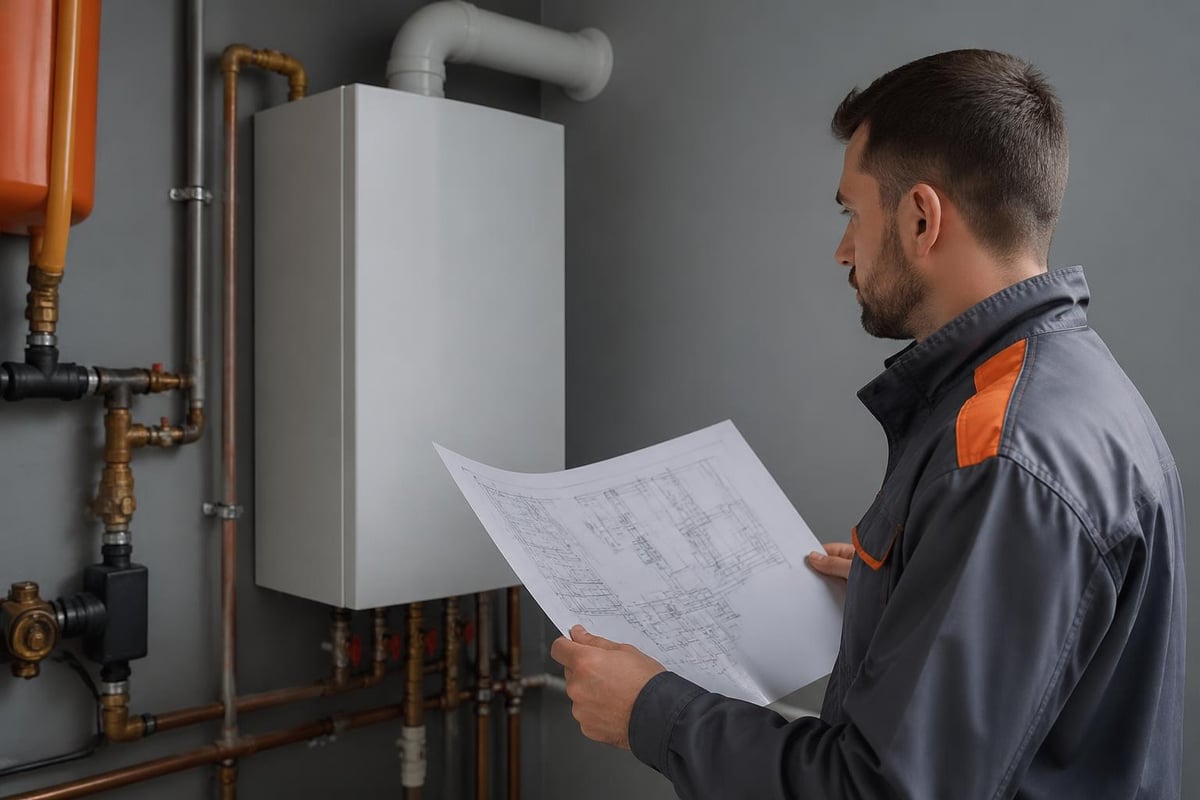
Proper installation proves critical for water boiler performance, safety, and longevity. The process involves far more than simply connecting pipes and activating the unit.
Professional Installation Standards
Qualified engineers must conduct all water boiler installations in accordance with current Building Regulations and manufacturer specifications. The installation process typically encompasses:
- Surveying existing heating infrastructure
- Assessing gas supply adequacy (for gas boilers)
- Evaluating flue positioning and discharge
- Verifying electrical connections meet requirements
- Testing system pressure and flow rates
- Programming controls and commissioning equipment
- Demonstrating operation to homeowners
Companies offering comprehensive plumbing services ensure installations comply with all relevant standards whilst maximising system efficiency.
Space and Location Requirements
The physical location of your water boiler affects both installation costs and ongoing accessibility. Modern combi units offer flexibility, mounting on kitchen walls or in cupboards, whilst system and conventional boilers demand additional space for cylinders and tanks.
Ideal installation locations provide:
- Adequate ventilation for combustion and cooling
- Protection from freezing temperatures
- Easy access for servicing and maintenance
- Compliance with minimum clearance requirements
- Appropriate drainage for condensate discharge
Maintenance and Servicing Best Practices
Regular maintenance extends water boiler lifespan, preserves efficiency, and prevents unexpected breakdowns during cold weather. A well-maintained system operates reliably for 15 years or longer.
Annual Servicing Requirements
Professional servicing should occur annually, ideally before the heating season begins. Comprehensive service visits include:
- Visual inspection of all components
- Cleaning heat exchangers and burners
- Checking gas pressure and combustion efficiency
- Testing safety devices and controls
- Examining seals and gaskets for deterioration
- Verifying correct operating pressures
- Flushing condensate traps
- Updating system firmware where applicable
Specialist boiler repair services address issues promptly, preventing minor problems from escalating into major failures.
Water Quality and Treatment
The quality of water circulating through your heating system profoundly impacts water boiler performance and durability. Removing impurities from boiler water prevents scale formation, corrosion, and sediment accumulation that reduce efficiency and damage components.
| Water Issue | Impact | Solution |
|---|---|---|
| Hard water scale | Reduced heat transfer | Chemical inhibitors, magnetic filters |
| Corrosion | Component degradation | pH balancing, oxygen scavengers |
| Sludge buildup | Circulation problems | System flushing, filtration |
| Contamination | Reduced efficiency | Water treatment, replacement |
Installing magnetic filters and adding corrosion inhibitors protects system integrity whilst maintaining optimal heat transfer. These preventive measures prove far more economical than repairing damage caused by poor water quality.
DIY Maintenance Tasks
Homeowners can perform several straightforward maintenance tasks between professional services:
- Monitor system pressure using the gauge on the water boiler
- Bleed radiators annually to remove trapped air
- Check for leaks around pipes, radiators, and the boiler itself
- Listen for unusual noises indicating air or debris in the system
- Test hot water temperature ensuring it remains consistent
- Clear area around boiler maintaining proper ventilation
These simple checks help identify potential issues early, allowing timely intervention before problems worsen.
Safety Features and Regulations
Modern water boilers incorporate multiple safety mechanisms that protect both property and occupants. Understanding these features and applicable regulations ensures compliant, safe operation.
Built-in Safety Systems
Contemporary units include numerous protective devices:
- Overheat thermostats shut down the burner if temperatures exceed safe limits
- Flame failure devices cut gas supply if ignition fails
- Pressure relief valves prevent dangerous pressure buildup
- Automatic air vents release trapped air safely
- Anti-freeze protection prevents system damage in unoccupied properties
- Carbon monoxide detectors (in some models) alert to dangerous emissions
The classification of water boilers as pressure vessels necessitates robust safety standards in design, manufacture, and installation.
Regulatory Compliance
Water boiler installation and maintenance must adhere to specific regulations:
Building Regulations (Part L) govern energy efficiency requirements for new installations and replacements. These standards mandate minimum efficiency levels and appropriate controls to reduce energy consumption.
Gas Safety (Installation and Use) Regulations require all gas work to be conducted by Gas Safe registered engineers. Using unqualified installers is illegal and invalidates insurance policies.
Water Regulations prevent contamination of mains water supplies through backflow or cross-connection. Proper installation ensures compliance with these critical health protection measures.
Cost Considerations and Financial Planning
Understanding the complete financial picture helps homeowners make informed decisions about water boiler investments.
Initial Investment Breakdown
The total cost of a new water boiler system encompasses several components:
| Cost Element | Typical Range | Notes |
|---|---|---|
| Boiler unit | £800-£2,500 | Varies by type, brand, output |
| Installation labour | £500-£1,500 | Complexity affects pricing |
| Additional materials | £150-£400 | Pipes, fittings, controls |
| System upgrades | £300-£1,000+ | Magnetic filter, power flush |
| Total investment | £1,750-£5,400 | Full turnkey installation |
Premium brands and advanced features increase initial costs but often deliver superior reliability and efficiency that justify the investment through reduced running costs and longer service life.
Operating Costs and Efficiency Savings
Annual heating expenses depend on numerous variables including fuel type, property size, insulation quality, and usage patterns. A high-efficiency water boiler can reduce heating bills by 30-40% compared to an older, inefficient model.
Fuel type comparison (2026 average costs):
- Natural gas remains the most economical fuel option
- LPG costs approximately 2-3 times more than mains gas
- Oil prices fluctuate significantly with global markets
- Electric boilers suit properties without gas access
The comprehensive information on water boiler selection helps homeowners evaluate long-term operating costs alongside initial purchase prices.
Financing Options and Incentives
Many heating specialists now offer flexible payment solutions that make modern, efficient water boilers accessible without substantial upfront expenditure. Interest-free financing arrangements allow costs to be spread across manageable monthly instalments.
Government schemes occasionally provide grants or incentives for upgrading to high-efficiency heating systems, particularly when replacing very old boilers or incorporating renewable technologies. Checking current programme availability before committing to purchase may unlock additional savings.
Troubleshooting Common Water Boiler Issues
Recognising common problems and understanding appropriate responses helps maintain system reliability and prevents unnecessary emergency callouts.
Pressure-Related Problems
Low system pressure represents one of the most frequent water boiler issues. When pressure drops below the minimum threshold (typically 1 bar), the boiler may refuse to fire.
Common causes include:
- Bleeding radiators without refilling the system
- Small leaks in pipes, radiators, or the boiler itself
- Faulty pressure relief valve discharging water
- Expansion vessel requiring recharging
Restoring pressure involves using the filling loop to add water until the gauge indicates the recommended level (usually 1.0-1.5 bar when cold).
Temperature Fluctuations
Inconsistent hot water temperatures or inadequate heating performance suggest potential issues requiring investigation. Possible causes range from simple thermostat settings to more complex component failures.
Diagnostic steps:
- Verify thermostat settings match desired temperatures
- Check radiator valves operate correctly
- Examine circulation pump operation
- Assess system for airlocks or blockages
- Consider heat exchanger efficiency
Professional diagnostics identify root causes accurately, preventing wasted expenditure on unnecessary repairs.
Unusual Noises and Sounds
Different sounds indicate specific issues within your water boiler system:
- Kettling (rumbling or whistling) suggests scale buildup on heat exchanger
- Gurgling indicates air trapped in the system
- Banging may signal expansion problems or loose components
- Humming could indicate pump or fan issues
- Dripping requires immediate investigation for leaks
Addressing unusual sounds promptly prevents minor issues from developing into significant failures.
Future-Proofing Your Heating Investment
Selecting a water boiler in 2026 requires considering not just current needs but anticipated future developments in technology, regulations, and energy supply.
Hybrid and Smart-Ready Systems
Hybrid water boilers combine gas heating with heat pump technology, automatically selecting the most efficient heat source based on demand and external temperatures. These systems offer:
- Reduced carbon emissions compared to gas-only systems
- Lower running costs through optimised fuel selection
- Improved efficiency during lower demand periods
- Compatibility with future renewable energy integration
- Enhanced resilience with dual heat sources
Smart-ready models accept future upgrades as technology evolves, protecting your investment against obsolescence.
Preparing for Hydrogen Compatibility
The UK's heating sector faces potential transition from natural gas to hydrogen fuel in coming decades. Forward-thinking homeowners consider hydrogen-ready water boilers that can be converted when hydrogen infrastructure becomes available.
Current hydrogen-ready models operate efficiently on natural gas whilst permitting future conversion with minimal modification. This approach balances immediate requirements with long-term sustainability goals.
Integration with Renewable Technologies
Modern water boilers increasingly work alongside renewable heating sources:
- Solar thermal panels preheat water before it enters the boiler
- Photovoltaic systems power pumps and controls
- Biomass boilers provide primary heating with gas backup
- Heat pumps work in hybrid configurations
Such integrated approaches maximise efficiency whilst reducing environmental impact and energy costs.
Choosing the Right Installer
The quality of installation profoundly affects water boiler performance, efficiency, and longevity. Selecting experienced, qualified professionals ensures optimal results.
Essential Qualifications and Accreditations
Reputable installers possess relevant credentials demonstrating competence and commitment to professional standards:
Gas Safe Registration represents the legal minimum for anyone working on gas appliances. Every engineer must carry a current Gas Safe ID card specifying the categories of work they're qualified to perform.
Manufacturer accreditation indicates training on specific water boiler brands, ensuring installers understand particular models' requirements and can diagnose issues effectively.
Industry memberships with organisations like the Chartered Institute of Plumbing and Heating Engineering (CIPHE) demonstrate ongoing professional development and adherence to best practices.
Evaluating Service Providers
When comparing installation companies, consider:
- Experience with your specific water boiler type and property configuration
- Customer reviews reflecting service quality and reliability
- Warranty coverage protecting your investment
- Response times for ongoing support and emergency repairs
- Transparent pricing with detailed written quotations
- Comprehensive aftercare including servicing and maintenance
Established providers with decades of experience bring valuable expertise to complex installations and challenging property configurations. The comprehensive guide to water boiler selection and operation emphasises the importance of professional installation for optimal performance.
Selecting and maintaining the right water boiler ensures reliable heating, reduced energy costs, and enhanced home comfort for years to come. Understanding the types, features, and requirements empowers homeowners to make informed decisions that balance immediate needs with long-term value. Whether you're considering a new installation, upgrading an existing system, or require expert maintenance services, NU Heat North East Ltd brings over four decades of experience to every project throughout the North East of England. Our qualified technicians deliver comprehensive heating solutions, from initial consultation through installation to ongoing support, with flexible financing options including 0% interest to make your investment more manageable.