
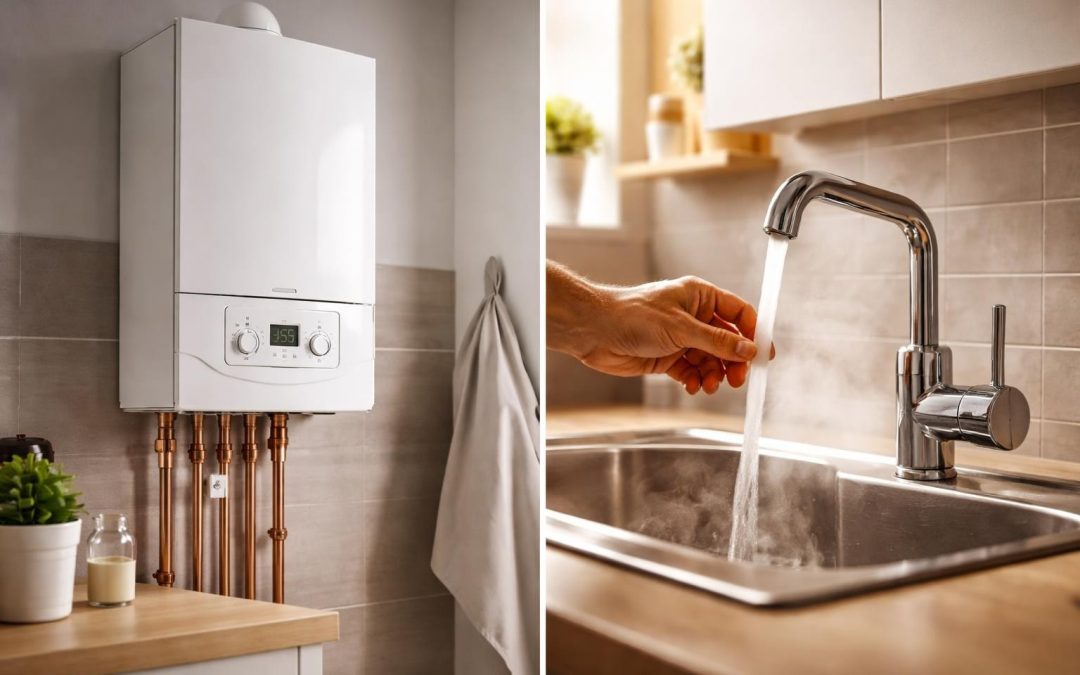
Modern heating systems have evolved significantly over the past four decades, and the combi boiler stands out as one of the most efficient solutions for residential properties across the UK. This compact heating system delivers both central heating and hot water on demand, eliminating the need for separate water tanks or cylinders. Whether you're building a new home, renovating an existing property, or simply replacing an outdated heating system, understanding how these units function and whether they suit your household requirements is essential for making an informed investment decision.
What Makes a Combi Boiler Different
A combi boiler, short for combination boiler, integrates two crucial functions into a single unit: central heating and instant hot water supply. Unlike traditional heating systems that require separate hot water cylinders and cold water storage tanks, this innovative design heats water directly from the mains supply whenever you turn on a tap or shower.
The fundamental advantage lies in its space-saving design. Properties with limited storage areas particularly benefit from this compact solution, as it frees up valuable cupboard space previously occupied by bulky tanks and cylinders.
Key Operating Principles
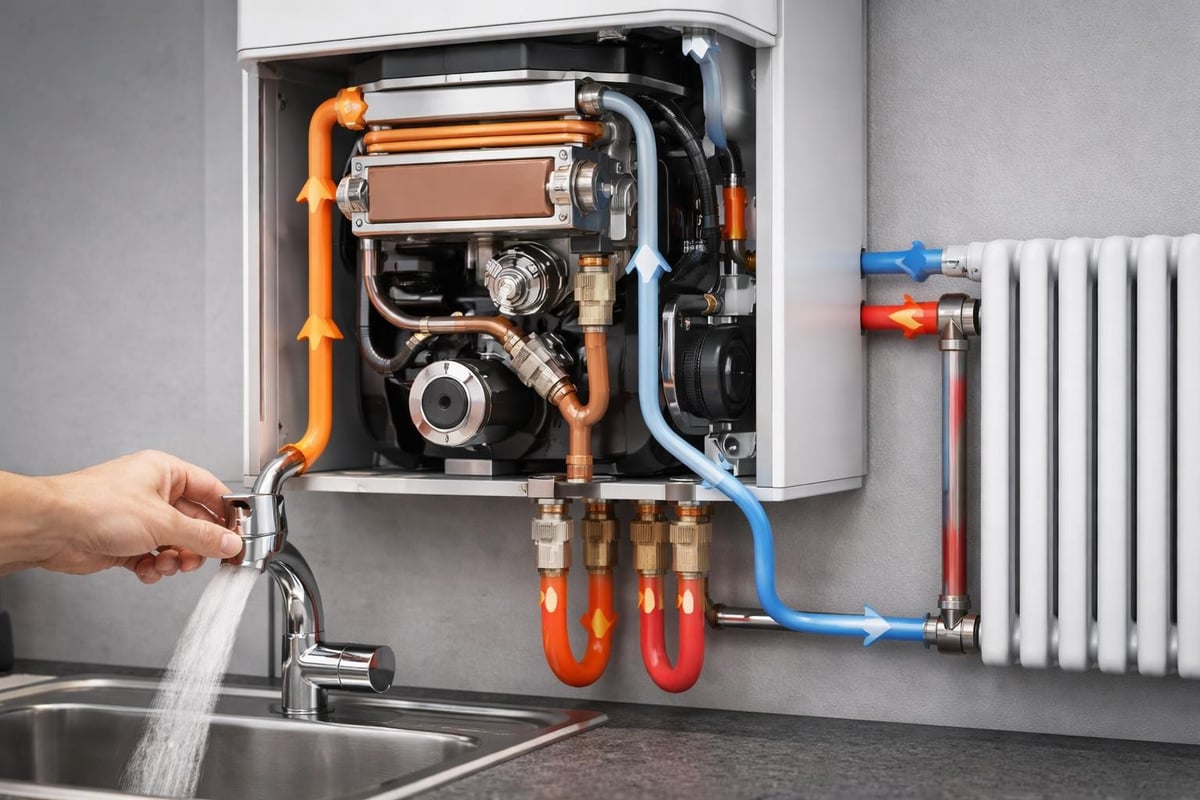
The heating mechanism operates through a highly efficient process:
- Cold water enters the boiler directly from the mains supply
- When you activate a hot water tap, the boiler's heat exchanger rapidly heats the water
- Hot water flows directly to your tap or shower without any storage delay
- For central heating, the boiler heats water that circulates through your radiator system
- The system switches automatically between heating modes based on demand
This technology behind combination boilers ensures you receive hot water exactly when needed, reducing energy waste from maintaining stored hot water at constant temperatures.
Advantages That Matter to Homeowners
The growing popularity of these heating systems stems from several compelling benefits that directly impact daily comfort and household running costs. The combi boiler market continues expanding as more homeowners recognise these advantages.
Energy Efficiency Benefits
- No heat loss from stored hot water sitting in cylinders
- Heating occurs only when required, reducing standby energy consumption
- Modern condensing models achieve efficiency ratings exceeding 90%
- Lower carbon emissions compared to conventional systems
- Potential for significant annual savings on energy bills
Practical Household Advantages
Space efficiency represents one of the most immediate benefits. Without requiring separate tanks, you gain valuable storage space for other household items. Installation typically proves simpler and less disruptive than traditional systems, particularly when replacing existing boilers.
Water pressure directly from the mains often provides stronger shower performance compared to gravity-fed systems from storage tanks. This proves especially valuable in properties where multiple bathrooms require adequate water pressure simultaneously.
Financial Considerations
| Cost Factor | Typical Range | Notes |
|---|---|---|
| Unit Purchase | £650-£2,500 | Varies by brand and capacity |
| Installation | £500-£1,500 | Depends on system complexity |
| Annual Service | £60-£120 | Essential for warranty validity |
| Energy Savings | £200-£400/year | Compared to older systems |
Professional installation ensures optimal performance and safety. Many heating specialists, including those providing radiator installations, offer comprehensive service packages that include annual maintenance to keep your system running efficiently.
Sizing and Capacity Requirements
Selecting the appropriate size combi boiler for your property requires careful consideration of your household's hot water demands and heating requirements. An undersized unit struggles to meet demand during peak usage, whilst an oversized model wastes energy and increases initial costs unnecessarily.
Determining Your Household Needs
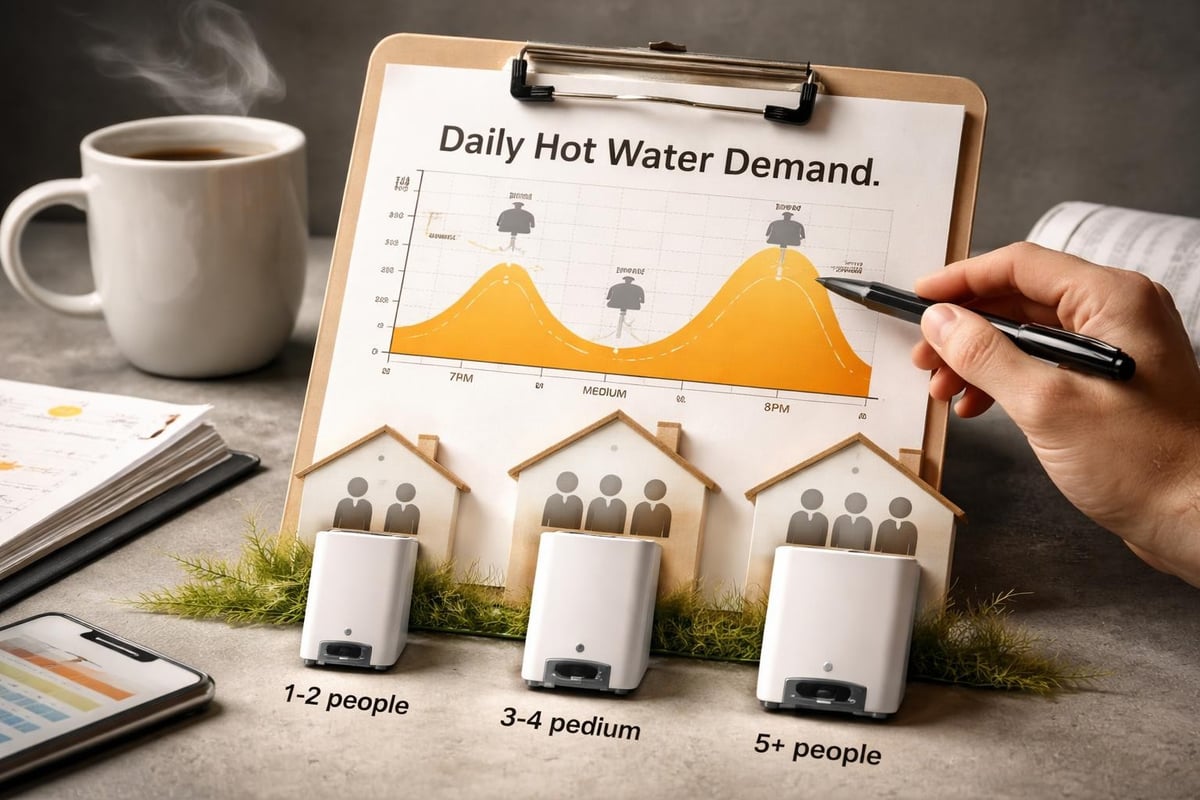
The number of bathrooms and occupants provides the primary sizing indicator:
- Small properties (1 bathroom, 1-2 occupants): 24-28 kW output
- Medium homes (2 bathrooms, 3-4 occupants): 28-34 kW output
- Larger properties (3+ bathrooms, 4+ occupants): 35-42 kW output
Flow rate capacity determines how effectively your boiler delivers hot water to multiple outlets simultaneously. Standard combi boilers typically provide 10-16 litres per minute, sufficient for one shower and one tap running concurrently.
Properties with high hot water demands across multiple bathrooms simultaneously might require alternative solutions. In such cases, exploring other options alongside biomass systems could prove beneficial for specific heating requirements.
Installation Process and Preparation
Professional installation ensures your heating system operates safely, efficiently, and in compliance with current Building Regulations. The process typically spans one to three days, depending on your property's existing infrastructure and whether you're replacing an old system or installing a completely new heating setup.
Pre-Installation Assessment
Your installer conducts a thorough evaluation covering:
- Current heating system configuration and condition
- Property size, insulation levels, and heat loss calculations
- Water pressure and mains supply capacity
- Flue positioning options and ventilation requirements
- Optimal boiler location for efficiency and accessibility
Installation Timeline
| Stage | Duration | Key Activities |
|---|---|---|
| System Removal | 2-4 hours | Remove old boiler and tanks if applicable |
| Pipework Modifications | 3-6 hours | Adapt existing pipes or install new circuits |
| Boiler Mounting | 2-3 hours | Secure unit and connect all services |
| System Testing | 2-4 hours | Check for leaks, pressure test, commission |
| Final Checks | 1-2 hours | Demonstrate controls, provide documentation |
Converting from a traditional system to a combi boiler involves removing redundant tanks and cylinders. This creates additional work but ultimately provides the space-saving benefits that make these systems attractive. The installer ensures all pipework modifications meet current standards and that your system integrates properly with existing radiator installations throughout your property.
Regulatory Compliance
All gas boiler installations must be completed by Gas Safe registered engineers. This legal requirement protects homeowners and ensures installations meet stringent safety standards. Your installer provides certification upon completion, which you'll need for insurance purposes and future property sales.
Building Regulations Part L governs energy efficiency requirements for heating systems. Modern installations must include adequate controls, such as programmable thermostats and thermostatic radiator valves, to maximise efficiency and give you precise control over heating schedules.
Maintenance Requirements and Longevity
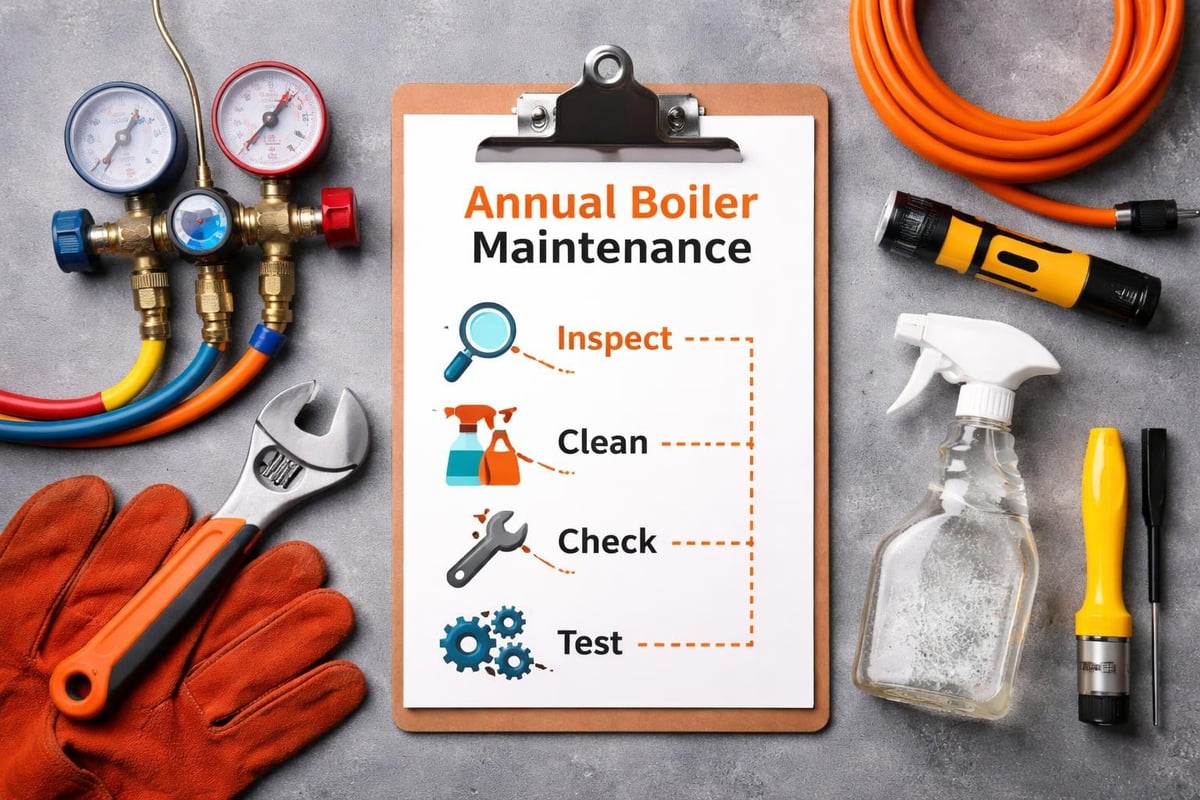
Regular servicing extends your boiler's operational lifespan and maintains peak efficiency throughout its service life. Most manufacturers require annual professional servicing to keep warranties valid, making this an essential rather than optional consideration.
Annual Service Components
A comprehensive service inspection covers multiple critical areas:
- Combustion analysis to verify efficient fuel burning
- Heat exchanger cleaning to prevent scale buildup
- Safety device testing including pressure relief valves
- Electrical connection inspection for secure terminations
- Flue integrity checks ensuring safe exhaust ventilation
Regular maintenance typically costs between £60 and £120 annually, representing excellent value when compared against the expense of premature component failure or complete system replacement. When evaluating combi boiler ratings, warranty terms and manufacturer support often correlate directly with long-term reliability.
Common Issues and Prevention
| Problem | Prevention Strategy | Typical Cost if Neglected |
|---|---|---|
| Frozen condensate pipe | Insulate external pipework | £80-£150 call-out |
| Low pressure | Annual pressure checks | £60-£100 repair |
| Kettling noise | Regular descaling service | £200-£400 heat exchanger |
| Ignition failure | Annual electrode cleaning | £150-£300 replacement |
Most modern combi boilers achieve operational lifespans of 10-15 years with proper maintenance. Premium models with superior build quality occasionally exceed this range, whilst neglected systems may require replacement after just 7-8 years.
Comparing Alternative Heating Solutions
Whilst combi boilers suit many properties excellently, understanding alternative heating systems helps ensure you select the optimal solution for your specific circumstances. Different household configurations and usage patterns sometimes benefit from alternative approaches.
System Boilers vs Combi Boilers
System boilers require a separate cylinder for storing hot water but eliminate the need for cold water tanks. This configuration suits larger properties with multiple bathrooms requiring simultaneous hot water supply. The stored hot water provides higher flow rates to several outlets concurrently, overcoming the flow rate limitations some combi boilers face.
Heat Pump Systems
The UK government's push towards renewable heating drives increasing interest in heat pump technology. These systems extract heat from air or ground sources, offering excellent efficiency for properties with appropriate insulation standards. The energy efficiency principles that make heat pumps viable also enhance combi boiler performance, so improving your property's insulation benefits any heating system.
However, heat pumps require different radiator configurations and may need replacement water heater considerations for domestic hot water supply. Installation costs typically exceed combi boiler installations substantially, though running costs over time may prove lower depending on energy prices.
When Combi Boilers Excel
Certain property characteristics make combi boilers the clear optimal choice:
- Flats and small to medium-sized houses
- Properties with one or two bathrooms
- Homes where space is at a premium
- Households with moderate hot water demands
- Properties with good mains water pressure (minimum 1.5 bar)
Conversely, very large properties, those with three or more bathrooms in regular use, or homes with poor mains pressure might benefit more from system boilers or alternative configurations.
Selection Criteria and Brand Considerations
Choosing the right combi boiler involves balancing multiple factors beyond simple price comparison. The criteria used by industry experts when evaluating these systems provide valuable guidance for homeowners making this significant investment.
Essential Evaluation Factors
Performance specifications form the foundation of your decision:
- Output rating matching your property's heat loss calculations
- Hot water flow rate sufficient for your household usage patterns
- Energy efficiency rating impacting long-term running costs
- Warranty coverage indicating manufacturer confidence in reliability
- Physical dimensions ensuring the unit fits your intended location
Top Manufacturer Comparison
| Brand | Typical Warranty | Efficiency | Price Range | Key Strength |
|---|---|---|---|---|
| Worcester Bosch | 7-10 years | 92-94% | £1,100-£2,200 | Reliability record |
| Vaillant | 7-10 years | 89-94% | £1,000-£2,100 | Build quality |
| Baxi | 7-10 years | 89-93% | £800-£1,600 | Value proposition |
| Ideal | 7-12 years | 90-94% | £900-£1,800 | Customer support |
| Viessmann | 7-10 years | 92-98% | £1,400-£2,500 | Premium efficiency |
Premium brands typically command higher initial prices but often deliver superior long-term value through enhanced reliability, better efficiency, and more comprehensive warranty coverage. Consulting detailed combi boiler reviews and ratings helps identify which models consistently perform well across multiple evaluation criteria.
Smart Controls and Integration
Modern combi boilers increasingly feature smart connectivity, allowing remote control via smartphone applications. These systems enable you to adjust heating schedules from anywhere, monitor energy consumption in real-time, and receive maintenance alerts before minor issues escalate into costly repairs.
Integration with smart home ecosystems provides additional benefits:
- Voice control through Alexa or Google Assistant
- Automatic temperature adjustment based on weather forecasts
- Learning algorithms that adapt to your household patterns
- Detailed energy usage analytics for identifying savings opportunities
Financing and Installation Investment
The total cost of installing a new combi boiler encompasses several components beyond the unit price alone. Understanding the complete financial picture helps you budget appropriately and explore available financing options that make this essential home improvement more accessible.
Total Cost Breakdown
Equipment Costs
The boiler itself represents the largest single expense, but additional components contribute to the final total:
- Combi boiler unit: £650-£2,500
- System controls and thermostats: £100-£400
- Flue components: £50-£200
- Water treatment devices: £80-£300
- Additional pipework and fittings: £100-£300
Labour and Installation
Professional installation costs vary based on job complexity. Simple like-for-like replacements typically cost less than full system conversions or installations in properties without existing central heating. Expect installation fees ranging from £500 to £1,500, with more complex projects occasionally exceeding this range.
Many reputable installers now offer flexible payment plans, making it easier to spread costs over manageable monthly instalments. Some companies provide 0% interest financing options, allowing you to invest in quality heating without the burden of immediate full payment.
Return on Investment
Energy bill reductions provide tangible financial returns following installation. Replacing a boiler over fifteen years old with a modern condensing combi boiler typically saves £200-£400 annually on heating costs. This means the system potentially pays for itself within 5-8 years through energy savings alone.
Property value considerations also merit attention. Modern, efficient heating systems represent attractive features to potential buyers, often facilitating quicker sales and supporting asking prices. Energy Performance Certificate ratings improve with efficient heating systems, which increasingly influences buyer decisions in 2026's environmentally conscious market.
Environmental Impact and Sustainability
The heating sector accounts for approximately 14% of UK carbon emissions, making residential heating choices significant contributors to national environmental goals. Modern combi boilers offer substantial improvements over older systems, though ongoing technological developments continue advancing efficiency and reducing environmental impact.
Current Efficiency Standards
All new gas boilers installed in the UK must be condensing models, achieving minimum seasonal efficiency ratings of 92%. The best combi boilers currently available reach 94-98% efficiency, converting nearly all fuel energy into useful heat for your property.
Condensing technology works by extracting additional heat from exhaust gases before venting them outside. This recovered heat would otherwise escape through the flue, representing wasted energy in non-condensing systems. The condensate produced during this process requires appropriate drainage, typically routed to external drains or soakaways.
Comparative Carbon Emissions
- Old non-condensing boiler (70% efficiency): 2,700 kg CO₂/year
- Basic condensing combi (89% efficiency): 2,100 kg CO₂/year
- Premium condensing combi (94% efficiency): 1,950 kg CO₂/year
- Heat pump system (COP 3.0): 1,200 kg CO₂/year
These figures assume typical household energy consumption of 12,000 kWh annually for heating and hot water.
Future-Proofing Considerations
The UK government's commitment to achieving net-zero carbon emissions by 2050 will inevitably impact residential heating. Whilst gas combi boilers currently provide excellent efficiency using existing infrastructure, hydrogen-ready models now entering the market offer potential transition pathways.
Hydrogen-ready boilers operate identically to standard gas models but can be converted to burn hydrogen fuel when this becomes available through the gas network. This adaptability provides insurance against future regulatory changes without requiring complete system replacement.
Alternatively, hybrid systems combining combi boilers with heat pumps offer immediate carbon reduction whilst maintaining the convenience and high flow rates of conventional heating. These systems automatically select the most efficient heat source based on outdoor temperature and energy prices.
Regional Considerations for North East England
Properties throughout Northumberland, Tyne and Wear, and County Durham face specific heating challenges that influence combi boiler selection and performance. The region's climate, property types, and infrastructure characteristics all impact optimal system choices.
Climate Impact on Performance
The North East experiences colder average temperatures than southern UK regions, with winter temperatures regularly dropping below freezing. This climate reality demands robust heating systems capable of maintaining comfortable indoor temperatures during extended cold periods.
Combi boilers serving North East properties benefit from:
- Frost protection features that prevent internal component damage during severe weather
- Condensate pipe insulation to prevent freezing that causes system shutdowns
- Adequate output ratings sized for higher heat loss in colder conditions
- Weather compensation controls that adjust heating curves based on outdoor temperature
Condensate pipe freezing represents the most common weather-related issue. External condensate pipes require proper insulation and, where possible, routing through heated spaces to prevent winter blockages that trigger boiler shutdowns.
Property Characteristics
The North East's housing stock includes substantial numbers of traditional stone-built properties, terraced houses, and post-war semi-detached homes. Each property type presents distinct considerations for heating system selection.
Traditional stone properties often feature solid walls with limited insulation, increasing heat loss and demanding higher boiler outputs. Modern combi boilers paired with improved insulation and draught-proofing deliver optimal performance in these characterful homes.
Period properties sometimes lack adequate mains water pressure due to ageing supply infrastructure. Properties experiencing pressure below 1.5 bar may require pressure boosting equipment or alternative heating system configurations to ensure satisfactory performance.
Selecting and installing the right combi boiler transforms your home's comfort, efficiency, and running costs for years to come. Understanding the various factors affecting this decision empowers you to make choices aligned with your household's specific needs and circumstances. Whether you're replacing an ageing system or installing heating in a new property, professional guidance ensures optimal results. NU Heat North East Ltd brings over four decades of experience helping North East homeowners achieve reliable, efficient heating solutions, with flexible 0% finance options making quality installations more accessible than ever.