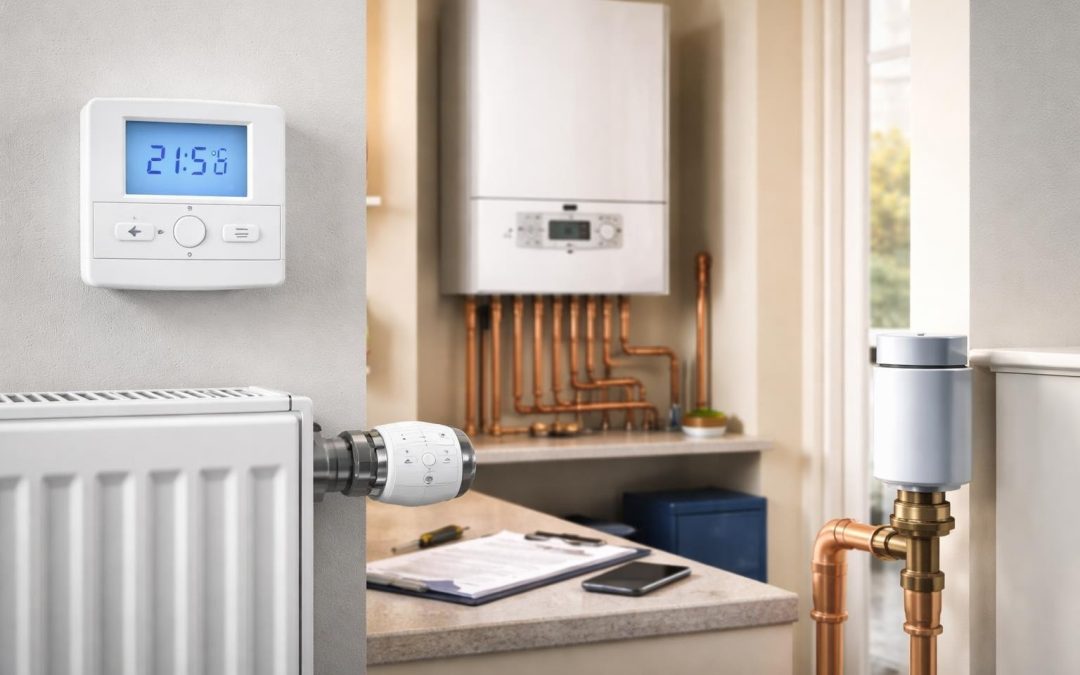
When temperatures drop across the North East of England, a functioning heating system becomes essential for comfort and wellbeing. Understanding when your system requires professional attention, recognising early warning signs, and knowing how to maintain your heating equipment can save you from costly emergency callouts during the coldest months. This comprehensive guide explores everything homeowners need to know about maintaining, troubleshooting, and addressing common heating system issues before they escalate into major problems.
Recognising Warning Signs That Require Immediate Attention
Your heating system communicates its health status through various signals that shouldn't be ignored. Strange noises emanating from your boiler, such as banging, whistling, or gurgling sounds, often indicate trapped air, limescale buildup, or failing components that require inspection. These auditory warnings typically precede more serious failures.
Key symptoms demanding professional assessment include:
- Radiators that remain cold at the bottom but warm at the top
- Uneven heating throughout different rooms in your property
- Rapidly increasing energy bills without explanation
- Visible water leaks around the boiler or pipework
- Yellow or orange pilot light flames instead of blue
- Frequent system cycling or failure to maintain temperature
Cold spots on radiators suggest sludge accumulation or air pockets within the system. When left unaddressed, these issues force your boiler to work harder, consuming more energy and accelerating component wear. Regular servicing helps identify these problems before they develop into complete system failures.
Thermostat and Control Malfunctions
Incorrect thermostat operation represents one of the most frequent issues requiring heating repairs. If your system runs continuously without reaching the set temperature, or fails to activate when needed, the control mechanism may be faulty. Thermostats positioned in unsuitable locations, such as near draughty windows or heat sources, provide inaccurate readings that compromise system efficiency.
Modern programmable thermostats offer significant advantages but can develop software glitches or sensor failures. Testing your thermostat's accuracy with a separate thermometer helps determine whether the device requires calibration or replacement.
Common Heating System Problems and Their Solutions
Understanding the most prevalent heating issues enables homeowners to communicate effectively with technicians and make informed decisions about repairs versus replacements. Boiler pressure problems rank among the most frequently encountered complications, with systems requiring pressure between 1 and 1.5 bar for optimal operation.
Low pressure typically stems from water leaks, recent radiator bleeding, or automatic pressure relief valve activation. Whilst homeowners can repressurize systems following manufacturer instructions, persistent pressure loss indicates underlying problems requiring professional diagnosis. Conversely, excessive pressure may result from overfilling or faulty expansion vessels.
| Problem Type | Typical Causes | Repair Urgency |
|---|---|---|
| No heating or hot water | Thermostat failure, broken diaphragm, airlock | High |
| Leaking boiler | Corrosion, seal deterioration, pressure issues | Immediate |
| Frozen condensate pipe | Insufficient insulation, extreme cold | High |
| Radiator cold spots | Sludge buildup, trapped air, valve failure | Medium |
| Pilot light extinction | Faulty thermocouple, debris, draught | High |
Radiator Performance Issues
When radiators fail to heat properly, the problem often originates from trapped air or sludge accumulation rather than boiler malfunction. Annual bleeding removes air pockets that prevent hot water circulation, whilst power flushing eliminates magnetite sludge that restricts flow through the system.
Thermostatic radiator valves (TRVs) can stick in closed positions, preventing hot water entry. These mechanical components require occasional manual adjustment and periodic replacement to maintain proper function. Balancing radiators ensures even heat distribution throughout your property, addressing situations where rooms furthest from the boiler receive inadequate warmth.
Preventative Maintenance to Avoid Emergency Heating Repairs
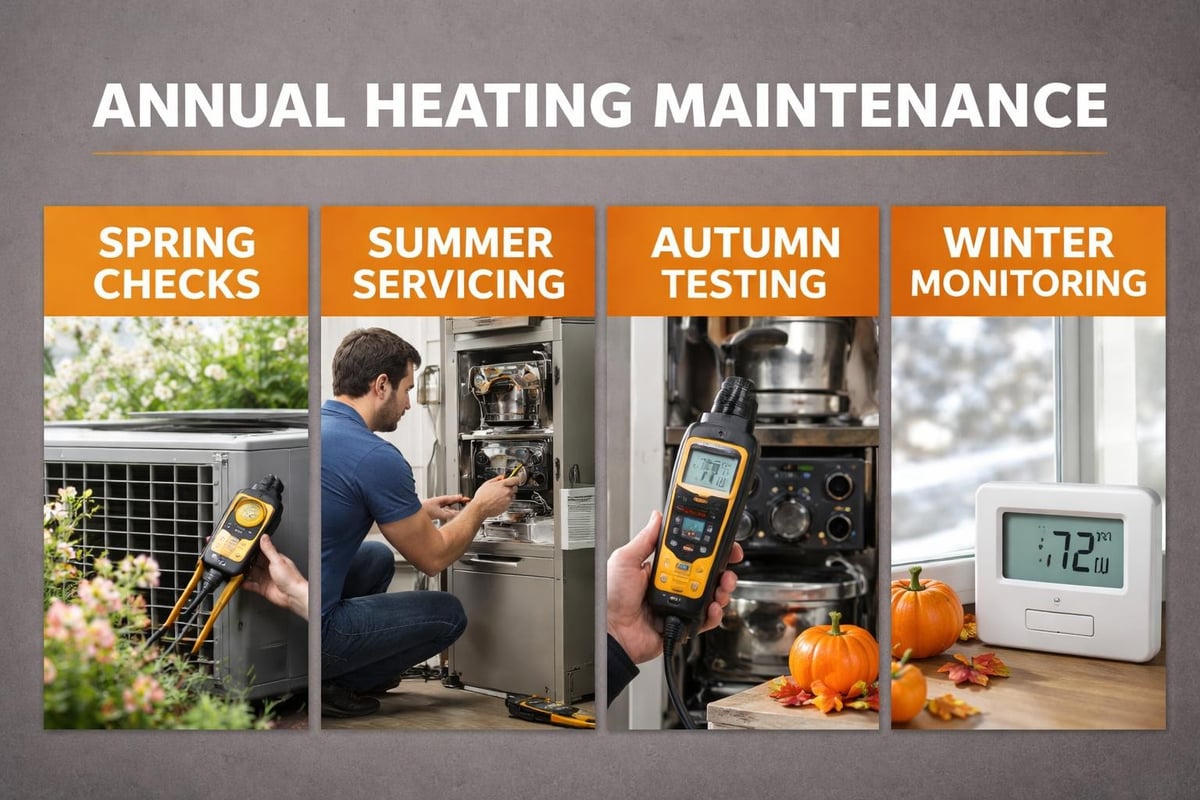
Proactive system care significantly reduces the likelihood of unexpected breakdowns during winter months when demand on heating infrastructure peaks. Following an ENERGY STAR maintenance checklist helps homeowners implement systematic preventative measures throughout the year.
Essential maintenance tasks include:
- Monthly visual inspections of boiler and visible pipework
- Quarterly checks of thermostat accuracy and programming
- Annual professional servicing before heating season begins
- Regular radiator bleeding when cold spots appear
- Immediate investigation of unusual noises or odours
- Verification of adequate ventilation around heating equipment
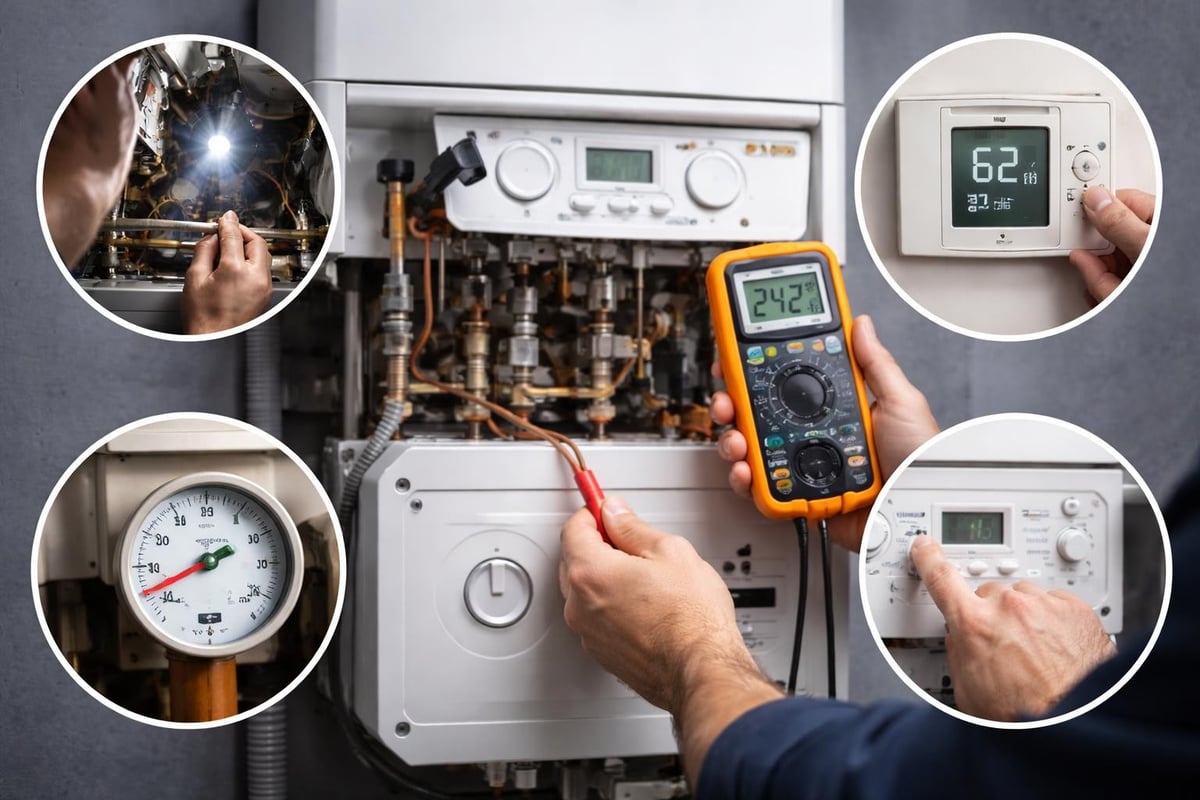
Professional annual servicing involves comprehensive inspection of heat exchangers, flue gases, safety devices, and combustion efficiency. Technicians clean components, test controls, and identify wear before failures occur. This investment typically costs substantially less than emergency heating repairs during cold weather when demand surges and availability diminishes.
Seasonal Preparation Strategies
Preparing your heating system before winter arrivals prevents inconvenient failures when you most need warmth. Testing your system during autumn allows time for repairs without the urgency and premium costs associated with emergency callouts. Completing essential heating tune-up tasks ensures your equipment operates efficiently when temperatures drop.
Insulating exposed pipes in unheated areas prevents freezing that can cause burst pipes and water damage. Condensate pipes, which drain acidic water from condensing boilers, particularly require attention as freezing can shut down your entire system. Lagging these pipes with foam insulation provides simple yet effective protection.
Understanding Repair Versus Replacement Decisions
Determining whether to repair existing equipment or invest in replacement systems requires careful consideration of multiple factors. Age represents a primary consideration, as boilers typically last 10-15 years with proper maintenance. Systems approaching this lifespan often require increasingly frequent heating repairs that accumulate significant costs.
Modern condensing boilers operate at 90-95% efficiency compared to older models achieving 60-70% efficiency. Replacement can reduce energy consumption by 30-40%, generating substantial savings that offset initial investment over time. Additionally, newer systems incorporate smart controls and improved safety features unavailable in older equipment.
Cost Analysis Framework
| Decision Factor | Repair Recommended | Replace Recommended |
|---|---|---|
| System age | Under 8 years | Over 12 years |
| Repair cost | Under 50% replacement cost | Over 50% replacement cost |
| Efficiency rating | Above 85% | Below 75% |
| Frequency of issues | First or second repair | Third+ repair in two years |
| Parts availability | Readily available | Discontinued or expensive |
When components like heat exchangers or gas valves fail, repair costs can approach 40-60% of replacement expenses. In these situations, particularly for older systems, replacement often provides better long-term value. However, minor heating repairs on relatively new, efficient equipment make sound financial sense.
Financing options, such as the 0% interest arrangements offered by established heating specialists, make replacement more accessible by spreading costs into manageable monthly payments. This approach allows homeowners to upgrade to energy-efficient systems without significant upfront expenditure.
Impact of Poor Installation on Future Repair Needs
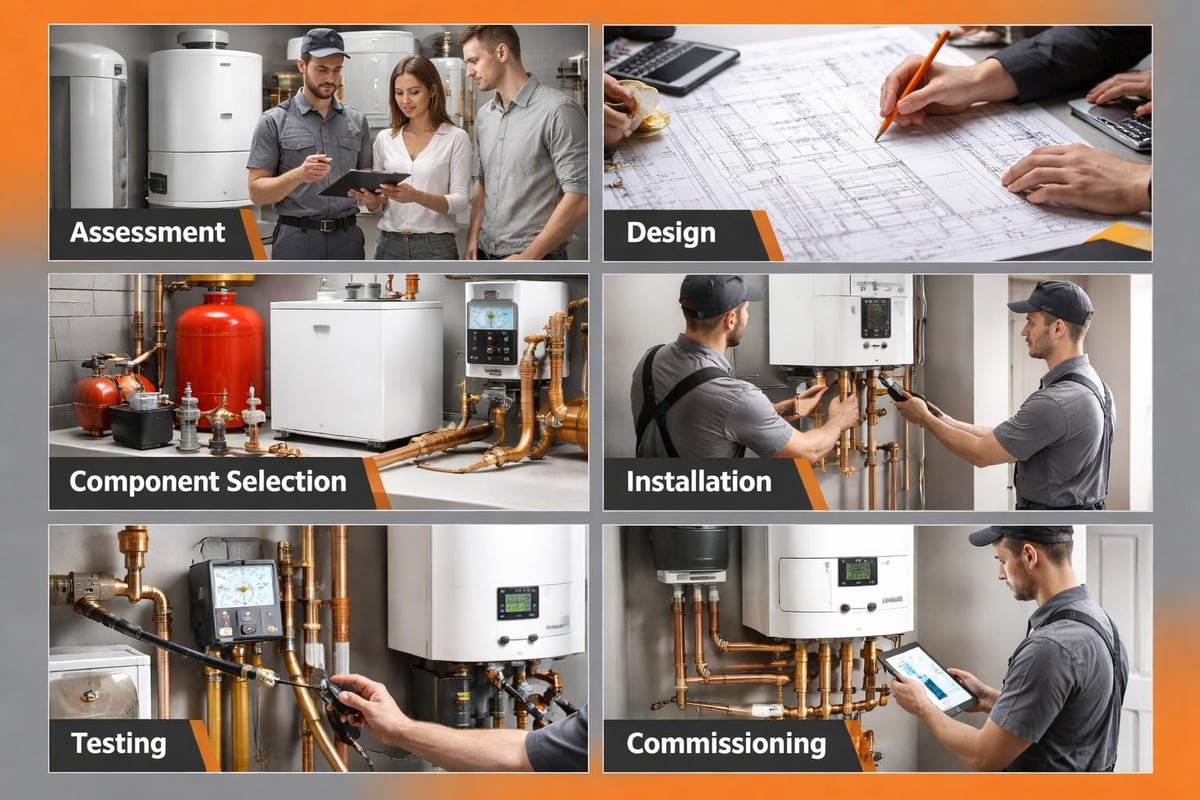
The quality of initial installation profoundly influences the frequency and severity of subsequent heating repairs throughout a system's lifespan. Incorrectly sized boilers operate inefficiently, cycling on and off excessively, which accelerates component wear and increases breakdown likelihood. Inadequate system flushing before installation allows debris to circulate, damaging pumps, valves, and heat exchangers.
Professional installation by qualified technicians ensures compliance with building regulations, manufacturer specifications, and safety standards. Gas Safe registration represents the legal requirement for anyone working on gas appliances in the UK, providing assurance of competence and accountability. Reputable installers provide comprehensive warranties covering both equipment and workmanship, offering protection if problems emerge.
System Design Considerations
Proper system design accounts for property size, insulation levels, hot water demand, and radiator capacity. Undersized systems struggle to maintain comfortable temperatures, running continuously and consuming excessive energy. Oversized equipment cycles frequently, reducing efficiency and component longevity whilst failing to effectively remove moisture from the air.
The quality of components selected during installation affects reliability and maintenance requirements. Premium manufacturers typically offer superior warranties, better parts availability, and enhanced durability. Several factors force heating systems to work harder than necessary, including poor insulation, draughty windows, and inefficient controls, which should be addressed during installation planning.
Much like comprehensive property renovations that require careful planning and skilled execution, heating system installations benefit from expert oversight. Professionals with decades of experience understand regional climate demands and building characteristics specific to the North East of England.
Energy Efficiency and Its Role in Reducing Repair Frequency
Energy-efficient heating systems experience less stress during operation, translating to reduced component wear and fewer repair requirements. Systems operating within design parameters maintain consistent temperatures without excessive cycling, which extends equipment lifespan significantly. Upgrading insulation reduces demand on heating equipment, allowing systems to operate at lower outputs whilst maintaining comfort levels.
Smart thermostats and zoned heating controls prevent unnecessary operation in unoccupied spaces, reducing total running hours and associated wear. These technologies learn occupancy patterns and adjust temperatures accordingly, optimising efficiency without compromising comfort. Remote access allows homeowners to adjust settings from anywhere, preventing systems from heating empty properties.
Efficiency improvements that reduce repair needs:
- Modern condensing boiler technology with advanced heat exchangers
- Magnetic system filters that capture debris before it damages components
- Chemical inhibitors that prevent corrosion and limescale formation
- Upgraded controls with weather compensation and load management
- Improved circulation pumps with variable speed capabilities
- Zone valves that direct heat only where needed
Regular filter maintenance on magnetic filters prevents sludge accumulation that restricts flow and damages pumps. These devices capture magnetite particles produced by internal corrosion, maintaining clean water circulation throughout the system. Draining and cleaning filters twice yearly ensures continued effectiveness.
The Financial Benefits of Preventative Care
Investing in preventative maintenance delivers measurable financial returns through reduced emergency heating repairs, lower energy consumption, and extended equipment lifespan. Annual servicing costs typically represent 5-10% of emergency repair expenses, making it economically prudent. Systems receiving regular maintenance operate at peak efficiency, reducing fuel costs by 10-15% compared to neglected equipment.
Implementing proper boiler maintenance practices prevents minor issues from escalating into major failures requiring extensive repairs or premature replacement. Documentation of regular servicing also maintains manufacturer warranties, which often become void without proof of annual professional inspection.
Choosing Qualified Professionals for Heating Repairs
Selecting competent technicians ensures repairs are completed correctly, safely, and with appropriate warranties. Gas Safe registration represents the minimum qualification for anyone working on gas heating systems, with registration numbers verifiable through the official database. Experience with your specific boiler brand and model provides additional confidence in diagnostic accuracy and repair quality.
Established heating specialists with decades of regional experience understand local water conditions, common property characteristics, and climate demands specific to the North East. Long-standing businesses demonstrate reliability and accountability, with reputations built through consistent service quality. Customer testimonials and recommendations from neighbours provide valuable insights into service standards and responsiveness.
What to Expect During Professional Service Visits
Professional heating repairs begin with comprehensive diagnostics to identify root causes rather than merely addressing symptoms. Technicians should explain findings clearly, provide transparent pricing before commencing work, and offer options when multiple repair approaches exist. Quality service includes cleaning work areas, respecting your property, and testing systems thoroughly after repairs.
Reputable companies provide written documentation detailing work completed, parts replaced, and any recommendations for future attention. This paperwork proves valuable for warranty claims, property sales, and planning future maintenance. Many established providers offer service plans that include annual maintenance and priority emergency response for additional peace of mind.
Regional Considerations for North East Properties
Properties throughout Northumberland and the wider North East region face specific challenges affecting heating system performance and repair requirements. Coastal properties near Newbiggin-by-the-Sea encounter salt-laden air that accelerates external component corrosion, particularly affecting flues and external pipework. Additional protective measures during installation and more frequent inspections help mitigate these environmental factors.
Hard water areas experience increased limescale accumulation within boilers and throughout heating systems, reducing efficiency and increasing failure risk. Water treatment solutions, including scale inhibitors and magnetic filters, protect equipment and extend service intervals. Understanding local water characteristics enables professionals to recommend appropriate preventative measures.
Older properties with solid walls and limited insulation place greater demands on heating systems, requiring robust equipment specifications and careful sizing. Period features like high ceilings and large rooms necessitate higher output radiators and properly calibrated controls to maintain comfort efficiently. Modern upgrades must balance heritage preservation with performance improvements.
Understanding when your heating system requires professional attention and implementing regular maintenance practices significantly reduces emergency repair risks and extends equipment lifespan. Since 1983, NU Heat North East Ltd has provided comprehensive heating services throughout the North East of England, combining technical expertise with transparent pricing and customer-focused service. Our qualified technicians deliver swift, effective heating repairs backed by decades of regional experience, and with 0% interest financing available, you can address system issues promptly without financial strain.