
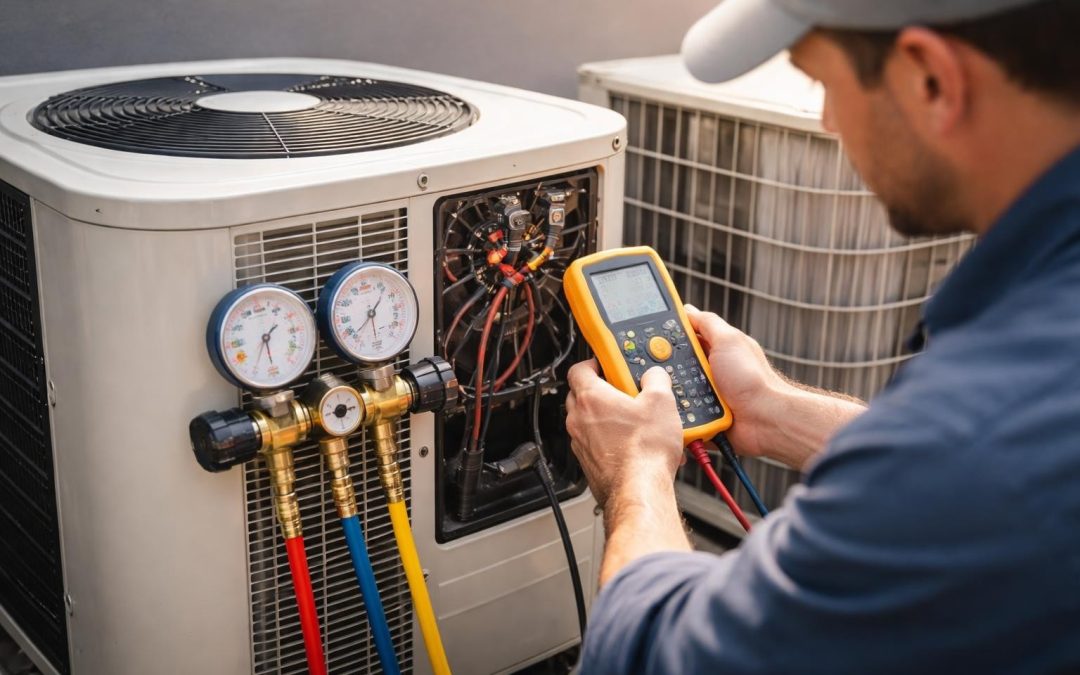
When your heating or air conditioning system falters, the comfort of your entire property hangs in the balance. Understanding the fundamentals of hvac repair empowers homeowners and business operators to make informed decisions about maintenance, recognise warning signs before they escalate into costly breakdowns, and work effectively with qualified technicians. With over four decades of experience serving the North East, we've witnessed firsthand how proper system care and timely intervention can extend equipment life by years whilst reducing energy consumption significantly. This comprehensive guide explores common repair scenarios, preventive strategies, and the professional standards that ensure your climate control systems operate at peak efficiency throughout every season.
Recognising Common HVAC System Faults
Every heating and cooling system exhibits telltale signs when components begin to deteriorate. Early recognition of these indicators can prevent minor issues from developing into complete system failures.
Unusual noises represent one of the most obvious warning signals. Grinding sounds typically indicate bearing failure in motors, whilst banging or clanging suggests loose components within the ductwork or air handler. Squealing noises often point to worn belts that require replacement before they snap entirely.
Temperature Inconsistencies Throughout Your Property
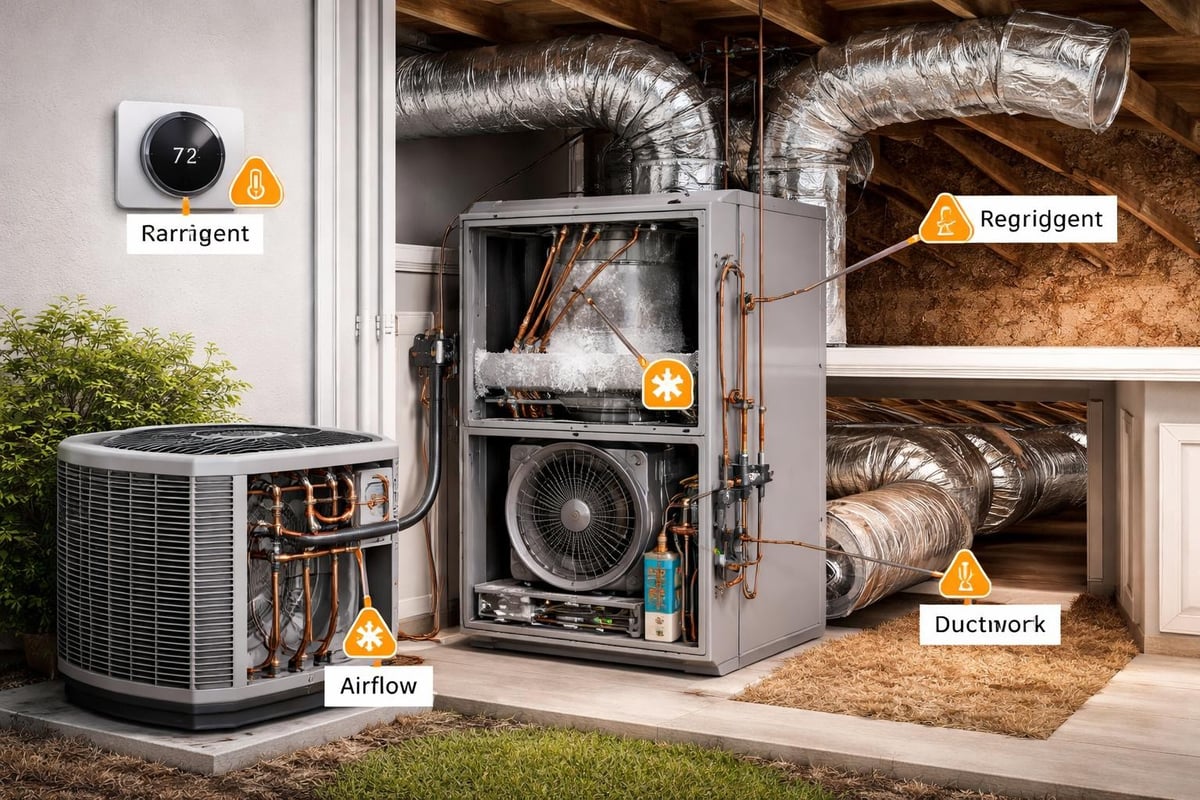
When certain rooms remain perpetually cold whilst others overheat, your system struggles to distribute conditioned air effectively. This imbalance may stem from several sources:
- Blocked or damaged ductwork restricting airflow to specific zones
- Failing thermostats providing incorrect temperature readings
- Refrigerant leaks reducing cooling capacity
- Dirty air filters forcing the system to work harder
- Improperly calibrated dampers in zoned systems
These issues not only compromise comfort but also drive up energy costs as the system runs longer cycles attempting to reach desired temperatures.
| Symptom | Likely Cause | Urgency Level |
|---|---|---|
| No heating/cooling | Thermostat failure, power issue, or complete component breakdown | Immediate |
| Reduced efficiency | Dirty filters, low refrigerant, or aging equipment | High |
| Strange odours | Electrical problems, mould growth, or gas leaks | Immediate |
| Higher energy bills | System working harder due to wear, leaks, or poor maintenance | Moderate |
| Short cycling | Oversized system, thermostat issues, or refrigerant problems | High |
The Importance of Professional Diagnostics
Whilst homeowners can perform basic troubleshooting, comprehensive hvac repair requires specialized tools and expertise. Modern heating and cooling systems incorporate sophisticated electronics, pressurised refrigerant circuits, and safety mechanisms that demand professional attention.
Qualified technicians employ diagnostic equipment that measures system performance parameters invisible to the untrained eye. Refrigerant pressures, electrical current draw, temperature differentials, and combustion efficiency all provide crucial data about system health. Industry standards from ASHRAE establish benchmarks that professionals use to assess whether your equipment operates within acceptable parameters.
What Professional Inspections Reveal
During a thorough diagnostic visit, experienced engineers examine multiple system aspects simultaneously. They test electrical connections for signs of arcing or corrosion, measure airflow across heat exchangers, and verify that safety controls function correctly.
Gas heating systems receive particular scrutiny regarding combustion quality and ventilation. Carbon monoxide leaks represent a serious hazard that only proper testing equipment can detect reliably. Heat exchangers develop cracks over time, especially in older boilers, allowing dangerous gases to mix with breathable air.
Refrigerant systems require pressure testing to identify leaks that may develop at joints, valve stems, or through pinhole corrosion. Even small refrigerant losses dramatically reduce cooling capacity whilst forcing compressors to work harder, accelerating wear on expensive components. The Air Conditioning Contractors of America quality standards provide frameworks that ensure repairs meet industry best practices.
Preventive Maintenance Strategies
Regular servicing represents the most cost-effective approach to avoiding unexpected breakdowns. Systems that receive annual professional attention typically last 40% longer than neglected equipment whilst consuming less energy throughout their service life.
Seasonal Preparation Tasks
Spring preparation for cooling season involves cleaning condenser coils, checking refrigerant levels, testing capacitors and contactors, and verifying that condensate drains flow freely. Outdoor units accumulate debris, pollen, and dirt throughout winter months, restricting airflow that reduces efficiency.
- Clear vegetation and debris from around outdoor units, maintaining at least 60cm clearance
- Inspect ductwork insulation for damage that allows temperature loss
- Test thermostat accuracy using a separate thermometer
- Replace air filters according to manufacturer recommendations
- Schedule professional servicing before peak demand season begins
Autumn heating preparation focuses on combustion systems, heat exchangers, and safety controls. Boilers require testing of pressure relief valves, inspection of flue systems, and verification that pumps circulate water effectively throughout the property.
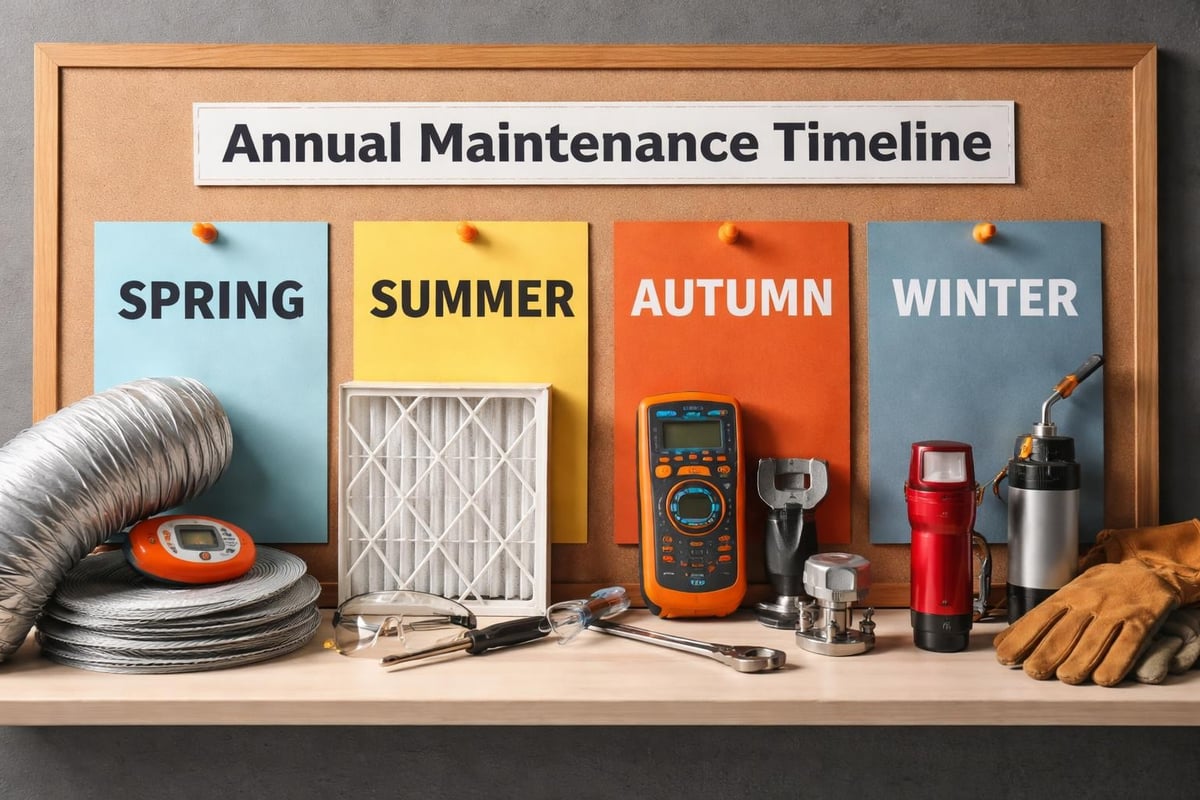
The team at Nu-Heat North East has serviced heating systems across Newbiggin-by-the-Sea and surrounding areas since 1983, developing comprehensive maintenance programmes tailored to the region's specific climate challenges.
Air Quality Components and Filter Management
Indoor air quality directly impacts health, comfort, and system performance. Heating and cooling equipment circulates air throughout your property hundreds of times daily, making filter maintenance critical for both equipment protection and occupant wellbeing.
Filters trap particles ranging from large dust and pet hair to microscopic allergens and mould spores. When filters become saturated, airflow restriction forces blowers to work harder whilst allowing contaminants to bypass filtration entirely. The EPA guidance on air cleaners and filters explains how proper filtration removes harmful particles effectively.
Selecting Appropriate Filter Types
Different properties require varying filtration levels based on occupancy, air quality concerns, and system specifications.
- Standard fibreglass filters (MERV 1-4) capture large particles but offer minimal air quality benefits
- Pleated filters (MERV 8-11) balance airflow with improved particle capture for most residential applications
- High-efficiency filters (MERV 13-16) remove fine particles but may require system modifications
- HEPA filters provide medical-grade filtration but typically demand dedicated air purification systems
Never install filters with higher ratings than your system supports, as excessive restriction can damage blower motors and heat exchangers. Consult system documentation or professional technicians when upgrading filtration.
Common Repair Scenarios and Solutions
Understanding typical hvac repair situations helps property owners anticipate costs and recognise when immediate professional attention becomes necessary.
Refrigerant leaks require specialized handling under environmental regulations. Technicians must recover remaining refrigerant, repair the leak source, evacuate the system to remove moisture and air, then recharge with the correct refrigerant type and quantity. Simply adding refrigerant without addressing leaks wastes money whilst allowing environmental damage.
Electrical Component Failures
Modern heating and cooling systems rely on numerous electrical components that eventually fail through normal wear. Capacitors store electrical charge to start compressor and fan motors, typically lasting 8-12 years before requiring replacement. When capacitors weaken, motors struggle to start or fail to run at proper speed.
Contactors function as heavy-duty switches controlling power to major components. Contact points develop pitting from repeated electrical arcing, eventually failing to close properly. Regular inspection identifies worn contactors before they strand you during extreme weather.
Thermostats have evolved from simple bimetallic switches to programmable digital controllers and smart connected devices. Whilst modern thermostats offer superior control and energy savings, they introduce new failure modes through software glitches, WiFi connectivity issues, and battery depletion.
| Component | Average Lifespan | Replacement Cost Impact | DIY Suitable |
|---|---|---|---|
| Thermostat | 10-15 years | Low to moderate | Sometimes |
| Capacitor | 8-12 years | Low | No |
| Contactor | 10-15 years | Low | No |
| Blower motor | 15-20 years | Moderate to high | No |
| Compressor | 12-15 years | Very high | No |
When Repair Makes Financial Sense
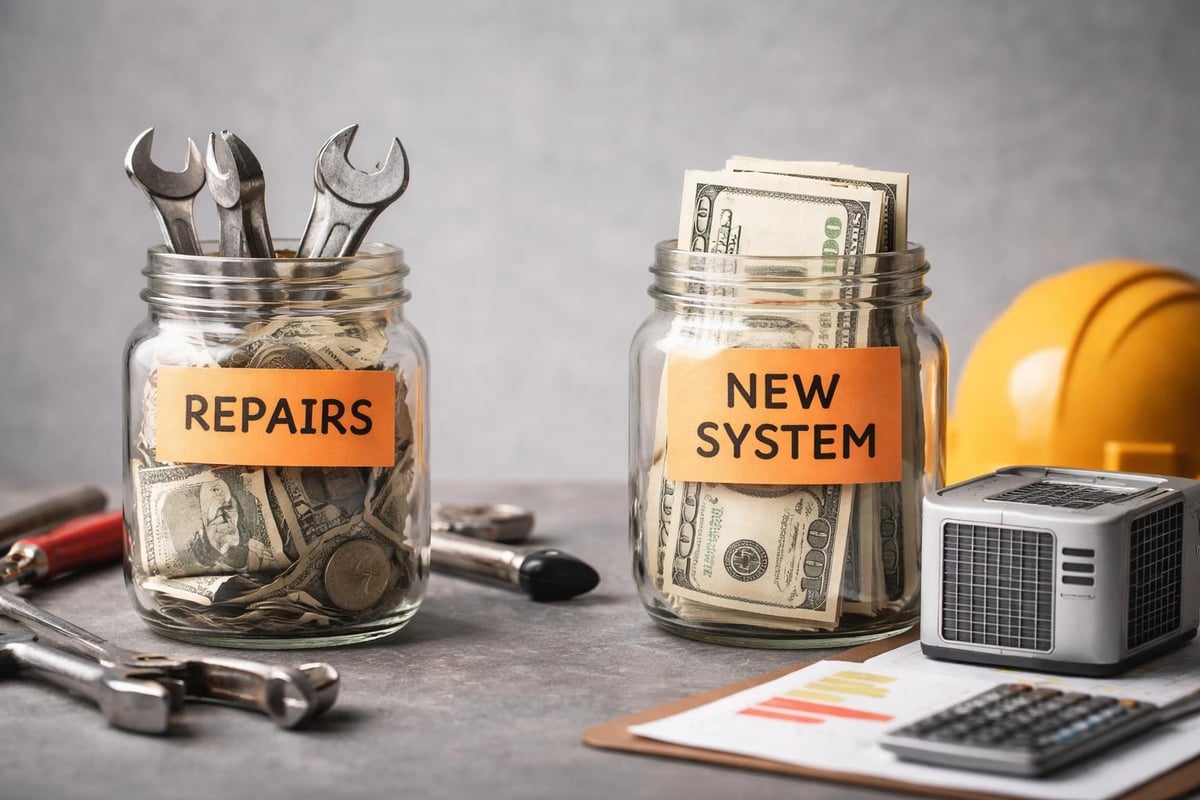
Not every hvac repair justifies the investment, particularly for aging systems approaching the end of their expected service life. Several factors inform the repair-versus-replace decision.
The 50% rule provides useful guidance: if repair costs exceed half the price of replacement equipment and your system has surpassed 75% of its expected lifespan, replacement typically offers better long-term value. A £1,200 compressor repair on a 13-year-old air conditioner that originally cost £2,800 deserves serious consideration of full replacement.
Energy Efficiency Considerations
Heating and cooling technology has advanced dramatically over the past two decades. Systems installed before 2010 typically operate 30-50% less efficiently than current models, meaning replacement can pay for itself through reduced energy consumption over several years.
Modern condensing boilers achieve efficiency ratings above 90%, extracting more heat from fuel than older conventional models. Heat pumps now function reliably in colder climates, offering both heating and cooling from a single efficient system. When considering new boiler systems, financing options allow spreading installation costs into manageable monthly payments.
Seasonal Challenges in the North East
Regional climate patterns create specific demands on heating and cooling equipment. The North East experiences harsh winters requiring robust heating capacity alongside moderate summers where cooling becomes increasingly desirable.
Coastal locations face additional challenges from salt air accelerating corrosion on outdoor components. Properties in Newbiggin-by-the-Sea and surrounding coastal areas benefit from protective coatings and more frequent cleaning of outdoor units to combat salt accumulation.
Wind exposure common throughout the region can affect equipment performance. Strong prevailing winds create pressure differentials that interfere with proper combustion, particularly in older boiler systems without adequate wind protection. Professional installation accounts for these factors through proper positioning and shielding.
Preparing for Emergency Breakdowns
Despite best maintenance efforts, unexpected failures occasionally occur. Having contingency plans minimizes disruption when heating fails during winter cold snaps.
- Know your system's age, make, and model for efficient service calls
- Locate and understand how to shut off fuel and electrical supplies
- Keep emergency heating sources available, such as portable electric heaters
- Maintain service agreements providing priority response during peak seasons
- Protect vulnerable plumbing from freezing when heating fails
Emergency hvac repair during peak winter demand often carries premium pricing and extended wait times. Service contracts with established providers ensure faster response when you need it most.
The Value of Established Local Expertise
Choosing qualified technicians affects both immediate repair quality and long-term system reliability. Engineers familiar with regional building styles, common system types, and local climate challenges provide more effective solutions than general contractors.
Since 1983, specialists in the North East have developed deep understanding of how coastal weather, building construction methods, and regional preferences affect heating and cooling performance. This accumulated knowledge informs better diagnostic decisions and more durable repair strategies.
Verifying Technician Qualifications
Professional heating engineers maintain current certifications demonstrating competence with specific equipment types and fuel sources. Gas Safe registration remains mandatory for anyone working on gas-fired equipment, whilst refrigerant handling requires F-Gas certification.
Manufacturers often provide specialized training for their equipment, enabling certified technicians to access technical support, warranty coverage, and authentic replacement components unavailable to uncertified installers. When biomass heating systems require attention, HETAS-approved engineers ensure work meets renewable heating standards.
Modern refrigerant regulations require proper recovery and recycling procedures during any hvac repair involving sealed systems. Maintaining air conditioning equipment according to environmental standards protects both your investment and the wider environment.
Extending System Lifespan Through Smart Operation
How you operate heating and cooling equipment significantly influences repair frequency and overall longevity. Simple operational practices reduce wear whilst maintaining comfort.
Thermostat management deserves particular attention. Frequent dramatic temperature adjustments force systems to work harder without improving comfort. Setting moderate temperatures and allowing gradual changes reduces stress on components whilst using less energy.
Programmable and smart thermostats automate temperature setbacks during unoccupied periods, but only when programmed correctly. Many homeowners defeat potential savings through poor schedule setup or constant manual overrides.
Addressing Minor Issues Promptly
Small problems rarely improve on their own and frequently escalate into major failures. Water leaking from condensate drains may seem trivial but indicates blockages that could lead to water damage or mould growth. Strange odours warrant immediate investigation, as they may signal electrical problems, gas leaks, or biological contamination.
Regular filter replacement represents the single most impactful action homeowners can perform. Depending on system type, occupancy, and air quality factors, filters may require monthly changes or seasonal replacement. Visual inspection provides the best indicator, as filters that appear darkened or matted restrict airflow regardless of calendar schedules.
Understanding Warranty Coverage and Service Agreements
New equipment typically includes manufacturer warranties covering defects in materials and workmanship, though coverage terms vary significantly between components. Compressors might receive 10-year warranty protection whilst other parts receive only 1-5 years.
Installation quality directly affects warranty validity. Manufacturers may void coverage if systems weren't installed according to specifications or by qualified technicians. Proper documentation proving professional installation becomes crucial when warranty claims arise.
Service agreements from reputable contractors provide several advantages beyond basic warranty coverage:
- Priority scheduling during peak demand periods
- Discounted repair labour rates
- Regular preventive maintenance included
- Parts availability through established supplier relationships
- Detailed service history documentation
Annual service costs typically represent 1-2% of system replacement value, making them excellent insurance against unexpected breakdowns and premature equipment failure.
Emerging HVAC Technologies Worth Monitoring
The heating and cooling industry continues evolving, introducing technologies that improve efficiency, comfort, and environmental performance. Staying informed about these developments helps plan future upgrades strategically.
Variable-speed equipment adjusts output to match precise demand rather than cycling on and off repeatedly. This improves comfort through more consistent temperatures whilst reducing energy consumption by 20-30% compared to single-speed systems.
Smart diagnostic systems built into modern equipment monitor performance continuously, alerting homeowners and technicians to developing problems before complete failures occur. Some systems communicate directly with service providers, enabling proactive maintenance scheduling.
Heat pump technology now provides viable heating solutions in cold climates through improved refrigerants and compressor designs. Air-source heat pumps extract heat from outdoor air even when temperatures drop below freezing, whilst ground-source systems maintain consistent performance year-round.
Proper hvac repair and maintenance protect your comfort investment whilst avoiding costly emergency breakdowns that always occur at the worst possible moments. Understanding your system's operation, recognising warning signs, and partnering with qualified professionals ensures reliable performance year after year. For over four decades, NU Heat North East Ltd has delivered expert heating and plumbing services throughout Newbiggin-by-the-Sea and the wider North East region. Our highly trained technicians diagnose and resolve system issues efficiently, and with 0% interest financing now available, you can spread installation and repair costs into affordable monthly payments that fit your budget.