
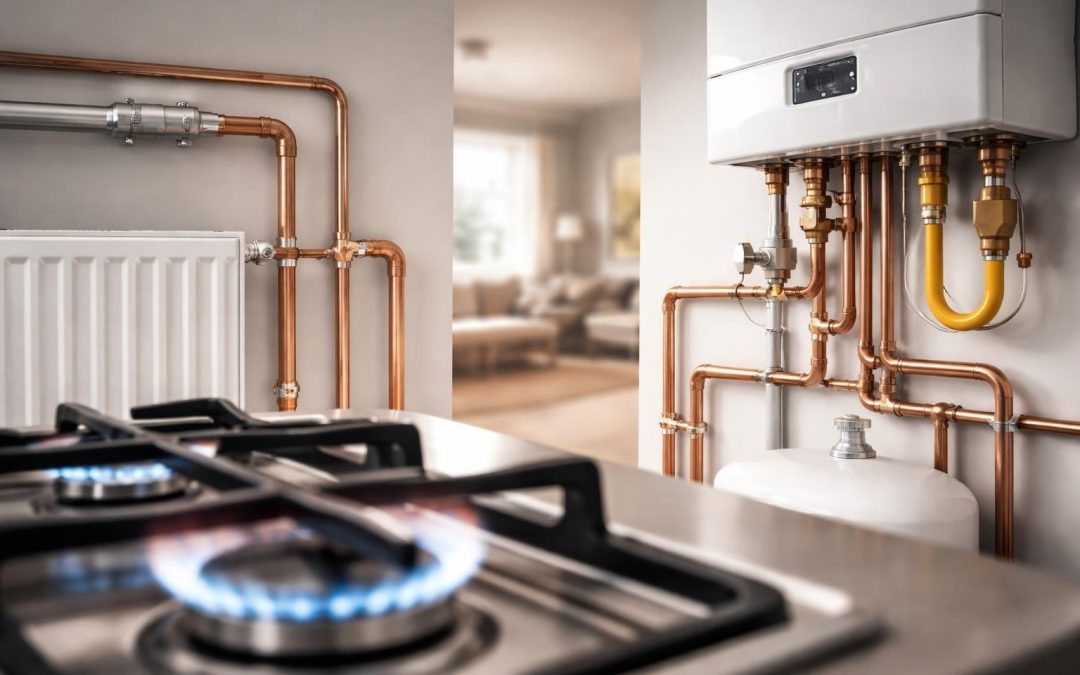
Modern homes and businesses increasingly rely on natural gas as a primary energy source for heating, hot water, and cooking. Understanding how gas plumbing and heating systems function together is essential for property owners who want to maintain safe, efficient, and compliant installations. From the initial pipework design through to ongoing maintenance, these interconnected systems require specialist knowledge and professional installation to deliver reliable performance whilst meeting stringent safety regulations.
Understanding Gas Plumbing Systems
Gas plumbing encompasses the entire network of pipes, fittings, and connections that transport natural gas from the main supply to various appliances throughout your property. Unlike standard water plumbing, gas installations demand exceptional precision due to the serious safety implications of leaks or improper connections.
The infrastructure begins at the meter, where the gas supply enters your property. From this point, pipework branches throughout the building to serve different appliances such as boilers, cookers, and fires. Each section must be correctly sized to ensure adequate gas flow whilst maintaining appropriate pressure levels.
Material Selection and Standards
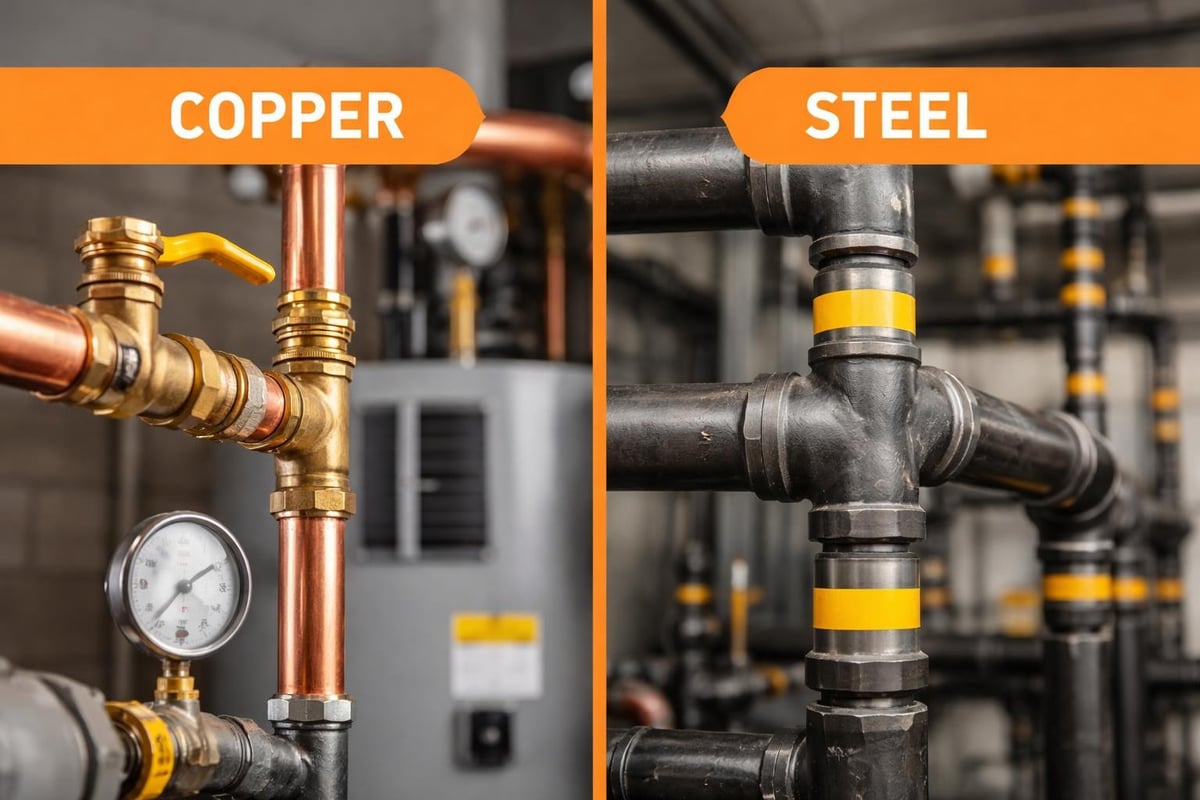
Modern gas plumbing and heating installations typically utilize copper or steel pipework, each offering distinct advantages. Copper pipes provide excellent corrosion resistance and are easier to manipulate around obstacles, making them popular for residential installations. Steel pipes, conversely, offer superior strength and are often preferred for commercial applications or outdoor installations.
Key material considerations include:
- Copper piping for flexibility and longevity in domestic settings
- Steel piping for high-pressure commercial applications
- Approved jointing compounds and sealants specific to gas applications
- Corrosion-resistant coatings for external or underground installations
Professional installers must adhere to [gas piping requirements and regulations](https://georgiaplumbing authority.com/gas-piping-plumbing-requirements-georgia) that govern material selection, pipe sizing, and installation methods. These standards ensure every component can safely handle the pressures and characteristics of natural gas distribution.
Safety Considerations in Gas Installation
Safety remains paramount in every gas plumbing and heating project. The consequences of improper installation range from inefficient appliance operation to catastrophic gas leaks and explosions. This makes qualified professional installation not just advisable but legally required in most jurisdictions.
Every gas installation must undergo rigorous testing before being commissioned. Pressure testing verifies the integrity of all joints and connections, whilst purging procedures ensure no air remains in the system. These critical steps protect both the property and its occupants from the dangers associated with gas leaks.
Certification and Compliance
All gas work in the United Kingdom must be completed by Gas Safe registered engineers. This mandatory registration scheme ensures technicians possess the necessary training, competence, and insurance to work safely with gas systems. Homeowners should always verify registration credentials before permitting any gas work on their property.
The gas line installation and safety checks process involves multiple verification stages, from initial design approval through final inspection. Documentation must be maintained for each installation, creating an audit trail that proves compliance with building regulations.
| Safety Component | Purpose | Inspection Frequency |
|---|---|---|
| Pressure testing | Verify pipe integrity | Every installation |
| Tightness testing | Detect leaks | Annual minimum |
| Ventilation checks | Ensure combustion safety | Annual minimum |
| Appliance servicing | Maintain efficiency | Annually |
Heating System Integration
The heating system represents the largest consumer of gas in most properties. Modern gas plumbing and heating installations typically centre around a high-efficiency condensing boiler that provides both space heating and domestic hot water. These sophisticated appliances require precise gas supply specifications to operate at peak efficiency.
Boiler selection depends on numerous factors including property size, insulation levels, and hot water demand. Combination boilers provide instant hot water without storage tanks, making them ideal for smaller properties. System and conventional boilers suit larger homes where multiple bathrooms require simultaneous hot water supply.
Distribution Networks
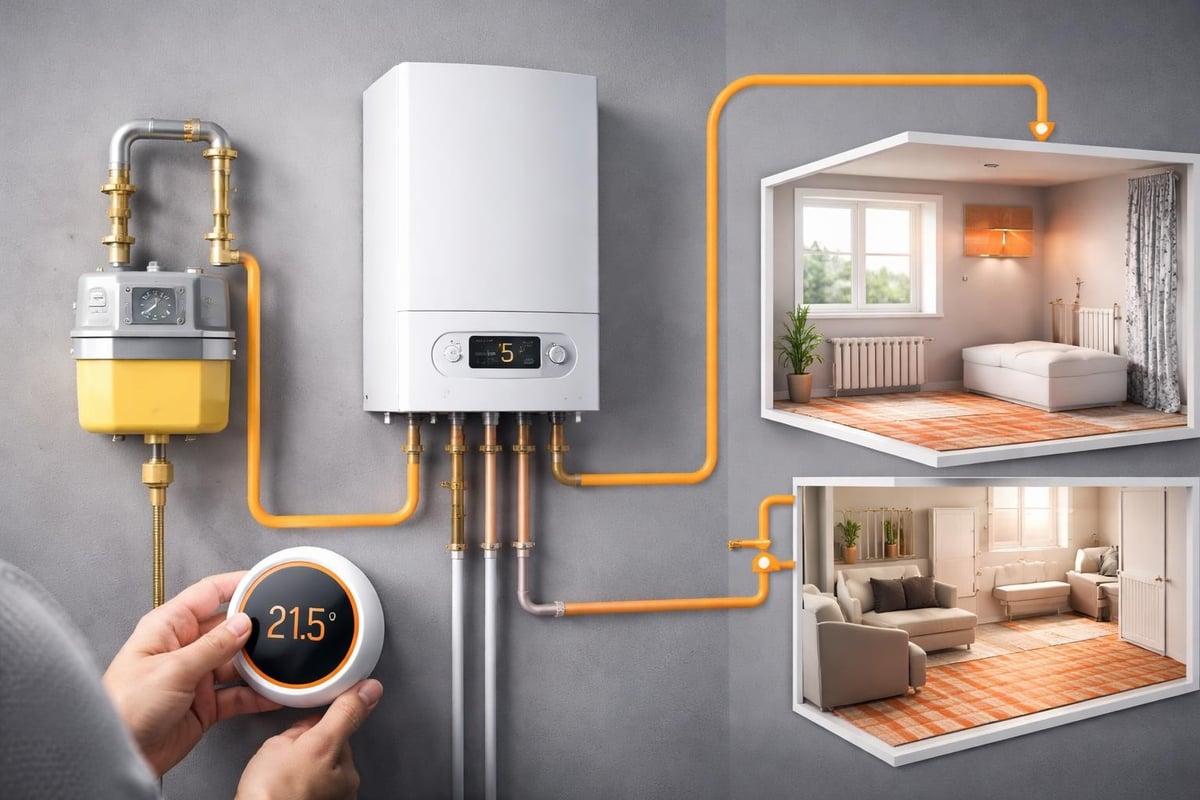
Once heat is generated, it must be distributed effectively throughout the property. Radiators remain the most common heat emitters, though underfloor heating systems are increasingly popular for new builds and renovations. The gas plumbing and heating infrastructure must support whichever distribution method is selected.
Modern heating distribution options:
- Traditional radiator circuits with thermostatic radiator valves
- Underfloor heating zones with manifold distribution
- Hybrid systems combining radiators and underfloor heating
- Smart controls enabling room-by-room temperature management
Proper system design ensures even heat distribution whilst minimizing energy consumption. Balancing valves allow fine-tuning of flow rates to prevent some rooms overheating whilst others remain cold. This optimization improves comfort levels and reduces running costs significantly.
Installation Planning and Design
Successful gas plumbing and heating projects begin with thorough planning. Professional installers conduct detailed surveys to assess existing infrastructure, determine optimal appliance locations, and identify any structural challenges that might complicate installation.
The design phase establishes pipe routes that minimize material costs whilst ensuring adequate flow to all appliances. Designers must account for future access requirements, allowing technicians to service joints and components without extensive property disruption. This forward-thinking approach saves considerable expense over the system's operational lifetime.
Sizing Calculations
Accurate pipe sizing is crucial for system performance. Undersized pipes restrict gas flow, causing appliances to underperform or fail completely. Oversized pipes waste materials and create unnecessarily complex installations.
Calculations account for:
- Total gas demand from all connected appliances
- Pipe length and number of bends affecting flow resistance
- Operating pressure at the meter and required pressure at appliances
- Diversity factors acknowledging not all appliances operate simultaneously
For homeowners considering gas installations, getting started with natural gas plumbing provides valuable background information about the planning process and what to expect during installation.
Maintenance and Servicing Requirements
Regular maintenance ensures gas plumbing and heating systems operate safely and efficiently throughout their service life. Annual boiler servicing by qualified engineers identifies emerging issues before they cause breakdowns, maintaining manufacturer warranties whilst ensuring safe operation.
Beyond boiler servicing, the broader gas installation requires periodic inspection. Pipework should be examined for corrosion, particularly in areas exposed to moisture. Connections must be checked for tightness, and any signs of degradation addressed promptly.
Performance Optimization
Well-maintained systems deliver superior efficiency compared to neglected installations. Boiler efficiency naturally degrades over time as components wear and deposits accumulate within heat exchangers. Professional cleaning and adjustment restore performance, reducing fuel consumption and associated costs.
| Maintenance Task | Frequency | Benefit |
|---|---|---|
| Boiler service | Annual | Safety and efficiency |
| System flush | Every 5 years | Remove sludge and deposits |
| Pressure checks | Annual | Verify system integrity |
| Controls calibration | Bi-annual | Optimize temperature management |
Modern diagnostic tools enable technicians to assess system performance accurately. Flue gas analysis reveals combustion efficiency, whilst pressure and flow measurements verify correct operation throughout the distribution network. These objective measurements guide maintenance decisions, ensuring resources focus on areas delivering maximum improvement.
Upgrading Existing Systems
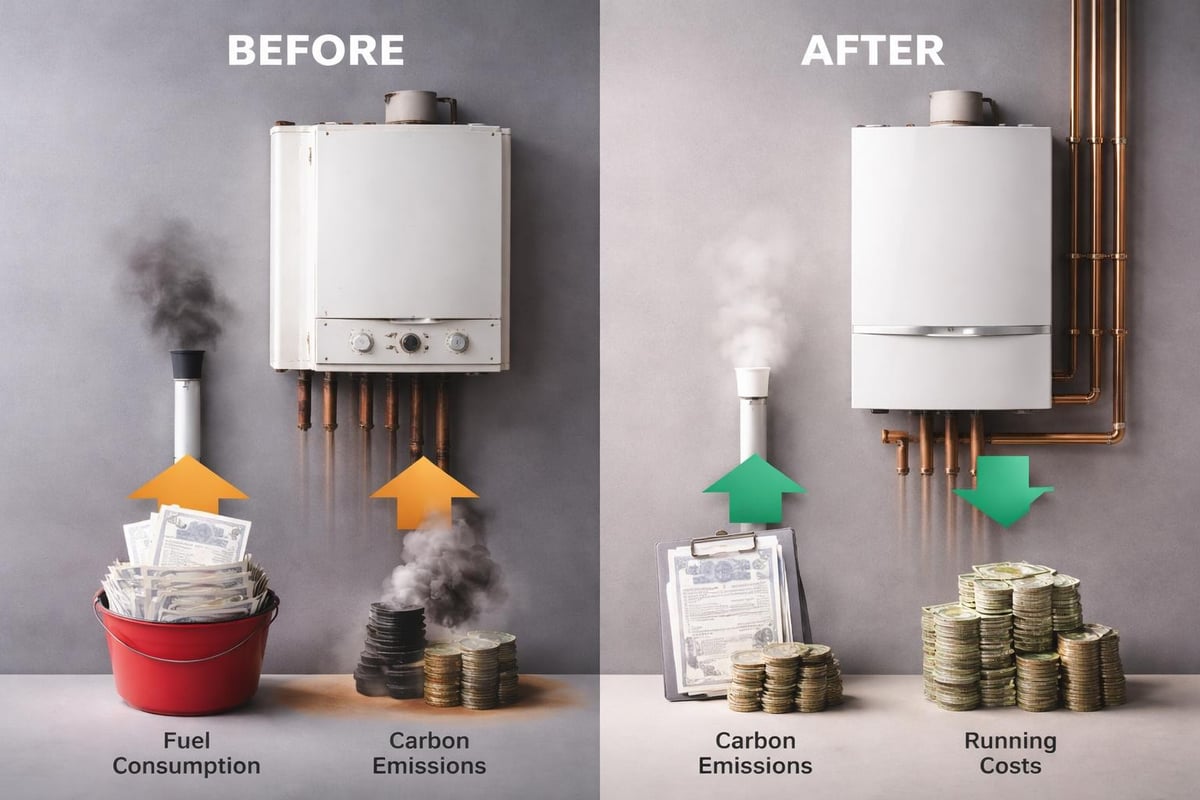
Properties with ageing gas plumbing and heating installations often benefit significantly from upgrading to modern, high-efficiency equipment. Boilers manufactured before 2005 typically operate at 60-70% efficiency, wasting substantial fuel compared to contemporary condensing models achieving 90%+ efficiency.
The upgrade process extends beyond simply replacing the boiler. Optimizing the entire system maximizes the benefits of modern equipment. This might include installing smart controls, adding zone valves for independent room control, or upgrading pipework to reduce flow resistance.
Financial Considerations
The initial cost of system upgrades can appear substantial, but improved efficiency delivers ongoing savings that offset this investment over time. Additionally, financing options make modern gas plumbing and heating installations more accessible. Interest-free payment plans spread costs into manageable monthly amounts, allowing property owners to enjoy immediate benefits whilst budgeting comfortably for the investment.
Energy efficiency improvements also enhance property values. Modern, efficient heating systems represent attractive features for potential buyers, who increasingly prioritize running costs and environmental performance when evaluating properties.
Upgrade benefits include:
- Reduced energy bills through improved efficiency
- Enhanced comfort from better temperature control
- Lower carbon emissions supporting environmental goals
- Increased property value and marketability
- Improved reliability reducing breakdown frequency
Emergency Situations and Response
Despite rigorous installation standards and regular maintenance, gas emergencies occasionally occur. Recognizing danger signs and responding appropriately protects life and property. Any suspicion of gas leaks demands immediate action following established safety protocols.
The distinctive odour added to natural gas (similar to rotten eggs) provides the primary warning of leaks. Additional indicators include hissing sounds near pipework, dead vegetation near underground pipes, or condensation on windows in rooms with gas appliances.
Emergency Procedures
If you suspect a gas leak, follow these critical steps immediately:
- Evacuate all occupants from the property
- Avoid operating electrical switches or creating sparks
- Turn off the gas supply at the meter if safely accessible
- Contact the emergency gas service from outside the property
- Do not re-enter until professionals declare it safe
Professional emergency responders possess specialized detection equipment to locate leaks precisely and assess their severity. They will isolate the problem area, make temporary repairs if necessary, and advise on permanent remediation requirements.
Professional Installation Advantages
Whilst some property owners consider DIY approaches to reduce costs, gas plumbing and heating work absolutely requires professional expertise. The technical knowledge needed to design safe, efficient systems takes years to develop, and legal requirements prohibit unqualified individuals from working with gas installations.
Professional installers bring comprehensive insurance coverage, protecting property owners from liability in the unlikely event of installation defects. Their work is subject to independent inspection, providing additional assurance that installations meet all applicable standards and regulations.
Established heating companies maintain relationships with equipment manufacturers, often accessing trade discounts that partially offset their labour charges. They also understand warranty requirements, ensuring installations comply with conditions that keep guarantees valid throughout their duration.
Long-term Support
The relationship with professional installers extends well beyond initial installation. Reputable companies provide ongoing support, annual servicing, and emergency callout services. This continuity ensures consistent maintenance quality and allows technicians to develop familiarity with your specific installation, improving diagnostic efficiency when issues arise.
Furthermore, professionals stay current with evolving regulations and emerging technologies. The technical resources and standards governing gas plumbing and heating installations change periodically, and qualified engineers maintain their knowledge through continuous professional development.
Smart Technology Integration
Contemporary gas plumbing and heating systems increasingly incorporate smart technology for enhanced control and efficiency. Internet-connected thermostats enable remote operation via smartphone applications, allowing homeowners to adjust heating schedules from anywhere whilst monitoring energy consumption in real-time.
These intelligent controls learn occupancy patterns, automatically optimizing heating schedules to match lifestyle requirements. Weather compensation features adjust operation based on external temperatures, maintaining comfort whilst minimizing fuel consumption. The sophistication of modern control systems transforms gas heating from a simple on/off appliance into a finely tuned comfort delivery system.
Smart heating capabilities:
- Remote control via smartphone or tablet applications
- Geofencing to activate heating before arrival home
- Room-by-room temperature control and scheduling
- Energy consumption monitoring and reporting
- Integration with voice assistants for hands-free operation
- Predictive maintenance alerts for service requirements
Advanced systems also provide detailed usage analytics, revealing patterns that inform further efficiency improvements. Understanding which rooms consume most energy, or identifying unusual consumption suggesting system faults, empowers property owners to optimize their gas plumbing and heating installations continuously.
Environmental Considerations
As environmental awareness grows, the carbon footprint of heating systems receives increasing scrutiny. Natural gas produces lower carbon emissions than oil or coal, making it a relatively clean fossil fuel option. However, the drive toward net-zero emissions is encouraging exploration of alternative fuels and hybrid systems.
Hydrogen blending represents one potential evolution for gas networks. Current infrastructure can accommodate modest hydrogen percentages without modification, with plans to increase proportions as technology advances. Eventually, pure hydrogen or biogas might flow through existing gas plumbing networks, dramatically reducing carbon emissions whilst utilizing established infrastructure.
Property owners planning new gas plumbing and heating installations should consider future-proofing their systems. Selecting equipment compatible with alternative fuels protects against obsolescence as energy supplies transition toward renewable sources. Professional installers can advise on equipment choices that balance immediate requirements with long-term adaptability.
Cost Management Strategies
Managing the costs associated with gas plumbing and heating systems involves both initial installation expenses and ongoing operational expenditure. While quality installations demand appropriate investment, several strategies help control costs without compromising safety or performance.
Obtaining multiple quotations allows comparison of approaches and pricing structures. However, the lowest quote rarely represents the best value. Consider the equipment quality, warranty provisions, company reputation, and included aftercare services when evaluating proposals.
| Cost Factor | Economy Option | Premium Option |
|---|---|---|
| Boiler quality | Standard efficiency | High efficiency |
| Controls | Basic thermostat | Smart multi-zone |
| Warranty | 2 years | 10 years |
| Servicing | Pay per visit | Annual contract |
Financing arrangements transform substantial capital investments into affordable monthly commitments. Interest-free payment plans make system upgrades accessible without depleting savings or delaying necessary improvements. This approach to funding gas plumbing and heating projects enables homeowners to benefit from efficiency improvements immediately whilst spreading costs comfortably.
Energy-efficient operation delivers the most significant long-term savings. A modern condensing boiler combined with optimized controls can reduce fuel bills by 30-40% compared to older systems. These savings compound annually, making efficient equipment a sound financial investment beyond its environmental benefits.
Regulatory Compliance and Documentation
Gas installations operate within strict regulatory frameworks designed to protect public safety. Building regulations specify minimum standards for efficiency, ventilation, and installation quality. Planning regulations may apply to external components such as flue terminals, particularly in conservation areas or listed buildings.
Every gas plumbing and heating installation generates documentation proving compliance with applicable regulations. Building control notification confirms the work meets structural and safety requirements. Gas Safe certificates verify installation quality and safety testing completion. Manufacturers' commissioning certificates activate equipment warranties.
Essential documentation includes:
- Building control completion certificates
- Gas Safe installation certificates
- Appliance commissioning records
- System design calculations and specifications
- Warranty registration confirmations
- Annual service records
Maintaining this documentation proves invaluable during property transactions, insurance claims, or warranty enforcement. Organized records demonstrate responsible ownership and can prevent disputes about system history or maintenance standards.
For comprehensive information about water heating systems and compliance frameworks, dedicated resources help property owners understand their responsibilities and the standards their installations should meet.
Seasonal Preparation and Efficiency
Gas plumbing and heating systems experience dramatically different demands across seasons. Preparing systems before peak heating periods ensures reliable operation when properties depend most heavily on heating performance. Autumn represents the ideal time for boiler servicing, addressing any issues before cold weather increases breakdown frequency.
Bleeding radiators before winter removes air pockets that reduce heating efficiency. Checking pressure levels and topping up if necessary prevents low-pressure shutdowns during cold snaps. These simple maintenance tasks take minutes but significantly improve system reliability throughout winter months.
Summer provides opportunities for system improvements without disrupting heating provision. Major upgrades, system flushing, or radiator replacement proceed without leaving properties without heating during cold periods. Planning substantial work during warmer months reduces inconvenience whilst ensuring systems are optimized before the next heating season.
Professional gas plumbing and heating installations deliver safe, efficient, and reliable energy distribution throughout modern properties. Understanding system components, maintenance requirements, and upgrade options empowers property owners to make informed decisions about their heating infrastructure. Whether you're planning a new installation, upgrading existing equipment, or maintaining current systems, the team at NU Heat North East Ltd brings over four decades of expertise to every project across the North East of England. With 0% interest finance options available, you can spread the cost of installations into affordable monthly payments whilst enjoying immediate improvements to comfort and efficiency.