

Choosing the right heating system for your property represents one of the most significant decisions homeowners in the United Kingdom face. With energy costs remaining a pressing concern and environmental targets becoming increasingly stringent, understanding the various home heating systems UK households rely upon has never been more critical. From traditional gas boilers to emerging technologies like heat pumps and biomass systems, the landscape of residential heating continues to evolve rapidly. This comprehensive guide examines the heating options available in 2026, helping you make an informed decision that balances comfort, efficiency, and long-term value for your home.
Understanding Current Heating Trends in UK Homes
The heating landscape across British homes remains dominated by conventional systems, though this is gradually changing. According to recent government statistics on heat and energy use, approximately 75% of UK households continue to rely on gas boilers as their primary heating source. This widespread adoption reflects decades of infrastructure development and the relative affordability of natural gas.
However, the proportion of homes exploring alternative heating methods is increasing steadily. Homeowners are becoming more aware of renewable technologies and their potential to reduce both carbon footprints and long-term running costs.
The shift towards sustainable heating solutions is driven by several factors:
- Rising energy prices making efficiency a financial priority
- Government incentives supporting renewable heating installations
- Improved technology making alternatives more practical
- Growing environmental consciousness among homeowners
- Future-proofing against potential gas boiler phase-out policies
Understanding these trends helps contextualize why exploring various home heating systems UK providers offer has become essential for property owners planning upgrades or replacements.
Gas Boilers: The Traditional Choice
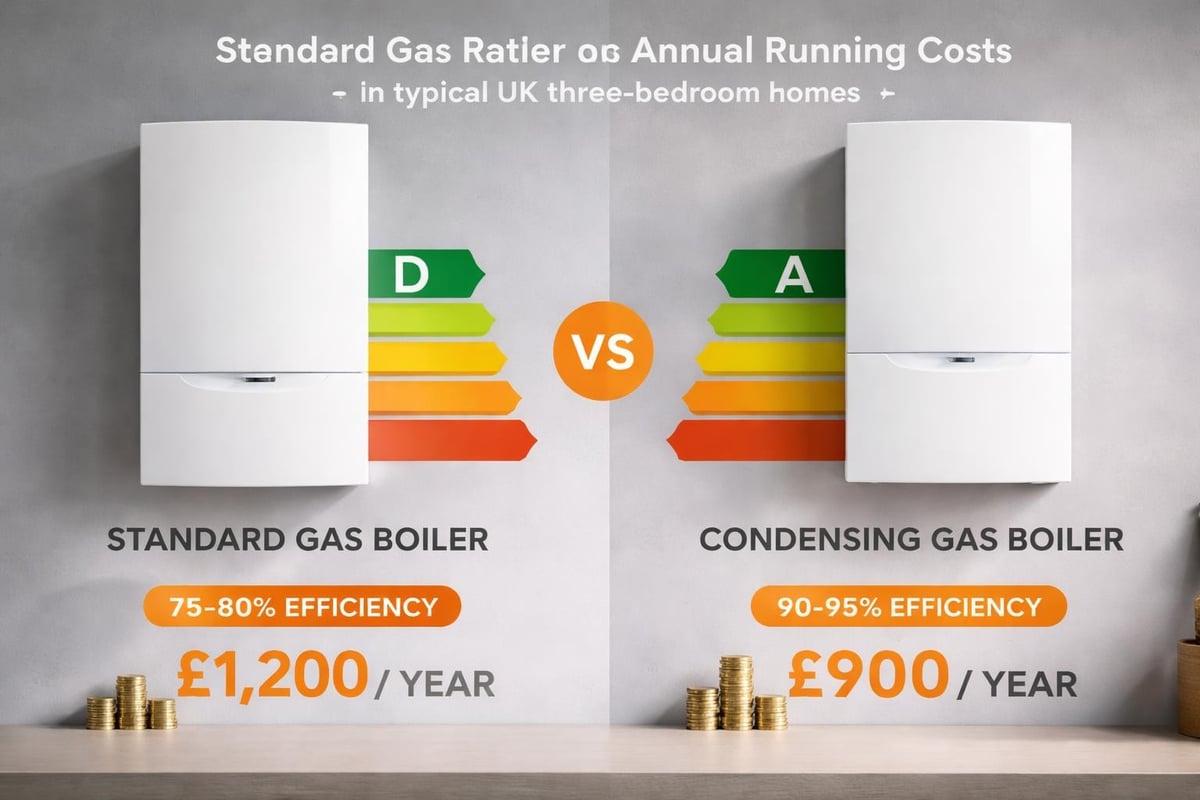
Gas central heating systems remain the most familiar option for British homeowners. Modern condensing boilers offer significantly improved efficiency compared to older models, extracting more heat from the fuel and reducing waste.
Advantages of Gas Heating
Contemporary gas boilers deliver reliable performance with established infrastructure supporting their operation. Installation costs typically prove lower than alternative systems, and the widespread availability of Gas Safe registered engineers ensures straightforward maintenance and repairs.
Key benefits include:
- Rapid heating response times
- Compact installation footprint
- Proven reliability over decades
- Lower upfront investment
- Extensive engineer availability
Considerations for Gas Systems
Whilst gas boilers offer familiarity, homeowners must consider future energy landscape changes. The government's commitment to reducing carbon emissions may eventually impact gas heating viability, though timelines remain subject to ongoing policy development.
Running costs fluctuate with natural gas prices, and the environmental impact of fossil fuel combustion continues to drive interest in cleaner alternatives. Those seeking comprehensive guidance on heating system options can explore how different technologies compare for specific property types.
Heat Pumps: The Renewable Alternative
Heat pump technology has gained considerable momentum as a sustainable heating solution. These systems extract warmth from external sources, air or ground, and transfer it indoors, operating on electricity rather than fossil fuels.
The Heat Pump Association UK provides comprehensive information on how these systems contribute to reducing household carbon emissions whilst maintaining comfortable living temperatures.
Air Source Heat Pumps
Air source variants extract thermal energy from outdoor air, functioning efficiently even in cold conditions. Modern units operate effectively in temperatures well below freezing, making them suitable for the British climate.
| Feature | Air Source Heat Pump | Traditional Gas Boiler |
|---|---|---|
| Efficiency Rating | 300-400% | 90-95% |
| Carbon Emissions | Low (electricity dependent) | High |
| Installation Cost | £8,000-£14,000 | £2,000-£4,000 |
| Running Costs | Medium | Medium-High |
| Government Support | Yes (grants available) | No |
Ground Source Heat Pumps
Ground source systems utilize stable underground temperatures through buried pipe networks. Whilst installation proves more invasive and expensive, efficiency rates exceed air source alternatives, particularly in larger properties with available land.
Installation requirements include:
- Sufficient outdoor space for ground loops
- Geological survey of property
- Potential planning permissions
- Professional system design
- Integration with low-temperature emitters
Heat pumps work exceptionally well with underfloor heating systems, creating an efficient combination that maximizes performance. Property owners interested in this pairing can learn more about underfloor heating and radiators to understand optimal configurations.
Biomass Boilers: Renewable Fuel Heating
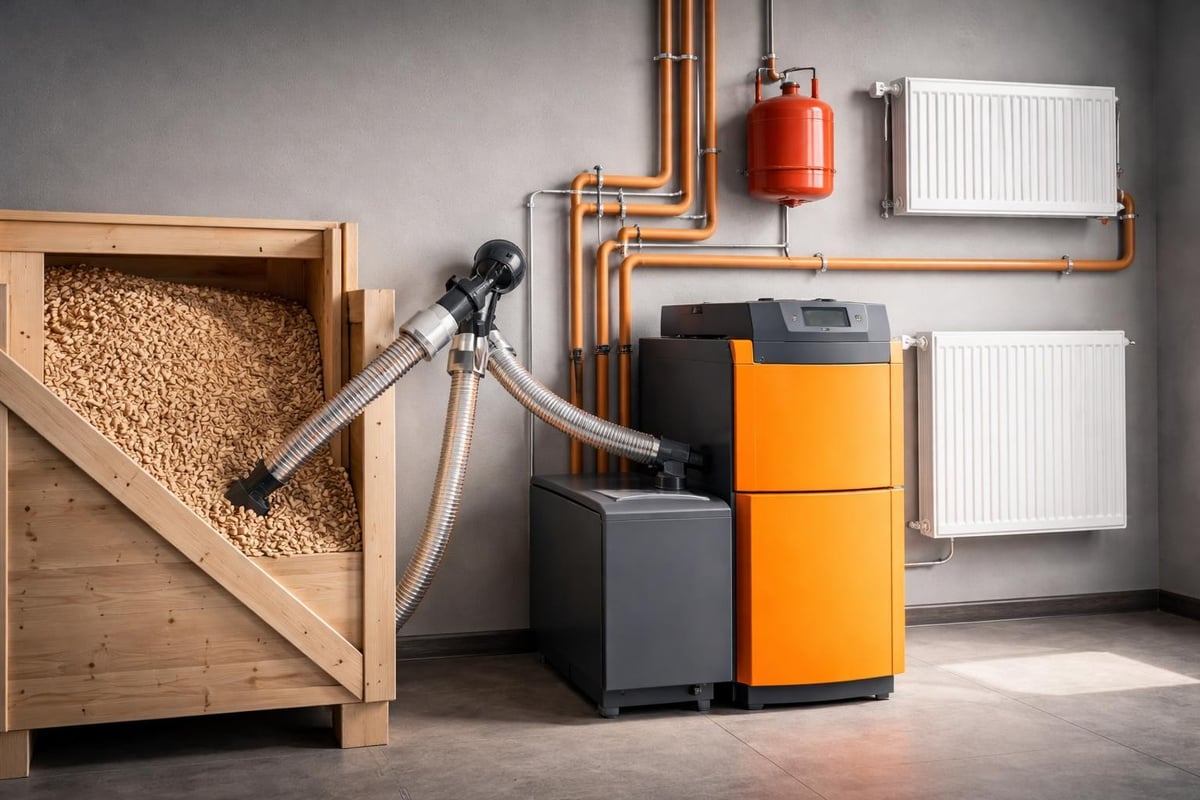
Biomass heating systems burn organic materials, typically wood pellets, chips, or logs, providing renewable heating for homes with space to accommodate fuel storage and larger boiler units.
These systems appeal particularly to rural properties without mains gas connections, offering an eco-friendly alternative to oil heating. The renewable nature of wood fuel, when sourced responsibly, creates a carbon-neutral heating cycle.
Biomass System Benefits
Modern biomass boilers achieve impressive efficiency levels, converting fuel to heat with minimal waste. Automated pellet systems provide convenience comparable to conventional boilers, whilst manual log-fed units suit those comfortable with more hands-on operation.
Renewable Heat Incentive payments and similar schemes have historically supported biomass installations, though homeowners should verify current availability when planning projects.
Space and Maintenance Requirements
Biomass systems demand more physical space than gas boilers. Fuel storage requires dry, accessible locations, and regular ash removal forms part of routine maintenance.
- Weekly ash removal from smaller units
- Annual professional servicing essential
- Fuel delivery coordination required
- Chimney or flue system needed
- Larger boiler footprint than gas equivalents
The technology suits properties with adequate space and owners committed to sustainable heating practices. Professional installers assess property suitability before recommending biomass solutions.
Electric Heating Solutions
Electric heating encompasses various technologies, from storage heaters to infrared panels. Whilst electricity costs per unit typically exceed gas prices, electric systems offer advantages in specific circumstances.
Storage Heaters and Direct Electric
Storage heaters utilize cheaper overnight electricity tariffs, storing heat in ceramic bricks for daytime release. Modern programmable versions provide improved control compared to older models.
Direct electric radiators and panel heaters offer room-by-room control without requiring central heating systems. This flexibility suits smaller properties, annexes, or homes where zone-based heating proves beneficial.
Infrared and Modern Electric Technologies
Infrared panels deliver radiant heat, warming objects and people rather than air. This approach can feel more comfortable at lower ambient temperatures, potentially reducing energy consumption.
Electric heating advantages:
- No flue or ventilation requirements
- Minimal installation complexity
- Precise room-by-room control
- Zero on-site carbon emissions
- Low maintenance demands
The environmental credentials depend largely on electricity grid composition. As renewable electricity generation increases, electric heating becomes progressively greener.
Hybrid and Combination Systems
Hybrid systems combine multiple technologies, typically pairing heat pumps with gas boilers. This configuration allows the system to automatically select the most efficient heating source based on outdoor temperature and energy prices.
How Hybrid Systems Operate
During milder weather, the heat pump handles heating demands efficiently. When temperatures drop significantly, or during peak demand periods, the gas boiler supplements or takes over, ensuring adequate warmth whilst optimizing running costs.
| System Type | Best For | Efficiency | Installation Complexity |
|---|---|---|---|
| Heat Pump Only | Well-insulated modern homes | Highest | Moderate |
| Gas Boiler Only | Standard insulation properties | Good | Low |
| Hybrid System | Older properties, variable demand | Optimized | Higher |
| Biomass | Rural, space available | Very Good | Moderate-High |
Hybrid approaches provide transition pathways for homeowners wanting renewable technology benefits without completely abandoning existing infrastructure.
Assessing Your Property's Heating Needs
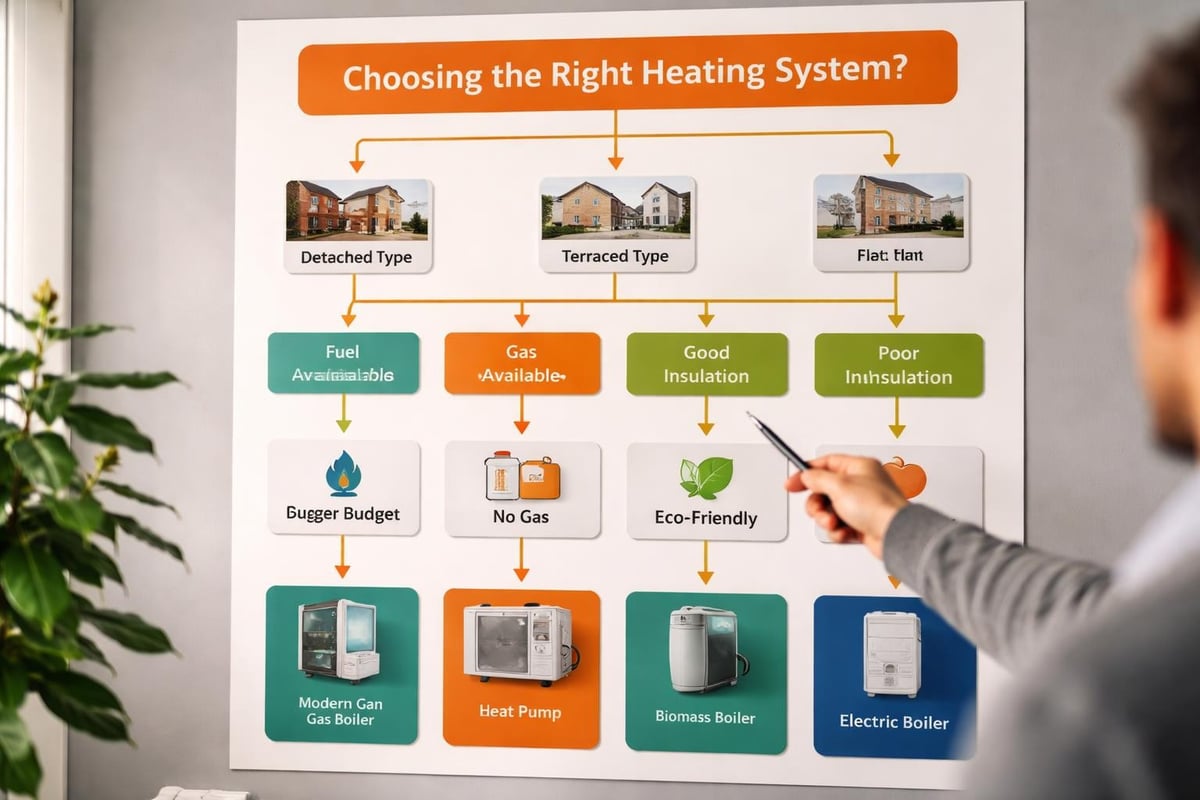
Selecting appropriate home heating systems UK properties require begins with thorough assessment. Property size, insulation quality, occupancy patterns, and budget constraints all influence the optimal choice.
The Standard Assessment Procedure provides the government's methodology for evaluating dwelling energy performance, helping homeowners understand their property's thermal characteristics.
Energy Performance Certificates
Every UK property marketed for sale or rent requires an Energy Performance Certificate, rating efficiency from A (most efficient) to G (least efficient). These certificates include recommendations for improvements, often highlighting heating system upgrades.
Properties with poor insulation may benefit more from addressing thermal losses before investing in expensive heating technology. Conversely, well-insulated modern homes maximize benefits from efficient systems like heat pumps.
Professional Assessment Value
Qualified heating engineers evaluate properties comprehensively, considering factors including:
- Heat loss calculations for accurate system sizing
- Existing infrastructure compatibility
- Hot water demand requirements
- Available fuel sources and connections
- Budget parameters and financing options
- Future-proofing against regulatory changes
This professional insight ensures heating system selections match actual needs rather than assumptions, avoiding costly mistakes or underperforming installations.
Installation Costs and Financing Options
Understanding the financial implications of different home heating systems UK households install helps with realistic planning. Costs vary considerably between technologies and installation complexities.
Typical Installation Investment
Approximate costs for 2026:
- Combi gas boiler: £2,000-£4,000 installed
- System boiler with cylinder: £2,500-£4,500 installed
- Air source heat pump: £8,000-£14,000 installed
- Ground source heat pump: £15,000-£25,000 installed
- Biomass boiler: £9,000-£21,000 installed
- Electric storage heaters (whole house): £3,000-£6,000 installed
These figures represent typical installations in average-sized homes. Unique property features, accessibility challenges, or additional work requirements can increase costs.
Financing and Grants
Government schemes periodically offer financial support for renewable heating installations. The Boiler Upgrade Scheme, for instance, has provided grants reducing heat pump and biomass system costs, though eligibility criteria and funding levels change.
Many heating companies now offer finance arrangements, allowing costs to spread across manageable monthly payments. Zero-percent interest options make significant investments more accessible without immediate capital outlay.
Running Costs and Long-Term Value
Initial installation represents only part of the total cost equation. Annual running expenses and system longevity significantly impact overall value.
Gas boilers typically incur moderate running costs, dependent on natural gas prices and property insulation quality. Well-maintained systems last 10-15 years before requiring replacement.
Heat pumps demonstrate lower running costs in efficiently insulated properties, particularly when paired with suitable emitters. Expected lifespans reach 20-25 years, though periodic maintenance proves essential.
Biomass systems' running costs depend on wood fuel prices, which generally remain stable and competitive with fossil fuels. System longevity matches or exceeds conventional boilers when properly maintained.
Maintenance and Reliability
All heating systems require regular servicing to maintain efficiency, safety, and warranty validity. Maintenance frequency and complexity vary between technologies.
Gas Boiler Servicing
Annual servicing by Gas Safe registered engineers keeps boilers operating safely and efficiently. These inspections identify potential issues before failures occur, extending equipment life and preventing dangerous carbon monoxide leaks.
Heat Pump Maintenance
Heat pumps need less frequent professional servicing than combustion appliances, typically annually or biennially. Homeowners can perform basic tasks like cleaning filters and ensuring outdoor units remain unobstructed.
Biomass and Electric Systems
Biomass boilers require more hands-on maintenance, including regular ash removal and annual professional servicing. Electric systems generally need minimal attention beyond occasional radiator bleeding or thermostat battery replacement.
Reliability varies between technologies and manufacturers. Established brands with strong warranty support provide peace of mind, whilst experienced installers ensure correct commissioning that prevents premature failures.
Environmental Impact and Future Regulations
Environmental considerations increasingly influence heating system selections. The UK's commitment to achieving net-zero carbon emissions by 2050 affects long-term heating technology viability.
Gas boilers, whilst currently acceptable, face uncertain futures as decarbonization efforts intensify. Heat pumps, biomass systems, and electric heating powered by renewable electricity align better with environmental targets.
Planning heating system investments requires balancing immediate needs with potential regulatory changes. Systems installed in 2026 will likely operate for 15-25 years, spanning periods when government policies may shift significantly.
For guidance on sustainable heating approaches suited to modern homes, Homebuilding & Renovating’s heating guide offers valuable insights into selecting systems that balance performance with environmental responsibility.
Choosing the Right Heating Installer
Professional installation quality critically determines system performance, efficiency, and longevity. Selecting qualified, experienced installers ensures work meets regulatory standards and manufacturer requirements.
Installer Qualifications
Different heating technologies require specific certifications:
- Gas Safe registration for gas boiler work
- MCS certification for heat pump and renewable installations
- HETAS approval for biomass systems
- NICEIC or equivalent for electrical work
These accreditations demonstrate competence and allow access to manufacturer warranties and government scheme participation.
Evaluating Heating Companies
Reputable installers provide detailed quotations, transparent pricing, and comprehensive aftercare support. Customer testimonials, industry memberships, and established trading histories indicate reliability.
Local companies often provide superior ongoing support compared to national chains, with engineers familiar with regional building types and common challenges. Established businesses with decades of experience bring invaluable expertise to complex installations.
Integration with Smart Home Technology
Modern heating systems increasingly incorporate smart controls, enabling remote management via smartphone applications and integration with broader home automation systems.
Smart thermostats learn occupancy patterns, adjusting heating schedules automatically to maximize comfort whilst minimizing waste. Zone-based control allows different temperatures in various rooms, accommodating diverse preferences and usage patterns.
Voice control through digital assistants, weather compensation adjusting output based on forecasts, and energy monitoring providing consumption insights all enhance heating system functionality.
These technologies work with various home heating systems UK households install, from traditional gas boilers to cutting-edge heat pumps, adding convenience and efficiency to any setup.
Selecting the optimal heating system requires careful consideration of your property's characteristics, budget constraints, and long-term goals. Whether you prioritize environmental performance, running cost minimization, or proven reliability, understanding the options available empowers informed decision-making. Since 1983, NU Heat North East Ltd has helped North East England homeowners navigate these choices, delivering expert installations from traditional boilers to renewable technologies. With 0% finance options available and a team of highly trained technicians, we ensure your heating investment delivers lasting comfort and value. Contact us today to discuss your heating requirements and discover the perfect solution for your home.