

Maintaining a comfortable home environment throughout the colder months requires more than simply switching on your heating when temperatures drop. Regular heating system servicing forms the backbone of reliable, efficient, and safe home heating, yet many homeowners overlook this critical aspect of property maintenance until problems arise. Whether you have a traditional gas boiler, an oil-fired system, or a modern biomass installation, professional servicing ensures your equipment operates at peak performance whilst minimising running costs and preventing unexpected breakdowns during the coldest days of the year.
Why Regular Heating System Servicing Matters
Annual heating system servicing delivers benefits that extend far beyond simply keeping your home warm. The American Society of Home Inspectors emphasises the importance of regular maintenance for both safety and operational efficiency, noting that properly serviced systems can operate up to 30% more efficiently than neglected ones.
Safety represents perhaps the most compelling reason to prioritise regular servicing. Gas and oil heating systems produce carbon monoxide, an odourless, colourless gas that can prove fatal in high concentrations. During servicing, qualified engineers test for carbon monoxide leaks, inspect ventilation systems, and ensure combustion processes operate correctly.
Key benefits of regular servicing include:
- Extended equipment lifespan by identifying wear before components fail
- Lower energy bills through optimised combustion and system efficiency
- Reduced breakdown risk during peak winter demand
- Maintained manufacturer warranty validity
- Improved indoor air quality and reduced allergen circulation
- Enhanced property value with documented maintenance records
Financial considerations also favour proactive maintenance. Research from Munich Re indicates that annual servicing can prevent 95% of common heating system failures, with emergency repairs typically costing three to five times more than scheduled maintenance visits.
Understanding Different Heating Systems and Their Servicing Needs
Not all heating systems require identical servicing approaches. The specific equipment in your home determines the maintenance schedule, procedures, and specialist expertise required.
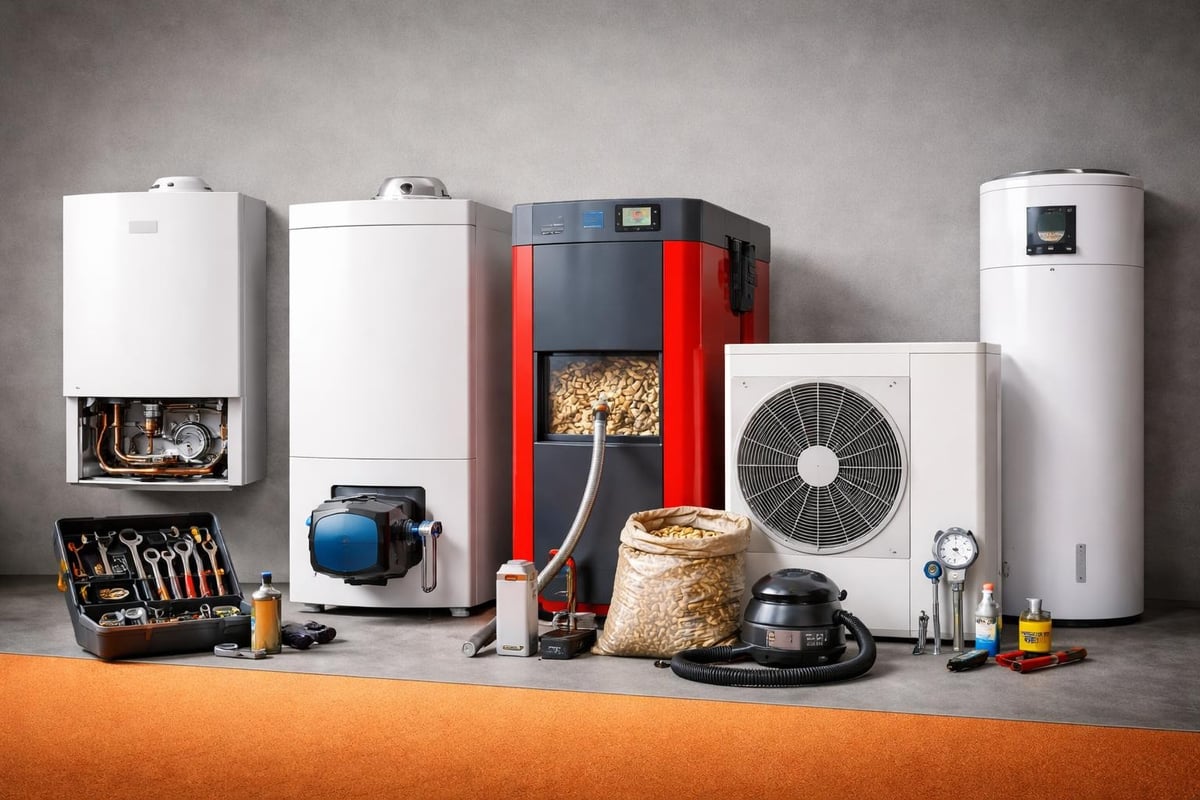
Gas Boiler Systems
Gas boilers remain the most common heating solution across the UK. These systems require annual servicing to maintain efficiency and safety standards. During a comprehensive service, engineers inspect the heat exchanger, test gas pressure, examine the flue system, and verify safety controls function correctly.
The combustion analysis forms a critical component of gas boiler servicing. Engineers measure oxygen and carbon dioxide levels in exhaust gases, ensuring complete fuel combustion. Incomplete combustion wastes energy and potentially produces dangerous carbon monoxide.
| Service Component | Frequency | Purpose |
|---|---|---|
| Combustion analysis | Annual | Verify efficient fuel burning |
| Safety control testing | Annual | Ensure automatic shutdown systems work |
| Heat exchanger inspection | Annual | Identify corrosion or blockages |
| Flue integrity check | Annual | Confirm safe exhaust venting |
| System pressure testing | Annual | Detect leaks and circulation issues |
Oil and Biomass Systems
Oil-fired and biomass heating systems demand particular attention to fuel quality and combustion chamber cleanliness. These systems accumulate soot and residue more readily than gas equipment, making regular cleaning essential for maintaining efficiency.
Biomass boilers, which burn wood pellets or chips, require more frequent attention than conventional systems. Ash removal, feed mechanism inspection, and emissions testing typically occur every three to six months depending on usage levels. For comprehensive boiler servicing across all fuel types, specialist knowledge ensures each system receives appropriate care.
The Heating System Servicing Process Explained
Professional heating system servicing follows a systematic approach that addresses every component affecting performance, efficiency, and safety. Understanding this process helps homeowners appreciate the value delivered during each visit.
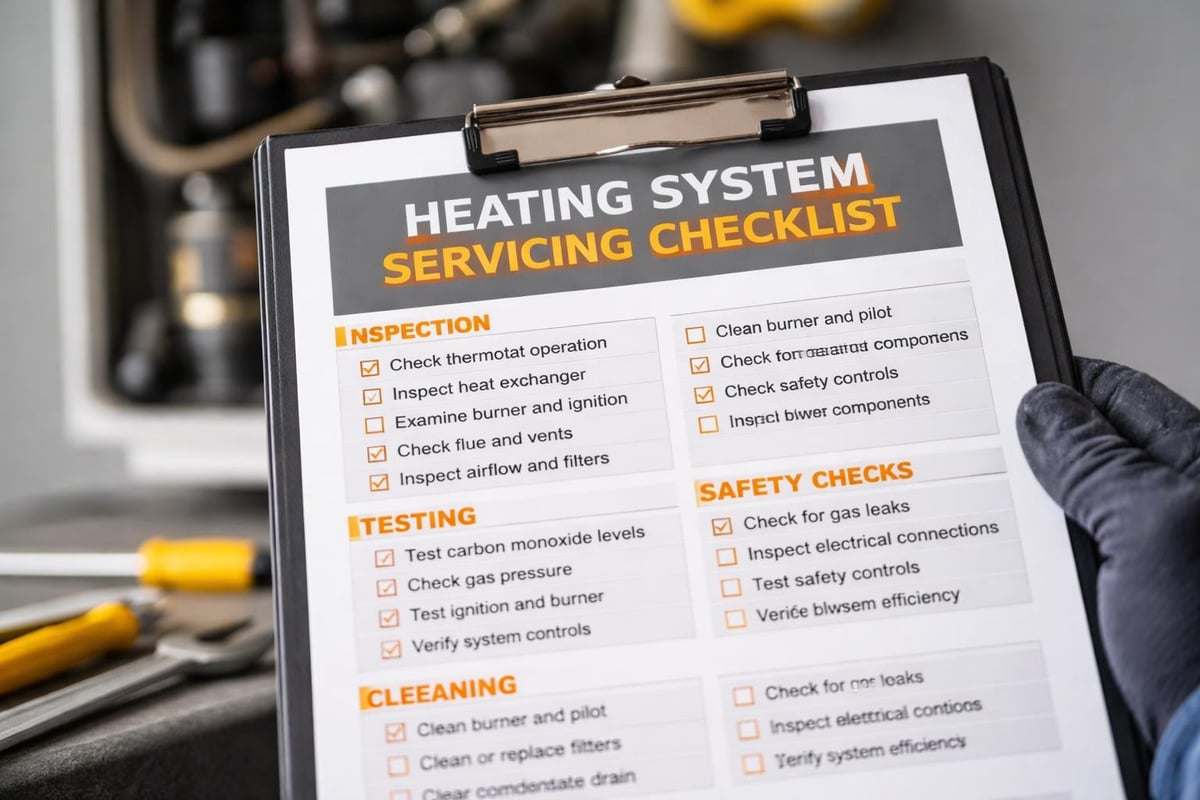
Engineers typically begin with a visual inspection, examining the boiler casing, pipework, and surrounding area for obvious issues such as leaks, corrosion, or inadequate ventilation. This initial assessment identifies immediate safety concerns before proceeding with detailed testing.
The combustion analysis follows, where engineers use specialised instruments to measure exhaust gas composition. This test reveals whether the system burns fuel efficiently and cleanly. Adjustments to air-fuel ratios optimise performance and reduce running costs.
Internal Component Inspection
Opening the boiler casing allows engineers to examine internal components that determine system reliability. The heat exchanger, burner assembly, ignition system, and safety controls all receive careful scrutiny.
Critical components examined during servicing:
- Heat exchanger – checked for cracks, corrosion, and scale buildup that reduce heat transfer efficiency
- Burner assembly – cleaned and adjusted to ensure proper flame pattern and complete combustion
- Ignition system – tested for reliable starting and consistent operation
- Pump and circulation – verified for correct flow rates and quiet operation
- Expansion vessel – pressure tested to ensure proper system pressure maintenance
- Safety controls – thoroughly tested to confirm automatic shutdown in fault conditions
Water chemistry testing forms another important aspect of heating system servicing. Corrosion inhibitors protect metal components from deterioration, whilst proper pH levels prevent scale formation in heat exchangers and pipework. Engineers assess inhibitor concentration and recommend treatment when necessary.
Recognising When Your Heating System Needs Attention
Whilst annual servicing provides the foundation for reliable heating, certain symptoms indicate your system requires immediate professional attention. Recognising these warning signs prevents minor issues escalating into expensive failures.
Strange noises often signal developing problems. Kettling sounds, caused by scale buildup on heat exchanger surfaces, indicate reduced efficiency and potential component damage. Banging or clunking from pipes suggests trapped air or circulation issues requiring bleeding and rebalancing.
Performance and Efficiency Indicators
Declining heating performance manifests in several ways. Radiators taking longer to heat up, uneven temperatures between rooms, or the boiler cycling frequently on and off all suggest underlying issues. These problems often stem from circulation pump wear, system airlocks, or thermostat malfunctions.
Rising energy bills without increased usage provide another clear indicator of declining efficiency. When heating systems lose efficiency through worn components, dirty heat exchangers, or incorrect combustion settings, they consume more fuel to deliver the same heat output. The Better Business Bureau recommends tracking energy consumption patterns to identify gradual efficiency losses that might otherwise go unnoticed.
Visible signs also warrant immediate attention:
- Water leaks beneath the boiler or around pipe joints
- Yellow or orange flames instead of crisp blue combustion
- Soot marks around the boiler casing
- Condensation on windows or walls when heating operates
- Pilot light frequently extinguishing
For urgent issues requiring boiler repair, prompt professional intervention prevents further damage and restores safe operation.
Cost Considerations and Value of Professional Servicing
Understanding the financial aspects of heating system servicing helps homeowners make informed maintenance decisions. Service costs vary based on system type, accessibility, and regional labour rates, yet represent excellent value when compared against emergency repair expenses.
In the North East of England, typical heating system servicing costs range from £80 to £150 for standard gas boilers, with oil and biomass systems commanding slightly higher fees due to additional complexity. This investment delivers returns through reduced fuel consumption, fewer breakdowns, and extended equipment lifespan.
| System Type | Average Service Cost | Annual Fuel Savings | Breakdown Prevention Value |
|---|---|---|---|
| Gas boiler | £80-100 | £150-200 | £300-500 |
| Oil boiler | £100-130 | £180-250 | £400-600 |
| Biomass boiler | £120-150 | £200-300 | £500-800 |
The ASHRAE Handbook provides comprehensive guidelines demonstrating that properly maintained heating systems operate 15-30% more efficiently than neglected equipment. Over a typical boiler lifespan of 12-15 years, this efficiency difference translates to thousands of pounds in fuel savings.
Many heating companies now offer service contracts bundling annual maintenance with additional benefits. These agreements typically include priority emergency response, discounted repair labour rates, and guaranteed annual servicing dates. For households relying heavily on their heating systems, such contracts provide valuable peace of mind and budget certainty.
Selecting the Right Service Provider
Choosing qualified, reputable engineers ensures heating system servicing delivers genuine value rather than merely ticking a box. Several factors distinguish professional service providers from less capable alternatives.
Accreditation and certification form the foundation of competent service provision. Gas Safe registration represents the legal requirement for anyone working on gas heating systems in the UK. For oil systems, OFTEC registration demonstrates equivalent competence. Engineers servicing biomass installations should hold relevant manufacturer training certificates.
Evaluating Service Quality
Experience working with your specific heating system type matters considerably. Whilst general heating knowledge provides a foundation, familiarity with particular boiler models, control systems, and fuel types ensures thorough, efficient servicing. Engineers who regularly work with diverse systems spot potential issues that less experienced technicians might overlook.
Customer reviews and recommendations offer valuable insights into service quality and reliability. Look for consistent positive feedback regarding punctuality, thoroughness, clear communication, and fair pricing. Negative patterns around rushed visits, unexpected charges, or recurring problems suggest providers to avoid.
Questions to ask potential service providers:
- What specific training and certifications do your engineers hold?
- How long does a typical service visit take for my system type?
- What documentation and certification will I receive?
- Do you offer service contracts or one-off visits?
- What warranty or guarantee covers the servicing work?
- Can you provide customer references from similar installations?
The Air Conditioning Contractors of America sets maintenance standards that reputable HVAC professionals follow, ensuring systematic, comprehensive service delivery rather than cursory inspections.
Maintaining Efficiency Between Service Visits
Whilst professional heating system servicing forms the cornerstone of maintenance, homeowners can take several actions between annual visits to optimise performance and identify developing issues early.
Regular visual inspections help spot obvious problems before they worsen. Monthly checks of the boiler exterior, visible pipework, and radiators take just minutes yet can reveal leaks, corrosion, or unusual operating sounds warranting professional attention.
Simple Maintenance Tasks
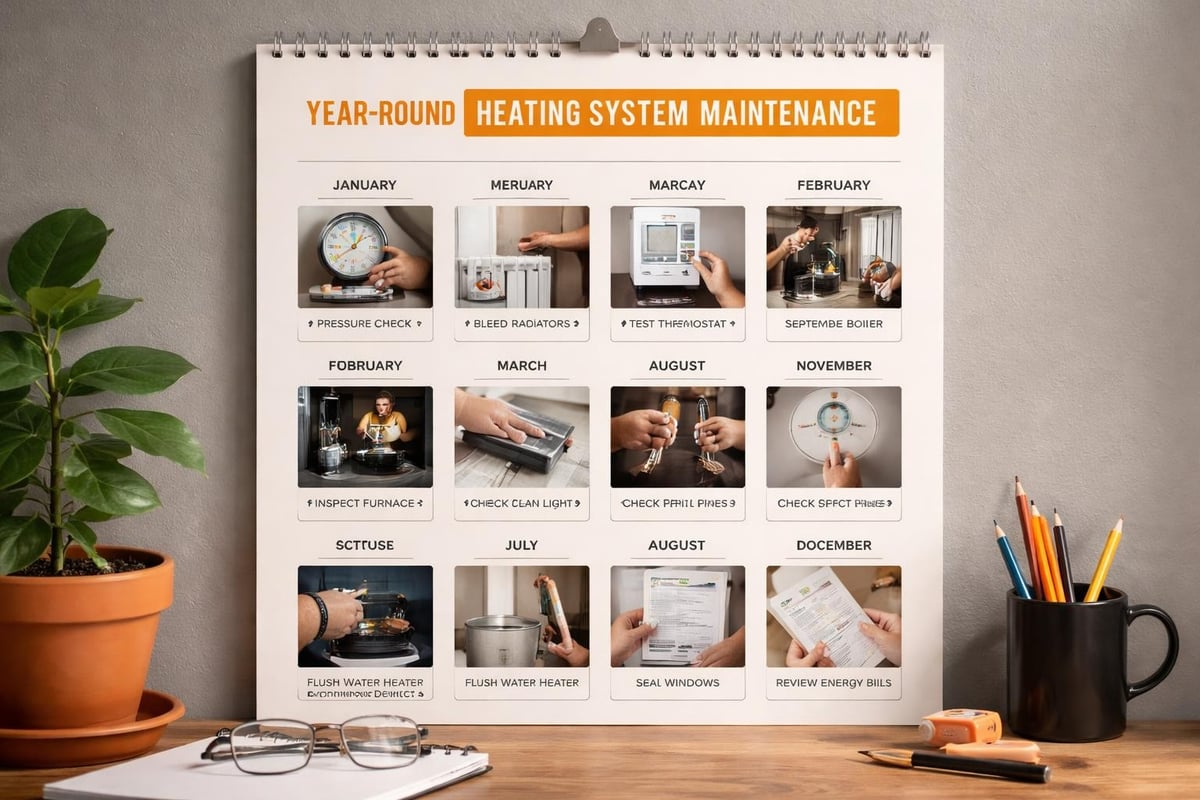
Bleeding radiators when they feel cold at the top ensures efficient heat distribution and reduces strain on circulation pumps. This straightforward task removes air pockets that prevent hot water circulating properly. Performing this simple maintenance twice yearly, before and during the heating season, maintains optimal performance.
Monitoring system pressure prevents low-pressure lockouts that shut down heating unexpectedly. Most modern boilers display pressure on a gauge or digital display. Maintaining pressure between 1.0 and 1.5 bar ensures proper circulation without overstressing components. The American Home Shield HVAC maintenance guide provides detailed instructions for various routine maintenance tasks homeowners can safely perform.
Thermostat management also influences efficiency and comfort. Programming heating to match occupancy patterns prevents wasted energy heating empty homes. Modern smart thermostats learn household routines and optimise heating schedules automatically, whilst allowing remote control when plans change unexpectedly.
Keeping radiators and heat emitters clear allows proper air circulation. Furniture positioned directly against radiators blocks heat distribution, forcing the system to work harder to achieve desired temperatures. Maintaining clear space around all heat emitters maximises efficiency and comfort.
The Environmental and Regulatory Landscape
Environmental regulations increasingly influence heating system requirements and servicing standards. Understanding these obligations helps homeowners maintain compliance whilst contributing to reduced carbon emissions.
Boiler efficiency ratings, measured by ErP (Energy-related Products) classifications, now require minimum performance standards for new installations. Whilst existing systems aren't subject to immediate replacement requirements, regular servicing helps maintain efficiency levels closer to modern standards.
Gas safety legislation mandates annual inspections for rental properties, with landlords legally required to provide Gas Safety Certificates to tenants. Homeowners, whilst not subject to identical legal requirements, benefit from adopting similar rigorous servicing schedules for their own safety and system performance.
Carbon monoxide detection represents another area where regulations and best practice intersect. Building regulations now require CO alarms in rooms containing fuel-burning appliances. Regular heating system servicing complements these safety devices by identifying and rectifying potential CO production issues before they pose risks.
Future regulatory changes will likely impose stricter efficiency requirements and encourage transitions toward low-carbon heating technologies. Heat pumps, hybrid systems, and hydrogen-ready boilers represent emerging technologies that will require new servicing expertise and maintenance protocols as adoption increases.
Seasonal Considerations for Heating System Care
Timing heating system servicing appropriately maximises benefits and minimises disruption. Strategic scheduling ensures systems receive attention when it provides greatest value whilst avoiding periods of peak demand.
Late summer or early autumn represents the optimal servicing window for most households. Scheduling maintenance between August and October ensures any identified issues receive rectification before heating demand increases. Engineers also have greater availability during this period, allowing flexible appointment scheduling and potentially lower service costs.
Spring servicing offers an alternative approach. Addressing wear accumulated during the heating season prevents minor issues deteriorating over summer. This timing also allows homeowners to identify whether aging systems warrant replacement, providing summer months to research options and obtain competitive quotes rather than making rushed decisions during winter emergencies.
Emergency servicing during peak winter periods carries significant disadvantages. Engineer availability becomes severely constrained when numerous systems fail simultaneously during cold snaps. Response times extend, emergency call-out charges apply, and the stress of managing without heating in freezing conditions adds unnecessary complications.
Seasonal heating system maintenance calendar:
- March-April: End-of-season inspection and summer shutdown procedures
- May-July: Consider replacement or upgrade if system reached end of life
- August-October: Optimal period for annual servicing before heating season
- November-February: Monitor performance and address issues promptly
Regional climate variations influence optimal servicing timing. In the North East of England, where heating demand extends well into spring and resumes early in autumn, servicing in late August ensures systems receive attention before the extended heating season commences.
Long-Term Planning and System Replacement
Heating system servicing provides valuable information about equipment condition and remaining lifespan. Understanding when to continue maintaining existing systems versus planning replacements helps homeowners make sound financial decisions.
Modern condensing boilers typically deliver 12-15 years of reliable service with proper maintenance. Beyond this timeframe, repair frequency increases whilst efficiency gradually declines. Engineers conducting annual servicing can advise on remaining lifespan based on component condition, performance metrics, and reliability trends.
Replacement considerations extend beyond simple equipment age. Efficiency improvements in modern systems often justify earlier replacement than absolute equipment failure would dictate. A 15-year-old boiler operating at 75% efficiency consumes significantly more fuel than a new condensing boiler achieving 92-94% efficiency. Over several years, fuel savings can offset replacement costs.
Technology advances also influence replacement timing. Heat pumps, hybrid systems, and hydrogen-ready boilers offer lower carbon emissions and reduced running costs for suitable properties. Government incentives periodically support transitions to low-carbon heating technologies, making strategic timing of system replacement financially advantageous.
When planning heating system replacement, consider:
- Current system age and repair history
- Annual fuel consumption trends
- Availability of new technologies suited to your property
- Government incentives for low-carbon heating
- 0% finance options spreading installation costs
The combination of efficient servicing extending current system life whilst planning strategically for eventual replacement ensures continuous, cost-effective heating without unexpected disruptions or emergency replacement decisions.
Regular heating system servicing delivers safety, efficiency, and reliability that protects both your family and your investment in home comfort. Since 1983, NU Heat North East Ltd has provided expert heating services across the North East of England, combining technical excellence with customer-focused service. Our qualified engineers service all heating system types, from traditional gas boilers to modern biomass installations, ensuring your equipment operates safely and efficiently throughout the year. With 0% finance options available to spread costs into manageable monthly payments, maintaining your heating system has never been more accessible.