
Modern properties demand reliable heating and plumbing services to maintain comfort, safety, and efficiency throughout the year. Whether you're dealing with an emergency repair or planning a comprehensive system upgrade, understanding the scope and importance of professional heating and plumbing services ensures you make informed decisions that protect your investment. With advancing technologies and evolving industry standards, homeowners and businesses across the North East require skilled technicians who combine traditional expertise with contemporary knowledge.
Understanding Comprehensive Plumbing Solutions
Professional plumbing encompasses far more than simply fixing leaky taps or clearing blocked drains. A complete plumbing service addresses everything from initial system design and installation through to preventative maintenance and emergency interventions.
Core Plumbing Installation Services
Modern plumbing installations require adherence to stringent regulations and building safety codes that govern residential and commercial properties. When installing new plumbing systems, qualified technicians must consider water pressure requirements, pipe materials, waste management, and long-term durability.
Key installation considerations include:
- System capacity and future expansion requirements
- Material selection based on water quality and property age
- Compliance with local building regulations and standards
- Integration with existing infrastructure
- Water conservation technologies and efficiency measures
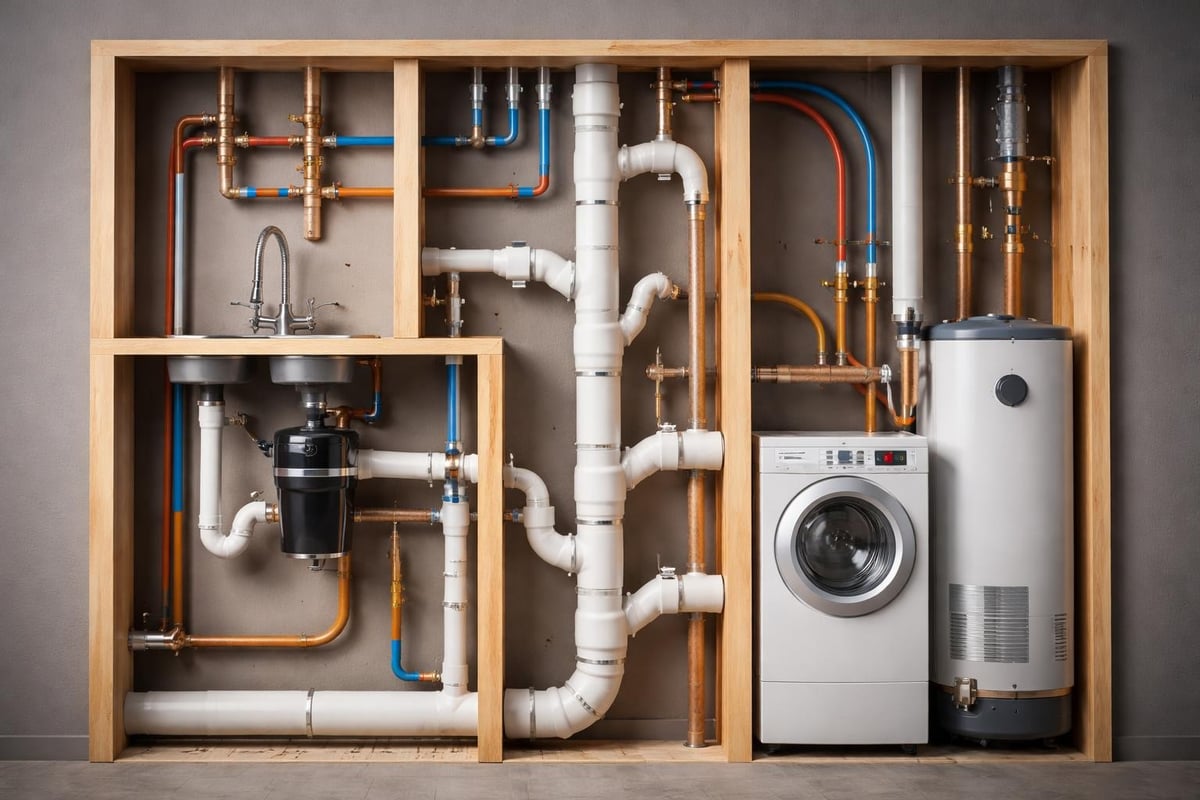
Professional installations deliver peace of mind through guaranteed workmanship and materials. The Plumbing-Heating-Cooling Contractors Association establishes industry benchmarks that reputable contractors follow, ensuring installations meet or exceed minimum standards.
Emergency Plumbing Interventions
Plumbing emergencies rarely occur at convenient times. Burst pipes, severe blockages, and heating failures demand immediate attention to prevent property damage and restore essential services.
Emergency response services typically address:
- Burst pipe repairs requiring immediate water isolation and replacement
- Severe drainage blockages affecting multiple outlets or main sewer connections
- Water heater failures leaving properties without hot water
- Gas leak detection requiring urgent safety interventions
- Flooding incidents necessitating rapid water extraction and system repairs
| Emergency Type | Typical Response Time | Priority Level |
|---|---|---|
| Burst Pipes | Within 1-2 hours | Critical |
| Heating Failure | Within 4 hours | High |
| Blocked Drains | Within 24 hours | Medium |
| Tap Repairs | Within 48 hours | Standard |
Modern Heating System Solutions
Heating systems represent substantial investments that directly impact comfort levels and energy expenditure. Professional heating and plumbing services ensure optimal system performance through expert installation, regular servicing, and timely repairs.
Boiler Installation and Replacement
Contemporary boiler technology offers remarkable efficiency improvements compared to systems installed even a decade ago. Modern condensing boilers achieve efficiency ratings exceeding 90%, translating to significant fuel savings and reduced environmental impact.
Selecting the appropriate boiler involves assessing multiple factors. Property size, occupant numbers, hot water demands, and existing infrastructure all influence the optimal choice between combi boilers, system boilers, and conventional boilers.
Boiler selection criteria:
- Property size and number of bathrooms
- Simultaneous hot water usage patterns
- Available installation space and flue routing options
- Budget considerations including installation and running costs
- Future-proofing for potential property extensions
The Building Energy Codes Program provides valuable guidance on efficiency standards that modern heating installations should meet, helping homeowners make environmentally responsible choices.
Alternative Heating Technologies
Beyond traditional gas and oil boilers, alternative heating solutions offer sustainable options for environmentally conscious property owners. Biomass boilers, heat pumps, and solar thermal systems provide viable alternatives, particularly when integrated thoughtfully into comprehensive heating strategies.
Biomass heating systems burn renewable organic materials, offering carbon-neutral heating solutions. These systems particularly suit rural properties with space for fuel storage and access to affordable biomass supplies.
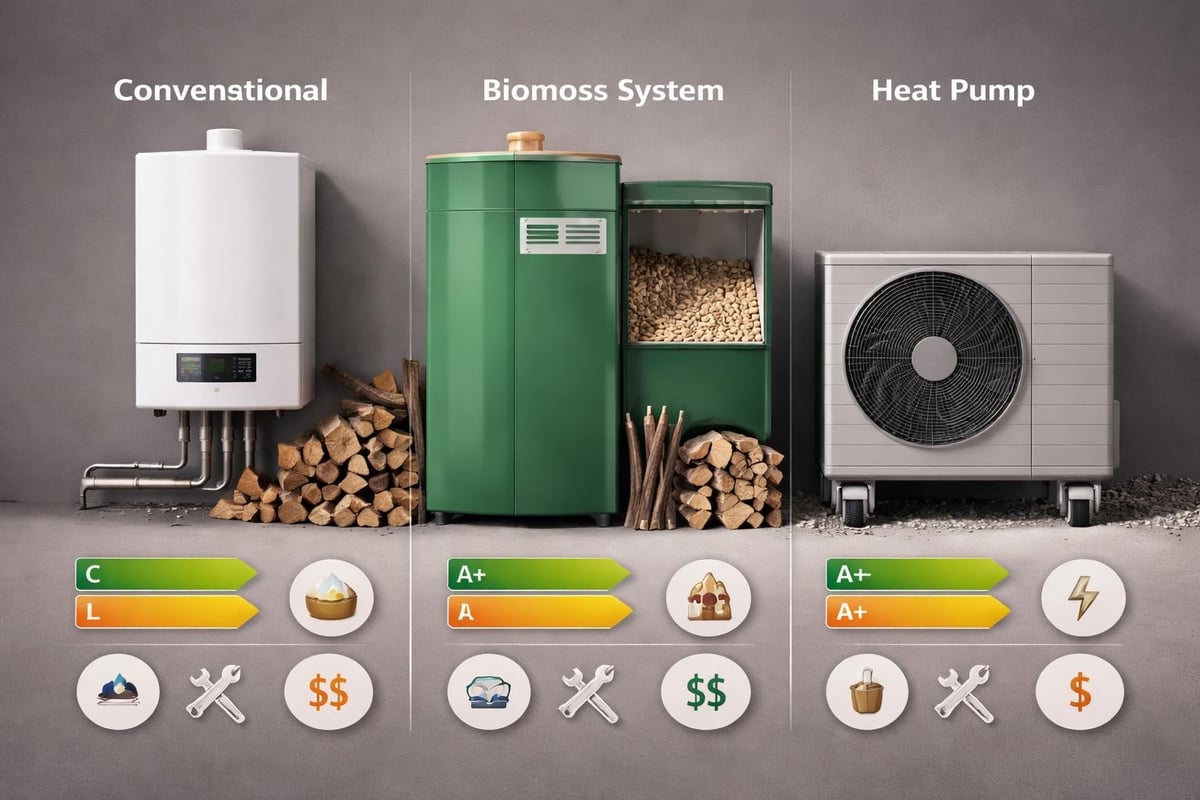
Heat pump technology extracts warmth from air, ground, or water sources, delivering efficient heating and hot water. Whilst initial installation costs exceed conventional boilers, operational savings and government incentives often justify the investment over system lifespans.
Preventative Maintenance and System Servicing
Regular maintenance prevents costly breakdowns, extends equipment lifespan, and maintains optimal efficiency. Professional heating and plumbing services include scheduled inspections that identify potential issues before they escalate into expensive failures.
Annual Boiler Servicing Requirements
Boiler manufacturers typically mandate annual servicing to maintain warranty validity. These comprehensive inspections verify safe operation, identify wear and tear, and optimise performance through adjustments and cleaning.
A thorough boiler service includes:
- Visual inspection of the boiler and surrounding area
- Flue integrity testing ensuring safe exhaust gas removal
- Gas pressure verification and leak detection
- Heat exchanger cleaning removing efficiency-reducing deposits
- Control system testing validating thermostats and safety devices
- Combustion analysis optimising fuel-to-air ratios
- Detailed reporting documenting condition and recommendations
| Service Component | Frequency | Importance |
|---|---|---|
| Safety Checks | Annual | Critical |
| Efficiency Testing | Annual | High |
| Filter Cleaning | Annual | Medium |
| System Flushing | Every 5-10 years | High |
| Pipe Inspection | Annual | Medium |
Plumbing System Maintenance
Preventative plumbing maintenance extends beyond visible fixtures to encompass hidden pipework, drainage systems, and water quality management. Professional inspections identify corrosion, scale buildup, and potential failure points that could cause significant damage if neglected.
Water quality significantly impacts plumbing longevity. Hard water areas experience accelerated scale accumulation within pipes, boilers, and appliances. The EPA’s WaterSense program offers resources on water conservation and quality management that complement professional maintenance strategies.
Bathroom Installation and Renovation
Bathroom projects represent major undertakings that combine plumbing expertise with design sensibility. Professional heating and plumbing services deliver complete bathroom transformations from initial concept through to final commissioning.
Design and Planning Considerations
Successful bathroom installations begin with thorough planning that balances aesthetic preferences with practical requirements. Space optimisation, ventilation, lighting, and accessibility must align with plumbing and heating infrastructure capabilities.
Essential planning elements:
- Fixture placement optimising available space and existing connections
- Waste pipe routing ensuring adequate falls and avoiding problematic configurations
- Water pressure assessment determining suitable fixtures and potential pump requirements
- Heating solutions including underfloor systems and heated towel rails
- Waterproofing strategies protecting structural elements from moisture damage
Modern bathroom designs increasingly incorporate water-saving fixtures, thermostatic shower controls, and ambient heating solutions. Professional installers ensure these technologies integrate seamlessly whilst maintaining aesthetic appeal.

Installation Quality and Compliance
Bathroom installations must comply with building regulations covering ventilation, electrical safety, water efficiency, and structural modifications. Professional contractors navigate these requirements whilst delivering installations that withstand daily use over decades.
Quality installations employ appropriate materials for wet environments, ensure robust waterproofing, and provide accessible isolation valves for future maintenance. These details separate professional work from amateur attempts that often result in premature failures and costly remediation.
Energy Efficiency and Environmental Considerations
Contemporary heating and plumbing services increasingly emphasise sustainability and efficiency. Property owners benefit from reduced operating costs whilst contributing to broader environmental objectives through responsible system choices.
Efficiency Upgrades and Retrofit Solutions
Older properties often accommodate outdated heating and plumbing systems that waste energy and resources. Strategic upgrades deliver immediate improvements without requiring complete system replacements.
Common efficiency improvements include:
- Thermostatic radiator valves enabling room-by-room temperature control
- Smart heating controls learning occupancy patterns and optimising heating schedules
- Pipe insulation reducing heat loss throughout distribution networks
- Water-saving fixtures decreasing consumption without compromising performance
- Power flushing removing sludge and debris that impair system efficiency
The National Institute of Standards and Technology conducts research into high-performance plumbing systems that inform best practices for efficiency-focused retrofits and new installations.
Renewable Integration Opportunities
Integrating renewable technologies with conventional heating systems creates hybrid solutions that balance reliability with sustainability. Solar thermal panels supplement hot water heating, whilst biomass boilers provide complete heating solutions using renewable fuels.
Professional heating and plumbing services assess property suitability for renewable technologies, considering orientation, available space, fuel availability, and existing infrastructure compatibility. These assessments ensure investments deliver anticipated returns through realistic performance projections.
Choosing Qualified Service Providers
Selecting appropriate contractors significantly influences outcomes for heating and plumbing services. Qualified professionals bring essential certifications, insurance coverage, and proven expertise that protect customers from substandard work and potential liabilities.
Essential Qualifications and Certifications
Legitimate heating and plumbing contractors hold relevant certifications demonstrating competence in their specialised areas. Gas Safe registration remains mandatory for anyone working with gas appliances, whilst professional memberships indicate commitment to industry standards.
Critical credentials include:
- Gas Safe registration for gas appliance work
- Oftec certification for oil-fired heating systems
- HETAS approval for solid fuel and biomass installations
- Relevant NVQ qualifications demonstrating technical competence
- Public liability insurance protecting customers from installation defects
Industry bodies like ASHRAE establish technical standards that qualified contractors reference when designing and installing heating, ventilation, and plumbing systems. These standards ensure safe, efficient operation across diverse applications.
Evaluating Service Proposals
Comparing quotations requires looking beyond headline prices to assess scope, materials, guarantees, and contractor reputation. Detailed proposals specify equipment brands, material grades, project timelines, and warranty terms that significantly impact long-term value.
Reputable contractors provide transparent pricing, detailed specifications, and realistic timelines. They willingly answer technical questions, explain proposed approaches, and accommodate reasonable customer preferences within regulatory constraints.
| Evaluation Criteria | Red Flags | Positive Indicators |
|---|---|---|
| Price | Significantly below competitors | Competitive with detailed breakdown |
| Timeline | Vague or unrealistic | Specific with contingency planning |
| Warranty | Minimal or absent | Comprehensive covering parts and labour |
| Communication | Slow or unclear responses | Prompt, professional, detailed |
| Credentials | Cannot provide proof | Readily shares certifications |
Financial Considerations and Payment Options
Heating and plumbing services represent significant investments that many households struggle to fund from available savings. Understanding available financing options enables necessary work to proceed without compromising household budgets.
Flexible Payment Solutions
Contemporary service providers increasingly offer flexible payment arrangements that spread costs over manageable periods. Interest-free financing makes substantial installations accessible whilst preserving savings for other priorities.
These arrangements particularly benefit projects involving:
- Complete heating system replacements
- Comprehensive bathroom renovations
- Multi-zone heating installations
- Emergency repairs requiring immediate action
- Energy efficiency upgrades delivering long-term savings
Payment flexibility transforms essential maintenance from postponed necessity into achievable investment. Properties benefit from immediate improvements whilst households manage expenditure through predictable monthly commitments.
Warranty Protection and Long-Term Value
Quality installations backed by comprehensive warranties protect customers from premature failures and defective workmanship. Extended warranty periods demonstrate contractor confidence in installation quality and chosen equipment reliability.
Understanding warranty terms proves essential. Some cover parts only, whilst comprehensive warranties include both materials and labour. Duration, exclusions, and claim procedures significantly impact practical warranty value when issues arise.
Regulatory Compliance and Safety Standards
Professional heating and plumbing services operate within strict regulatory frameworks designed to protect occupants, properties, and the environment. Compliance with these standards represents minimum acceptable practice rather than exceptional service quality.
Building Regulations and Notification Requirements
Certain plumbing and heating works require building control notification, ensuring installations meet safety and performance standards. Competent person schemes enable registered contractors to self-certify work, streamlining processes whilst maintaining regulatory oversight.
Notifiable works typically include:
- New heating system installations
- Bathroom installations affecting structural elements or ventilation
- Soil and vent pipe modifications
- Hot water cylinder replacements
- Unvented system installations
The International Association of Plumbing and Mechanical Officials develops standards promoting uniformity and safety across plumbing and mechanical systems, influencing regulations adopted in various jurisdictions.
Health and Safety Obligations
Professional contractors implement robust health and safety practices protecting workers, occupants, and properties during installations and repairs. OSHA regulations establish baseline requirements for construction work, including aspects relevant to heating and plumbing services.
Responsible contractors conduct risk assessments, implement appropriate control measures, and maintain comprehensive insurance coverage. These practices minimise accident risks whilst protecting customers from potential liabilities arising from contractor activities on their properties.
Seasonal Considerations and Planning
Strategic timing significantly influences heating and plumbing services outcomes and costs. Understanding seasonal factors enables better planning for installations, maintenance, and system upgrades.
Optimal Installation Timing
Spring and summer present ideal opportunities for heating system installations and major plumbing projects. Moderate weather reduces installation complexity, contractors experience lower demand enabling better availability, and properties can function comfortably during temporary service interruptions.
Conversely, winter heating failures create urgent demands that limit contractor availability and potentially increase costs. Proactive maintenance and timely replacements during favourable seasons prevent inconvenient winter emergencies.
Seasonal planning advantages:
- Reduced installation costs during off-peak periods
- Greater contractor availability and scheduling flexibility
- Comfortable conditions for extensive internal works
- Time for thorough system commissioning and optimisation
- Opportunity to test new systems before critical winter demands
Properties in the North East experience distinct seasonal variations that influence heating demands and potential failure modes. Preparing systems before winter ensures reliability when heating becomes essential rather than optional.
Professional heating and plumbing services protect property values whilst ensuring comfort, safety, and efficiency throughout the year. Strategic planning, regular maintenance, and qualified contractors deliver reliable systems that serve households and businesses effectively across decades. Since 1983, NU Heat North East Ltd has provided comprehensive heating and plumbing services throughout the North East, combining traditional expertise with contemporary technologies. Our qualified technicians deliver installations, repairs, and maintenance backed by flexible financing options including 0% interest, making essential improvements accessible whilst maintaining exceptional service standards.