
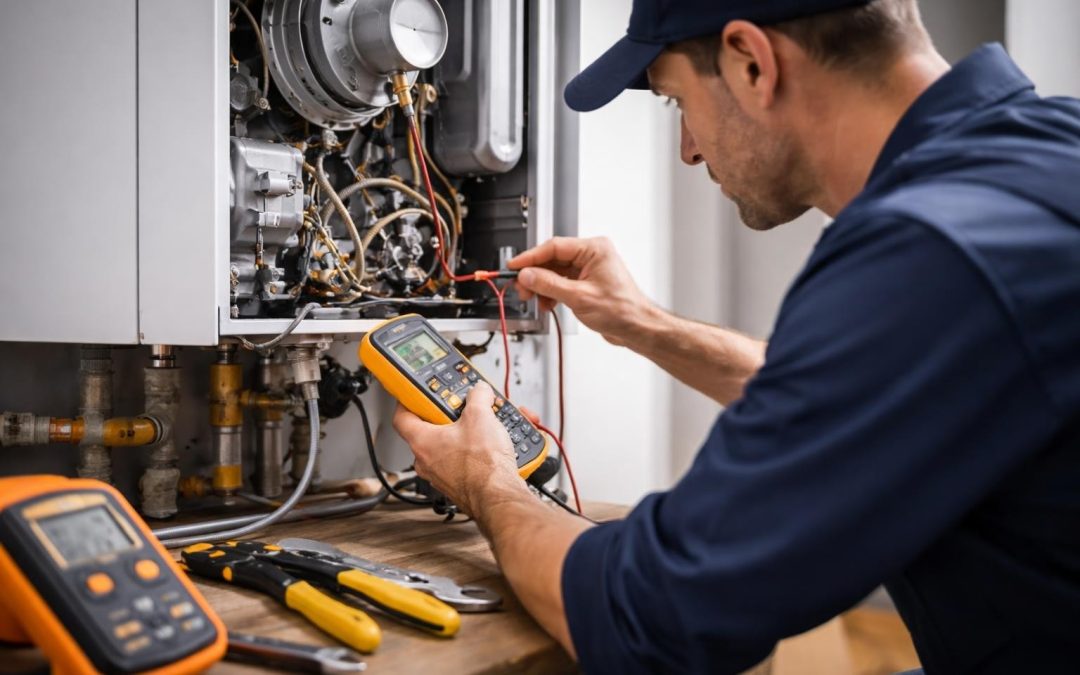
When your home's heating system falters during the coldest months, understanding the fundamentals of a boiler fix becomes essential for every homeowner. Whether you're experiencing strange noises, reduced efficiency, or complete heating failure, recognising common issues and knowing when to seek professional assistance can save both time and money. Since 1983, heating engineers across the North East have witnessed countless scenarios where prompt intervention prevented minor issues from escalating into costly emergencies. This comprehensive guide explores the most frequent boiler problems, practical troubleshooting methods, and professional repair solutions to keep your heating system operating reliably throughout the year.
Understanding Common Boiler Problems
Modern boilers are sophisticated pieces of equipment, yet they remain vulnerable to various operational challenges. The complexity of these systems means that even minor component failures can trigger significant disruptions to your home comfort.
Pressure Irregularities
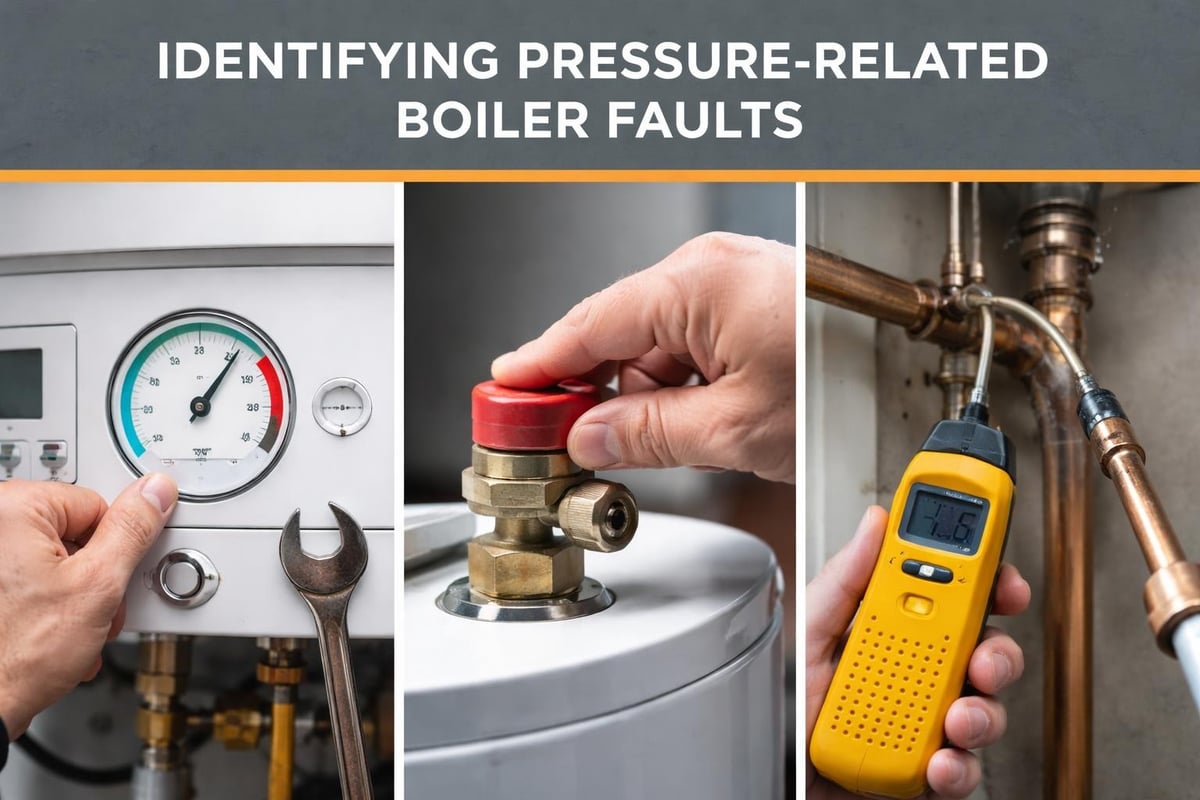
Low boiler pressure represents one of the most frequent concerns requiring a boiler fix. When pressure drops below 1 bar, your system may struggle to circulate heated water effectively throughout your radiators. Several factors contribute to this condition:
- Small leaks in the system pipework
- Recently bled radiators releasing excess air
- Faulty pressure relief valves
- Expansion vessel complications
Conversely, excessive pressure above 2.5 bar can prove equally problematic. The system's pressure relief valve may discharge water to protect internal components, creating puddles beneath your boiler and signalling the need for professional attention.
No Heat or Hot Water
Few situations prove more frustrating than discovering your boiler fails to produce heat or hot water. This particular boiler fix scenario typically stems from several root causes that professional technicians investigate systematically.
| Symptom | Potential Cause | Immediate Check |
|---|---|---|
| Complete shutdown | Power supply failure | Check fuse box and isolation switch |
| No heating, hot water works | Motorised valve fault | Listen for valve operation |
| No hot water, heating works | Diverter valve issue | Test hot water demand |
| Intermittent operation | Thermostat malfunction | Adjust temperature settings |
Frozen condensate pipes during winter months frequently cause modern condensing boilers to shut down completely. This protective measure prevents damage but leaves homeowners without heating until the pipe thaws and normal drainage resumes.
Diagnosing Unusual Noises and Leaks
Strange sounds emanating from your boiler rarely indicate normal operation. These acoustic signatures often provide valuable diagnostic clues for identifying necessary repairs.
Kettling and Banging Sounds
Kettling produces a distinctive rumbling noise similar to a boiling kettle. This phenomenon occurs when limescale accumulates on the heat exchanger, restricting water flow and creating localised overheating. The resulting steam bubbles collapse violently, generating the characteristic sound. Addressing kettling typically requires a professional powerflush to remove mineral deposits and restore efficient heat transfer.
Banging or clunking noises suggest different complications:
- Air trapped within the system
- Pump operating at incorrect speed
- Loose components vibrating during operation
- Thermostat cycling too frequently
Water Leaks and Drips
Discovering water around your boiler demands immediate investigation. Even minor drips can indicate serious internal component failures requiring prompt boiler fix intervention. Common leak sources include:
- Pressure relief valve: Discharges when internal pressure becomes excessive
- Pump seals: Deteriorate over time, allowing water to escape
- Heat exchanger: Corrosion creates pinhole leaks in older units
- Pipe connections: Compression fittings loosen through thermal cycling
Understanding when professional repair becomes necessary helps homeowners make informed decisions about addressing water leaks promptly before they cause secondary damage to surrounding areas.
Essential Maintenance for Preventing Repairs
Proactive maintenance significantly reduces the frequency and severity of boiler fix requirements. Regular servicing identifies developing issues before they escalate into complete system failures.
Annual Professional Servicing
Qualified technicians perform comprehensive inspections covering numerous critical components. During these visits, engineers examine combustion efficiency, check safety devices, test electrical connections, and verify proper ventilation. This thorough evaluation ensures your system operates safely and efficiently whilst maintaining manufacturer warranty validity.
The comprehensive approach to boiler maintenance extends equipment lifespan considerably whilst reducing energy consumption. Statistics demonstrate that well-maintained boilers operate 10-15% more efficiently than neglected systems, translating directly into lower heating bills.
Monthly Homeowner Checks
Between professional services, homeowners can perform simple monitoring tasks:
- Pressure verification: Ensure the gauge reads between 1 and 2 bar
- Visual inspection: Look for leaks, corrosion, or unusual deposits
- Radiator assessment: Confirm even heating across all units
- Flame observation: Modern boilers should display crisp blue flames
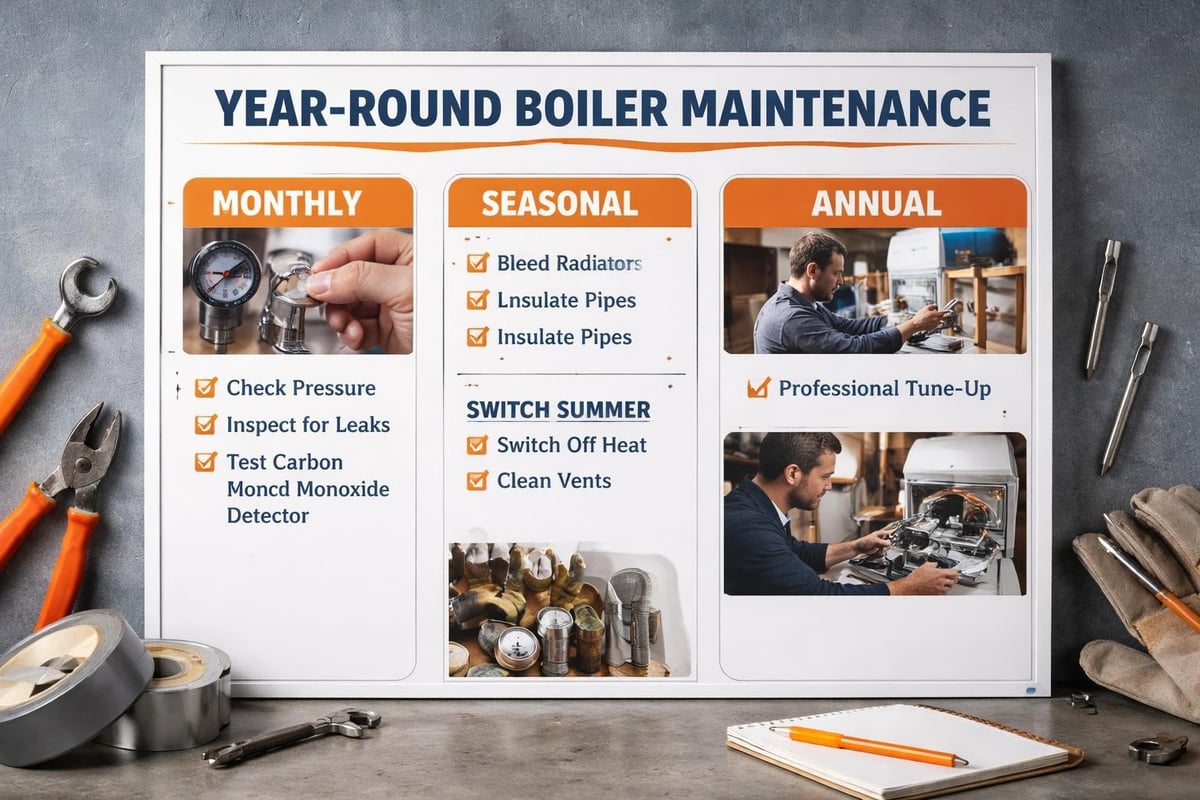
These routine observations help detect emerging problems early, often before they necessitate emergency boiler fix interventions. Homeowners who maintain vigilant oversight typically experience fewer unexpected breakdowns and enjoy more consistent heating performance throughout winter months.
Troubleshooting Before Calling Professionals
Certain boiler fix scenarios allow for homeowner intervention, whilst others demand immediate professional expertise. Understanding this distinction prevents both unnecessary service calls and dangerous DIY attempts on gas appliances.
Safe DIY Remedies
Resetting your boiler resolves many temporary faults. Most modern units feature a reset button that clears minor error codes and restarts the ignition sequence. However, frequent resets indicate underlying problems requiring professional diagnosis.
Bleeding radiators addresses cold spots and improves circulation. When air accumulates in radiators, heating efficiency diminishes noticeably. Using a radiator key to release trapped air represents a straightforward task most homeowners manage independently.
For frozen condensate pipes, carefully applying warm water to the affected section thaws the blockage safely. Never use boiling water or naked flames, as these methods risk pipe damage or personal injury.
When Professional Help Becomes Essential
Gas Safe registered engineers must handle anything involving gas connections, burner adjustments, or internal component replacement. Professional boiler troubleshooting encompasses complex diagnostic procedures requiring specialised equipment and extensive training.
Immediate professional assistance becomes critical when:
- Gas smells permeate your property
- Carbon monoxide alarms activate
- Persistent error codes appear despite resets
- Water leaks continue or worsen
- Strange noises intensify over time
The plumbing services offered by experienced teams provide rapid response to heating emergencies, ensuring your family's safety and comfort remain uncompromised.
Cost Considerations and Financing Options
Understanding the financial aspects of boiler fix services helps homeowners budget appropriately and make informed decisions about repair versus replacement.
Typical Repair Costs
Repair expenses vary considerably depending on the specific fault, required parts, and labour intensity. Minor adjustments might cost relatively little, whilst major component replacements represent substantial investments.
| Repair Type | Complexity | Typical Duration |
|---|---|---|
| Thermostat replacement | Low | 1-2 hours |
| Pump installation | Medium | 2-3 hours |
| Heat exchanger repair | High | 4-6 hours |
| Complete valve replacement | Medium | 2-4 hours |
Parts availability influences both cost and timeline. Common components typically arrive quickly, whilst specialist parts for older models may require extended ordering periods. This consideration sometimes tips the decision towards replacement rather than repair for particularly aged systems.
Flexible Payment Solutions
Recognising that unexpected heating system failures create financial pressure, many service providers now offer payment flexibility. Interest-free financing allows homeowners to spread costs across manageable monthly instalments, making essential repairs accessible regardless of immediate budget constraints.
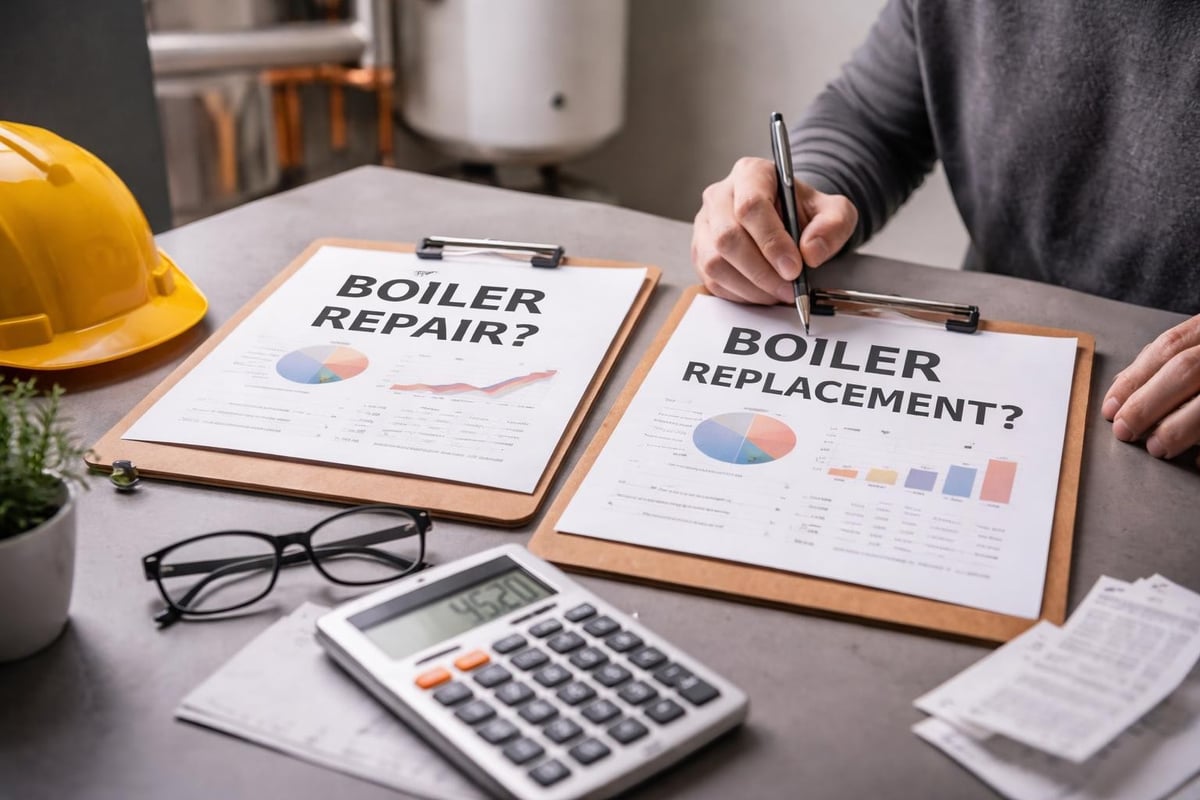
This approach proves particularly valuable when facing larger repairs on systems approaching the end of their serviceable life. Homeowners can weigh repair costs against new installation benefits whilst maintaining comfortable payment terms.
Efficiency Improvements Through Proper Repairs
Strategic boiler fix interventions do more than restore basic functionality. They frequently unlock significant efficiency improvements that reduce ongoing operational costs.
System Upgrades During Repairs
When undertaking necessary repairs, consider complementary upgrades that enhance overall performance. Modern programmable thermostats provide precise temperature control and scheduling capabilities, reducing wasted energy when heating isn't needed. Smart controls allow remote monitoring and adjustment via smartphone applications, offering unprecedented convenience and efficiency.
Powerflush treatments remove accumulated sludge and debris from heating systems. This comprehensive cleaning process restores optimal circulation, improves heat transfer efficiency, and extends component lifespan. Many homeowners report noticeable improvements in radiator performance following professional system cleaning.
Long-Term Performance Monitoring
Regular maintenance procedures establish baseline performance metrics that help identify efficiency degradation over time. Professional technicians measure:
- Combustion efficiency: Ensures complete fuel burning
- Flow temperatures: Confirms appropriate heat delivery
- Return temperatures: Indicates effective heat distribution
- Pump performance: Verifies adequate circulation pressure
Tracking these parameters reveals subtle changes that might otherwise go unnoticed until they manifest as complete failures. Early intervention based on performance trends represents the most cost-effective approach to heating system management.
Seasonal Preparation and Prevention
Different seasons present unique challenges to boiler operation. Anticipating these demands through appropriate preparation minimises emergency boiler fix requirements throughout the year.
Winter Readiness
Pre-winter servicing ensures your heating system stands ready for increased demand during cold months. Professional technicians verify all components function correctly, check safety devices, and confirm adequate system pressure. This proactive approach prevents the unfortunate scenario of discovering faults during the season's first cold snap when service demand peaks.
Consider these additional winter preparation steps:
- Insulate external pipes to prevent freezing
- Ensure condensate pipes have proper fall and insulation
- Verify radiator valves operate smoothly
- Test all thermostats and timers for accurate operation
Summer Maintenance
Whilst heating demand diminishes during warmer months, boiler maintenance shouldn’t cease entirely. Running your system periodically prevents seized pumps and valve mechanisms. Brief monthly operation keeps components exercised and identifies developing issues before the heating season returns.
Summer represents the ideal period for addressing non-urgent repairs. Technicians typically experience lower demand, potentially offering better availability and competitive pricing. Planning major boiler fix projects during quieter months ensures completion before winter arrives.
Recognising When Replacement Outweighs Repair
Sometimes the most sensible boiler fix involves complete system replacement rather than continued repairs on ageing equipment. Several factors inform this critical decision.
Age and Efficiency Considerations
Boilers approaching 15 years of age typically consume significantly more fuel than modern equivalents. Contemporary condensing models achieve efficiency ratings exceeding 90%, compared to 70% or lower for older conventional boilers. The fuel savings from upgrading often offset replacement costs within several years.
Warning signs suggesting replacement consideration:
- Frequent breakdowns requiring repeated repairs
- Difficulty sourcing replacement parts
- Rising energy bills despite consistent usage
- Visible corrosion or deterioration
- Inadequate heating capacity for current demands
Financial Analysis
Compare projected repair costs against replacement investment. When cumulative annual repairs approach 50% of new boiler costs, replacement generally provides better long-term value. Factor in improved efficiency, enhanced reliability, and extended warranty coverage when evaluating options.
Common boiler problems often cluster as systems age, creating recurring expense cycles that ultimately exceed replacement costs. Professional technicians provide honest assessments regarding repair feasibility versus replacement recommendations.
Emergency Protocols and Safety Measures
Certain boiler malfunctions demand immediate action to protect both property and occupants. Understanding emergency procedures ensures appropriate response during critical situations.
Carbon Monoxide Awareness
Carbon monoxide represents an invisible, odourless threat produced by incomplete combustion. Install carbon monoxide detectors near sleeping areas and within proximity of your boiler. If alarms activate:
- Evacuate all occupants immediately
- Open windows and doors for ventilation
- Turn off the boiler if safely accessible
- Contact emergency services
- Arrange immediate professional inspection
Never ignore persistent headaches, dizziness, or nausea when your boiler operates, as these symptoms may indicate carbon monoxide exposure.
Gas Leak Response
Natural gas carries a distinctive additive providing its characteristic odour. Should you detect gas:
- Avoid creating sparks or flames
- Don't operate electrical switches
- Open windows for ventilation
- Turn off the gas supply at the meter
- Evacuate and call the National Gas Emergency Service
Professional heating system specialists understand the critical importance of rapid response to potential safety hazards, providing 24-hour emergency coverage for urgent situations.
Technological Advances in Modern Boilers
Recent innovations have transformed boiler technology, offering enhanced reliability, improved efficiency, and simplified maintenance requirements. Understanding these developments helps inform repair-versus-replace decisions.
Smart Diagnostics
Contemporary boilers feature sophisticated self-diagnostic capabilities that identify faults precisely, often before they cause system failures. Digital displays communicate specific error codes, enabling technicians to arrive prepared with necessary parts and knowledge for efficient boiler fix completion.
Wireless connectivity allows remote monitoring and adjustment, whilst some systems automatically notify service providers when faults occur. This proactive approach minimises downtime and prevents minor issues from escalating into major failures.
Enhanced Components
Modern materials and manufacturing techniques produce more durable components requiring less frequent replacement. Stainless steel heat exchangers resist corrosion better than traditional materials, whilst advanced pump designs operate more quietly and reliably. These improvements collectively reduce lifetime ownership costs despite potentially higher initial investment.
Maintaining a reliable heating system requires vigilance, regular professional servicing, and prompt attention to emerging issues before they escalate into costly emergencies. Whether addressing minor pressure adjustments or considering complete system replacement, informed decisions based on professional guidance ensure optimal comfort and efficiency. The experienced team at NU Heat North East Ltd brings over four decades of heating expertise to homeowners throughout the North East, offering comprehensive boiler fix services backed by flexible 0% interest financing options. Contact our qualified technicians today to schedule your boiler service or discuss any heating concerns requiring professional attention.