
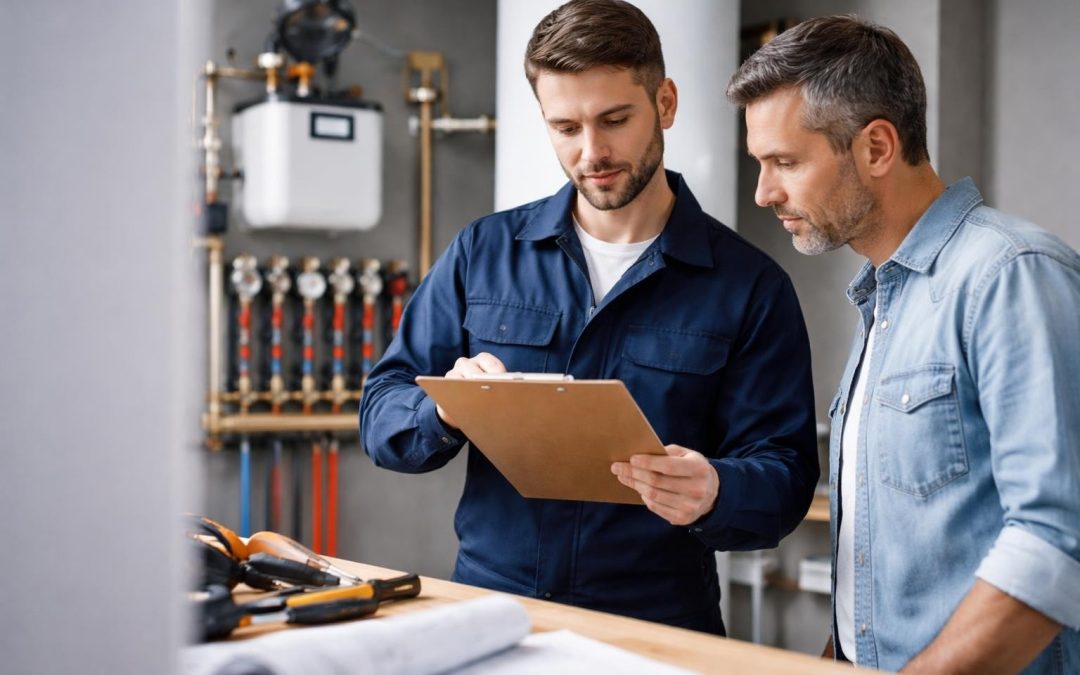
Choosing the right heating installer can make the difference between a system that performs efficiently for decades and one that causes endless problems. With heating technology advancing rapidly and energy costs remaining a primary concern for homeowners across the North East of England, the expertise of your installer has never been more critical. A professional heating installer brings not only technical knowledge but also an understanding of building regulations, energy efficiency standards, and the specific requirements of modern heating systems. This comprehensive guide explores what distinguishes exceptional heating installation services and how to ensure your investment delivers long-term value.
Understanding the Role of a Professional Heating Installer
A qualified heating installer manages far more than simply connecting pipes and mounting equipment. These specialists assess your property's heating requirements, recommend appropriate systems, ensure compliance with building regulations, and deliver installations that maximise efficiency whilst minimising running costs.
The responsibilities extend across multiple disciplines. From calculating heat loss in individual rooms to selecting correctly sized radiators, a competent heating installer applies engineering principles to create comfortable living environments. They must understand the Uniform Mechanical Code and local building standards, ensuring every installation meets safety requirements whilst delivering optimal performance.
Key Qualifications and Certifications
Professional heating installers require specific qualifications that demonstrate their competence:
- Gas Safe Registration for gas boiler installations
- OFTEC certification for oil-fired heating systems
- Renewable energy qualifications for heat pumps and biomass boilers
- NVQ Level 3 in plumbing and heating
- Manufacturer-specific training for particular boiler brands
These credentials aren't merely administrative requirements. They represent hundreds of hours of training, practical experience, and assessed competence in critical safety procedures.

Types of Heating Systems and Installation Requirements
Different heating systems demand varying levels of expertise and specialist knowledge from your heating installer. Understanding these distinctions helps homeowners appreciate the complexity involved and make informed decisions about their heating investments.
Traditional Boiler Systems
Conventional boilers remain prevalent across the North East, particularly in older properties with existing radiator systems. A skilled heating installer evaluates whether your current system requires complete replacement or selective upgrades. This assessment considers factors including boiler efficiency ratings, radiator sizing, and pipework condition.
Modern condensing boilers operate at efficiency levels exceeding 90%, dramatically reducing fuel consumption compared to older models. However, achieving these efficiency ratings depends entirely on correct installation practices, including proper condensate drainage, appropriate flue positioning, and accurate system balancing.
Heat Pump Technology
Air source and ground source heat pumps represent a growing segment of heating installations. These systems require particularly specialised knowledge, as highlighted by ENERGY STAR’s resources on heat pump installation.
A heating installer working with heat pumps must understand:
- Refrigeration principles and heat transfer mechanics
- Electrical requirements and power supply considerations
- Flow temperatures and radiator compatibility
- Integration with existing heating infrastructure
- Performance optimisation for varying weather conditions
The installation process differs significantly from traditional boiler systems, requiring precise refrigerant handling and electrical competence alongside conventional plumbing skills.
Biomass Heating Solutions
Biomass boilers offer renewable heating options for properties with adequate fuel storage space. These systems burn wood pellets, chips, or logs to generate heat, requiring a heating installer with specific knowledge of solid fuel appliances, emission controls, and thermal storage systems.
| System Type | Installation Complexity | Average Installation Time | Specialist Skills Required |
|---|---|---|---|
| Combi Boiler | Moderate | 1-2 days | Gas Safe, manufacturer training |
| System Boiler | Moderate-High | 2-3 days | Gas Safe, cylinder knowledge |
| Air Source Heat Pump | High | 3-5 days | Refrigeration, electrical, F-Gas |
| Biomass Boiler | High | 4-6 days | Solid fuel, thermal storage, flue design |
The Installation Process: What to Expect
When you engage a professional heating installer, understanding the installation timeline and process helps you prepare your property and manage expectations. Quality installations follow structured methodologies that prioritise both safety and performance.
Initial Assessment and System Design
Before any physical work commences, a competent heating installer conducts a thorough property survey. This includes measuring rooms, assessing insulation levels, evaluating existing pipework, and calculating heat loss for each space. These calculations determine the correct boiler size and radiator specifications.
The career pathway for HVAC installers emphasises the importance of proper system sizing, as oversized or undersized equipment leads to efficiency losses and premature component failure.
During this phase, your heating installer should discuss:
- Budget considerations and available financing options
- System options suited to your property type
- Energy efficiency projections and potential savings
- Installation timeline and any disruption to daily routines
- Warranty coverage and ongoing maintenance requirements
Preparation and Old System Removal
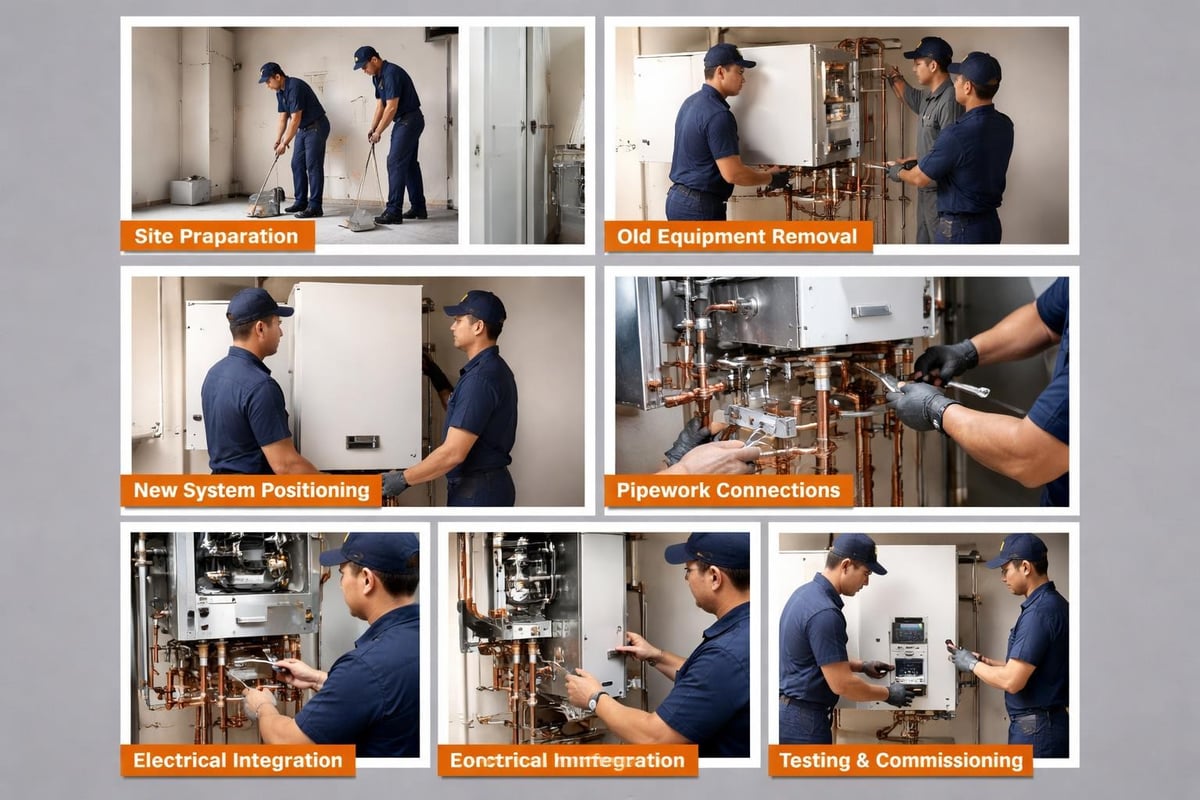
Professional heating installers protect your property throughout the installation process. This involves laying protective coverings, establishing safe working areas, and carefully removing old equipment to prevent damage to floors, walls, and furnishings.
Draining existing systems requires care to prevent water damage. Qualified professionals ensure complete drainage, handle any residual sludge or contaminants appropriately, and cap exposed pipework securely.
Installation and System Configuration
The physical installation represents the most visible portion of the heating installer's work, but much of the value lies in details invisible once the project completes. Proper pipework installation prevents future leaks, correct flue positioning ensures safe exhaust ventilation, and accurate electrical connections guarantee reliable operation.
Modern heating systems incorporate sophisticated controls requiring careful programming. Your heating installer configures these settings based on your household routines, optimising comfort whilst minimising energy waste. This includes setting heating schedules, configuring room thermostats, and establishing hot water production cycles.
Quality Indicators in Heating Installation Work
Distinguishing exceptional heating installation services from substandard work requires understanding key quality markers. These indicators reveal the professionalism and competence of your chosen heating installer.
Compliance with Building Regulations
All heating installations must comply with relevant building regulations, particularly Part L covering energy efficiency. Your heating installer should provide Building Regulations compliance certification upon completion, demonstrating that the work meets required standards.
The U.S. Department of Energy’s workshop on HVAC installation best practices emphasises how proper installation directly impacts energy performance, principles equally applicable to UK installations.
Documentation and Certification
Professional heating installers provide comprehensive documentation including:
- Installation manuals for all equipment
- Warranty registration completed on your behalf
- Gas Safe certificates (where applicable)
- Commissioning sheets detailing system performance
- User instructions explaining controls and maintenance
This documentation proves invaluable for insurance purposes, future maintenance requirements, and property sales.
Testing and Commissioning Procedures
Thorough testing distinguishes professional installations. A competent heating installer performs multiple checks before declaring the system operational:
| Test Category | Specific Checks | Purpose |
|---|---|---|
| Safety | Gas tightness, combustion analysis, flue performance | Prevent dangerous situations |
| Performance | Flow temperatures, pressure levels, pump operation | Ensure efficient operation |
| Controls | Thermostat response, timer functionality, zone valves | Verify correct system behaviour |
| Water Quality | Inhibitor concentration, pH levels, circulation | Protect against corrosion |
Selecting the Right Heating Installer for Your Project
With numerous heating installation companies operating across the North East, making an informed choice requires careful consideration of multiple factors beyond initial quotation prices.
Experience and Track Record
Longevity in the heating industry indicates reliability and customer satisfaction. Companies established for decades have weathered economic changes, adapted to evolving technologies, and built reputations worth protecting. Look for heating installers with demonstrable experience in your specific system type.
Customer testimonials and case studies provide insights into real-world performance. A heating installer confident in their work willingly shares references and examples of completed projects similar to your requirements.
Range of Services and Manufacturer Relationships
The best heating installers maintain relationships with multiple manufacturers, offering genuine choice rather than pushing particular brands regardless of suitability. They stay current with technological developments, understanding the strengths and limitations of different systems.
Comprehensive service offerings indicate depth of expertise. A heating installer providing everything from initial consultations through installation to ongoing maintenance demonstrates commitment to long-term customer relationships.
Financial Flexibility and Transparent Pricing
Heating system installations represent significant investments. Progressive heating installers recognise this and offer financing options that make projects accessible without compromising quality. Interest-free payment plans allow homeowners to spread costs whilst enjoying immediate benefits from improved heating efficiency.
Transparent pricing builds trust. Professional heating installers provide detailed quotations breaking down material costs, labour charges, and any additional expenses. They explain what's included and identify potential variables that might affect final costs.
Common Installation Challenges and Solutions
Even experienced heating installers encounter situations requiring creative problem-solving and technical expertise. Understanding common challenges helps homeowners appreciate the value professional installers bring.
Working with Existing Infrastructure
Older properties frequently present complications including undersized pipework, inadequate electrical supplies, or incompatible radiator systems. A skilled heating installer identifies these issues during initial surveys and proposes practical solutions that balance performance requirements with budget constraints.
Sometimes partial upgrades deliver better value than complete system replacements. Your heating installer might recommend retaining serviceable radiators whilst upgrading the boiler and controls, achieving substantial efficiency improvements at reduced cost.
Space Constraints and Equipment Positioning
Modern heating equipment often differs dimensionally from the systems they replace. A competent heating installer finds creative solutions for positioning boilers, cylinders, and ancillary equipment within available space whilst maintaining accessibility for future maintenance.
External installations present additional considerations including weather protection, frost prevention, and aesthetic integration with building exteriors. Professional heating installers balance these factors, ensuring systems perform reliably regardless of environmental conditions.
Integration with Smart Home Technology
Contemporary heating installations increasingly incorporate smart controls and home automation integration. Forward-thinking heating installers understand these technologies, configuring systems that communicate with smart thermostats, voice assistants, and energy monitoring platforms.
This integration extends heating system capabilities beyond basic temperature control, enabling features like geofencing that adjusts heating based on occupancy, weather compensation that modifies output according to external temperatures, and remote access allowing system management from anywhere.
Maintenance Partnerships and Long-Term Support
The relationship with your heating installer shouldn't end when the installation completes. Ongoing maintenance ensures systems continue performing efficiently throughout their operational lifespan.
Annual Servicing Requirements
Regular servicing by a qualified heating installer maintains manufacturer warranties, identifies developing problems before they cause breakdowns, and optimises efficiency to minimise running costs. The ACHR News guidance on gas furnace installation emphasises how proper maintenance preserves the benefits of quality installation work.
Servicing schedules vary by system type:
- Gas boilers: Annual servicing mandatory for warranty compliance
- Oil boilers: Annual servicing recommended, potentially more frequently for older systems
- Heat pumps: Annual checks plus refrigerant inspections
- Biomass boilers: More frequent servicing due to combustion residue
Emergency Response and Repair Services
Heating failures rarely occur at convenient times. Reliable heating installers provide emergency response services, ensuring rapid assistance when problems arise. This responsiveness proves particularly valuable during winter months when heating system failures create genuine hardship.
Established heating installation companies maintain spare parts inventories and manufacturer connections that accelerate repair processes. Their technicians' familiarity with systems they originally installed enables faster diagnosis and more effective repairs.
Energy Efficiency and Environmental Considerations
Modern heating installations balance comfort requirements with environmental responsibilities and energy cost management. Professional heating installers guide homeowners toward solutions that deliver both immediate benefits and long-term sustainability.
Efficiency Ratings and Performance Metrics
Understanding boiler efficiency ratings helps evaluate long-term running costs. A competent heating installer explains the difference between gross and net efficiency figures, helping you make informed comparisons between systems.
Seasonal efficiency of domestic boilers in the UK (SEDBUK) ratings account for real-world performance variations, providing more accurate efficiency predictions than laboratory test results alone. Your heating installer should reference these ratings when recommending equipment.
Renewable Heating Technologies
Government initiatives increasingly encourage renewable heating adoption. Heat pumps, biomass boilers, and solar thermal systems all contribute toward decarbonising domestic heating. A knowledgeable heating installer assesses which renewable technologies suit your property, explaining potential government incentives and realistic payback periods.
The transition to renewable heating sometimes requires property modifications including improved insulation or radiator upgrades. Professional heating installers coordinate these improvements, ensuring renewable systems operate at optimal efficiency levels.
Regional Considerations for North East Installations
Heating requirements vary by location, with climate, building types, and local infrastructure all influencing optimal system choices. Heating installers working extensively in the North East develop specific expertise relevant to regional conditions.
Climate and Weather Patterns
The North East experiences variable weather requiring heating systems capable of responding to rapid temperature changes. Coastal areas face additional challenges including salt-laden air that affects external equipment longevity. Experienced local heating installers specify components and installation methods addressing these environmental factors.
Building Stock Characteristics
The North East's diverse building stock ranges from Victorian terraces to modern new-builds, each presenting distinct heating installation challenges. Period properties might require sensitive approaches preserving architectural features whilst incorporating modern heating efficiency. A heating installer familiar with regional building types navigates these requirements effectively.
Local Support Networks
Established regional heating installers maintain relationships with local suppliers, enabling rapid parts procurement and minimising downtime during repairs. They understand local building control procedures and maintain positive working relationships with inspection authorities, streamlining compliance processes.
Selecting a professional heating installer represents one of the most important decisions affecting your home's comfort, running costs, and environmental impact. By prioritising qualifications, experience, and transparent business practices, you ensure your heating investment delivers reliable performance for years to come. Whether you're considering a straightforward boiler replacement or exploring renewable heating technologies, partnering with experienced professionals makes all the difference. NU Heat North East Ltd has served homeowners across the North East since 1983, combining technical expertise with customer-focused service and flexible 0% finance options that make quality heating installations accessible to everyone.