
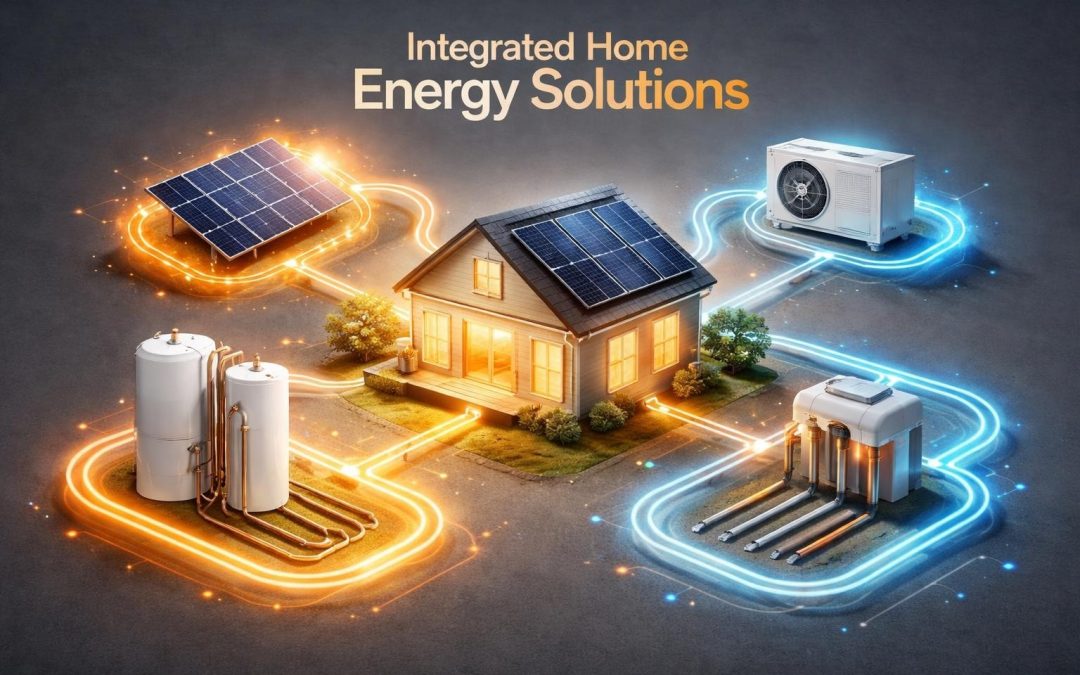
Choosing the right heating solutions for your home has become increasingly complex as technology advances and energy efficiency requirements evolve. In 2026, homeowners across the North East face a wider array of options than ever before, from traditional gas boilers to innovative biomass systems and renewable technologies. Understanding the various heating solutions available, their benefits, installation requirements, and long-term costs is essential for making informed decisions that will keep your home comfortable whilst managing energy expenses effectively. This comprehensive guide explores the modern landscape of residential heating, helping you navigate the options suited to your property's specific needs.
Understanding Modern Heating System Options
The landscape of residential heating solutions has transformed significantly over recent decades. Today's homeowners must consider not only immediate heating needs but also environmental impact, running costs, and future-proofing their properties.
Traditional Gas Boiler Systems
Gas boilers remain the most common heating solution throughout the United Kingdom, valued for their reliability and established infrastructure. These systems heat water that circulates through radiators or underfloor heating networks, providing consistent warmth across your property.
Key advantages include:
- Widespread availability of qualified engineers for maintenance
- Lower installation costs compared to renewable alternatives
- Proven technology with predictable performance
- Efficient heating delivery in most property types
Modern condensing boilers represent a significant improvement over older models, capturing heat from exhaust gases that would otherwise escape. This efficiency gain can reduce fuel consumption by up to 25%, translating to substantial savings over the system's lifespan.
| Boiler Type | Efficiency Rating | Best Suited For | Average Lifespan |
|---|---|---|---|
| Combi | 88-94% | Small to medium homes | 10-15 years |
| System | 89-95% | Medium to large homes | 12-18 years |
| Regular | 85-92% | Properties with existing tanks | 15-20 years |
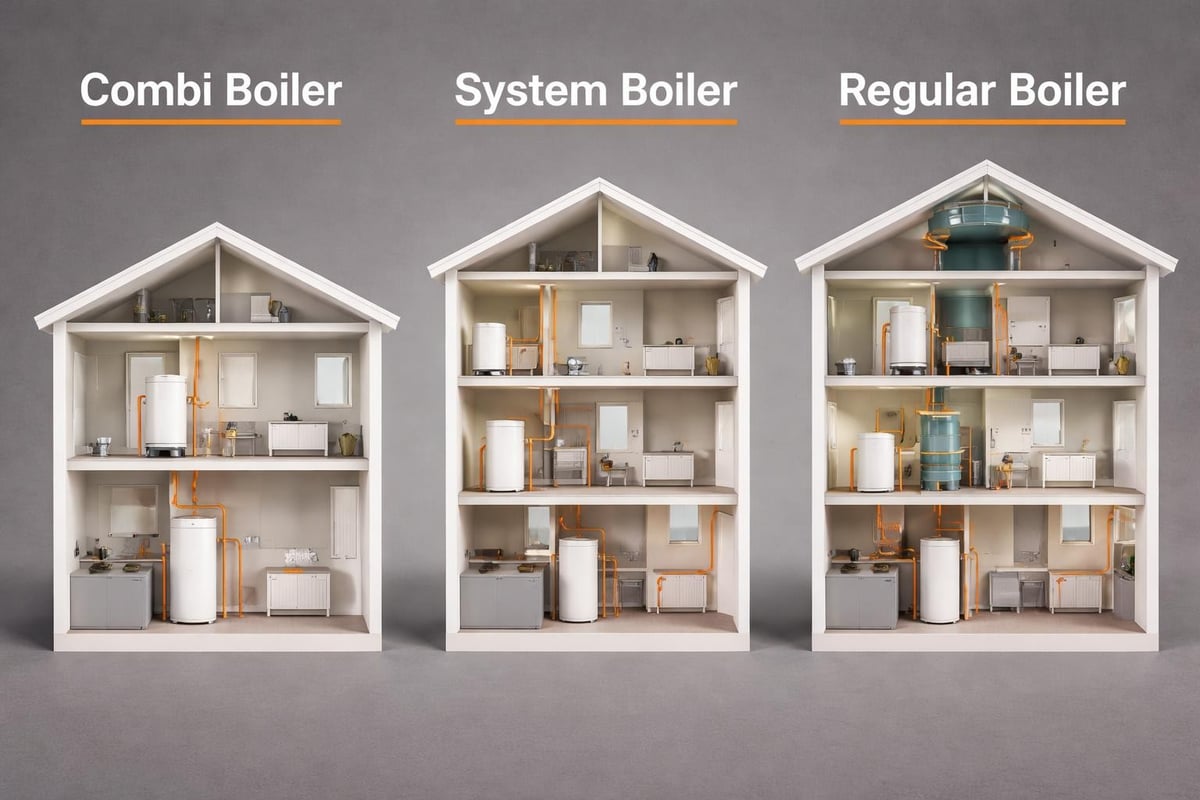
The choice between combi, system, and regular boilers depends on your property's hot water demand, available space, and existing infrastructure. Combi boilers heat water on demand, eliminating the need for storage tanks, whilst system boilers maintain a cylinder for homes with multiple bathrooms.
Heat Pump Technology
Heat pumps represent one of the fastest-growing heating solutions in the residential sector. These systems extract warmth from the air or ground and amplify it to heat your home, offering exceptional efficiency even in colder climates.
Air source heat pumps draw heat from outside air, whilst ground source variants utilise stable underground temperatures. Both technologies can achieve efficiency ratings of 300-400%, meaning they deliver three to four times more energy than they consume.
However, heat pumps require careful consideration. They work best with underfloor heating or larger radiators that operate at lower temperatures. Properties must also meet minimum insulation standards to benefit from these systems fully.
Installation costs for heat pumps typically exceed traditional boilers significantly, though government incentives and long-term energy savings often justify the investment. The comprehensive resources from ASHRAE provide detailed technical information about heat pump performance and installation requirements.
Biomass Heating Solutions for Sustainable Warmth
Biomass systems offer a compelling alternative amongst modern heating solutions, particularly for properties seeking renewable options without complete system overhauls. These boilers burn wood pellets, chips, or logs to generate heat, providing carbon-neutral warmth when sustainably sourced fuel is used.
The biomass advantage centres on fuel flexibility and environmental credentials. Wood pellets produce minimal ash, store easily, and deliver consistent heat output. Larger properties with space for fuel storage find biomass particularly attractive, as bulk purchasing reduces fuel costs substantially.
Biomass System Requirements
Implementing biomass heating solutions demands specific considerations that differ from conventional systems:
- Fuel storage space: Adequate dry storage protects fuel quality and ensures system efficiency
- Flue installation: Proper ventilation meets safety standards and optimises combustion
- Maintenance schedule: Regular cleaning maintains performance and extends equipment life
- Delivery access: Bulk fuel deliveries require suitable vehicle access
- Automated feeding: Pellet systems benefit from automatic feed mechanisms
Modern biomass boilers integrate with existing radiator networks, making them viable retrofit options. Thermal stores buffer heat output, providing domestic hot water alongside space heating.
The environmental case for biomass strengthens as the UK pursues carbon reduction targets. Sustainable forestry practices ensure fuel sources regenerate, maintaining the carbon-neutral cycle. Research on innovative low-temperature heating technologies demonstrates the evolving potential of renewable heating solutions.
Electric Heating Solutions: Flexibility and Control
Electric heating solutions provide versatile options for properties where gas connections prove impractical or expensive. Various electric heating technologies cater to different scenarios, from whole-house heating to targeted room solutions.
Storage heaters charge overnight using cheaper off-peak electricity, releasing warmth throughout the day. Modern versions incorporate improved controls and insulation, addressing the limitations that gave older models poor reputations.
Electric radiator options:
- Panel heaters for quick, responsive warmth
- Oil-filled radiators offering gentle, sustained heat
- Infrared panels providing directional heating
- Storage heaters maximising off-peak tariffs
Electric underfloor heating delivers consistent comfort, particularly in bathrooms and kitchens. Installation beneath tile or stone floors creates efficient, space-saving heating solutions that eliminate radiator requirements.
Running costs represent the primary consideration with electric heating. Electricity prices per kilowatt-hour typically exceed gas rates, though high efficiency and precise control can offset this disadvantage partially.

Radiator Systems and Heat Distribution
Effective heat distribution separates adequate heating solutions from exceptional ones. The radiators or heating elements you select significantly impact comfort levels, energy efficiency, and system performance.
Radiator Selection Factors
| Factor | Traditional Radiators | Designer Radiators | Underfloor Heating |
|---|---|---|---|
| Heat Output | High, responsive | Variable, aesthetic-focused | Gentle, consistent |
| Installation Cost | £150-400 per unit | £300-1,200 per unit | £75-100 per m² |
| Wall Space Required | Significant | Significant | None |
| Response Time | 20-40 minutes | 20-40 minutes | 2-3 hours |
Correctly sizing radiators ensures rooms reach comfortable temperatures without excessive boiler cycling. Heat loss calculations account for room dimensions, insulation levels, window areas, and external wall exposure.
Column radiators, vertical designs, and contemporary panels offer alternatives where wall space is limited. Designer options integrate heating solutions with interior aesthetics, though performance must remain the primary consideration.
Thermostatic radiator valves (TRVs) provide room-level control, reducing heating where spaces require less warmth. Modern programmable TRVs learn usage patterns, automatically adjusting temperatures for optimal comfort and efficiency.
The heating system guidance from home inspectors offers practical advice for maintaining radiator systems and troubleshooting common issues.
Hybrid Heating Approaches
Combining multiple technologies creates hybrid heating solutions that maximise efficiency whilst maintaining reliability. These systems typically pair renewable technologies with conventional boilers, switching between heat sources based on external temperatures and energy costs.
A common configuration combines an air source heat pump with a gas boiler. The heat pump handles the majority of heating during milder weather, whilst the boiler supplements capacity during peak cold periods. This approach optimises running costs without compromising comfort.
Hybrid system benefits:
- Lower carbon emissions than gas-only systems
- Reduced operating costs through intelligent fuel switching
- Maintained heating reliability during extreme weather
- Gradual transition towards renewable energy
- Future-proofing as gas phase-out approaches
Control systems manage the transition between heat sources automatically, monitoring external temperatures, energy prices, and heating demand. Sophisticated algorithms ensure the most economical heat source operates at any given time.
Initial investment for hybrid heating solutions exceeds single-fuel systems, though long-term savings and environmental benefits often justify the premium. Government incentive schemes may reduce upfront costs for qualifying installations.
Smart Controls and Heating Optimisation
Modern heating solutions increasingly incorporate smart technology, transforming how homeowners interact with their systems. These controls extend beyond simple thermostats, offering comprehensive management through smartphone applications and intelligent automation.
Smart heating controls learn household patterns, adjusting temperatures based on occupancy, weather forecasts, and user preferences. Geolocation features detect when residents leave or approach home, modifying heating accordingly to avoid waste whilst ensuring comfort upon arrival.
Zoned heating divides properties into separately controlled areas. Multi-zone systems allow precise temperature management, heating occupied spaces fully whilst maintaining lower temperatures elsewhere. This granular control substantially reduces energy consumption in larger properties.
Voice control integration with platforms like Amazon Alexa or Google Home adds convenience, enabling temperature adjustments through simple commands. Usage reports highlight consumption patterns, identifying opportunities for further efficiency improvements.
The information available through ASHRAE’s technical resources demonstrates how proper system design and control optimisation work together in effective heating solutions.
Maintenance and Long-Term Performance
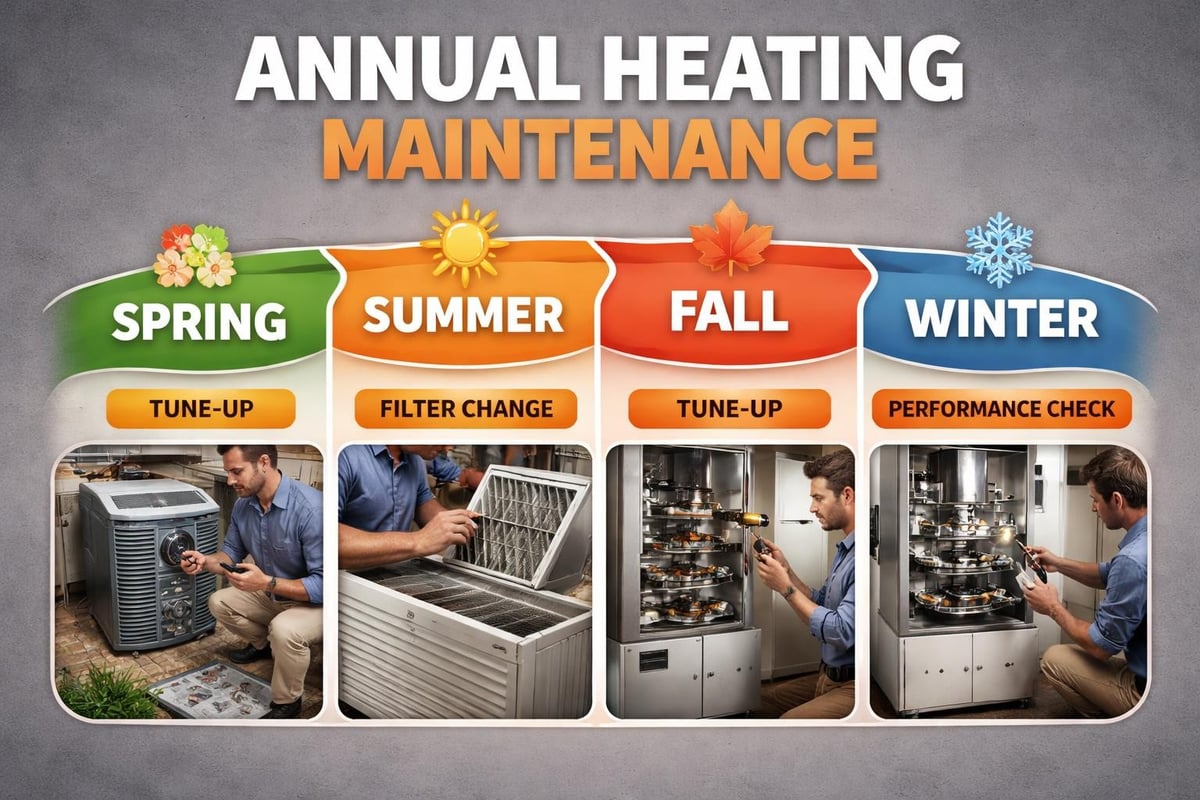
Regular maintenance preserves efficiency, extends equipment lifespan, and maintains safety standards across all heating solutions. Annual servicing by qualified engineers identifies potential issues before they escalate into costly failures.
Essential Maintenance Tasks
- Annual boiler service: Ensures safe operation and optimal efficiency
- System power flush: Removes sludge and debris compromising heat distribution
- Radiator bleeding: Eliminates trapped air reducing heat output
- Control calibration: Maintains accurate temperature management
- Pressure checks: Identifies leaks and maintains system integrity
Different heating solutions demand specific maintenance approaches. Biomass systems require regular ash removal and fuel quality monitoring. Heat pumps need refrigerant checks and outdoor unit clearance maintenance. Understanding these requirements prevents performance degradation.
Extended warranties and service contracts provide peace of mind, ensuring professional support remains available throughout your system's operational life. Many heating engineers offer maintenance packages covering annual servicing and priority emergency response.
Cost Considerations and Financial Planning
Evaluating heating solutions requires comprehensive cost analysis extending beyond initial purchase prices. Installation expenses, running costs, maintenance requirements, and expected lifespan all influence the true cost of ownership.
| System Type | Installation Cost | Annual Running Cost | Annual Maintenance | 15-Year Total Cost |
|---|---|---|---|---|
| Gas Combi Boiler | £2,000-3,500 | £800-1,200 | £80-120 | £16,000-22,000 |
| Air Source Heat Pump | £8,000-12,000 | £600-900 | £100-150 | £18,000-24,000 |
| Biomass Boiler | £10,000-15,000 | £700-1,100 | £150-250 | £21,000-28,000 |
Financing options make advanced heating solutions accessible without prohibitive upfront costs. Interest-free payment plans spread expenses over manageable periods, aligning payments with energy savings realised from efficient systems.
Government schemes periodically support renewable heating adoption through grants or reduced VAT rates. Staying informed about available incentives helps maximise the financial viability of sustainable heating solutions.
Energy performance certificates (EPCs) reflect heating efficiency, influencing property values. Modern, efficient heating solutions enhance marketability and potentially increase sale prices, representing an investment in property value alongside comfort.
Professional Installation Importance
Proper installation fundamentally determines heating system performance, efficiency, and longevity. Qualified heating engineers possess the technical knowledge, regulatory understanding, and practical experience necessary for successful implementations.
Gas Safe registration remains mandatory for anyone installing or maintaining gas heating solutions. This certification ensures engineers meet safety standards and follow current regulations. Similarly, heat pump installations require specific qualifications demonstrating competence with these technologies.
Professional installers conduct thorough property assessments before recommending specific heating solutions. Heat loss calculations, water pressure testing, and existing infrastructure evaluation inform system sizing and component selection.
Building regulations compliance ensures installations meet safety and efficiency standards. Professional engineers navigate these requirements, handling necessary notifications and inspections. This regulatory compliance protects homeowners legally and ensures insurance validity.
Choosing established, reputable heating companies provides additional security. Firms with decades of experience bring valuable insights to complex installations, whilst established reputations incentivise quality workmanship and customer satisfaction.
Renewable Energy Integration
Solar thermal systems complement traditional heating solutions by providing renewable hot water heating. These panels absorb solar energy, transferring heat to water cylinders and reducing boiler demand during sunnier months.
The efficiency of solar water heating systems makes them attractive additions to comprehensive heating strategies. During summer, solar panels can meet hot water requirements entirely, allowing boilers to remain inactive. The benefits of solar thermal technologies demonstrate their role in sustainable home energy systems.
Battery storage systems enhance renewable heating solutions by storing excess electricity generated from solar panels. This stored energy can power electric heating elements or heat pumps during evening peaks, maximising renewable energy utilisation.
Ground source heat pump integration with solar thermal creates highly efficient heating solutions. Solar panels pre-heat water, reducing the energy heat pumps require to reach target temperatures. This synergy optimises renewable energy contribution whilst maintaining comfort standards.
Regional Considerations for the North East
Climate conditions in the North East of England influence heating solution selection and performance. Coastal properties face additional challenges from salt air corrosion, whilst rural locations may lack mains gas access, affecting available options.
Properties in Newbiggin-by-the-Sea and surrounding areas often benefit from hybrid or biomass heating solutions where gas connections prove expensive. The maritime climate, with moderate winters and cool summers, suits heat pump technologies operating within their optimal temperature ranges.
Local infrastructure affects installation possibilities and costs. Properties in established urban areas typically access mains gas easily, whilst rural homes might find oil, LPG, or renewable heating solutions more practical. Understanding regional factors ensures realistic system selection.
Building age and construction methods common to the North East require specific heating approaches. Solid-wall properties need higher heat outputs, whilst modern builds with improved insulation perform excellently with lower-temperature heating solutions like heat pumps.
Selecting appropriate heating solutions demands careful consideration of technology options, property characteristics, running costs, and long-term sustainability goals. Whether you're replacing an ageing boiler, upgrading to renewable technologies, or designing heating for a new build, professional guidance ensures optimal outcomes. Since 1983, NU Heat North East Ltd has provided comprehensive plumbing and heating services throughout Newbiggin-by-the-Sea and the wider North East region, installing and maintaining diverse heating systems from traditional boilers to innovative biomass solutions. With 0% interest financing available and highly trained technicians ready to deliver installations you'll be completely satisfied with, we're here to help you find the perfect heating solution for your home.